


Organometallic Ligands
Subcategories of "Organometallic Ligands"
- Buchwald Ligands(22 products)
- DPEN(4 products)
- DPHEN(4 products)
- JOSIPHOS(4 products)
- Phosphine(497 products)
- Porphirines(75 products)
Found 2889 products of "Organometallic Ligands"
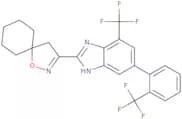
TC-I 2014
CAS:TC-I 2014 is a specific chemical compound known as a selective inhibitor, which is derived from microbial sources. It operates by selectively inhibiting a particular protein or signaling pathway, thereby modulating cellular processes. This compound is often used in biochemical and cellular biology research to dissect and understand complex signaling networks within cells. By selectively blocking certain pathways, researchers can identify and study the role of specific proteins in biological processes and disease mechanisms.
Formula:C23H19F6N3OPurity:Min. 95%Molecular weight:467.4 g/molRef: 3D-WYB34953
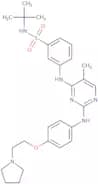
Discontinued productFedratinib
CAS:JAK2 inhibitor with potential antineoplastic activity
Formula:C27H36N6O3SPurity:Min. 95%Molecular weight:524.68 g/molRef: 3D-FD151499
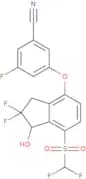
Discontinued product(rac)-PT2399
CAS:The (rac)-PT2399 is an integrated circuit that functions as an analog/digital delay processor. It is sourced from audio electronics and designed with a focus on low-cost applications where time-based audio effects are needed. The mode of action involves using its internal digital processing capabilities to delay audio signals, typically in the range of 30 to 340 milliseconds. This is achieved by sampling the input audio signal, converting it into a digital format, processing the delay, and then reverting it back to an analog output.
Formula:C17H10F5NO4SPurity:Min. 95%Molecular weight:419.3 g/molRef: 3D-XRC66207
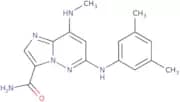
Discontinued productTyK2-IN-2
CAS:TyK2-IN-2 is a selective inhibitor that targets the Tyrosine Kinase 2 (TYK2) signaling pathway, a critical component of the Janus kinase (JAK) family involved in cytokine signaling. This compound has been derived through meticulous chemical synthesis, aimed at achieving high specificity and potency. Its mode of action involves selectively inhibiting the TYK2 enzyme, thereby disrupting the downstream signaling cascades that are pivotal in various immune responses.
Formula:C16H18N6OPurity:Min. 95%Molecular weight:310.35 g/molRef: 3D-YID46694
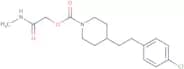
Discontinued productSA 57
CAS:SA 57 is a synthetic antimicrobial agent, which is a laboratory-engineered compound with a specialized mode of action targeting bacterial cell wall synthesis. By disrupting the structural integrity of the bacterial cell wall, SA 57 effectively compromises cellular stability, leading to bacterial cell death. Its precise interference with peptidoglycan synthesis confers it high specificity and efficacy against a broad spectrum of bacterial strains.
Formula:C17H23ClN2O3Purity:Min. 95%Molecular weight:338.8 g/molRef: 3D-WDC16963
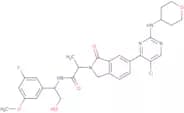
Discontinued productErk1/2 inhibitor 2
CAS:Erk1/2 inhibitor 2 is a selective small molecule inhibitor designed to target and inhibit the activity of the extracellular signal-regulated kinases 1 and 2 (Erk1/2). These kinases are critical components of the mitogen-activated protein kinase (MAPK) signaling pathway, which is integral to regulating various cellular processes, including proliferation, differentiation, and survival. The source of Erk1/2 inhibitor 2 is synthetic, produced through meticulous organic synthesis techniques specifically tailored to enhance its selectivity and potency.
Formula:C29H31ClFN5O5Purity:Min. 95%Molecular weight:584 g/molRef: 3D-VID71992
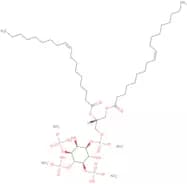
Discontinued product18:1 Pi(3,4,5)P3
CAS:18:1 PI(3,4,5)P3 is a phosphatidylinositol polyphosphate, which is a signaling lipid molecule derived from a glycerophospholipid source, commonly used in biochemical research. It is a product of the PI3K (phosphoinositide 3-kinase) pathway, where it acts as a secondary messenger involved in various cellular processes. This lipid plays a critical role in signal transduction by recruiting proteins with pleckstrin homology (PH) domains to the cell membrane, thereby modulating cell growth, proliferation, survival, and migration.
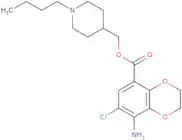
Formula:C45H98N4O22P4Purity:Min. 95%Molecular weight:1,171.17 g/molSb-204070 hydrochloride
CAS:Sb-204070 hydrochloride is a potent and selective endothelin receptor antagonist, which is a synthetic compound developed for research purposes. Synthesized from a laboratory process, it specifically targets the endothelin receptor subtypes, which play a crucial role in various physiological functions related to the cardiovascular system.
Formula:C19H27ClN2O4Purity:Min. 95%Molecular weight:382.9 g/molRef: 3D-YFA70258
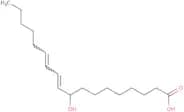
Discontinued product9(S)-Hydroxy-10(E),12(Z)-octadecadienoic acid
CAS:9(S)-Hydroxy-10(E),12(Z)-octadecadienoic acid is a specialized lipid derivative, classified as an oxidized fatty acid product, specifically a hydroxyoctadecadienoic acid (HODE). It is derived from linoleic acid through the action of lipoxygenases, enzymes that catalyze the dioxygenation of polyunsaturated fatty acids, resulting in regio- and stereospecific hydroxy derivatives.
Formula:C18H32O3Purity:Min. 95%Molecular weight:296.4 g/molID 8-d3
CAS:ID 8-d3 is a plant growth stimulant, which is derived from lignin, a complex organic polymer found in the cell walls of many plants and algae. With a deep focus on promoting plant growth and resilience, ID 8-d3 functions through the modulation of key plant physiological processes. Its mode of action involves enhancing nutrient uptake, stimulating root development, and bolstering stress resilience, which is mediated by biochemical pathways that synergize with the plant’s inherent metabolic processes.
Formula:C16H11D3N2O4Purity:Min. 95%Molecular weight:301.31 g/molRef: 3D-XFA59146
Discontinued product(7Z)-Monomyristolein
CAS:(7Z)-Monomyristolein is a monounsaturated fatty acid ester, which is a derived lipid metabolite found in various natural sources. It is commonly synthesized or isolated from specific plant oils or animal fats that contain myristoleic acid. In terms of its mode of action, (7Z)-Monomyristolein participates in cellular lipid metabolism and plays an essential role in lipid signaling pathways. This ester interacts with cellular membranes and enzymes, influencing various biological processes, including intracellular signaling and lipid homeostasis.
Formula:C17H32O4Purity:Min. 95%Molecular weight:300.43 g/molABP 688
CAS:ABP 688 is a radiolabeled ligand, which is a synthetic compound used primarily in positron emission tomography (PET) to visualize metabotropic glutamate receptor subtype 5 (mGluR5) in vivo. Developed from chemical synthesis, ABP 688 acts by selectively binding to the allosteric site of the mGluR5 receptor with high affinity and specificity. When labeled with a positron-emitting isotope such as Carbon-11 or Fluorine-18, it allows for the non-invasive imaging and quantification of mGluR5 distribution and density in the brain.
Formula:C15H16N2OPurity:Min. 95%Molecular weight:240.3 g/molRef: 3D-ZLB29851
Discontinued productRVT 501
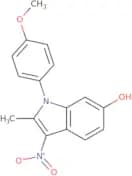
CAS:RVT 501 is a biochemical reagent, which is derived from synthetic organic compounds with high specificity. Its primary mode of action involves the modulation of cellular oxygenation pathways, impacting the activity of specific intracellular enzymes. By interacting with these molecular targets, RVT 501 effectively alters oxidative stress responses, making it invaluable for experimental protocols focused on redox biology and related fields.
Formula:C26H24N4O5Purity:Min. 95%Molecular weight:472.49 g/molRef: 3D-XMB62048
Discontinued productTyrphostin ag 1007
CAS:Tyrphostin AG 1007 is a synthetic small molecule inhibitor, which is derived from chemical synthesis with a targeted mode of action on protein tyrosine kinases. These kinases are crucial enzymes involved in the signal transduction pathways that regulate various cellular processes, including cell growth, differentiation, and metabolism. By inhibiting these kinases, Tyrphostin AG 1007 interferes with aberrant signaling pathways often implicated in diseases such as cancer and inflammatory disorders.
Formula:C17H14N2O2SPurity:Min. 95%Molecular weight:310.37 g/molRef: 3D-YFA74132
Discontinued productN-[(1S,2R,4S)-2-Amino-4-(dimethylcarbamoyl)cyclohexyl]-N'-(5-chloropyridin-2-yl)oxamide
CAS:N-[(1S,2R,4S)-2-Amino-4-(dimethylcarbamoyl)cyclohexyl]-N'-(5-chloropyridin-2-yl)oxamide is a synthetic compound, which is an engineered chemical structure with potential pharmacological properties. This compound is sourced from systematic organic synthesis, employing targeted molecular adjustments to achieve a precise configuration that may interact with specific biological pathways. It operates by potentially modulating receptor activity or enzyme inhibition, although detailed mechanistic studies are necessary to fully elucidate its mode of action. Its unique configuration allows it to possibly interact with certain biomolecules, aiming to alter or inhibit pathological processes.
Formula:C16H22ClN5O3Purity:95%NmrMolecular weight:367.8 g/molMyxochelin A
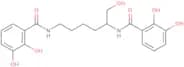
CAS:Myxochelin A is an iron-chelating siderophore, which is a specialized secondary metabolite produced by certain strains of myxobacteria. These microorganisms, often found in soil and decomposing material, synthesize Myxochelin A to scavenge iron from the environment, essential for their survival and growth. The mode of action of Myxochelin A involves the sequestration of ferric iron (Fe^3+) ions through its high-affinity binding sites. This effectively deprives competing microorganisms of the iron required for crucial biological processes, imparting an antimicrobial effect.
Formula:C20H24N2O7Purity:Min. 95%Molecular weight:404.4 g/molNada
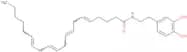
CAS:Nada is a delactosed fermented dairy beverage, derived from milk sources, with live probiotic cultures as its mode of action. These cultures primarily include strains such as Lactobacillus acidophilus and Bifidobacterium bifidum, known for their ability to promote gut health by modulating the intestinal microbiota, enhancing gut barrier function, and modulating the immune response.
Formula:C28H41NO3Purity:Min. 95%Molecular weight:439.6 g/molRef: 3D-ZHA87569
Discontinued productMKT-077
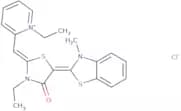
CAS:MKT-077 is a rhodacyanine dye analogue, which is a compound derived from the class of compounds known as rhodacyanines. This particular analogue is synthesized for its biochemical properties, specifically targeting mitochondrial functions. The mode of action of MKT-077 involves the selective accumulation within the mitochondria of cancer cells, where it induces mitochondrial stress and disrupts mitochondrial membrane potential. This disruption leads to apoptotic cell death, making it a potential agent in cancer treatment research.
Formula:C21H22ClN3OS2Purity:Min. 95%Molecular weight:432 g/molRef: 3D-XFA36641
Discontinued product3-[5-[(Dipropylamino)methyl]-1,2,4-oxadiazol-3-yl]-8-fluoro-5-methyl-4H-imidazo[1,5-a][1,4]benzodiazepin-6-one
CAS:3-[5-[(Dipropylamino)methyl]-1,2,4-oxadiazol-3-yl]-8-fluoro-5-methyl-4H-imidazo[1,5-a][1,4]benzodiazepin-6-one is a synthetic compound characterized as a benzodiazepine derivative. This chemical entity is produced via intricate organic synthesis involving the integration of multiple functional groups to yield a structure with promising pharmacological activities. Its primary mode of action involves modulation of the central nervous system through interaction with GABA receptor subtypes. This interaction enhances inhibitory neurotransmission, resulting in anxiolytic, anticonvulsant, and muscle relaxant effects.
Formula:C21H25FN6O2Purity:Min. 95%Molecular weight:412.5 g/molRef: 3D-XGA40717
Discontinued productRo 22-5112
CAS:Ro 22-5112 is an investigational pharmaceutical compound primarily characterized as an adrenergic receptor modulator. It is synthetically derived and designed to interact with specific adrenergic receptors within the human body. The mode of action of Ro 22-5112 involves binding to these receptors, leading to the modulation of adrenergic signaling pathways. This interaction can influence various physiological responses such as heart rate, vascular resistance, and neurotransmitter release.
Formula:C20H30O4Purity:Min. 95%Molecular weight:334.45 g/molRef: 3D-YCA34158
Discontinued product




![N-[(1S,2R,4S)-2-Amino-4-(dimethylcarbamoyl)cyclohexyl]-N'-(5-chloropyridin-2-yl)oxamide](/_next/image/?url=https%3A%2Fstatic.cymitquimica.com%2Fproducts%2F3D%2Fthumb-webp%2FFUA45237.webp&w=3840&q=75)
![3-[5-[(Dipropylamino)methyl]-1,2,4-oxadiazol-3-yl]-8-fluoro-5-methyl-4H-imidazo[1,5-a][1,4]benzodi…](/_next/image/?url=https%3A%2Fstatic.cymitquimica.com%2Fproducts%2F3D%2Fthumb-webp%2FXGA40717.webp&w=3840&q=75)
