Organosilicon Compounds
In this section, you will find a large number of organosilicon compounds. Organosilicon compounds are characterized by carbon atoms bonded to silicon atoms. Other non-metallic compounds may also be present. These compounds are widely used in organic synthesis, materials science, and pharmaceuticals due to their unique chemical properties. At CymitQuimica, we provide a broad range of high-quality organosilicon compounds to support your research and industrial projects.
Subcategories of "Organosilicon Compounds"
Found 4327 products of "Organosilicon Compounds"
Sort by
Purity (%)
0
100
|
0
|
50
|
90
|
95
|
100
4-Cyano-2-methylphenylboronic acid, pinacol ester
CAS:<p>Please enquire for more information about 4-Cyano-2-methylphenylboronic acid, pinacol ester including the price, delivery time and more detailed product information at the technical inquiry form on this page</p>Formula:C14H18BNO2Purity:Min. 95%Molecular weight:243.11 g/mol1-(Trimethylsilyloxy)cyclohexene
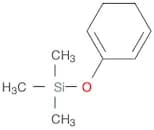
CAS:<p>The trimethylsilyloxy group is a very efficient method for the synthesis of antireflection coatings consisting of metal carbonyls. One such metal carbonyl is tetradentate zirconium oxide. Tetradentate zirconium oxide has been shown to be a good catalyst for the reaction between triflic acid and 1-(trimethylsilyloxy)cyclohexene. The ethyl group on the 1-carbon atom of 1-(trimethylsilyloxy)cyclohexene allows it to coordinate with the zirconium atom in tetradentate zirconium oxide, while the triflic acid acts as an acid catalyst to increase the rate of reaction.</p>Formula:C9H18OSiPurity:Min. 95%Molecular weight:170.32 g/mol2-(Chloromethoxyethyl)trimethyl silane - stabilized with ca. 0.1% Diisopropylethylamine
CAS:<p>Silyl protecting group for alcohols; reagent for introducing protected C atom</p>Formula:C6H15ClOSiPurity:Min. 95%Color and Shape:Colorless Clear LiquidMolecular weight:166.72 g/molDichloro(methyl)octadecylsilane
CAS:<p>Dichloro(methyl)octadecylsilane is a liquid that is used to coat the inside of tubes in chromatographic columns. The coating ensures that the stationary phase (the material on which the analyte travels) remains stationary and is not carried away with the mobile phase. It has been shown to be effective at removing hydrogen chloride from water and can be used as a fabricating agent for coatings. Dichloro(methyl)octadecylsilane is used in analytical chemistry, where it has been shown to have a number of uses including being able to remove hydroxy groups from molecules and electron microscopy, where it can be used as a coating for nonpolar solvents.</p>Purity:Min. 95%1-Hexyl-o-carborane
CAS:Controlled Product<p>1-Hexyl-o-carborane is a human bioassay that has shown carcinogenic activity. It has been observed to cause cancer in humans through its ability to bind to DNA and alter the cell cycle. 1-Hexyl-o-carborane is an organometallic compound that binds to ferrocene and other organometallic compounds, preventing their use as anticancer drugs. 1-Hexyl-o-carborane can be synthesized by reacting hexylmagnesium bromide with ammonium carbonyl chloride in a one pot reaction.</p>Formula:C8B10H24Purity:Min. 95%Molecular weight:228.39 g/molTriethoxy(propyl)silane
CAS:<p>Triethoxy(propyl)silane is an organosilicon compound that has reactive properties. It is a polymeric material that can be used as a component in paints, coatings, and sealants. The reaction of triethoxy(propyl)silane with sodium hydroxide solution yields hydrogen fluoride, water vapor, and hydrochloric acid. Triethoxy(propyl)silane has been shown to react with hydroxide solution to form polycarboxylic acids. The hydroxyl group on the triethoxy(propyl)silane molecule is responsible for the transport properties of this compound.</p>Formula:C9H22O3SiPurity:Min. 95%Molecular weight:206.35 g/mol4-(Ethylsulfonyl)phenylboronicacid
CAS:<p>Please enquire for more information about 4-(Ethylsulfonyl)phenylboronicacid including the price, delivery time and more detailed product information at the technical inquiry form on this page</p>Formula:C8H11BO4SPurity:Min. 95%Molecular weight:214.05 g/mol5-Chloropyridine-2-boronicacid
CAS:<p>Please enquire for more information about 5-Chloropyridine-2-boronicacid including the price, delivery time and more detailed product information at the technical inquiry form on this page</p>Formula:C5H5BClNO2Purity:Min. 95%Molecular weight:157.36 g/mol(3-Chloropropyl)diphenylsulfonium tetrafluoroborate
CAS:<p>Please enquire for more information about (3-Chloropropyl)diphenylsulfonium tetrafluoroborate including the price, delivery time and more detailed product information at the technical inquiry form on this page</p>Formula:C15H16ClS•BF4Purity:Min. 95%Molecular weight:350.61 g/mol2-Hydroxypyrimidine-5-boronicacid
CAS:<p>Please enquire for more information about 2-Hydroxypyrimidine-5-boronicacid including the price, delivery time and more detailed product information at the technical inquiry form on this page</p>Formula:C4H5BN2O3Purity:Min. 95%Molecular weight:139.91 g/molVinyloxytrimethylsilane
CAS:Controlled Product<p>Vinyloxytrimethylsilane is an organosilicon compound that is used as a polymerization initiator. It reacts with cyclobutanone to form a ruthenium complex, which can be used to coat surfaces and produce polymers. The use of this compound has been shown to increase the reaction yield and decrease the amount of by-products in the polymerization process. Vinyloxytrimethylsilane is biodegradable, making it an environmentally friendly alternative for coating surfaces or producing polymers.</p>Formula:C5H12OSiPurity:Min. 95%Molecular weight:116.23 g/mol4-(Hydroxymethyl)phenylboronic acid
CAS:<p>4-(Hydroxymethyl)phenylboronic acid is an organic compound that has been identified as a reactive, fatty acid. It has shown antibacterial efficacy against gram-positive and gram-negative bacteria in the presence of nanogels. 4-(Hydroxymethyl)phenylboronic acid is also a cross-linking agent that can be used to form hydrogels for tissue engineering applications. This chemical is being studied as a potential treatment for inflammatory bowel disease and diabetes mellitus. 4-(Hydroxymethyl)phenylboronic acid has been shown to have anti-cancer properties by inhibiting the proliferation of cancer cells and inducing apoptosis. The molecule also undergoes structural analysis using confocal microscopy.</p>Formula:C7H9BO3Molecular weight:151.96 g/mol1-Methylindole-3-boronic acid pinacol ester
CAS:<p>Please enquire for more information about 1-Methylindole-3-boronic acid pinacol ester including the price, delivery time and more detailed product information at the technical inquiry form on this page</p>Formula:C15H20BNO2Purity:Min. 95%Molecular weight:257.14 g/mol3-Acetylphenylboronic acid, pinacol ester
CAS:<p>Please enquire for more information about 3-Acetylphenylboronic acid, pinacol ester including the price, delivery time and more detailed product information at the technical inquiry form on this page</p>Formula:C14H19BO3Purity:Min. 95%Molecular weight:246.11 g/mol5-(4,4,5,5-Tetramethyl-1,3,2-dioxaborolan-2-yl)indoline
CAS:<p>Please enquire for more information about 5-(4,4,5,5-Tetramethyl-1,3,2-dioxaborolan-2-yl)indoline including the price, delivery time and more detailed product information at the technical inquiry form on this page</p>Purity:Min. 95%[4-(1-Cyano-1-methylethyl)phenyl]boronic acid
CAS:<p>Please enquire for more information about [4-(1-Cyano-1-methylethyl)phenyl]boronic acid including the price, delivery time and more detailed product information at the technical inquiry form on this page</p>Formula:C10H12BNO2Purity:Min. 95%Molecular weight:189.02 g/mol4-Mercaptophenylboronic acid
CAS:<p>4-Mercaptophenylboronicacid is a boronic acid that has been used to synthesize gold nanoparticles with antimicrobial properties. Boronic acids are able to form hydrogen bonds with biological molecules such as proteins and DNA, which allows them to be used for immobilization of biomolecules. This compound is also used as a reagent for the synthesis of disulfide bonds in proteins and peptides. 4-Mercaptophenylboronicacid can be used to prepare samples for electrochemical impedance spectroscopy (EIS) and colorimetric analysis.</p>Formula:C6H7BO2SPurity:Min. 95%Molecular weight:154 g/mol(1-Methyl-1H-pyrazol-4-yl)boronic acid
CAS:<p>(1-Methyl-1H-pyrazol-4-yl)boronic acid is a boronic acid that has been used for the synthesis of a number of heterocyclic compounds. Boronic acids are commonly used to synthesize phosphine ligands, which are reactive and can be used in cross-coupling reactions with organic halides, triflates, and tosylates. The efficiency of the reaction depends on the functional group present on the boron atom. (1-Methyl-1H-pyrazol-4-yl)boronic acid can inhibit the activity of many types of enzymes, including those involved in bacterial DNA synthesis and protein synthesis. (1-Methyl-1H-pyrazol-4-yl)boronic acid has been shown to have pharmacokinetic properties that depend on its ionization state.</p>Formula:C4H7BN2O2Purity:Min. 95%Molecular weight:125.92 g/mol2-Methylpyridine-4-boronic acid
CAS:<p>2-Methylpyridine-4-boronic acid is a reactive molecule that has been used in post-column derivatization and vivo studies. It has been shown to be reactive with mass spectrometric analysis, cancer assays, proteomics, and tumorigenic sample preparation. It also has been shown to have a molecular target of the cytochrome P450 reductase (CPR), which is involved in the metabolism of drugs and other xenobiotics. 2-Methylpyridine-4-boronic acid binds to CPR and inhibits its enzymatic activity, thereby affecting the metabolism of xenobiotics.</p>Formula:C6H8BNO2Purity:Min. 95%Color and Shape:White PowderMolecular weight:136.94 g/mol3-Pyridylboronic acid pinacol ester
CAS:<p>3-Pyridylboronic acid pinacol ester is a versatile reagent that can be used in the synthesis of polymers with reactive functionalities. This compound is a crosslinker, which means that it reacts with two or more other molecules to form a covalent bond. 3-Pyridylboronic acid pinacol ester has been shown to react with ring-opening methacrylate monomers and expand their polymer backbone, which leads to an increase in the number of reactive groups on the chain. The introduction of 3-pyridylboronic acid pinacol ester can also introduce fluorescent units into polymers for use as probes for biological systems. There are many possible applications for this versatile reagent, including its use in the synthesis of imidazopyridine ligands.</p>Formula:C11H16BNO2Purity:Min. 95%Color and Shape:PowderMolecular weight:205.06 g/molN-Methoxymethyl-N-(trimethylsilylmethyl)benzylamine
CAS:<p>N-Methoxymethyl-N-(trimethylsilylmethyl)benzylamine is a chiral, electron deficient reagent that reacts with aldehydes and boronic esters to form products with high chemical yields. This compound can be used as a catalyst for acylation reactions, such as the synthesis of p-nitrophenol. N-Methoxymethyl-N-(trimethylsilylmethyl)benzylamine is synthesized by the reaction of trifluoroacetic acid and an amine, followed by chloroformate displacement. The product is then reacted with acylating agents in the presence of catalysts.</p>Formula:C13H23NOSiPurity:Min. 95%Color and Shape:Clear Colourless To Pale Yellow LiquidMolecular weight:237.41 g/mol3-Cyano-2-methylphenylboronic acid
CAS:<p>3-Cyano-2-methylphenylboronic acid is a high quality compound that can be used as a reagent, intermediate, or building block in the synthesis of complex compounds. This chemical is also useful as a speciality chemical and research chemical. 3-Cyano-2-methylphenylboronic acid has versatile uses in organic synthesis due to its versatility in reactions and building blocks.</p>Formula:C8H8BNO2Purity:Min. 95%Color and Shape:PowderMolecular weight:160.97 g/mol(3,4,5-Trifluorophenyl)boronic acid
CAS:<p>The trifluorophenylboronic acid is a boronic acid that has been used in the synthesis of vitamin B12. This compound is often used as a catalyst for the Suzuki coupling reaction. It can also be used to synthesize amides and synthons. The trifluorophenylboronic acid is soluble in water, ethanol, and acetone. The pH of the solution depends on the type of base added. For example, when an amine is added to the solution, it increases to approximately 8-9. When a p-hydroxybenzoic acid is added to the solution, it decreases to approximately 2-3.</p>Formula:C6H4BF3O2Purity:Min. 95%Color and Shape:PowderMolecular weight:175.9 g/molN-(5-(4,4,5,5-Tetramethyl-1,3,2-dioxaborolan-2-yl)pyridin-3-yl)acetamide
CAS:<p>Please enquire for more information about N-(5-(4,4,5,5-Tetramethyl-1,3,2-dioxaborolan-2-yl)pyridin-3-yl)acetamide including the price, delivery time and more detailed product information at the technical inquiry form on this page</p>Formula:C13H19BN2O3Purity:Min. 95%Molecular weight:262.11 g/molN-α-Fmoc-Nε-allyloxycarbonyl-D-lysine
CAS:<p>N-alpha-Fmoc-Nepsilon-allyloxycarbonyl-D-lysine is a medicament that is modified with an amino group at the alpha position. It is synthesized by modification of the chain with a ganirelix acetate. N-alpha-Fmoc-Nepsilon-allyloxycarbonyl-D-lysine can be used to produce ganirelix, which inhibits the release of follicle stimulating hormone (FSH). The chemical synthesis of this drug has been shown to be successful in large scale production, and it has been shown to be effective in treating patients with prostate cancer. Impurities in this drug have been found and treated by removing the methyl ester group from the lysine residue.</p>Formula:C25H28N2O6Purity:Min. 95%Molecular weight:452.5 g/molTrimethyl(methylthio)silane
CAS:<p>Trimethyl(methylthio)silane is a synthetic chemical substance with the formula (CH3)3SiH. It is a colorless liquid that is soluble in organic solvents and insoluble in water. Trimethyl(methylthio)silane has been used to synthesize indole alkaloids such as benzylidene acetal, which are important precursors in organic chemistry. This functional group has also been used to synthesize other synthetic compounds, including fatty acids and halides. The synthesis of these substances is often achieved through the use of hydrochloric acid and hydrogen fluoride as catalysts. Trimethyl(methylthio)silane can be prepared by reacting chloromethyl methyl ether with sodium hydroxide followed by decarboxylation of the resulting product with hydrochloric acid.</p>Formula:C4H12SSiPurity:Min. 95%Molecular weight:120.29 g/mol1-Pyreneboronic Acid (contains varying amounts of Anhydride)
CAS:<p>1-Pyreneboronic acid is a fluorescent derivative of boronic acid. It has been shown to have synergistic effects with other compounds, such as glucose monitoring. 1-Pyreneboronic acid is used in the preparation of a fluorescent probe for use in dna duplex assays. The fluorescence properties of this compound are affected by the presence of hydroxy groups and benzyl groups, making it useful for protein detection and identification. This compound can be prepared using the suzuki coupling reaction and it has been shown that it has an effect on cell line raw264.7 cells.</p>Formula:C16H11BO2Purity:Min. 95%Molecular weight:246.07 g/molTetraethylammonium tetrafluoroborate
CAS:<p>Tetraethylammonium tetrafluoroborate is a diamagnetic chemical species that reacts with water, forming the hydrated salt tetraethylammonium hydroxide. Tetraethylammonium tetrafluoroborate has a high resistance to oxidation and reduction reactions. It can be used as an electrolyte in electrochemistry and as a thermal expansion agent in plastics. The potentials of this substance are around +1 V, which makes it useful for electrochemical impedance spectroscopy. Tetraethylammonium tetrafluoroborate is activated by organic solvents, but not by water vapor.</p>Formula:C8H20N·BF4Color and Shape:White Off-White PowderMolecular weight:217.06 g/mol(4-(Methoxycarbonyl)-3-Methylphenyl)boronic acid
CAS:<p>Please enquire for more information about (4-(Methoxycarbonyl)-3-Methylphenyl)boronic acid including the price, delivery time and more detailed product information at the technical inquiry form on this page</p>Formula:C9H11BO4Purity:Min. 95%Molecular weight:193.99 g/molN,N'-Dimethyl-2,7-Diazapyrenium bistetrafluoroborate
CAS:<p>Please enquire for more information about N,N'-Dimethyl-2,7-Diazapyrenium bistetrafluoroborate including the price, delivery time and more detailed product information at the technical inquiry form on this page</p>Formula:C16H14B2F8N2Purity:Min. 95%Molecular weight:407.91 g/molBobbitt's salt
CAS:<p>4-Acetamido-2,2,6,6-tetramethyl-1-oxopiperidinium tetrafluoroborate, most commonly known as Bobbitt's salt, is a cheap and benign oxidant. It’s an oxoamonium salt that is used in oxidative cleveage of C-C and C-O bonds. The most common application of Bobbitt's salts is as a catalyst for the synthesis of dimethylbenzoquinones or DMBQs.</p>Formula:C11H21BF4N2O2Purity:Min. 95%Color and Shape:Red PowderMolecular weight:300.1 g/molChloromethyl(dichloro)methylsilane
CAS:<p>Chloromethyl(dichloro)methylsilane is a diphenyl ether that can be generated by the reaction of chloromethylchlorosilane with sodium in liquid ammonia. Chloromethyl(dichloro)methylsilane is used to prepare Grignard reagents and coatings. It reacts with benzyl groups in the presence of base to form phenyldichlorosilanes, which are used as thermally stable coatings. Chloromethyl(dichloro)methylsilane has been shown to undergo bond cleavage under thermal conditions, forming a molecule with a hydroxyl group and chloride functional group. Gel permeation chromatography has revealed that this substance contains no reactive functional groups other than the chloromethoxy group.</p>Formula:C2H5Cl3SiPurity:Min. 95%Color and Shape:Clear LiquidMolecular weight:163.5 g/molOxindole-4-boronic acid, pinacol ester
CAS:<p>Please enquire for more information about Oxindole-4-boronic acid, pinacol ester including the price, delivery time and more detailed product information at the technical inquiry form on this page</p>Formula:C14H18BNO3Purity:Min. 95%Molecular weight:259.11 g/molPeptide ε
CAS:<p>Peptide epsilon is a diacylglycerol that inhibits protein synthesis. It binds to the cytosolic protein and inhibits the activity of the cytosolic protein, which is required for cell proliferation. Activated cells are then killed by apoptosis. Peptide epsilon has been shown to inhibit tubule cells by binding with the basic protein in the tubule cells and inhibiting cell proliferation. Peptide epsilon also binds with cytosolic protein and inhibits its activity, leading to inhibition of cell proliferation. This drug has been shown to be a potent inhibitor of cell proliferation in fetal bovine kidney cells and human lung cancer cells.</p>Formula:C83H155N39O21SPurity:Min. 95%Molecular weight:2,067.44 g/molBiotinyl-ε-aminocaproyl-D-Phe-Pro-Arg-chloromethylketone
CAS:<p>Please enquire for more information about Biotinyl-epsilon-aminocaproyl-D-Phe-Pro-Arg-chloromethylketone including the price, delivery time and more detailed product information at the technical inquiry form on this page</p>Formula:C37H56ClN9O6SPurity:Min. 95%Molecular weight:790.42 g/mol3-Pyridineboronic acid
CAS:<p>3-Pyridineboronic acid is an antimicrobial agent that is used to treat bacterial and fungal infections. 3-Pyridineboronic acid is a prodrug that is metabolized to its active form, pyridinium boronate. This drug has been shown to be effective in the treatment of hypoxic tumors in mice, which are resistant to other anticancer drugs. 3-Pyridineboronic acid also has acidic properties and can be used as an antiseptic for the treatment of skin and eye infections. It can also be used as a hydrogen bonding partner when combined with halides, such as chloride or bromide ions. The drug binds to human serum proteins and forms an acidic complex that prevents bacterial growth by inhibiting protein synthesis. 3-Pyridineboronic acid also inhibits prostate cancer cells by competitively inhibiting the enzyme 4-pyridinylboronic acid reductase (4PBAR).</p>Formula:C5H6BNO2Purity:Min. 95%Molecular weight:122.92 g/mol3-Fluorophenyl boronic acid
CAS:<p>Please enquire for more information about 3-Fluorophenyl boronic acid including the price, delivery time and more detailed product information at the technical inquiry form on this page</p>Formula:C6H6BFO2Purity:Min. 95%Color and Shape:PowderMolecular weight:139.92 g/molN-α,ε-bis-Z-L-Lysine N-hydroxysuccinimide ester
CAS:<p>N-alpha,epsilon-bis-Z-L-Lysine N-hydroxysuccinimide ester is a methyl ester of the amino acid Lysine. This drug has been shown to have antinociceptive effects in animal models and may be useful for the treatment of inflammatory pain. The active conformation of this drug is dependent on the presence of hydroxybenzimidazole (HOBt). In the absence of HOBt, the compound does not have any activity. Acetylation or amidation may also affect its activity. The reaction with nitric acid yields a nitro derivative, which can be reduced back to the original compound by catalytic hydrogenation using palladium on carbon. A carboxylic acid group at the amino terminus can be converted to an amide or amido group by treatment with an appropriate reagent such as acetonitrile. This drug binds to a catalytic site on</p>Formula:C26H29N3O8Purity:Min. 95%Color and Shape:White Off-White PowderMolecular weight:511.52 g/molFITC-epsilonAhx-Amyloid b-Protein (1-42) trifluoroacetate salt
<p>Please enquire for more information about FITC-epsilonAhx-Amyloid b-Protein (1-42) trifluoroacetate salt including the price, delivery time and more detailed product information at the technical inquiry form on this page</p>Formula:C230H333N57O66S2Purity:Min. 95%Molecular weight:5,016.58 g/mol3-Formylfuran-2-boronic acid
CAS:<p>3-Formylfuran-2-boronic acid is a molecule that can reversibly form an imine with primary amines. 3-Formyl group and fluorophore are the main features of this molecule. The fluorescent properties of 3-formyl group have been extensively studied by functional theory, structural studies and kinetic experiments. The study of these properties has led to the discovery of new fluorescent probes for use in biochemical studies. 3-Formyl furan also interacts with anthracene and other heterocycles by binding constants. These interactions were studied using quantum chemical calculations.</p>Formula:C5H5BO4Purity:Min. 95%Color and Shape:PowderMolecular weight:139.9 g/molTri-tert-butylphosphine tetrafluoroborate
CAS:<p>Tri-tert-butylphosphine tetrafluoroborate (TBPB) is a compound that inhibits tumor growth by inhibiting the activation of allyl carbonates. TBPB has been shown to inhibit tumor growth in vivo and to have an inhibitory effect on the growth of cancer cells in vitro. This drug has been shown to be effective against multiple types of cancer, including breast, prostate, leukemia, and lymphomas. TBPB also inhibits the activity of protein kinase C (PKC), which may play a role in tumorigenesis. It is believed that this drug works by binding to PKC and preventing its activation.</p>Formula:C12H28BF4PPurity:Min. 95%Color and Shape:White PowderMolecular weight:290.13 g/mol(R)-(+)-2-Methyl-CBS-oxazaborolidine
CAS:<p>(R)-(+)-2-Methyl-CBS-oxazaborolidine is a dpp-iv inhibitor that is a β-unsaturated ketone. It has been shown to inhibit the enzyme histone lysine demethylase, which may be involved in the regulation of bone mass. This compound also has a pharmacokinetic profile that is characterized by high oral bioavailability, low plasma protein binding, and rapid metabolism by liver enzymes. The reaction mechanism for this compound is based on the formation of an enolate carbanion. (R)-(+)-2-Methyl-CBS-oxazaborolidine can be synthesized with high stereoselectivity and yields from reactions with simple starting materials. This synthetic route also has a number of advantages over other methods: it does not require any protecting groups, it does not use toxic solvents such as dichloromethane or chloroform, and it can be performed in anhydrous conditions</p>Formula:C18H20BNOPurity:Min. 95%Color and Shape:SolidMolecular weight:277.17 g/molBiotinyl-ε-aminocaproyl-Tyr(PO3H2)-Glu-Glu-Ile-OH
CAS:<p>Please enquire for more information about Biotinyl-epsilon-aminocaproyl-Tyr(PO3H2)-Glu-Glu-Ile-OH including the price, delivery time and more detailed product information at the technical inquiry form on this page</p>Formula:C41H62N7O16PSPurity:Min. 95%Molecular weight:972.01 g/molBis (neopentylglycolato) diboron
CAS:<p>Bis (neopentylglycolato) diboron is a boronic acid that can be used in catalytic asymmetric synthesis. The compound is prepared by the reaction of neopentyl glycol with boric acid and NaOH, followed by purification by column chromatography. Bis (neopentylglycolato) diboron is soluble in non-polar solvents. It has been shown to have uptake in cells and has been used in the preparation of conjugates for the treatment of cancer.</p>Formula:C10H20O4B2Purity:Min. 95%Color and Shape:White Off-White PowderMolecular weight:225.89 g/molTetrakis(4-Fluorophenyl)-Borate Sodium (1:1)
CAS:<p>Tetrakis(4-fluorophenyl)borate sodium (1:1) is a solid that is soluble in organic solvents. It has been used as an adsorbent for nuclear waste and organic molecules. Tetrakis(4-fluorophenyl)borate sodium (1:1) has been shown to adsorb hydrophobic molecules such as polycyclic aromatic hydrocarbons, which are difficult to remove from the environment. Tetrakis(4-fluorophenyl)borate sodium (1:1) can be prepared by reacting tetraphenylborate with 4-fluoroboric acid. This reaction produces a mixture of products, of which tetrakis(4-fluorophenyl)borate sodium (1:1) is the most common. Tetrakis(4-fluorophenyl)borate sodium (1:1), like other borate salts, is used in zeolites to</p>Formula:C24H16BF4NaPurity:Min. 95%Molecular weight:414.18 g/mol2,2-Difluoro-1,3-Benzodioxol-5-Ylboronic Acid
CAS:<p>Please enquire for more information about 2,2-Difluoro-1,3-Benzodioxol-5-Ylboronic Acid including the price, delivery time and more detailed product information at the technical inquiry form on this page</p>Formula:C7H5BF2O4Purity:Min. 95%Molecular weight:201.92 g/molN-(2-Aminoethyl)-3-(trimethoxysilyl)propylamine
CAS:<p>N-(2-Aminoethyl)-3-(trimethoxysilyl)propylamine (NAP) is a cationic surfactant that is used as a fluorescent probe to study the binding of proteins to cell surface integrin receptors. The adsorption mechanism is based on the interaction between the hydrophobic parts of the protein and the hydrophobic parts of NAP. This interaction leads to an increase in the concentration of NAP at the interface and thus an increase in fluorescence. NAP has been shown to bind human serum albumin, fatty acids, and monoclonal antibodies with high affinity. It also has been shown to bind to plasma proteins through hydrogen bonding. The optimum concentration for NAP adsorption is 1mM.</p>Formula:C8H22N2O3SiPurity:Min. 95%Molecular weight:222.36 g/molMethylboronic acid pinacol ester
CAS:<p>Methylboronic acid pinacol ester is an orally administered compound that inhibits the activity of peptidases and imidazole derivatives. It is used as a medicinal preparation for the treatment of cancer and other diseases. Methylboronic acid pinacol ester has been shown to inhibit the growth of bacteria, including Gram-positive bacteria such as methicillin-resistant Staphylococcus aureus (MRSA) and Clostridium perfringens. This compound also has an inhibitory effect on hydroxyl group metabolism, which may be related to its anti-inflammatory properties.</p>Formula:C7H15BO2Purity:Min. 95%Color and Shape:Colourless liquid.Molecular weight:142 g/molProp-1-en-2-ylboronic acid
CAS:<p>Prop-1-en-2-ylboronic acid is a chemical compound that belongs to the group of aromatic hydrocarbons. It is used in pharmaceutical preparations as a monomer and as a chiral building block for the synthesis of oxazolidinones, which are used in medicinal chemistry as protein inhibitors against cancers. Prop-1-en-2-ylboronic acid is also used as a reagent in preparative high performance liquid chromatography. This chemical has shown maximal response against colorectal carcinoma cells and has been shown to be an inhibitor of cholesterol ester transfer.</p>Formula:C3H7BO2Purity:90%MinMolecular weight:85.9 g/molEthylammonium Tetrafluoroborate
CAS:Controlled Product<p>Ethylammonium tetrafluoroborate is an ionic liquid that is a colorless, nonvolatile liquid at room temperature. It has a melting point of -9 °C and a boiling point of 230 °C. This compound is soluble in water and organic solvents, but insoluble in diethyl ether. Ethylammonium tetrafluoroborate can be used as an electrolyte for lithium-ion batteries. The reversible oxidation reaction of ethylammonium tetrafluoroborate can be catalyzed by the addition of fluorine or carbonyl groups to the molecule. The NMR spectra of ethylammonium tetrafluoroborate show that it contains an alcohol group with a phase transition temperature near 35 °C and an activation energy near 15 kJ/mol. This compound also undergoes polymerization reactions with various types of monomers, such as vinyl acetate and methyl methacrylate,</p>Formula:C2H7BF4NPurity:Min. 95%Color and Shape:PowderMolecular weight:131.89 g/mol