Organic Halides
Subcategories of "Organic Halides"
Found 20442 products of "Organic Halides"
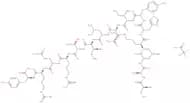
PACAP-38 (31-38) (human, chicken, mouse, ovine, porcine, rat) trifluoroacetate salt
CAS:Please enquire for more information about PACAP-38 (31-38) (human, chicken, mouse, ovine, porcine, rat) trifluoroacetate salt including the price, delivery time and more detailed product information at the technical inquiry form on this pageFormula:C47H83N17O11Purity:Min. 95%Molecular weight:1,062.27 g/molRef: 3D-FP109526
Discontinued productBNP-32 (human) hydrochloride
CAS:BNP-32 is a peptide hormone that regulates the volume of blood in the heart and lungs. It is used to diagnose congestive heart failure, and also as a treatment for decompensated congestive heart failure. When given as an intravenous infusion, BNP-32 reduces the levels of natriuretic peptides in the blood stream by increasing their breakdown in the kidneys. The disulfide bond between cysteine residues (Cys-Cys) is essential for its activity. BNP-32 has been shown to be effective against infectious diseases such as HIV, hepatitis C, and tuberculosis. It is also used in combination with other drugs to treat high blood pressure. This drug can be administered orally or intravenously and is biocompatible with human tissue because it is chemically stable and non-toxic at therapeutic doses.
Formula:C143H244N50O42S4Purity:Min. 95%Molecular weight:3,464.04 g/molRef: 3D-FB110257
Discontinued productAcetyl-ACTH (7-24) (human, bovine, rat) trifluoroacetate salt
CAS:Please enquire for more information about Acetyl-ACTH (7-24) (human, bovine, rat) trifluoroacetate salt including the price, delivery time and more detailed product information at the technical inquiry form on this page
Formula:C107H170N32O21Purity:Min. 95%Molecular weight:2,240.7 g/molRef: 3D-FA109964
Discontinued product(Arg13)-Amyloid b-Protein (1-40) trifluoroacetate salt
CAS:Please enquire for more information about (Arg13)-Amyloid b-Protein (1-40) trifluoroacetate salt including the price, delivery time and more detailed product information at the technical inquiry form on this pageFormula:C194H300N54O58SPurity:Min. 95%Molecular weight:4,348.85 g/molRef: 3D-FA110203
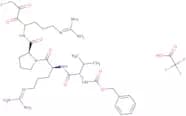
Discontinued productZ-Val-Arg-Pro-DL-Arg-fluoromethylketone trifluoroacetate salt
CAS:Please enquire for more information about Z-Val-Arg-Pro-DL-Arg-fluoromethylketone trifluoroacetate salt including the price, delivery time and more detailed product information at the technical inquiry form on this pageFormula:C31H49FN10O6Purity:Min. 95%Molecular weight:676.78 g/molRef: 3D-FV111123
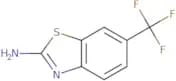
Discontinued product2-Amino-6-(trifluoromethyl)benzothiazole
CAS:2-Amino-6-(trifluoromethyl)benzothiazole is a new, optimised insecticide with alkylthio, halogen and alkoxy groups. It is highly toxic to insects and has been shown to be active against various species of Lepidoptera, Coleoptera and Diptera. 2-Amino-6-(trifluoromethyl)benzothiazole is also a broad spectrum contact insecticide that exhibits systemic properties. This insecticide can be used on plants, crops, livestock and pets.Formula:C8H5F3N2SPurity:Min. 95%Molecular weight:218.2 g/molRef: 3D-FA53923
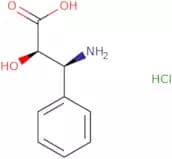
Discontinued product(2R,3S)-3-Amino-2-hydroxy-3-phenylpropanoic acid hydrochloride
CAS:(2R,3S)-3-Amino-2-hydroxy-3-phenylpropanoic acid hydrochloride is an organic compound that is used in the manufacture of taxol, an anticancer drug. It is synthesized by reacting chloroacetic acid with a metal hydroxide, such as sodium hydroxide or potassium hydroxide. The reaction proceeds spontaneously to form the enantiomerically pure (2R,3S) form and unreacted (2S,3R) form. The (2R,3S) enantiomer has been found to be more reactive than the (2S,3R) form. Quaternary ammonium salts are formed when the (2R,3S) enantiomer reacts with quaternary ammonium compounds such as benzyltrimethylammonium chloride. This compound can also be used in catalytic reactions to produce drugs such as carbapenems and pen
Formula:C9H12ClNO3Purity:Min. 95%Molecular weight:217.65 g/molRef: 3D-FA140332
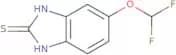
Discontinued product5-(Difluoromethoxy)-2-mercaptobenzimidazole
CAS:5-(Difluoromethoxy)-2-mercaptobenzimidazole is an organic solvent that is used in the crystallization process of pantoprazole, a benzimidazole derivative. It is also used as a corrosion inhibitor and pump inhibitor in analytical chemistry. The purity of 5-(difluoromethoxy)-2-mercaptobenzimidazole can be determined by chromatographic methods or by the use of analytical chemistry. Impurities may be genotoxic and include reactive impurities such as thiourea and 2-thiouracil. These impurities are removed during the synthetic process to produce 5-(difluoromethoxy)-2-mercaptobenzimidazole. This drug substance has been found to inhibit DNA polymerase activity in vitro, but its effects on human cells have not been studied.
Formula:C8H6F2N2OSPurity:Min. 95%Color and Shape:Off-White PowderMolecular weight:216.21 g/mol6-Bromoindazole
CAS:6-Bromoindazole is a hydrogen bond inhibitor that has potential neuroprotective effects. It inhibits the enzyme DNA Gyrase, which is necessary for bacterial replication, and has antibacterial properties. 6-Bromoindazole interacts with the receptor tyrosine kinase axitinib and inhibits its activity. This interaction may be responsible for its neuroprotective effects.
Formula:C7H5BrN2Purity:Min. 95%Molecular weight:197.03 g/molRef: 3D-FB51087
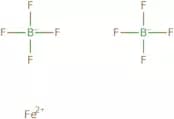
Discontinued productIron(II) tetrafluoroborate - 40-45% aqueous solution
CAS:Iron(II) tetrafluoroborate is a green-yellow crystalline solid that is soluble in water. It has been shown to have structural and optical properties that are similar to those of ferric chloride, but with the advantage of being less toxic. Iron(II) tetrafluoroborate is used as a homogeneous catalyst for organic reactions such as the hydrogenation of nitroarenes and the reduction of ketones. The catalytic activity of Iron(II) tetrafluoroborate arises from its ability to form hydrogen bonding interactions with other molecules and ions in solution.
Iron(II) tetrafluoroborate undergoes a number of reactions with other compounds, including cleavage products such as hydrogen sulfate and nitrogen atoms, which may be due to its chelate ligand. In coordination chemistry, Iron(II) tetrafluoroborate can form coordination complexes by reacting with potassium dichromate or calcium carbonate. These complexes areFormula:B2F8FePurity:About 45%Color and Shape:Slightly Green Clear LiquidMolecular weight:229.45 g/molRef: 3D-FI105721
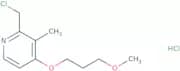
Discontinued product2-Chloromethyl-4-(3-methoxypropoxy)-3-methylpyridine hydrochloride
CAS:Please enquire for more information about 2-Chloromethyl-4-(3-methoxypropoxy)-3-methylpyridine hydrochloride including the price, delivery time and more detailed product information at the technical inquiry form on this page
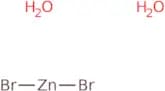
Formula:C11H17Cl2NO2Purity:Min. 95%Molecular weight:266.16 g/molZinc bromide dihydrate
CAS:Zinc bromide dihydrate is a crystalline compound that is used as a catalyst for the conversion of metalloporphyrins to hydroporphyrins. This process is used in the production of vitamin B12. Zinc bromide dihydrate can also be used to inhibit the function of ion pumps, which are proteins that pump ions across membranes. The inhibition of these pumps may lead to a decrease in intracellular calcium levels and an increase in free radicals.
Zinc bromide dihydrate has been shown to react with chlorophylls, vinylated heterostructures, and polyvinyl nonmetals. These reactions produce morphology changes in zinc bromide dihydrate crystalsFormula:ZnBr2•2H2OPurity:Min. 95%Color and Shape:PowderMolecular weight:261.22 g/mol11-(1-Piperazinyl)-dibenzo[b,f][1,4]thiazepine dihydrochloride
CAS:11-(1-Piperazinyl)-dibenzo[b,f][1,4]thiazepine dihydrochloride is a long-acting drug that has been synthesized as an analog of diazepam. The compound is characterized by high diffraction, interaction and evaporation constants and low molecular weight. It is soluble in water and methanol. 11-(1-Piperazinyl)-dibenzo[b,f][1,4]thiazepine dihydrochloride has been shown to have a constant pharmacokinetic profile and high chemical stability in vivo.Formula:C17H17N3S·2HClPurity:Min. 98 Area-%Color and Shape:White Off-White PowderMolecular weight:368.32 g/molDnp-Pro-Leu-Gly-Leu-Trp-Ala-D-Arg-NH2 trifluoroacetate salt
CAS:Please enquire for more information about Dnp-Pro-Leu-Gly-Leu-Trp-Ala-D-Arg-NH2 trifluoroacetate salt including the price, delivery time and more detailed product information at the technical inquiry form on this page
Formula:C45H64N14O11Purity:Min. 95%Molecular weight:977.08 g/molRef: 3D-FD110892
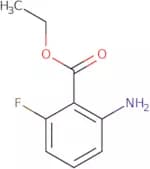
Discontinued product2-Amino-6-fluorobenzoic acid ethyl ester
CAS:2-Amino-6-fluorobenzoic acid ethyl ester is a chemical that can be used as a building block in the synthesis of more complex compounds. It is a versatile intermediate and can be used to synthesize other important compounds, such as pharmaceuticals. This compound has been shown to be useful for the preparation of 2-amino-4,6-difluorobenzoic acid ethyl ester and many other derivatives. The colorless solid is soluble in ether and dichloromethane.
Formula:C9H10FNO2Purity:Min. 95%Color and Shape:PowderMolecular weight:183.18 g/molRef: 3D-FA67884
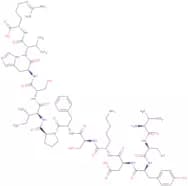
Discontinued productGAP 26 trifluoroacetate salt
CAS:13-mer connexin mimetic peptide, composed of residue numbers 63-75 of the first extracellular loop of connexin 43 (gap junction blocker), containing the SHVR amino acid motif.Formula:C70H107N19O19SPurity:Min. 95%Molecular weight:1,550.78 g/molRef: 3D-FG110169
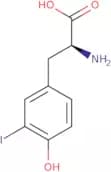
Discontinued product3-Iodo-L-tyrosine
CAS:Please enquire for more information about 3-Iodo-L-tyrosine including the price, delivery time and more detailed product information at the technical inquiry form on this page
Formula:C9H10INO3Purity:Min. 96.0 Area-%Color and Shape:PowderMolecular weight:307.09 g/molRef: 3D-FI12110
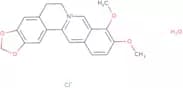
Discontinued productBerberine chloride hydrate
CAS:Berberine chloride hydrate is an isoquinoline alkaloid, which is a natural compound derived from various plants, such as Berberis species, with a robust pharmacological profile. Its mode of action is primarily through the modulation of multiple biochemical pathways. Berberine activates adenosine monophosphate-activated protein kinase (AMPK), a crucial regulator of energy homeostasis, and influences lipid and glucose metabolism. It exhibits significant antimicrobial activity, disrupting microbial cell walls and inhibiting the nucleic acid synthesis of pathogens.
Formula:C20H18ClNO4•(H2O)xPurity:Min. 95%Color and Shape:Yellow PowderMolecular weight:371.81 g/molRef: 3D-FB167137
Discontinued product4-[(4-chlorophenyl)-2-pyridinylmethoxy]-1-piperidinecarboxylic acid ethylester
CAS:Please enquire for more information about 4-[(4-chlorophenyl)-2-pyridinylmethoxy]-1-piperidinecarboxylic acid ethylester including the price, delivery time and more detailed product information at the technical inquiry form on this pageFormula:C20H23ClN2O3Purity:Min. 95%Molecular weight:374.86 g/molSerpinin (mouse, rat) trifluoroacetate salt
CAS:Please enquire for more information about Serpinin (mouse, rat) trifluoroacetate salt including the price, delivery time and more detailed product information at the technical inquiry form on this pageFormula:C123H202N32O46Purity:Min. 95%Molecular weight:2,865.11 g/molRef: 3D-FS109925
Discontinued product8-Chloroimidazo[1,2-a]pyrazine
CAS:Please enquire for more information about 8-Chloroimidazo[1,2-a]pyrazine including the price, delivery time and more detailed product information at the technical inquiry form on this page
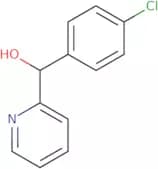
Formula:C6H4ClN3Purity:Min. 95%Molecular weight:153.57 g/mol4-Chlorophenyl-2-pyridinylmethanol
CAS:Please enquire for more information about 4-Chlorophenyl-2-pyridinylmethanol including the price, delivery time and more detailed product information at the technical inquiry form on this page
Formula:C12H10ClNOPurity:Min. 95%Molecular weight:219.67 g/mol1,3,6,8-Tetrabromopyrene
CAS:1,3,6,8-Tetrabromopyrene is a brominated derivative of pyrene. It has been shown to be chemically stable and does not react with fatty acids in the same way as other chemicals. 1,3,6,8-Tetrabromopyrene has been used in a study on luminescent probes for electrochemical studies. The probes were synthesized by coupling 1,3,6,8-tetrabromopyrene with an electron donor (e.g., 8-hydroxyquinoline) or acceptor (e.g., triethanolamine). The probe was then applied to a metal surface where it could be observed through electrochemical impedance spectroscopy. This chemical is also used as a functional theory to study the uptake of heavy metals onto polymer matrices. One example of this is when 1,3,6,8-tetrabromopyrene is doped into poly(vinylidene
Formula:C16H6Br4Purity:Min. 95%Color and Shape:Off-White PowderMolecular weight:517.83 g/molRef: 3D-FT62349
Discontinued productPhenylacetyl-(D-Arg2·28,p-chloro-Phe6, Homoarg 9·29,Tyr(Me)10, Abu 15, Nle 27)-GRF (1-29) amide (human)
CAS:Please enquire for more information about Phenylacetyl-(D-Arg2·28,p-chloro-Phe6, Homoarg 9·29,Tyr(Me)10, Abu 15, Nle 27)-GRF (1-29) amide (human) including the price, delivery time and more detailed product information at the technical inquiry form on this pageFormula:C172H284ClN53O41Purity:Min. 95%Molecular weight:3,785.88 g/molRef: 3D-FP109391
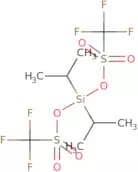
Discontinued productDiisopropylsilyl Bis(Trifluoromethanesulfonate)
CAS:Diisopropylsilyl bis(trifluoromethanesulfonate) is a bifunctional reagent that can be used to prepare the trifluoromethanesulfonic acid. It reacts with an alcohol in the presence of base to generate an ester, and then hydrolyzes the ester in the presence of water to generate the desired acid. Diisopropylsilyl bis(trifluoromethanesulfonate) is pale yellow and soluble in argon, nitrogen, and solvents such as ethyl acetate.
Formula:C8H14F6O6S2SiPurity:Min. 95%Molecular weight:412.4 g/molRef: 3D-FD90402
Discontinued productNeuropeptide Y (22-36) trifluoroacetate salt
CAS:Please enquire for more information about Neuropeptide Y (22-36) trifluoroacetate salt including the price, delivery time and more detailed product information at the technical inquiry form on this page
Formula:C85H139N29O21Purity:Min. 95%Molecular weight:1,903.2 g/molRef: 3D-FN110415
Discontinued productNeurokinin B trifluoroacetate salt
CAS:Neurokinin B trifluoroacetate salt H-Asp-Met-His-Asp-Phe-Phe-Val-Gly-Leu-Met-NH2 trifluoroacetate salt is a synthetic peptide that is a potent and selective antagonist of the NMDA receptor. Neurokinin B trifluoroacetate salt H-Asp-Met-His-Asp-Phe-Phe-Val-Gly-Leu-Met NH2 trifluoroacetate salt has been shown to be effective in animal models of chronic pain, neuropathic pain, and bone age delay. This synthetic peptide has also been shown to be effective in the treatment of squamous cell carcinoma and acid lesions in human subjects. The molecular weight of this compound is 624.6 g/mol.br> Neurokinin B trifluoroacetate salt H Asp Met His Asp PFormula:C55H79N13O14S2Purity:Min. 95%Molecular weight:1,210.43 g/molRef: 3D-FN108584
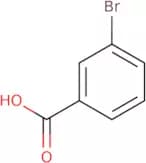
Discontinued product3-Bromobenzoic acid
CAS:3-Bromobenzoic acid is a molecule that is classified as a Group P2. It has an electronegativity of 1.3 and an acidity of 0.8, which are both in the middle range of values for this group. 3-Bromobenzoic acid is soluble in water and is soluble in ethanol, acetone, and ether. The chemical structure of 3-bromobenzoic acid can be determined by its monoclonal antibody binding sites, electrochemical impedance spectroscopy data, and Langmuir adsorption isotherm data. 3-Bromobenzoic acid reacts with hydrochloric acid to form benzoate and HCl gas. Chronic exposure to 3-bromobenzoic acid has been shown to cause glutamate dehydrogenase inhibition, leading to an accumulation of p-hydroxybenzoic acid in the body. This compound also reacts with thiourea or
Formula:C7H5BrO2Purity:Min. 95%Color and Shape:PowderMolecular weight:201.02 g/molZ-Arg-AMC hydrochloride salt
CAS:Z-Arg-AMC hydrochloride salt is a proteolytic agent that inhibits serine proteases. It can be used to study the biological function of proteases and as a tool in the kinetic analysis of protease activity. Z-Arg-AMC hydrochloride salt has been shown to inhibit trypsin, chymotrypsin, and elastase enzymes at nanomolar concentrations. This compound also inhibits human pathogens such as enterovirus 71 and herpes simplex virus type 1, which are associated with severe disease symptoms. The structural analysis of Z-Arg-AMC hydrochloride salt has shown it to be a racemic mixture of L-Arginine and D-Arginine with an average molecular weight of 313.5 Da.
Formula:C24H27N5O5Purity:Min. 95%Molecular weight:465.5 g/molRef: 3D-FA110490
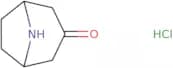
Discontinued productNortropinone hydrochloride
CAS:Nortropinone hydrochloride is a molecule with a pyridinium moiety. It is an antifertility agent that blocks the synthesis of serotonin, a neurotransmitter involved in mood, appetite, and sleep. Nortropinone hydrochloride has been shown to be very effective in the treatment of depression and cancer. Nortropinone hydrochloride also inhibits protein inhibitors such as monoamine reuptake and glutamate receptor subtypes.
Formula:C7H12ClNOPurity:Min. 95%Molecular weight:161.63 g/molAmyloid beta-Protein (1-42) (scrambled) trifluoroacetate salt
CAS:Please enquire for more information about Amyloid beta-Protein (1-42) (scrambled) trifluoroacetate salt including the price, delivery time and more detailed product information at the technical inquiry form on this page
Formula:C203H311N55O60SPurity:Min. 95%Molecular weight:4,514.04 g/molRef: 3D-FA110090
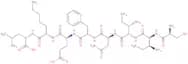
Discontinued productOvalbumin (257-264) (chicken) trifluoroacetate salt
CAS:Please enquire for more information about Ovalbumin (257-264) (chicken) trifluoroacetate salt including the price, delivery time and more detailed product information at the technical inquiry form on this page
Formula:C45H74N10O13·C2HF3O2Purity:Min. 95%Molecular weight:1,077.15 g/molRef: 3D-FO109383
Discontinued productOxyntomodulin (bovine, dog, porcine) trifluoroacetate salt
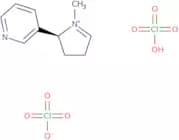
CAS:Please enquire for more information about Oxyntomodulin (bovine, dog, porcine) trifluoroacetate salt including the price, delivery time and more detailed product information at the technical inquiry form on this pageFormula:C192H295N59O60SPurity:Min. 95%Molecular weight:4,421.82 g/molS-(-)-Nicotine-delta1’-(5’)-iminium diperchlorate salt
CAS:Please enquire for more information about S-(-)-Nicotine-delta1’-(5’)-iminium diperchlorate salt including the price, delivery time and more detailed product information at the technical inquiry form on this page
Formula:C10H14Cl2N2O8Purity:Min. 95%Molecular weight:361.13 g/molAmmonium Undecafluorohexanoate
CAS:Undecafluorohexanoic acid is a perfluoroalkyl carboxylic acid that has been shown to disrupt steroidogenesis in vitro. It may be able to inhibit the transport of cholesterol, fats, and other lipids in cells, which causes disruption in steroidogenesis. This compound also has anti-cancer properties due to its ability to induce apoptosis and arrest cancer cell proliferation. Undecafluorohexanoic acid may also have developmental effects on animals because it can bind to estrogen receptors and disrupt the normal process of estrogen-mediated signaling pathways.
Formula:C6H4F11NO2Purity:Min. 95%Molecular weight:331.08 g/molRef: 3D-FA79593
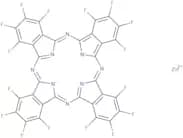
Discontinued productZinc 1,2,3,4,8,9,10,11,15,16,17,18,22,23,24,25-hexadecafluoro-29H,31H-phthalocyanine
CAS:Please enquire for more information about Zinc 1,2,3,4,8,9,10,11,15,16,17,18,22,23,24,25-hexadecafluoro-29H,31H-phthalocyanine including the price, delivery time and more detailed product information at the technical inquiry form on this pageFormula:C32F16N8ZnPurity:Min. 95%Molecular weight:865.75 g/molTrityl chloride resin
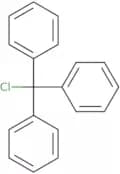
CAS:Trityl chloride resin is a chemical compound that is used as a model system for the study of trifluoroacetic acid and its reactions. Trityl chloride resin is insoluble in water and has been used as a reaction solution for transfer reactions. It has been shown to be an effective ligand for many types of receptors, with binding constants ranging from 10 M-1 to 10 M-10. Trityl chloride resin can also be chiral, which means that it may exist in two forms that are mirror images of each other. The physiological effects of this compound are not well understood, but it has been shown to have an effect on coordination geometry.
Color and Shape:PowderRef: 3D-FT29918
Discontinued product2,3,5-Trichlorobenzaldehyde
CAS:2,3,5-Trichlorobenzaldehyde is a chemical compound that has been shown to have anticancer and apoptotic effects. It inhibits the growth of bacteria by chelating iron ions and inhibiting bacterial dna synthesis. 2,3,5-Trichlorobenzaldehyde has also been shown to inhibit the growth of cancer cells in culture in an experimental study. This chemical has been used as a substrate for nmr spectroscopy to study its functional groups and radical scavenging activities. 2,3,5-Trichlorobenzaldehyde can be synthesized from phenacyl chloride and benzaldehyde in the presence of hydrogen chloride gas. The carbonyl group in 2,3,5-trichlorobenzaldehyde may cause metabolic disorders such as diabetes mellitus or hyperglycemia.
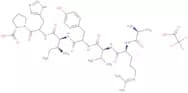
Formula:C7H3Cl3OPurity:Min. 95%Color and Shape:PowderMolecular weight:209.46 g/molAngiotensin A (1-7) trifluoroacetate
CAS:Endogenous heptapetide which causes vasodilation and has anti-hypertensive properties.
Formula:C40H62N12O9•(C2HF3O2)xPurity:Min. 95%Color and Shape:PowderMolecular weight:855 g/molTriethyloxonium tetrafluoroborate
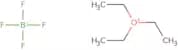
CAS:Triethyloxonium tetrafluoroborate is an antimicrobial agent that inhibits the transfer of electrons from one molecule to another. It has been shown to be effective against methicillin-resistant Staphylococcus aureus and Mycobacterium tuberculosis. Triethyloxonium tetrafluoroborate binds to the bacterial enzyme, Jak1, which is involved in the formation of cytokines and interleukins. This binding inhibits the production of these molecules, leading to cell death by apoptosis. The use of triethyloxonium tetrafluoroborate as a research tool has facilitated its discovery as a potential anti-inflammatory drug for autoimmune diseases such as type 1 diabetes mellitus and rheumatoid arthritis. Triethyloxonium tetrafluoroborate can be used to inhibit amide synthesis, which may have applications in the study of carbohydrate chemistry and nitrogen atoms in biological systems. This compound has also been used
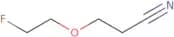
Formula:C6H15BF4OPurity:Min. 95%Color and Shape:PowderMolecular weight:189.99 g/mol3-(2-Fluoroethoxy)Propanenitrile
CAS:3-(2-Fluoroethoxy)Propanenitrile is a chemical with toxic properties. It is classified as a fluoroacetic acid and has been used in the production of other chemicals. Fluoroacetic acid is toxic to humans, showing signs of skin irritation, respiratory tract irritation, and kidney damage. 3-(2-Fluoroethoxy)Propanenitrile is not found naturally and has been sponsored by many companies.
Formula:C5H8FNOPurity:Min. 95%Molecular weight:117.12 g/molRef: 3D-FF80270
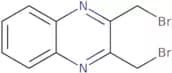
Discontinued product2,3-Bis(bromomethyl)quinoxaline
CAS:2,3-Bis(bromomethyl)quinoxaline is a nitrogenous heterocyclic compound that has a coordination geometry of square planar. It has been used as an inhibitor for the protein p21 and the nucleophile in palladium complexes. 2,3-Bis(bromomethyl)quinoxaline is also a model system for studying reaction mechanisms and chemical structures. The electron density map of the compound was obtained by X-ray crystal structure analysis. The reaction mechanism of this molecule is proposed to be through a chelate ring cross-coupling process.
Formula:C10H8Br2N2Purity:Min. 95%Color and Shape:Brown PowderMolecular weight:315.99 g/molRef: 3D-FB04248
Discontinued product




![11-(1-Piperazinyl)-dibenzo[b,f][1,4]thiazepine dihydrochloride](/_next/image/?url=https%3A%2Fstatic.cymitquimica.com%2Fproducts%2F3D%2Fthumb-webp%2FFP32447.webp&w=3840&q=75)

![4-[(4-chlorophenyl)-2-pyridinylmethoxy]-1-piperidinecarboxylic acid ethylester](/_next/image/?url=https%3A%2Fstatic.cymitquimica.com%2Fproducts%2F3D%2Fthumb-webp%2FFP152183.webp&w=3840&q=75)

![8-Chloroimidazo[1,2-a]pyrazine](/_next/image/?url=https%3A%2Fstatic.cymitquimica.com%2Fproducts%2F3D%2Fthumb-webp%2FFC125475.webp&w=3840&q=75)