Organic Halides
In this category, you can find organic molecules containing one or more halogen atoms in their structure. These organic halides include brominated, iodinated, chlorinated, and cyclic halide compounds. Organic halides are widely used in organic synthesis, pharmaceuticals, agrochemicals, and materials science due to their reactivity and ability to undergo a variety of chemical transformations. At CymitQuimica, we offer a comprehensive selection of high-quality organic halides to support your research and industrial applications, ensuring reliable and effective performance in your synthetic and analytical projects.
Subcategories of "Organic Halides"
Found 20440 products of "Organic Halides"
Sort by
Purity (%)
0
100
|
0
|
50
|
90
|
95
|
100
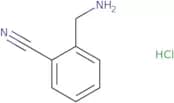
2-Cyanobenzylamine hydrochloride
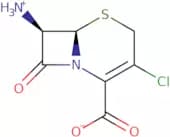
CAS:<p>2-Cyanobenzylamine hydrochloride is a chemical building block and intermediate that can be used in the synthesis of many different compounds. It is also a useful reagent for reactions involving nitro compounds. 2-Cyanobenzylamine hydrochloride is a fine chemical that is registered with the Chemical Abstract Service (CAS No. 1134529-25-1). It has been identified as a versatile building block and useful intermediate in the synthesis of pharmaceuticals, agrochemicals, and other organic chemicals.</p>Formula:C8H8N2·HClPurity:Min. 95%Color and Shape:White/Off-White SolidMolecular weight:168.62 g/mol7-Amino-3-chloro cephalosporanic acid
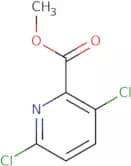
CAS:<p>7-Amino-3-chloro cephalosporanic acid is a molecule that can be used to synthesize the drug cefaclor. It is a synthetic compound that has been shown to have anticancer activity and antibacterial activity. This molecule is an ester hydrochloride and has a bulk density of 1.2 g/cm³. 7-Amino-3-chloro cephalosporanic acid is activated by hydrochloric acid in the presence of an organic solvent, such as ethyl acetate, at room temperature. The molecule is also bioactive and its expression can be induced by adding an activator, such as sodium butyrate or benzyl alcohol, to the medium.br>br><br>7-Amino-3-chloro cephalosporanic acid exhibits antibacterial activity against Gram positive bacteria, such as Bacillus subtilis and Staphylococcus epidermid</p>Formula:C7H7ClN2O3SPurity:Min. 95%Color and Shape:PowderMolecular weight:234.66 g/molMethyl 3,6-dichloropyridine-2-carboxylate
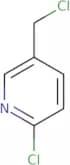
CAS:<p>Methyl 3,6-dichloropyridine-2-carboxylate is a nitro compound that is used as a transport inhibitor. It has been shown to inhibit the transport of some organic compounds in h9c2 cells by binding to the active site of ATP synthase, which is required for energy production. Methyl 3,6-dichloropyridine-2-carboxylate has also been shown to modulate physiological effects in mice, such as modulating the activity of enzymes involved in fatty acid synthesis. This compound is synthetically derived from anthranilic acid and dichlorprop with oxadiazole as a starting material.</p>Formula:C7H5Cl2NO2Purity:Min. 95%Color and Shape:PowderMolecular weight:206.03 g/mol2-Chloro-5-chloromethylpyridine
CAS:2-Chloro-5-chloromethylpyridine is a nicotinic acetylcholine analog. It is synthesized by chlorinating anhydrous sodium and phosphorus pentachloride in the presence of sodium carbonate. 2-Chloro-5-chloromethylpyridine is soluble in water, but insoluble in organic solvents. The synthesis produces a yellow solution that contains hydrogen chloride, hydrogen fluoride, and other products such as 2-chloropyridinol and 2-methylpyridine. The yield of this reaction is not reported.END>Formula:C6H5Cl2NPurity:Min. 95%Color and Shape:White To Yellow SolidMolecular weight:162.02 g/mol1-(4-Bromophenyl)ethylamine
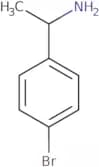
CAS:<p>1-(4-Bromophenyl)ethylamine is a hdac inhibitor. This drug has been shown to be an amide, which is a class of chemical compounds that are the basis of many pharmaceuticals. It has been shown to have degenerative diseases, such as Alzheimer's disease and Parkinson's disease, and may also have an effect on amines. 1-(4-Bromophenyl)ethylamine inhibits hydrogen chloride and enantiomer with inflammatory diseases. It also has antiinflammatory activity, which may be due to its ability to inhibit acid molecules and biological studies.</p>Formula:C8H10BrNPurity:Min. 95%Color and Shape:Colorless Clear LiquidMolecular weight:200.08 g/mol5-(2-Bromophenyl)-1H-tetrazole
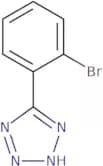
CAS:<p>5-(2-Bromophenyl)-1H-tetrazole is a synthetic bidentate ligand that has an inhibitory effect on the enzyme nitric oxide synthase. It has been shown to inhibit the production of nitric oxide in cells by binding to iron and copper ions, which are essential for the synthesis of nitric oxide. 5-(2-Bromophenyl)-1H-tetrazole has a luminescent property, with a wavelength at around 530 nm. This compound is also characterized by its photophysical properties, such as high quantum yield, fast decay time, and low solubility in organic solvents. The inhibition mechanism of 5-(2-bromophenyl)-1H-tetrazole is not yet fully understood but it is thought to be related to its ability to bind chloride ions, which are required for nitric oxide synthesis.</p>Formula:C7H5BrN4Purity:Min. 95%Color and Shape:SolidMolecular weight:225.05 g/mol3,5,6-Trichloro-4-hydroxy-2-picolinic acid
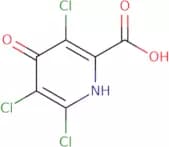
CAS:<p>3,5,6-Trichloro-4-hydroxy-2-picolinic acid is a high quality reagent that is used as a building block for the synthesis of complex compounds with potential pharmaceutical applications. It can be used as an intermediate in the production of fine chemicals and speciality chemicals. This compound is also useful for research purposes and as a versatile building block for reactions.</p>Formula:C6H2Cl3NO3Purity:Min. 95%Color and Shape:White to off-white solid.Molecular weight:242.44 g/mol(2-Fluoro-4-methylsulfonylphenyl)boronic acid
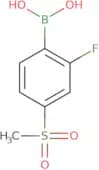
CAS:<p>2-Fluoro-4-methylsulfonylphenyl)boronic acid is a fine chemical that is useful as a scaffold for the production of other compounds. It can be used as a versatile building block in organic synthesis, and is often used as an intermediate or research chemical. 2-Fluoro-4-methylsulfonylphenyl)boronic acid has been shown to react with many different types of compounds, making it a valuable reagent. This compound is also known for its high quality, which makes it an excellent choice for use in reactions that require speciality chemicals.</p>Formula:C7H8BFO4SPurity:Min. 95%Color and Shape:White PowderMolecular weight:218.01 g/molLevofloxacin hydrochloride
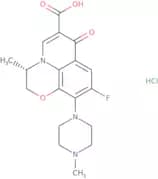
CAS:Levofloxacin is a fluoroquinolone antibiotic that inhibits bacterial DNA gyrase and topoisomerase IV, which are enzymes that maintain the integrity of bacterial DNA. It binds to bacterial 16S ribosomal RNA and inhibits protein synthesis, leading to cell death by inhibiting the production of proteins vital for cell division. Levofloxacin has been shown to be effective against many infectious diseases, including urinary tract infections and some types of pneumonia. Levofloxacin also has inhibitory properties against gram-positive bacteria such as Streptococcus pyogenes and Staphylococcus aureus. The mechanism of action is not fully understood, but it is believed that levofloxacin interferes with protein synthesis by binding to the 30S subunit of the bacterial ribosome. The drug also binds to benzalkonium chloride (BAK) in wastewater treatment systems, which may contribute to its effectiveness in theseFormula:C18H20FN3O4•HClPurity:Min. 95%Color and Shape:PowderMolecular weight:397.83 g/mol6-Bromo-4-chloro-1H-indazole
CAS:<p>6-Bromo-4-chloro-1H-indazole is an organic compound that has been reported as a reaction component, reagent, and useful scaffold in the synthesis of complex compounds. It is also a speciality chemical with versatile building block and useful intermediate properties. 6-Bromo-4-chloro-1H-indazole is a fine chemical with complex structure and high purity.</p>Formula:C7H4BrClN2Purity:Min. 95%Color and Shape:Off-white to brown solid.Molecular weight:231.48 g/mol5-Chloro-8-iodoimidazo[1,2-a]pyridine HBr
CAS:<p>5-Chloro-8-iodoimidazo[1,2-a]pyridine HBr is a fine chemical that can be used as a versatile building block in the synthesis of complex compounds. This chemical is also useful as a reagent or speciality chemical for research purposes. This product has been shown to have high quality and is an efficient reaction component for organic synthesis. 5-Chloro-8-iodoimidazo[1,2-a]pyridine HBr has CAS No. 1031289-77-6 and is a useful scaffold for the preparation of other compounds.</p>Formula:C7H4ClIN2·HBrPurity:Min. 95%Color and Shape:Pale yellow solid.Molecular weight:359.39 g/molTolonium chloride
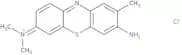
CAS:<p>Tolonium chloride is a chemical compound used as an optical sensor for the measurement of water vapor. It has been shown to be effective against a number of microorganisms, including bacteria and fungi. Tolonium chloride is used in a model system to study the structural analysis of biological samples. It has also been used as an antimicrobial agent in various industries, such as textiles and food processing. The mechanisms by which tolonium chloride kills microorganisms are not well understood. However, it is believed that the reaction produces nitrite ions that react with magnesium salt at high temperatures to form nitric oxide gas (NO). This gas reacts with oxygen to produce ozone, which damages bacterial cell membranes and kills the microbes. Tolonium chloride can be activated by mixing it with a strong acid, such as nitric acid or sulfuric acid, which creates an electrochemical process that can be monitored using electrochemical impedance spectroscopy.<br>The use of tolonium chloride in flow assays has</p>Formula:C15H16N3SClPurity:Min. 95%Color and Shape:PowderMolecular weight:305.83 g/molN-Methyl-N-(1-naphthyl)-2-iodobenzamide
CAS:N-Methyl-N-(1-naphthyl)-2-iodobenzamide is a chemical building block that is used in the synthesis of new compounds. It reacts with other chemicals to form new compounds, and can be used as a reaction component or reagent. N-Methyl-N-(1-naphthyl)-2-iodobenzamide has been shown to have high quality and is useful as a research chemical. This compound can be used as a versatile building block in the synthesis of complex compounds and fine chemicals.Formula:C18H14INOPurity:Min. 95%Molecular weight:387.21 g/mol1-(2-(4-(Chloromethyl)phenoxy)ethyl)azepane HCl
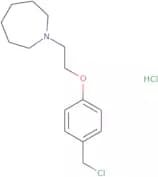
CAS:<p>1-(2-(4-(Chloromethyl)phenoxy)ethyl)azepane HCl is a versatile building block that can be used as a reagent, speciality chemical, or intermediate. It is also a useful scaffold for the synthesis of complex compounds. The compound has been shown to be useful in research and industry due to its high quality and versatility. 1-(2-(4-(Chloromethyl)phenoxy)ethyl)azepane HCl has CAS No. 223251-25-0 and can be used as a reaction component in organic synthesis reactions.</p>Formula:C15H23Cl2NOPurity:Min. 95%Color and Shape:Off-White PowderMolecular weight:304.25 g/molBiphenyl-2-sulfonyl chloride
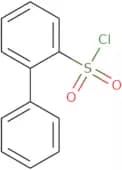
CAS:<p>Biphenyl-2-sulfonyl chloride is a solvate that has anti-cancer properties. It inhibits the activity of histone deacetylase, which is an enzyme that controls gene expression. Biphenyl-2-sulfonyl chloride also prevents deformylation and hydroxamates, which are important in the development of neurodegenerative diseases such as Parkinson's disease and Alzheimer's disease.</p>Formula:C12H9ClO2SPurity:Min. 95%Color and Shape:PowderMolecular weight:252.72 g/mol1-Pyrimidin-2-ylpiperidin-4-amine dihydrochloride
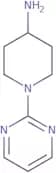
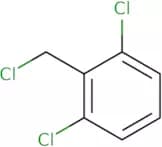
CAS:<p>1-Pyrimidin-2-ylpiperidin-4-amine dihydrochloride is a high quality, crystalline compound with a CAS number of 1179369-48-2. It is an intermediate in the synthesis of various fine chemicals, including pharmaceuticals and pesticides. 1-Pyrimidin-2-ylpiperidin-4-amine dihydrochloride also has applications as a versatile building block for the synthesis of other compounds and is used as a reaction component in organic chemistry. This reagent can be used to synthesize many different compounds for use in research or medical purposes.</p>Formula:C9H14N4·2HClPurity:Min. 95%Color and Shape:PowderMolecular weight:251.16 g/mol2,6-Dichloro benzyl chloride
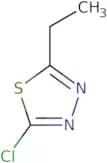
CAS:<p>2,6-Dichloro benzyl chloride is a dichlorobenzyl that has been shown to have antitubercular activity. It reacts with chlorine in the presence of a catalyst to form 2,6-dichlorobenzaldehyde and hydrogen chloride. This reaction yields an excellent yield of 70% or more. The antitubercular activity of 2,6-dichlorobenzyl chloride is due to its ability to inhibit the growth rate of Mycobacterium tuberculosis. Studies have shown that this compound inhibits the synthesis of nucleic acids by inhibiting RNA and DNA synthesis in bacteria, which prevents protein synthesis and cell division.</p>Formula:C7H5Cl3Purity:Min. 95%Color and Shape:PowderMolecular weight:195.47 g/mol2-Chloro-5-ethyl-1,3,4-thiadiazole
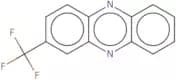
CAS:<p>2-Chloro-5-ethyl-1,3,4-thiadiazole is a volatile organic compound that can be found in the headspace of crops and soils. It is also a metabolite produced by various fungi and bacteria. 2-Chloro-5-ethyl-1,3,4-thiadiazole has been shown to inhibit the growth of Erysiphe cichoracearum and Fusarium oxysporum f. sp. lycopersici. It has also been shown to have antiinflammatory properties in mice due to its ability to suppress the production of prostaglandins.</p>Formula:C4H5ClN2SPurity:Min. 95%Color and Shape:Yellow PowderMolecular weight:148.61 g/mol2-Trifluoromethylphenazine
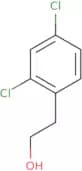
CAS:<p>2-Trifluoromethylphenazine is a fine chemical that can be used as a building block for research chemicals and as a reagent in organic synthesis. 2-Trifluoromethylphenazine has a CAS number of 581-24-8. It is also classified as a speciality chemical and has many uses in the field of chemistry. The compound is versatile, making it an excellent scaffold for complex compounds. 2-Trifluoromethylphenazine is a versatile intermediate that can be used in many reactions, such as cycloadditions, reductive aminations, and reductions.</p>Formula:C13H7F3N2Purity:Min. 95%Molecular weight:248.2 g/mol2-(2,4-Dichlorophenyl)ethanol
CAS:2-(2,4-Dichlorophenyl)ethanol is an organic compound that can be synthesized by reacting 2,4-dichlorobenzoic acid with trifluoroacetic acid in the presence of a base. The reaction scheme is:Formula:C8H8Cl2OPurity:Min. 95%Molecular weight:191.05 g/mol


![5-Chloro-8-iodoimidazo[1,2-a]pyridine HBr](/_next/image/?url=https%3A%2Fstatic.cymitquimica.com%2Fproducts%2F3D%2Fthumb-webp%2FFC07295.webp&w=3840&q=75)