Organic Halides
In this category, you can find organic molecules containing one or more halogen atoms in their structure. These organic halides include brominated, iodinated, chlorinated, and cyclic halide compounds. Organic halides are widely used in organic synthesis, pharmaceuticals, agrochemicals, and materials science due to their reactivity and ability to undergo a variety of chemical transformations. At CymitQuimica, we offer a comprehensive selection of high-quality organic halides to support your research and industrial applications, ensuring reliable and effective performance in your synthetic and analytical projects.
Subcategories of "Organic Halides"
Found 20437 products of "Organic Halides"
Sort by
Purity (%)
0
100
|
0
|
50
|
90
|
95
|
100
2-[2-Trifluoroethoxyphenoxy]ethyl methanesulfonate
CAS:<p>2-[2-Trifluoroethoxyphenoxy]ethyl methanesulfonate is a research chemical that is commonly used in the synthesis of enantioselective compounds. It has been clinically studied for its potential use in the treatment of prostatic hyperplasia, a condition characterized by an enlargement of the prostate gland. This compound has shown promising results in inhibiting the growth of prostatic cells and reducing symptoms associated with hyperplasia. Its enantioselective properties make it an ideal candidate for targeted therapy, allowing for more precise and effective treatment options. Researchers continue to explore the potential applications of 2-[2-Trifluoroethoxyphenoxy]ethyl methanesulfonate in various fields, including medicine and pharmaceuticals.</p>Formula:C11H13F3O5SPurity:Min. 95%Molecular weight:314.28 g/molTyr-Lys-Gly-(Cyclo(Glu26-Lys29),Pro34)-Neuropeptide Y (25-36) trifluoroacetate salt
CAS:<p>Please enquire for more information about Tyr-Lys-Gly-(Cyclo(Glu26-Lys29),Pro34)-Neuropeptide Y (25-36) trifluoroacetate salt including the price, delivery time and more detailed product information at the technical inquiry form on this page</p>Formula:C91H145N27O20Purity:Min. 95%Molecular weight:1,937.29 g/mol(D-Lys6)-LHRH trifluoroacetate salt
CAS:<p>Please enquire for more information about (D-Lys6)-LHRH trifluoroacetate salt including the price, delivery time and more detailed product information at the technical inquiry form on this page</p>Formula:C59H84N18O13·xC2HF3O2Purity:Min. 95%Color and Shape:White To Off-White SolidMolecular weight:1,253.41 g/molCART (61-102) (human, rat) trifluoroacetate salt
CAS:<p>Please enquire for more information about CART (61-102) (human, rat) trifluoroacetate salt including the price, delivery time and more detailed product information at the technical inquiry form on this page</p>Formula:C189H310N58O56S7Purity:Min. 95%Molecular weight:4,515.3 g/molBradykinin-Like Neuropeptide (Aplysia californica) trifluoroacetate salt
CAS:<p>Please enquire for more information about Bradykinin-Like Neuropeptide (Aplysia californica) trifluoroacetate salt including the price, delivery time and more detailed product information at the technical inquiry form on this page</p>Formula:C53H98N24O14SPurity:Min. 95%Molecular weight:1,327.56 g/molRetrocyclin-1 trifluoroacetate salt
CAS:<p>Retrocyclin-1 trifluoroacetate salt is a synthetic antimicrobial peptide, which is derived from humanized sequences based on the theta-defensin family, originally found in certain primates. Retrocyclin-1 is particularly notable for its circular structure which contributes to its stability and biological activity. The peptide is produced through a process of solid-phase peptide synthesis, designed to mimic the native cyclic conformation of natural theta-defensins.</p>Formula:C74H128N30O18S6Purity:Min. 95%Molecular weight:1,918.4 g/mol(D-Trp6)-LHRH (2-10) trifluoroacetate salt
CAS:<p>Please enquire for more information about (D-Trp6)-LHRH (2-10) trifluoroacetate salt including the price, delivery time and more detailed product information at the technical inquiry form on this page</p>Formula:C59H77N17O11Purity:Min. 95%Molecular weight:1,200.35 g/mol6-Bromo-tetral-1-one
CAS:<p>6-Bromo-tetral-1-one is a chemical compound with a molecular formula of C8H6BrO. It is synthesized by the ring opening of epichlorohydrin with boron trifluoride etherate (BF3OEt2) in pyridine at 0°C, followed by hydrolysis of the resulting epoxide with sodium hydroxide to give tetralin. The synthesis can be carried out on a laboratory scale using high purity chemicals and yields up to 100% conversion of the starting material to tetralin. 6-Bromo-tetral-1-one has been shown to be stable in air, moisture, and light. This product is also nonflammable and produces no toxic byproducts when heated to decomposition.</p>Formula:C10H9BrOPurity:Min. 95%Molecular weight:225.08 g/mol4-Fluoroisoindoline HCl
CAS:<p>4-Fluoroisoindoline HCl is a versatile building block that can be used in the synthesis of complex compounds, research chemicals, and reagents. It is a high quality compound with a wide range of applications. 4-Fluoroisoindoline HCl is also useful as an intermediate for the synthesis of other compounds, or as a reaction component for organic chemistry reactions. This compound has been shown to have potential medical uses in the treatment of Parkinson's disease and cancer.</p>Formula:C8H8FN·HClPurity:Min. 95%Color and Shape:White to brown solid.Molecular weight:173.61 g/molN,N'-Dimethyl-2,7-Diazapyrenium bistetrafluoroborate
CAS:<p>Please enquire for more information about N,N'-Dimethyl-2,7-Diazapyrenium bistetrafluoroborate including the price, delivery time and more detailed product information at the technical inquiry form on this page</p>Formula:C16H14B2F8N2Purity:Min. 95%Molecular weight:407.91 g/molBiguanide hydrochloride
CAS:<p>Biguanide hydrochloride is an analytical reagent that is used for the determination of biguanide in a reaction solution. It is prepared by reacting sodium citrate with an appropriate amount of biguanide. Biguanide hydrochloride has been shown to be a disinfectant and an effective agent against infectious diseases, such as tuberculosis and leprosy. The fetal bovine serum (FBS) was found to have a physiological effect on the enzyme activity of biguanides, which can be inhibited by benzalkonium chloride.</p>Formula:C2H8ClN5Purity:Min. 95%Color and Shape:White PowderMolecular weight:137.57 g/molH-Pro-Pro-Pro-Gly-Met-Arg-Pro-Pro-OH trifluoroacetate salt
CAS:<p>Please enquire for more information about H-Pro-Pro-Pro-Gly-Met-Arg-Pro-Pro-OH trifluoroacetate salt including the price, delivery time and more detailed product information at the technical inquiry form on this page</p>Formula:C38H61N11O9SPurity:Min. 95%Molecular weight:848.03 g/molExtracellular Death Factor trifluoroacetate salt
CAS:<p>Extracellular Death Factor is a molecule that binds to calmodulin, which is a protein found in all animal cells. Extracellular Death Factor can be used to induce apoptotic cell death in any type of cell, including cancer cells. The molecule is composed of three amino acids: H-Asn-Asn-Trp-Asn-Asn-OH. This compound has been shown to inhibit the replication of DNA and RNA in gram negative bacteria and tuberculosis cells. It also has an effect on the structural analysis of the molecule and causes light emission when exposed to ultraviolet light.</p>Formula:C27H36N10O10Purity:Min. 95%Molecular weight:660.64 g/mol4-Chloro-2-(trifluoromethoxy)aniline
CAS:<p>4-Chloro-2-(trifluoromethoxy)aniline is a fine chemical that is used as a building block in the synthesis of other chemicals, such as pharmaceuticals and agrochemicals. It is also used in research as a reagent for organic synthesis and as a speciality chemical. 4-Chloro-2-(trifluoromethoxy)aniline has versatile applications in the manufacture of complex compounds, intermediates, and scaffolds.</p>Formula:C7H5ClF3NOPurity:Min. 95%Molecular weight:211.57 g/molMethyl 3-oxo-4-(2,4,5-trifluorophenyl)butanoate
CAS:<p>Please enquire for more information about Methyl 3-oxo-4-(2,4,5-trifluorophenyl)butanoate including the price, delivery time and more detailed product information at the technical inquiry form on this page</p>Formula:C11H9F3O3Purity:Min. 95%Molecular weight:246.18 g/molHCV NS4A Protein (22-33) (FDA strain) trifluoroacetate salt
CAS:<p>Please enquire for more information about HCV NS4A Protein (22-33) (FDA strain) trifluoroacetate salt including the price, delivery time and more detailed product information at the technical inquiry form on this page</p>Formula:C54H99N15O14SPurity:Min. 95%Molecular weight:1,214.52 g/mol(Gln22)-Amyloid b-Protein (1-40) trifluoroacetate salt
CAS:Controlled Product<p>Please enquire for more information about (Gln22)-Amyloid b-Protein (1-40) trifluoroacetate salt including the price, delivery time and more detailed product information at the technical inquiry form on this page</p>Formula:C194H296N54O57SPurity:Min. 95%Molecular weight:4,328.82 g/mol2-Bromoethanesulfonic acid sodium
CAS:<p>2-Bromoethanesulfonic acid sodium (2BESA) is a chemical inhibitor that is used to control methanogenic activity. It has been shown to be effective in the treatment of wastewater, although it is not very soluble in water. 2BESA inhibits methanogenesis by binding to the enzyme methane monooxygenase, which blocks electron transfer from methane to oxygen. This prevents the formation of hydrogen and carbon dioxide, which are products of fermentation. 2BESA also has electrochemical properties that make it a good candidate for use as an electrode material in fuel cells. In vitro assays have demonstrated that 2BESA inhibits bacterial growth by inhibiting DNA synthesis and protein synthesis.</p>Formula:C2H4BrNaO3SPurity:Min. 95%Molecular weight:211.01 g/molAc-Asp-Glu-Val-Asp-chloromethylketone trifluoroacetate salt
CAS:<p>Ac-Asp-Glu-Val-Asp-chloromethylketone trifluoroacetate salt is a basic protein. It inhibits the neuronal death induced by dopamine and its derivatives, which is caused by overactivation of the mitochondrial membrane potential and release of cytochrome c from mitochondria to cytosol. This compound also inhibits the activation of toll-like receptor 4 (TLR4) and nuclear factor κB (NF-κB) signaling pathways in neuronal cells. Ac-Asp-Glu-Val-Asp-chloromethylketone trifluoroacetate salt has been shown to have antiinflammatory effects when applied topically on skin wounds. The molecule has been used as a model system for studying the molecular mechanism of epidermal growth factor (EGF) activation in hybridoma cell lines and primary cells.</p>Formula:C21H31ClN4O11Purity:Min. 95%Molecular weight:550.94 g/mol(E)-2-(Aminomethyl)-N,N-diethyl-1-phenylcyclopropanecarboxamideHydrochloride
CAS:Controlled Product<p>Levomilnacipran is a serotonin-norepinephrine reuptake inhibitor (SNRI) that is used for the treatment of major depressive disorder and fibromyalgia. It has been shown to have antidepressant effects in patients with major depressive disorder and fibromyalgia. Levomilnacipran inhibits the reuptake of serotonin and norepinephrine by blocking the transporter proteins in these neurotransmitter pathways, increasing their availability to interact with receptors in the brain. Levomilnacipran also has been found to inhibit aminotransferase activity, which may be responsible for its hepatotoxicity.</p>Formula:C15H23ClN2OPurity:Min. 95%Molecular weight:282.81 g/mol1-Chloroethyl isopropyl carbonate
CAS:<p>1-Chloroethyl isopropyl carbonate (CEPC) is a cefpodoxime proxetil metabolite that is formed from the chlorination of 1-chloroacetamide in the presence of isopropyl. CEPC has been shown to have a high yield and can be synthesized from readily available, inexpensive starting materials. It is metabolized by human liver microsomes and plasma, yielding 7-aminocephalosporanic acid, cefpodoxime, and thiourea. This compound can also be used as an intermediate for the synthesis of other compounds such as cefotaxime and thiourea.</p>Formula:C6H11ClO3Purity:Min. 95%Molecular weight:166.6 g/molN-(4-Bromobutyl)phthalimide
CAS:<p>N-(4-Bromobutyl)phthalimide is a chemical compound that can be used to make dopamine D3. It is an alkylation agent and has been shown to be effective in the conjugation of albumin with monoclonal antibodies. N-(4-Bromobutyl)phthalimide is activated by carboxy, vinyl alcohol, and octamer and reacts with primary amino groups in dopamine. The dilution method is used to determine the concentration of dopamine D3 in a solution. This product can also be used as a chemical intermediate for other pharmaceuticals.</p>Formula:C12H12BrNO2Purity:(%) Min. 95%Color and Shape:PowderMolecular weight:282.13 g/molNociceptin (1-13) amide trifluoroacetate salt
CAS:<p>Please enquire for more information about Nociceptin (1-13) amide trifluoroacetate salt including the price, delivery time and more detailed product information at the technical inquiry form on this page</p>Formula:C61H100N22O15Purity:Min. 95%Molecular weight:1,381.59 g/mol4-Difluoromethoxyphenylboronic acid pinacol ester
CAS:<p>Please enquire for more information about 4-Difluoromethoxyphenylboronic acid pinacol ester including the price, delivery time and more detailed product information at the technical inquiry form on this page</p>Formula:C13H17BF2O3Purity:Min. 95%Molecular weight:270.08 g/mol(Des-Gly2)-Exenatide trifluoroacetate salt
CAS:<p>Please enquire for more information about (Des-Gly2)-Exenatide trifluoroacetate salt including the price, delivery time and more detailed product information at the technical inquiry form on this page</p>Formula:C182H279N49O59SPurity:Min. 95%Molecular weight:4,129.52 g/molGalanin-Like Peptide (human) trifluoroacetate salt
CAS:<p>Please enquire for more information about Galanin-Like Peptide (human) trifluoroacetate salt including the price, delivery time and more detailed product information at the technical inquiry form on this page</p>Formula:C292H451N83O84SPurity:Min. 95%Molecular weight:6,500.28 g/molAmylin (8-37) (human) trifluoroacetate salt
CAS:<p>Please enquire for more information about Amylin (8-37) (human) trifluoroacetate salt including the price, delivery time and more detailed product information at the technical inquiry form on this page</p>Formula:C138H216N42O45Purity:Min. 95%Molecular weight:3,183.45 g/molBiotinyl-Neuromedin S (human) trifluoroacetate salt
CAS:<p>Please enquire for more information about Biotinyl-Neuromedin S (human) trifluoroacetate salt including the price, delivery time and more detailed product information at the technical inquiry form on this page</p>Formula:C183H279N55O46SPurity:Min. 95%Molecular weight:4,017.58 g/molMethyl 3-chlorophenylacetate
CAS:<p>Methyl 3-chlorophenylacetate is a chemical intermediate that has been used in the synthesis of pharmaceuticals and organic compounds. It has also been used as a reagent for research, especially in the study of organic chemistry. Methyl 3-chlorophenylacetate is a versatile building block and can be used as a reaction component to synthesize other chemicals. This compound is also an excellent scaffold for medicinal chemistry.</p>Formula:C9H9ClO2Purity:Min. 95%Color and Shape:Clear LiquidMolecular weight:184.62 g/molH-p-Chloro-Phe-D-Cys-b-(3-pyridyl)-Ala-D-Trp-N-Me-Lys-Thr-Cys-2-Nal-NH2 trifluoroacetate salt (Disulfide bond)
CAS:<p>Please enquire for more information about H-p-Chloro-Phe-D-Cys-b-(3-pyridyl)-Ala-D-Trp-N-Me-Lys-Thr-Cys-2-Nal-NH2 trifluoroacetate salt (Disulfide bond) including the price, delivery time and more detailed product information at the technical inquiry form on this page</p>Formula:C58H69ClN12O9S2Purity:Min. 95%Molecular weight:1,177.83 g/molSodium 2,2,2-trifluoroethanolate
CAS:<p>Sodium 2,2,2-trifluoroethanolate is a fluorinated alcohol. It is used as an animal health drug and has been shown to have a significant inhibitory effect on the growth of bacteria. The reaction intermediate for this compound is trifluoroacetic acid, which can be formed from sodium and hydrogen fluoride in the presence of ethylene glycol. This molecule also reacts with nitrosyl chloride to form a nitrogen-containing product. Sodium 2,2,2-trifluoroethanolate has been shown to be active against both Gram-positive and Gram-negative bacteria. The FTIR spectra for this compound shows that it has two sets of absorption bands at 3,200 cm−1 (due to C–H stretching) and 3,000 cm−1 (due to C=C stretching).</p>Formula:C2H2F3NaOPurity:Min. 95%Color and Shape:PowderMolecular weight:122.02 g/molIL-1β (163-171) (human) trifluoroacetate salt
CAS:<p>Interleukin-1 beta (IL-1β) is a cytokine that is produced by activated macrophages and T cells. It is an important regulator of immune function, inducing fever, activating the inflammatory response, and increasing vascular permeability. IL-1β is a 163-amino acid polypeptide with a molecular weight of 18.7 kDa. The trifluoroacetate salt of IL-1β has been shown to be active in vitro against human leukemic cells and to have an interferon-gamma activity in vitro.</p>Formula:C39H64N12O19Purity:Min. 95%Molecular weight:1,004.99 g/molTetrabromophenyl-porphyrin
CAS:<p>Tetrabromophenyl-porphyrin (TBP) is a synthetic molecule that interacts with aldehydes in the presence of light. This interaction results in the formation of a phenyl radical and an excited state, which leads to the production of carbon dioxide and water. TBP is used as a catalyst for these reactions because it is more stable than other molecules that are typically used. The catalytic effect of TBP can be studied by means of spectroscopies and microscopy techniques. The crystal x-ray diffraction technique was used to analyze the molecular structure of TBP by determining the distances between atoms in its molecules. It was discovered that TBP has two phenyl groups and four bromine atoms per porphyrin ring. Diffraction techniques were also used to study how light interacts with TBP molecules, showing that they have strong optical properties when adsorbed on surfaces.</p>Formula:C44H26N4Br4Purity:Min. 95%Molecular weight:930.32 g/molH-p-Chloro-Phe-D-Cys-b-(3-pyridyl)-Ala-D-Trp-Lys-tBu-Gly-Cys-2-Nal-NH2 trifluoroacetate salt (Disulfide bond)
CAS:<p>Please enquire for more information about H-p-Chloro-Phe-D-Cys-b-(3-pyridyl)-Ala-D-Trp-Lys-tBu-Gly-Cys-2-Nal-NH2 trifluoroacetate salt (Disulfide bond) including the price, delivery time and more detailed product information at the technical inquiry form on this page</p>Formula:C59H71ClN12O8S2Purity:Min. 95%Molecular weight:1,175.86 g/mol3,5-Dichlorobenzenesulphonyl chloride
CAS:<p>3,5-Dichlorobenzenesulphonyl chloride (3,5-DCBS) is a halogenated aromatic compound that can be synthesized by the debromination of 3,5-dichlorobenzene with hydrobromic acid. This compound has been shown to have anticancer activity against cell lines derived from human breast cancer, prostate cancer, and other cancers. It also has potent anticancer activity against tumor cells in animals. The anticancer activity of 3,5-DCBS is due to its ability to inhibit DNA synthesis and to induce apoptosis. 3,5-DCBS may act as an anti-inflammatory agent through inhibition of prostaglandin synthesis.</p>Formula:C6H3Cl3O2SPurity:Min. 95%Color and Shape:PowderMolecular weight:245.51 g/mol2-(2-Ethoxyphenoxy)ethyl bromide
CAS:<p>2-(2-Ethoxyphenoxy)ethyl bromide is a substance that is found as an impurity in the drug sulphonamide. It has been shown to be an optical isomer of methanol and ethanol, which have base form. The substance crystallizes in the form of white needles and its base form is tamsulosin hydrochloride. It has been used as a reagent for organic chemistry reactions, such as recrystallization, and as an impurity in organic solvents.</p>Formula:C10H13BrO2Purity:Min. 95%Molecular weight:245.11 g/molZ-Tyr-Val-Ala-Asp-chloromethylketone
CAS:<p>Z-Tyr-Val-Ala-Asp-chloromethylketone is a fluorescent probe that can be used for the detection of phosphatidic acid. It is also an apoptosis inducer, which means that it promotes cell death. Z-Tyr-Val-Ala-Asp-chloromethylketone induces apoptosis by binding to the kinases and causing their activation, leading to phosphatidic acid production. This process is activated by the presence of ethylene, which binds to Z-Tyr-Val-Ala-Asp chloromethylketone and stabilizes its structure.</p>Formula:C30H37ClN4O9Purity:Min. 95%Molecular weight:633.09 g/molPAR-4 (1-6) amide (mouse) trifluoroacetate salt
CAS:<p>PAR-4 (1-6) amide (mouse) trifluoroacetate salt H-Gly-Tyr-Pro-Gly-Lys-Phe-NH2 trifluoroacetate salt is a guanine nucleotide binding protein that belongs to the PAR family of proteins. It is expressed in wild type mice and binds to the cytosolic calcium, which regulates polymerase chain reaction. PAR-4 (1-6) amide (mouse) trifluoroacetate salt H-Gly-Tyr-Pro-Gly-Lys-Phe NH2 trifluoroacetate salt can be used as a potential drug target for epidermal growth factor. It has been shown to activate transcription polymerase chain and transcriptase polymerase chain during transcriptional regulation of messenger RNA.</p>Formula:C33H46N8O7Purity:Min. 95%Molecular weight:666.77 g/molAcetyl-α-MSH (11-13) hydrochloride salt
CAS:<p>Please enquire for more information about Acetyl-alpha-MSH (11-13) hydrochloride salt including the price, delivery time and more detailed product information at the technical inquiry form on this page</p>Formula:C18H33N5O4Purity:Min. 95%Molecular weight:383.49 g/molH-His-His-OH trifluoroacetate salt
CAS:<p>H-His-His-OH trifluoroacetate salt is a compound that has been extensively studied for its potential use in antimicrobial peptides. It is a small molecule that inhibits the activity of enzymes by binding to a specific region on the enzyme's surface, thereby preventing the progression of an essential chemical reaction. H-His-His-OH trifluoroacetate salt has been shown to inhibit protein synthesis in bacteria and yeast cells, as well as in model systems. The inhibition of protein synthesis may be due to hydrogen bonding between the hydroxyl group on His and the amino groups on His. H-His-His-OH trifluoroacetate salt also has an inhibitory effect on enzymes catalysis and can enhance their activity when used with another substrate.</p>Formula:C12H16N6O3Purity:Min. 95%Molecular weight:292.29 g/molGastric Inhibitory Polypeptide (porcine) trifluoroacetate salt
CAS:<p>Please enquire for more information about Gastric Inhibitory Polypeptide (porcine) trifluoroacetate salt including the price, delivery time and more detailed product information at the technical inquiry form on this page</p>Formula:C225H342N60O66SPurity:Min. 95%Molecular weight:4,975.55 g/molAbz-Ala-Phe-Ala-Phe-Asp-Val-Phe-3-nitro-Tyr-Asp-OH trifluoroacetate salt
CAS:<p>Please enquire for more information about Abz-Ala-Phe-Ala-Phe-Asp-Val-Phe-3-nitro-Tyr-Asp-OH trifluoroacetate salt including the price, delivery time and more detailed product information at the technical inquiry form on this page</p>Formula:C62H71N11O18Purity:Min. 95%Molecular weight:1,258.29 g/mol3-Bromobenzaldehyde
CAS:<p>3-Bromobenzaldehyde is an organic compound with the formula CHBrCHO. It is a colorless liquid that is soluble in many organic solvents. 3-Bromobenzaldehyde can be synthesized by the reaction of ethyl acetoacetate and anhydrous sodium in methanol, and can be purified by distillation or recrystallization from ethanol. This compound has been used as a solvent for analytical methods, such as GC-MS analysis, due to its high boiling point and low volatility. 3-Bromobenzaldehyde also reacts with hydrogen chloride to form benzoyl chloride, which can then be reacted with alcohols to produce esters. 3-Bromobenzaldehyde has been shown to react with chalcones to form optical active compounds, such as curcumin analogues. These reactions are typically carried out in solution using acetic acid or sulfuric acid as a catalyst.br>br></p>Formula:C7H5BrOPurity:Min. 95%Molecular weight:185.02 g/mol(D-His2,D-Trp6)-LHRH trifluoroacetate salt
CAS:<p>Please enquire for more information about (D-His2,D-Trp6)-LHRH trifluoroacetate salt including the price, delivery time and more detailed product information at the technical inquiry form on this page</p>Formula:C64H82N18O13Purity:Min. 95%Molecular weight:1,311.45 g/molOxyntomodulin (human, mouse, rat) trifluoroacetate salt
CAS:<p>Please enquire for more information about Oxyntomodulin (human, mouse, rat) trifluoroacetate salt including the price, delivery time and more detailed product information at the technical inquiry form on this page</p>Formula:C192H295N61O60SPurity:Min. 95%Molecular weight:4,449.84 g/molGliadorphin-7 trifluoroacetate salt
CAS:<p>Gliadorphin is a peptide that occurs in cow's milk. It has been shown to be effective against bacterial translocation, which is the passage of bacteria from the gut into other parts of the body. Gliadorphin also has a safety profile, with no observed adverse effects in animal studies and dietary trials. The biological samples used for this study were casein and urine samples. The antibodies used were polyclonal antibodies and Gliadorphin was tested for its ability to bind to bacterial proteins in vivo. Hydration may be necessary for optimal absorption of gliadorphin, as dehydration can affect immune reaction. Gliadorphin does not have any known side effects or drug interactions, but it should not be used by people with an allergy to casein or those who are allergic to mammalian serine proteases (such as trypsin).</p>Formula:C43H57N9O11Purity:Min. 95%Molecular weight:875.97 g/mol6-Fluoro-3,4-Pyridinediamine
CAS:<p>Please enquire for more information about 6-Fluoro-3,4-Pyridinediamine including the price, delivery time and more detailed product information at the technical inquiry form on this page</p>Formula:C5H6FN3Purity:Min. 95%Molecular weight:127.12 g/mol2-Bromopropionitrile
CAS:<p>2-Bromopropionitrile is a chemical compound that is used in the production of nylon. The structure of 2-bromopropionitrile consists of a 6-carbon chain with two bromine atoms attached at either end. It has an n-dimethyl formamide group, which is an organic molecule containing nitrogen and carbon atoms. The 4-methoxybenzenesulfonyl chloride reacts with the 2-bromopropionitrile to give a diene, which has the formula CH=CHCHBr. This diene reacts with hydrochloric acid to produce hydrogen bromide gas and 2-bromopropionic acid. The activation energy for this reaction is 14 kilojoules per mole of reactants, which indicates that it should be carried out at high temperatures and pressures. Halides are able to act as nucleophiles in coordination chemistry because they have lone pairs on their outermost electron shell. Cation</p>Formula:C3H4BrNPurity:Min. 95%Color and Shape:Clear LiquidMolecular weight:133.97 g/molMca-Gly-Ser-Pro-Ala-Phe-Leu-Ala-Lys(Dnp)-D-Arg-NH2 trifluoroacetate salt
CAS:<p>Please enquire for more information about Mca-Gly-Ser-Pro-Ala-Phe-Leu-Ala-Lys(Dnp)-D-Arg-NH2 trifluoroacetate salt including the price, delivery time and more detailed product information at the technical inquiry form on this page</p>Formula:C61H82N16O18Purity:Min. 95%Molecular weight:1,327.4 g/molLys-(Des-Arg9)-Bradykinin trifluoroacetate salt
CAS:<p>Lys-(Des-Arg9)-Bradykinin trifluoroacetate salt H-Lys-Arg-Pro-Pro-Gly-Phe-Ser-Pro-Phe-OH trifluoroacetate salt (KBP) is a peptide that increases blood pressure by binding to the b2 receptor. This drug has been shown to be a potent pressor in animals and humans, with a concentration response curve similar to that of epinephrine. KBP binds to the extracellular domain of the b2 receptor, which activates this receptor and promotes the release of growth factors, such as epidermal growth factor (EGF). The high affinity of KBP for the b2 receptor is thought to be due to its ability to sequester EGF.</p>Formula:C50H73N13O11Purity:Min. 95%Molecular weight:1,032.2 g/molBis-ACV trifluoroacetate salt
CAS:<p>Bis-ACV trifluoroacetate salt is a regulatory compound that belongs to the class of bis-acids. It is a cytosolic calcium ionophore that binds to the cytosolic calcium ion channel and regulates its activity. Bis-ACV trifluoroacetate salt also has nucleophilic attack on phosphate groups, which are essential for biosynthesis. The enzyme activity of this compound has been studied in various strains of bacteria such as E. coli and S. cerevisiae, and it was found to be involved in the synthesis of oligosaccharides and polysaccharides. This compound can be solubilized by the addition of sodium bicarbonate or urea, which facilitates its use in synthetic reactions. The synthase gene for this compound has been identified from various strains of bacteria such as E. coli and S. cerevisiae, but not from mammalian cells or plants.</p>Formula:C28H48N6O12S2Purity:Min. 95%Molecular weight:724.85 g/molH-p-Chloro-Phe-D-Cys-b-(3-pyridyl)-Ala-D-Trp-Lys-Val-Cys-p-chloro-Phe-NH2 trifluoroacetate salt (Disulfide bond)
CAS:<p>Please enquire for more information about H-p-Chloro-Phe-D-Cys-b-(3-pyridyl)-Ala-D-Trp-Lys-Val-Cys-p-chloro-Phe-NH2 trifluoroacetate salt (Disulfide bond) including the price, delivery time and more detailed product information at the technical inquiry form on this page</p>Formula:C54H66Cl2N12O8S2Purity:Min. 95%Molecular weight:1,146.22 g/molH-Met-Cys-Glu-Lys-OH trifluoroacetate salt
CAS:<p>Please enquire for more information about H-Met-Cys-Glu-Lys-OH trifluoroacetate salt including the price, delivery time and more detailed product information at the technical inquiry form on this page</p>Formula:C19H35N5O7S2Purity:Min. 95%Molecular weight:509.64 g/molFITC-epsilonAhx-Antennapedia Homeobox (43-58) amide trifluoroacetate salt
CAS:<p>Please enquire for more information about FITC-epsilonAhx-Antennapedia Homeobox (43-58) amide trifluoroacetate salt including the price, delivery time and more detailed product information at the technical inquiry form on this page</p>Formula:C131H191N37O25S2Purity:Min. 95%Molecular weight:2,748.28 g/molH-Tyr-Ile-Gly-Ser-Arg-OH trifluoroacetate salt
CAS:<p>The H-Tyr-Ile-Gly-Ser-Arg-OH trifluoroacetate salt is a synthetic peptide that has been shown to promote neuronal growth and axonal regeneration. This compound has been synthesized using a biocompatible polymer, collagen gel, and neurotrophic factors. The peptide is also able to stimulate the synthesis of collagen in mesenchymal cells cultured in tissue culture. The peptide can be used for treatment of subcutaneous tumors and neural injury.</p>Formula:C26H42N8O8Purity:Min. 95%Molecular weight:594.66 g/molH-Pro-2-chlorotrityl resin (200-400 mesh) (High Substitution)
<p>Please enquire for more information about H-Pro-2-chlorotrityl resin (200-400 mesh) (High Substitution) including the price, delivery time and more detailed product information at the technical inquiry form on this page</p>Purity:Min. 95%Abz-Ala-Phe-Arg-Phe-Ser-Gln-EDDnp trifluoroacetate salt
CAS:<p>Please enquire for more information about Abz-Ala-Phe-Arg-Phe-Ser-Gln-EDDnp trifluoroacetate salt including the price, delivery time and more detailed product information at the technical inquiry form on this page</p>Formula:C50H63N15O13Purity:Min. 95%Molecular weight:1,082.13 g/molH-Gly-Arg-Gly-Glu-Ser-OH trifluoroacetate salt
CAS:<p>Please enquire for more information about H-Gly-Arg-Gly-Glu-Ser-OH trifluoroacetate salt including the price, delivery time and more detailed product information at the technical inquiry form on this page</p>Formula:C18H32N8O9Purity:Min. 95%Molecular weight:504.5 g/molEndothelin-2 (human, canine) trifluoroacetate
CAS:<p>Trifluoroacetate salt</p>Formula:C115H160N26O32S4Purity:Min. 95%Molecular weight:2,546.92 g/mol4-Bromo-6-chloropyridazin-3(2H)-one
CAS:<p>4-Bromo-6-chloropyridazin-3(2H)-one is a glycosylation inhibitor and nucleoside analog that can be used in the treatment of cancer. It inhibits the synthesis of deoxyribonucleotides from ribonucleotides by binding to the enzyme ribonucleotide reductase, which catalyzes the conversion of ribonucleotides to deoxynucleotides. 4-Bromo-6-chloropyridazin-3(2H)-one has been shown to inhibit glycosylation in rat liver cells. This drug also inhibits acetone and glycosidation, which are reactions that produce glucose from amino acids or carbohydrates. The crystallization process is also inhibited by this drug because it prevents the formation of nucleoside crystals, which are involved in DNA replication and cell division.</p>Formula:C4H2BrClN2OPurity:Min. 95%Molecular weight:209.43 g/mol2-Bromo-6-methylpyridine-3-carboxaldehyde
CAS:<p>2-Bromo-6-methylpyridine-3-carboxaldehyde (BMPCA) is a pharmacological agent that belongs to the group of antagonists. It has been shown to be a potent antagonist at the NMDA receptor and may be used for treating neuropathic pain. BMPCA also has been shown to have competitive inhibition at the naphthyridine receptor, which may allow it to act as an antagonist or an agonist depending on its binding site. The regioisomeric analogs of BMPCA are 2-(2,5-dichloropyridyl)-6-methylpyridine-3-carboxaldehyde and 2-(2,5-dimethylpyridyl)-6-methylpyridine-3-carboxaldehyde. These analogs have been shown to inhibit the growth of tumor cells in vitro and in vivo.</p>Formula:C7H6BrNOPurity:Min. 95%Molecular weight:200.03 g/molH-Gln(Trt)-2-chlorotrityl resin (200-400 mesh) (Low Substitution)
<p>Please enquire for more information about H-Gln(Trt)-2-chlorotrityl resin (200-400 mesh) (Low Substitution) including the price, delivery time and more detailed product information at the technical inquiry form on this page</p>Purity:Min. 95%GLP-1 (7-36)-Lys(biotinyl) amide (human, bovine, guinea pig, mouse, rat) trifluoroacetate
CAS:<p>Please enquire for more information about GLP-1 (7-36)-Lys(biotinyl) amide (human, bovine, guinea pig, mouse, rat) trifluoroacetate including the price, delivery time and more detailed product information at the technical inquiry form on this page</p>Formula:C165H252N44O48S•(C2HF3O2)xPurity:Min. 95%Molecular weight:3,652.1 g/molTyr-Amyloid P Component (27-38) amide trifluoroacetate salt
CAS:<p>Please enquire for more information about Tyr-Amyloid P Component (27-38) amide trifluoroacetate salt including the price, delivery time and more detailed product information at the technical inquiry form on this page</p>Formula:C77H116N20O19SPurity:Min. 95%Molecular weight:1,657.93 g/molZ-Arg-p-nitrobenzyl ester mixture of hydrochloride and hydrobromide salt
CAS:<p>Please enquire for more information about Z-Arg-p-nitrobenzyl ester mixture of hydrochloride and hydrobromide salt including the price, delivery time and more detailed product information at the technical inquiry form on this page</p>Formula:C21H25N5O6Purity:Min. 95%Molecular weight:443.45 g/mol6-Bromonaphthalen-1-ol
CAS:<p>6-Bromonaphthalen-1-ol is a compound that has shown antimicrobial and antifungal activity. It is the most potent of the naphthoxazines tested to date, with an MIC of 0.04 µg/ml against Escherichia coli. 6-Bromonaphthalen-1-ol was synthesized by reacting 1,2,4-trihydroxybenzene with bromine gas in the presence of mercuric chloride catalyst. The compound was hydrolyzed for elemental analysis and found to be C7H4BrO. Elemental analysis yielded a weight percentage of 71% carbon, 13% hydrogen, 3% bromine, and 12% oxygen. The x-ray diffraction pattern showed peaks at 2θ values of 22.3° (100), 26.5° (101), 33.7° (102), 40° (104), 44° (105) and 62°</p>Formula:C10H7BrOPurity:Min. 95%Molecular weight:223.07 g/molH-Lys(Boc)-2-chlorotrityl resin (200-400 mesh) (Low Substitution)
<p>Please enquire for more information about H-Lys(Boc)-2-chlorotrityl resin (200-400 mesh) (Low Substitution) including the price, delivery time and more detailed product information at the technical inquiry form on this page</p>Purity:Min. 95%(D-2-Nal 5,Cys6·11,Tyr7,D-Trp8,Val10, 2-Nal 12)-Somatostatin-14 (5-12) amide trifluoroacetate salt
CAS:<p>Please enquire for more information about (D-2-Nal 5,Cys6·11,Tyr7,D-Trp8,Val10, 2-Nal 12)-Somatostatin-14 (5-12) amide trifluoroacetate salt including the price, delivery time and more detailed product information at the technical inquiry form on this page</p>Formula:C63H73N11O9S2Purity:Min. 95%Molecular weight:1,192.45 g/mol2-Amino-1-phenylpropan-1-one hydrochloride
CAS:Controlled Product<p>2-Amino-1-phenylpropan-1-one hydrochloride is a chemical compound that can be used as an intermediate in the synthesis of ethyl formate. It is also a pharmaceutical intermediate, which is used to prepare triazine and alicyclic compounds. It has been shown to have potential use in the treatment of prostatic hypertrophy and heterocycle disorders. 2-Amino-1-phenylpropan-1-one hydrochloride has been found to be active in animals and humans and is not toxic to women or animals. This drug has shown no adverse effects on human health at doses up to 10 g/kg body weight.</p>Formula:C9H11NO•HClPurity:Min. 95%Color and Shape:PowderMolecular weight:185.65 g/molAQEE-30 (human) trifluoroacetate salt
CAS:<p>Please enquire for more information about AQEE-30 (human) trifluoroacetate salt including the price, delivery time and more detailed product information at the technical inquiry form on this page</p>Formula:C157H252N48O56Purity:Min. 95%Molecular weight:3,707.97 g/molDiphenyl(4-phenylthio)phenylsufonium hexafluorophosphate
CAS:<p>Diphenyl(4-phenylthio)phenylsufonium hexafluorophosphate is a photoinitiator that is used in photopolymerization. It absorbs light at around 800 nm and emits light at around 810 nm. The initiator has a low molecular weight and is soluble in organic solvents, which makes it suitable for polymerization of acrylate monomers. Diphenyl(4-phenylthio)phenylsufonium hexafluorophosphate can be synthesized by the reaction of diphenyliodonium hexafluorophosphate with phenyldithiocarbonyl chloride.</p>Formula:C24H19S2•PF6Purity:Min. 95%Color and Shape:PowderMolecular weight:516.5 g/molMethyl 6-chloronicotinate
CAS:<p>Methyl 6-chloronicotinate is a quinoline derivative that has been shown to have cytotoxic effects. This compound inhibits the DNA repair protein O6-alkylguanine-DNA alkyltransferase (O6-AGAT) and induces apoptosis by binding to the cation channel and inhibiting the influx of calcium ions, which leads to an increase in intracellular calcium levels. Methyl 6-chloronicotinate also inhibits cancer cell proliferation through its interaction with the voltage-gated sodium channels and potassium channels, which leads to cell death. The molecular modeling study revealed that methyl 6-chloronicotinate binds to a deep hydrophobic pocket on the surface of hct116 cells, indicating that this drug may be a potential anticancer agent.</p>Formula:C7H6ClNO2Purity:Min. 98 Area-%Color and Shape:PowderMolecular weight:171.58 g/mol3-(4-Methylphenyl)-5-(trifluoromethyl)pyrazole
CAS:<p>Please enquire for more information about 3-(4-Methylphenyl)-5-(trifluoromethyl)pyrazole including the price, delivery time and more detailed product information at the technical inquiry form on this page</p>Formula:C11H9F3N2Purity:Min. 95%Molecular weight:226.2 g/molTRAP-7 trifluoroacetate salt
CAS:<p>TRAP-7 is a guanine nucleotide-binding protein that belongs to the polymerase chain reaction (PCR) family of DNA polymerases. It is a biocompatible polymer with physiological effects on basic fibroblast cells. TRAP-7 has been shown to have a role in the regulation of platelet activation, neuronal death, and thrombin receptor activity. The polyvinyl chloride (PVC) membrane used in this product is also biocompatible, and it can be used for applications such as cell culture surfaces and medical devices.</p>Formula:C39H63N11O10Purity:Min. 95%Molecular weight:845.99 g/molApelin-36 (1-16) amide (human) trifluoroacetate salt
CAS:<p>Please enquire for more information about Apelin-36 (1-16) amide (human) trifluoroacetate salt including the price, delivery time and more detailed product information at the technical inquiry form on this page</p>Formula:C74H117N27O20Purity:Min. 95%Molecular weight:1,704.89 g/molGRP (14-27) (human, porcine, canine) trifluoroacetate salt
CAS:<p>GRP (14-27) is a synthetic peptide that has an inhibitory effect on the growth of pancreatic cancer cells. It also inhibits the development of primary tumors in hamsters and inhibits tumor metastasis. GRP (14-27) binds to the cell surface receptor on T cells, which is responsible for mediating immune responses against tumors. GRP (14-27) has been shown to suppress tumor growth through immunoreactivity and has been found to be effective against a variety of cancers when used as an adjuvant therapy.</p>Formula:C75H110N24O16S2Purity:Min. 95%Molecular weight:1,667.96 g/mol(Lys18)-Pseudin-2 trifluoroacetate salt
CAS:<p>Please enquire for more information about (Lys18)-Pseudin-2 trifluoroacetate salt including the price, delivery time and more detailed product information at the technical inquiry form on this page</p>Formula:C122H203N37O32Purity:Min. 95%Molecular weight:2,700.15 g/molAmyloid β-Protein (1-16) trifluoroacetate salt
CAS:<p>Amyloid beta-Protein (1-16) trifluoroacetate salt is a modified form of amyloid beta protein. It is synthesized by the modification of amino acids with trifluoroacetic acid and can be used to study the pathogenesis of Alzheimer's disease. Amyloid beta-Protein (1-16) trifluoroacetate salt has been shown to bind to β-amyloid, which is thought to be the main component of plaques in Alzheimer's disease. This binding inhibits the formation of β-amyloid aggregates, which are associated with neurotoxicity and neuronal cell death.</p>Formula:C84H119N27O28Purity:Min. 95%Molecular weight:1,955.01 g/mol5'-Fluoro-2'-hydroxyacetophenone
CAS:<p>5'-Fluoro-2'-hydroxyacetophenone is a synthetic compound that has been shown to inhibit the growth of human pathogens. It is an antimicrobial agent that can be used as an alternative to antibiotics for the treatment of bacterial infections. 5'-Fluoro-2'-hydroxyacetophenone was synthesized by means of an asymmetric synthesis from 5-fluoro-2-methoxybenzaldehyde, which had been obtained through a chemical study. The functional group that this compound belongs to is amide and it has acidic, sulphonate, and vibrational properties. Hydrochloric acid can demethylate this compound to produce 2-hydroxyacetophenone, which can be converted into 2-methylpropionaldehyde by methylation.</p>Formula:C8H7FO2Purity:Min. 95%Molecular weight:154.14 g/molLuteinizing Hormone-Releasing Hormone Antagonist trifluoroacetate salt
CAS:<p>Luteinizing Hormone-Releasing Hormone Antagonist trifluoroacetate salt is a potent antagonist of the luteinizing hormone-releasing hormone (LHRH) receptor. It is used specifically to treat platinum-resistant ovarian cancer, where it has been shown to be effective in reducing tumor size and volume. This drug has minimal toxicity and can be administered by injection or as a microcapsule. LHRH Antagonist trifluoroacetate salt is an analog of LHRH that has been modified so that it cannot cross the blood-brain barrier. It also binds to epidermal growth factor receptors, which are involved in cell proliferation, differentiation, and survival. Symptoms of overdose may include nausea, vomiting, headache, dizziness, seizures, and coma.</p>Formula:C48H59ClN12O8Purity:Min. 95%Molecular weight:967.51 g/molBNP-45 (mouse) trifluoroacetate salt
CAS:<p>Please enquire for more information about BNP-45 (mouse) trifluoroacetate salt including the price, delivery time and more detailed product information at the technical inquiry form on this page</p>Formula:C209H354N70O63S2Purity:Min. 95%Molecular weight:4,919.61 g/mol2,4-Dichloro-5-methoxyaniline
CAS:<p>2,4-Dichloro-5-methoxyaniline (2,4-DMA) is a trifluoroacetic acid derivative that inhibits the growth of cancer cells by interfering with cellular processes such as DNA replication and protein synthesis. It has been shown to have anticancer activity in vitro and in vivo. In addition, 2,4-DMA can inhibit the growth of cancer cells by preventing epidermal growth factor from binding to its receptor on the cell surface. A recent study showed that 2,4-DMA has anti-angiogenic properties and can prevent tumor growth by inhibiting bcr-abl kinase activity. 2,4-DMA also has an acidic property which may be due to its conversion of trifluoroacetic acid into hydrogen fluoride (HF) and hydrogen chloride (HCl).<br>2,4-Dichloro-5-methoxyaniline was approved for use in Japan</p>Formula:C7H7Cl2NOPurity:Min. 95%Color and Shape:White To Pink SolidMolecular weight:192.04 g/mol8-Desmethoxy-8-fluoro moxifloxacin
CAS:<p>8-Desmethoxy-8-fluoro moxifloxacin is a photolytic drug that is used to treat bacterial infections. It has a high degree of antibacterial activity against methicillin-resistant staphylococcus aureus, including methicillin resistant strains of Staphylococcus epidermidis. 8-Desmethoxy-8-fluoro moxifloxacin hydrochloride is produced by the addition of hydrochloric acid to moxifloxacin, which is then purified by ion chromatography. The compound has been shown to have good stability in human plasma and urine. It also shows excellent recoveries in acetonitrile and quantification results in flow rates.</p>Formula:C20H21F2N3O3Purity:Min. 95%Molecular weight:389.4 g/molZ-Asp(OtBu)-bromomethylketone
CAS:<p>Please enquire for more information about Z-Asp(OtBu)-bromomethylketone including the price, delivery time and more detailed product information at the technical inquiry form on this page</p>Formula:C17H22BrNO5Purity:Min. 95%Molecular weight:400.26 g/molBromofluoroacetic Acid
CAS:<p>Bromofluoroacetic acid is a synthetic, chiral molecule with the chemical formula CF3CO2H. It has the molecular weight of 109.07 and a boiling point of 212 °C. Bromofluoroacetic acid is used in industry as an intermediate for fluoroacetic acid. It is also used to manufacture bromofluorocarbons, which are used as propellants in aerosol sprays. Bromofluoroacetic acid has been studied in clinical studies as a treatment for epilepsy and as an antimicrobial agent against bacteria such as Staphylococcus aureus and Enterobacter aerogenes.</p>Formula:C2H2BrFO2Purity:Min. 95%Molecular weight:156.94 g/mol3-Trifluoromethyl phenylhydrazine hydrochloride
CAS:<p>3-Trifluoromethyl phenylhydrazine HCl is a fine chemical that can be used as a versatile building block in the synthesis of complex compounds. It has been shown to be a useful intermediate for the preparation of research chemicals, reaction components and speciality chemicals. 3-Trifluoromethyl phenylhydrazine HCl belongs to CAS No. 3107-33-3 and can be used as a reagent in organic synthesis. The compound is high quality with a purity of over 99%.</p>Formula:C7H8ClF3N2Purity:Min. 95%Color and Shape:PowderMolecular weight:212.6 g/molBiotinyl-(Gln1)-LHRH trifluoroacetate salt Biotinyl-Gln-His-Trp-Ser-Tyr-Gly-Leu-Arg-Pro-Gly-NH2 trifluoroacetate salt
CAS:<p>Please enquire for more information about Biotinyl-(Gln1)-LHRH trifluoroacetate salt Biotinyl-Gln-His-Trp-Ser-Tyr-Gly-Leu-Arg-Pro-Gly-NH2 trifluoroacetate salt including the price, delivery time and more detailed product information at the technical inquiry form on this page</p>Formula:C65H92N20O15SPurity:Min. 95%Molecular weight:1,425.62 g/molEthyl 4-bromoacetoacetate
CAS:<p>Ethyl 4-bromoacetoacetate is a chemical compound that is used in the synthesis of quinoline derivatives. It also has antiinflammatory properties and can be used to treat inflammatory diseases such as arthritis. The thermal expansion of this compound is greater than that of water, which can be useful in treating respiratory problems by providing increased oxygen transport. Ethyl 4-bromoacetoacetate is a reactive chemical that reacts with hydrochloric acid to produce hydrogen gas and ethyl bromide gas. It also undergoes nucleophilic substitutions at the carbon atom adjacent to the acetoacetate group. This reaction solution can be analyzed using magnetic resonance spectroscopy, which produces data on the sequences of this compound's atoms and its antiinflammatory activity.</p>Formula:C6H9BrO3Purity:90%NmrMolecular weight:209.04 g/mol4-Chloro-6,7-dimethoxyquinoline
CAS:<p>4-Chloro-6,7-dimethoxyquinoline (4C6DMQ) is a potent inhibitor of the growth of prostate cancer cells. 4C6DMQ is an analog of chloropropyl chloride, which inhibits the growth of epidermal growth factor receptor (EGFR). The binding site for 4C6DMQ on EGFR is the same as that for chloropropyl chloride. 4C6DMQ inhibits EGFR by preventing the activation of downstream signaling cascades, leading to a decrease in cell proliferation and tumor size. The IC50 values for 4C6DMQ are approximately 10 times higher than those for chloropropyl chloride. This drug has been shown to be more potent than other inhibitors of EGFR such as erlotinib and gefitinib.</p>Formula:C11H10ClNO2Purity:Min. 95%Color and Shape:White PowderMolecular weight:223.66 g/molMca-Pro-Leu-Gly-Leu-Glu-Glu-Ala-Dap (Dnp)-NH2 trifluoroacetate salt
CAS:<p>Please enquire for more information about Mca-Pro-Leu-Gly-Leu-Glu-Glu-Ala-Dap (Dnp)-NH2 trifluoroacetate salt including the price, delivery time and more detailed product information at the technical inquiry form on this page</p>Formula:C53H70N12O20Purity:Min. 95%Molecular weight:1,195.19 g/mol[4,4'-Di-t-butyl-2,2'-bipyridine][bis[5-(t-butyl)-2-[4-(t-butyl)-2-pyridinyl-kN]phenyl-kC]iridium(III) hexafluorophosphate
CAS:<p>Please enquire for more information about [4,4'-Di-t-butyl-2,2'-bipyridine][bis[5-(t-butyl)-2-[4-(t-butyl)-2-pyridinyl-kN]phenyl-kC]iridium(III) hexafluorophosphate including the price, delivery time and more detailed product information at the technical inquiry form on this page</p>Formula:C56H72F6IrN4PPurity:Min. 95%Molecular weight:1,138.38 g/molMet-RANTES (human) trifluoroacetate salt
<p>Please enquire for more information about Met-RANTES (human) trifluoroacetate salt including the price, delivery time and more detailed product information at the technical inquiry form on this page</p>Formula:C355H543N97O101S6Purity:Min. 95%Molecular weight:7,978.1 g/mol1-Dodecylpyridinium chloride
CAS:<p>1-Dodecylpyridinium Chloride is a quaternary ammonium salt that is used as an antimicrobial agent in a variety of products, such as pharmaceuticals, cosmetics, and household products. It has been shown to be toxic to humans at doses above 0.5 mg/kg. At sublethal doses, 1-dodecylpyridinium chloride inhibits the growth of bacteria by binding to the cationic sites on their cell surfaces and preventing them from attaching to other cells or molecules in their environment. 1-Dodecylpyridinium chloride also binds to the enzyme p-nitrophenyl phosphate reductase, which is required for bacterial growth. This inhibition leads to cell death by preventing ATP production and protein synthesis.</p>Formula:C17H30N•ClPurity:Min. 95%Molecular weight:283.88 g/molPreptin (rat) trifluoroacetate salt
CAS:<p>Please enquire for more information about Preptin (rat) trifluoroacetate salt including the price, delivery time and more detailed product information at the technical inquiry form on this page</p>Formula:C181H268N48O51Purity:Min. 95%Molecular weight:3,932.36 g/mol4-Bromo-3-methoxypyridine
CAS:<p>Please enquire for more information about 4-Bromo-3-methoxypyridine including the price, delivery time and more detailed product information at the technical inquiry form on this page</p>Formula:C6H6BrNOPurity:Min. 95%Molecular weight:188.02 g/molPAR-2 (6-1) amide (human) trifluoroacetate salt
CAS:<p>Please enquire for more information about PAR-2 (6-1) amide (human) trifluoroacetate salt including the price, delivery time and more detailed product information at the technical inquiry form on this page</p>Formula:C28H54N8O7Purity:Min. 95%Molecular weight:614.78 g/molAnantin (linear sequence) trifluoroacetate salt
CAS:<p>Please enquire for more information about Anantin (linear sequence) trifluoroacetate salt including the price, delivery time and more detailed product information at the technical inquiry form on this page</p>Formula:C90H113N21O25Purity:Min. 95%Molecular weight:1,888.99 g/mol5'-Chloro-2'-hydroxy-3'-nitro-[1,1'-biphenyl]-3-carboxylic acid
CAS:<p>Please enquire for more information about 5'-Chloro-2'-hydroxy-3'-nitro-[1,1'-biphenyl]-3-carboxylic acid including the price, delivery time and more detailed product information at the technical inquiry form on this page</p>Formula:C13H8ClNO5Purity:Min. 95%Molecular weight:293.66 g/mol(D-Ala2,N-Me-Phe4,methionin(O)-ol5)-Enkephalin trifluoroacetate salt
CAS:<p>D-Ala2,N-Me-Phe4,methionin(O)-ol5)-Enkephalin trifluoroacetate salt H-Tyr-D-Ala-Gly-N-Me-Phe-methionin(O)-ol trifluoroacetate salt is an analog of the endocannabinoid neurotransmitter, anandamide. It has been shown to be effective in the treatment of autoimmune diseases such as multiple sclerosis and inflammatory bowel disease. D-(3R)-3-[(1S,2R,3R,5R) -3-[2-(2,6 dichlorophenyl)ethenyl] -1H -indole]-1 -butanamine trifluoroacetate salt has been shown to inhibit the replication of a number of viruses including human immunodeficiency virus type 1 (HIV). This drug also inhibits the growth of organisms that are resistant</p>Formula:C29H41N5O7SPurity:Min. 95%Molecular weight:603.73 g/molMca-Pro-Leu-Ala-Cys(Mob)-Trp-Ala-Arg-Dap (Dnp)-NH2 trifluoroacetate salt
CAS:<p>Please enquire for more information about Mca-Pro-Leu-Ala-Cys(Mob)-Trp-Ala-Arg-Dap (Dnp)-NH2 trifluoroacetate salt including the price, delivery time and more detailed product information at the technical inquiry form on this page</p>Formula:C66H82N16O17SPurity:Min. 95%Molecular weight:1,403.52 g/molMca-(endo-1a-Dap (Dnp))-TNF-a (-5 to +6) amide (human) trifluoroacetate salt
CAS:<p>Please enquire for more information about Mca-(endo-1a-Dap (Dnp))-TNF-a (-5 to +6) amide (human) trifluoroacetate salt including the price, delivery time and more detailed product information at the technical inquiry form on this page</p>Formula:C69H103N23O24Purity:Min. 95%Molecular weight:1,638.7 g/molAbz-Gly-Ala-Ala-Pro-Phe-3-nitro-Tyr-Asp-OH trifluoroacetate salt
CAS:<p>Please enquire for more information about Abz-Gly-Ala-Ala-Pro-Phe-3-nitro-Tyr-Asp-OH trifluoroacetate salt including the price, delivery time and more detailed product information at the technical inquiry form on this page</p>Formula:C42H49N9O14Purity:Min. 95%Molecular weight:903.89 g/mol3-(3-Bromo-4-hydroxy-5-methoxyphenyl)acrylic acid
CAS:<p>3-(3-Bromo-4-hydroxy-5-methoxyphenyl)acrylic acid is a polyphenol that can be found in plants and food. It has been shown to have antimicrobial properties against certain bacteria and fungi, such as Staphylococcus aureus, Clostridium perfringens, and Candida albicans. 3-(3-Bromo-4-hydroxy-5-methoxyphenyl)acrylic acid is synthesized by means of the condensation of p-coumaric acid with acrylic acid in the presence of a base catalyst. This compound undergoes biotransformations such as hydroxylation and oxidation to form 3-(3,4′-dihydroxyphenyl)acrylic acid (DHPAA). The compound is also able to react with other phenolic compounds such as cinnamic acid under certain conditions.</p>Formula:C10H9BrO4Purity:Min. 95%Color and Shape:PowderMolecular weight:273.08 g/molH-Ser(tBu)-2-chlorotrityl resin (200-400 mesh)
<p>Please enquire for more information about H-Ser(tBu)-2-chlorotrityl resin (200-400 mesh) including the price, delivery time and more detailed product information at the technical inquiry form on this page</p>Purity:Min. 95%(Met(O)35)-Amyloid b-Protein (25-35) trifluoroacetate salt
CAS:<p>Please enquire for more information about (Met(O)35)-Amyloid b-Protein (25-35) trifluoroacetate salt including the price, delivery time and more detailed product information at the technical inquiry form on this page</p>Formula:C45H81N13O15SPurity:Min. 95%Molecular weight:1,076.27 g/molpTH-Related Protein (1-34) amide (human, mouse, rat) trifluoroacetate salt
CAS:<p>Parathyroid hormone-related protein (PTHrP) is a peptide hormone produced by the parathyroid gland that functions as a phosphatase, inhibiting alkaline phosphatase. It also has an inhibitory effect on osteoclastic bone resorption and stimulates osteoblastic bone formation. PTHrP has been shown to be useful in treating osteoporosis and Paget's disease. It also has been used in conjunction with dexamethasone to treat patients with malignancies of the head and neck. PTHrP is an inhibitor of protein kinase A and phosphodiesterases, which are enzymes that regulate cellular processes such as proliferation and differentiation.</p>Formula:C180H288N58O47Purity:Min. 95%Molecular weight:4,016.58 g/mol2-Chloro-3,4-dihydroxybenzoic acid
CAS:<p>Cefepime is a broad-spectrum antibiotic that is used to treat bacterial infections. It inhibits cell wall synthesis by binding to the penicillin-binding proteins and interfering with the cross-linking of peptidoglycan. Cefepime has been shown to be active against gram-negative pathogens such as Aeruginosa, Stenotrophomonas maltophilia, and P. aeruginosa. Cefepime also inhibits the growth of gram-positive bacteria such as Staphylococcus aureus, Enterococcus faecalis, and Streptococcus pneumoniae. The chemical structure of cefepime is similar to that of other beta-lactam antibiotics like methicillin, oxacillin, cloxacillin, ampicillin, and amoxicillin. Cefepime has been shown to be effective in treating resistant gram-negative organisms such as Pseudomonas aeruginosa (P.</p>Formula:C7H5ClO4Purity:Min. 95%Color and Shape:White To Yellow To Light Brown SolidMolecular weight:188.56 g/molACTH (3-24) (human, bovine, rat) trifluoroacetate salt
CAS:<p>Please enquire for more information about ACTH (3-24) (human, bovine, rat) trifluoroacetate salt including the price, delivery time and more detailed product information at the technical inquiry form on this page</p>Formula:C124H196N38O27SPurity:Min. 95%Molecular weight:2,683.19 g/mol2-Bromo-1-methyl-4-(methylsulfonyl)benzene
CAS:<p>Please enquire for more information about 2-Bromo-1-methyl-4-(methylsulfonyl)benzene including the price, delivery time and more detailed product information at the technical inquiry form on this page</p>Formula:C8H9BrO2SPurity:Min. 95%Molecular weight:249.13 g/mol2-Chloro-N-[2-(diethylamino)ethyl]-4-quinolinecarboxamide
CAS:<p>2-Chloro-N-[2-(diethylamino)ethyl]-4-quinolinecarboxamide is a carboxamide analog of dibucaine. It is synthesized from chloroacetyl chloride and isatin in the presence of sodium hydroxide. The synthesis has been scaled to an industrial level. 2-Chloro-N-[2-(diethylamino)ethyl]-4-quinolinecarboxamide has been shown to have analgesic properties, similar to those of dibucaine. Radiolysis of this compound gives a carboxylic acid and a heterocyclic ring product.</p>Formula:C16H20ClN3OPurity:95%MinColor and Shape:PowderMolecular weight:305.8 g/molZ-Asp-Glu-Val-Asp-chloromethylketone
CAS:<p>Z-Asp-Glu-Val-Asp-chloromethylketone is a reactive compound that inhibits the activity of proteases and induces neuronal death. Z-Asp-Glu-Val-Asp-chloromethylketone has been shown to induce necrotic cell death in malignant brain cells and has neurotrophic properties. It also causes mitochondrial membrane depolarization, which leads to mitochondrial cytochrome c release and subsequent apoptosis. The reaction mechanism is still unclear but it may involve hydrogen bonding between the ketone group and the amide nitrogen atom of the aspartate residue.</p>Formula:C27H35ClN4O12Purity:Min. 95%Molecular weight:643.04 g/mol(Cys47)-HIV-1 tat Protein (47-57) trifluoroacetate salt
CAS:<p>Please enquire for more information about (Cys47)-HIV-1 tat Protein (47-57) trifluoroacetate salt including the price, delivery time and more detailed product information at the technical inquiry form on this page</p>Formula:C58H114N32O13SPurity:Min. 95%Molecular weight:1,499.8 g/molAnthranilyl-HIV Protease Substrate trifluoroacetate salt
CAS:<p>Please enquire for more information about Anthranilyl-HIV Protease Substrate trifluoroacetate salt including the price, delivery time and more detailed product information at the technical inquiry form on this page</p>Formula:C43H65N13O11Purity:Min. 95%Molecular weight:940.06 g/molTrichloroethanol
CAS:<p>Trichloroethanol is an alkanoic acid that is used as a solvent and a laboratory reagent. It is also a potential bioactive compound. Trichloroethanol has been shown to have neurotoxic effects in rats, causing histological changes in the trigeminal nerve, which may be due to its inhibition of mitochondrial energy metabolism. Trichloroethanol has been shown to inhibit the activity of matrix metalloproteinase-9 (MMP-9) in human serum and the α1 subunit of Toll-like receptor (TLR) 4 in human monocytes. This compound has also been shown to be toxic to rat liver microsomes at high concentrations.</p>Formula:C2H3Cl3OPurity:Min. 98.5%Color and Shape:Clear LiquidMolecular weight:149.4 g/molSPLUNC1 (22-39) trifluoroacetate salt
CAS:<p>Please enquire for more information about SPLUNC1 (22-39) trifluoroacetate salt including the price, delivery time and more detailed product information at the technical inquiry form on this page</p>Formula:C82H135N21O25Purity:Min. 95%Molecular weight:1,815.08 g/molH-β-Chloro-Ala-NHOH hydrochloride salt
CAS:<p>Please enquire for more information about H-beta-Chloro-Ala-NHOH hydrochloride salt including the price, delivery time and more detailed product information at the technical inquiry form on this page</p>Formula:C3H7ClN2O2Purity:Min. 95%Molecular weight:138.55 g/mol6-Hydroxy chlorzoxazone
CAS:<p>6-Hydroxy chlorzoxazone is a drug that interacts with 5-hydroxy omeprazole, cytochrome P450 (CYP2E1), and chlorzoxazone. This drug is not metabolized by CYP2E1, but is metabolized by liver microsomes. The plasma concentration of 6-hydroxy chlorzoxazone increases as the patient's body mass index increases. It has been shown to affect the activity of hepatic enzymes such as CYP2E1 and p450 in rat liver microsomes. 6-Hydroxy chlorzoxazone may be used for the treatment of bronchial asthma and chronic obstructive pulmonary disease. The kinetic data for 6-hydroxy chlorzoxazone are based on studies done on humans and rats.</p>Formula:C7H4ClNO3Purity:(%) Min. 95%Color and Shape:Beige PowderMolecular weight:185.56 g/mol(Arg8)-Conopressin G trifluoroacetate salt
CAS:<p>Please enquire for more information about (Arg8)-Conopressin G trifluoroacetate salt including the price, delivery time and more detailed product information at the technical inquiry form on this page</p>Formula:C44H71N17O10S2Purity:Min. 95%Molecular weight:1,062.28 g/mol(D-Arg0, Hyp 3,Igl5,D-Igl7, Oic 8)-Bradykinin trifluoroacetate salt
CAS:<p>Please enquire for more information about (D-Arg0, Hyp 3,Igl5,D-Igl7, Oic 8)-Bradykinin trifluoroacetate salt including the price, delivery time and more detailed product information at the technical inquiry form on this page</p>Formula:C64H95N19O13Purity:Min. 95%Molecular weight:1,338.56 g/mol6-Bromo-1-methylindazole
CAS:<p>6-Bromo-1-methylindazole is an industrial chemical that can be synthesized by the reaction of formate, methanol, and indazole. The synthesis method involves the esterification of methyl formate with indazole to produce 6-bromo-1-methylindazole. It can also be synthesized by the annulation of methyl formate and cyclopentadiene followed by hydrolysis. This chemical has several isomers that are distinguished from each other based on their synthesis methods. 6-Bromo-1-methylindazole has been shown to have a hydrolysis reaction when it reacts with water, producing methyl bromide and hydrogen bromide.</p>Formula:C8H7BrN2Purity:Min. 95%Molecular weight:211.06 g/molChlorotoxin trifluoroacetate salt
CAS:<p>Chlorotoxin trifluoroacetate salt is a chlorotoxin derivative that has been modified to be more soluble in aqueous solutions. It is used to identify skin cancer and other forms of cancer, as well as for the study of cellular function and structure. The molecule can be injected into tissue or cells, where it binds to nuclei and causes cell death. Chlorotoxin trifluoroacetate salt has minimal toxicity in humans and can be used on histological specimens with little disruption to the tissue. This reagent may also be used to target intracellular targets such as glioma cells.</p>Formula:C158H249N53O47S11Purity:Min. 95%Molecular weight:3,995.72 g/molPAR-4 (1-6) (mouse) trifluoroacetate salt
CAS:<p>Please enquire for more information about PAR-4 (1-6) (mouse) trifluoroacetate salt including the price, delivery time and more detailed product information at the technical inquiry form on this page</p>Formula:C33H45N7O8Purity:Min. 95%Molecular weight:667.75 g/mol5-Chlorouracil
CAS:<p>5-Chlorouracil is a drug that is used to treat cancer. It has been shown to have biological properties, and its mechanism of action is not yet fully understood. 5-Chlorouracil can be synthesized in the laboratory by reacting sodium hydroxide with 5-chloro-2,4(1H,3H)-pyrimidinedione. In wastewater treatment plants, it reacts with organic matter in the water to form nontoxic products, such as carbon dioxide and urea. The reaction solution contains 5-chlorouracil, which undergoes tautomerization spontaneously or through the addition of base. This reaction is reversible, and both the erythro and threo forms are present in solution at equilibrium. The biological properties of 5-chlorouracil have been investigated using sublethal doses in experimental animals. In one study, 5-chlorouracil was found to inhibit xanthine oxidase activity in rats significantly more</p>Formula:C4H3ClN2O2Purity:Min. 95%Color and Shape:PowderMolecular weight:146.53 g/molCRAMP (mouse) trifluoroacetate salt
CAS:<p>Please enquire for more information about CRAMP (mouse) trifluoroacetate salt including the price, delivery time and more detailed product information at the technical inquiry form on this page</p>Formula:C178H302N50O46Purity:Min. 95%Molecular weight:3,878.61 g/molZ-Phe-Lys-2,4,6-trimethylbenzoyloxy-methylketone trifluoroacetate salt
CAS:<p>Z-Phe-Lys-2,4,6-trimethylbenzoyloxy-methylketone trifluoroacetate salt is a proteolytic enzyme that has been shown to have bone resorption and tissue destructive properties. It is active against porphyromonas and bactericidal against fibrinogen. Z-Phe-Lys-2,4,6-trimethylbenzoyloxy-methylketone trifluoroacetate salt also inhibits the formation of osteoclasts by inhibiting the uptake and protease activity of extracellular matrix proteins such as fibrinogen. This drug is currently being researched for possible use in the treatment of Alzheimer's Disease.</p>Formula:C34H41N3O6Purity:Min. 95%Molecular weight:587.71 g/molα-Helical CRF (9-41) trifluoroacetate salt
CAS:<p>Please enquire for more information about Alpha-Helical CRF (9-41) trifluoroacetate salt including the price, delivery time and more detailed product information at the technical inquiry form on this page</p>Formula:C166H274N46O53S2Purity:Min. 95%Molecular weight:3,826.36 g/molEndotrophin (mouse) trifluoroacetate salt
CAS:<p>A carboxyl-terminal cleavage product of collagen 6 alpha-3 chain which is produced and released by adipocytes and massively upregulated in malignant tumors of breast, liver colon and pancreas. Endotrophin provides a link between obesity and aggressive tumor growth and may serve as sensitive diagnostic marker and valid therapeutic target for designing better strategies to treat cancer and ameliorate obesity-induced insulin resistance.</p>Formula:C345H520N92O106S7Purity:Min. 95%Molecular weight:7,876.84 g/mol4-(3-(Trifluoromethyl)-3H-diazirin-3-yl)benzoic acid
CAS:<p>4-(3-(Trifluoromethyl)-3H-diazirin-3-yl)benzoic acid is a diazirine that is used to form copper complexes. These complexes are then used as diagnostic agents for the detection of nucleic acids in biological samples, such as wheat germ and human tissue. 4-(3-(Trifluoromethyl)-3H-diazirin-3-yl)benzoic acid may also be used in the production of polymer films. It has been shown to have a dihedral angle (C), which is an important factor in the properties of surfactants. The properties of 4-(3-(Trifluoromethyl)-3H-diazirin-3-yl)benzoic acid depend on its functional groups, fatty acids, and dimethylformamide content.</p>Formula:C9H5F3N2O2Purity:Min. 95%Color and Shape:White/Off-White SolidMolecular weight:230.14 g/mol(Cys18)-Atrial Natriuretic Factor (4-18) amide (mouse, rabbit, rat) trifluoroacetate salt
CAS:<p>Please enquire for more information about (Cys18)-Atrial Natriuretic Factor (4-18) amide (mouse, rabbit, rat) trifluoroacetate salt including the price, delivery time and more detailed product information at the technical inquiry form on this page</p>Formula:C64H107N25O19S2Purity:Min. 95%Molecular weight:1,594.82 g/mol(Ala1·3·11·15)-Endothelin-1 trifluoroacetate salt
CAS:<p>(Ala1·3·11·15)-Endothelin-1 trifluoroacetate salt H-Ala-Ser-Ala-Ser-Ser-Leu-Met-Asp-Lys-Glu-Ala-Val-Tyr-Phe-Ala-His-Leu) is a phorbol ester, which is an analog of endothelin. It has been shown to inhibit the production of proinflammatory cytokines and chemokines in vitro and in vivo. This compound also inhibits the migration and proliferation of vascular endothelial cells, which may be due to its ability to suppress Ca2+ concentration. (Ala1·3·11·15)-Endothelin -1 trifluoroacetate salt H-) can also be used as a fluorescent marker for immunohistochemical studies on tissues such as vessels and gastrointestinal tissues. The localization of this drug can be observed by microscopy techniques such as</p>Formula:C109H163N25O32SPurity:Min. 95%Molecular weight:2,367.68 g/mol(Des-Asp187,Met186)-Melanocyte Protein PMEL 17 (185-193) (human, bovine, mouse) trifluoroacetate salt
CAS:<p>Please enquire for more information about (Des-Asp187,Met186)-Melanocyte Protein PMEL 17 (185-193) (human, bovine, mouse) trifluoroacetate salt including the price, delivery time and more detailed product information at the technical inquiry form on this page</p>Formula:C43H69N9O11SPurity:Min. 95%Molecular weight:920.13 g/molH-Trp(Boc)-2-chlorotrityl resin (200-400 mesh) (Low Substitution)
<p>Please enquire for more information about H-Trp(Boc)-2-chlorotrityl resin (200-400 mesh) (Low Substitution) including the price, delivery time and more detailed product information at the technical inquiry form on this page</p>Purity:Min. 95%TAT 2-4 trifluoroacetate salt
CAS:<p>Trifluoroacetate salt</p>Formula:C132H240N66O29Purity:Min. 95%Molecular weight:3,215.75 g/molPancreastatin (33-48) (human) trifluoroacetate salt
CAS:<p>Pancreastatin (33-48) is a synthetic, acidic, sulfated peptide that has been shown to have high activity against pancreatic cancer cells. Pancreastatin (33-48) has been synthesized by reacting an oligopeptide with glutamic acid and aspartic acid. The N-terminal of this peptide is amidated and contains a sulfate group. This molecule has been purified by SDS-polyacrylamide gel electrophoresis and the sulfate fractionation method. Pancreastatin (33-48) is able to inhibit the proliferation of pancreatic tumor cells in vitro, but it does not appear to be cytotoxic to normal pancreatic cells. In addition, pancreastatin (33-48) has also been shown to decrease tumor growth in vivo in mice bearing a transplanted human pancreatic tumor.</p>Formula:C78H123N21O27SPurity:Min. 95%Molecular weight:1,819 g/mol3-fluoroazetidine hydrochloride
CAS:<p>3-fluoroazetidine hydrochloride is a chemical compound that can be used as a building block, intermediate or reagent in the synthesis of other compounds. It has been shown to be an effective substitute for 3-fluoropyridine in the synthesis of 1,2,4-triazoles. 3-fluoroazetidine hydrochloride is also used as a reaction component in the manufacture of pharmaceuticals, dyes and pesticides.</p>Formula:C3H7ClFNPurity:Min. 95%Color and Shape:White/Off-White SolidMolecular weight:111.55 g/mol4-Amino-6-(trifluoromethyl)benzene-1,3-disulfonamide
CAS:<p>4-Amino-6-(trifluoromethyl)benzene-1,3-disulfonamide (4AFBDS) is a chemical compound that can be used for the treatment of wastewater. It has shown to be effective against anhydrase, which is an enzyme that catalyzes the conversion of water to hydrogen peroxide and hydroxide ion. 4AFBDS also attenuates oxidative stress in cardiac cells and inhibits the production of active oxygen species by inhibiting the activity of carbonic anhydrase. The chromatographic method used to detect 4AFBDS was found to be more sensitive than a standard colorimetric assay, making it a better tool for detecting this compound in wastewater samples. br> br> br> br> br> This compound has been shown to have inhibitory effects on e3 ubiquitin ligase, which plays a role in protein degradation via aut</p>Formula:C7H8F3N3O4S2Purity:Min. 95%Molecular weight:319.28 g/mol3-Fluoro-4-methoxybenzoic acid
CAS:<p>3-Fluoro-4-methoxybenzoic acid is a dipolar molecule with a fluorine atom. It has been synthesized experimentally and the yields are determined by the experimental conditions. 3-Fluoro-4-methoxybenzoic acid has two isomers, which can be differentiated by their resonances. The molecule also has an asymmetric C3(CF)2Cl group in the middle of its structure that can rotate freely.</p>Formula:C8H7FO3Purity:Min. 95%Color and Shape:PowderMolecular weight:170.14 g/mol2-(2,4-Difluorophenyl)-1-(1H-1,2,4-triazol-1-yl)-3-(4H-1,2,4-triazol-4-yl)propan-2-ol
CAS:<p>Please enquire for more information about 2-(2,4-Difluorophenyl)-1-(1H-1,2,4-triazol-1-yl)-3-(4H-1,2,4-triazol-4-yl)propan-2-ol including the price, delivery time and more detailed product information at the technical inquiry form on this page</p>Formula:C13H12F2N6OPurity:Min. 95%Molecular weight:306.27 g/molPalmitoyl-Cys((RS)-2,3-di(palmitoyloxy)-propyl)-Ser-Lys-Lys-Lys-Lys-OH trifluoroacetate salt
CAS:<p>Agonist of toll-like receptors TLR1/2</p>Formula:C81H156N10O13SPurity:Min. 95%Molecular weight:1,510.23 g/mol(Tyr9)-β-MSH (porcine) trifluoroacetate salt
CAS:<p>Please enquire for more information about (Tyr9)-beta-MSH (porcine) trifluoroacetate salt including the price, delivery time and more detailed product information at the technical inquiry form on this page</p>Formula:C101H140N24O30SPurity:Min. 95%Molecular weight:2,202.4 g/molL-Alanine benzyl ester hydrochloride
CAS:<p>L-Alanine benzyl ester hydrochloride is a conjugate of L-alanine and the quaternary ammonium salt benzyl ester hydrochloride. The water molecule is attached to the nitrogen atom in the benzyl ester. It has been shown to inhibit viral replication by interfering with the virus' ability to use host enzymes and proteins for synthesis. L-Alanine benzyl ester hydrochloride has significant cytotoxicity against leukemia cells, which may be due to its ability to inhibit rna polymerase activity. L-Alanine benzyl ester hydrochloride can also be used as an inhibitor of angiotensin converting enzyme (ACE), which is important in regulating blood pressure.</p>Formula:C10H13NO2•HCLPurity:Min. 95%Color and Shape:White PowderMolecular weight:215.68 g/mol4-Amino-3,5,6-trichloropyridine-2-carboxylic acid
CAS:<p>4-Amino-3,5,6-trichloropyridine-2-carboxylic acid (4ATC) is a herbicide that inhibits the activity of pyridoxal phosphate (PLP)-dependent enzymes. 4ATC has been shown to be more toxic to plants than temozolomide and is used in vitro to study the effects of herbicides on cells. It inhibits cell growth and induces apoptosis in human cancer cells. In addition, 4ATC has been shown to inhibit the enzyme activities of group P2 proteins and nucleic acid synthesis. 4ATC also inhibits protein synthesis by inhibiting RNA synthesis in eukaryotic cells. 4ATC is not active against bacteria or fungi.</p>Formula:C6H3Cl3N2O2Purity:Min. 95%Color and Shape:White To Tan SolidMolecular weight:241.46 g/mol1-Chloro-3-iodobenzene
CAS:<p>1-Chloro-3-iodobenzene is a chemical compound that is used in the synthesis of ceramics. It is a colorless solid with a melting point of 337℃ and has a molecular weight of 160.161 g/mol. 1-Chloro-3-iodobenzene can be synthesized by reacting zinc powder with ethylmagnesium chloride in the presence of an aluminium catalyst. This reaction produces 1-chloro-3-iodobenzene, which can then be reacted with carbonyl chloride to produce aminocarbonylation products. The chemical compound was first synthesized by Grignard reagents, which are organometallic compounds containing a carbon atom bonded to a magnesium ion. Kinetic studies have shown that 1-chloro-3-iodobenzene reacts with hydroxide ions to form fluorescent products, although it is not reactive towards water or ammonia.</p>Formula:C6H4ClIPurity:Min. 95%Molecular weight:238.45 g/molH-D-Val-2-chlorotrityl resin (200-400 mesh)
<p>Please enquire for more information about H-D-Val-2-chlorotrityl resin (200-400 mesh) including the price, delivery time and more detailed product information at the technical inquiry form on this page</p>Purity:Min. 95%H-Arg(Pbf)-2-chlorotrityl resin (200-400 mesh) (Low Substitution)
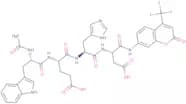
<p>Please enquire for more information about H-Arg(Pbf)-2-chlorotrityl resin (200-400 mesh) (Low Substitution) including the price, delivery time and more detailed product information at the technical inquiry form on this page</p>Purity:Min. 95%Boc-Leu-Lys-Arg-AMC hydrochloride salt
CAS:<p>Boc-Leu-Lys-Arg-AMC is a synthetic substrate that has been used in a number of clinical studies to identify the serine proteases that are involved in autoimmune diseases. It is a synthetic peptide composed of the amino acid sequence found in soybean trypsin. The peptide was shown to have high salt tolerance and was able to be hydrolyzed by polyclonal antibodies with specificity for amyloid protein, suggesting it may be useful as a biochemical marker for Alzheimer's disease. Boc-Leu-Lys-Arg-AMC has also been shown to be an efficient substrate for collagenase, which is an enzyme that breaks down collagen and causes tissue damage. This property makes this compound useful as a proteolytic agent for the removal of unwanted scar tissue or other lesions from diseased organs. Boc-Leu-Lys-Arg-AMC also has an optimum pH level of 7.5 and is active against influenza</p>Formula:C33H52N8O7Purity:Min. 95%Molecular weight:672.82 g/mol2',3'-Difluoroacetophenone
CAS:<p>2',3'-Difluoroacetophenone is a polymerized, salicylic acid that can be used as a deformation treatment method for silicon. It has been shown to reduce the resistance of transistors and improve the performance of esters. 2',3'-Difluoroacetophenone is also used in the manufacture of polyolefins and polycarboxylic acids. It is also used in skin care products because it can reduce sebum production and inhibit the formation of acne-causing bacteria.</p>Formula:C8H6F2OPurity:Min. 95%Molecular weight:156.13 g/mol(Des-Gly10,D-Ser(tBu)6,Pro-NHNH29)-LHRH trifluoroacetate salt
CAS:<p>Please enquire for more information about (Des-Gly10,D-Ser(tBu)6,Pro-NHNH29)-LHRH trifluoroacetate salt including the price, delivery time and more detailed product information at the technical inquiry form on this page</p>Formula:C58H83N17O13Purity:Min. 95%Molecular weight:1,226.39 g/molEthyl 2,4-dichloropyrimidine-5-carboxylate
CAS:<p>Please enquire for more information about Ethyl 2,4-dichloropyrimidine-5-carboxylate including the price, delivery time and more detailed product information at the technical inquiry form on this page</p>Formula:C7H6Cl2N2O2Purity:Min. 95%Molecular weight:221.04 g/mol2-Bromo-5-nitro-3-(trifluoromethyl)pyridine
CAS:<p>2-Bromo-5-nitro-3-(trifluoromethyl)pyridine is a white crystalline compound that is soluble in water. It has high melting point and is stable at high temperatures. This chemical has been recycled from terephthalic acid by the cyanation reaction with sodium nitrite, followed by hydrogenation of 2-bromo-5-nitro-3-(trifluoromethyl)pyridine to 5,6-dichloro-2,4,6-(1H,3H)-triazine. The target product of this recycling process is terephthalic acid. 2-Bromo-5-nitro-3-(trifluoromethyl)pyridine can be used as a catalyst for the preparation of drugs for urogenital use.</p>Purity:Min. 95%Neuropeptide Y (22-36) trifluoroacetate salt
CAS:<p>Please enquire for more information about Neuropeptide Y (22-36) trifluoroacetate salt including the price, delivery time and more detailed product information at the technical inquiry form on this page</p>Formula:C85H139N29O21Purity:Min. 95%Molecular weight:1,903.2 g/molMatrix Protein M1 (58-66) (Influenza A virus) trifluoroacetate salt
CAS:<p>Please enquire for more information about Matrix Protein M1 (58-66) (Influenza A virus) trifluoroacetate salt including the price, delivery time and more detailed product information at the technical inquiry form on this page</p>Formula:C49H75N9O11·C2HF3O2Purity:Min. 95%Molecular weight:1,080.2 g/mol4-Chloro-2-iodo-phenol
CAS:<p>Please enquire for more information about 4-Chloro-2-iodo-phenol including the price, delivery time and more detailed product information at the technical inquiry form on this page</p>Formula:C6H4ClIOPurity:Min. 95%Molecular weight:254.45 g/mol(Des-Gly10,D-Tyr5,D-His(Bzl)6,Pro-NHEt 9)-LHRH trifluoroacetate salct
CAS:<p>Please enquire for more information about (Des-Gly10,D-Tyr5,D-His(Bzl)6,Pro-NHEt 9)-LHRH trifluoroacetate salct including the price, delivery time and more detailed product information at the technical inquiry form on this page</p>Formula:C66H86N18O12Purity:Min. 95%Molecular weight:1,323.5 g/molPyridine hydrochloride
CAS:<p>Pyridine hydrochloride is a white crystalline solid. It has high values for affinity to the CB2 receptor and can be used for the treatment of metabolic disorders, such as diabetes. Pyridine hydrochloride can be synthesized in two ways: by hydrogenation of pyridine with hydrochloric acid or by reacting pyridine with hydrogen fluoride. This compound also has an effect on locomotor activity and increases glutamate levels in the brain, which may contribute to its therapeutic effects. Pyridine hydrochloride is also used as a fluorescent derivative in analytical methods that measure nucleotide levels, such as the phosphorimager technique.</p>Formula:C5H5N·HClPurity:Min. 95%Color and Shape:White To Yellow To Light Brown SolidMolecular weight:115.56 g/molH-Gly-Arg-Ala-Asp-Ser-Pro-OH trifluoroacetate salt
CAS:<p>H-Gly-Arg-Ala-Asp-Ser-Pro-OH trifluoroacetate salt is a peptide that binds to the α5β1 integrin receptor. It has been shown to inhibit the growth of carcinoma cell lines and induce apoptosis in tumor cells by binding to receptors on the surface of cancer cells. H-Gly-Arg-Ala-Asp-Ser-Pro-OH trifluoroacetate salt has also been shown to be effective against damaged tissue, such as adhesions, and promote wound healing by stimulating collagen production. This agent also has genotoxic effects and can cause DNA damage. H-Gly-Arg-Ala-Asp-Ser-Pro -OH trifluoroacetate salt may also have an antiapoptotic effect through its ability to bind with basic proteins, proapoptotic proteins, and epidermal growth factor receptor.</p>Formula:C23H39N9O10Purity:Min. 95%Molecular weight:601.61 g/molDefensin HNP-3 (human) trifluoroacetate salt
CAS:<p>HNP-3</p>Formula:C151H222N44O40S6Purity:Min. 95%Molecular weight:3,486.05 g/molH-Cys(Acm)-2-chlorotrityl resin (200-400 mesh)
<p>Please enquire for more information about H-Cys(Acm)-2-chlorotrityl resin (200-400 mesh) including the price, delivery time and more detailed product information at the technical inquiry form on this page</p>Purity:Min. 95%1-Bromo-2,5-difluorobenzene
CAS:<p>1-Bromo-2,5-difluorobenzene is an amide that is used as a grignard reagent. It is also a halogenated organic chemical that is used in the manufacture of semiconductors and other chemicals. 1-Bromo-2,5-difluorobenzene has been shown to be resistant to oxidation and can be used in the preparation of synthetic processes. This chemical may be prepared by reacting sodium chloride with phosphorus pentachloride in the presence of benzene or chlorobenzene. The bromine atom may then be substituted for fluorine by reaction with silver fluoride or potassium fluoride. The product may then be purified by recrystallization from solvents such as ether, benzene, or toluene.</p>Formula:C6H3BrF2Purity:Min. 95%Molecular weight:192.99 g/molNeuropeptide AF (human) trifluoroacetate salt
CAS:<p>Neuropeptide AF is a peptide that is synthesized in the brain and has been shown to have a wide range of biological activities. It has been shown to block growth factor-β1, activate the ryanodine receptor, and cause neuronal death. Neuropeptide AF also activates the polymerase chain reaction (PCR) and can be used as a potential biomarker for Alzheimer's disease. Neuropeptide AF has been shown to decrease body mass index and improve long-term efficacy in patients with chronic heart disease. There is also evidence that Neuropeptide AF binds calcium ions, which may play a role in structural heart disease or cardiac function.</p>Formula:C90H132N26O25Purity:Min. 95%Molecular weight:1,978.17 g/mol1-(1-(4-Chlorophenyl)vinyl)benzene
CAS:<p>1-(1-(4-Chlorophenyl)vinyl)benzene is a deuterium labelled analogue of benzene. It is used in organic synthesis as a reagent for the replacement of chlorine with deuterium. It can be used in catalytic reduction to remove chlorine from organic compounds and to form carbanions. The mechanistic studies on 1-(1-(4-chlorophenyl)vinyl)benzene are based on voltammetry, cyclic voltammetry, and catalytic reduction.</p>Formula:C14H11ClPurity:Min. 95%Molecular weight:214.69 g/molBobbitt's salt
CAS:<p>4-Acetamido-2,2,6,6-tetramethyl-1-oxopiperidinium tetrafluoroborate, most commonly known as Bobbitt's salt, is a cheap and benign oxidant. It’s an oxoamonium salt that is used in oxidative cleveage of C-C and C-O bonds. The most common application of Bobbitt's salts is as a catalyst for the synthesis of dimethylbenzoquinones or DMBQs.</p>Formula:C11H21BF4N2O2Purity:Min. 95%Color and Shape:Red PowderMolecular weight:300.1 g/mol3,5-Dibromobenzoic acid methyl ester
CAS:<p>3,5-Dibromobenzoic acid methyl ester is an organic compound that has isomers. It is a synthetic substance with the chemical formula CHBrO. This substance can be obtained by reacting benzoic acid with bromine in the presence of aluminium chloride. The nature of this substance is not known due to its multifold structure. 3,5-Dibromobenzoic acid methyl ester has been shown to absorb light and transfer it to another molecule. This molecule can then emit light of a different wavelength or energy level. The dipole moment of the substance interacts with other molecules in close proximity, leading to the transfer of electrons and photons from one molecule to another.</p>Formula:C8H6Br2O2Purity:Min. 95%Color and Shape:PowderMolecular weight:293.94 g/mol(D-Phe6,Leu-NHEt 13,des-Met14)-Bombesin (6-14) trifluoroacetate salt
CAS:<p>Bombesin is a peptide hormone that is secreted by the intestines and the pancreas. Bombesin stimulates the adrenal glands to release adrenaline, which in turn stimulates the bladder to contract. Bombesin has been shown to increase bladder efficiency significantly when given intravenously to patients with chronic urinary retention. This drug also has significant effects on pain syndrome, as it can facilitate or inhibit pain depending on its concentration. Bombesin's mechanism of action is still unclear, but it may work by antagonizing other neurotransmitters like noradrenaline or adrenaline.</p>Formula:C49H69N13O9Purity:Min. 95%Molecular weight:984.15 g/molBiotinyl-pTH (1-34) (human) trifluoroacetate salt
CAS:<p>Please enquire for more information about Biotinyl-pTH (1-34) (human) trifluoroacetate salt including the price, delivery time and more detailed product information at the technical inquiry form on this page</p>Formula:C191H305N57O53S3Purity:Min. 95%Molecular weight:4,344.02 g/molAc-Leu-Glu-His-Asp-AMC trifluoroacetate salt
CAS:<p>Ac-Leu-Glu-His-Asp-AMC trifluoroacetate salt is a synthetic peptide that is derived from the amino acid sequence of caspases. Ac-Leu-Glu-His-Asp-AMC trifluoroacetate salt induces apoptosis in insect and E. coli cells by protease activity, which leads to cell death. The sequence of this peptide is found in Drosophila melanogaster and has been shown to induce apoptosis in insect cells. Caspases are enzymes that regulate apoptosis and play a key role in cell death.</p>Formula:C33H41N7O11Purity:Min. 95%Molecular weight:711.72 g/molFibrinopeptide B (human) trifluoroacetate salt
CAS:<p>Fibrinopeptide B is a fibrinogen-derived peptide that has shown to inhibit the growth of HL-60 cells. It may be active as a receptor antagonist for thrombin and caproic acid. Fibrinopeptide B also inhibits angiogenesis by inhibiting the binding of acidic, basic proteins to the vascular endothelium in atherosclerotic lesions. The biological sample can be obtained from human serum or plasma.</p>Formula:C66H93N19O25Purity:Min. 95%Molecular weight:1,552.56 g/molMyelin Basic Protein (85-99) Peptide Antagonist trifluoroacetate salt
CAS:<p>Please enquire for more information about Myelin Basic Protein (85-99) Peptide Antagonist trifluoroacetate salt including the price, delivery time and more detailed product information at the technical inquiry form on this page</p>Formula:C70H114N18O21Purity:Min. 95%Molecular weight:1,543.76 g/molNeuropeptide S (1-10) (human) trifluoroacetate salt
CAS:<p>Please enquire for more information about Neuropeptide S (1-10) (human) trifluoroacetate salt including the price, delivery time and more detailed product information at the technical inquiry form on this page</p>Formula:C42H68N14O14SPurity:Min. 95%Molecular weight:1,025.14 g/mol(Gly21)-Amyloid b-Protein (1-40) trifluoroacetate salt
CAS:<p>Please enquire for more information about (Gly21)-Amyloid b-Protein (1-40) trifluoroacetate salt including the price, delivery time and more detailed product information at the technical inquiry form on this page</p>Formula:C193H293N53O58SPurity:Min. 95%Molecular weight:4,315.78 g/molKemptamide trifluoroacetate salt
CAS:<p>Kemptamide is a peptide that has been shown to have cytotoxic and anti-proliferative effects on renal cancer cells. It is a synthetic analogue of an endogenous peptide, Lys-Lys-Arg-Pro-Gln-Arg-Ala-Thr-Ser-Asn-Val-Phe, that is found in porcine kidney. Kemptamide’s cytotoxic activity may be due to its ability to inhibit the activity of phosphatases. Kemptamide also has regulatory properties and can modulate the expression of genes that are involved in cell growth and apoptosis. This peptide has been shown to be reactive with kidney cells, which may lead to its therapeutic effect on renal cancer.</p>Formula:C65H112N24O18Purity:Min. 95%Molecular weight:1,517.74 g/mol3-Fluorobenzyl bromide
CAS:<p>3-Fluorobenzyl bromide is a fluorinated benzyl derivative that can be used as a fluorescent probe for the study of cellular uptake and metabolism. 3-Fluorobenzyl bromide has been shown to have potent inhibitory activity against the growth of cancer cells in culture. It has also been shown to reduce ischemia reperfusion injury in cardiac tissue. The pharmacokinetic properties of 3-fluorobenzyl bromide have been studied in detail, revealing a rapid uptake into cells and elimination by renal excretion. This compound also inhibits the growth of P. aeruginosa in an animal model, with no effect on other bacterial strains or mammalian cells.</p>Purity:Min. 95%Dynorphin A (1-10)-Gly-chloromethylketone trifluoroacetate salt
CAS:<p>Please enquire for more information about Dynorphin A (1-10)-Gly-chloromethylketone trifluoroacetate salt including the price, delivery time and more detailed product information at the technical inquiry form on this page</p>Formula:C60H95ClN20O12Purity:Min. 95%Molecular weight:1,323.98 g/mol2-[(5-Bromo-2-methylphenyl)methyl]-5-(4-fluorophenyl)thiophe
CAS:<p>Intermediate in the synthesis of canagliflozin</p>Formula:C18H14BrFSPurity:Min. 95%Molecular weight:361.27 g/mol4-Fluoro-3-methylnitrobenzene
CAS:<p>4-Fluoro-3-methylnitrobenzene is a carbazole that is used as a pesticide. It has been shown to be effective against typhimurium and other bacteria. The mechanism of action of this compound may involve nitrenium ion formation, which is an intermediate in the reaction of ammonium nitrate with calcium carbonate. 4-Fluoro-3-methylnitrobenzene has two isomers: 4-fluoro-3-methylnitrobenzoic acid and 4-fluoronitrobenzoic acid, but only the former reacts with ammonium nitrate. The reaction time for this compound to form carcinogenic nitrosamines can vary from about one day to several months. Chemical shift data for this compound reveal its radical mechanism, which explains its low efficiency. This compound also has optical properties that can cause fluorescence or phosphorescence when exposed to ultraviolet light or laser beams, respectively.</p>Formula:C7H6FNO2Purity:Min. 95%Molecular weight:155.13 g/molThrombin Receptor Antagonist trifluoroacetate salt
CAS:<p>Please enquire for more information about Thrombin Receptor Antagonist trifluoroacetate salt including the price, delivery time and more detailed product information at the technical inquiry form on this page</p>Formula:C58H91N17O20S2Purity:Min. 95%Molecular weight:1,410.58 g/molChloromethyl(dichloro)methylsilane
CAS:<p>Chloromethyl(dichloro)methylsilane is a diphenyl ether that can be generated by the reaction of chloromethylchlorosilane with sodium in liquid ammonia. Chloromethyl(dichloro)methylsilane is used to prepare Grignard reagents and coatings. It reacts with benzyl groups in the presence of base to form phenyldichlorosilanes, which are used as thermally stable coatings. Chloromethyl(dichloro)methylsilane has been shown to undergo bond cleavage under thermal conditions, forming a molecule with a hydroxyl group and chloride functional group. Gel permeation chromatography has revealed that this substance contains no reactive functional groups other than the chloromethoxy group.</p>Formula:C2H5Cl3SiPurity:Min. 95%Color and Shape:Clear LiquidMolecular weight:163.5 g/mol7-Methoxy-4-(trifluoromethyl)coumarin
CAS:<p>7-Methoxy-4-(trifluoromethyl)coumarin is a potent and selective aromatase inhibitor. It inhibits the activity of the enzyme, which converts testosterone to estradiol. The inhibition of this enzyme may be beneficial in the treatment of breast cancer. This compound has also been shown to inhibit the activity of P450 enzymes and coumarin derivatives, which are involved in drug metabolism and detoxification.</p>Formula:C11H7F3O3Purity:Min. 95%Molecular weight:244.17 g/molN-Allyl-n-(2-chloro-5-cyanophenyl)acetamide
CAS:<p>N-Allyl-n-(2-chloro-5-cyanophenyl)acetamide is a fine chemical that is used as a building block in the synthesis of other compounds. It is also used in research and as a reagent or speciality chemical. N-Allyl-n-(2-chloro-5-cyanophenyl)acetamide has been shown to be an excellent intermediate for complex organic reactions, such as coupling reactions with amines, alcohols, and thiols. In addition, this compound can be used to form new scaffolds for biological studies.</p>Formula:C12H11ClN2OPurity:Min. 95%Color and Shape:PowderMolecular weight:234.68 g/mol4-Bromo-3-cyanoanisole
CAS:<p>4-Bromo-3-cyanoanisole is a potent inhibitor of the tyrosine kinase receptor. The functional theory behind this drug's mechanism of action is that it binds to the ATP binding site of the receptor and blocks ATP from binding, preventing downstream signaling. 4-Bromo-3-cyanoanisole has been shown to be an effective inhibitor of cancer cell proliferation. This drug has also been shown to inhibit microtubule assembly and disrupt cellular function by inhibiting protein synthesis.</p>Formula:C8H6BrNOPurity:Min. 95%Color and Shape:PowderMolecular weight:212.04 g/molH-Cys(NPys)-Arg-Arg-Arg-Arg-Arg-Arg-Arg-Arg-Arg-NH2 trifluoroacetate salt
CAS:<p>Please enquire for more information about H-Cys(NPys)-Arg-Arg-Arg-Arg-Arg-Arg-Arg-Arg-Arg-NH2 trifluoroacetate salt including the price, delivery time and more detailed product information at the technical inquiry form on this page</p>Formula:C62H118N40O12S2Purity:Min. 95%Molecular weight:1,679.99 g/molBiotinyl-Pancreatic Polypeptide (human) trifluoroacetate salt
CAS:<p>Please enquire for more information about Biotinyl-Pancreatic Polypeptide (human) trifluoroacetate salt including the price, delivery time and more detailed product information at the technical inquiry form on this page</p>Formula:C195H301N55O56S3Purity:Min. 95%Molecular weight:4,408.01 g/molPhenylacetyl-(D-Arg2·28,p-chloro-Phe6, Homoarg 9·29,Tyr(Me)10, Abu 15, Nle 27)-GRF (1-29) amide (human)
CAS:<p>Please enquire for more information about Phenylacetyl-(D-Arg2·28,p-chloro-Phe6, Homoarg 9·29,Tyr(Me)10, Abu 15, Nle 27)-GRF (1-29) amide (human) including the price, delivery time and more detailed product information at the technical inquiry form on this page</p>Formula:C172H284ClN53O41Purity:Min. 95%Molecular weight:3,785.88 g/mol3,5-Dichloropyrazine-2-carboxylicacid
CAS:<p>Please enquire for more information about 3,5-Dichloropyrazine-2-carboxylicacid including the price, delivery time and more detailed product information at the technical inquiry form on this page</p>Formula:C5H2Cl2N2O2Purity:Min. 95%Molecular weight:192.99 g/mol6-Bromo-pyrazolo[1,5-a]pyrimidine
CAS:<p>6-Bromo-pyrazolo[1,5-a]pyrimidine is a bone morphogenetic protein (BMP) inhibitor. It has been shown to be a potent inhibitor of the tyrosine kinase activity of BMP receptors and may be useful for the development of new strategies for the treatment of osteoporosis. 6-Bromo-pyrazolo[1,5-a]pyrimidine is also an effective inhibitor of the proliferation and survival of cancer cells. It inhibits cell growth by interfering with cellular signaling pathways that regulate these processes. 6-Bromo-pyrazolo[1,5-a]pyrimidine was also found to inhibit the production of bone morphogenetic protein 2 (BMP2) in mouse calvaria cells without affecting other bone metabolism markers such as alkaline phosphatase or osteocalcin.</p>Formula:C6H4BrN3Purity:Min. 95%Color and Shape:PowderMolecular weight:198.02 g/mol4-[(4-chlorophenyl)-2-pyridinylmethoxy]-1-piperidinecarboxylic acid ethylester
CAS:<p>Please enquire for more information about 4-[(4-chlorophenyl)-2-pyridinylmethoxy]-1-piperidinecarboxylic acid ethylester including the price, delivery time and more detailed product information at the technical inquiry form on this page</p>Formula:C20H23ClN2O3Purity:Min. 95%Molecular weight:374.86 g/molAc-Trp-Glu-His-Asp-AFC trifluoroacetate salt
CAS:<p>Please enquire for more information about Ac-Trp-Glu-His-Asp-AFC trifluoroacetate salt including the price, delivery time and more detailed product information at the technical inquiry form on this page</p>Formula:C38H37F3N8O11Purity:Min. 95%Molecular weight:838.74 g/mol2-(Chloromethyl)-5-(trifluromethyl)-1,3,4-oxadiazole
CAS:<p>Please enquire for more information about 2-(Chloromethyl)-5-(trifluromethyl)-1,3,4-oxadiazole including the price, delivery time and more detailed product information at the technical inquiry form on this page</p>Formula:C4H2ClF3N2OPurity:Min. 95%Color and Shape:Colorless PowderMolecular weight:186.52 g/mol2-Chloro-4-nitrobenzhydrazide
CAS:<p>2-Chloro-4-nitrobenzhydrazide is a fine chemical that can be used as a versatile building block, useful intermediate, and reaction component. CAS No. 67345-78-2 is a speciality chemical that is useful in research chemicals and complex compounds. It has high quality and can be used to make reagents.</p>Formula:C7H6ClN3O3Purity:Min. 95%Molecular weight:215.59 g/molAmyloid Bri Protein (1-34) trifluoroacetate salt
CAS:<p>Please enquire for more information about Amyloid Bri Protein (1-34) trifluoroacetate salt including the price, delivery time and more detailed product information at the technical inquiry form on this page</p>Formula:C173H273N49O52S2Purity:Min. 95%Molecular weight:3,935.45 g/mol3-(2,6-Dichlorophenyl)-5-methylisoxazole-4-carbonyl chloride
CAS:<p>3-(2,6-Dichlorophenyl)-5-methylisoxazole-4-carbonyl chloride is a chlorinated, thermosetting emulsifier that is used in the production of pressure sensitive adhesives. This compound has a high viscosity and is used as a retardant and an emulsifier. It is also used as a trichloride to produce vinyl chloride monomer. 3-(2,6-Dichlorophenyl)-5-methylisoxazole-4-carbonyl chloride inhibits the growth of bacteria by acting as an antimicrobial agent. The mechanism of action for this compound is not fully understood but it has been shown to inhibit protein synthesis in bacteria.</p>Formula:C11H6Cl3NO2Purity:Min. 95%Molecular weight:290.53 g/molH-Phe-2-chlorotrityl resin (200-400 mesh) (Low Substitution)
<p>Please enquire for more information about H-Phe-2-chlorotrityl resin (200-400 mesh) (Low Substitution) including the price, delivery time and more detailed product information at the technical inquiry form on this page</p>Purity:Min. 95%H-Glu-Glu-Lys-Leu-Ile-Val-Val-Ala-Phe-OH trifluoroacetate salt
CAS:<p>Please enquire for more information about H-Glu-Glu-Lys-Leu-Ile-Val-Val-Ala-Phe-OH trifluoroacetate salt including the price, delivery time and more detailed product information at the technical inquiry form on this page</p>Formula:C50H82N10O14Purity:Min. 95%Molecular weight:1,047.25 g/mol1,2-Dihydro-1-Methyl-5-(Trifluoromethyl)-3H-Pyrazol-3-One
CAS:<p>Please enquire for more information about 1,2-Dihydro-1-Methyl-5-(Trifluoromethyl)-3H-Pyrazol-3-One including the price, delivery time and more detailed product information at the technical inquiry form on this page</p>Formula:C5H5F3N2OPurity:Min. 95%Molecular weight:166.1 g/mol(Deamino-Cys1,b-cyclohexyl-Ala4,Arg8)-Vasopressin trifluoroacetate salt
CAS:<p>Desmopressin is a synthetic analogue of vasopressin, which is used to treat disorders associated with insufficient secretion of vasopressin. It has been shown that desmopressin binds to the vasopressin V2 receptor subtype and stimulates the release of arginine-vasopressin in corticotropin-releasing hormone (CRH)-treated rat pituitary cells. This stimulation was mediated by a residue on the Cys1,b-cyclohexyl residue. The binding of desmopressin to this site was demonstrated in vitro using binding experiments on rat brain synaptosomes. Desmopressin has also been shown to stimulate ovulation in rats and humans, and it has been shown to be effective for treating nocturnal enuresis in children.</p>Formula:C50H71N13O11S2Purity:Min. 95%Molecular weight:1,094.31 g/mol2-Iodo-5-methoxybenzoic acid
CAS:<p>2-Iodo-5-methoxybenzoic acid is a macrocyclic compound that has been synthesized in the Wittig reaction. It was first prepared by catalyzed intramolecular aryl demethylation of 2-iodo-5-nitrobenzoic acid, followed by coupling with methyl vinyl ketone. The cytotoxic activity of this compound is due to its ability to inhibit the synthesis of protein and DNA and induce apoptosis. This molecule has been shown to be effective against liverworts and ethers.</p>Formula:C8H7IO3Purity:Min. 95%Color and Shape:PowderMolecular weight:278.04 g/molDefensin HNP-1 (human) trifluoroacetate salt
CAS:<p>Defensin HNP-1 is a trifluoroacetate salt of human defensin HNP-1. It has antimicrobial activity against Gram-negative and Gram-positive bacteria, including Mycobacterium tuberculosis, Staphylococcus aureus, Mycoplasma pneumoniae, Streptococcus pneumoniae, Haemophilus influenzae and Enterococcus faecalis. The purified protein also has broad-spectrum activity against cancer cells. Defensin HNP-1 is most active in neutrophils from humans with active cystic fibrosis. The protein binds to the bacterial cell membrane and causes the release of lysosomal enzymes that kill the bacteria. Defensin HNP-1 is also able to inhibit the growth of tumor cells as it can be internalized into these cells by endocytosis.</p>Formula:C150H222N44O38S6Purity:Min. 95%Molecular weight:3,442.04 g/molAnthranilyl-HIV Protease Substrate V trifluoroacetate salt
CAS:<p>Please enquire for more information about Anthranilyl-HIV Protease Substrate V trifluoroacetate salt including the price, delivery time and more detailed product information at the technical inquiry form on this page</p>Formula:C50H76N14O13Purity:Min. 95%Molecular weight:1,081.23 g/molAdropin (34-76) (human, mouse, rat) trifluoroacetate salt
CAS:<p>Please enquire for more information about Adropin (34-76) (human, mouse, rat) trifluoroacetate salt including the price, delivery time and more detailed product information at the technical inquiry form on this page</p>Formula:C190H293N55O68S2Purity:Min. 95%Molecular weight:4,499.82 g/mol(Arg13)-Amyloid b-Protein (1-40) trifluoroacetate salt
CAS:<p>Please enquire for more information about (Arg13)-Amyloid b-Protein (1-40) trifluoroacetate salt including the price, delivery time and more detailed product information at the technical inquiry form on this page</p>Formula:C194H300N54O58SPurity:Min. 95%Molecular weight:4,348.85 g/mol
![2-[2-Trifluoroethoxyphenoxy]ethyl methanesulfonate](/_next/image/?url=https%3A%2Fstatic.cymitquimica.com%2Fproducts%2F3D%2Fthumb-webp%2FFT33048.webp&w=3840&q=75)

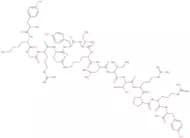
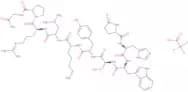
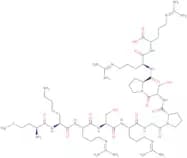
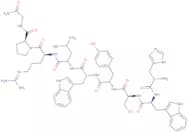
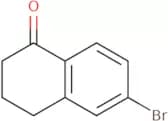

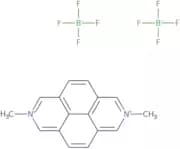

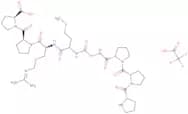


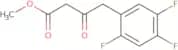
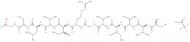
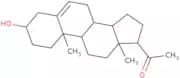
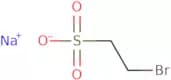

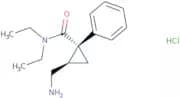
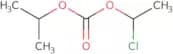
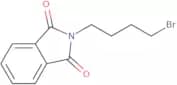
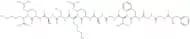

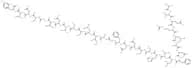
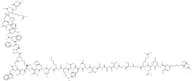
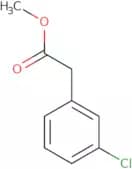
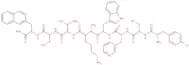
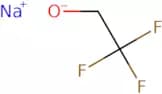
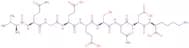
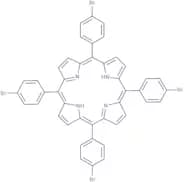
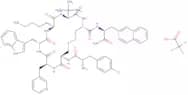
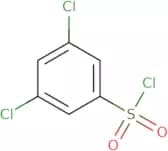

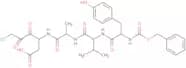
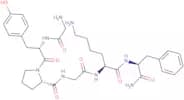
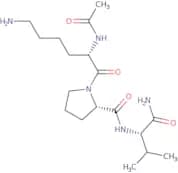
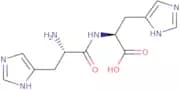

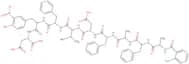
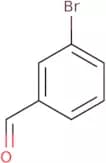
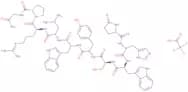

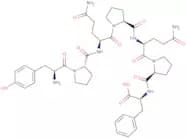
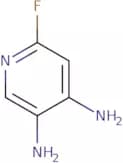
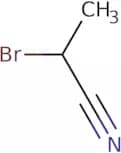
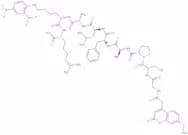
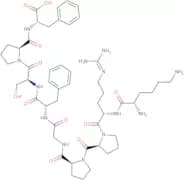
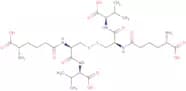

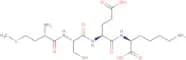



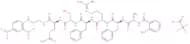

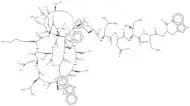
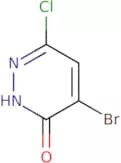
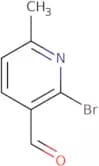
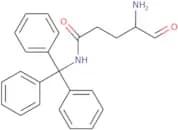



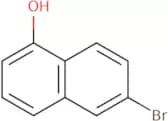

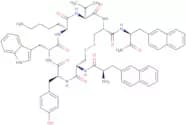
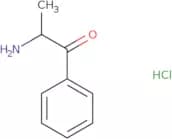
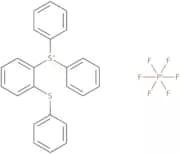

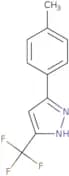

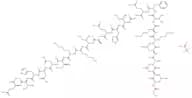
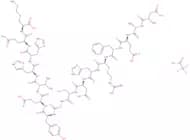


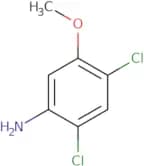
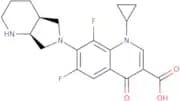
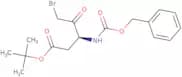
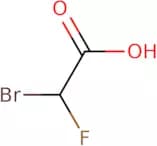
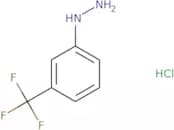
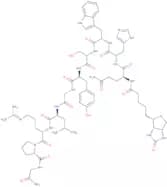
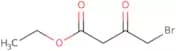
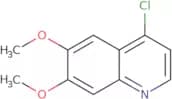
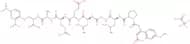
![[4,4'-Di-t-butyl-2,2'-bipyridine][bis[5-(t-butyl)-2-[4-(t-butyl)-2-pyridinyl-kN]phenyl-kC]iridium(…](/_next/image/?url=https%3A%2Fstatic.cymitquimica.com%2Fproducts%2F3D%2Fthumb-webp%2FFD159336.webp&w=3840&q=75)

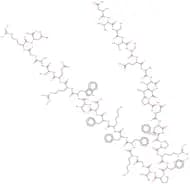
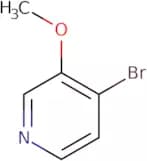
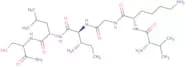
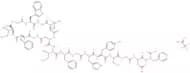
![5'-Chloro-2'-hydroxy-3'-nitro-[1,1'-biphenyl]-3-carboxylic acid](/_next/image/?url=https%3A%2Fstatic.cymitquimica.com%2Fproducts%2F3D%2Fthumb-webp%2FFC159731.webp&w=3840&q=75)

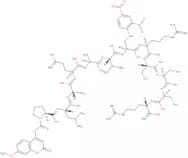
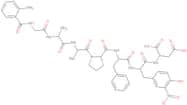
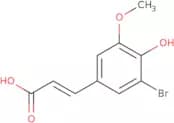


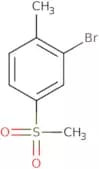
![2-Chloro-N-[2-(diethylamino)ethyl]-4-quinolinecarboxamide](/_next/image/?url=https%3A%2Fstatic.cymitquimica.com%2Fproducts%2F3D%2Fthumb-webp%2FFC20289.webp&w=3840&q=75)
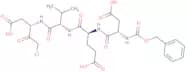

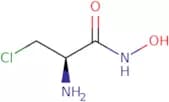
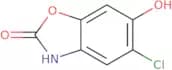


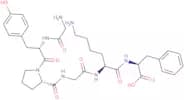
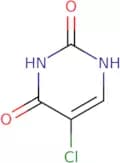
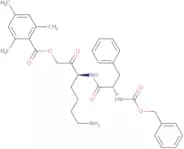


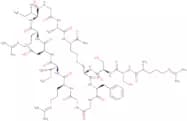

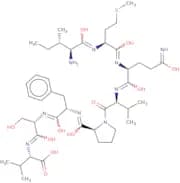
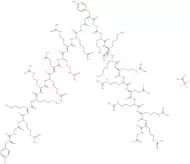
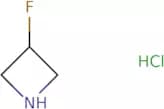
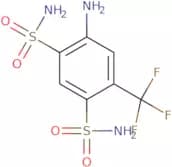
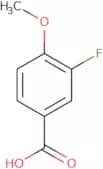
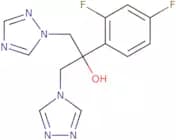
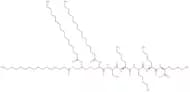

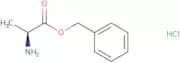
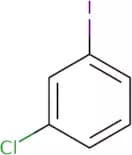
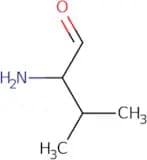

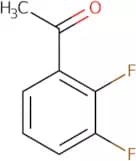
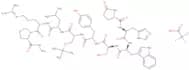
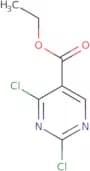
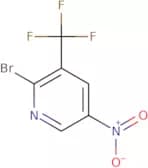

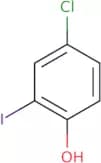
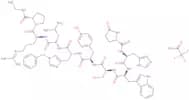
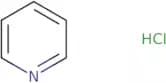
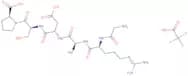
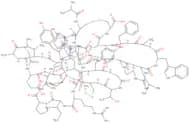


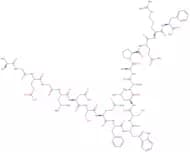
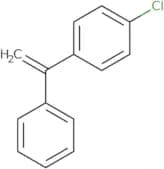
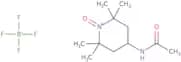

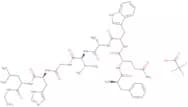

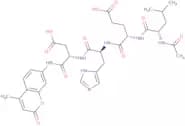


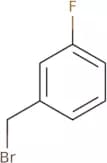
![2-[(5-Bromo-2-methylphenyl)methyl]-5-(4-fluorophenyl)thiophe](/_next/image/?url=https%3A%2Fstatic.cymitquimica.com%2Fproducts%2F3D%2Fthumb-webp%2FFB97141.webp&w=3840&q=75)
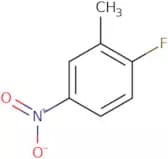

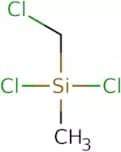


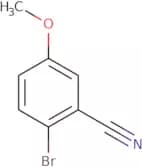

![6-Bromo-pyrazolo[1,5-a]pyrimidine](/_next/image/?url=https%3A%2Fstatic.cymitquimica.com%2Fproducts%2F3D%2Fthumb-webp%2FFB140359.webp&w=3840&q=75)
![4-[(4-chlorophenyl)-2-pyridinylmethoxy]-1-piperidinecarboxylic acid ethylester](/_next/image/?url=https%3A%2Fstatic.cymitquimica.com%2Fproducts%2F3D%2Fthumb-webp%2FFP152183.webp&w=3840&q=75)