Organic Halides
In this category, you can find organic molecules containing one or more halogen atoms in their structure. These organic halides include brominated, iodinated, chlorinated, and cyclic halide compounds. Organic halides are widely used in organic synthesis, pharmaceuticals, agrochemicals, and materials science due to their reactivity and ability to undergo a variety of chemical transformations. At CymitQuimica, we offer a comprehensive selection of high-quality organic halides to support your research and industrial applications, ensuring reliable and effective performance in your synthetic and analytical projects.
Subcategories of "Organic Halides"
Found 20440 products of "Organic Halides"
Sort by
Purity (%)
0
100
|
0
|
50
|
90
|
95
|
100
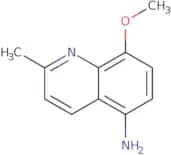
8-Methoxy-2-methylquinolin-5-amine monohydrochloride
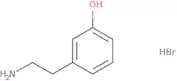
CAS:8-Methoxy-2-methylquinolin-5-amine monohydrochloride is a fine chemical that is used as a versatile building block in the synthesis of complex compounds. 8-Methoxy-2-methylquinolin-5-amine monohydrochloride is an intermediate for the production of research chemicals and pharmaceuticals. It can be used to synthesize speciality chemicals, useful scaffolds, and reagents. It also has a wide range of applications as a reaction component in synthetic organic chemistry. 8-Methoxy-2-methylquinolin-5-amine monohydrochloride has high purity and quality.Formula:C11H12N2O•HClPurity:Min. 95 Area-%Color and Shape:PowderMolecular weight:224.73 g/mol3-Hydroxyphenethylamine hydrobromide
CAS:3-Hydroxyphenethylamine hydrobromide is a synthetic compound that binds to the adenosine A1 receptor. 3-Hydroxyphenethylamine hydrobromide is used to study the interaction of adenosine A1 receptors with other compounds and its role in neuropathic pain. This drug has been shown to inhibit the contractions of guinea-pig trachea, which may be due to its ability to act as a fluorescent probe. Compounds that are able to bind to this receptor will have affinity constants (Ki) in the micromolar range. The interactions between 3-hydroxyphenethylamine hydrobromide and other compounds can also be studied using fluorescence probes, which allow for advances in research involving amines and their conjugates.Formula:C8H11NO•HBrPurity:Min. 95%Color and Shape:White to off-white solid.Molecular weight:218.09 g/molMercury(I) chloride
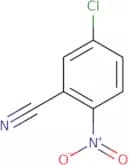
CAS:Controlled ProductMercury chloride is a compound that consists of mercury and chlorine. It is used as an electrode in mercury-in-glass thermometers, which are used to measure temperature. Mercury chloride has also been used to detect the presence of mercurous ions in water. In addition, it is used as a reagent for qualitative determination of hydrogen peroxide and sulfur dioxide. Mercury chloride can be prepared by reacting sodium carbonate with mercurous nitrate or mercurous oxide at high temperatures. The reaction solution must be heated for about an hour to drive off the water vapor and produce the solid product. Mercury(I) chloride has been shown to have high resistance to oxidation and reduction reactions, making it a useful model system for studying redox potentials. The detection sensitivity of mercury(I) chloride is very low, but this can be increased by using t84 cells as a model system. This compound reacts with water molecules in the air, so sample preparation should include drying under vacuum or heating onFormula:Hg2Cl2Purity:Min. 95%Molecular weight:472.09 g/mol5-Chloro-2-nitrobenzonitrile
CAS:5-Chloro-2-nitrobenzonitrile is a nucleophilic compound that inhibits bacterial growth by means of an attack on the sulfhydryl group. 5-Chloro-2-nitrobenzonitrile has shown antibacterial activity against Streptococcus faecalis and Staphylococcus aureus. This drug also has anti-inflammatory properties, which may be due to its ability to inhibit prostaglandin synthesis. The molecule has been shown to bind to chloride ions and sulfinyl groups, as well as being able to form a stable complex with erythrocytes in vitro (X-ray crystal structures). 5-Chloro-2-nitrobenzonitrile is structurally similar to fluoroquinolones and cephalosporins, which have been shown to have an oral bioavailability of 100%.Formula:C7H3ClN2O2Purity:Min. 95%Molecular weight:182.56 g/mol1-(Bromoacetyl)indoline
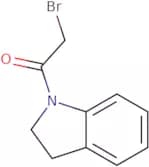
CAS:<p>1-(Bromoacetyl)indoline is a chemical compound that can be used as a reaction component, reagent, or high-quality research chemical. It is a speciality chemical used in the production of fine chemicals and other organic compounds. 1-(Bromoacetyl)indoline is a versatile building block for synthesis of complex compounds with potential applications in pharmaceuticals, agrochemicals, and specialty chemicals.</p>Formula:C10H10BrNOPurity:Min. 95%Color and Shape:SolidMolecular weight:240.1 g/mol1-Bromo-7-chloroheptane
CAS:1-Bromo-7-chloroheptane is a high quality, versatile building block that can be used in the synthesis of useful scaffolds and useful intermediates. It is a fine chemical that can be used for research purposes. 1-Bromo-7-chloroheptane has been shown to have potential as an antihypertensive agent.Formula:C7H14BrClPurity:Min. 95 Area-%Color and Shape:Clear LiquidMolecular weight:213.54 g/mol4,4'-Bis(bromomethyl)-2,2'-bipyridine
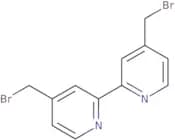
CAS:<p>4,4'-Bis(bromomethyl)-2,2'-bipyridine is a cyclic molecule that can be synthesized by the reaction of 4-bromo-2,2'-bipyridine with a brominating agent. It is used as a precursor to ruthenium catalysts in organic synthesis, and as an additive in dendrimers. The compound has been shown to have light absorption properties and can be used in photovoltaics and electropolymerization.</p>Formula:C12H10N2Br2Purity:Min. 95%Color and Shape:PowderMolecular weight:342.03 g/mol4-Chlorobenzhydrazide
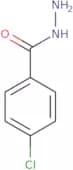
CAS:4-Chlorobenzhydrazide is a potential anticancer agent that has shown to have inhibitory effects on cancer cells in vitro. It binds to copper, forming a copper complex which inhibits the activity of the enzyme tyrosinase. This leads to a decrease in melanin synthesis and reduced pigmentation. The chemical structure of 4-chlorobenzhydrazide is similar to that of phenacetin and acetanilide, two drugs that were removed from the market due to their adverse side effects on the liver. 4-Chlorobenzhydrazide has been found to be toxic for animal cells at high concentrations, but does not show any toxicity for human cells.Formula:C7H7ClN2OPurity:Min. 95%Color and Shape:PowderMolecular weight:170.6 g/molDL-Ethyl 2-bromovalerate
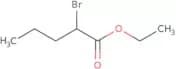
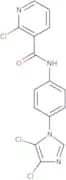
CAS:<p>DL-Ethyl 2-bromovalerate is a fatty acid that inhibits the activity of enzymes involved in fatty acid synthesis. DL-Ethyl 2-bromovalerate has been shown to have anti-inflammatory properties, which may be due to its ability to inhibit prostaglandin synthesis. It also has been found to inhibit the growth of microorganisms such as HIV and Mycobacterium tuberculosis. DL-Ethyl 2-bromovalerate has been used in the treatment of inflammatory bowel disease, as well as congestive heart failure and cardiovascular diseases. This drug also has a pharmacokinetic effect on human population growth, because it can inhibit cell proliferation.</p>Formula:C7H13BrO2Purity:Min. 95%Color and Shape:Clear LiquidMolecular weight:209.08 g/molN-(4-(4,5-dichloroimidazolyl)phenyl)(2-chloro(3-pyridyl))formamide
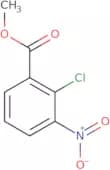
CAS:Please enquire for more information about N-(4-(4,5-dichloroimidazolyl)phenyl)(2-chloro(3-pyridyl))formamide including the price, delivery time and more detailed product information at the technical inquiry form on this pagePurity:Min. 95%2-Chloro-3-nitrobenzoic acid methyl ester
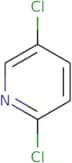
CAS:2-Chloro-3-nitrobenzoic acid methyl ester is a chemical compound that has been shown to inhibit the activity of serotonin. The compound binds to the 5-HT3 receptor on the enteric neurons and inhibits the release of serotonin in the bowel, which is one of the two major sites of action for this drug. This inhibition leads to reduced motility and decreased secretion in the bowel, which helps relieve symptoms in patients with irritable bowel syndrome (IBS). It has also been shown that 2-chloro-3-nitrobenzoic acid methyl ester is able to inhibit the production of serotonin from tryptophan by inhibiting an enzyme called aromatic amino acid decarboxylase. 2-Chloro-3-nitrobenzoic acid methyl ester has a high affinity for both rat and human 5ht3 receptors. The kinetics and thermodynamics of this reaction have been studied using methanol as aFormula:C8H6ClNO4Purity:Min. 95%Color and Shape:PowderMolecular weight:215.59 g/mol2,5-Dichloropyridine
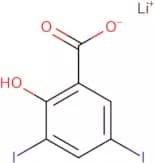
CAS:2,5-Dichloropyridine is a reactive substance that belongs to the group of halogenated substances. It can be found as a white crystalline solid or as a yellow gas. 2,5-Dichloropyridine reacts with water vapor in the air to form hydrochloric acid and chloride. This substance also has photocatalytic activity and is used as an affinity ligand for separation of organic compounds from soil microorganisms. 2,5-Dichloropyridine is used in the production of dimethylformamide and can be synthesized by reacting aryl chlorides with water vapor in the presence of sodium hydroxide.Formula:C5H3CI2NPurity:Min. 95%Color and Shape:PowderMolecular weight:147.99 g/molLithium 3,5-diiodosalicylic acid
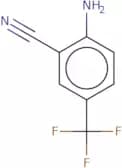
CAS:<p>Lithium 3,5-diiodosalicylic acid (Li3,5I2SA) is a cross-linking agent that has been shown to inhibit phosphatase activity and receptor binding in vitro. It also inhibits sugar transport, which is important for the functioning of human cells. Li3,5I2SA has been used to study the action of drugs on cancer cells and spermatozoa. This compound has also been tested as an inhibitor of membrane lipid peroxidation. Li3,5I2SA attaches to red blood cell membranes by binding to sites with high concentrations of monoclonal antibodies. The sequences of this compound have not yet been fully elucidated.</p>Formula:C7H4I2O3•LiPurity:Min. 98 Area-%Color and Shape:PowderMolecular weight:396.85 g/mol2-Amino-5-(trifluoromethyl)benzonitrile
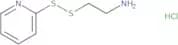
CAS:2-Amino-5-(trifluoromethyl)benzonitrile is a versatile chemical building block that can be used in a variety of reactions. It has been used as a reagent and intermediate for research, as well as a speciality chemical. This compound has been found to have applications in the synthesis of complex compounds, such as pharmaceuticals and agrochemicals. 2-Amino-5-(trifluoromethyl)benzonitrile is also a useful scaffold for organic synthesis, due to its high quality and versatility.Formula:C8H5F3N2Purity:Min. 95%Color and Shape:solid.Molecular weight:186.13 g/mol(S)-2-Pyridylthio cysteamine hydrochloride
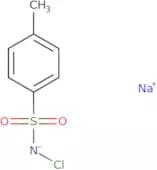
CAS:(S)-2-Pyridylthio cysteamine hydrochloride is a cell-permeant, basic, thiol-containing compound that is currently being investigated as an anticancer agent. It has been shown to inhibit the growth of tumor cells in vitro and in vivo. This drug binds to the disulfide bonds of proteins, which leads to the formation of a stable covalent bond between two protein molecules. (S)-2-Pyridylthio cysteamine hydrochloride also inhibits cell proliferation by interfering with the production of epidermal growth factor. This drug can be used for cancer treatment by binding to the mitochondria and inhibiting ATP synthesis, leading to apoptosis. The uptake of this drug is dependent on its interaction with basic proteins in the plasma membrane, which may be due to its ability to induce epidermal growth factor (EGF) production in cultured cells.Formula:C7H11ClN2S2Purity:Min. 97 Area-%Color and Shape:White PowderMolecular weight:222.76 g/molN-Chloro-4-toluenesulfonamide sodium
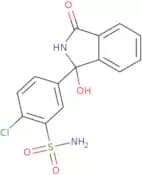
CAS:N-Chloro-4-toluenesulfonamide sodium (NCTS) is a disinfectant that is used to treat wastewater and as a preservative for water. It has been shown to be effective against bacteria, fungi, and viruses. NCTS is an antimicrobial agent that reacts with the matrix in which it is applied to form chloramines-T (NHClO). The chloramines-T inhibits the activity of enzymes such as those involved in DNA synthesis and protein synthesis. This reaction also generates an electric current due to the redox potentials of the reactants. The presence of aziridines in NCTS leads to crosslinking between proteins, which enhances its effectiveness as a disinfectant. NCTS has been shown to have no adverse effects on human erythrocytes or DNA when used at concentrations up to 100 µg/mL.Formula:C7H8ClNO2S•NaPurity:Min. 95%Color and Shape:PowderMolecular weight:228.65 g/mol2-Chloro-5-(2,3-dihydro-1-hydroxy-3-oxo-1H-isoindol-1-yl)-benzenesulfonamide
CAS:Controlled Product2-Chloro-5-(2,3-dihydro-1-hydroxy-3-oxo-1H-isoindol-1-yl)-benzenesulfonamide is a drug that belongs to the class of sulfonamides which is used in pharmaceutical formulations. It has been shown to have potent antihypertensive effects, and it also lowers blood pressure by inhibiting an enzyme called carbonic anhydrase. 2CCHIB binds to the chloride channel in kidney tubule cells and prevents the reabsorption of chloride ions in these cells. This leads to more water being excreted from the body, which reduces blood volume and pressure. The low density lipoprotein (LDL) cholesterol levels are also reduced when this drug is taken orally. 2CCHIB increases high sensitivity C reactive protein (hsCRP), a marker for inflammation, but it can also have antioxidant effects.Formula:C14H11ClN2O4SPurity:Min. 95%Color and Shape:PowderMolecular weight:338.77 g/mol4-Morpholinylacetic acid hydrochloride
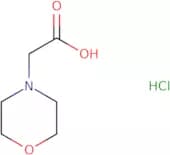
CAS:<p>4-Morpholinylacetic acid hydrochloride is a fluorescent probe that is used to study the interaction between extracellular proteins and cells. It can be detected in tissues by fluorescence microscopy and has been tested on animal tissues. The linker group allows for the encapsulation of the probe into mesoporous silica particles that can be recovered from biological fluids and analyzed using analytical methods. 4-Morpholinylacetic acid hydrochloride is not acidic, which means it does not interact with DNA or RNA. The fluorescent properties of this compound allow for easy detection in tissues and microenvironments where other probes may not be detectable.</p>Formula:C6H11NO3•HClPurity:Min. 95%Molecular weight:181.62 g/molMethyl 4-bromo-3-methylbenzoate
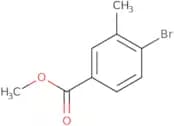
CAS:Methyl 4-bromo-3-methylbenzoate is an aryl boronic acid that has been used in the study of lactams. It has been shown to interact with acidic substances and crystal x-ray diffraction has revealed it to be a carbonyl reductant. Functional theory suggests that this compound is capable of reducing an ester or carboxylic acid using hydrogen gas, forming an alcohol and a carboxylic acid. Methyl 4-bromo-3-methylbenzoate also reacts with maleic anhydride, unsymmetrical dihydroxyacetone, photochromism, and constant light. X-ray crystal structures have revealed the molecule's molecular structure. The methyl group is attached to the 3rd carbon atom on the benzene ring, while the bromine atom is located at the 4th carbon atom on the benzene ring. The carbon atoms are connected through single bonds and there are twoFormula:C9H9BrO2Purity:Min. 95%Molecular weight:229.07 g/molTris[N-Ethyl-1,1,2,2,3,3,4,4,5,5,6,6,7,7,8,8,8-heptadecafluoro-N-(2-hydroxyethyl)-1-Octanesulfonamide] phosphate
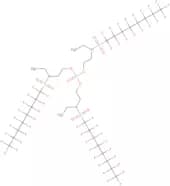
CAS:Controlled ProductTris[N-ethyl-1,1,2,2,3,3,4,4,5,5,6,6,7,7,8,8-heptadecafluoro-N-(2-hydroxyethyl)-1-octanesulfonamide] phosphate is a sulfonate that has been mixed with other chemicals. It is used as a chemical substance for the production of other substances. Tris[N-ethyl-1,1,2,2,3]3,[4],4,[5],5,[6],6-[7],7,[8],8-[heptadecafluoro-N-(2-hydroxyethyl)-1-octanesulfonamide] phosphate has not been classified by the International Agency for Research on Cancer (IARC).Formula:C36H27F51N3O10PS3Purity:Min. 95%Molecular weight:1,757.7 g/mol3-Amino-4-chlorophenylacetic acid methyl ester
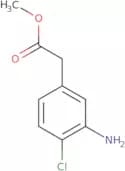
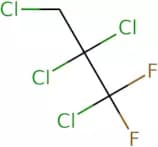
CAS:3-Amino-4-chlorophenylacetic acid methyl ester is a fine chemical that is useful as a building block in the synthesis of complex compounds. It has been used as a reagent and speciality chemical, which can be used for research purposes. CAS No. 59833-69-1Formula:C9H10ClNO2Purity:Min. 95%Molecular weight:199.63 g/mol1,1,1,3-Tetrachloro-3,3-Difluoropropane
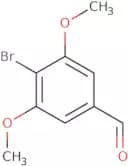
CAS:Controlled Product1,1,1,3-Tetrachloro-3,3-difluoropropane is a colorless, volatile liquid that is miscible with water. It has a high vapor pressure and low solubility in water. 1,1,1,3-Tetrachloro-3,3-difluoropropane is used as a solvent for organic compounds and as an intermediate in the production of other chlorocarbons. It can be used to produce calcium chloride and chlorine gas. 1,1,1,3-Tetrachloro-3,3-difluoropropane also has fumigant properties because it absorbs moisture from the air and releases it later.Formula:C3H2Cl4F2Purity:Min. 95%Molecular weight:217.86 g/mol4-Bromo-3,5-dimethoxybenzaldehyde
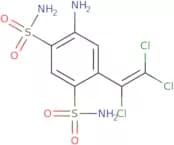
CAS:<p>4-Bromo-3,5-dimethoxybenzaldehyde is a compound that inhibits the replication of cells. It has been shown to induce apoptosis and inhibit tumor growth, including skin tumors and malignant melanoma cells. This chemical is synthesized by reacting an acrylonitrile with sodium hydroxide in a biphenyl amide. 4-Bromo-3,5-dimethoxybenzaldehyde has been used to inhibit bacterial growth, but it is not active against Mycobacterium tuberculosis or Mycobacterium avium complex.</p>Formula:C9H9BrO3Purity:Min. 95%Color and Shape:PowderMolecular weight:245.07 g/molClorsulon
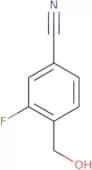
CAS:Clorsulon is an anthelmintic drug that belongs to the group of benzimidazoles. It is used in veterinary medicine to treat nematode and cestode infections, as well as tapeworm infections. Clorsulon is a dispersive solid-phase extraction (DSPE) extractant that can be used for the separation of drugs and their metabolites from biological fluids. The chemical stability of clorsulon was assessed by exposing it to various solvents and pHs. Clorsulon was found to be stable in acetate, benzene, chloroform, ethyl acetate, ethanol, methanol, and water at pH 1-14 and a variety of temperatures ranging from -20 ˚C to 50 ˚C. No significant loss or degradation occurred after exposure to these conditions for up to 24 hours.Formula:C8H8Cl3N3O4S2Purity:(Hplc) Min. 98.0%Color and Shape:PowderMolecular weight:380.66 g/mol4-Cyano-2-fluorobenzyl alcohol
CAS:4-Cyano-2-fluorobenzyl alcohol is a reagent that is used to produce chlorine and hydrochloric acid. It is also used industrially in the production of potassium chloride, a compound that is used in fertilizers, animal feed supplements, and water treatment. 4-Cyano-2-fluorobenzyl alcohol reacts with chloride ions to form hypochlorous acid (HOCl), which then reacts with water to form hydrogen chloride gas. The reaction with fluoride ions leads to the formation of hydrofluoric acid (HF).Formula:C8H6FNOPurity:Min. 95%Color and Shape:White To Beige SolidMolecular weight:151.14 g/molDiacylglycerol kinase inhibitor II
CAS:<p>Diacylglycerol kinase inhibitor II is a transcriptional regulator that inhibits diacylglycerol kinase. This inhibitor blocks the signaling pathways for growth factor-β1 by inhibiting the enzyme phosphatidic acid phosphatase, which plays an important role in cellular proliferation and migration. Diacylglycerol Kinase Inhibitor II has also been shown to inhibit cation channels and calcium release from intracellular stores. Diacylglycerol Kinase Inhibitor II binds to both cytosolic and nuclear proteins. It has been shown to inhibit cell proliferation and induce apoptosis in breast cancer cells.</p>Formula:C28H25F2N3OSPurity:Min. 97 Area-%Color and Shape:PowderMolecular weight:489.58 g/molCarbonyldiiodo(pentamethylcyclopentadienyl)cobalt(III)
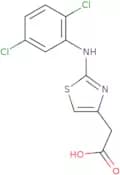
CAS:Carbonyldiiodo(pentamethylcyclopentadienyl)cobalt(III) is a high-quality, reagent, complex compound that is useful as a reaction component in the production of fine chemicals and speciality chemicals. It is also used as a building block for more complex compounds. This versatile building block can be used to produce research chemicals, useful scaffolds and building blocks for organic synthesis. Carbonyldiiodo(pentamethylcyclopentadienyl)cobalt(III) has CAS number 35886-64-7.Formula:C11H15CoI2OPurity:Min. 95%Color and Shape:Black SolidMolecular weight:475.98 g/mol2-(4-(2,5-Dichlorophenylamino)-3,5-thiazolyl)acetic acid
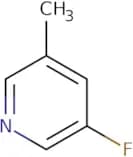
CAS:Please enquire for more information about 2-(4-(2,5-Dichlorophenylamino)-3,5-thiazolyl)acetic acid including the price, delivery time and more detailed product information at the technical inquiry form on this pagePurity:Min. 80%3-Fluoro-5-methylpyridine
CAS:3-Fluoro-5-methylpyridine is a fine chemical, useful building block and research chemical. It is a versatile building block that can be used as a reaction component or as an intermediate in the synthesis of various other organic compounds. 3-Fluoro-5-methylpyridine is also a reagent for the preparation of pharmaceuticals and agrochemicals. This compound can be used in the synthesis of complex compounds with high quality and purity, such as inorganic salts, metal complexes and organometallic compounds. 3-Fluoro-5-methylpyridine has CAS No. 407-21-6 and has been assigned to category 1B by the European Union's classification system (EU CLP).Formula:C6H6FNPurity:Min. 95%Molecular weight:111.12 g/molTetrabutylammonium fluoride - 1.0M in THF
CAS:<p>Tetrabutylammonium fluoride-1.0M in THF is a solution of tetrabutylammonium fluoride in tetrahydrofuran. The compound is soluble in water and THF with solubility increasing with temperature. Tetrabutylammonium fluoride has been shown to be an effective inhibitor of the enzyme 4-hydroxycinnamic acid transaminase, which is involved in the metabolism of catecholamines. This property may be due to the ability of tetrabutylammonium fluoride to bind to the active site metal ion, copper, that participates in this reaction. Tetrabutylammonium fluoride can also inhibit other enzymes by binding to metal ions at their active sites, such as pyridoxal phosphate and hydroxyl groups.</p>Formula:C16H36FNPurity:Min. 95%Color and Shape:Clear LiquidMolecular weight:261.46 g/molDomiphen bromide
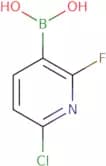
CAS:<p>Domiphen bromide is a quaternary ammonium compound. It is a white, odorless crystalline powder, soluble in water and organic solvents. Domiphen bromide inhibits the growth of bacteria by disrupting their cell membranes. This effect is achieved through the release of free fatty acids from the lipid bilayer of the cell membrane and by the formation of pores in the membrane that allow ions to leak out. Domiphen bromide also has an antimicrobial effect against Gram-positive bacteria such as C. glabrata and Gram-negative bacteria such as Cetylpyridinium or P-hydroxybenzoic acid, which are resistant to other disinfectants. Domiphen bromide is used as a preservative in pharmaceutical products and cosmetics, as well as a disinfectant for surfaces and materials.</p>Formula:C22H40BrNOPurity:Min. 95%Color and Shape:PowderMolecular weight:414.46 g/mol6-Chloro-2-fluoropyridine-3-boronic acid
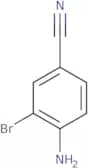
CAS:6-Chloro-2-fluoropyridine-3-boronic acid is a versatile building block for the synthesis of complex compounds, which can be used as a reagent in research or as a speciality chemical. This compound can be used as an intermediate, reaction component, or scaffold to synthesize other more complex structures. 6-Chloro-2-fluoropyridine-3-boronic acid is available in high quality and has CAS No. 1256345-66-0.Formula:C5H4BClFNO2Purity:Min. 95%Color and Shape:Light (Or Pale) Orange SolidMolecular weight:175.35 g/mol4-Amino-3-bromobenzonitrile
CAS:<p>4-Amino-3-bromobenzonitrile is a chemical compound that is synthesized by the reaction of 4-amino-2-bromobenzonitrile and NaBH4. It can be used as a ligand for copper, nickel, and cobalt ions. The crystalline form of 4-amino-3-bromobenzonitrile has been studied using x-ray diffraction and ultraviolet irradiation. The absorption spectra of the compound are in agreement with its nature as an azobenzene derivative.</p>Formula:C7H5BrN2Purity:Min. 95%Color and Shape:PowderMolecular weight:197.03 g/mol5-Bromopentan-1-ol
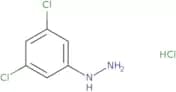
CAS:<p>5-Bromopentan-1-ol is a chemical that is used in the synthesis of other organic compounds. It has been found to be a good solvent for many organic substances, and it is also used as an intermediate in organic synthesis. 5-Bromopentan-1-ol can be acetylated with acetic anhydride, which leads to the formation of 1,5-diacetoxybutane. The reaction between 5-bromopentan-1-ol and copper oxide in chlorine gas leads to the formation of 1,5 dibromohexane. This reaction product can then be hydrolyzed to produce malonic acid.<br>The structural formula for 5-bromopentan-1-ol consists of two carbon atoms connected by a single bond and three hydrogen atoms bonded to one carbon atom. The other carbon atom is bonded to two oxygen atoms (one by a double bond) and one hydrogen atom. The</p>Formula:C5H11BrOPurity:Min. 95%Color and Shape:Clear LiquidMolecular weight:167.04 g/mol3,5-Dichlorophenylhydrazine hydrochloride
CAS:3,5-Dichlorophenylhydrazine hydrochloride is a chemical compound that can be used in the synthesis of other chemical compounds. 3,5-Dichlorophenylhydrazine hydrochloride is a versatile building block for the preparation of complex chemicals such as pharmaceuticals and agrochemicals. It has been shown to form a high quality reagent that is useful for research purposes. 3,5-Dichlorophenylhydrazine hydrochloride can be used as a reaction component or an intermediate in organic synthesis reactions. The CAS Registry Number for this chemical is 63352-99-8.Formula:C6H6Cl2N2•HClPurity:Min. 95%Molecular weight:213.49 g/mol5-[4'-Bromomethyl-(1,1'-biphenyl)-2-yl]-1-triphenylmethyltetrazole
CAS:5-[4'-Bromomethyl-(1,1'-biphenyl)-2-yl]-1-triphenylmethyltetrazole is a fluorescent dye that is used as an analytical reagent in magnetic resonance spectroscopy. It has been shown to have nitrogen atoms and a tetrazole ring. This chemical compound has a molecular weight of 366.5 g/mol and has a melting point of 200°C. 5-[4'-Bromomethyl-(1,1'-biphenyl)-2-yl]-1-triphenylmethyltetrazole was synthesized from 1,1'-biphenyl-2-carbaldehyde and methyl 3-aminotetrazolecarboxylate by reacting them with ammonium acetate in the presence of hydrochloric acid. The purity of this compound can be determined using diffraction, magnetic resonance spectroscopy, or spectroscopic data. The structure ofFormula:C33H25BrN4Purity:Min. 95%Color and Shape:White PowderMolecular weight:557.48 g/mol1,1'-Dioctadecyl-3,3,3',3'-tetramethylindodicarbocyanine perchlorate
CAS:1,1'-Dioctadecyl-3,3,3',3'-tetramethylindodicarbocyanine perchlorate (DiI) is a useful scaffold for the synthesis of complex compounds. It is a high-quality research chemical that is used in the synthesis of speciality chemicals and fine chemicals. DiI reacts with diazonium salts to produce blue or red fluorescent compounds. This compound can be used as a reagent for the production of amino acids or amines. It also reacts with other organic compounds to form complexes. The CAS number for DiI is 127274-91-3.Formula:C61H99N2•ClO4Purity:Min. 95%Color and Shape:Red To Brown SolidMolecular weight:959.9 g/molDichlorodiethylsilane
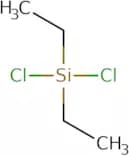
CAS:Dichlorodiethylsilane is an aromatic hydrocarbon that is a colorless liquid with a pungent odor. It has been used as a chemical intermediate and in the synthesis of dyes, pharmaceuticals, and other organic chemicals. Dichlorodiethylsilane reacts with hydrogen fluoride to form hydrogen chloride and dichloroethane. The reaction products are acidic due to the presence of hydroxyl groups, which react with water vapor to form hydrochloric acid and alcohols. Dichlorodiethylsilane reacts with nucleophiles such as chlorides or hydroxides to form ether linkages. This compound also reacts with c1-c4 haloalkyls to form chlorinated alkyl groups. Dichlorodiethylsilane is soluble in water, but not in ether or benzene. It is stable at room temperature but decomposes when heated to temperatures above 200°C (392°F).Formula:C4H10Cl2SiPurity:Min. 95%Color and Shape:PowderMolecular weight:157.11 g/molPerfluoroalkylethyl acrylate
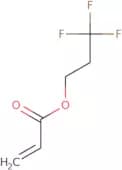
CAS:<p>Perfluoroalkylethyl acrylate is a chemical compound that belongs to the group of fluorinated aliphatic hydrocarbons. It is stable in low light and is resistant to oxidation. The polymerization of perfluoroalkylethyl acrylate can be achieved by heating with phosphorus pentachloride, sodium carbonate, and a cationic surfactant under constant pressure at an optimal reaction temperature. Perfluoroalkylethyl acrylate has been used as a monomer for the synthesis of polyfluoroalkyl methacrylates, which have been shown to have high durability and chemical stability.</p>Formula:C5H7FO2•(CF2)nPurity:Min. 92 Area-%Color and Shape:Colourless liquid.1-Bromo-3,5-dinitrobenzene
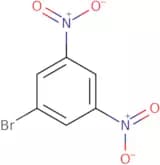
CAS:1-Bromo-3,5-dinitrobenzene is an optical probe that has been used in reaction systems to study the reactivity of nucleophiles. The fluorescence of 1-bromo-3,5-dinitrobenzene changes with the nature of the nucleophile and its concentration. This molecule is unreactive with other molecules and can be used as a drug development tool. The centroid of 1-bromo-3,5-dinitrobenzene is constant at 298 K. Crystals for 1-bromo-3,5-dinitrobenzene have been analyzed by XRD and FTIR.Formula:C6H3BrN2O4Purity:Min. 95%Color and Shape:White PowderMolecular weight:247 g/mol1-(2-Chloro-1-methylethyl)pyrrolidine hydrochloride
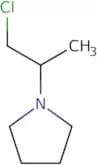
CAS:<p>1-(2-Chloro-1-methylethyl)pyrrolidine hydrochloride is a versatile building block that can be used in the synthesis of fine chemicals, complex compounds, research chemicals, reagents and specialty chemicals. This compound is also useful as a building block for the synthesis of pharmaceuticals and chemical products. 1-(2-Chloro-1-methylethyl)pyrrolidine hydrochloride is a high quality chemical that can be used as a reaction component or scaffold for the synthesis of new chemical entities.</p>Formula:C7H15Cl2NPurity:Min. 95%Color and Shape:PowderMolecular weight:184.1 g/molEthidium bromide
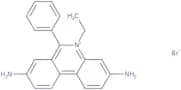
CAS:Ethidium bromide is a natural compound that is used as a fluorescent dye. The dye binds to the nucleic acids of the cell, including DNA and RNA, which intercalate with the guanine residues in the DNA. The dye molecules fluoresce when excited by ultraviolet light. This property has been used for biochemical research on nucleic acids and for labeling cells in histological sections for electron microscopy. Ethidium bromide has also been used in rat hippocampal neurons to study nicotinic acetylcholine receptor function.Formula:C21H20N3·BrPurity:Min. 98 Area-%Color and Shape:Red Purple PowderMolecular weight:394.31 g/mol2-Fluorobenzhydrazide
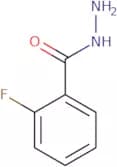
CAS:2-Fluorobenzhydrazide is an antibacterial agent that belongs to the group of phthaloyl compounds. It has been shown to be active against Gram-positive bacteria and Mycobacterium tuberculosis. The crystal structure of 2-fluorobenzhydrazide shows a hydrogen bond with the chloride ion and a strong interaction with the benzodiazepine binding site. The hydroxyl group on the benzene ring may play a role in radical scavenging activity, which is a common property of quinolones. 2-Fluorobenzhydrazide has been shown to be stable in water and organic solvents, with antibacterial activity against Gram-positive and acid-fast bacteria.Formula:C7H7FN2OPurity:Min. 95%Color and Shape:PowderMolecular weight:154.14 g/mol(4-Bromophenyl)-(pyridin-3-yl)methanone
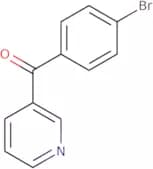
CAS:The compound is a reactive, logistic and logistic regression analysis. The logistic regression was used to determine the effects of temperature on the yields of this organic chemical. The compound is not active against test organisms such as dimethylamine, but does react with carbonyl groups in other organic chemicals. This chemical is considered reactive because it can be easily oxidized by air or water. It has been shown that this chemical reacts with oxygen molecules to form aldehydes and ketones.Formula:C12H8BrNOPurity:Min. 95%Molecular weight:262.1 g/mol5-Amino-2-bromobenzoic acid
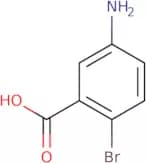
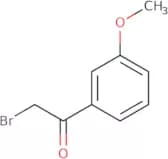
CAS:5-Amino-2-bromobenzoic acid is an organic compound that is used in the manufacture of other chemicals. It is a white crystalline solid with a melting point of 133°C, and it has a molecular weight of 222.27 g/mol. This chemical has been shown to be mutagenic, and it may also cause adverse effects on the liver, kidneys, stomach, and skin when taken orally or applied to the skin. 5-Amino-2-bromobenzoic acid is found in many products that are used for industrial purposes such as dyes, rubber chemicals, textile chemicals, pesticides, and herbicides. The chemical can be found in products that are sold in hardware stores and supermarkets.Formula:C7H6BrNO2Purity:Min. 95%Color and Shape:PowderMolecular weight:216.03 g/mol2-Bromo-3'-methoxyacetophenone
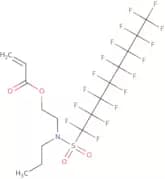
CAS:2-Bromo-3'-methoxyacetophenone is a reactive compound that has been used as an antiplatelet drug. It is a prodrug of vicagrel, which inhibits the platelet aggregation by blocking the conversion of ADP to ATP. It also has been shown to inhibit the growth of cryptococcus neoformans. This compound binds to matrix proteins and disrupts their structure, leading to a decrease in platelet adhesion. 2-Bromo-3'-methoxyacetophenone has been shown to be metabolized through a number of metabolic transformations, including hydrolysis by esterases or glucuronidases, oxidation by cytochrome P450 enzymes, reduction by glutathione reductase, or conjugation with glucuronic acid. The biological properties of this drug are complex and depend on its concentration and duration of exposure. Its effect on platelet aggregation is due to its ability to inhibit the activity of protein kinFormula:C9H9BrO2Purity:Min. 95%Molecular weight:229.07 g/molPerfluorooctylsulfonylpropylaminoethyl acrylate
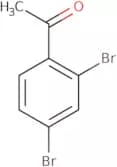
CAS:Controlled Product<p>Perfluorooctylsulfonylpropylaminoethyl acrylate is a sulfonate, which is a chemical that can be found in mixtures. It is a chemical substance that has the ability to connect with other chemicals. This chemical has not been classified as hazardous by the National Institute for Occupational Safety and Health (NIOSH).</p>Formula:C16H14F17NO4SPurity:Min. 95%Molecular weight:639.33 g/mol2',4'-Dibromoacetophenone
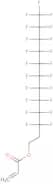
CAS:<p>2',4'-Dibromoacetophenone is a 3',5'-cyclic monophosphate (cAMP) analogue that inhibits protein kinase and phospholipase C. It has been shown to inhibit the production of adenosine in endothelial cells by acting as an antagonist at the adenosine receptor. 2',4'-Dibromoacetophenone also has a strong inhibitory effect on human endothelial cells, which may be due to its ability to inhibit DNA synthesis and protein synthesis. This compound binds to the endothelial cell membrane and blocks the activation of phospholipase A2, preventing the release of arachidonic acid from phospholipids. Arachidonic acid is required for prostaglandin synthesis, which leads to inflammation.</p>Formula:C8H6Br2OPurity:Min. 95%Color and Shape:Slightly Yellow PowderMolecular weight:277.94 g/mol2-(Perfluorodecyl)ethyl acrylate
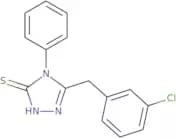
CAS:<p>2-(Perfluorodecyl)ethyl acrylate is a cross-linking agent that can be used in the production of polymers. It has been shown to have antimicrobial properties, which may be due to its ability to bind with hydroxyl groups on the surface of microorganisms and inhibit their growth. 2-(PFDEC)EA also has strong hydrophobic properties, which make it an ideal candidate for coating applications. 2-(PFDEC)EA is also able to form covalent bonds with alcohols, yielding water-soluble polymers that are useful as coatings or adhesives. It has functional groups that make it a good candidate for use in reactive polymerization reactions.</p>Formula:C15H7F21O2Purity:Min. 95%Color and Shape:White Clear LiquidMolecular weight:618.18 g/mol3-((3-chlorophenyl)methyl)-4-phenyl-1,2,4-triazoline-5-thione
CAS:Please enquire for more information about 3-((3-chlorophenyl)methyl)-4-phenyl-1,2,4-triazoline-5-thione including the price, delivery time and more detailed product information at the technical inquiry form on this pagePurity:Min. 95%







![5-[4'-Bromomethyl-(1,1'-biphenyl)-2-yl]-1-triphenylmethyltetrazole](/_next/image/?url=https%3A%2Fstatic.cymitquimica.com%2Fproducts%2F3D%2Fthumb-webp%2FFB19245.webp&w=3840&q=75)