Organic Halides
Subcategories of "Organic Halides"
Found 20442 products of "Organic Halides"
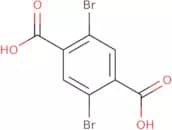
2,5-Dibromoterephthalic acid
CAS:2,5-Dibromoterephthalic acid is a compound that belongs to the group of dibromoterephthalic acid. The molecule has a supramolecular structure and contains water molecules. 2,5-Dibromoterephthalic acid can be oxidized to form the redox potential and is soluble in water. It has been shown that 2,5-Dibromoterephthalic acid can be absorbed by plants and animals through the skin or through the respiratory system. This compound has been used as an element analysis reagent for chlorine and carboxylates. 2,5-Dibromoterephthalic acid reacts with trifluoroacetic acid to form diethyl ester and hydrogen bond.Formula:C8H4Br2O4Purity:Min. 95%Color and Shape:PowderMolecular weight:323.92 g/molSodium tetrakis[3,5-bis(trifluoromethyl)phenyl]borate
CAS:Tetrakis(3,5-bis(trifluoromethyl)phenyl)borate is a boron compound that has the formula [(CH)B] and is an ionic compound. It is a model system for studying conformational properties of organic compounds in solution. A reaction solution containing sodium tetrakis(3,5-bis(trifluoromethyl)phenyl)borate reacts with coumarin derivatives to form stable complexes. These complexes are then detected by infrared spectroscopy, mass spectrometry, and nuclear magnetic resonance (NMR). This method has been applied to urine samples and plasma from healthy subjects as well as human serum. The stable complexes can be used to measure the concentration of free coumarin derivatives in these samples. The cationic polymerization of polystyrene was studied using tetrakis(3,5-bis(trifluoromethyl)phenyl)borate
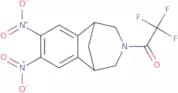
Formula:C32H12BF24•NaPurity:(%) Min. 95%Color and Shape:PowderMolecular weight:886.2 g/mol2,3,4,5-Tetrahydro-7,8-dinitro-3-(trifluoroacetyl)-1,5-methano-1H-3-benzazepine
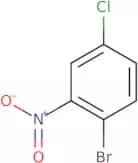
CAS:2,3,4,5-Tetrahydro-7,8-dinitro-3-(trifluoroacetyl)-1,5-methano-1H-3-benzazepine is a supplement that may be used to treat depression. It has been shown to have a receptor activity on the acetylcholine receptors. 2,3,4,5-Tetrahydro-7,8-dinitro-3-(trifluoroacetyl)-1,5-methano-1H-3-benzazepine has also been shown to increase the activity of the endothelial function by increasing the production of nitric oxide. This drug has also been shown to be an effective treatment for reducing appetite in cases of anorexia nervosa and for treating Alzheimer's disease. The drug works by activating nicotinic acetylcholine receptors in the brain.Formula:C13H10F3N3O5Purity:Min. 98 Area-%Color and Shape:PowderMolecular weight:345.23 g/mol2-Bromo-5-chloronitrobenzene
CAS:2-Bromo-5-chloronitrobenzene is a synthetic drug that has been shown to inhibit the growth of cancer cells. It is a potent antagonist at the tyrosine kinase receptor, which may be involved in the development of some cancers. The drug was first synthesized in 1887 by German chemists for use as an antipsychotic drug, but it was not until 1962 that researchers discovered its therapeutic value in treating schizophrenia. Clozapine also blocks the activity of other receptors including factor receptors and growth factors, which may account for its antitumor effects. Clozapine has also been used to treat resistant breast cancer cases with imatinib therapy.Formula:C6H3BrClNO2Purity:Min. 95%Color and Shape:PowderMolecular weight:236.45 g/mol1-Methyl-3-[3-methyl-4-[4-[(trifluoromethyl)sulfonyl]phenoxy]phenyl]-1,3,5-triazine-2,4,6(1H,3H,5H)-trione
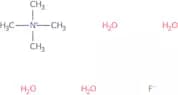
CAS:Ponazuril is a veterinary drug that belongs to the group of chemotherapeutics. It is used in the treatment of endoparasites, such as nematodes and cestodes, which are parasites that live inside the human body. Ponazuril is administered orally or by injection and has been shown to have minimal toxicity in CD-1 mice. Ponazuril binds to DNA polymerase, inhibiting RNA synthesis and protein synthesis. This leads to cell death by apoptosis and necrosis. The drug also inhibits DNA replication in the parasite and blocks parasite growth.Formula:C18H14F3N3O6SPurity:Min. 95%Color and Shape:PowderMolecular weight:457.38 g/molTetramethylammonium fluoride tetrahydrate
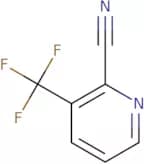
CAS:Tetramethylammonium fluoride tetrahydrate (TMF) is an ionic liquid that is a reaction product of tetraethylammonium and hydrochloric acid. TMF has been shown to react reversibly with water to produce aqueous hydrogen fluoride, which can be detected at low concentrations with a variety of analytical techniques such as gas chromatography. TMF has also been shown to have selectivities for the transport of silicon and calcium carbonate ions, which are useful in electrochemical studies. The activation energies for the reaction of TMF with water were determined by electrochemical studies to be around -0.4 eV.Formula:C4H12FN·4H2OColor and Shape:White PowderMolecular weight:165.2 g/mol2-Cyano-3-trifluoromethylpyridine
CAS:2-Cyano-3-trifluoromethylpyridine is a fine chemical that is used as a versatile building block in the synthesis of complex compounds. It can be used as an intermediate in research chemicals, reaction components, and speciality chemicals. 2-Cyano-3-trifluoromethylpyridine is a high quality reagent that can be used for the synthesis of various derivatives. It is also a useful scaffold for the development of new drugs and other chemical compounds.
Formula:C7H3F3N2Purity:Min. 95%Color and Shape:liquid.Molecular weight:172.11 g/mol2-[[(4-Anilinophenyl)imino]methyl]-4,6-dichlorophenol
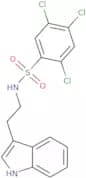
CAS:2-[[(4-Anilinophenyl)imino]methyl]-4,6-dichlorophenol is a chemical that has been used in the synthesis of pharmaceuticals and other organic compounds. It is a versatile building block for the preparation of complex compounds and fine chemicals. This product can be used as a reagent or reaction component for research purposes. It is also useful as an intermediate or building block in the synthesis of drugs and other organic compounds. CAS No. 303215-67-0Formula:C19H14Cl2N2OPurity:Min. 95%Color and Shape:Red PowderMolecular weight:357.23 g/mol(2-Indol-3-ylethyl)((2,4,5-trichlorophenyl)sulfonyl)amine
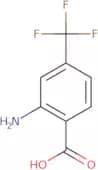
CAS:Please enquire for more information about (2-Indol-3-ylethyl)((2,4,5-trichlorophenyl)sulfonyl)amine including the price, delivery time and more detailed product information at the technical inquiry form on this pageFormula:C16H13Cl3N2O2SPurity:Min. 95%Color and Shape:PowderMolecular weight:403.71 g/mol2-Amino-4-(trifluoromethyl)benzoic acid
CAS:2-Amino-4-(trifluoromethyl)benzoic acid (2ATB) is a fluorescent compound that is used in assays to study the function of cells. It is a functional theory that 2ATB binds to the skeleton of cells, which are then subjected to optical properties testing. Fluorescence resonance energy transfer has been shown to occur between 2ATB and retinoic acid molecules in the cell nucleus, which may be related to cellular senescence. The structure of 2ATB has been determined by X-ray crystallography and it has been synthesized by halogenation.
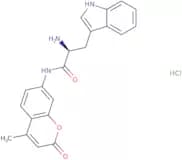
Formula:C8H6F3NO2Purity:Min. 95%Color and Shape:PowderMolecular weight:205.13 g/molL-Tryptophan-7-amido-4-methylcoumarin
CAS:Please enquire for more information about L-Tryptophan-7-amido-4-methylcoumarin including the price, delivery time and more detailed product information at the technical inquiry form on this pageFormula:C21H19N3O3Purity:Min. 95%Color and Shape:PowderMolecular weight:361.39 g/mol2-Amino-3-chloro-5-nitrobenzonitrile
CAS:2-Amino-3-chloro-5-nitrobenzonitrile is a hydroxyalkyl compound. It is sensitive to light, sulfamic acid and heat. The compound has been expressed in E. coli, but it is not possible to crystallize it due to its sensitivity to ph changes and organic solvents. The substance can be used as a dyestuff or dye intermediate. Due to its stability in crystal form, this substance can also be used as a raw material for the production of nitrite.Formula:C7H4ClN3O2Purity:Min. 95%Color and Shape:PowderMolecular weight:197.58 g/mol1-[(2,6-Difluorophenyl)Methyl]-4-Methyl-2-Propan-2-Ylbenzimidazole
CAS:Controlled Product1-[(2,6-Difluorophenyl)Methyl]-4-Methyl-2-Propan-2-Ylbenzimidazole is a broad spectrum HIV drug that inhibits the HIV transcriptase. It binds to the active site of the enzyme and blocks the binding of nucleotides, preventing RNA synthesis. 1-[(2,6-Difluorophenyl)Methyl]-4-Methyl-2-Propan-2-Ylbenzimidazole has been shown to be effective against HIV in vitro and in vivo. This inhibitor has been shown to inhibit both wild type and mutant forms of HIV transcriptase by binding to the same region of the enzyme. The molecule also shows good activity against other types of viruses, including influenza virus, vesicular stomatitis virus and poliovirus.
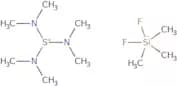
Formula:C18H18F2N2Purity:Min. 95%Molecular weight:300.35 g/molTris(dimethylamino)sulfonium difluorotrimethylsilicate
CAS:Tris(dimethylamino)sulfonium difluorotrimethylsilicate is a solute that is used in synthetic chemistry. It has been shown to stimulate bone growth in vitro and to inhibit the metastasis of cancer cells in animal studies. Tris(dimethylamino)sulfonium difluorotrimethylsilicate has also been shown to be an effective treatment for bladder cancer. This compound has been shown to bind to cortistatin, an active substance that inhibits the proliferation of human bladder cancer cells. The compound binds to benzyl groups on cortistatin and prevents it from binding with its receptors on the bladder cancer cells, leading to cell death.
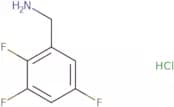
Formula:C6H18N3S•C3H9F2SiPurity:90%Color and Shape:PowderMolecular weight:275.48 g/mol2,3,5-Trifluorobenzylamine hydrochloride
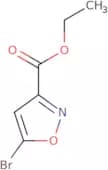
CAS:2,3,5-Trifluorobenzylamine hydrochloride is an important chemical building block that is used in a variety of chemical reactions. It can be used as a reagent to form 2,3,5-trifluorobenzaldehyde and other useful chemicals. The compound also has the ability to be used as a versatile building block in synthetic organic chemistry. 2,3,5-Trifluorobenzylamine hydrochloride is an intermediate in the synthesis of various pharmaceuticals and pesticides. The compound also has potential use as a scaffold in drug design applications.Formula:C7H6F3N·ClHPurity:Min. 95%Color and Shape:PowderMolecular weight:197.59 g/molEthyl 5-bromoisoxazole-3-carboxylate
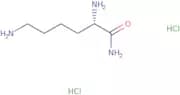
CAS:Ethyl 5-bromoisoxazole-3-carboxylate is a fine chemical that can be used as a versatile building block for research chemicals and pharmaceuticals. It is also a useful intermediate for complex compounds, useful building blocks, and reagents. The CAS number for this compound is 1914946-33-0.Formula:C6H6BrNO3Purity:Min. 95%Color and Shape:PowderMolecular weight:220.02 g/molL-Lysine amide dihydrochloride
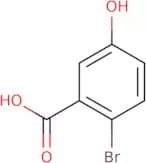
CAS:L-Lysine amide dihydrochloride is a crystalline compound that is used for the treatment of tumours. It has been shown to bind to the enzyme iridoid synthase, which is involved in the formation of imines and aldehydes. L-Lysine amide dihydrochloride also inhibits the production of staining compounds, such as fluorine and heterocycles. The compound may also be used cosmetically as an anti-aging agent because it can inhibit the production of collagenase and elastase, which cause degradation of collagen.Formula:C6H15N3O•HCl2Purity:Min. 95%Color and Shape:Off-White PowderMolecular weight:218.12 g/mol2-Bromo-5-hydroxybenzoic acid
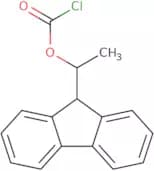
CAS:2-Bromo-5-hydroxybenzoic acid is a naturally occurring chemical that belongs to the group of phenols. It is an intermediate in the biosynthesis of the phorbol esters and is used as a nutrient for many bacteria. 2-Bromo-5-hydroxybenzoic acid has been shown to protect against microbial infections by inhibiting the growth of certain bacteria. It also inhibits production of inflammatory compounds, such as leukotrienes and prostaglandins, by modifying the enzyme activity of peroxidases and other enzymes involved in lipid metabolism. 2-Bromo-5-hydroxybenzoic acid has been shown to inhibit the enzyme lactoperoxidase and prevent oxidation of thiol groups in proteins, altering their functions. This compound also potently inhibits tissue inflammation induced by phorbol myristate acetate (PMA).Formula:C7H5BrO3Purity:Min. 95%Color and Shape:PowderMolecular weight:217.02 g/mol(+)-1-(9Fluorenyl)ethyl chloroformate - 18mM acetone solution
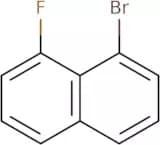
CAS:(+)-1-(9-Fluorenyl)ethyl chloroformate is a chemical reagent that is used to prepare pharmaceutical preparations. It is an acetone solution with a concentration of 18mM. Its thermal expansion properties are such that it can be used in the manufacturing of microcapsules and analytical chemistry techniques. The emission of (+)-1-(9-Fluorenyl)ethyl chloroformate has been shown to be carcinogenic, but only at high concentrations. Toxicity profiles have not been established for this compound. It is also known to cause biochemical changes in the heart and skin cells, as well as act on the calcium overload and epidermal growth factor receptor (EGFR).Formula:C16H13ClO2Color and Shape:Colorless Clear LiquidMolecular weight:272.73 g/mol1-Bromo-8-fluoronaphthalene
CAS:1-Bromo-8-fluoronaphthalene is a versatile compound that has various applications in the field of research and medicine. It is commonly used as a building block for the synthesis of different compounds, including misoprostol, a medication used to prevent stomach ulcers. Additionally, 1-Bromo-8-fluoronaphthalene has been found to enhance the growth factor effect of allopregnanolone, a neurosteroid with potential therapeutic benefits.
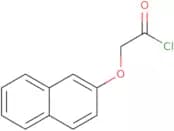
Formula:C10H6BrFPurity:Min. 95%Color and Shape:Clear LiquidMolecular weight:225.06 g/mol(2-Naphthyloxy)acetyl chloride
CAS:(2-Naphthyloxy)acetyl chloride is an inhibitor of alcohol dehydrogenase, which is the enzyme that catalyzes the conversion of ethanol to acetaldehyde. It has been shown to be active against grapevine, but not against the yeast Saccharomyces cerevisiae. (2-Naphthyloxy)acetyl chloride inhibits alcohol dehydrogenase with a potency comparable to hexanol and ethylene glycol. It also inhibits esterases, which may account for its inhibitory effect on vinifera l. (2-Naphthyloxy)acetyl chloride has been shown to be more selective in inhibiting both alcohol and aldehyde dehydrogenases than hexanol or ethylene glycol.
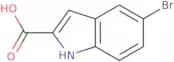
Formula:C12H9ClO2Purity:Min. 95%Color and Shape:Off-White PowderMolecular weight:220.65 g/mol5-Bromoindole-2-carboxylic acid
CAS:5-Bromoindole-2-carboxylic acid is an indole derivative that has been shown to inhibit the expression of MMP-13, a matrix metalloproteinase that is involved in tumor invasion and metastasis. This compound also inhibits the transcriptional activity of RNA polymerases I and II, which is important for preventing cancer cell proliferation. 5-Bromoindole-2-carboxylic acid may be used as a treatment for cancer by inhibiting collagen synthesis. This would reduce the size of a tumor by preventing it from expanding in size.
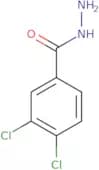
Formula:C9H6BrNO2Purity:Min. 95%Color and Shape:PowderMolecular weight:240.05 g/mol3,4-Dichlorobenzhydrazide
CAS:3,4-Dichlorobenzhydrazide is a chemical compound that is used in research as a reaction component or reagent. It is a versatile building block and useful intermediate in organic synthesis. It can be used to synthesize complex compounds with diverse functional groups. 3,4-Dichlorobenzhydrazide has been used as a reactant for the production of fine chemicals, such as pesticides and pharmaceuticals.Formula:C7H6Cl2N2OPurity:Min. 95%Color and Shape:PowderMolecular weight:205.04 g/mol5-Fluoro-N,N-Dimethyl-1H-Indole-3-Ethanamine
CAS:Controlled Product5-Fluoro-N,N-Dimethyl-1H-Indole-3-Ethanamine is a psychedelic drug with affinity for the serotonin 5HT2A receptor. It has been shown to interact with a diversity of ion channels and transporters. The affinity of 5FEDME for the 5HT2C receptor may also be normalizing. This drug has been shown to be an agonist at the 5HT2A receptor, which may contribute to its psychedelic effects.Formula:C12H15FN2Purity:Min. 95%Molecular weight:206.26 g/mol2-[[(Heptadecafluorooctyl)Sulphonyl]Propylamino]Ethyl Methacrylate
CAS:Controlled Product2-[[(Heptadecafluorooctyl)Sulphonyl]Propylamino]Ethyl Methacrylate is a sulfonate that is used as a crosslinker in various chemical substances. It is also used to connect substances together, such as chemicals. 2-[[(Heptadecafluorooctyl)Sulphonyl]Propylamino]Ethyl Methacrylate has the chemical formula CH2=CFCF2CF(OCH2CH2)SO3H. 2-[[(Heptadecafluorooctyl)Sulphonyl]Propylamino]Ethyl Methacrylate is an oily liquid that is colorless and odorless.Formula:C17H16F17NO4SPurity:Min. 95%Molecular weight:653.35 g/mol3-Bromopyruvic acid
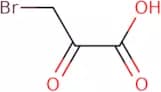
CAS:3-Bromopyruvic acid is a small molecule that inhibits an enzyme called dextran sulfate reductase. This enzyme is involved in the formation of sulfate in the body and is important for glycolysis, which is the process by which cells break down glucose to produce energy. 3-Bromopyruvic acid inhibits both cancer cells and normal cells, but has a greater effect on cancer cells. This compound also causes caspase-independent cell death, which means that it does not activate pro-apoptotic proteins. It may work by targeting enzymes involved in energy metabolism or by inhibiting DNA polymerase activity.
Formula:C3H3BrO3Purity:Min. 95%Color and Shape:PowderMolecular weight:166.96 g/mol3-Hydroxypiperidine hydrochloride
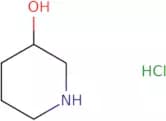
CAS:3-Hydroxypiperidine hydrochloride is a synthetic compound that inhibits the enzyme acetylcholinesterase, which breaks down the neurotransmitter acetylcholine. The specificity of this inhibitor has been shown to be high in human urine samples. 3-Hydroxypiperidine hydrochloride can be used as a tethering agent in exploratory assays. This drug also has an effect on chemokine production and citric acid levels in the urine.
Formula:C5H11NO•HClPurity:Min. 95%Color and Shape:PowderMolecular weight:137.61 g/mol5-Chloro-2-methoxyphenylhydrazine hydrochloride
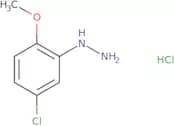
CAS:5-Chloro-2-methoxyphenylhydrazine hydrochloride is a reagent, complex compound with CAS No. 5446-16-2. It is useful as an intermediate in the manufacture of a variety of fine chemicals and research chemicals. This compound can be used as a versatile building block in the synthesis of new chemical compounds and is also a reaction component.Formula:C7H9ClN2O·ClHPurity:Min. 95%Color and Shape:PowderMolecular weight:209.07 g/molDesbutyl dronedarone hydrochloride
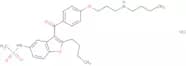
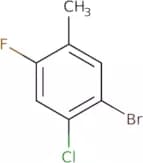
CAS:Desbutyl dronedarone hydrochloride is a reaction component that can be used as a reagent for organic synthesis, or in the preparation of other compounds. It is also a useful scaffold for designing new compounds, and has been found to be high quality and research chemical. Desbutyl dronedarone hydrochloride can be used as an intermediate in the production of complex compounds, such as fine chemicals. This compound can undergo many reactions to form different products and is versatile enough to serve as a building block for many different types of molecules.Formula:C27H37ClN2O5SPurity:Min. 95%Color and Shape:White PowderMolecular weight:537.11 g/mol5-Bromo-4-chloro-2-fluorotoluene
CAS:5-Bromo-4-chloro-2-fluorotoluene is a chemical reagent that is used as a building block in organic synthesis. It has been shown to be useful in the preparation of complex compounds, useful intermediates, and fine chemicals. 5-Bromo-4-chloro-2-fluorotoluene is also useful in the preparation of speciality chemicals and research chemicals. This compound can be used as a versatile building block in reactions.
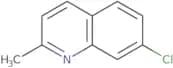
Formula:C7H5BrClFPurity:Min. 80%Color and Shape:Clear LiquidMolecular weight:223.47 g/mol7-Chloroquinaldine
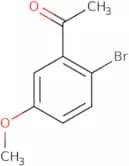
CAS:7-Chloroquinaldine is a redox potential that is used in the industrial production of quinoline. It is also used as an intermediate for the synthesis of other organic compounds, such as 7-chloroquinoline and chloroquine. The reaction generally starts with sodium hydroxide solution (NaOH) and pyridine (C5H5N), which react to form sodium pyridinium chloride (NaC5H4N+Cl−). This compound reacts with chloroform (CHCl3) to form 7-chloroquinoline and hydrochloric acid (HCl). The reaction product can be purified by crystallization or by washing with water. A Friedel-Crafts reaction is then conducted using aluminum chloride, which reacts with the 7-chloroquinolone to produce 3,4-dichloropyridine. Finally, this compound reacts with hydrogen peroxide and potassium hydroxide to produce hydrogen chlorideFormula:C10H8ClNPurity:Min. 95%Color and Shape:PowderMolecular weight:177.63 g/mol2'-Bromo-5'-methoxyacetophenone
CAS:2'-Bromo-5'-methoxyacetophenone is a perchloric acid catalyst that can be used in the synthesis of ketones, methyl ketones, and other organic compounds. Bromination reactions are catalyzed by hypobromous acid (HOBr), which is generated from bromine and HOCl. The reaction is typically initiated with an acid catalyst such as 2'-bromo-5'-methoxyacetophenone.
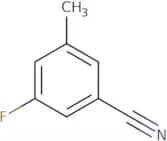
Formula:C9H9BrO2Purity:Min. 95%Color and Shape:Clear LiquidMolecular weight:229.07 g/mol3-Fluoro-5-methylbenzonitrile
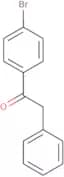
CAS:3-Fluoro-5-methylbenzonitrile is a reactive halogen molecule that can be used in model compounds, such as 3-fluoro-5-methylbenzoic acid. It has been shown to react with nucleophiles in the presence of microwaves, yielding high yields. The compound can be labeled with a variety of labels, including fluorine isotopes, which can be useful for tracking the compound's metabolism.Formula:C8H6FNPurity:Min. 95%Color and Shape:PowderMolecular weight:135.14 g/molBenzyl 4-bromophenyl ketone
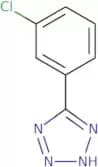
CAS:Benzyl 4-bromophenyl ketone is a colorless liquid with a sweet odor. It is soluble in alcohol, ether, and benzene but insoluble in water. It can be synthesized by the reaction of an amino alcohol with a hydrochloride acid. Benzyl 4-bromophenyl ketone is an analog of diethyl ether and trihexyphenidyl.Formula:C14H11BrOPurity:Min. 95%Molecular weight:275.14 g/mol5-(3-Chlorophenyl)-2H-tetrazole
CAS:The synthesis of 5-(3-chlorophenyl)-2H-tetrazole, a new heterocyclic compound, was accomplished in an efficient and simple way by condensation of piperazine with amines using acidic catalysis. This reaction is catalyzed by the use of nonmetal halides as additives and can be performed in organic solvents. The synthesis of 5-(3-chlorophenyl)-2H-tetrazole has been shown to be possible with various azides and halides. Furthermore, this compound has been found to contain functional groups such as nitro, nitrile, carboxylic acid, phenolic hydroxyl group, and amino.
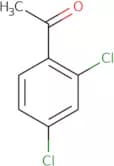
Formula:C7H5ClN4Purity:Min. 95%Color and Shape:PowderMolecular weight:180.59 g/mol2',4'-Dichloroacetophenone
CAS:2',4'-Dichloroacetophenone is a chemical intermediate used in the treatment of wastewater. It reacts with chloride ions to form 2,4-dichloro-5-chlorobenzene-1,3-diol (2,4-DCD) and dichloroacetic acid (DCAA). DCDA is an inhibitor of the synthesis of triazole antifungal agents. In addition to its use as an intermediate, 2',4'-Dichloroacetophenone has been shown to be an effective inhibitor of the enzyme carbonyl reductase and can also serve as a precursor for the synthesis of other chemicals. The reaction products are geometric isomers that differ only in their orientation about the double bond. This product's molecular weight is 188.27 g/mol and its melting point is 53 °C.
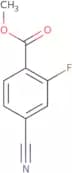
Formula:C8H6Cl2OPurity:Min. 95%Color and Shape:PowderMolecular weight:189.04 g/mol4-Cyano-2-fluorobenzoic acid methyl ester
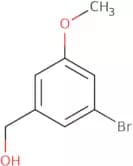
CAS:4-Cyano-2-fluorobenzoic acid methyl ester is a versatile building block for complex compounds. It can be used as a reagent to synthesize other compounds and as a speciality chemical with high quality. This chemical is also an intermediate in the synthesis of other compounds, such as 4-cyano-2-fluorobenzoic acid ethyl ester, which has been shown to be useful in the synthesis of β-lactam antibiotics.Formula:C9H6FNO2Purity:Min. 95%Color and Shape:PowderMolecular weight:179.15 g/mol5-Bromo-3-methoxybenzyl alcohol
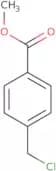
CAS:5-Bromo-3-methoxybenzyl alcohol is a synthetic hydroxyphenyl compound that can be used as a coupling agent. It is prepared by the reaction of bromoacetaldehyde with 3-hydroxybenzyl alcohol in the presence of an amine base, such as pyridine. 5-Bromo-3-methoxybenzyl alcohol can also be used to synthesize pyridines and bromides.Formula:C8H9BrO2Purity:Min. 95%Color and Shape:PowderMolecular weight:217.06 g/mol4-(Chloromethyl)benzoic acid methyl ester
CAS:4-(Chloromethyl)benzoic acid methyl ester is a synthetic compound that inhibits the DPP-IV enzyme, which is involved in the breakdown of the incretin hormones glucagon-like peptide-1 (GLP-1) and glucose-dependent insulinotropic polypeptide (GIP). Its structure consists of a benzene ring with a chloromethyl group on one side and an ester group on the other. 4-(Chloromethyl)benzoic acid methyl ester has been shown to be more potent than other known DPP-IV inhibitors. It has also been shown to have genotoxic impurities and chronic treatment effects, such as cancer.
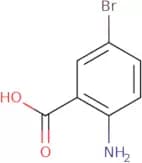
Formula:C9H9ClO2Purity:Min. 95%Color and Shape:PowderMolecular weight:184.62 g/mol2-Amino-5-bromobenzoic acid
CAS:2-Amino-5-bromobenzoic acid is a chemical compound that is used to synthesize other pharmaceuticals. It has been shown to have potent antiinflammatory activity and inhibit the growth of certain types of cancer cells. 2-Amino-5-bromobenzoic acid also has antiviral properties, and it inhibits the replication of human immunodeficiency virus type 1 (HIV-1) in cell culture. This drug has been shown to be effective against herpes simplex virus type 1 (HSV-1), varicella zoster virus (VZV), and cytomegalovirus (CMV). 2-Amino-5-bromobenzoic acid is poorly soluble in water; therefore, it can be administered intravenously as a prodrug. The absorption of this drug is dependent on pH levels, with higher concentrations found in acidic environments.
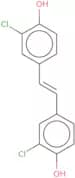
Formula:C7H6BrNO2Purity:Min. 95%Color and Shape:PowderMolecular weight:216.03 g/mol3,3'-Dichloro-4,4'-dihydroxystilbene
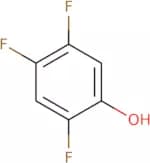
CAS:3,3'-Dichloro-4,4'-dihydroxystilbene is a chemical compound that is used as a reagent and intermediate. It has been shown to be an effective building block in organic synthesis. 3,3'-Dichloro-4,4'-dihydroxystilbene can be used for the production of speciality chemicals and research chemicals. This versatile compound is also used to make a variety of reactions components.Formula:C14H10Cl2O2Purity:Min. 95%Color and Shape:PowderMolecular weight:281.13 g/mol2,4,5-Trifluorophenol
CAS:2,4,5-Trifluorophenol is a chemical compound that is used in the production of plastics and synthetic fibers. It is also found as an environmental pollutant when released into the environment from industrial waste. Trichloroacetic acid reacts with 2,4,5-trifluorophenol to produce dibenzodioxins that are toxic and mutagenic. Trifluorophenol has been shown to activate rat hepatocytes by increasing the rate of synthesis of messenger RNA (mRNA) for proteins involved in drug metabolism. This activation may be due to its ability to induce oxidative stress or because it can react with DNA bases to form covalent adducts. The photoelectron spectrum includes bands at 1210 and 1240 cm-1 that correspond to chlorine atoms attached to arene rings.
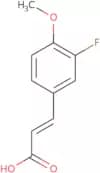
2,4,5-Trifluorophenol has been shown to inhibit the growth of primary cultures of rat hepatocytesFormula:C6H3F3OPurity:Min. 95%Color and Shape:PowderMolecular weight:148.08 g/mol3-Fluoro-4-methoxycinnamic acid
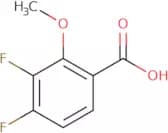
CAS:3-Fluoro-4-methoxycinnamic acid is a template for the synthesis of azido compounds. Azide is a versatile functional group that can be used in many chemical reactions. 3-Fluoro-4-methoxycinnamic acid can be used to synthesize various azido products by reacting with hydrogen gas and an appropriate nucleophile, such as acrylic acid or ammonia. This reaction is called the "hydrogenating" reaction because it involves the addition of hydrogen. The target product can be synthesized by adding an appropriate electrophile, such as sodium azide, to the starting material in a solvent such as methylene chloride.Formula:C10H9FO3Purity:Min. 95%Color and Shape:PowderMolecular weight:196.18 g/mol3,4-Difluoro-2-methoxybenzoic acid
CAS:3,4-Difluoro-2-methoxybenzoic acid is a chemical compound that can be used as a reaction component or reagent. It is also a useful scaffold for organic synthesis of complex compounds and can be used as a building block to produce fine chemicals. 3,4-Difluoro-2-methoxybenzoic acid has the CAS number 875664-52-1 and is listed under the chemical name 3,4-difluoro-2-methoxybenzoic acid.
Formula:C8H6F2O3Purity:Min. 95%Color and Shape:PowderMolecular weight:188.13 g/molLauryl isoquinolinium bromide
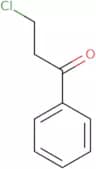
CAS:Lauryl isoquinolinium bromide is a pyridinium cationic surfactant that is used as a diagnostic agent and pharmaceutical preparation. It is also used as an antimicrobial agent in liquid chromatography, which is a technique to separate chemical compounds. Lauryl isoquinolinium bromide has been shown to be effective against Gram-positive bacteria such as Staphylococcus aureus and Enterococcus faecalis, and Gram-negative bacteria such as Pseudomonas aeruginosa. Lauryl isoquinolinium bromide has also been shown to be effective against yeast such as Candida albicans. Lauryl isoquinolinium bromide is not effective against viruses or fungi. This agent can be used to enhance the permeability of membranes during cross-linking reactions between polymers.Formula:C21H32NBrPurity:Min. 95%Color and Shape:PowderMolecular weight:378.39 g/mol3-Chloropropiophenone
CAS:3-Chloropropiophenone is a chiral compound that is used as an antidepressant drug. It was first synthesized in the 1950s and has been studied extensively for its pharmacological effects. 3-Chloropropiophenone is a racemic mixture of two enantiomers, one of which is active and the other inactive. The active enantiomer binds to serotonin receptors and inhibits the reuptake of serotonin, which leads to an increase in serotonin levels. The inactive enantiomer does not bind to serotonin receptors and does not inhibit the reuptake of serotonin. 3-Chloropropiophenone has been shown to be effective when administered at an optimum concentration of 5 milligrams per kilogram body weight.
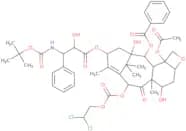
Formula:C9H9ClOPurity:Min. 95%Color and Shape:PowderMolecular weight:168.62 g/mol10-O-2,2-Dichloroethoxycarbonyl docetaxel
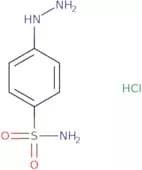
CAS:10-O-2,2-Dichloroethoxycarbonyl docetaxel is a fine chemical that is useful for the preparation of complex compounds, scaffolds and reaction components. It is a versatile building block that can be used as an intermediate in the synthesis of more complex molecules. This compound has been shown to be an effective agent against cancer cells. The structures of 10-O-2,2-Dichloroethoxycarbonyl docetaxel and docetaxel are shown below.Formula:C46H55Cl2NO16Purity:Min. 95%Color and Shape:White PowderMolecular weight:948.83 g/mol4-Sulfonamidophenylhydrazine hydrochloride
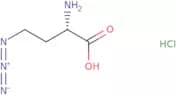
CAS:4-Sulfonamidophenylhydrazine hydrochloride is an in vitro antifungal agent with a diazonium salt structure. It is used as a chemical intermediate to synthesize other pharmaceuticals, such as nonsteroidal anti-inflammatory drugs and antimicrobial agents. 4-Sulfonamidophenylhydrazine hydrochloride has been shown to inhibit the production of Cox-2, which is associated with inflammation and cancer. The drug also exhibits antiinflammatory activity due to its ability to inhibit prostaglandin synthesis. 4-Sulfonamidophenylhydrazine hydrochloride exhibits high affinity for human serum albumin and can be used as an indicator for the presence of carbonic acid or carbonyl groups in organic compounds.Formula:C6H9N3O2S·HClPurity:Min. 95%Molecular weight:223.68 g/mol4-Azido-L-homoalanine hydrochloride
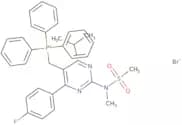
CAS:4-Azido-L-homoalanine hydrochloride is a chemical compound that belongs to the group of amino acid derivatives. It is a useful building block for the preparation of a variety of compounds. 4-Azido-L-homoalanine hydrochloride can be used as an intermediate in organic synthesis, or as a reagent in research. This chemical has been found to have high quality and is versatile, making it a useful scaffold for complex compounds.Formula:C4H9ClN4O2Color and Shape:White PowderMolecular weight:180.59 g/molRosuvastatin triphenylphosphonium bromide
CAS:Rosuvastatin is a high-quality reagent for organic synthesis. It has a CAS number of 885477-83-8 and is used as an intermediate in the production of fine chemicals, research chemicals, and speciality chemicals. Rosuvastatin is also a versatile building block for organic synthesis because it can be used to make many different chemical compounds. It is also used as a reaction component in the production of other chemical compounds.Formula:C34H34BrFN3O2PSPurity:Min. 95%Color and Shape:White PowderMolecular weight:678.59 g/mol

![Sodium tetrakis[3,5-bis(trifluoromethyl)phenyl]borate](/_next/image/?url=https%3A%2Fstatic.cymitquimica.com%2Fproducts%2F3D%2Fthumb-webp%2FFS93415.webp&w=3840&q=75)
![1-Methyl-3-[3-methyl-4-[4-[(trifluoromethyl)sulfonyl]phenoxy]phenyl]-1,3,5-triazine-2,4,6(1H,3H,5H…](/_next/image/?url=https%3A%2Fstatic.cymitquimica.com%2Fproducts%2F3D%2Fthumb-webp%2FFM27105.webp&w=3840&q=75)
![2-[[(4-Anilinophenyl)imino]methyl]-4,6-dichlorophenol](/_next/image/?url=https%3A%2Fstatic.cymitquimica.com%2Fproducts%2F3D%2Fthumb-webp%2FFA71703.webp&w=3840&q=75)

![1-[(2,6-Difluorophenyl)Methyl]-4-Methyl-2-Propan-2-Ylbenzimidazole](/_next/image/?url=https%3A%2Fstatic.cymitquimica.com%2Fproducts%2F3D%2Fthumb-webp%2FFD98108.webp&w=3840&q=75)

![2-[[(Heptadecafluorooctyl)Sulphonyl]Propylamino]Ethyl Methacrylate](/_next/image/?url=https%3A%2Fstatic.cymitquimica.com%2Fproducts%2F3D%2Fthumb-webp%2FFH97996.webp&w=3840&q=75)