Organic Halides
Subcategories of "Organic Halides"
Found 20442 products of "Organic Halides"
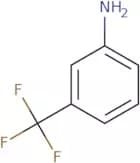
3-Aminobenzotrifluoride
CAS:3-Aminobenzotrifluoride is a chemical substance that can be used as an intermediate in the synthesis of pharmaceuticals. It is an aryl halide and has been shown to react with hydrogen fluoride, hydrochloric acid, nitrous acid, and trifluoroacetic acid to produce 3-aminobenzotrifluoride derivatives. This product is not readily bioavailable due to its low solubility in water and high lipophilicity. The preparation of 3-aminobenzotrifluoride requires a sample preparation step such as diazonium salt or diphenyl ether. Magnetic resonance spectroscopy has been used to identify the chemical structures of 3-aminobenzotrifluoride derivatives.
Formula:C7H6F3NPurity:Min. 95%Color and Shape:Colorless Clear LiquidMolecular weight:161.12 g/mol3-Nitrobenzylchloride
CAS:3-Nitrobenzylchloride is a chemical compound that has an x-ray crystal structure. This molecule was synthesized by reacting 3-nitrobenzyl alcohol with thionyl chloride in the presence of sodium hydroxide and water. The reaction product was then purified by recrystallization from hexane to obtain the desired compound, which had an analytical purity of 98%. 3-Nitrobenzylchloride is a model system for studying nucleophilic attack, intramolecular hydrogen bonding, and halogen compounds. It can also be used to study radical coupling reactions of nitroalkanes, halides, and amines. 3-Nitrobenzylchloride can be used in analytical chemistry as a reagent for quality control tests on naphthalene and amines.
Formula:C7H6ClNO2Purity:Min. 95%Molecular weight:171.58 g/mol3-Bromoacetylpyridine, hydrobromide
CAS:3-Bromoacetylpyridine, hydrobromide is a derivatizing agent that has been shown to react with nucleophiles. It can be used as an electron donor or electron acceptor in radical scavenging and other reactions. 3-Bromoacetylpyridine, hydrobromide is also a ligand for metal ions, and has been shown to bind to copper(II) ions. This product ionizes easily under electrospray ionization and reacts with thiourea to form 3-acetylpyridine.Formula:C7H7Br2NOPurity:Min. 95%Molecular weight:280.94 g/molEthyl bromodifluoroacetate
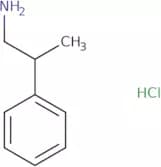
CAS:Ethyl bromodifluoroacetate is a chemical substance that reacts with amines in the presence of copper to form a copper complex. It is used as an intermediate in the synthesis of organic compounds, such as pharmaceuticals. Ethyl bromodifluoroacetate is also used as a catalyst for cross-coupling reactions of organic molecules. This reaction requires low energy and can be performed under mild conditions. The asymmetric synthesis of ethyl bromodifluoroacetate requires few steps and only uses inexpensive starting materials. The carbonyl group is chemically stable, making it difficult to decompose or oxidize. However, hydrogen fluoride will react with ethyl bromodifluoroacetate and cause it to decompose into its elements, fluorine and carbon dioxide gas. In addition, nucleophilic attack by halides can lead to the formation of ethyl bromodifluoroacetate from other substances. Control agents are necessaryFormula:C4H5BrF2O2Purity:Min. 95%Color and Shape:Colourless LiquidMolecular weight:202.98 g/mol2-Phenylpropan-1-amine hydrochloride
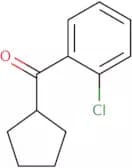
CAS:Controlled ProductPlease enquire for more information about 2-Phenylpropan-1-amine hydrochloride including the price, delivery time and more detailed product information at the technical inquiry form on this pageFormula:C9H14ClNPurity:Min. 95%Molecular weight:171.67 g/mol2-Chlorophenyl cyclopentyl ketone
CAS:Controlled Product2-Chlorophenyl cyclopentyl ketone (2CCPK) is a synthetic, green, and scalable process for the preparation of cyclopentyl compounds. It has been used in analytical and preparative HPLC methods. 2CCPK is an acidic compound that can be analyzed by HPLC techniques. Preparative HPLC is used to isolate the product from impurities. The flow rate of 2CCPK can be determined using analytical HPLC techniques.
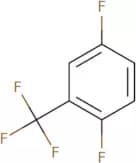
Formula:C12H13ClOPurity:Min. 95%Color and Shape:Clear LiquidMolecular weight:208.68 g/mol1,4-Difluoro-2-(trifluoromethyl)benzene
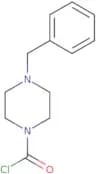
CAS:1,4-Difluoro-2-(trifluoromethyl)benzene is a synthetic compound that is used to model some aspects of the reactivity of 2-fluoro-5-nitrobenzotrifluoride. The molecule was synthesized by reacting ethylene with difluoromethyl trifluorobromide and sodium fluoride in an ethylene atmosphere. This molecule has been modelled using quantum chemical calculations to investigate its potential reactivity. It is postulated that the molecule will behave as a nucleophile, and it has been suggested that electron density may be maximised around the fluorine atom at the 1,4 position.Formula:C7H3F5Purity:Min. 95%Molecular weight:182.09 g/mol4-Benzyl-piperazine-1-carbonylchloride
CAS:Controlled ProductPlease enquire for more information about 4-Benzyl-piperazine-1-carbonylchloride including the price, delivery time and more detailed product information at the technical inquiry form on this page
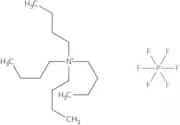
Formula:C12H15ClN2OPurity:Min. 95%Molecular weight:238.71 g/molTetrabutylammonium hexafluorophosphate
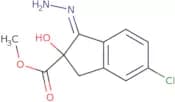
CAS:Tetrabutylammonium hexafluorophosphate is a chemical reagent that is used in organic synthesis. It is a strong Lewis acid that reacts with substrates to form adducts. Tetrabutylammonium hexafluorophosphate reacts with trifluoroacetic acid, ethylene diamine, and hydrogen fluoride to produce the salt tetrabutylammonium hexafluorophosphate dihydrate (TBAPF). The reaction proceeds through an ionic intermediate that involves the abstraction of a proton from the substrate by the tetrabutylammonium cation followed by nucleophilic attack on the anion by water. Tetrabutylammonium hexafluorophosphate dihydrate can be formed via this mechanism as well as through a simple salt metathesis reaction between TBAPF and sodium carbonate. This reagent has been shown to form crystals of good quality forFormula:C16H36F6NPPurity:Min. 98.0%Color and Shape:PowderMolecular weight:387.43 g/mol5-Chloro-2-hydroxy-2-methoxycarbonyl-1-indanone
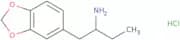
CAS:Please enquire for more information about 5-Chloro-2-hydroxy-2-methoxycarbonyl-1-indanone including the price, delivery time and more detailed product information at the technical inquiry form on this pageFormula:C11H9ClO4Purity:Min. 95%Molecular weight:240.64 g/molrac benzodioxole-5-butanamine hydrochloride
CAS:Controlled ProductRacemic benzodioxole-5-butanamine hydrochloride (RAC) is a pharmacologic agent that has been shown to bind to dopamine receptors, thereby activating them. It has been shown to be an effective treatment for depression and other mental illnesses. Racemic benzodioxole-5-butanamine hydrochloride is also used in analytical toxicology as a chromatographic standard. This compound has been synthesized using the asymmetric synthesis of primary amines. RAC is also an enantiomer and can exist in two forms: (+)-RAC and (-)-RAC, which are mirror images of each other. The (+) form of racemic benzodioxole-5-butanamine hydrochloride is the more active form, with greater binding affinity for dopamine receptors than the (-) form.Formula:C11H16ClNO2Purity:Min. 95%Molecular weight:229.7 g/molLauroylcholine chloride hydrate
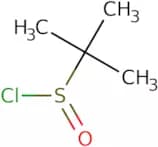
CAS:Lauroylcholine chloride hydrate is a chemical compound that has been shown to have antimicrobial activity. It has been shown to react with exogenous acceptors such as pluronic F127, benzalkonium chloride, and inorganic acid. The reaction mechanism of Lauroylcholine chloride hydrate is not well understood, but it is thought to be due to the presence of a hydroxyl group and a carbonyl group on the molecule. Lauroylcholine chloride hydrate is a non-polymeric cationic surfactant with molecular weight similar to heparin's. This chemical compound may be used as an additive in personal care products or pharmaceuticals.Formula:C17H36ClNO2Purity:Min. 95%Color and Shape:White PowderMolecular weight:321.93 g/moltert-Butylsulfinylchloride
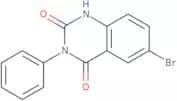
CAS:Tert-Butylsulfinylchloride is a hydroxamic acid that has been shown to be an effective inhibitor of indole alkaloids, such as tryptamine and serotonin. This compound is enantiopure and chiral, which allows for the synthesis of a number of diastereomers. Tert-Butylsulfinylchloride can react with hydrogen peroxide to form reactive intermediates that are thought to have a mechanistic role in the inhibition of indole alkaloid biosynthesis. It also reacts with chloride under thermal conditions to produce an asymmetric synthesis. Tert-Butylsulfinylchloride can be used at temperatures up to 125 degrees Celsius without losing its anti-indole alkaloid properties, making it a good candidate for use in organic syntheses.Formula:C4H9ClOSPurity:Min. 95%Color and Shape:Clear LiquidMolecular weight:140.63 g/mol6-Bromo-3-phenylquinazoline-2,4(1H,3H)-dione
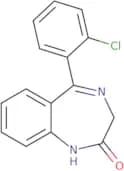
CAS:Controlled ProductPlease enquire for more information about 6-Bromo-3-phenylquinazoline-2,4(1H,3H)-dione including the price, delivery time and more detailed product information at the technical inquiry form on this pageFormula:C14H9BrN2O2Purity:Min. 95%Molecular weight:317.14 g/mol5-(2-Chlorophenyl)-2-oxo-2,3-dihydro-1H-1,4-benzodiazepine
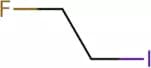
CAS:Controlled ProductPhenazepam is a benzodiazepine with hypnotic and anxiolytic properties. It is used in the treatment of anxiety disorders, insomnia, and muscle spasms. Phenazepam has a higher potency than other benzodiazepines, but it has a shorter half-life and duration of action. The synthesis of phenazepam involves the reaction of 5-(2-chlorophenyl)-1,3-dihydro-2H-1,4-benzodiazepin-2-one with 4-(aminosulfonyl)piperidine. This substance is a crystalline solid that has an anxiolytic effect by increasing the activity of GABA receptors in the brain.Formula:C15H11ClN2OPurity:Min. 95%Molecular weight:270.71 g/mol1-Fluoro-2-iodoethane
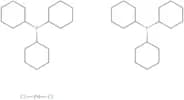
CAS:1-Fluoro-2-iodoethane is a molecule that has been observed by nuclear magnetic resonance spectroscopy. It is an enantiomer of ethane, and it can be used as a ligand for transition metals. 1-Fluoro-2-iodoethane reacts with chloride to produce 1,1'-dichloroethane, which is an agrochemical that can be used to introduce other molecules into plants. The reaction requires heat and activation; the activation process gives off vibrational energy. Thermodynamic activation occurs in the first stage of the reaction, when the reactants are mixed together. This process is irreversible and releases the activated product from its potential energy state.Formula:C2H4FIPurity:Min. 95%Color and Shape:Colorless Clear LiquidMolecular weight:173.96 g/molBis(tricyclohexylphosphine)palladium(II) Dichloride
CAS:Controlled ProductBis(tricyclohexylphosphine)palladium(II) Dichloride is a cross-coupling agent that is used for the synthesis of organic and organometallic compounds. It reacts with terminal alkynes to form a phosphine oxide, which can then be converted into an arylated product. The reaction proceeds by the formation of a palladium-carbon bond and subsequent cleavage of the carbon-palladium bond in the presence of ammonium formate. Bis(tricyclohexylphosphine)palladium(II) Dichloride is insoluble in water, but soluble in organic solvents such as dichloromethane, 1,2-dichloroethane, or chloroform. This reagent has been shown to enhance the rate of transfer reactions between monomers.Formula:C36H66Cl2P2PdPurity:Min. 95%Molecular weight:738.18 g/mol4-[4-(Dimethylamino)-1-(4-fluorophenyl)-1-hydroxybutyl]-3-(hydroxymethyl)benzonitrile hydrobromide
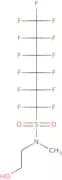
CAS:4-[4-(Dimethylamino)-1-(4-fluorophenyl)-1-hydroxybutyl]-3-(hydroxymethyl)benzonitrile hydrobromide is an antagonist of the nicotinic acetylcholine receptor (nAChR) that has been shown to be prophylactic against mediated nitrogen. It was isolated from a marine sponge and shows high affinity for nAChRs, with low nanomolar binding constants. The prophylactic properties of 4-[4-(dimethylamino)-1-(4-fluorophenyl)-1-hydroxybutyl]-3-(hydroxymethyl)benzonitrile hydrobromide are mediated by its ability to antagonize the function of nAChRs and prevent the release of neurotransmitters such as acetylcholine.Formula:C20H23FN2O2•HBrPurity:Min. 95%Molecular weight:423.32 g/molTridecafluoro-N-(2-Hydroxyethyl)-N-Methylhexanesulphonamide
CAS:Please enquire for more information about Tridecafluoro-N-(2-Hydroxyethyl)-N-Methylhexanesulphonamide including the price, delivery time and more detailed product information at the technical inquiry form on this pageFormula:C9H8F13NO3SPurity:Min. 95%Molecular weight:457.21 g/molN-Desmethyl prochlorperazine dimaleate
CAS:Please enquire for more information about N-Desmethyl prochlorperazine dimaleate including the price, delivery time and more detailed product information at the technical inquiry form on this pageFormula:C27H30ClN3O8SPurity:Min. 95%Molecular weight:592.06 g/mol2,5-Difluoropyridine
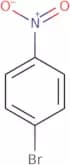
CAS:2,5-Difluoropyridine is a ligand that is used in the synthesis of pharmaceuticals and other organic compounds. 2,5-Difluoropyridine is typically activated by a metal ion (e.g., palladium) to form an organometallic complex. The orientation of substituents on the difluoropyridine ring can affect its reactivity and selectivity. For example, chlorine atoms interact with the electrophilic carbon atom in the ring and orientations with electron withdrawing groups are more reactive than those with electron donating groups. 2,5-Difluoropyridine can be used as a cross-coupling reagent for Grignard reactions and nucleophilic substitution reactions. It also has been shown to inhibit human erythrocyte pyruvate kinase activity in vitro and may be useful for the treatment of diabetic complications such as neuropathy or retinopathy.Formula:C5H3F2NPurity:Min. 95%Color and Shape:Clear LiquidMolecular weight:115.08 g/mol1-Bromo-4-nitrobenzene
CAS:1-Bromo-4-nitrobenzene is a bromonitrile that is used to synthesize optical sensors. It is an intermediate in the synthesis of 1,5-dibromo-4-nitrobenzane, which was used as a model system for the reaction mechanism of coupling reactions. The coupling of 1-bromo-4-nitrobenzane with hydrochloric acid and palladium catalysts leads to the formation of a diazonium salt. This reaction can be analyzed by looking at the nitro group and the halides in the molecule. The nitro group reacts with ammonia to form an aminonitrile and water. Halides react with ammonia to form ammonium salts and hydrogen halides. Diazonium salts are then generated by adding nitrous acid (HNO2) or hydroxylamine (NHOH) to these compounds. Finally, transfer reactions are carried out by heating 1Formula:C6H4BrNO2Purity:Min. 95%Molecular weight:202.01 g/mol(2S,3S)-5-[2-(Dimethylamino)ethyl]-3-hydroxy-2-(4-methoxyphenyl)-2,3-dihydro-1,5-benzothiazepin-4-one hydrochloride
CAS:(2S,3S)-5-[2-(Dimethylamino)ethyl]-3-hydroxy-2-(4-methoxyphenyl)-2,3-dihydro-1,5-benzothiazepin-4-one hydrochloride is a racemic mixture of two enantiomers. It is a prodrug that is hydrolyzed to its active form, diltiazem. The drug has been shown to be effective in the treatment of hypertension and angina pectoris. (2S,3S)-5-[2-(Dimethylamino)ethyl]-3-hydroxy-2-(4-methoxyphenyl)-2,3-dihydro-1,5-benzothiazepin-4-one hydrochloride has been shown to inhibit the activity of the enzyme phosphodiesterase which breaks down cyclic AMP. This inhibition results in an increase in levels ofFormula:C20H24N2O3S·HClPurity:Min. 95%Molecular weight:408.94 g/mol3-(6-Chloro-1-isopropyl-1H-benzimidazol-2-yl)propanoic acid
CAS:Controlled ProductPlease enquire for more information about 3-(6-Chloro-1-isopropyl-1H-benzimidazol-2-yl)propanoic acid including the price, delivery time and more detailed product information at the technical inquiry form on this pageFormula:C13H15ClN2O2Purity:Min. 95%Molecular weight:266.72 g/molR-(-)-Methamphetamine hydrochloride
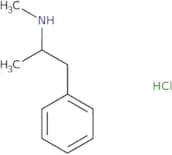
CAS:Controlled ProductPlease enquire for more information about R-(-)-Methamphetamine hydrochloride including the price, delivery time and more detailed product information at the technical inquiry form on this pageFormula:C10H15N•HClPurity:Min. 95%Color and Shape:PowderMolecular weight:185.69 g/molBromoacetic acid-13C2
CAS:Please enquire for more information about Bromoacetic acid-13C2 including the price, delivery time and more detailed product information at the technical inquiry form on this pageFormula:C2H3BrO2Purity:Min. 95%Color and Shape:PowderMolecular weight:140.95 g/molN,N,N-Tributyl-1-butanaminium 1,1,2,2,3,3,4,4,5,5,6,6,7,7,8,8,8-heptadecafluoro-1-octanesulfonate
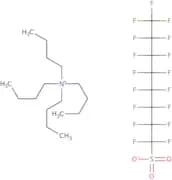
CAS:Controlled ProductN,N,N-Tributyl-1-Butanaminium 1,1,2,2,3,3,4,4,5,5,6,6,7,7,8,8,8-heptadecafluoro-1-octanesulfonate is an organic solvent that belongs to the group of surfactants. It is used as a crosslinking agent and ionizing agent in uncured coatings. This chemical has shown proton conductivity and the ability to generate hydroxyl ions when exposed to radiation such as ultraviolet light or gamma rays. NBDBS has been shown to be an effective antigen for use in immunological assays.Formula:C24H36F17NO3SPurity:Min. 95%Color and Shape:Clear LiquidMolecular weight:741.59 g/mol1-(4-Fluorobenzyl)piperazine
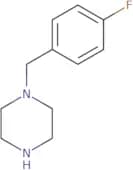
CAS:Controlled Product1-(4-Fluorobenzyl)piperazine is a potent tyrosinase inhibitor and has been shown to inhibit the proliferation of human cancer cells. It has been found to have inhibitory activity against the amine oxidase enzyme, which is involved in the biosynthesis of pro-inflammatory cytokines. The biochemical properties of 1-(4-fluorobenzyl)piperazine have been studied by liquid chromatography and mass spectrometry and it has been found to be synthesized from piperazine and an amine. There are no other studies available on this drug at this time.Formula:C11H15FN2Purity:Min. 95%Molecular weight:194.25 g/mol5-Chloro-1H-imidazo[4,5-b]pyridin-2(3H)-one
CAS:5-Chloro-1H-imidazo[4,5-b]pyridin-2(3H)-one is a chemical compound that is used in analytical chemistry as an insecticide. It has been shown to cause genotoxic activity in weevils exposed to light. The compound has also been shown to have long term efficacy in plants and toxicity studies on animals. 5-Chloro-1H-imidazo[4,5-b]pyridin-2(3H)-one is metabolized by detoxification enzymes and excreted through the urine.Purity:Min. 95%3-Aminophenylsulphur pentafluoride
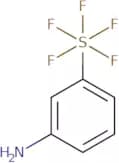
CAS:3-Aminophenylsulphur pentafluoride is a synthetic chemical compound. It is a ligand with an electron-withdrawing group and has been shown to be a strong oxidizing agent. 3-Aminophenylsulphur pentafluoride reacts with phosphine oxides, yielding phosphines. This reaction can be used for the synthesis of heterocycles that contain phosphorus in their ring system. 3-Aminophenylsulphur pentafluoride also reacts with alkyl halides to produce heterocycles containing sulphur, such as pyridines or thiophenes. The reaction time between 3-aminophenylsulphur pentafluoride and alkyl halides is dependent on the oxidation potential of the alkyl halides, which can be determined by measuring the absorption spectra of the resulting heterocycles. 3-Aminophenylsulf
Formula:C6H6F5NSPurity:Min. 95%Molecular weight:219.18 g/molRU 58841
CAS:RU 58841 is a non-steroidal anti-androgen, which is a chemical compound sourced through synthetic processes in pharmaceutical laboratories. It functions by selectively binding to androgen receptors in the hair follicles, thereby inhibiting the action of androgens such as dihydrotestosterone (DHT). This mode of action prevents DHT from activating the receptor, which is a critical factor in the miniaturization of hair follicles.
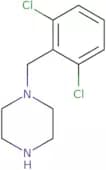
Formula:C17H18F3N3O3Purity:Min. 95%Molecular weight:369.34 g/mol1-(2,6-Dichlorobenzyl)piperazine
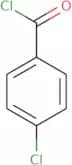
CAS:Controlled Product1-(2,6-Dichlorobenzyl)piperazine is a benzylpiperazine that emits light in the visible region. It is an acidic reagent that can be used as an electron donating agent in organic synthesis. 1-(2,6-Dichlorobenzyl)piperazine reacts with amines to form substituted phenylpiperazines. This reaction is widely used to investigate the structure and reactivity of amines. 1-(2,6-Dichlorobenzyl)piperazine reacts with phenols to form piperazines. It also reacts with aliphatic compounds to form a trifluoromethyl group.Formula:C11H14Cl2N2Purity:Min. 95%Molecular weight:245.15 g/mol4-Chlorobenzoyl chloride
CAS:4-Chlorobenzoyl chloride (4ClBC) is an organic compound that has been used in the synthesis of new pharmaceuticals and as a chemical intermediate. 4ClBC is an asymmetric molecule that can be synthesized through a process called malonic acid synthesis. The reaction requires hydrochloric acid, hydrogen, and sodium carbonate. 4ClBC has shown antihypertensive activity in animal models. It also inhibits carcinoma cell lines and has been studied as a solid catalyst for hydrogen bonding interactions. This agent also has antimicrobial properties against bacteria such as staphylococcus and mycobacterium tuberculosis.Formula:C7H4Cl2OPurity:Min. 95%Molecular weight:175.01 g/mol[2-(1,2-Dimethyl-1H-indol-3-yl)ethyl]amine hydrochloride
CAS:Controlled ProductPlease enquire for more information about [2-(1,2-Dimethyl-1H-indol-3-yl)ethyl]amine hydrochloride including the price, delivery time and more detailed product information at the technical inquiry form on this page
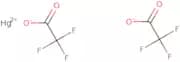
Formula:C12H16N2Purity:Min. 95%Molecular weight:188.27 g/molMercuric trifluoroacetate
CAS:Controlled ProductMercuric trifluoroacetate is an organic compound that contains mercury and a carboxylic acid. It is an acid that is formed when mercury reacts with hydrochloric acid. Mercuric trifluoroacetate has been shown to be effective in the synthesis of a number of organic compounds, including the nonsteroidal anti-inflammatory drug (NSAID) 3-hydroxyanthranilic acid. This compound also inhibits the production of prostaglandin E2 in human leukocytes, which may be related to its inhibitory properties on congestive heart failure. Mercuric trifluoroacetate can also cause autoimmune diseases in mice by suppressing the production of interleukin-4 and interleukin-10, which are cytokines involved in immune responses.
Formula:C4F6HgO4Purity:Min. 95%Molecular weight:426.62 g/molBis[2-(perfluorohexyl)ethyl]phosphate
CAS:Bis[2-(perfluorohexyl)ethyl] Phosphate is a perfluorinated, fluorinated chemical that is used in wastewater treatment. It is also found in human serum and organisms, as well as in the drinking water of some communities. Bis[2-(perfluorohexyl)ethyl] Phosphate has been detected in the maternal serum and urine of women who are pregnant or breast-feeding. It may be associated with adverse effects on neurodevelopmental outcomes in children. Bis[2-(perfluorohexyl)ethyl] Phosphate can be removed from drinking water by using an ultrasonic extraction system. This method uses sound waves to extract the chemical from water and other liquids and is effective at removing small amounts (less than 10 parts per billion). The analytical method for this compound is low detection, which means that it can only detect concentrations of up to 0.1 part per billion (ppb). However, this methodFormula:C16H9F26O4PPurity:Min. 95%Color and Shape:PowderMolecular weight:790.17 g/mol7-[(3R)-3-[(N-Acetyl)amino]-1-oxo-4-(2,4,5-trifluorophenyl)butyl]-5,6,7,8-tetrahydro-3-(trifluoromethyl)-1,2,4-triazolo[4,3-a]pyrazi ne
CAS:Please enquire for more information about 7-[(3R)-3-[(N-Acetyl)amino]-1-oxo-4-(2,4,5-trifluorophenyl)butyl]-5,6,7,8-tetrahydro-3-(trifluoromethyl)-1,2,4-triazolo[4,3-a]pyrazi ne including the price, delivery time and more detailed product information at the technical inquiry form on this pageFormula:C18H17F6N5O2Purity:Min. 95%Molecular weight:449.35 g/mol2,6-Dibromo-3-nitropyridine
CAS:2,6-Dibromo-3-nitropyridine is a chemical compound that has been shown to inhibit serine protease activity. The compound was shown to be an inhibitor of the enzyme trypsin, and showed some activity against a number of other proteases. 2,6-Dibromo-3-nitropyridine has also been shown to inhibit nucleophilic alkylation of DNA bases by 2,6-dichloroquinoxaline. 2,6-Dibromo-3-nitropyridine is a targeted inhibitor that binds to the active site of the enzyme and prevents the formation of an enzyme-substrate complex. This inhibition leads to a decrease in the production of proteins essential for cell division.Formula:C5H2Br2N2O2Purity:Min. 95%Molecular weight:281.89 g/molBarium chloride anhydrous
CAS:Barium chloride anhydrous is a chemical compound with the formula BaCl2. It is soluble in water and has been used for wastewater treatment. The solubility of this compound increases as temperature decreases. Barium chloride anhydrous can also be used to measure the levels of calcium ions in cells and tissues, by measuring the fluorescence intensity produced when the compound reacts with Ca2+. This property has been utilized to study neuronal death and Ca2+ overload. Barium chloride anhydrous also exhibits biological properties, such as enzyme activity or the ability to bind coumarin derivatives. X-ray diffraction data have shown that BaCl2 consists of a cubic crystalline structure, with each barium ion coordinated by six chloride ions. In solution, BaCl2 dissociates into Ba2+ and Cl-. Water vapor may cause the formation of anhydrous sodium carbonate on surfaces of objects exposed to it. The structural analysis of this compound has been modeled using particle methods.
Formula:BaCl2Purity:Min. 95%Molecular weight:208.23 g/molIsomethadone hydrochloride
CAS:Controlled ProductIsomethadone hydrochloride is the drug substance in a solid oral dosage form. It is an active substance that can be used to treat inflammatory diseases and target tissue. Isomethadone hydrochloride is a type of natural polymer with a metal ion as its active ingredient. The absorption mechanism for this drug is not known, but it appears to work by causing dysfunction in the membranes of cells. Isomethadone hydrochloride has been shown to cause addiction in animals and humans, and may have potential toxic effects on liver function. Symptoms of Isomethadone hydrochloride overdose include: -Nausea and vomiting -Constipation -Loss of appetite -Headache -Drowsiness -Confusion -Muscle spasms -Tremors and seizuresFormula:C21H28ClNOPurity:Min. 95%Molecular weight:345.91 g/mol2,5-Diaminopyridine dihydrochloride
CAS:2,5-Diaminopyridine dihydrochloride is a compound that belongs to the class of hydroxamic acids. It is an intermediate in the synthesis of the anti-cancer drug, hydroxyurea (hydroxylamine). 2,5-Diaminopyridine dihydrochloride can be used as a cross-coupling reagent for coupling reactions with chlorinated and tritiated organic compounds. The efficiency of this reaction is dependent on the coulombic and mutagenic properties of 2,5-diaminopyridine dihydrochloride. 2,5-Diaminopyridine dihydrochloride has been shown to cause cancer in animal studies.Formula:C5H7N3•(HCl)2Purity:Min. 95%Molecular weight:182.05 g/molN,N-Dimethyl-2-chloroacetamide
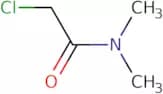
CAS:N,N-Dimethyl-2-chloroacetamide is a chlorinated organic compound that has a reaction rate of 1.4 × 10^6. It is used as a treatment for acrylonitrile poisoning, and it is also used in the synthesis of thienopyridine and cetirizine. N,N-Dimethyl-2-chloroacetamide reacts with an amine to produce an amide; this reaction takes place in an organic solvent with a dicarboxylate, such as ethyl acetate or butyl acetate. This reaction produces a solution that is colorless to pale yellow. The time required for the reaction to complete depends on the concentration of reactants and the type of solvent used.Formula:C4H8ClNOPurity:Min. 95%Molecular weight:121.57 g/molN6-(1-Iminoethyl)-L-lysine hydrochloride
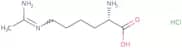
CAS:N6-(1-Iminoethyl)-L-lysine hydrochloride is an experimental drug that inhibits bacterial translocation, a process which occurs when bacteria from the gastrointestinal tract invade organs and tissues in the body that are not protected by a mucous barrier. It has been shown to be effective in reducing chronic pulmonary inflammation and fibrosis, as well as inhibiting emphysema-like lesions, in mice. N6-(1-Iminoethyl)-L-lysine hydrochloride also has anti-inflammatory effects on the skin and reduces the production of proinflammatory cytokines such as PGE2.Formula:C8H18ClN3O2Purity:Min. 95%Molecular weight:223.7 g/mol1-(2-Methoxylphenyl)-piperazine monohydrobromide
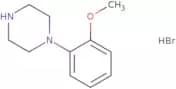
CAS:Controlled ProductPlease enquire for more information about 1-(2-Methoxylphenyl)-piperazine monohydrobromide including the price, delivery time and more detailed product information at the technical inquiry form on this pagePurity:Min. 95%3b-Acetoxy-6a-chloroergosta-7,22-dien-5a-ol
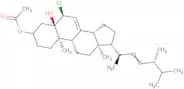
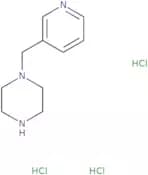
CAS:Controlled ProductPlease enquire for more information about 3b-Acetoxy-6a-chloroergosta-7,22-dien-5a-ol including the price, delivery time and more detailed product information at the technical inquiry form on this pageFormula:C30H47ClO3Purity:Min. 95%Molecular weight:491.15 g/mol1-(Pyridin-3-ylmethyl)piperazinetrihydrochloride
CAS:Controlled ProductPlease enquire for more information about 1-(Pyridin-3-ylmethyl)piperazinetrihydrochloride including the price, delivery time and more detailed product information at the technical inquiry form on this page
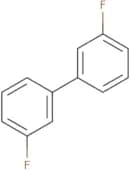
Formula:C10H18Cl3N3Purity:Min. 95%Molecular weight:286.63 g/mol3,3'-Difluorobiphenyl
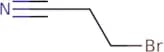
CAS:3,3'-Difluorobiphenyl is a liquid crystal composition that has been shown to have anisotropic properties. When 3,3'-difluorobiphenyl is mixed with other halides such as chloro- or bromo-halides, the liquid crystalline phase can be induced by the addition of ethylene. The anisotropic properties of these compositions make them useful in devices where orientation, reorientation and flow are important. 3,3'-Difluorobiphenyl has also been shown to catalyze the conversion of alcohols to esters and phenols.Formula:C12H8F2Purity:Min. 95%Molecular weight:190.19 g/mol3-Bromopropanenitrile
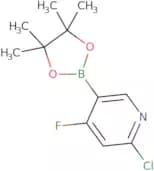
CAS:3-Bromopropanenitrile (3BP) is a small molecule that has been shown to have agonistic activity against the adipocyte receptor, adiponectin. The potential of 3BP to be used as an anti-diabetic drug has also been explored, in particular its ability to lower blood sugar levels by inhibiting gluconeogenesis and enhancing glucose uptake. 3BP is an acrylonitrile derivative that is synthesized by alkylation of propanenitrile with bromine. It was found to be a potent inhibitor of population growth in E. coli K12.Formula:C3H4BrNPurity:Min. 95%Color and Shape:Colourless To Yellow LiquidMolecular weight:133.97 g/mol2-Chloro-4-fluoropyridine-5-boronic acid, pinacol ester
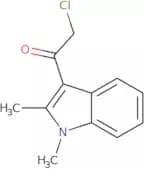
CAS:Please enquire for more information about 2-Chloro-4-fluoropyridine-5-boronic acid, pinacol ester including the price, delivery time and more detailed product information at the technical inquiry form on this pageFormula:C11H14BClFNO2Purity:Min. 95%Molecular weight:257.5 g/mol2-Chloro-1-(1,2-dimethyl-1H-indol-3-yl)ethanone
CAS:Controlled ProductPlease enquire for more information about 2-Chloro-1-(1,2-dimethyl-1H-indol-3-yl)ethanone including the price, delivery time and more detailed product information at the technical inquiry form on this pageFormula:C12H12ClNOPurity:Min. 95%Molecular weight:221.68 g/mol



![4-[4-(Dimethylamino)-1-(4-fluorophenyl)-1-hydroxybutyl]-3-(hydroxymethyl)benzonitrile hydrobromide](/_next/image/?url=https%3A%2Fstatic.cymitquimica.com%2Fproducts%2F3D%2Fthumb-webp%2FFD102304.webp&w=3840&q=75)


![(2S,3S)-5-[2-(Dimethylamino)ethyl]-3-hydroxy-2-(4-methoxyphenyl)-2,3-dihydro-1,5-benzothiazepin-4-…](/_next/image/?url=https%3A%2Fstatic.cymitquimica.com%2Fproducts%2F3D%2Fthumb-webp%2FFD45531.webp&w=3840&q=75)


![5-Chloro-1H-imidazo[4,5-b]pyridin-2(3H)-one](/_next/image/?url=https%3A%2Fstatic.cymitquimica.com%2Fproducts%2F3D%2Fthumb-webp%2FFC142316.webp&w=3840&q=75)

![[2-(1,2-Dimethyl-1H-indol-3-yl)ethyl]amine hydrochloride](/_next/image/?url=https%3A%2Fstatic.cymitquimica.com%2Fproducts%2F3D%2Fthumb-webp%2FFD135164.webp&w=3840&q=75)
![Bis[2-(perfluorohexyl)ethyl]phosphate](/_next/image/?url=https%3A%2Fstatic.cymitquimica.com%2Fproducts%2F3D%2Fthumb-webp%2FFB84246.webp&w=3840&q=75)
![7-[(3R)-3-[(N-Acetyl)amino]-1-oxo-4-(2,4,5-trifluorophenyl)butyl]-5,6,7,8-tetrahydro-3-(trifluorom…](/_next/image/?url=https%3A%2Fstatic.cymitquimica.com%2Fproducts%2F3D%2Fthumb-webp%2FFA104169.webp&w=3840&q=75)