Organic Halides
Subcategories of "Organic Halides"
Found 20442 products of "Organic Halides"
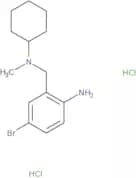
2-Amino-5-bromo-N-cyclohexyl-N-methylbenzylamine dihydrochloride
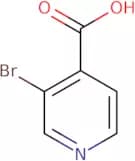
CAS:Please enquire for more information about 2-Amino-5-bromo-N-cyclohexyl-N-methylbenzylamine dihydrochloride including the price, delivery time and more detailed product information at the technical inquiry form on this pageFormula:C14H23BrCl2N2Purity:Min. 95%Color and Shape:PowderMolecular weight:370.16 g/mol3-Bromo-4-pyridinecarboxylic acid
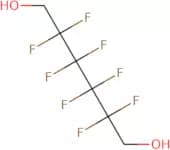
CAS:3-Bromo-4-pyridinecarboxylic acid is a naphthyridine derivative that is used in drug development. It is a crystalline solid that can be dissolved in organic solvents. 3-Bromo-4-pyridinecarboxylic acid has been shown to have antiinflammatory properties and can be used as an oxidant. 3-Bromo-4-pyridinecarboxylic acid is being investigated as a receptor subtype for inflammatory diseases, and it has also been used to study the mechanism of chronic inflammatory diseases.Formula:C6H4BrNO2Purity:Min. 95%Molecular weight:202.01 g/mol2,2,3,3,4,4,5,5-Octafluoro-1,6-hexanediol
CAS:Octafluoro-1,6-hexanediol is a cyclic diol with the chemical formula C6F14O2. The compound is produced by the reaction of hexafluoropropylene oxide and hydrogen fluoride in the presence of a catalyst. This process can be repeated to produce higher molecular weight compounds such as octafluoro-1,8-octanediol (C8F18O2) and octafluoro-1,10-decanediol (C10F22O2). Octafluoro-1,6-hexanediol has been studied using spectroscopies and x-ray crystallography techniques. X-ray crystallographic studies have shown that this molecule has an intramolecular conformation with one hydroxy group on each end of the molecule. Octafluoro-1,6-hexanediol forms crystals that are colorless or light yellow in color. Crystals are monoclinFormula:C6H6F8O2Purity:Min. 95%Color and Shape:PowderMolecular weight:262.1 g/mol3,4-Dichloropropiophenone
CAS:3,4-Dichloropropiophenone is an organic solvent that contains a chlorine atom. 3,4-Dichloropropiophenone exhibits significant activity for the removal of chlorinated phenols and other halogenated organic compounds from wastewater. The reaction mechanism of this process involves the conversion of 3,4-dichloropropiophenone to a tetranuclear thiolate complex which then reacts with the halogenated compound to form an imine. This imine is hydrolyzed by hydroxide ion to produce a chlorine-containing product and ammonia. 3,4-Dichloropropiophenone has also been shown to have antimalarial activity.Formula:C9H8Cl2OPurity:Min. 95%Color and Shape:PowderMolecular weight:203.06 g/molDechloro Haloperidol
CAS:Please enquire for more information about Dechloro Haloperidol including the price, delivery time and more detailed product information at the technical inquiry form on this pageFormula:C21H24FNO2Purity:Min. 95%Molecular weight:341.42 g/mol[1,2-Bis(diphenylphosphino)ethane]dichloropalladium(II)
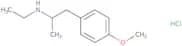
CAS:Controlled Product[1,2-Bis(diphenylphosphino)ethane]dichloropalladium(II) is a chemical compound that is insoluble in water and soluble in organic solvents. It is a reagent used to prepare other compounds. The synthesis of this compound involves the reaction of chloroform with dichloro[1,2-bis(diphenylphosphino)ethane]palladium (II). The resulting compound has a yellow color due to its ligands, which are amines or halides. This compound can be recrystallized from toluene or ether for use in preparative work. [1,2-Bis(diphenylphosphino)ethane]dichloropalladium(II) has been used as an analytical reagent for the determination of chloride and ligand content in some organic solvents.Formula:C26H24Cl2P2PdPurity:Min. 95%Molecular weight:575.74 g/molN-Ethyl-4-methoxy amphetamine hydrochloride
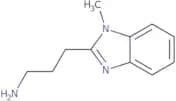
CAS:Controlled ProductPlease enquire for more information about N-Ethyl-4-methoxy amphetamine hydrochloride including the price, delivery time and more detailed product information at the technical inquiry form on this pageFormula:C12H20ClNOPurity:Min. 95%Molecular weight:229.75 g/mol3-(1-Methyl-1H-benzimidazol-2-yl)propan-1-amine hydrochloride
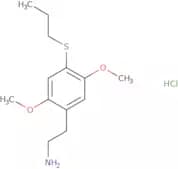
CAS:Controlled ProductPlease enquire for more information about 3-(1-Methyl-1H-benzimidazol-2-yl)propan-1-amine hydrochloride including the price, delivery time and more detailed product information at the technical inquiry form on this pageFormula:C11H15N3Purity:Min. 95%Molecular weight:189.26 g/mol2,5-Dimethoxy-4-(propylsulfanyl)phenethylamine hydrochloride
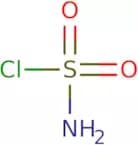
CAS:Controlled ProductPlease enquire for more information about 2,5-Dimethoxy-4-(propylsulfanyl)phenethylamine hydrochloride including the price, delivery time and more detailed product information at the technical inquiry form on this pageFormula:C13H22ClNO2SPurity:Min. 95%Molecular weight:291.84 g/molSulfamoyl chloride
CAS:Sulfamoyl chloride is a reactive chemical that can be used in the synthesis of sulfonamides. It is often used as an intermediate in the synthesis of antibiotics and sulfonamides. Sulfamoyl chloride is also a potent antimicrobial agent that has been shown to have antiviral and anticancer activities, as well as being an irreversible inhibitor of the enzyme DNA gyrase. Sulfamoyl chloride is a reversible inhibitor of the enzyme topoisomerase II and has been shown to have anti-inflammatory properties. This chemical binds to dna duplexes through covalent bonds, preventing replication and transcription, which leads to cell death by inhibiting protein synthesis.Formula:ClH2NO2SPurity:Min. 95%Color and Shape:PowderMolecular weight:115.54 g/mol4,4''-Dibromo-p-terphenyl
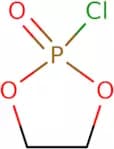
CAS:4,4''-Dibromo-p-terphenyl is a polycyclic aromatic hydrocarbon that has been synthesized as a nanomaterial. This material has been studied by XPS and microscopy as well as by kinetic experiments. The energetics of the reaction have been studied using photoelectron spectroscopy. 4,4''-Dibromo-p-terphenyl dehalogenates organometallic compounds at a rate that can be calculated using rate equations. The mechanistic study of the reaction was done through synthesizing 4,4''-Dibromo-p-terphenyl.Purity:Min. 95%2-Chloro-1,3,2-dioxaphospholane-2-oxide
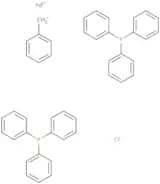
CAS:2-Chloro-1,3,2-dioxaphospholane-2-oxide is a reactive compound that has inhibitory properties. It is used in the synthesis of biocompatible polymers and can be used as a phase transition temperature regulator. This molecule has been studied using FTIR spectroscopy and in vitro assays. It has also been shown to react with fatty acids to form a molecule with low energy. 2-Chloro-1,3,2-dioxaphospholane-2-oxide reacts with hydrogen chloride to form benzyl groups, which may be due to its nucleophilic attack on the chlorine atom. 2CPDO is an organic compound that is part of the molecule class known as phospholanes.Formula:C2H4ClO3PPurity:Min. 95%Molecular weight:142.48 g/molBenzylbis(triphenylphosphine)palladium(II) Chloride
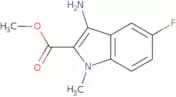
CAS:Controlled ProductBenzylbis(triphenylphosphine)palladium(II) Chloride is an organic compound that contains a benzene and palladium complex. The anion of this compound is chloride and it has been used as a reagent in the preparation of nitroarenes, porphyrin complexes, and various other organic compounds. This salt is insoluble in water and organic solvents, and it has been used as a sensor for chloride ions. Benzylbis(triphenylphosphine)palladium(II) Chloride’s color changes from green to red in the presence of chloride ions, which can be detected by potentiometric titration or colorimetric analysis.Formula:C43H37ClP2PdPurity:Min. 95%Molecular weight:757.57 g/molMethyl 3-amino-5-fluoro-1-methyl-1H-indole-2-carboxylate
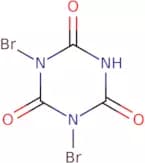
CAS:Controlled ProductPlease enquire for more information about Methyl 3-amino-5-fluoro-1-methyl-1H-indole-2-carboxylate including the price, delivery time and more detailed product information at the technical inquiry form on this pageFormula:C11H11FN2O2Purity:Min. 95%Molecular weight:222.22 g/molDibromoisocyanuric acid
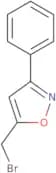
CAS:Dibromoisocyanuric Acid is an intermediate in the metabolism of fatty acids. It has been shown to inhibit fatty acid synthesis by inhibiting the transfer reactions of fatty acids from their acyl coenzyme A ester to carnitine, which is necessary for transport across the mitochondrial membrane. Dibromoisocyanuric Acid also inhibits monoclonal antibody production by monocytes and macrophages. Dibromoisocyanuric Acid may be used as a tumor suppressor in mice with tumors because it reduces gamma-aminobutyric acid levels, leading to increased locomotor activity and decreased body mass index.Formula:C3HBr2N3O3Purity:Min. 95%Color and Shape:PowderMolecular weight:286.87 g/mol5-(Bromomethyl)-3-phenylisoxazole
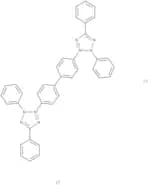
CAS:5-(Bromomethyl)-3-phenylisoxazole is a methoxy-bromo analog of fluoroquinolones. It has the same mode of action as fluoroquinolones, binding to DNA and inhibiting bacterial topoisomerases (DNA gyrase and topoisomerase IV). The affinity of 5-(Bromomethyl)-3-phenylisoxazole for these enzymes is greater than that of the parent compound, which may account for its increased potency. 5-(Bromomethyl)-3-phenylisoxazole is synthesized by reacting biphenyl with a mixture of bromoethane and methyl iodide in an organic solvent.Formula:C10H8BrNOPurity:Min. 95%Molecular weight:238.08 g/molNeotetrazolium Chloride
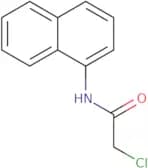
CAS:Neotetrazolium chloride is a tetrazolium dye that is used to detect the presence of living cells in a sample. It has an optimum concentration of 0.2% and significant cytotoxicity at concentrations greater than 1%. Neotetrazolium chloride binds to intracellular targets such as enzymes and nucleic acids, which can be detected by biochemical methods such as polymerase chain reaction (PCR). Neotetrazolium chloride can also bind to cell nuclei, making it useful for determining the number of viable cells in a sample. The bound form of neotetrazolium chloride is soluble in water and its detection limit is 10 fg/mL.Formula:C38H28N8·2ClPurity:Min. 95%Molecular weight:667.59 g/mol2-Chloro-N-1-naphthylacetamide
CAS:2-Chloro-N-1-naphthylacetamide is a synthetic organic compound that belongs to the class of sulfur compounds. It is used in the synthesis of other compounds and has been shown to be a potent inhibitor of hydroxylapatite and sulfate hydrolysis. The reaction mechanism for this compound’s inhibition of sulfate hydrolysis is not known, but it may be due to its ability to act as an electron donor or acceptor. 2-Chloro-N-1-naphthylacetamide also has carcinogenic properties, with some studies suggesting that it can cause liver cancer in rodents.Formula:C12H10ClNOPurity:Min. 95%Molecular weight:219.67 g/molMethyl 5-chloro-1-methyl-1H-indole-2-carboxylate
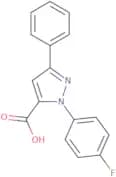
CAS:Controlled ProductPlease enquire for more information about Methyl 5-chloro-1-methyl-1H-indole-2-carboxylate including the price, delivery time and more detailed product information at the technical inquiry form on this pageFormula:C11H10ClNO2Purity:Min. 95%Molecular weight:223.66 g/mol1-(4-Fluorophenyl)-3-phenyl-1H-pyrazole-5-carboxylic acid
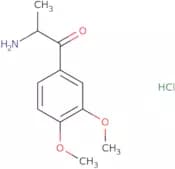
CAS:Controlled ProductPlease enquire for more information about 1-(4-Fluorophenyl)-3-phenyl-1H-pyrazole-5-carboxylic acid including the price, delivery time and more detailed product information at the technical inquiry form on this pageFormula:C16H11FN2O2Purity:Min. 95%Color and Shape:PowderMolecular weight:282.27 g/mol2-Amino-3',4'-dimethoxypropiophenone hydrochloride
CAS:Controlled ProductPlease enquire for more information about 2-Amino-3',4'-dimethoxypropiophenone hydrochloride including the price, delivery time and more detailed product information at the technical inquiry form on this pageFormula:C11H16ClNO3Purity:Min. 95%Molecular weight:245.7 g/molStannous chloride anhydrous
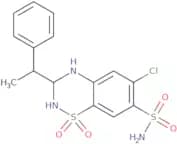
CAS:Stannous chloride anhydrous is a particle with a particle size of 3-6 microns and a melting point of 8°C. It has been shown in toxicity studies to be non-toxic to rats and rabbits when administered orally. Stannous chloride anhydrous is a coordination compound that contains stannous ion, which is coordinated by four sulfur atoms and two nitrogen atoms. The molecule can also have different geometries depending on the solvent used; for example, in trifluoroacetic acid, it adopts a trigonal bipyramidal geometry. Stannous chloride anhydrous has been shown to inhibit enzymes such as pepsin, chymotrypsin, and trypsin. This inhibition may be due to its ability to bind covalently with these enzymes.Formula:Cl2SnPurity:Min. 95%Color and Shape:PowderMolecular weight:189.62 g/mol6-Chloro-3,4-dihydro-3-(a-methylbenzyl)-2H-1,2,4-benzothiadiazine-7-sulfonamide 1,1-dioxide
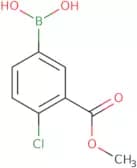
CAS:6-Chloro-3,4-dihydro-3-(a-methylbenzyl)-2H-1,2,4-benzothiadiazine-7-sulfonamide 1,1-dioxide is an active metabolite of the drug benzbromarone. It is primarily administered as a diuretic to treat high blood pressure and congestive heart failure. The pharmacodynamics of this drug are related to its ability to inhibit the activity of sodium channels in vascular smooth muscle cells and thereby reduce the force of contraction and relax the vessel wall. 6CBDMTD has shown an increase in glomerular filtration rate in patients with congestive heart failure. This drug also decreases the plasma concentration of fatty acids by inhibiting the formation of lipoprotein particles. 6CBDMTD has been shown to be effective at lowering diastolic and systolic blood pressure levels in patients with hypertension.Formula:C15H16ClN3O4S2Purity:Min. 95%Molecular weight:401.89 g/mol(4-Chloro-3-(methoxycarbonyl)phenyl)boronic acid
CAS:Please enquire for more information about (4-Chloro-3-(methoxycarbonyl)phenyl)boronic acid including the price, delivery time and more detailed product information at the technical inquiry form on this page
Formula:C8H8BClO4Purity:Min. 95%Molecular weight:214.41 g/mol[2-(4-Chlorophenyl)-1,3-thiazol-4-yl]acetic acid
CAS:[2-(4-Chlorophenyl)-1,3-thiazol-4-yl]acetic acid is a potent antimicrobial agent that inhibits the growth of bacteria by binding to the 50S ribosomal subunit. It has shown antiinflammatory properties in animal models of bowel disease, skin cancer, and autoimmune diseases. This drug has also been shown to have no observable toxicity in humans at doses up to 5000 mg/day for 28 days. The drug binds to a number of enzymes including reactive oxygen species (ROS) scavengers and metabolic enzymes. There are no known drug interactions with this drug and it can be used safely with other nonsteroidal antiinflammatory drugs (NSAIDs).
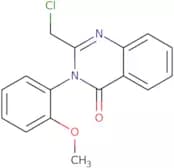
Formula:C11H8ClNO2SPurity:Min. 95%Molecular weight:253.71 g/mol2-(Chloromethyl)-3-(2-methoxyphenyl)quinazolin-4(3H)-one
CAS:Controlled ProductPlease enquire for more information about 2-(Chloromethyl)-3-(2-methoxyphenyl)quinazolin-4(3H)-one including the price, delivery time and more detailed product information at the technical inquiry form on this pageFormula:C16H13ClN2O2Purity:Min. 95%Molecular weight:300.74 g/molH-Leucinol-2-chlorotrityl resin
Please enquire for more information about H-Leucinol-2-chlorotrityl resin including the price, delivery time and more detailed product information at the technical inquiry form on this page
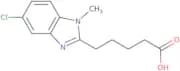
Purity:Min. 95%Color and Shape:Light (Or Pale) Yellow To Brown Solid5-(5-Chloro-1-methyl-1H-benzimidazol-2-yl)pentanoic acid
CAS:Controlled ProductPlease enquire for more information about 5-(5-Chloro-1-methyl-1H-benzimidazol-2-yl)pentanoic acid including the price, delivery time and more detailed product information at the technical inquiry form on this page
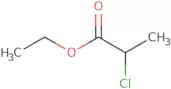
Formula:C13H15ClN2O2Purity:Min. 95%Molecular weight:266.72 g/molEthyl 2-chloropropionate
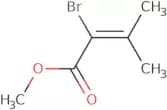
CAS:Ethyl 2-chloropropionate is an organic compound that is used in the synthesis of other compounds. It is a colorless liquid with a characteristic smell. Ethyl 2-chloropropionate has been shown to be a nucleophilic, aromatic hydrocarbon that reacts with electrophiles such as copper chloride and ethyl formate. This reaction forms the corresponding chloroethanol and methylformate. The reaction of ethyl 2-chloropropionate with diphenyl ether produces a chloroethyl ether derivative. This product can inhibit some enzymes, including epoxide hydrolase, which plays an important role in the metabolism of drugs such as ibuprofen and diclofenac. The kinetic behavior of this compound has been studied using enzyme inhibition and molecular modeling techniques.Formula:C5H9ClO2Purity:Min. 95%Molecular weight:136.58 g/mol2-Bromo-3-methylbutenoic acid methyl ester
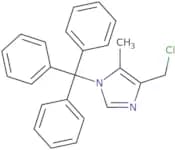
CAS:Please enquire for more information about 2-Bromo-3-methylbutenoic acid methyl ester including the price, delivery time and more detailed product information at the technical inquiry form on this pageFormula:C6H9BrO2Purity:Min. 95%Molecular weight:193.04 g/mol4-(Chloromethyl)-5-methyl-1-(triphenylmethyl)-1H-imidazole
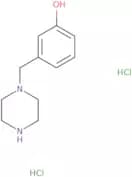
CAS:Controlled ProductPlease enquire for more information about 4-(Chloromethyl)-5-methyl-1-(triphenylmethyl)-1H-imidazole including the price, delivery time and more detailed product information at the technical inquiry form on this pageFormula:C24H21ClN2Purity:Min. 95%Molecular weight:372.89 g/mol3-(Piperazin-1-ylmethyl)phenol dihydrochloride
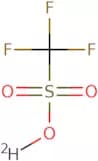
CAS:Controlled ProductPlease enquire for more information about 3-(Piperazin-1-ylmethyl)phenol dihydrochloride including the price, delivery time and more detailed product information at the technical inquiry form on this pageFormula:C11H16N2OPurity:Min. 95%Molecular weight:192.26 g/molTrifluoromethanesulfonic acid-D
CAS:Controlled ProductTriflic acid is a strong acid that reacts with nucleophiles such as water, alcohols, and amines. It is used in organic synthesis for desulfurization reactions, for example to convert thiophene to benzothiophene. Triflic acid is a synthetic chemical that is prepared by the reaction of sulfur trioxide with chlorotrifluoroethanesulfonyl fluoride. The protonation of the triflic acid molecule generates a sulfide anion. This anion then reacts with a nucleophile (e.g., chloride ion) to generate a chloride anion and regenerate the triflic acid molecule, which can then react again with another nucleophile. The reaction mechanism is shown below: HSOClF + NH3 → HSOClF + NH2Cl HSOClF + Cl- → HSO-Cl- + Cl The reaction mechanism for this process is shown below: HSOCl
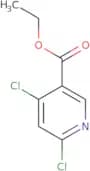
Formula:CDF3O3SPurity:Min. 95%Color and Shape:Clear LiquidMolecular weight:151.08 g/molEthyl 4,6-dichloronicotinate
CAS:Ethyl 4,6-dichloronicotinate (EDCN) is a hybrid drug that can be used as a clinical drug for the treatment of cancers. EDCN has been shown to have an antiproliferative effect in hematopoietic cells and tumor cells. It is also able to inhibit tyrosine kinase activity and cellular proliferation by inducing apoptosis. EDCN has been shown to be a potent inhibitor of cancer cell growth in vitro and in vivo, with IC50 values ranging from 1 to 10 μM. This drug is active against leukemia, lymphoma, breast cancer, prostate cancer, colorectal cancer, and other cancers that are sensitive to inhibition by tyrosine kinase inhibitors. EDCN binds reversibly to DNA with high affinity and specificity through hydrogen bonding interactions between the nucleobases on its aromatic ring system and the purine bases on dsDNA. This binding inhibits transcription by blocking access of RNA polymerase II to DNA templatesFormula:C8H7Cl2NO2Purity:Min. 95%Molecular weight:220.05 g/molMethyl 2-amino-4,6-dichloropyridine-3-carboxylate
CAS:Please enquire for more information about Methyl 2-amino-4,6-dichloropyridine-3-carboxylate including the price, delivery time and more detailed product information at the technical inquiry form on this pageFormula:C7H6Cl2N2O2Purity:Min. 95%Molecular weight:221.04 g/molMebeverine Hydrochloride
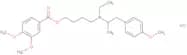
CAS:Controlled ProductMebeverine hydrochloride is a drug that is used to treat bowel disease. It inhibits the contractions of the intestinal tract, which can help relieve symptoms of constipation, diarrhea, and bloating. Mebeverine hydrochloride may also be used in combination with other drugs to treat chronic inflammatory bowel disease. The drug interacts with protocatechuic acid and crystalline cellulose in an adsorption isotherm study. This interaction has been shown to have a significant effect on the polymerase chain reaction (PCR) control analysis of bacterial DNA samples. Mebeverine hydrochloride can cause side effects such as nausea, vomiting, headache, dizziness, or dry mouth. These side effects are more likely when taken with methyl ethyl alcohol or mebeverine. These side effects are also more likely in patients who have liver dysfunction or have a history of an allergic reaction to this drug.Formula:C25H36ClNO5Purity:Min. 95%Color and Shape:White PowderMolecular weight:466.01 g/mol2-Hydroxy-4-(trifluoromethyl)benzaldehyde
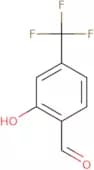
CAS:2-Hydroxy-4-(trifluoromethyl)benzaldehyde is an analgesic and anti-inflammatory agent that belongs to the pyrazole family. It has shown analgesic and anti-inflammatory effects in animal studies. 2-Hydroxy-4-(trifluoromethyl)benzaldehyde has been shown to be a potent inhibitor of cyclooxygenase (COX), which is responsible for prostaglandin synthesis, and as such, may have potential as a treatment for inflammatory conditions such as rheumatoid arthritis. This drug also inhibits the production of nitric oxide, which is involved in vasodilation and increased blood flow. 2-Hydroxy-4-(trifluoromethyl)benzaldehyde has been demonstrated to inhibit COX enzymes by forming a covalent bond with active site serine residues on the enzyme. The docked complex shows hydrogen bonding interactions between the hydroxyl group of 2
Formula:C8H5F3O2Purity:Min. 95%Molecular weight:190.12 g/mol4-Methyl(pentafluorosulfanyl)benzene
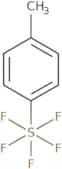
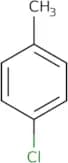
CAS:4-Methyl(pentafluorosulfanyl)benzene is a nitro-containing organic compound that can be synthesized by reacting bromoacetic acid with methylmagnesium chloride. This compound is an experimental intermediate in the synthesis of indazole and its analogs. The synthesis of 4-methyl(pentafluorosulfanyl)benzene has been used as a methodology to study the reactions of heterocyclic systems, as well as for the development of new biomolecules.Formula:C7H7F5SPurity:Min. 95%Color and Shape:Clear LiquidMolecular weight:218.19 g/mol4-Chlorotoluene
CAS:4-Chlorotoluene is a chemical substance that belongs to the class of p-hydroxybenzoic acid (PAH) and can be found in wastewater treatment. It can be synthesized by reacting hydrogen chloride with 4-chlorophenol. The reaction mechanism is based on the formation of reactive sites at nitrogen atoms, which are activated by kinetic energy in the form of hydrogen bonds. The reaction solution is then cooled to room temperature and mixed with an extraction solvent. This process is followed by a fluorescence detector, which measures the amount of PAHs in the solution.
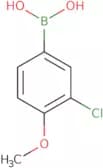
Formula:C7H7ClPurity:Min. 95%Molecular weight:126.58 g/mol3-Chloro-4-methoxyphenylboronic acid
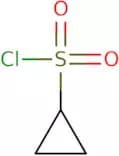
CAS:Please enquire for more information about 3-Chloro-4-methoxyphenylboronic acid including the price, delivery time and more detailed product information at the technical inquiry form on this pageFormula:C7H8BClO3Purity:Min. 95%Molecular weight:186.4 g/molCyclopropanesulfonyl chloride
CAS:Cyclopropanesulfonyl chloride (CPSC) is a bicyclic heterocycle that has been shown to have potent inhibitory activity against the human pathogens hepatitis B virus, dengue virus, and influenza A virus. CPSC inhibits the NS3 protease of these viruses by forming hydrogen bonding interactions with the nucleophilic nitrogen atom of the enzyme and also by competing with a chloride ion for binding to the chlorine atom on the enzyme. It also inhibits HIV-1 infection in cell culture experiments. CPSC has been found to be effective in preventing inflammation caused by cytokines, such as interleukin-1β, tumor necrosis factor-α, and prostaglandin E2. The inhibition of inflammatory cytokines may be due to its ability to bind glucocorticoid receptors.
Formula:C3H5ClO2SPurity:Min. 99.0%Color and Shape:Clear LiquidMolecular weight:140.59 g/molB-Chlorocatecholborane
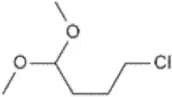
CAS:B-chlorocatecholborane is a nonpolar solvent that is used in the synthesis of drugs and other organic compounds. It reacts with trifluoromethanesulfonic acid to form a coordination complex, which can be used to synthesize pharmaceuticals. B-chlorocatecholborane can also be used for solid-phase synthesis, which offers an efficient method for chemical reactions. This reagent has been shown to react with 5-hydroxytryptamine 4 (5-ht4) receptor, which is involved in the regulation of appetite and sleep. It also reacts with 2-arachidonoylglycerol (2AG), a lipid molecule that mediates the effects of cannabis on appetite, pain and memory. The structure of this compound was determined using nuclear magnetic resonance spectroscopy and mass spectrometry. The biological properties of B-chlorocatecholborane have not yet been studied.Formula:C6H4BClO2Purity:Min. 95%Color and Shape:PowderMolecular weight:154.36 g/mol4-Chlorobutanal dimethyl acetal
CAS:4-Chlorobutanal dimethyl acetal is a compound that can be used as a reagent for the synthesis of enantiopure, functionalized pyridinium salts. The compound can be synthesized in a one-step process by the ring-opening of 4-chlorobutyraldehyde with dimethoxyethane in the presence of an acidic catalyst, such as hydrochloric acid. The reaction proceeds via an intramolecular hydrogen bond between the carbonyl group and the hydroxyl group on the ether oxygen atom. This process provides an isolated yield of 75%. The conjugates are obtained by reacting 4-chlorobutanal dimethyl acetal with different chlorides or other functional groups.Formula:C6H13ClO2Purity:Min. 95%Molecular weight:152.62 g/molCalcium bromide
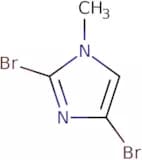
CAS:Calcium bromide is a white solid that has a phase transition temperature of -14.8 °C. It is soluble in water and glycol ether. Calcium bromide can be used to measure the concentration of calcium ions by taking advantage of the high affinity between calcium ions and its salt, calcium bromide, at constant pressure. In this process, water vapor and anhydrous sodium are also adsorbed onto the surface of the solid. The x-ray diffraction data for calcium bromide crystals show that it has a space group of p2 with lattice parameters a = 12.39 Å, c = 10.93 Å, and β = 90°. This salt can be used as a model system for studying reaction mechanisms in chemistry and biochemistry involving ionic liquids or other ionic compounds. The most common application of calcium bromide is as an extractant for volatile organic compounds from air samples using solid phase microextraction (SPFormula:CaBr2Purity:Min. 95%Molecular weight:199.89 g/mol2,4-Dibromo-1-methyl-1H-imidazole
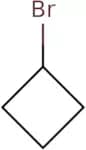
CAS:Please enquire for more information about 2,4-Dibromo-1-methyl-1H-imidazole including the price, delivery time and more detailed product information at the technical inquiry form on this pageFormula:C4H4Br2N2Purity:Min. 95%Molecular weight:239.9 g/molCyclobutyl bromide
CAS:Cyclobutyl bromide is a cyclopentyl compound that has an hydroxyl group. It is a potent inhibitor of the CB2 receptor, which is primarily expressed on cells of the immune system. Cyclobutyl bromide has been shown to inhibit the uptake of uv light and also has anti-inflammatory properties. Studies have confirmed that this drug inhibits the production of cytokines and chemokines in chronic bronchitis patients, as well as other inflammatory diseases such as rheumatoid arthritis.Formula:C4H7BrPurity:Min. 95%Color and Shape:Clear LiquidMolecular weight:135 g/molTilidine hydrochloride
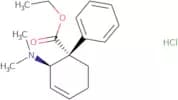
CAS:Controlled ProductTilidine hydrochloride is an experimental drug that has been synthesized with the hydrochloric acid, ester hydrochloride, and michaelis–menten kinetics. It has been developed as a potential treatment for acute pain in cancer patients. The control analysis showed that the analytical method was reliable. The pharmacological treatments have shown a carcinogenic potential in animals. Double-blind cross-over studies have shown that tilidine hydrochloride has pharmacokinetic properties and pharmacokinetic study revealed that it is well absorbed after oral administration. Animal studies have shown hepatic impairment with high doses of this drug, so caution should be taken when administering this drug to patients with impaired liver function.Formula:C17H24ClNO2Purity:Min. 95%Molecular weight:309.83 g/mol3,5-Dichloro-4-pyridinecarboxaldehyde
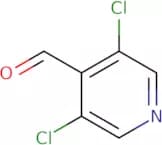
CAS:3,5-Dichloro-4-pyridinecarboxaldehyde is a synthetic heterocycle that has been studied for its pharmacokinetic properties. The compound has the ability to bind to the active site of metalloporphyrin and inhibit the enzyme's activity. This inhibition leads to an increase in the levels of homologous aldehydes, which are oxidized by hydrogen peroxide to produce electrosprays. 3,5-Dichloro-4-pyridinecarboxaldehyde also has a number of oxidation products that have been found in experiments using purines as substrates.
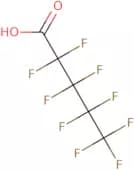
Formula:C6H3Cl2NOPurity:Min. 95%Molecular weight:176 g/molNonafluorovaleric acid
CAS:Nonafluorovaleric acid is a glycol ether that is used as a solvent and in the manufacture of fluoropolymers. Nonafluorovaleric acid is considered to be a potential biomarker for perfluoroalkyl substances, which are toxic chemicals found in many household products. It has been shown to inhibit matrix metalloproteinase activity and can be used to study autoimmune diseases. Nonafluorovaleric acid can also be used as a synchronous fluorescent probe for enzyme-linked immunosorbent assays. The toxicity of this chemical has been studied extensively and it is well known that nonafluorovaleric acid can induce enzyme induction, leading to increased production of enzymes such as cytochrome P450.
Formula:C5HF9O2Purity:Min. 95%Color and Shape:Clear LiquidMolecular weight:264.05 g/molrac 2-palmitoyl-3-chloropropanediol
CAS:Please enquire for more information about rac 2-palmitoyl-3-chloropropanediol including the price, delivery time and more detailed product information at the technical inquiry form on this page
Formula:C19H37ClO3Purity:Min. 95%Molecular weight:348.95 g/mol


![[1,2-Bis(diphenylphosphino)ethane]dichloropalladium(II)](/_next/image/?url=https%3A%2Fstatic.cymitquimica.com%2Fproducts%2F3D%2Fthumb-webp%2FFB54999.webp&w=3840&q=75)



![[2-(4-Chlorophenyl)-1,3-thiazol-4-yl]acetic acid](/_next/image/?url=https%3A%2Fstatic.cymitquimica.com%2Fproducts%2F3D%2Fthumb-webp%2FFC124498.webp&w=3840&q=75)