Organic Halides
Subcategories of "Organic Halides"
Found 20442 products of "Organic Halides"
[2-(1-Isobutyl-1H-benzimidazol-2-yl)ethyl]amine dihydrochloride
CAS:Controlled ProductPlease enquire for more information about [2-(1-Isobutyl-1H-benzimidazol-2-yl)ethyl]amine dihydrochloride including the price, delivery time and more detailed product information at the technical inquiry form on this pageFormula:C13H19N3Purity:Min. 95%Molecular weight:217.31 g/mol4-Bromo-2-phenylthiazole
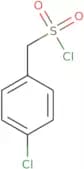
CAS:4-Bromo-2-phenylthiazole is a reactive arylating agent that has been used in the Suzuki reaction to form biaryl compounds. It is also used in the synthesis of heterocycles and alkene cross-coupling reactions. The 4-bromo group can be replaced by other halides, such as chlorides, bromides, or iodides. The substituents on the phenyl ring can be varied to yield different products. Reactive groups are an important factor in optimizing yields and preventing side reactions. This molecule is a useful starting point for the synthesis of complex molecules with functional groups.Formula:C9H6BrNSPurity:Min. 95%Molecular weight:240.12 g/mol(4-Chlorophenyl)methanesulphonyl chloride
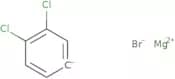
CAS:Please enquire for more information about (4-Chlorophenyl)methanesulphonyl chloride including the price, delivery time and more detailed product information at the technical inquiry form on this pageFormula:C7H6Cl2O2SPurity:Min. 95%Color and Shape:PowderMolecular weight:225.09 g/mol3,4-Dichlorophenylmagnesium bromide - 0.5M solution in tetrahydrofuran
CAS:3,4-Dichlorophenylmagnesium bromide - 0.5M solution in tetrahydrofuran is a chemical reagent that is used to produce methyl compounds. It is often used in the production of chlorinated compounds by substitution of chlorine atoms for hydrogen atoms on the carbon chain. 3,4-Dichlorophenylmagnesium bromide - 0.5M solution in tetrahydrofuran has a molecular structure that includes an electronegative chloro group and a titanium ligand. Acid catalysts are often used with this chemical to promote the reaction between the magnesium and halide ions, which produces methylation products. This may be done through x-ray analysis to determine the progress of the reaction.
Formula:C6H3BrCl2MgPurity:Min. 95%Color and Shape:Clear LiquidMolecular weight:250.2 g/mol2-(3-fluorophenyl)pyrrolidine
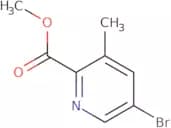
CAS:Please enquire for more information about 2-(3-fluorophenyl)pyrrolidine including the price, delivery time and more detailed product information at the technical inquiry form on this pageFormula:C10H12FNPurity:Min. 95%Molecular weight:165.21 g/molMethyl 5-bromo-3-methylpicolinate
CAS:Please enquire for more information about Methyl 5-bromo-3-methylpicolinate including the price, delivery time and more detailed product information at the technical inquiry form on this page
Formula:C8H8BrNO2Purity:Min. 95%Molecular weight:230.06 g/molTriarylsulfonium hexafluoroantimonate salts mixed - 50 wt. % in propylene carbonate
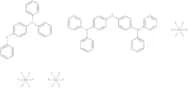
CAS:Triarylsulfonium hexafluoroantimonate salts mixed - 50 wt. % in propylene carbonate, also known as TAS-50, is a coating that is used in analytical chemistry and polymerization reactions. TAS-50 has been shown to be biocompatible and non-irritating to skin, eyes, or mucous membranes. It is a fluorescent compound that can be used for the detection of analytes in liquid samples. TAS-50 has been shown to have optical properties that are similar to those of glass. The coating has also been shown to have efficient methods for fabricating optical fibers with improved temperature resistance and radiation resistance.Formula:C60H47F18S5Sb3Purity:Min. 95%Color and Shape:Clear LiquidMolecular weight:1,635.6 g/mol1,5-Bis(4-allyldimethylammoniumphenyl)pentan-3-one, dibromide
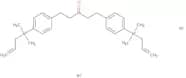
CAS:1,5-Bis(4-allyldimethylammoniumphenyl)pentan-3-one, dibromide is a reversible inhibitor of acetylcholinesterase. It has been shown to inhibit the enzyme activity in vitro and in vivo. 1,5-Bis(4-allyldimethylammoniumphenyl)pentan-3-one, dibromide has been shown to be an effective inhibitor of nicotinic acetylcholine receptors in model organisms such as Xenopus oocytes and Acetylcholine esterase activated rat pheochromocytoma cells. The molecule also inhibits the phosphorylation of pnitrophenyl phosphate by choline kinase. This inhibiting effect on choline kinase leads to a decrease in the concentration of choline available for neurotransmitter synthesis. Monoclonal antibodies against acetylcholinesterase are used to detect thisFormula:C27H38Br2N2OPurity:Min. 95%Molecular weight:566.41 g/mol3-Bromo-4-pyridinecarboxylic acid
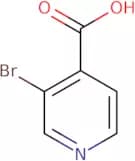
CAS:3-Bromo-4-pyridinecarboxylic acid is a naphthyridine derivative that is used in drug development. It is a crystalline solid that can be dissolved in organic solvents. 3-Bromo-4-pyridinecarboxylic acid has been shown to have antiinflammatory properties and can be used as an oxidant. 3-Bromo-4-pyridinecarboxylic acid is being investigated as a receptor subtype for inflammatory diseases, and it has also been used to study the mechanism of chronic inflammatory diseases.Formula:C6H4BrNO2Purity:Min. 95%Molecular weight:202.01 g/molCyclopropanecarboxylic acid chloride
CAS:Cyclopropanecarboxylic acid chloride is an organic compound with a molecular formula of C3H6Cl2O. It belongs to the group of carboxylic acids and has a pyrazole ring, which is a potential drug target. Cyclopropanecarboxylic acid chloride has been found to be active against infectious diseases such as herpes, influenza, and Ebola. The mechanism of action for this compound is not yet fully understood but it has been shown to have an effect on growth factors and kinetic data.
Formula:C4H5ClOPurity:Min. 95%Molecular weight:104.53 g/molDibenzylfluorescein
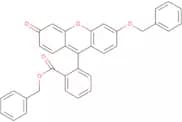
CAS:Dibenzylfluorescein is a fluorescent probe that can be used for the detection of CYP3A4 enzyme activity. Dibenzylfluorescein has significant cytotoxicity and causes genotoxic effects in human cells, which may be due to its ability to inhibit drug-metabolizing enzymes such as cytochrome P450 (CYP) enzymes. The fluorescence intensity of dibenzylfluorescein is proportional to the amount of CYP3A4 present in the sample. The fluorescence intensity can be quantified using a spectrofluorometer, and the results can be analyzed by high-performance liquid chromatography-mass spectrometry (LC-MS/MS). Dibenzylfluorescein has been used as a marker for CYP3A4 activity in human hepatocyte-like cells and has been shown to have an inhibitory effect on enzyme activities. It also inhibits theFormula:C34H24O5Purity:Min. 95%Molecular weight:512.55 g/mol2,2,3,3,4,4,5,5-Octafluoro-1,6-hexanediol
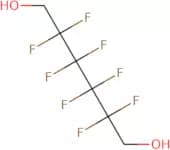
CAS:Octafluoro-1,6-hexanediol is a cyclic diol with the chemical formula C6F14O2. The compound is produced by the reaction of hexafluoropropylene oxide and hydrogen fluoride in the presence of a catalyst. This process can be repeated to produce higher molecular weight compounds such as octafluoro-1,8-octanediol (C8F18O2) and octafluoro-1,10-decanediol (C10F22O2). Octafluoro-1,6-hexanediol has been studied using spectroscopies and x-ray crystallography techniques. X-ray crystallographic studies have shown that this molecule has an intramolecular conformation with one hydroxy group on each end of the molecule. Octafluoro-1,6-hexanediol forms crystals that are colorless or light yellow in color. Crystals are monoclinFormula:C6H6F8O2Purity:Min. 95%Color and Shape:PowderMolecular weight:262.1 g/mol4-Fluoro bupropion
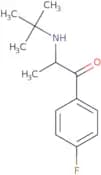
CAS:Controlled ProductPlease enquire for more information about 4-Fluoro bupropion including the price, delivery time and more detailed product information at the technical inquiry form on this pageFormula:C13H18FNOPurity:Min. 95%Molecular weight:223.29 g/mol4-(4-fluorophenyl)butanoic Acid
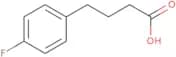
CAS:Please enquire for more information about 4-(4-fluorophenyl)butanoic Acid including the price, delivery time and more detailed product information at the technical inquiry form on this pageFormula:C10H11FO2Purity:Min. 95%Molecular weight:182.19 g/mol4-(Trifluoromethylsulfonyl)Benzonitrile
CAS:4-(Trifluoromethylsulfonyl)benzonitrile is a coupling agent that is used to catalyze cross-coupling reactions between organoboranes and organic electrophiles. It is compatible with a wide range of functional groups, including phosphine and phosphite. 4-(Trifluoromethylsulfonyl)benzonitrile has been shown to be an excellent catalyst for the Suzuki and Miyaura reactions, as well as for arylation reactions. 4-(Trifluoromethylsulfonyl)benzonitrile is not active in the presence of water or oxygen and should be stored in a dry place at room temperature.Formula:C8H4F3NO2SPurity:Min. 95%Molecular weight:235.18 g/mol3,4-Dichloropropiophenone
CAS:3,4-Dichloropropiophenone is an organic solvent that contains a chlorine atom. 3,4-Dichloropropiophenone exhibits significant activity for the removal of chlorinated phenols and other halogenated organic compounds from wastewater. The reaction mechanism of this process involves the conversion of 3,4-dichloropropiophenone to a tetranuclear thiolate complex which then reacts with the halogenated compound to form an imine. This imine is hydrolyzed by hydroxide ion to produce a chlorine-containing product and ammonia. 3,4-Dichloropropiophenone has also been shown to have antimalarial activity.Formula:C9H8Cl2OPurity:Min. 95%Color and Shape:PowderMolecular weight:203.06 g/molFluoropentachloroethane
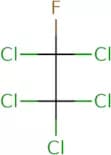
CAS:Controlled ProductFluoropentachloroethane is a reactive compound that reacts with water to form hydrofluoric acid and pentachloroethane. It is used in the production of other compounds, such as solvents, refrigerants and pesticides. Fluoropentachloroethane is also used as an extracting agent in organic chemistry and has been shown to be effective at removing heavy metals from contaminated water. The chemical has a vapor pressure of 1.6 mmHg at 20 degrees Celsius and a density of 1.598 g/mL, which makes it easier to transport by land or air than heavier chemicals such as tetrachloroethylene. Fluoropentachloroethane can be evaporated using diode laser technology when the temperature is above its boiling point of 65 degrees Celsius.
Formula:C2Cl5FPurity:Min. 95%Color and Shape:SolidMolecular weight:220.28 g/molDechloro Haloperidol
CAS:Please enquire for more information about Dechloro Haloperidol including the price, delivery time and more detailed product information at the technical inquiry form on this pageFormula:C21H24FNO2Purity:Min. 95%Molecular weight:341.42 g/mol2-(3,5-Dichlorophenyl)Pyrrolidine
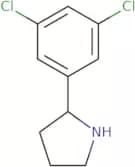
CAS:Please enquire for more information about 2-(3,5-Dichlorophenyl)Pyrrolidine including the price, delivery time and more detailed product information at the technical inquiry form on this page
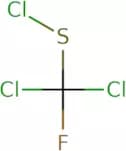
Formula:C10H11Cl2NPurity:Min. 95%Molecular weight:216.11 g/mol1,1-Dichloro-1-fluoro-methanesulfenylchloride
CAS:1,1-Dichloro-1-fluoro-methanesulfenylchloride is a hazardous chemical that belongs to the group of chlorine compounds. It has been used as an antibacterial agent in the past and has been shown to be effective against nematodes, helminths, and some microorganisms. It is also used as a solvent in the production of dyes and perfumes. 1,1-Dichloro-1-fluoro-methanesulfenylchloride is not active against bacteria that are resistant to sulfonic acids or amines.Formula:CCl3FSPurity:Min. 95%Color and Shape:Clear LiquidMolecular weight:169.43 g/molBis[2-(perfluorooctyl)ethyl] phosphate
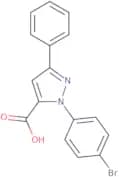
CAS:Controlled ProductBis[2-(perfluorooctyl)ethyl] phosphate is a perfluorinated compound that can be used as an alternative to polyvinyl chloride in the manufacture of children's toys and other consumer products. It has been shown to have no health effects on humans, unlike other perfluorinated compounds, in a study where human serum was analyzed. Bis[2-(perfluorooctyl)ethyl] phosphate also has a high affinity for polyfluoroalkyl substances (PFASs) and can be used in analytical methods for their detection. The optimised extraction procedure is simple and rapid, using ultrasonic extraction with no need for any organic solvents. Recoveries are high (>99%) and the method does not require any volatile solvents.Formula:C20H9F34O4PPurity:Min. 95%Molecular weight:990.2 g/mol1-(4-Bromophenyl)-3-phenyl-1H-pyrazole-5-carboxylic acid
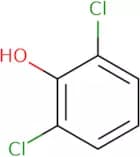
CAS:Controlled ProductPlease enquire for more information about 1-(4-Bromophenyl)-3-phenyl-1H-pyrazole-5-carboxylic acid including the price, delivery time and more detailed product information at the technical inquiry form on this pageFormula:C16H11BrN2O2Purity:Min. 95%Color and Shape:PowderMolecular weight:343.17 g/mol2,6-Dichlorophenol
CAS:2,6-Dichlorophenol is a hydrogen-bond inhibitor that inhibits the reaction of receptors with their specific treatment. It has been shown to have an inhibitory effect on the light-induced activation of receptor cells and to inhibit the reaction mechanism of analytical methods. 2,6-Dichlorophenol has also been shown to be effective in synchronous fluorescence spectroscopy as a probe for detecting hydrogen bonds in biological samples. The chemical structure of 2,6-dichlorophenol is C6H4Cl2O. It is soluble in water and reacts with acids to form hydrogen chloride gas and 2,6-dichlorophenol hydrochloride (C6H3Cl2O).Formula:C6H4Cl2OPurity:Min. 95%Color and Shape:White PowderMolecular weight:163 g/mol4-Chloro bupropion fumarate
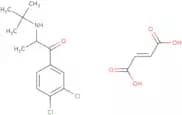
CAS:Controlled ProductPlease enquire for more information about 4-Chloro bupropion fumarate including the price, delivery time and more detailed product information at the technical inquiry form on this pageFormula:C17H21Cl2NO5Purity:Min. 95%Molecular weight:390.26 g/mol3,4-Difluorostyrene
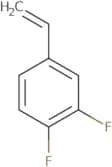
CAS:3,4-Difluorostyrene is a synthetic compound that can be used to manufacture ticagrelor. It is an organic chemical with the chemical formula C8H6F2O2. 3,4-Difluorostyrene is an organic solvent and can be used as an antithrombotic agent. 3,4-Difluorostyrene has been shown to have optimum temperature of 40°C and is mainly used in preparative reactions.
Formula:C8H6F2Purity:Min. 95%Color and Shape:Colourless To Pale Yellow LiquidMolecular weight:140.13 g/mol(S)-5,6,6a,7-Tetrahydro-6-methyl- 4H-dibenzo[de,g]quinoline-10,11-diol hydrochloride
CAS:Controlled ProductPlease enquire for more information about (S)-5,6,6a,7-Tetrahydro-6-methyl- 4H-dibenzo[de,g]quinoline-10,11-diol hydrochloride including the price, delivery time and more detailed product information at the technical inquiry form on this pageFormula:C17H17NO2·HClPurity:Min. 95%Color and Shape:SolidMolecular weight:303.78 g/molAcridine orange hydrochloride hydrate
CAS:Acridine orange hydrochloride hydrate is a fine chemical that can be used as a reagent or building block in research and other chemical reactions. It is used as a speciality chemical with CAS number 1704465-79-1. Acridine orange hydrochloride hydrate has versatile applications and is used as a reaction component or intermediate. Acridine orange hydrochloride hydrate is also useful as a scaffold to make complex compounds.Formula:C17H19N3·HCl·xH2OPurity:Min. 98 Area-%Color and Shape:Orange PowderMolecular weight:301.817-Bromobenzo[d]oxazole
CAS:Please enquire for more information about 7-Bromobenzo[d]oxazole including the price, delivery time and more detailed product information at the technical inquiry form on this pageFormula:C7H4BrNOPurity:Min. 95%Molecular weight:198.02 g/mol3-(Difluoromethoxy)benzaldehyde
CAS:Please enquire for more information about 3-(Difluoromethoxy)benzaldehyde including the price, delivery time and more detailed product information at the technical inquiry form on this pageFormula:C8H6F2O2Purity:Min. 95%Molecular weight:172.13 g/mol2-[(N,N-Dibenzylamino)methyl]cyclohexanone hydrochloride
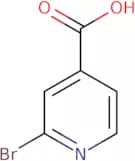
CAS:Please enquire for more information about 2-[(N,N-Dibenzylamino)methyl]cyclohexanone hydrochloride including the price, delivery time and more detailed product information at the technical inquiry form on this pageFormula:C21H26ClNOPurity:Min. 95%Molecular weight:343.89 g/mol2-Bromoisonicotinic acid
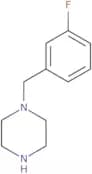
CAS:2-Bromoisonicotinic acid is a phenylpyridine molecule that has been shown to have inhibitory activity against the NF-κB pathway, which regulates inflammatory responses. This compound inhibits the production of TNF-α triggered by lipopolysaccharide (LPS) in vitro and in vivo. 2-Bromoisonicotinic acid may be synthesized from commercially available starting materials and can be easily scaled up for large-scale synthesis. The properties of this molecule make it an excellent candidate for further investigation as a potential therapeutic or prophylactic agent for diseases involving inflammation.Purity:Min. 95%1-(3-Fluorobenzyl)piperazine
CAS:Controlled Product1-(3-Fluorobenzyl)piperazine is a potent inhibitor of annexin A1. It has been shown to inhibit the proliferation of pancreatic cancer cells and induce apoptosis in these cells by inhibiting cholinesterase activity. 1-(3-Fluorobenzyl)piperazine also inhibits tumor growth in vivo and induces apoptosis, which may be due to its ability to inhibit the mitochondrial membrane potential. The compound has also been shown to have antitumor effects in other types of cancer cells. This drug is an amine that emits acidic compounds as a result of hydrolysis.Formula:C11H15FN2Purity:Min. 95%Molecular weight:194.25 g/mol[chloro(difluoro)methyl]benzene
CAS:Hexamethylphosphoramide is a liquid crystal composition that can be used to produce polymerizable materials. It is a colorless, odorless and toxic liquid at room temperature. Hexamethylphosphoramide contains six nitrogen atoms, which are nucleophilic and can react with hydrogen chloride or chlorine atom in the reaction solution to form an elimination product. This process is accompanied by the release of heat and radiation. Hexamethylphosphoramide forms polymers with aluminium and hydrogen fluoride as the initiator. The elimination rate is high for this compound under radiation, which allows it to be used as a polymerization initiator. Hexamethylphosphoramide also reacts with aromatic hydrocarbons to form chloro(difluoro)methylbenzeneFormula:C7H5ClF2Purity:Min. 95%Molecular weight:162.56 g/mol[1,2-Bis(diphenylphosphino)ethane]dichloropalladium(II)
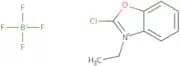
CAS:Controlled Product[1,2-Bis(diphenylphosphino)ethane]dichloropalladium(II) is a chemical compound that is insoluble in water and soluble in organic solvents. It is a reagent used to prepare other compounds. The synthesis of this compound involves the reaction of chloroform with dichloro[1,2-bis(diphenylphosphino)ethane]palladium (II). The resulting compound has a yellow color due to its ligands, which are amines or halides. This compound can be recrystallized from toluene or ether for use in preparative work. [1,2-Bis(diphenylphosphino)ethane]dichloropalladium(II) has been used as an analytical reagent for the determination of chloride and ligand content in some organic solvents.Formula:C26H24Cl2P2PdPurity:Min. 95%Molecular weight:575.74 g/mol2-Chloro-3-ethylbenzoxazolium tetrafluoroborate
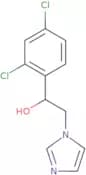
CAS:2-Chloro-3-ethylbenzoxazolium tetrafluoroborate is a synthetic compound that inhibits the enzyme maltase. This compound is used in the treatment of diabetic patients with intestinal maltase deficiency and has been shown to be effective in clinical studies. 2-Chloro-3-ethylbenzoxazolium tetrafluoroborate has also been shown to inhibit other enzymes, such as thiocarbamate synthetase and aminooxazoline synthetase, which are involved in the biosynthesis of chlorinated pesticides and herbicides. The chloride ion is necessary for this inhibition activity. The compound can be prepared by a preparative method that involves hexaacetate and chloride ion or by using an aglycone, trehalamine, or stereospecific method.Formula:C9H9BClF4NOPurity:Min. 95%Color and Shape:PowderMolecular weight:269.43 g/molα-(2,4-Dichlorophenyl)-1H-imidazole-1-ethanol
CAS:a-(2,4-Dichlorophenyl)-1H-imidazole-1-ethanol is an analytical reagent that is used to identify the presence of methylbenzene in a sample. It has been used as a drug target in schistosomiasis and interacting with imprinting genes. The synthetic method for this reagent includes sodium carbonate and methylbenzene, which are heated together at low energy to produce a-(2,4-Dichlorophenyl)-1H-imidazole-1-ethanol. The analytical method for this compound involves efficient methods such as high performance liquid chromatography and gas chromatography. Methylbenzene is dissolved in trifluoroacetic acid before being mixed with anhydrous potassium carbonate. This mixture is then heated to produce a-(2,4-Dichlorophenyl)-1H-imidazole-1-ethanol.Formula:C11H10Cl2N2OPurity:Min. 95%Color and Shape:White To Beige SolidMolecular weight:257.12 g/mol8-Bromo-2-methylquinoline
CAS:8-Bromo-2-methylquinoline is a naphthalene derivative that has an oxidant function. It can be used as a solvent for chlorobenzene and as a catalyst for the production of bipyridines and piperazine. 8-Bromo-2-methylquinoline is also used as a ligand in the preparation of metal complexes. This compound reacts with methyl groups, chlorine, and halides to form methyl quinolines and dichloromethanes. 8-Bromo-2-methylquinoline may react with fatty acids to form polyunsaturated acid esters or with polyunsaturated fatty acids to form polyethers.Formula:C10H8BrNPurity:Min. 95%Molecular weight:222.08 g/mol3-Bromo-2-methylbenzoic acid methyl ester
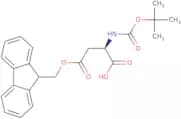
CAS:3-Bromo-2-methylbenzoic acid methyl ester is a serotonin transporter and reuptake inhibitor. It has selectivities for serotonin, dopamine and norepinephrine transporters. 3-Bromo-2-methylbenzoic acid methyl ester acts as a linker molecule in the synthesis of complex molecules like neurotransmitters. It is also a bifunctional molecule that can act as an antidepressant or anti-anxiety drug by increasing serotonin levels in the brain. 3-Bromo-2-methylbenzoic acid methyl ester’s function as a ligand is to bind to receptors on cells, which may be linked with its effects on depression and anxiety.Formula:C9H9BrO2Purity:Min. 95%Molecular weight:229.07 g/molBoc-D-aspartic acid β-9-fluorenylmethyl ester
CAS:Please enquire for more information about Boc-D-aspartic acid beta-9-fluorenylmethyl ester including the price, delivery time and more detailed product information at the technical inquiry form on this page
Formula:C23H25NO6Purity:Min. 95%Molecular weight:411.45 g/mol5-Bromo-1-Methyl-1H-indazol-3-amine
CAS:Please enquire for more information about 5-Bromo-1-Methyl-1H-indazol-3-amine including the price, delivery time and more detailed product information at the technical inquiry form on this pageFormula:C8H8BrN3Purity:Min. 95%Molecular weight:226.07 g/molPerfluoro(methyldecalin)
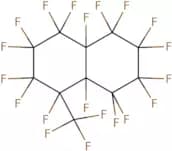
CAS:Controlled ProductPerfluoro(methyldecalin) is a perfluorinated polymeric matrix that consists of polymers with a phase transition temperature of around −108°C. It has been shown to be an effective diagnostic agent for the detection of hydroxyl ions and oxygen transport in polymer solutions. The magnetic particles can be used as a contrast agent, which allows for the visualization of the distribution and concentration of these agents in biological tissue. The lipophilic nature and fatty acid composition make it an ideal candidate for use in MRI imaging. Perfluoro(methyldecalin) is also optically active, which makes it possible to measure its concentration using spectroscopy.Formula:C11F20Purity:Min. 95%Molecular weight:512.09 g/molTrifluoro acetic anhydride
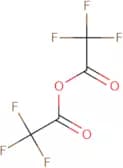
CAS:Trifluoro acetic anhydride is a chemical compound that is used in the laboratory as a model system to study antimicrobial agents and the reaction mechanism of these compounds. It has been shown to have receptor activity against infectious diseases and enzyme activities against bacterial growth. Trifluoroacetic anhydride has also been shown to inhibit plasma mass spectrometry, which may be due to its ability to react with water vapor. The chemical inhibitor can be recovered and reused for other experiments.Formula:C4F6O3Purity:Min. 95%Color and Shape:Colorless Clear LiquidMolecular weight:210.03 g/molN-Ethyl-4-methoxy amphetamine hydrochloride
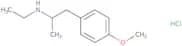
CAS:Controlled ProductPlease enquire for more information about N-Ethyl-4-methoxy amphetamine hydrochloride including the price, delivery time and more detailed product information at the technical inquiry form on this pageFormula:C12H20ClNOPurity:Min. 95%Molecular weight:229.75 g/mol3-(1-Methyl-1H-benzimidazol-2-yl)propan-1-amine hydrochloride
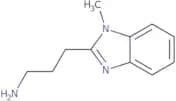
CAS:Controlled ProductPlease enquire for more information about 3-(1-Methyl-1H-benzimidazol-2-yl)propan-1-amine hydrochloride including the price, delivery time and more detailed product information at the technical inquiry form on this pageFormula:C11H15N3Purity:Min. 95%Molecular weight:189.26 g/mol4-Methoxybenzyl chloride - stabilised with potassium carbonate
CAS:4-Methoxybenzyl chloride is a chemotherapeutic agent that inhibits the binding of inhibitor molecules to their target proteins. It has been shown to inhibit the binding of uridine and methanol solvent to their targets, which are enzymes in the synthesis of nucleic acids. The inhibition of these enzymes prevents DNA replication and protein synthesis, leading to cell death. 4-Methoxybenzyl chloride has been found to be effective in treating autoimmune diseases and solid tumours, as well as being an antimicrobial treatment for microbial infections. 4-Methoxybenzyl chloride is also used in chemical syntheses for its ability to undergo cationic polymerization and asymmetric synthesis.Formula:C8H9ClOPurity:Min. 95%Color and Shape:Colorless Clear LiquidMolecular weight:156.61 g/mol(-)-B-Chlorodiisopinocampheylborane, 65% heptane solution
CAS:(-)-B-Chlorodiisopinocampheylborane is a synthetic compound that belongs to the class of diketones. It has been used in asymmetric synthesis, metathesis reactions, and as a catalyst for the preparation of chiral compounds. (-)-B-Chlorodiisopinocampheylborane can be synthesized from trifluoromethylation using chlorodiphenylsilane and sodium borohydride in heptane. This agent has been shown to be effective for the production of β-unsaturated ketones by reaction with carbonyl groups. The reaction produces a racemic mixture of enantiomers, which are isomers that are not identical but have the same chemical formula and similar physical properties. (-)-B-Chlorodiisopinocampheylborane can also be used as an intermediate for the synthesis of latanoprost lactol, which is a prostaglandinFormula:C20H34BClPurity:Min. 95%Color and Shape:Clear LiquidMolecular weight:320.75 g/mol4,4-Difluorpentanoic acid
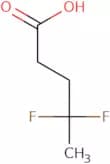
CAS:4,4-Difluorpentanoic acid is an intermediate in the synthesis of amantadine hydrochloride. It is also used as a food additive to inhibit proteolytic enzymes and to produce alkyl esters. 4,4-Difluorpentanoic acid can be used as a competitive inhibitor of serine proteases and cysteine proteases. The compound binds reversibly to the active site of these enzymes and inhibits their activity by competing with the natural substrate for binding. This compound is often used in combination with other protease inhibitors such as phenylmethanesulfonyl fluoride or N-phenylmaleimide.
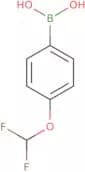
Formula:C5H8F2O2Purity:Min. 95%Molecular weight:138.11 g/mol4-(Difluoromethoxy)phenylboronic acid
CAS:Please enquire for more information about 4-(Difluoromethoxy)phenylboronic acid including the price, delivery time and more detailed product information at the technical inquiry form on this pageFormula:C7H7BF2O3Purity:Min. 95%Molecular weight:187.94 g/molN-Methyl-N-[(1-methyl-1H-benzimidazol-2-yl)methyl]amine hydrochloride
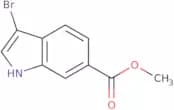
CAS:Controlled ProductPlease enquire for more information about N-Methyl-N-[(1-methyl-1H-benzimidazol-2-yl)methyl]amine hydrochloride including the price, delivery time and more detailed product information at the technical inquiry form on this pageFormula:C10H13N3Purity:Min. 95%Molecular weight:175.23 g/molMethyl 3-bromoindole-6-carboxylate
CAS:Please enquire for more information about Methyl 3-bromoindole-6-carboxylate including the price, delivery time and more detailed product information at the technical inquiry form on this pageFormula:C10H8BrNO2Purity:Min. 95%Molecular weight:254.08 g/mol
![[2-(1-Isobutyl-1H-benzimidazol-2-yl)ethyl]amine dihydrochloride](/_next/image/?url=https%3A%2Fstatic.cymitquimica.com%2Fproducts%2F3D%2Fthumb-webp%2FFI135795.webp&w=3840&q=75)






![Bis[2-(perfluorooctyl)ethyl] phosphate](/_next/image/?url=https%3A%2Fstatic.cymitquimica.com%2Fproducts%2F3D%2Fthumb-webp%2FFB18790.webp&w=3840&q=75)
![(S)-5,6,6a,7-Tetrahydro-6-methyl- 4H-dibenzo[de,g]quinoline-10,11-diol hydrochloride](/_next/image/?url=https%3A%2Fstatic.cymitquimica.com%2Fproducts%2F3D%2Fthumb-webp%2FFT46165.webp&w=3840&q=75)

![7-Bromobenzo[d]oxazole](/_next/image/?url=https%3A%2Fstatic.cymitquimica.com%2Fproducts%2F3D%2Fthumb-webp%2FFB144368.webp&w=3840&q=75)

![2-[(N,N-Dibenzylamino)methyl]cyclohexanone hydrochloride](/_next/image/?url=https%3A%2Fstatic.cymitquimica.com%2Fproducts%2F3D%2Fthumb-webp%2FFD21548.webp&w=3840&q=75)
![[chloro(difluoro)methyl]benzene](/_next/image/?url=https%3A%2Fstatic.cymitquimica.com%2Fproducts%2F3D%2Fthumb-webp%2FFC104724.webp&w=3840&q=75)
![[1,2-Bis(diphenylphosphino)ethane]dichloropalladium(II)](/_next/image/?url=https%3A%2Fstatic.cymitquimica.com%2Fproducts%2F3D%2Fthumb-webp%2FFB54999.webp&w=3840&q=75)





![N-Methyl-N-[(1-methyl-1H-benzimidazol-2-yl)methyl]amine hydrochloride](/_next/image/?url=https%3A%2Fstatic.cymitquimica.com%2Fproducts%2F3D%2Fthumb-webp%2FFM117084.webp&w=3840&q=75)