Organic Halides
In this category, you can find organic molecules containing one or more halogen atoms in their structure. These organic halides include brominated, iodinated, chlorinated, and cyclic halide compounds. Organic halides are widely used in organic synthesis, pharmaceuticals, agrochemicals, and materials science due to their reactivity and ability to undergo a variety of chemical transformations. At CymitQuimica, we offer a comprehensive selection of high-quality organic halides to support your research and industrial applications, ensuring reliable and effective performance in your synthetic and analytical projects.
Subcategories of "Organic Halides"
Found 20440 products of "Organic Halides"
Sort by
Purity (%)
0
100
|
0
|
50
|
90
|
95
|
100
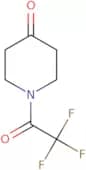
1-(Trifluoroacetyl)-4-piperidinone
CAS:Controlled Product<p>Please enquire for more information about 1-(Trifluoroacetyl)-4-piperidinone including the price, delivery time and more detailed product information at the technical inquiry form on this page</p>Formula:C7H8F3NO2Purity:Min. 95%Molecular weight:195.14 g/mol4,7-Diazaspiro[2.5]octane dihydrochloride
CAS:<p>Please enquire for more information about 4,7-Diazaspiro[2.5]octane dihydrochloride including the price, delivery time and more detailed product information at the technical inquiry form on this page</p>Purity:Min. 95%3-[(Dimethylamino)methyl]benzoic acid hydrochloride
CAS:Please enquire for more information about 3-[(Dimethylamino)methyl]benzoic acid hydrochloride including the price, delivery time and more detailed product information at the technical inquiry form on this pageFormula:C10H13NO2Purity:Min. 95%Molecular weight:179.22 g/mol7-Bromobenzo[d]oxazole
CAS:<p>Please enquire for more information about 7-Bromobenzo[d]oxazole including the price, delivery time and more detailed product information at the technical inquiry form on this page</p>Formula:C7H4BrNOPurity:Min. 95%Molecular weight:198.02 g/mol1-(4-Fluorophenyl)pyrazole-4-boronic acid
CAS:<p>Please enquire for more information about 1-(4-Fluorophenyl)pyrazole-4-boronic acid including the price, delivery time and more detailed product information at the technical inquiry form on this page</p>Formula:C9H8BFN2O2Purity:Min. 95%Molecular weight:205.98 g/mol1,3-Bis(2,6-diisopropylphenyl)imidazolium chloride
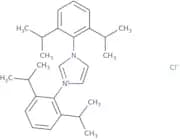
CAS:1,3-Bis(2,6-diisopropylphenyl)imidazolium chloride is an organic compound that is used as a solvent. It was originally synthesized by reacting triethyl orthoformate with 2,6-diisopropylaniline. This reaction formed the corresponding imidazolium salt. The synthesis of this compound was later improved by using ring-opening polymerization of glycolide and furfural. 1,3-Bis(2,6-diisopropylphenyl)imidazolium chloride is mainly used to extract estradiol from urine samples in clinical laboratories.Formula:C27H37ClN2Purity:Min. 95%Color and Shape:White PowderMolecular weight:425.05 g/mol1-Bromo-2-chloroethane
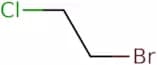
CAS:Controlled Product1-Bromo-2-chloroethane is a chemical compound with the molecular formula CH3BrCl. It is used as a fumigant, an intermediate in organic synthesis, and a precursor to other chemicals. 1-Bromo-2-chloroethane is produced by the reaction of hydrogen chloride with ethylene and methyl ethyl ether. This chemical has been extensively studied for its conformational properties, which are dependent on the presence of a hydrogen bond. The molecule has two conformations, one in which the two bromine atoms are on opposite sides of the carbon atom and another in which they are not. 1-Bromo-2-chloroethane is also used as an intermediate in organic synthesis and can be converted to other chemicals such as chloral hydrate or ethylene diamine.Purity:Min. 95%Ruthenium(III) chloride trihydrate
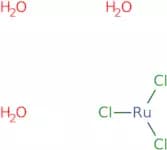
CAS:Ruthenium(III) chloride trihydrate is a ruthenium carbonyl that is used as an oxidation catalyst. It has been used to prepare diagnostic agents for the detection of hydrochloric acid, sodium carbonate, or pharmaceutical preparations. The mechanism of the reaction was studied using potassium dichromate as an oxidant and the transfer reactions were determined by high-resolution electron microscopy. Ruthenium(III) chloride trihydrate is also a matrix effect reagent that has been used in conjunction with water vapor.Formula:RuCl3·3H2OPurity:Min. 95%Color and Shape:PowderMolecular weight:261.47 g/mol2-Bromo-6-chloropyridine
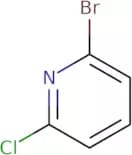
CAS:<p>2-Bromo-6-chloropyridine is a synthetic, nucleophilic bidentate ligand that is used in the synthesis of vismodegib. It inhibits the growth of cancer cells by inhibiting a pathway that regulates cell division and differentiation. 2-Bromo-6-chloropyridine can be used as a cross-coupling agent for the synthesis of other chemicals. This chemical has pharmacokinetic properties and pharmacokinetic properties and can inhibit chloride channels, which may have an inhibitory effect on cancer cells. 2-Bromo-6-chloropyridine is also an effective inhibitor of nucleophilic substitutions, which are involved in many biological processes, such as DNA replication and protein synthesis.</p>Formula:C5H3BrClNPurity:Min. 95%Molecular weight:192.44 g/mol3-Bromo-2,4-dimethylthiophene
CAS:3-Bromo-2,4-dimethylthiophene is a reactive chemical that can reversibly change its color in the presence of uv light. The isomers of 3-bromo-2,4-dimethylthiophene are easily separated by uv irradiation and are characterized by their different spectral properties. This compound fluoresces with a maximum at 370 nm under a uv light source and has an absorption maximum at 360 nm. The photochromic properties of 3-bromo-2,4-dimethylthiophene are related to changes in the crystalline phase and light source. 3-Bromo-2,4-dimethylthiophene is used as a photochromic agent for uv radiation protection in glasses and contact lenses.Formula:C6H7BrSPurity:Min. 95%Molecular weight:191.09 g/molBenzyl bromoacetate
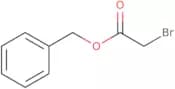
CAS:<p>Benzyl bromoacetate is a bicyclic heterocycle that is metabolized by the enzyme benzyl alcohol dehydrogenase. The resulting metabolites are then converted to methyl benzoate and benzyl alcohol. It has been shown to inhibit prostate cancer cells and basic fibroblasts, which may be due to its ability to inhibit enzymes involved in fatty acid synthesis. Benzyl bromoacetate also has therapeutic effects on autoimmune diseases such as bowel disease, which may be due to its ability to reduce inflammation and suppress the immune system.</p>Formula:C9H9BrO2Purity:Min. 95%Color and Shape:Clear Colourless To Light (Or Pale) Yellow LiquidMolecular weight:229.07 g/molDichloroacetyl chloride
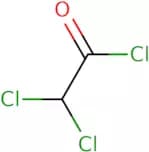
CAS:Dichloroacetyl chloride is a reactive chlorine compound that is used in the synthesis of pharmaceuticals, dyes, and pesticides. It reacts with hydrochloric acid to produce hydrochloric acid and dichloroacetic acid. Dichloroacetyl chloride can react with zirconium oxide to produce chlorides and zirconates. This reaction can be conducted at room temperature. The reaction mechanism for this reaction is not well understood; however, it has been shown that the hydroxyl group on the dichloroacetyl chloride molecule plays a significant role in this process. The phase transition temperature of dichloroacetyl chloride is -60°C. This compound has physiological activities such as reducing inflammation and fighting autoimmune diseases.Formula:C2HCl3OPurity:Min. 95%Molecular weight:147.39 g/molQuaternary ammonium compounds, bis(hydroxyethyl) methyltallow alkyl, chlorides, salts with bentonite
CAS:<p>Please enquire for more information about Quaternary ammonium compounds, bis(hydroxyethyl) methyltallow alkyl, chlorides, salts with bentonite including the price, delivery time and more detailed product information at the technical inquiry form on this page</p>Purity:Min. 95%Rac 1,2-bis-palmitoyl-3-chloropropanediol
CAS:<p>Rac-1,2-bis-palmitoyl-3-chloropropanediol is a dispersive molecule that is composed of a fatty acid and a chlorinated derivative of palmitic acid. It is used to calibrate the mass spectrometer and as an internal standard in quantitative analysis. Rac-1,2-bis-palmitoyl-3-chloropropanediol reacts with electrospray ionization with a dose-dependent response. It has been shown to be toxic to kidney cells at high doses but not at low doses. This chemical has been detected in food samples after being absorbed from the gastrointestinal tract. Rac 1,2-bis-palmitoyl 3 chloropropanediol can be found in the dipalmitate form or as formic acid.</p>Formula:C35H67ClO4Purity:95%NmrColor and Shape:PowderMolecular weight:587.36 g/mol3-Amino-6-fluoro-2-methylquinazolin-4(3H)-one
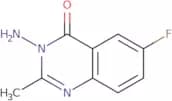
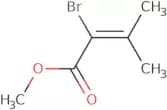
CAS:Controlled ProductPlease enquire for more information about 3-Amino-6-fluoro-2-methylquinazolin-4(3H)-one including the price, delivery time and more detailed product information at the technical inquiry form on this pageFormula:C9H8FN3OPurity:Min. 95%Molecular weight:193.18 g/mol2-Bromo-3-methylbutenoic acid methyl ester
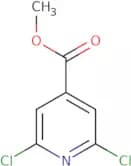
CAS:<p>Please enquire for more information about 2-Bromo-3-methylbutenoic acid methyl ester including the price, delivery time and more detailed product information at the technical inquiry form on this page</p>Formula:C6H9BrO2Purity:Min. 95%Molecular weight:193.04 g/molMethyl 2,6-dichloroisonicotinate
CAS:Methyl 2,6-dichloroisonicotinate is an electron-deficient compound that can be used as a cross-coupling agent in organic synthesis. It is used as a labeling agent for metal ions and has been shown to have antibacterial activity. The antibacterial activity of methyl 2,6-dichloroisonicotinate may be due to its ability to inhibit bacterial DNA gyrase. This compound also exhibits synergistic effects with other substances such as pyridine ring and coordination geometry.Formula:C7H5Cl2NO2Purity:Min. 95%Molecular weight:206.03 g/mol3,4-Diaminobenzotrifluoride
CAS:3,4-Diaminobenzotrifluoride is a photophysical agent that emits light of a specific wavelength when irradiated with ultraviolet light. It has been shown to inhibit the growth of human cervical carcinoma cells in vitro and to cause apoptosis in these cells. 3,4-Diaminobenzotrifluoride also inhibits the proliferation of human liver and lung cancer cells in vitro. The mechanism by which this agent causes cell death is unknown. 3,4-Diaminobenzotrifluoride is an acid catalyst and stabilizes the chloride ion. This agent may inhibit DNA synthesis or affect proteins that are involved in signal transduction pathways for cell proliferation.Formula:C7H7F3N2Purity:Min. 95%Color and Shape:PowderMolecular weight:176.14 g/mol4-Amino-3-bromo-1-(tert-butyl)-1H-pyrazolo[3,4-d]pyrimidine
CAS:<p>4-Amino-3-bromo-1-(tert-butyl)-1H-pyrazolo[3,4-d]pyrimidine is a drug that inhibits the growth of tumour cells by binding to and inhibiting kinases. It has been shown to have a significant inhibitory effect on lung cancer cells and pyridazine derivatives in vitro. 4-Amino-3-bromo-1-(tert-butyl)-1H-pyrazolo[3,4-d]pyrimidine has been shown to be effective against lung cancer cells in vivo. This drug may be useful for the treatment of cancer.</p>Formula:C9H12BrN5Purity:Min. 95%Molecular weight:270.13 g/mol3-Chloro-5-(3-chloropropyl)-10,11-dihydro-5H-dibenz[b,f]azepine
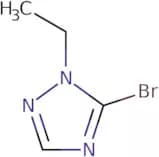
CAS:<p>Please enquire for more information about 3-Chloro-5-(3-chloropropyl)-10,11-dihydro-5H-dibenz[b,f]azepine including the price, delivery time and more detailed product information at the technical inquiry form on this page</p>Formula:C17H17Cl2NPurity:90%MinMolecular weight:306.23 g/mol5-Bromo-1-ethyl-1H-1,2,4-triazole
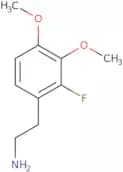
CAS:<p>Please enquire for more information about 5-Bromo-1-ethyl-1H-1,2,4-triazole including the price, delivery time and more detailed product information at the technical inquiry form on this page</p>Formula:C4H6BrN3Purity:Min. 95%Molecular weight:176.01 g/mol2-(2-Fluoro-3,4-dimethoxyphenyl)ethanamine
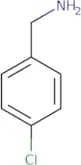
CAS:Controlled Product<p>Please enquire for more information about 2-(2-Fluoro-3,4-dimethoxyphenyl)ethanamine including the price, delivery time and more detailed product information at the technical inquiry form on this page</p>Formula:C10H14FNO2Purity:Min. 95%Molecular weight:199.22 g/mol4-Chlorobenzylamine
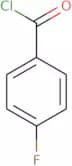
CAS:4-Chlorobenzylamine is a chemical that is used as an intermediate in the synthesis of other compounds. It has low bioavailability, which may be due to its reactive site. The chemical can be characterized using nmr spectra and potent inhibitory activity. 4-Chlorobenzylamine has been found to react with nitrogen atoms, and this reaction is highly acidic. FT-IR spectroscopy can also be used to characterize this compound. Intermolecular hydrogen bonding and hydroxyl group are two of the major interactions of 4-chlorobenzylamine with other molecules. This chemical reacts with serine protease, glyoxal, and other substances in a manner that depends on the molecule's structure.Formula:C7H8ClNPurity:Min. 95%Molecular weight:141.6 g/mol4-Fluorobenzoyl chloride
CAS:<p>4-Fluorobenzoyl chloride is a chemical compound with the molecular formula of C6H4ClF. It is a colorless, volatile liquid that is soluble in water and most organic solvents. 4-Fluorobenzoyl chloride has been shown to have antimicrobial properties against bacteria such as methicillin resistant Staphylococcus aureus (MRSA). It also has antiinflammatory properties and can be used as an analgesic. The phase transition temperature of 4-fluorobenzoyl chloride is -72 degrees Celsius. The analytical method for this compound involves gas chromatography with mass spectrometry detection (GCMS). The receptor binding affinity of 4-fluorobenzoyl chloride is not known.</p>Formula:C7H4ClFOPurity:Min. 95%Color and Shape:Clear LiquidMolecular weight:158.56 g/molO-tert-Butyl-D-serine methyl ester hydrochloride
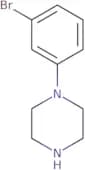
CAS:Please enquire for more information about O-tert-Butyl-D-serine methyl ester hydrochloride including the price, delivery time and more detailed product information at the technical inquiry form on this pageFormula:C8H17NO3·HClPurity:Min. 95%Molecular weight:211.69 g/mol1-(3-Bromophenyl)-piperazine
CAS:Controlled Product1-(3-Bromophenyl)-piperazine is a furan compound with a piperazine base. It is used as an anti-cancer drug in the treatment of cancer and impurities are removed from this compound using chromatography. This compound has been shown to be homocoupled, which means that it can be used to synthesize other compounds. 1-(3-Bromophenyl)-piperazine is approved by the FDA and European Medicines Agency for the treatment of cancer, and has been shown to have immunological properties.Formula:C10H13BrNPurity:Min. 95%Molecular weight:227.12 g/mol1-Cyclopropyl-7-(2,8-diazabicyclo[4.3.0]non-8-yl)-6-fluoro-8-methoxy-4-oxoquinoline-3-carboxylic acid
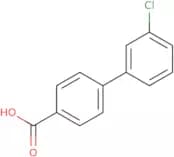
CAS:This is a broad-spectrum antibacterial agent that inhibits bacterial DNA gyrase. It is active against atypical bacterial species, such as Chlamydia and Mycoplasma, and has been shown to be effective against certain strains of the methicillin-resistant Staphylococcus aureus (MRSA) bacteria. This drug also inhibits the growth of other bacteria by binding to their DNA. The drug is used in combination with other antibiotics to treat infections caused by Clostridium difficile, Helicobacter pylori, Borrelia burgdorferi, and Salmonella enterica. However, this drug does not work against Pseudomonas aeruginosa or Enterobacteriaceae infections.Formula:C21H24FN3O4Purity:Min. 95%Color and Shape:PowderMolecular weight:401.43 g/mol3'-Chloro-biphenyl-4-carboxylic acid
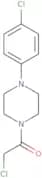
CAS:Please enquire for more information about 3'-Chloro-biphenyl-4-carboxylic acid including the price, delivery time and more detailed product information at the technical inquiry form on this pagePurity:Min. 95%1-(Chloroacetyl)-4-(4-chlorophenyl)piperazine
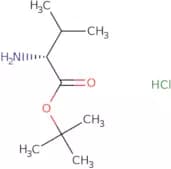
CAS:Controlled ProductPlease enquire for more information about 1-(Chloroacetyl)-4-(4-chlorophenyl)piperazine including the price, delivery time and more detailed product information at the technical inquiry form on this pageFormula:C12H14Cl2N2OPurity:Min. 95%Molecular weight:273.16 g/molD-Valine tert-butyl ester hydrochloride
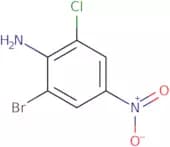
CAS:<p>Valine is one of the 20 amino acids commonly found in proteins. Valine is a modified form of the amino acid l-valine that has been shown to have anti-inflammatory properties and may be used as a medicine. Valine tert-butyl ester hydrochloride (VTBE) is an alkyl ester that has been shown to inhibit the activity of metalloproteinases, which are enzymes that break down proteins in the body. It has also been shown to have medicinal uses in the diagnosis of diseases such as Parkinson's disease and Alzheimer's disease. VTBE may be activated by tripartite motifs and lead to structural studies on exotoxins.</p>Formula:C9H19NO2•HClPurity:Min. 95%Color and Shape:White PowderMolecular weight:209.71 g/mol2-Chloro-4-nitro-6-bromoaniline
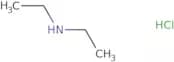
CAS:2-Chloro-4-nitro-6-bromoaniline is a dispersive, linear range, ammonolysis and chloride free oxidant for wastewater treatment. This compound is effective at removing organic pollutants from wastewater and has been shown to be both environmentally safe and cost effective. 2-Chloro-4-nitro-6-bromoaniline is also used as a polymerization initiator in the production of polyester resins. It can be manufactured by recycling anilines by reacting them with bromine in the presence of an acid catalyst. 2CNBBA is used as a hydrogen bond acceptor in microextraction of chlorinated compounds from water samples.Formula:C6H4BrClN2O2Purity:Min. 95%Molecular weight:251.46 g/molDiethylamine hydrochloride
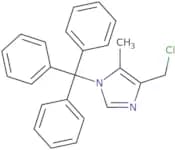
CAS:Controlled Product<p>Diethylamine hydrochloride is a chemical compound that is used as an intermediate in the manufacture of other chemicals. It can be used to treat metabolic disorders such as diabetes, hypothyroidism, and osteoporosis. Diethylamine hydrochloride has been shown to inhibit group P2 phosphodiesterases (PDEs) and prevent their degradation by the enzyme dipeptidyl peptidase-IV (DPP-IV). This inhibition leads to increased levels of cyclic AMP in cells, which contributes to its anti-inflammatory activity. The structural analysis of diethylamine hydrochloride has been performed using x-ray diffraction data and x-ray crystal structures.</p>Formula:C4H12ClNPurity:Min. 95%Molecular weight:109.6 g/mol4-(Chloromethyl)-5-methyl-1-(triphenylmethyl)-1H-imidazole
CAS:Controlled Product<p>Please enquire for more information about 4-(Chloromethyl)-5-methyl-1-(triphenylmethyl)-1H-imidazole including the price, delivery time and more detailed product information at the technical inquiry form on this page</p>Formula:C24H21ClN2Purity:Min. 95%Molecular weight:372.89 g/mol3,5-Dinitrobenzylchloride
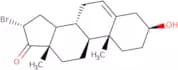
CAS:3,5-Dinitrobenzylchloride is a chemical compound that belongs to the family of phenylchloroformates. It is an aminoacylated derivative of subtilisin and was synthesized by reacting 3,5-dinitrobenzyl chloride with glutamate in methanol. The reaction yielded a mixture of two products: one with an aminoacyl group at the C-terminal end and the other without. The latter product contains a carbonyl group at the C-terminal end instead. 3,5-Dinitrobenzylchloride has been used as a reagent for detection of proteins with high sensitivity by gel electrophoresis. It also has thermal expansion properties that are greater than those of chromatography columns, which makes it useful in supramolecular chemistry or spectrometric analysis where these properties may be advantageous. 3,5-Dinitrobenzylchloride is not effective against methyl ketonesFormula:C7H5ClN2O4Purity:Min. 95%Molecular weight:216.58 g/mol16a-Bromodehydro epiandrosterone
CAS:Controlled ProductPlease enquire for more information about 16a-Bromodehydro epiandrosterone including the price, delivery time and more detailed product information at the technical inquiry form on this pageFormula:C19H27BrO2Purity:Min. 95%Molecular weight:367.32 g/mol(D-His1)-Exenatide trifluoroacetate salt
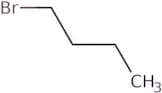
CAS:<p>Please enquire for more information about (D-His1)-Exenatide trifluoroacetate salt including the price, delivery time and more detailed product information at the technical inquiry form on this page</p>Formula:C184H282N50O60SPurity:Min. 95%Molecular weight:4,186.57 g/moln-Butyl bromide
CAS:<p>n-Butyl bromide (n-BuBr) is a chemical that has been used in the laboratory for analytical purposes. It is also used as a solvent for sodium salts, nitrogen atoms, and other chemicals. n-Butyl bromide has been shown to cause bowel disease with hyoscine, glycol ethers, and antibodies. This effect may be due to the intramolecular hydrogen transfer reaction between the carboxylic acid group of butyl bromide and carboxylate groups in proteins. The clinical relevance of this interaction is not yet known. n-Butyl bromide also has inflammatory effects on the bowel that have been seen in animal models of inflammatory bowel disease.</p>Formula:C4H9BrPurity:Min. 95%Color and Shape:Clear Colourless To Pale Yellow LiquidMolecular weight:137.02 g/molDiethylaminosulfur trifluoride
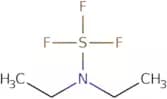
CAS:<p>Diethylaminosulfur trifluoride (DAST) is a reactive chemical that can be used as a methylating agent. It reacts with the hydroxyl group of carotenoids, including β-carotene, to produce x-ray crystal structures with the alcohol methanol solvent. DAST also reacts with 6alkyl and methyl glycosides, such as sucrose, producing a hydroxy derivative. DAST has been shown to have carcinogenic properties in tumor cell lines and is able to induce apoptosis in these cells by damaging their DNA. The use of DAST for cancer treatment can be done through laser ablation or injection into tumors.</p>Formula:C4H10F3NSPurity:(1H-Nmr) Min. 95%Color and Shape:Clear LiquidMolecular weight:161.19 g/molNonafluorohexyltrichlorosilane
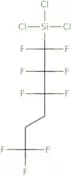
CAS:<p>Nonafluorohexyltrichlorosilane is a silicon-based surfactant that can be used as a surface treatment agent. It is hydrophilic and has excellent wetting properties. Nonafluorohexyltrichlorosilane is also an effective coagulant, which makes it useful for the treatment of wastewater containing suspended solids. This agent can be used to coat surfaces with silicon to make them more hydrophobic, making it useful in the production of photoreceptors, emulsions, and immobilized cell culture. The chemical structure of Nonafluorohexyltrichlorosilane allows it to be easily synthesized by the reaction between chlorosilanes and alcohols.</p>Formula:C6H4Cl3F9SiPurity:Min. 95%Color and Shape:Clear LiquidMolecular weight:381.53 g/mol1-(4-Trifluoromethylbenzyl)piperazine
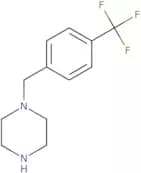
CAS:Controlled Product<p>Piperazine is a nitrogenous organic compound with a six-membered ring. It has been shown to be an inhibitor of some viruses, including influenza virus, herpes virus, and human immunodeficiency virus type 1 (HIV-1). Piperazine has been shown to inhibit the replication of both RNA and DNA viruses in vitro. This drug also inhibits the replication of hepatitis B virus in vitro and has been shown to have an inhibitory effect on the replication of HIV-1 in vitro. Piperazine is not active against RNA or DNA viruses that use only reverse transcriptase for viral replication. The chemical structure of piperazine is similar to that of amines, which are known to have antiviral properties. Piperazine can be synthesized from benzaldehyde and ammonia by reaction with hydrochloric acid and sodium nitrate.</p>Formula:C12H15F3N2Purity:Min. 95%Molecular weight:244.26 g/mol3-Amino-2,3-dihydro-1λ6-thiophene-1,1-dione hydrochloride
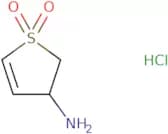
CAS:<p>Please enquire for more information about 3-Amino-2,3-dihydro-1λ6-thiophene-1,1-dione hydrochloride including the price, delivery time and more detailed product information at the technical inquiry form on this page</p>Formula:C4H7NO2S•HClPurity:Min. 95%Molecular weight:169.63 g/mol2-Iminopiperidine hydrochloride
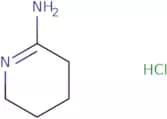
CAS:2-Iminopiperidine hydrochloride is an acetylcholine receptor agonist. It is used as a biochemical tool to study the function of acetylcholine receptors, which are important for the transmission of nerve impulses from the brain and spinal cord to other parts of the body. 2-Iminopiperidine hydrochloride has been shown to be effective in treating Alzheimer's disease, and may be a factor receptor for this disease. The compound has also been shown to have efficient methods of introducing into cells, such as hydrochloric acid and dimethyl formamide. 2-Iminopiperidine hydrochloride binds with phosphoinositides, which are important in intracellular signal transduction pathways. This compound is expressed at M1 receptors in various tissues, including the heart and gastrointestinal tract.Formula:C5H11ClN2Purity:Min. 95%Molecular weight:134.61 g/molD-(+)-2-ChlorophenylglycIne
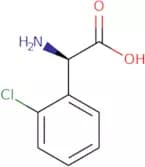
CAS:<p>D-(+)-2-Chlorophenylglycine is a synthetic, chiral aldehyde that serves as an industrial solvent. It is used to produce other organic compounds and has been shown to cause environmental pollution. D-(+)-2-Chlorophenylglycine is also used in the synthesis of thiourea and organocatalysts. This compound is synthesized from quinidine and enantiomeric (D or L) thionyl chloride, which are both manufactured on an industrial scale. The stereoselective process for D-(+)-2-chlorophenylglycine involves the use of a chiral catalyst.</p>Purity:Min. 95%1-Bromo-3-(Pentafluorosulfanyl)Benzene
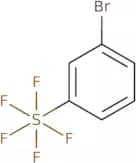
CAS:1-Bromo-3-(pentafluorosulfanyl)benzene is a molecule that can be used in the synthesis of biologically active compounds. It has been shown to have anti-inflammatory properties, which may be due to its ability to modulate the activity of 5-hydroxytryptamine (5-HT). The functionalities of 1-bromo-3-(pentafluorosulfanyl)benzene include cross-coupling (i.e., chemical reactions that join two or more substances together), protonation, and ligand binding. This molecule has been synthesized from 2,4,6-trifluorobenzonitrile and bromine. The isomers for this molecule are cis and trans, with the cis isomer being more active than the trans isomer. Techniques such as molecular modeling have also been used to study 1-bromo-3-(pentafluorosulfanyl)benFormula:C6H4BrF5SPurity:Min. 95%Molecular weight:283.06 g/mol1-[(2-Chlorophenyl)-N-(methylimino)methyl]cyclopentanol hydrochloride
CAS:Controlled Product<p>Please enquire for more information about 1-[(2-Chlorophenyl)-N-(methylimino)methyl]cyclopentanol hydrochloride including the price, delivery time and more detailed product information at the technical inquiry form on this page</p>Formula:C13H16ClNO•HClPurity:Min. 95%Molecular weight:274.19 g/mol2-Aminomethyl-4-(4-fluorobenzyl)morpholine
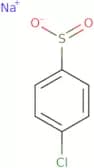
CAS:2-Aminomethyl-4-(4-fluorobenzyl)morpholine (2AMFM) is a prokinetic agent that has been shown to be effective as a treatment for gastrointestinal motility disorders. This drug binds to the 5HT4 receptors, which are found on the enteric nervous system and in the gut. 2AMFM has been shown to increase the frequency of contractions in rat ileum and small intestine preparations. It also increases gastric emptying time and decreases postprandial acidity in dogs. 2AMFM is an enantiomeric mixture of two chiral molecules that are mirror images of each other. The racemic mixture is synthesized by reacting 2-aminomethyl-4-(4-fluorobenzyl)morpholine with chloroacetic acid ethyl ester.Formula:C12H17FN2OPurity:Min. 95%Color and Shape:Clear LiquidMolecular weight:224.27 g/mol4-Chloro-benzene-sulfinic acid sodium salt
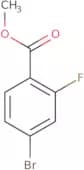
CAS:The 4-chloro-benzenesulfinic acid sodium salt is a type of sulfinic acid. It can be used to control experiments involving methides, halides, and human macrophages. Sodium salts of this compound have been shown to inhibit the growth of Candida glabrata and Galleria mellonella in vitro. The 4-chloro-benzenesulfinic acid sodium salt reacts with chloride ion to form a nucleophilic trifluoroacetate anion, which reacts with thiosulfonates to produce type strain. Trifluoroacetic acid is used as a solvent in the reaction.Formula:C6H4ClNaO2SPurity:Min. 95%Molecular weight:198.6 g/mol4-Bromo-2-fluorobenzoic acid methyl ester
CAS:4-Bromo-2-fluorobenzoic acid methyl ester is a synthetic chemical that is used as a drug substance in the synthesis of pharmaceuticals. It is also a reagent for organic synthesis, specifically cross coupling reactions. 4-Bromo-2-fluorobenzoic acid methyl ester can be used to introduce an alkyl group into a molecule, which can then be used in other synthetic reactions. This chemical has been shown to inhibit prolyl hydroxylase (PHD), which is an enzyme that catalyzes the conversion of proline to hydroxyproline. 4-Bromo-2-fluorobenzoic acid methyl ester also inhibits the Bcl-2 family proteins, including bcl2, bclxl and bax, which are known to play a role in apoptosis. 4-Bromo-2-fluorobenzoic acid methyl esterFormula:C8H6BrFO2Purity:Min. 95%Molecular weight:233.03 g/molEthyl 7-bromoheptanoate
CAS:Ethyl 7-bromoheptanoate is a hydroxamic acid that has potent cytotoxicity against cancer cells. This compound has been shown to inhibit the growth of cancer cells and induce apoptosis in vitro. Ethyl 7-bromoheptanoate also inhibits the production of the epidermal growth factor, which may explain its anti-cancer properties. It also has antioxidant properties due to its ability to scavenge free radicals and inhibit lipid peroxidation. The pharmacokinetic properties of this compound are unknown, but it is known to have a biphenyl moiety, which is commonly used as an inhibitor in chemical biology studies.Formula:C9H17BrO2Purity:Min. 95%Molecular weight:237.13 g/molPoly(2-hydroxypropyldimethylammonium chloride)
CAS:Controlled ProductPoly(2-Hydroxypropyl Dimethylammonium Chloride) is a polymer that has been shown to inhibit the growth of bacteria by forming stable complexes with chloride ions. Its application include water treatment.Formula:(C5H12ClNO)nPurity:Min. 95%Color and Shape:Clear Liquid

![4,7-Diazaspiro[2.5]octane dihydrochloride](/_next/image/?url=https%3A%2Fstatic.cymitquimica.com%2Fproducts%2F3D%2Fthumb-webp%2FFD141902.webp&w=3840&q=75)
![3-[(Dimethylamino)methyl]benzoic acid hydrochloride](/_next/image/?url=https%3A%2Fstatic.cymitquimica.com%2Fproducts%2F3D%2Fthumb-webp%2FFD124093.webp&w=3840&q=75)
![7-Bromobenzo[d]oxazole](/_next/image/?url=https%3A%2Fstatic.cymitquimica.com%2Fproducts%2F3D%2Fthumb-webp%2FFB144368.webp&w=3840&q=75)




![4-Amino-3-bromo-1-(tert-butyl)-1H-pyrazolo[3,4-d]pyrimidine](/_next/image/?url=https%3A%2Fstatic.cymitquimica.com%2Fproducts%2F3D%2Fthumb-webp%2FFA168683.webp&w=3840&q=75)
![3-Chloro-5-(3-chloropropyl)-10,11-dihydro-5H-dibenz[b,f]azepine](/_next/image/?url=https%3A%2Fstatic.cymitquimica.com%2Fproducts%2F3D%2Fthumb-webp%2FFC20114.webp&w=3840&q=75)

![1-Cyclopropyl-7-(2,8-diazabicyclo[4.3.0]non-8-yl)-6-fluoro-8-methoxy-4-oxoquinoline-3-carboxylic a…](/_next/image/?url=https%3A%2Fstatic.cymitquimica.com%2Fproducts%2F3D%2Fthumb-webp%2FFC102529.webp&w=3840&q=75)

![1-[(2-Chlorophenyl)-N-(methylimino)methyl]cyclopentanol hydrochloride](/_next/image/?url=https%3A%2Fstatic.cymitquimica.com%2Fproducts%2F3D%2Fthumb-webp%2FFC146990.webp&w=3840&q=75)