Organic Halides
In this category, you can find organic molecules containing one or more halogen atoms in their structure. These organic halides include brominated, iodinated, chlorinated, and cyclic halide compounds. Organic halides are widely used in organic synthesis, pharmaceuticals, agrochemicals, and materials science due to their reactivity and ability to undergo a variety of chemical transformations. At CymitQuimica, we offer a comprehensive selection of high-quality organic halides to support your research and industrial applications, ensuring reliable and effective performance in your synthetic and analytical projects.
Subcategories of "Organic Halides"
Found 20440 products of "Organic Halides"
Sort by
Purity (%)
0
100
|
0
|
50
|
90
|
95
|
100
Methyl 3-bromoindole-6-carboxylate
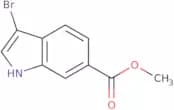
CAS:Please enquire for more information about Methyl 3-bromoindole-6-carboxylate including the price, delivery time and more detailed product information at the technical inquiry form on this pageFormula:C10H8BrNO2Purity:Min. 95%Molecular weight:254.08 g/mol2,6-Difluorobenzyl chloride
CAS:<p>2,6-Difluorobenzyl chloride is a dihedral molecule that can be synthesized from an amide and a chlorinating agent. It is used in the chromatographic method to separate β-unsaturated ketones from their corresponding acid chloride. The 2,6-difluorobenzyl chloride was prepared by condensation of the corresponding acid chloride with phenol in an organic solvent. The validation of this reaction system was done using a chromatographic method on β-unsaturated ketones and chloride gas. The hydrogen chloride gas was bubbled through an ice water bath, generating chlorine gas which was then passed over the sample. The resulting 2,6-difluorobenzyl chloride was identified by its functional groups</p>Formula:C7H5ClF2Purity:Min. 95%Color and Shape:Clear To Light (Or Pale) Yellow SolidMolecular weight:162.5 g/molTrichloro(1H,1H,2H,2H-heptadecafluorodecyl)silane
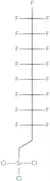
CAS:Controlled Product<p>Trichloro(1H,1H,2H,2H-heptadecafluorodecyl)silane is a chemical substance that belongs to the group of synthetic substances. It has been shown to have antiviral properties in clinical studies. Trichloro(1H,1H,2H,2H-heptadecafluorodecyl)silane is used to synthesize thymidylate by a two-step process. The first step involves the hydrolysis of sodium hydroxide solution in the presence of hydroxide solution and chemical substances. The second step involves the reaction of synthase enzyme with waveform and water vapor to produce monolayer. This product also has antiviral activity against human pathogens such as HIV and herpes simplex virus type 1 (HSV-1).</p>Formula:C10H4Cl3F17SiPurity:Min. 95%Color and Shape:Clear LiquidMolecular weight:581.56 g/mol2,2-Dimethyl-6,6,7,7,8,8,8-heptafluoro-3,5-octanedione
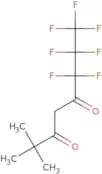
CAS:2,2-Dimethyl-6,6,7,7,8,8,8-heptafluoro-3,5-octanedione is a bidentate ligand for metal ions. It has been shown to be effective in the synthesis of nanocrystals and the activation energy for the reaction has been determined to be 70.4 kJ/mol. 2DMMHFO can be used as a precursor for the growth of silicon films by chemical vapor deposition and other techniques. The molecule has also been shown to bind with metal ions such as Cu(II) and Fe(III), which may be due to its ability to chelate these metals. 2DMMHFO has been used as an efficient catalyst in asymmetric epoxidation reactions with high enantioselectivity.Formula:C10H11F7O2Purity:Min. 95%Molecular weight:296.18 g/molDL-threo-methylphenidate hydrochloride
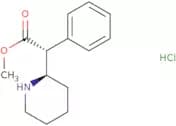
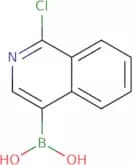
CAS:Controlled ProductD-threo-methylphenidate hydrochloride (DL-threo-MPH) is an inorganic acid that has been shown to be effective in the treatment of symptoms associated with attention deficit hyperactivity disorder (ADHD) and narcolepsy. It has long-term efficacy, which means it can be taken for a long time without causing adverse effects. DL-threo-MPH is also used to treat alopecia areata, which is an autoimmune disease that causes hair loss. This drug works by increasing dopamine levels in the brain and blocking the reuptake of dopamine. DL-threo-MPH has been tested on mice and found to have pharmacokinetic properties that are similar to those of dextromethorphan, but is more potent and selective.Formula:C14H20ClNO2Purity:Min. 95%Molecular weight:269.77 g/mol(1-Chloroisoquinolin-4-yl)boronic acid
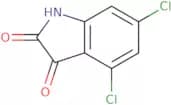
CAS:<p>Please enquire for more information about (1-Chloroisoquinolin-4-yl)boronic acid including the price, delivery time and more detailed product information at the technical inquiry form on this page</p>Formula:C9H7BClNO2Purity:Min. 95%Molecular weight:207.42 g/mol4,6-Dichloroisatin
CAS:<p>4,6-Dichloroisatin is a pro-apoptotic compound that is synthesized from amino acids. It has been shown to have anticancer activity in human liver cancer cells, which may be due to its ability to induce apoptosis. 4,6-Dichloroisatin has also been shown to inhibit the production of electron transport chain proteins in the mitochondria by binding to their regulatory sites and inhibiting their phosphorylation. This inhibition of electron transport chain proteins leads to an accumulation of electrons that can react with molecular oxygen and produce reactive oxygen species (ROS). ROS are known for their ability to cause DNA damage and cell death through oxidative stress.</p>Formula:C8H3Cl2NO2Purity:Min. 95%Molecular weight:216.02 g/molMethyl 1-aminocyclohexanecarboxylate hydrochloride
CAS:Please enquire for more information about Methyl 1-aminocyclohexanecarboxylate hydrochloride including the price, delivery time and more detailed product information at the technical inquiry form on this pageFormula:C8H15NO2Purity:Min. 95%Molecular weight:157.21 g/molManganese dichloride
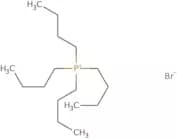
CAS:Manganese dichloride is a chemical compound that is used as an oxidation catalyst. It has been shown to have the ability to remove nitrogen from wastewater and to be used for the treatment of sodium carbonate in water. Manganese dichloride can also be used as a catalyst for the removal of volatile organic compounds from air or water. Manganese dichloride is also used in x-ray diffraction data, where it was found that this compound has a high crystallinity with α subunit and nitrogen atoms. This substance is not toxic to brain functions and does not react with water, which makes it suitable for use in wastewater treatment plants. Manganese dichloride has also been shown to have an anti-cancer effect on brain tumours and can inhibit epidermal growth factor (EGF).Formula:MnCl2Purity:Min. 95%Color and Shape:PowderMolecular weight:125.84 g/molTetra-n-butylphosphonium bromide
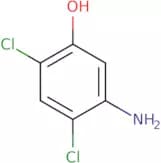
CAS:Tetra-n-butylphosphonium bromide is an ionic glycol ester with a tetra-n-butyl group. It reacts with trifluoroacetic acid to produce the corresponding acid complex of phosphonic acid, which is soluble in water. The reaction mechanism is as follows: RCOOH + P(OR)3 → RCOO− + OP(OR)2 + H+ The activity index for this compound has been found to be high. This means that the molecule is more likely to react than others. Tetra-n-butylphosphonium bromide has also been shown to have biological properties such as being able to inhibit the growth of bacteria and fungi.Formula:C16H36BrPPurity:Min. 95%Color and Shape:PowderMolecular weight:339.33 g/mol5-Amino-2,4-dichlorophenol
CAS:<p>Please enquire for more information about 5-Amino-2,4-dichlorophenol including the price, delivery time and more detailed product information at the technical inquiry form on this page</p>Formula:C6H5Cl2NOPurity:Min. 95%Color and Shape:PowderMolecular weight:178.02 g/molgamma-Butyrobetaine hydrochloride
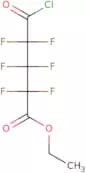
CAS:<p>Gamma-butyrobetaine hydrochloride (GBB) is a metabolite of gamma-butyrobetaine, which is found in the human body. GBB is synthesized from lysine and methionine through an enzymatic pathway that starts with the conversion of lysine to homocysteine. GBB is then converted to gamma-butyrobetaine by methylating the hydroxyl group on its terminal carbon. GBB can be found in urine samples as well as in carnitine and fatty acid metabolism. It has been shown to have an inhibitory effect on creatine kinase and can be used to diagnose metabolic disorders such as carnitine deficiency or prognosis following a heart attack.</p>Formula:C7H16ClNO2Purity:Min. 95%Color and Shape:PowderMolecular weight:181.66 g/molEthyl hexafluoroglutaryl chloride
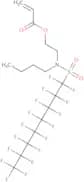
CAS:Ethyl hexafluOrOglutaryl chlOride is a tricyclic antidepressant drug that belongs to the class of drugs known as monoamine oxidase inhibitors. It can be used to treat depression and other mood disorders. Ethyl hexafluOrOglutaryl chlOride inhibits the enzyme monoamine oxidase, which is responsible for breaking down amines such as serotonin and norepinephrine in the brain. This leads to an increase in the levels of these neurotransmitters, which are important for mood regulation. The presence of this drug in urine samples can be detected using a spectrometric analytical method. It can also be detected in blood samples by chemical ionization with gas chromatography-mass spectrometry (GC-MS).Formula:C7H5ClF6O3Purity:95%NmrMolecular weight:286.55 g/mol2-(N-Butylperfluorooctanesulfonamido)ethyl acrylate
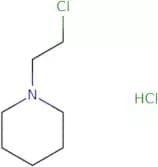
CAS:Controlled ProductPlease enquire for more information about 2-(N-Butylperfluorooctanesulfonamido)ethyl acrylate including the price, delivery time and more detailed product information at the technical inquiry form on this pageFormula:C17H16F17NO4SPurity:Min. 95%Color and Shape:Clear LiquidMolecular weight:653.35 g/mol1-(2-Chloroethyl)piperidine hydrochloride
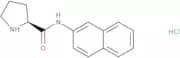
CAS:<p>1-(2-Chloroethyl)piperidine hydrochloride is a chemical compound that has photochemical properties. It is used as an amine and in the synthesis of other chemicals. The crystal structure of 1-(2-Chloroethyl)piperidine hydrochloride has been determined by X-ray crystallography. It also has antibacterial activity and inhibits the growth of bacteria by binding to single-stranded DNA, which prevents DNA replication. 1-(2-Chloroethyl)piperidine hydrochloride binds to DNA with tetradentate coordination, forming a stable complex which does not allow the DNA polymerase to bind to the single strand. 1-(2-Chloroethyl)piperidine hydrochloride can be detected using mass spectrometry and nuclear magnetic resonance spectra.</p>Formula:C7H14ClN•HClPurity:Min. 95%Molecular weight:184.11 g/molL-Proline-β-naphthylamide hydrochloride
CAS:L-proline analogueFormula:C15H16N2O·HClPurity:Min. 95%Molecular weight:276.76 g/mol7-(Difluoromethyl)-5-methyl[1,2,4]triazolo[1,5-a]pyrimidine-2-carboxylic acid
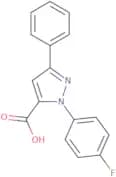
CAS:Please enquire for more information about 7-(Difluoromethyl)-5-methyl[1,2,4]triazolo[1,5-a]pyrimidine-2-carboxylic acid including the price, delivery time and more detailed product information at the technical inquiry form on this pageFormula:C8H6F2N4O2Purity:Min. 95%Molecular weight:228.16 g/mol1-(4-Fluorophenyl)-3-phenyl-1H-pyrazole-5-carboxylic acid
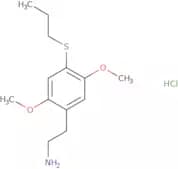
CAS:Controlled Product<p>Please enquire for more information about 1-(4-Fluorophenyl)-3-phenyl-1H-pyrazole-5-carboxylic acid including the price, delivery time and more detailed product information at the technical inquiry form on this page</p>Formula:C16H11FN2O2Purity:Min. 95%Color and Shape:PowderMolecular weight:282.27 g/mol2,5-Dimethoxy-4-(propylsulfanyl)phenethylamine hydrochloride
CAS:Controlled ProductPlease enquire for more information about 2,5-Dimethoxy-4-(propylsulfanyl)phenethylamine hydrochloride including the price, delivery time and more detailed product information at the technical inquiry form on this pageFormula:C13H22ClNO2SPurity:Min. 95%Molecular weight:291.84 g/molN-(6-Phenylhexyl)-5-chloro-1-naphthalenesulfonamide
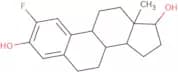
CAS:<p>N-(6-Phenylhexyl)-5-chloro-1-naphthalenesulfonamide is a dibutyryl camp analog that has been shown to inhibit the L-type calcium channel in a dose-dependent manner. It has an effect on both spermatozoa and glioma cells, with its most significant effect being inhibition of the intracellular calcium ion. This drug inhibits the growth rate of these cells, which may be due to its ability to activate adrenergic receptors and cause increased intracellular calcium ion levels. N-(6-Phenylhexyl)-5-chloro-1-naphthalenesulfonamide also slows the cycle of the cell, which may be due to a kinetic effect.</p>Formula:C22H24ClNO2SPurity:Min. 95%Molecular weight:401.95 g/mol2-Fluoroestradiol
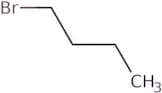
CAS:Controlled Product2-Fluoroestradiol is a synthetic form of 17β-estradiol that has been shown to inhibit the growth of tumor cells in an experimental model. 2-Fluoroestradiol binds to the estrogen receptor and inhibits the production of proteins needed for cell division, thus causing cancer. This drug has also been shown to inhibit lipoprotein lipase activity in rat liver microsomes, which may be due to its ability to induce chemical reactions. In addition, 2-fluoroestradiol inhibits lipid synthesis in fat cells and decreases lipogenesis in granulosa cells from ovaries. The inhibition of triglyceride synthesis by 2-fluoroestradiol is probably due to its ability to inhibit enzyme induction and increase the expression of mRNA for protein synthesis.Formula:C18H23FO2Purity:Min. 95%Molecular weight:290.37 g/moln-Butyl bromide
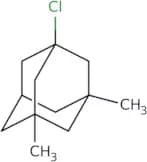
CAS:<p>n-Butyl bromide (n-BuBr) is a chemical that has been used in the laboratory for analytical purposes. It is also used as a solvent for sodium salts, nitrogen atoms, and other chemicals. n-Butyl bromide has been shown to cause bowel disease with hyoscine, glycol ethers, and antibodies. This effect may be due to the intramolecular hydrogen transfer reaction between the carboxylic acid group of butyl bromide and carboxylate groups in proteins. The clinical relevance of this interaction is not yet known. n-Butyl bromide also has inflammatory effects on the bowel that have been seen in animal models of inflammatory bowel disease.</p>Formula:C4H9BrPurity:Min. 95%Color and Shape:Clear Colourless To Pale Yellow LiquidMolecular weight:137.02 g/mol1-Chloro-3,5-dimethyl adamantane
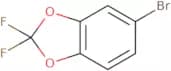
CAS:1-Chloro-3,5-dimethyl adamantane is a chemical compound that is used as a solvent in the synthesis of other compounds. It is created by hydrolyzing acetonitrile with hydrochloric acid and catalytic reduction with chlorine. This process can be done on an industrial scale, leading to the production of thousands of pounds per day. 1-Chloro-3,5-dimethyl adamantane itself is not toxic to humans or animals, but it has been shown to cause environmental pollution when mixed with salt during the reaction. The use of formamide as a solvent instead of acetonitrile can reduce this risk. !-- -->Formula:C12H19CIPurity:Min. 95%Molecular weight:302.19 g/mol5-Bromo-2,2-difluoro-1,3-benzodioxole
CAS:5-Bromo-2,2-difluoro-1,3-benzodioxole is an industrial chemical that can be used in the production of cuprous cyanide. It is made by reacting methanol with hydrogen fluoride and catalysts. The product yield is high and the reaction process is efficient. 5-Bromo-2,2-difluoro-1,3-benzodioxole can be used to produce 1-4c alkyl cyanides by esterification. The catalyst for this reaction is typically a fluoride salt or a metallic salt such as zinc chloride or ferric chloride. This chemical can also be used to produce cyanide from hydrogen cyanide or hydrocyanic acid. The large scale process flow for this chemical involves use of a catalyst, such as sodium hydroxide, potassium hydroxide, or calcium oxide.Formula:C7H3BrF2O2Purity:Min. 95%Molecular weight:237 g/molBenzo[k]fluoranthene
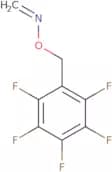
CAS:Controlled ProductBenzo[k]fluoranthene is a polycyclic aromatic hydrocarbon that is used as an optical sensor for transcriptional regulation. It has been shown to activate the transcription factor NF-κB, which induces expression of inflammatory genes in cells. Benzo[k]fluoranthene can be used to measure changes in gene expression and protein levels. The antibody response to benzo[k]fluoranthene was studied using a kinetic data analysis method. Benzo[k]fluoranthene has also been shown to induce genotoxic effects in liver cells and human hepatoma cell line HepG2. This compound also causes light emission when it is excited with light, which can be measured with synchronous fluorescence.Formula:C20H12Purity:Min. 95%Color and Shape:SolidMolecular weight:252.31 g/molO-(2,3,4,5,6-Pentafluorobenzyl)formaldoxime
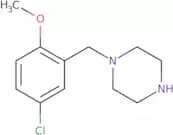
CAS:<p>Please enquire for more information about O-(2,3,4,5,6-Pentafluorobenzyl)formaldoxime including the price, delivery time and more detailed product information at the technical inquiry form on this page</p>Formula:C8H4F5NOPurity:Min. 95%Molecular weight:225.12 g/mol1-(5-Chloro-2-methoxybenzyl)piperazine
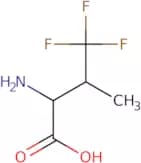
CAS:Controlled Product<p>Please enquire for more information about 1-(5-Chloro-2-methoxybenzyl)piperazine including the price, delivery time and more detailed product information at the technical inquiry form on this page</p>Formula:C12H17ClN2OPurity:Min. 95%Molecular weight:240.73 g/mol4,4,4-Trifluorovaline
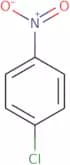
CAS:<p>4,4,4-Trifluorovaline is a chemical compound with a trifluoromethyl group that can be synthesized in an efficient method. It has been shown to have the ability to stabilize proteins and enzymes in recombinant systems. The enolate of 4,4,4-trifluorovaline reacts with amides to form allylations. The stereoselective synthesis of 4,4,4-trifluorovaline isomers produces two diastereoisomers that are separated by either chiral chromatography or crystallization. These methods allow for the introduction of 4,4,4-trifluorovaline into cellular systems without affecting the stability of the protein or enzyme.</p>Formula:C5H8F3NO2Purity:Min. 95%Molecular weight:171.12 g/mol4-Chloronitrobenzene
CAS:<p>4-Chloronitrobenzene is a type strain of the bacterium Nitrosomonas europaea. It has been shown to be toxic to cells in both aerobic and anaerobic culture. 4-Chloronitrobenzene inhibits the activity of hydrogenase enzymes, which are required for the reduction of molecular oxygen to water. The toxicity of 4-chloronitrobenzene is due to its ability to inhibit enzyme activity, leading to cell death. This bacterium also has the ability to use chlorinated hydrocarbons as a carbon source and cause chlorination of other biological molecules. In addition, it can reduce metal hydroxides and form metal complexes with palladium and platinum metals. 4-Chloronitrobenzene is found in soil samples that have high concentrations of chloride ions or neutral pH values. Its phase equilibrium diagram shows that this compound exists mainly in liquid form when it is at low temperature, but becomes more</p>Formula:C6H4ClNO2Purity:Min. 95%Color and Shape:SolidMolecular weight:157.55 g/mol3-Fluoro-4-(tributylstannyl)pyridine
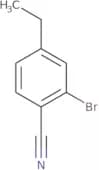
CAS:Controlled Product<p>3-Fluoro-4-(tributylstannyl)pyridine is a high affinity, selective, and membrane permeable ligand of the A2B adenosine receptor. It has been shown to be a potent antagonist of A2B receptors in vitro. This compound has also been shown to have a lower affinity for A1, A3, and A4 receptors. 3-Fluoro-4-(tributylstannyl)pyridine has been shown to have high brain uptake in vivo studies. 3-Fluoro-4-(tributylstannyl)pyridine binds to the x-ray structure of the adenosine receptor with high affinity and penetrability. The binding site is proposed to be located on the extracellular side of the receptor near the interface with the second transmembrane domain. In vivo studies have shown that 3-fluoro-4-(tributylstannyl)p</p>Formula:C17H30FNSnPurity:Min. 95%Molecular weight:386.14 g/mol2-Bromo-4-ethylbenzonitrile
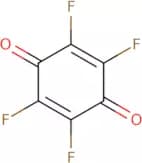
CAS:Please enquire for more information about 2-Bromo-4-ethylbenzonitrile including the price, delivery time and more detailed product information at the technical inquiry form on this pageFormula:C9H8BrNPurity:Min. 95%Molecular weight:210.07 g/molTetrafluoro-1,4-benzoquinone
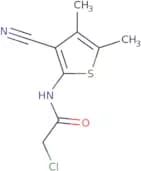
CAS:Tetrafluoro-1,4-benzoquinone is a second-order rate constant in the reaction of oxygen nucleophiles. It is a nonpolar solvent that can be used to oxidize hydrogen fluoride and trifluoromethanesulfonic acid. Tetrafluoro-1,4-benzoquinone is also an electron donor for fluorine atoms and has a redox potential of 1.72 V. Tetrafluoro-1,4-benzoquinone has been shown to have fluorescence properties and light emission in the ultraviolet range. It also reacts with hydroxyl groups to form tetrafluoroethylene oxide and carbonyl groups to form tetrafluoroethylene ketones. The binding constants for these reactions are 1.8 x 10 M -2 s and 6 x 10 M -2 s respectively. Tetrafluoro-1,4-benzoquinone has been shown to react with anilFormula:C6F4O2Purity:(19F-Nmr) Min. 95 Area-%Color and Shape:PowderMolecular weight:180.06 g/mol2-Chloro-N-(3-cyano-4,5-dimethylthien-2-yl)acetamide
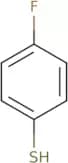
CAS:<p>Please enquire for more information about 2-Chloro-N-(3-cyano-4,5-dimethylthien-2-yl)acetamide including the price, delivery time and more detailed product information at the technical inquiry form on this page</p>Formula:C9H9ClN2OSPurity:Min. 95%Molecular weight:228.7 g/mol4-Fluorothiophenol
CAS:<p>4-Fluorothiophenol is a reactive chemical that can be used as a monomer for the synthesis of polymers. It has been shown to polymerize with acrylonitrile and methacrylate in the presence of an initiator to form polyacrylonitrile and polymethacrylate, respectively. 4-Fluorothiophenol reacts with unsaturated fatty acids to form thiolates, which are useful intermediates in organic synthesis. 4-Fluorothiophenol also reacts with sulfur transfer agents such as thiourea or mercaptoethanol, leading to S-sulfides that are useful intermediates in organic synthesis. These reactions can be followed by kinetic energy spectroscopy (photoelectron) and nuclear magnetic resonance spectroscopy (NMR). 4-Fluorothiophenol has been shown to undergo intramolecular hydrogen transfer reactions with second order rate constants ranging from</p>Formula:C6H5FSPurity:Min. 95%Molecular weight:128.17 g/molSulfamoyl chloride
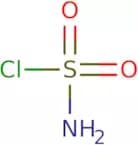
CAS:<p>Sulfamoyl chloride is a reactive chemical that can be used in the synthesis of sulfonamides. It is often used as an intermediate in the synthesis of antibiotics and sulfonamides. Sulfamoyl chloride is also a potent antimicrobial agent that has been shown to have antiviral and anticancer activities, as well as being an irreversible inhibitor of the enzyme DNA gyrase. Sulfamoyl chloride is a reversible inhibitor of the enzyme topoisomerase II and has been shown to have anti-inflammatory properties. This chemical binds to dna duplexes through covalent bonds, preventing replication and transcription, which leads to cell death by inhibiting protein synthesis.</p>Formula:ClH2NO2SPurity:Min. 95%Color and Shape:PowderMolecular weight:115.54 g/mol4,4''-Dibromo-p-terphenyl
CAS:<p>4,4''-Dibromo-p-terphenyl is a polycyclic aromatic hydrocarbon that has been synthesized as a nanomaterial. This material has been studied by XPS and microscopy as well as by kinetic experiments. The energetics of the reaction have been studied using photoelectron spectroscopy. 4,4''-Dibromo-p-terphenyl dehalogenates organometallic compounds at a rate that can be calculated using rate equations. The mechanistic study of the reaction was done through synthesizing 4,4''-Dibromo-p-terphenyl.</p>Purity:Min. 95%4-Chloro-4'-hydroxybenzophenone
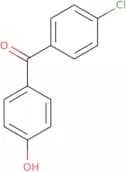
CAS:4-Chloro-4'-hydroxybenzophenone is a chemical intermediate that is used to produce p-hydroxybenzoic acid by acylation reaction with hydrochloric acid. The optimal reaction of 4-chloro-4'-hydroxybenzophenone with hydrochloric acid occurs at a temperature of 40 degrees Celsius and an excess of 2 equivalents of hydrochloric acid per equivalent of 4-chloro-4'-hydroxybenzophenone. This chemical intermediate has been shown to be an environmental pollutant, as it reacts in the atmosphere with ozone or other oxidizing agents to form hydrogen chloride and aluminium chloride. The transfer mechanism for this process is not yet well understood, but it may be due to demethylation followed by chlorination.Formula:C13H9ClO2Purity:Min. 95%Molecular weight:232.66 g/mol(R)-(+)-(2,2-Bis(Diphenylphosphino)-1,1-binaphthyl)palladium(II)chloride
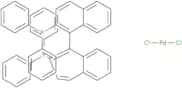
CAS:Controlled Product(R)-(+)-(2,2-Bis(Diphenylphosphino)-1,1-binaphthyl)palladium(II)chloride is a colorless solid that can be made into a crystalline form. It has a molecular weight of 518.8 g/mol and the chemical formula C12H14P4Cl2. The compound has four asymmetric carbon atoms and two stereocenters in the molecule. This compound is used as a catalyst for organic reactions and in the synthesis of other compounds. (R)-(+)-(2,2-Bis(Diphenylphosphino)-1,1-binaphthyl)palladium(II)chloride is soluble in ethanol and ether but insoluble in water. It reacts with oxygen to produce phosphorous acid and hydrogen chloride gas. This compound has been shown to have nuclear magnetic resonance spectra at room temperature with chemical shifts (Formula:C44H33Cl2P2PdPurity:Min. 95%Molecular weight:801.01 g/mol4-Bromo-2-chloro-1-ethenyl-benzene
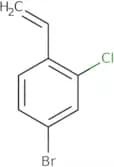
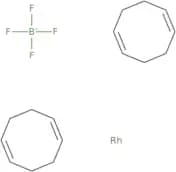
CAS:Please enquire for more information about 4-Bromo-2-chloro-1-ethenyl-benzene including the price, delivery time and more detailed product information at the technical inquiry form on this pageFormula:C8H6BrClPurity:Min. 95%Molecular weight:217.49 g/molBis (1,5-Cyclooctadiene) rhodium(I)tetrafluoroborate
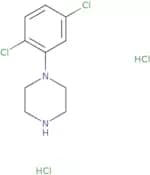
CAS:Bis (1,5-Cyclooctadiene) rhodium(I)tetrafluoroborate (BODIPY) is a catalyst that enhances the rate of hydrosilylation reactions. This catalyst has been shown to be effective in the synthesis of aryl chlorides from amines and aldehydes with high enantioselectivity. BODIPY is also immobilized on silica gel to create an active catalyst for asymmetric synthesis. The immobilization process on silica gel is done by reacting BODIPY with ammonium formate and amines. The resulting catalyst can be used for the synthesis of functionalized organic compounds, such as pyrrolidines, tetrahydrofurans, and thiophenes.Formula:C16H24BF4RhPurity:Min. 95%Molecular weight:406.07 g/mol1-(2,5-Dichlorophenyl)piperazinedihydrochloride
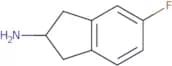
CAS:Controlled Product<p>Please enquire for more information about 1-(2,5-Dichlorophenyl)piperazinedihydrochloride including the price, delivery time and more detailed product information at the technical inquiry form on this page</p>Formula:C10H14Cl4N2Purity:Min. 95%Molecular weight:304.04 g/mol5-Fluoro-2-Indanamine
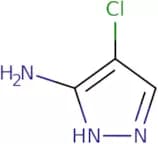
CAS:Controlled ProductPlease enquire for more information about 5-Fluoro-2-Indanamine including the price, delivery time and more detailed product information at the technical inquiry form on this pageFormula:C9H10FNPurity:Min. 95%Molecular weight:151.18 g/mol4-Chloro-1h-pyrazol-3-amine
CAS:<p>Please enquire for more information about 4-Chloro-1h-pyrazol-3-amine including the price, delivery time and more detailed product information at the technical inquiry form on this page</p>Formula:C3H4ClN3Purity:Min. 95%Molecular weight:117.54 g/mol(1,1-Dioxidotetrahydro-3-thienyl)hydrazine hydrochloride
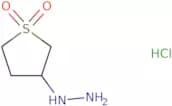
CAS:<p>Please enquire for more information about (1,1-Dioxidotetrahydro-3-thienyl)hydrazine hydrochloride including the price, delivery time and more detailed product information at the technical inquiry form on this page</p>Formula:C4H10N2O2SPurity:Min. 95%Molecular weight:150.2 g/molBuphedrone hydrochloride
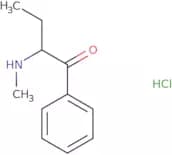
CAS:Controlled Product<p>Buphedrone hydrochloride (BH) is a synthetic cathinone that belongs to the group of stimulants. It has been shown to have similar pharmacological effects as amphetamines, such as increased locomotor activity and decreased food intake. BH also has effects on the brain, including increased neuronal cell division and growth, which are mediated by its interactions with dopamine receptors. BH is structurally similar to methamphetamine and can be synthesized using the same methods. This drug has been found in products labelled as "bath salts" or "plant food."</p>Formula:C11H16ClNOPurity:Min. 95%Molecular weight:213.7 g/mol(S)-2-Methylmorpholine hydrochloride
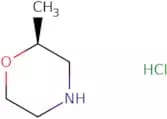
CAS:<p>Please enquire for more information about (S)-2-Methylmorpholine hydrochloride including the price, delivery time and more detailed product information at the technical inquiry form on this page</p>Purity:Min. 95%H-Arg-Gln-OH hydrochloride salt
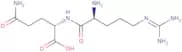
CAS:H-Arg-Gln-OH is a growth factor that has been shown to be effective in the genetic ablation of mice. This growth factor is taken up by cells via receptor activity and stimulates DNA synthesis and cell division. H-Arg-Gln-OH has been shown to be successful in the treatment of congenital heart disease. The onset latency is site specific and low energy, which means that it can be used for noninvasive treatments.Formula:C11H22N6O4Purity:Min. 95%Molecular weight:302.33 g/mol3-(Difluoromethoxy)aniline
CAS:<p>Please enquire for more information about 3-(Difluoromethoxy)aniline including the price, delivery time and more detailed product information at the technical inquiry form on this page</p>Formula:C7H7F2NOPurity:Min. 95%Color and Shape:PowderMolecular weight:159.13 g/mol(S)-(+)-Epichlorohydrin
CAS:(S)-(+)-Epichlorohydrin is a chlorohydrin that is used as an industrial chemical. It can be synthesized by reacting benzyl chloride with sodium hydroxide in the presence of water. The reaction mechanism for this process involves nucleophilic addition of the chlorine atom to the carbonyl group, followed by protonation and elimination of hydrogen chloride. The stereoselective synthesis of (S)-(+)-epichlorohydrin is based on asymmetric induction by enantiomers of the reactant. This product has been shown to have a constant pressure kinetic study at 0.1 M in acetonitrile and 0.2 M in dichloromethane with a turnover number of 1.4 × 10 mol/L/s, which is comparable to other synthetic methods for epichlorohydrin. Pharmacokinetic data for this product has been shown to show good bioavailability in rats, with a half-life of 0.Formula:C3H5ClOPurity:Min. 95%Color and Shape:Colorless PowderMolecular weight:92.52 g/mol1-(3-Chlorophenyl)piperazine dihydrochloride
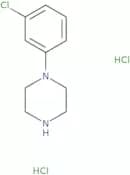
CAS:Controlled Product1-(3-Chlorophenyl)piperazine dihydrochloride is a serotonin antagonist that has been shown to cause an increase in cortisol levels. It is also a serotonergic agent, which may be related to its antidepressant activity. 1-(3-Chlorophenyl)piperazine dihydrochloride has been shown to have a matrix effect on the brain and can be used as a drug for treating primary pulmonary hypertension. It can also induce behavioral changes and stimulate ovarian activity. The compound 1-(3-Chlorophenyl)piperazine dihydrochloride is an antagonist of 5-HT2C receptors, and it has no affinity for the 5-HT2A receptor.Formula:C10H15Cl3N2Purity:Min. 95%Color and Shape:White To Yellow Or Beige SolidMolecular weight:269.6 g/mol





![7-(Difluoromethyl)-5-methyl[1,2,4]triazolo[1,5-a]pyrimidine-2-carboxylic acid](/_next/image/?url=https%3A%2Fstatic.cymitquimica.com%2Fproducts%2F3D%2Fthumb-webp%2FFD119953.webp&w=3840&q=75)

![Benzo[k]fluoranthene](/_next/image/?url=https%3A%2Fstatic.cymitquimica.com%2Fproducts%2F3D%2Fthumb-webp%2FFB157375.webp&w=3840&q=75)