Organic Halides
Subcategories of "Organic Halides"
Found 20442 products of "Organic Halides"
Chlorsulfuron
CAS:Chlorsulfuron is a herbicide that inhibits the enzyme acetolactate synthase. This inhibition prevents plants from synthesizing three essential amino acids, which leads to plant death. Chlorsulfuron has been shown to be highly resistant to photosynthetic activity and transport properties, and it has no effect on soybean extract or chlorsulfuron enzyme activities in vitro. The anhydrous sodium salt of chlorsulfuron is stable in water and other solvents, making it a good choice for analytical methods such as HPLC.
Formula:C12H12ClN5O4SPurity:Min. 95%Color and Shape:White Off-White PowderMolecular weight:357.77 g/molRef: 3D-FC37686
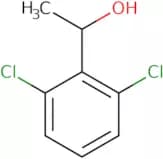
Discontinued product2,6-Dichlorophenylmethyl carbinol
CAS:2,6-Dichlorophenylmethyl carbinol is a synthetic oxidant that can be used in the oxidation of alcohols. It is used to convert alcohols into aldehydes and ketones with magnesium as a catalyst. 2,6-Dichlorophenylmethyl carbinol has been shown to be effective in the oxidation of cyclohexanone and styrene. It also has been shown to undergo homologation reactions, which are useful for the synthesis of natural products.
!--Formula:C8H8Cl2OPurity:Min. 95%Color and Shape:PowderMolecular weight:191.05 g/molRef: 3D-FD70403
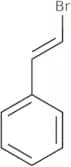
Discontinued productβ-Bromostyrene
CAS:β-Bromostyrene is a halogenated aromatic hydrocarbon that has been used as a cross-coupling reagent. β-Bromostyrene reacts with an organometallic reagent to form a new carbon-carbon bond. This reaction is catalyzed by palladium, which is often dissolved in the reaction vessel along with the β-bromostyrene and the organometallic reagent. The palladium enhances the rate of this reaction by increasing the concentration of reactive molecules, while also acting as a catalyst for the coupling of two organic molecules. β-Bromostyrene has been shown to be useful in wastewater treatment, where it reacts with organic compounds such as benzene, toluene, and xylene to form water soluble products called bromoxylates.
The detection sensitivity of β-bromostyrene can be increased through its use as an indicator for pH changes in acidic environments (pH 3). TheFormula:C8H7BrPurity:Min. 97 Area-%Color and Shape:Colorless Clear LiquidMolecular weight:183.05 g/molRef: 3D-FB164798
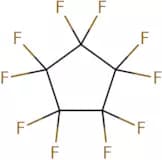
Discontinued product1,1,2,2,3,3,4,4,5,5-Decafluorocyclopentane
CAS:Controlled Product1,1,2,2,3,3,4,4,5,5-Decafluorocyclopentane is a fluorocarbon liquid with a boiling point of -50°C. It has an average particle diameter of 0.1 nm and a water vapor pressure of 1.6 × 10⁻¹⁰ torr at 20°C. Due to its non-polarity and low viscosity (1 cP), it can be used as a solvent in organic chemistry reactions. 1,1,2,2,3,3,4,4,5,5-Decafluorocyclopentane has been shown to be reactive at the target site due to its acid molecules that provide the reactive sites for this molecule's phase transition temperature (-52°C) and nmr spectra. The reactive sites also allow for x-ray structures to be obtained by imaging techniques such as electron microscopy or atomic force microscopy.
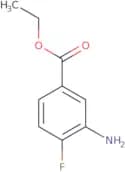
Formula:C5F10Purity:Min. 95%Molecular weight:250.04 g/mol3-Amino-4-fluorobenzoic acid ethyl ester
CAS:3-Amino-4-fluorobenzoic acid ethyl ester is a linker that is used to attach a drug molecule to the tautomycin, an analgesic. It has been shown to have nontoxic properties in animals and does not react with intestinal contents. The 3-Amino-4-fluorobenzoic acid ethyl ester also reacts with azide, phosphatase, and hydrocarbons. It is stable in the presence of aromatic hydrocarbons and can be used as a photolabeling agent for introducing a fluorescent group into a molecule.
Formula:C9H10FNO2Purity:Min. 95%Color and Shape:PowderMolecular weight:183.18 g/molRef: 3D-FA70330
Discontinued productIsopropyl ethylphosphonochloridate
CAS:Controlled ProductPlease enquire for more information about Isopropyl ethylphosphonochloridate including the price, delivery time and more detailed product information at the technical inquiry form on this page
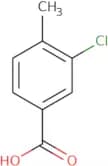
Formula:C5H12FO2PPurity:Min. 95%3-Chloro-4-toluic acid
CAS:3-Chloro-4-toluic acid is a quinone, which is derived from 3,4-dichlorotoluene. It has been shown to bind to nuclear receptors and act as a retinoic acid linker. This compound is also used in the synthesis of organic compounds by desorption in an acidic environment, followed by methyl esterification with an alcohol. 3-Chloro-4-toluic acid can be converted into zirconium chloride or hydrotalcite through chlorination or hydrochlorination. The resulting product can be used for dispersive solid-phase extraction methods.
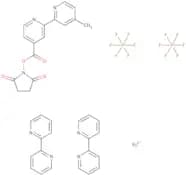
Formula:C8H7ClO2Purity:Min. 95%Color and Shape:PowderMolecular weight:170.59 g/molBis(2,2'-bipyridine)-4'-methyl-4-carboxybipyridine-ruthenium N-succinimidyl ester-bis(hexafluorophosphate)
CAS:Bis(2,2'-bipyridine)-4'-methyl-4-carboxybipyridine-ruthenium N-succinimidyl ester-bis(hexafluorophosphate) is a molecule that inhibits the activity of matrix metalloproteinases. It binds to the active site of the enzyme and blocks its activity. This drug has been shown to be effective in inhibiting the activity of MMPs in cells, but not in tissue culture because it does not cross cell membranes. Bis(2,2'-bipyridine)-4'-methyl-4-carboxybipyridine-ruthenium N-succinimidyl ester-bis(hexafluorophosphate) has also been shown to have a low detection limit and can detect low levels of matrix metalloproteinase activity in cells.
Formula:C36H29F12N7O4P2RuPurity:Min. 95%Color and Shape:PowderMolecular weight:1,014.66 g/molRef: 3D-FB29197
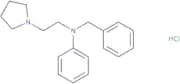
Discontinued productHistapyrrodine hydrochloride
CAS:Histapyrrodine hydrochloride is a histamine receptor antagonist. It is an analog of the natural ligand histamine, which binds to and blocks the H1 receptor. Histapyrrodine hydrochloride has been shown to have anti-inflammatory effects in animal models of inflammatory diseases. Histapyrrodine hydrochloride can be used as an alternative to other pharmaceutical preparations for the treatment of autoimmune diseases and infectious diseases.
Formula:C19H25ClN2Purity:Min. 95 Area-%Color and Shape:PowderMolecular weight:316.87 g/molRef: 3D-FH23834
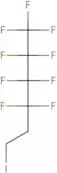
Discontinued product1H,1H,2H,2H-Nonafluorohexyl iodide
CAS:Nonafluorohexyl iodide (NF3) is a fluorinated ionic liquid that exhibits strong surfactant properties. It has been used as a solvent for the analysis of anions, such as CO32-, NO3-, SO42-, and ClO4-. NF3 has also been used as a calibration gas in GC-MS, where it is typically used to desorb analytes from the column. The volatility of NF3 makes it easy to transfer between containers and to recover the analyte after desorption. The compound is detectable by GC-MS and can be analyzed using mass spectrometry. One application is the detection of 1-methylimidazole in urine samples.
Formula:C6H4F9IPurity:Min. 95%Color and Shape:Clear LiquidMolecular weight:373.99 g/molDiethyl [[(3-chloro-4-fluorophenyl)amino]methylene]malonate
CAS:Diethyl [(3-chloro-4-fluorophenyl)amino]methylene]malonate is a fine chemical that is useful as a building block and intermediate for the synthesis of more complex compounds. It has been used in research as a reaction component for the synthesis of other chemicals, such as pharmaceuticals and pesticides. The CAS number for diethyl [(3-chloro-4-fluorophenyl)amino]methylene]malonate is 70032-30-3.Formula:C14H15ClFNO4Purity:Min. 95%Color and Shape:PowderMolecular weight:315.72 g/molRef: 3D-FD95922
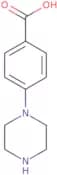
Discontinued product4-(Piperazin-1-yl)benzoic acid hydrochloride
CAS:4-(Piperazin-1-yl)benzoic acid hydrochloride is a chemical intermediate that is used in the synthesis of pharmaceuticals. It has been shown to be a useful scaffold, and can be used as a reaction component and building block in the synthesis of complex compounds. 4-(Piperazin-1-yl)benzoic acid hydrochloride is also versatile, as it has been shown to be an intermediate for the synthesis of fine chemicals.Formula:C11H14N2O2•HClPurity:Min. 95%Color and Shape:PowderMolecular weight:242.7 g/molRef: 3D-FP70902
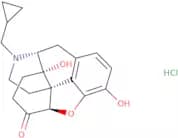
Discontinued productNaltrexone hydrochloride
CAS:Controlled Productμ-opioid receptor antagonist; management of alcohol dependence, opioid addiction
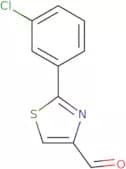
Formula:C20H23NO4•HClPurity:(%) Min. 98%Color and Shape:PowderMolecular weight:377.86 g/mol2-(3-Chlorophenyl)thiazole-4-carbaldehyde
CAS:Please enquire for more information about 2-(3-Chlorophenyl)thiazole-4-carbaldehyde including the price, delivery time and more detailed product information at the technical inquiry form on this page
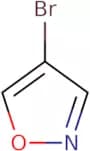
Formula:C10H6ClNOSPurity:Min. 95%Color and Shape:PowderMolecular weight:223.68 g/mol4-Bromoisoxazole
CAS:4-Bromoisoxazole is a reactive isoxazole that can be prepared by the reaction of an azide and a boronic ester. This compound has been shown to be effective for the treatment of cancer, but it also has an inhibitory effect on the synthesis of proteins and enzymes. The 4-bromoisoxazole can be synthesized from phenyl substituted isoxazoles and palladium-catalyzed cross-coupling reactions. Preparative methods for this compound include the use of acetonitrile as solvent with a dipolarity of 0.5D or greater, and argon as inert gas at atmospheric pressure. Hydrochloric acid should not be used in these preparations as it will react with 4-bromoisoxazole to produce toxic hydrochloric acid fumes.
Formula:C3H2BrNOPurity:Min. 95%Color and Shape:PowderMolecular weight:147.96 g/molRef: 3D-FB10885
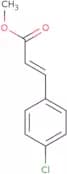
Discontinued productMethyl 4-chlorocinnamate
CAS:Methyl 4-chlorocinnamate is an aryl chloride that is synthesized by the reaction of methoxyethyl chloride with cinnamic acid derivatives. It has bacteriostatic activity against a variety of bacteria species, including staphylococcus and candida glabrata. Methyl 4-chlorocinnamate reacts with amine groups in proteins to form amides, which are strong inhibitors of protein synthesis. This compound also inhibits the growth of Candida glabrata by inhibiting phosphonates, which are essential for cell division.
Formula:C10H9ClO2Purity:Min. 95%Molecular weight:196.63 g/molRef: 3D-FM71222
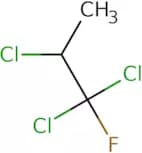
Discontinued product1,1,2-Trichloro-1-fluoropropane
CAS:Controlled Product1,1,2-Trichloro-1-fluoropropane is a solvent used in the production of fluorinated organic compounds. It is used as an intermediate for the manufacture of refrigerants and aerosol propellants. 1,1,2-Trichloro-1-fluoropropane has been shown to have a significant impact on the environment due to its high volatility and solubility. The emission of this chemical into the atmosphere can deplete ozone levels and cause damage to vegetation. This chemical also has a high vapor pressure and can be fatal if inhaled or absorbed through the skin. In addition, 1,1,2-Trichloro-1-fluoropropane is toxic to aquatic life because it is soluble in water and accumulates in fatty tissues of living organisms.
Formula:C3H4Cl3FPurity:Min. 95%Molecular weight:165.42 g/molSodium chloride
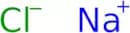
CAS:Sodium chloride is a chemical compound that belongs to the group of inorganic salts. It is an important electrolyte, which regulates fluid balance and pH levels. Sodium chloride has been used as a model system for polymerase chain reactions and has been shown to inhibit the growth of malignant cells in the brain under constant pressure. The reaction solution may be pre-treated with hydrogen fluoride to remove interfering impurities prior to addition of sodium chloride. This process can be used for an in vitro method, where the reaction solution is exposed to plasma mass spectrometry or laser ablation before being analyzed for drug interactions with plasma mass spectrometry or electrochemical impedance spectroscopy. Sodium chloride can cause water vapor to form when it reacts with hydrochloric acid, producing hydrogen gas and hydrochloric acid.
Formula:NaClColor and Shape:PowderMolecular weight:58.44 g/molRef: 3D-FS30573
Discontinued product(3-(2,6-dichlorophenyl)-5-methylisoxazol-4-yl)-N-(2,5-dimethoxyphenyl)formamide
CAS:Please enquire for more information about (3-(2,6-dichlorophenyl)-5-methylisoxazol-4-yl)-N-(2,5-dimethoxyphenyl)formamide including the price, delivery time and more detailed product information at the technical inquiry form on this page
Purity:Min. 95%Ref: 3D-FD169572
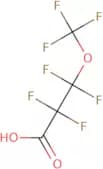
Discontinued product2,2,3,3-Tetrafluoro-3-(trifluoromethoxy)propanoic acid
CAS:2,2,3,3-Tetrafluoro-3-(trifluoromethoxy)propanoic acid (TFMP) is a fluorine-containing monomer that can be synthesized in an efficient method. TFMP is a resistant strain and has been shown to react with amines, carbonyls, and carboxylic groups. It can be copolymerized with other monomers to form polymeric materials. TFMP is a fluoride monomer that exhibits properties similar to perfluoroalkyl methacrylate monomers.
Formula:C4HF7O3Purity:Min. 95%Color and Shape:Clear LiquidMolecular weight:230.04 g/molRef: 3D-FT93802
Discontinued product[1-(Azepan-1-ylcarbonyl)butyl]amine hydrochloride
CAS:Controlled ProductPlease enquire for more information about [1-(Azepan-1-ylcarbonyl)butyl]amine hydrochloride including the price, delivery time and more detailed product information at the technical inquiry form on this page
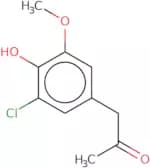
Formula:C11H22N2OPurity:Min. 95%Molecular weight:198.31 g/mol(5-Chloro-4-hydroxy-3-methoxyphenyl)acetone
CAS:(5-Chloro-4-hydroxy-3-methoxyphenyl)acetone is a high quality reagent that is useful as an intermediate in the synthesis of complex compounds. It can be used to synthesize a wide range of fine chemicals, such as pharmaceuticals, pesticides, and fragrances. (5-Chloro-4-hydroxy-3-methoxyphenyl)acetone is also a versatile building block for the synthesis of speciality chemicals. This compound has been shown to react with other compounds to form reaction components for research purposes.
Formula:C10H11ClO3Purity:Min. 95%Molecular weight:214.65 g/molRef: 3D-FC66870
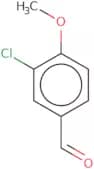
Discontinued product3-Chloro-4-methoxybenzaldehyde
CAS:3-Chloro-4-methoxybenzaldehyde is a chemical compound that belongs to the class of aromatic compounds. It is synthesized by reacting 3-chlorobenzaldehyde with methoxyacetone in a hydroxylation reaction. The asymmetric synthesis of 3-chloro-4-methoxybenzaldehyde was achieved by using a chiral auxiliary, which is an organic molecule that can be used to control the stereochemistry of other reactions. This product has high cytotoxicity and is able to cause melanogenesis (production of melanin) when applied to rat striatal membranes.
Formula:C8H7ClO2Purity:Min. 95%Color and Shape:PowderMolecular weight:170.59 g/molRef: 3D-FC70306
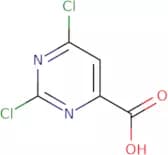
Discontinued product2,6-Dichloropyrimidine-4-carboxylic acid
CAS:2,6-Dichloropyrimidine-4-carboxylic acid is a pyrimidine that can be used as a starting material for the synthesis of other compounds. It is an intermediate in the manufacture of anilines and pyrimidines. 2,6-Dichloropyrimidine-4-carboxylic acid is also used in the production of dyes and agrochemicals.Formula:C5H2Cl2N2O2Purity:Min. 95%Color and Shape:White PowderMolecular weight:192.99 g/molRef: 3D-FD147587
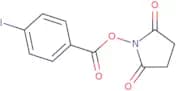
Discontinued productN-Succinimidyl 4-iodobenzoate
CAS:N-Succinimidyl 4-iodobenzoate is a succinimyl activated heterocycle
Formula:C11H8INO4Purity:Min. 95%Color and Shape:PowderMolecular weight:345.09 g/molRef: 3D-FS153623
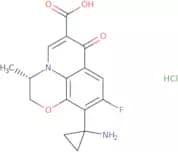
Discontinued productPazufloxacin hydrochloride
CAS:Pazufloxacin hydrochloride is a synthetic antibacterial agent, which is derived from the fluoroquinolone class of antibiotics with a broad-spectrum activity against various bacterial pathogens. This compound, sourced through chemical synthesis, functions primarily by inhibiting bacterial DNA gyrase and topoisomerase IV, which are critical enzymes for DNA replication, transcription, repair, and recombination. The inhibition of these enzymes leads to the disruption of bacterial DNA processes, ultimately resulting in bacterial cell death.
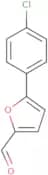
Formula:C16H15FN2O4•HClPurity:Min. 95%Molecular weight:354.76 g/mol5-(4-Chlorophenyl)-2-furaldehyde
CAS:5-(4-Chlorophenyl)-2-furaldehyde (5-CPFA) is an antitubercular drug that inhibits the growth of tuberculosis bacteria by disrupting the synthesis of DNA. It is a functional theory that 5-CPFA inhibits the bacterial enzyme, chalcone hydroxylase, which is involved in the conversion of chalcones to flavones. This inhibition prevents the formation of reactive oxygen species and leads to cell death. The mechanism of action for 5-CPFA has been shown to be due to its ability to form covalent bonds with metal ions such as copper, zinc, and iron. When exposed to ultraviolet radiation, this compound reacts with these metal ions and causes bond cleavage in DNA strands. The resulting damage in DNA strands leads to cell death within hours.
Formula:C11H7ClO2Purity:Min. 95%Color and Shape:PowderMolecular weight:206.62 g/molRef: 3D-FC131390
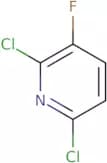
Discontinued product2,6-Dichloro-3-fluoropyridine
CAS:2,6-Dichloro-3-fluoropyridine is a synthetic organic chemical that can be used as a diazo compound in the synthesis of heterocycles. It is used in industrial applications for the production of nitrobenzene, an intermediate for the synthesis of pharmaceuticals. The reaction time and yield are high, and the selectivity is good. 2,6-Dichloro-3-fluoropyridine can be synthesized by reacting sodium nitrite with piperidine and acidifying with hydrochloric acid. This chemical is mainly used as an industrial intermediate to produce nitrobenzene.
Formula:C5H2Cl2FNPurity:(%) Min. 95%Color and Shape:PowderMolecular weight:165.98 g/molRef: 3D-FD104766
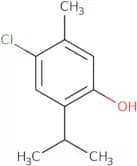
Discontinued product(4)6-Chlorothymol
CAS:(4)6-Chlorothymol is a fatty acid that has antimicrobial activity. It is used in biocides, such as anhydrous sodium thymol, and it has been shown to have toxicity studies in vitro. (4)6-Chlorothymol has been shown to have activity index of 0.32 and an antimicrobial activity against Gram-positive bacteria. In vivo studies show that this compound also inhibits the growth of cervical cancer cells in vitro.
Formula:C10H13ClOPurity:Min. 95%Color and Shape:PowderMolecular weight:184.66 g/molRef: 3D-FC70467
Discontinued product2,4,6-Trifluorophenylacetic acid
CAS:2,4,6-Trifluorophenylacetic acid is a fluorinated phenylacetic acid that has been shown to inhibit the growth of the fungus Botrytis cinerea. It does this by disrupting the conformation of microtubules and inhibiting cell division. This compound has been synthesized in analogy with other known phenylacetic acids and its structure was confirmed through single-crystal x-ray diffraction studies. The heteroaryl groups on 2,4,6-Trifluorophenylacetic acid disrupt the microtubule polymerization process by binding to tubulin subunits. The fluorine atom also binds to the pyridine ring in this molecule to form an electron-deficient heterocycle.
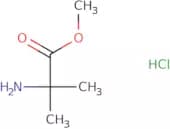
Formula:C8H5F3O2Purity:Min. 95%Color and Shape:White PowderMolecular weight:190.12 g/molα-Aminoisobutyric acid methyl ester hydrochloride
CAS:Alpha-aminoisobutyric acid methyl ester hydrochloride (AABME) is an amino acid that is a metabolite of the neurotransmitter GABA. It has been shown to be transported across the blood-brain barrier by a carrier-mediated transport system and is taken up by neurons via a solute carrier family 38 member 2 transporter. AABME has been observed at physiological levels in maternal blood plasma, urine, cerebrospinal fluid, and brain tissue. It has also been studied in vitro using 3T3-L1 preadipocytes as a model for adipogenesis. In this context, it has been shown to increase cell proliferation and inhibit apoptosis.
Formula:C5H11NO2•HClColor and Shape:PowderMolecular weight:153.61 g/molRef: 3D-FA49954
Discontinued productFluorescent Brightener 191
CAS:Fluorescent Brightener 191 is a monomer that can be used in the textile industry to increase brightness and fluorescence of textiles. It is water soluble, non-toxic, and stable. The impurities of this product are monitored by testing for chloride ion content. Fluorescent Brightener 191 is also used for effervescent and osmosis control in water treatment plants, as well as clarification of wastewater effluent. Its fluorescence properties make it an ideal choice for monitoring the presence of substances, such as chloride ions, in solution by measuring the intensity of light emitted from a sample. Fluorescent Brightener 191 is also known to have a high solubility in organic solvents such as chloroform or acetone, which makes it suitable for labeling purposes.
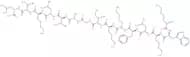
Purity:Min. 95%Cecropin A (1-7)-Melittin A (2-9) amide trifluoroacetate salt
CAS:Cecropin A (1-7)-Melittin A (2-9) amide trifluoroacetate salt is a cecropin-melittin hybrid peptide that has been immobilized on cellulose nanofibers for use as an antimicrobial. It has been shown to have strong antimicrobial activity against bacillus subtilis, and the immobilization process ensures that the peptide is not released from the surface of the material. The process of coating with nanopaper and then applying the peptides provides a stable surface with high antimicrobial activity. The synthetic peptides are synthesized by solid phase synthesis using Fmoc chemistry and purified by preparative HPLC.Formula:C89H152N22O15Purity:Min. 95%Color and Shape:PowderMolecular weight:1,770.3 g/molRef: 3D-FC109665
Discontinued product3,4-Dimethylphenylhydrazine hydrochloride
CAS:3,4-Dimethylphenylhydrazine hydrochloride is a chemical compound with high quality, which is a useful intermediate for the synthesis of complex compounds. It also has potential as a building block for the synthesis of other compounds. 3,4-Dimethylphenylhydrazine hydrochloride is used in research and development.
Formula:C8H12N2·HClPurity:Min. 95%Color and Shape:PowderMolecular weight:172.66 g/molRef: 3D-FD42282
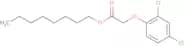
Discontinued productOctyl (2,4-dichlorophenoxy)acetate
CAS:Octyl (2,4-dichlorophenoxy)acetate is a herbicide that has high selectivity and selectivity. It is used to control grassland weeds. Octyl (2,4-dichlorophenoxy)acetate is an efficient herbicide that can be used in a variety of situations. It can be applied as a pre-emergent or post-emergent herbicide to control weeds on lawns and other turfgrass areas, or as a selective herbicide for the control of broadleaf weeds in fields and other non-crop areas. This compound is also an effective emulsifier for the preparation of various compounds with octadecyl groups. Octyl (2,4-dichlorophenoxy)acetate has been used in China to control Euphorbiae weeds.
Formula:C16H22Cl2O3Purity:Min. 95%Color and Shape:Colorless PowderMolecular weight:333.25 g/molRef: 3D-FO40433
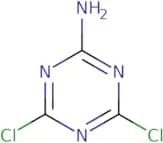
Discontinued product2-Amino-4,6-dichloro-s-triazine
CAS:2-Amino-4,6-dichloro-s-triazine is a chemical compound that is used as an antimicrobial agent in wastewater treatment. It inhibits the growth of bacteria by binding to cell walls and disrupting the formation of crosslinks between peptidoglycan strands, thereby inhibiting the synthesis of proteins necessary for bacterial growth and reproduction. 2-Amino-4,6-dichloro-s-triazine has been shown to be effective against group p2 bacteria in cell culture experiments. This drug also displays antiinflammatory properties and has been shown to inhibit HIV infection in vitro.
Formula:C3H2Cl2N4Purity:Min. 95%Color and Shape:White To Light (Or Pale) Yellow SolidMolecular weight:163.96565Ref: 3D-FA17553
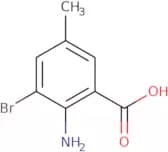
Discontinued product2-Amino-3-bromo-5-methylbenzoic acid
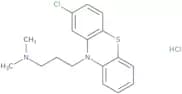
CAS:2-Amino-3-bromo-5-methylbenzoic acid is a fatty acid that belongs to the group of undescribed organic acids. It is found in soil as well as in organisms such as bacteria and fungi. The 2-Amino-3-bromo-5-methylbenzoic acid molecule has been shown to be an antibiotic, inhibiting the growth of bacterial strains belonging to the phyla Actinobacteria and Proteobacteria. It may also be present in plants, where it is channeled out through the roots. This fatty acid also has nucleobase properties, which are essential for DNA replication.br>br> span style="font-size: 12px;">2 Amino 3 bromo 5 methyl benzoic acid (2ABMB) was first isolated from soil samples collected from a site near Beijing, China. It is one of many undescribed organic acids that are foundFormula:C8H8BrNO2Purity:Min. 95%Color and Shape:PowderMolecular weight:230.06 g/molChlorpromazine hydrochloride
CAS:Controlled ProductChlorpromazine hydrochloride is an amphiphilic drug, derivative of phenothiazine, that blocks post-synaptic dopaminergic receptors (D1-D4) in mesolimbic area (antipsychotic effects). It is an antagonist at histamine (H1), serotonin (5HT1 and 5-HT2) and alpha-1, alpha 2 adrenergic receptors and possess antimuscarinic properties. Chlorpromazine hydrochloride salt is used in the treatment of: agitation and aggression in bipolar disorder and schizophrenia, in behaviour problems and hyperactivity in children, and for the treatment of chronic hiccups. Also, it helps in: tetanus therapy and intermittent porphyria, the treatment of severe migraines, and helps control nausea and vomiting. Chlorpromazine performs clathrin- mediated endocytosis at non-toxic concentrations and it can be used as a potential broad-spectrum inhibitor of viruses.
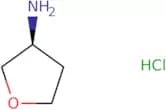
Formula:C17H20Cl2N2SPurity:Min. 95%Color and Shape:White PowderMolecular weight:355.33 g/mol(S)-Tetrahydrofuran-3-amine hydrochloride
CAS:Please enquire for more information about (S)-Tetrahydrofuran-3-amine hydrochloride including the price, delivery time and more detailed product information at the technical inquiry form on this page
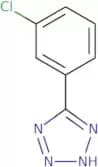
Formula:C4H9NO•HClPurity:Min. 95%Color and Shape:SolidMolecular weight:123.58 g/mol5-(3-Chlorophenyl)-2H-tetrazole
CAS:The synthesis of 5-(3-chlorophenyl)-2H-tetrazole, a new heterocyclic compound, was accomplished in an efficient and simple way by condensation of piperazine with amines using acidic catalysis. This reaction is catalyzed by the use of nonmetal halides as additives and can be performed in organic solvents. The synthesis of 5-(3-chlorophenyl)-2H-tetrazole has been shown to be possible with various azides and halides. Furthermore, this compound has been found to contain functional groups such as nitro, nitrile, carboxylic acid, phenolic hydroxyl group, and amino.
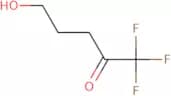
Formula:C7H5ClN4Purity:Min. 95%Color and Shape:PowderMolecular weight:180.59 g/mol1,1,1-Trifluoro-5-hydroxy-2-pentanone
CAS:1,1,1-Trifluoro-5-hydroxy-2-pentanone is a versatile building block that has been used extensively in the synthesis of complex compounds. It is an important reagent for the preparation of speciality chemicals and reactive intermediates. 1,1,1-Trifluoro-5-hydroxy-2-pentanone is also a useful intermediate for the synthesis of other compounds. This compound can be reacted with various groups to produce valuable scaffolds for drug discovery research.
Formula:C5H7F3O2Purity:Min. 95%Color and Shape:PowderMolecular weight:156.1 g/molRef: 3D-FT83611
Discontinued product5-Amino-4,6-dichloropyrimidine
CAS:5-Amino-4,6-dichloropyrimidine is a fluorescent probe that can be used in the detection of nucleophiles. It has been shown to inhibit the growth of cells infected with herpes simplex virus and hl-60 cells. This compound has also been shown to have nicotinic acetylcholine receptor activity and can be used as an analog for purines. The nitrogen atoms in this molecule are responsible for its anti-cancer properties. 5-Amino-4,6-dichloropyrimidine binds to epidermal growth factor (EGF) and blocks its binding site on the cell surface, reducing cancer cell proliferation. Benzyl groups on either end of this molecule act as a protective group against acid hydrolysis, making it stable in acidic environments such as stomach acid. This drug also contains chlorine atoms that make it easy to synthesize and purify by reacting with trifluoroacetic acid.
Formula:C4H3Cl2N3Purity:Min. 95%Color and Shape:PowderMolecular weight:163.99 g/molRef: 3D-FA11123
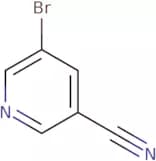
Discontinued product3-Cyano-5-bromopyridine
CAS:3-Cyano-5-bromopyridine is an enantiopure organic compound that belongs to the group of halides. It is a functional group that is a reagent in organic synthesis, and it can be used as a precursor to dyestuffs. 3-Cyano-5-bromopyridine has been shown to have antimicrobial activity against bacteria and fungi. It also has a metabotropic glutamate receptor subtype selective affinity, which may be due to its ability to bind with glutamate in complex molecules.
Formula:C6H3BrN2Purity:Min. 95%Color and Shape:White To Beige To Light (Or Pale) Yellow SolidMolecular weight:183.01 g/molRef: 3D-FC03449
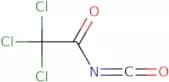
Discontinued product2,2,2,-Trichloroacetyl isocyanate
CAS:2,2,2-Trichloroacetyl isocyanate is a fluorescent derivative of acetone that can be used to probe the biochemical properties of cells. This compound has been shown to react with methanol in solution and form hydrogen bonds. The reaction mechanism of 2,2,2-trichloroacetyl isocyanate with methyl glycosides was studied using an LC-MS/MS method. The hydroxyl group on the 2 position reacts with the ester linkages on the 3 position to form a new carbon-carbon bond in the product. 2,2,2-Trichloroacetyl isocyanate has been shown to be effective against pandemic influenza viruses and Mycobacterium tuberculosis. Pharmacokinetic studies have been conducted in rats and dogs for different doses of 2,2,2-trichloroacetyl isocyanate over a 24 hour period.
Formula:C3Cl3NO2Purity:Min. 95%Color and Shape:PowderMolecular weight:188.4 g/molRef: 3D-FT00298
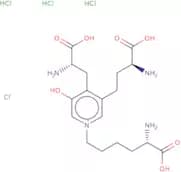
Discontinued productDeoxypyridinoline chloride 3HCl
CAS:Deoxypyridinoline chloride 3HCl is a fine chemical that is used as a building block in the synthesis of organic compounds. Deoxypyridinoline chloride 3HCl can be used as a reagent and speciality chemical in research laboratories, as well as in the manufacture of pharmaceuticals and other organic molecules. Deoxypyridinoline chloride 3HCl is also versatile, serving as an intermediate to produce other chemicals, or as a reaction component to produce complex products with specialized properties. The compound has been registered by the Chemical Abstracts Service (CAS) under CAS No. 204074-56-6.
Formula:C18H32Cl4N4O7Purity:Min. 95%Color and Shape:PowderMolecular weight:558.28 g/molRef: 3D-FD21063
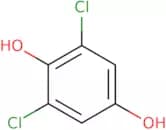
Discontinued product2,6-Dichlorohydroquinone
CAS:2,6-Dichlorohydroquinone (2,6-DCQ) is a reactive chemical that has been shown to be cytotoxic and genotoxic in vitro. 2,6-DCQ binds to the thiol group of cysteine residues on the enzyme's active site. This binding changes the redox potential of the molecule and inhibits its activity. 2,6-DCQ also reacts with other proteins in the cell and disrupts their function. This compound is found in high concentrations in samples from wastewater treatment plants. It is also found to be present in some foods such as milk and cheese due to bacterial metabolism.
2,6-DCQ is a metabolite of chlorpyrifos (an insecticide), and it has been shown that it can react with glutathione reductase to form a glutathione adduct which may have toxic effects on cells. The mechanism by which this occurs is not well understood at this time butFormula:C6H4Cl2O2Purity:Min. 95 Area-%Color and Shape:White PowderMolecular weight:179 g/molRef: 3D-FD21676
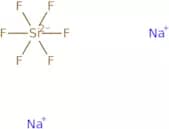
Discontinued productSodium fluorosilicate
CAS:Controlled ProductSodium fluorosilicate is an inorganic acid that can be prepared by dissolving sodium carbonate and hydrogen fluoride in water. It is used as a sample preparation agent for electrochemical impedance spectroscopy, as well as a reagent for the determination of acidic properties. Sodium fluorosilicate has been shown to inhibit the growth of epidermal cells, which may be due to its ability to cause an increase in the mitochondrial membrane potential. This compound also inhibits the synthesis of proteins from RNA, which may result from its coordination geometry or hydrogen-bonding interactions. Sodium fluorosilicate has been used in analytical methods involving x-ray diffraction data and plasma mass spectrometry.
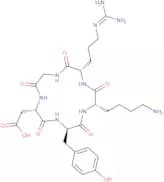
Formula:Na2SiF6Purity:Min. 95%Molecular weight:188.06 g/molCyclo(-Arg-Gly-Asp-D-Tyr-Lys) trifluoroacetate salt
CAS:Cyclo(-Arg-Gly-Asp-D-Tyr-Lys) trifluoroacetate salt is a reagent that is used in organic synthesis as a building block to create complex compounds. It is also useful for research purposes, as it can be used to produce high quality products. Cyclo(-Arg-Gly-Asp-D-Tyr-Lys) trifluoroacetate salt is a chemical with CAS No. 217099-14-4 and has the chemical formula C17H21N3O2F3.Formula:C27H41N9O8Purity:Min. 95%Color and Shape:White SolidMolecular weight:619.67 g/molRef: 3D-FC110223
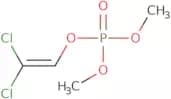
Discontinued productDichlorvos - 70%
CAS:Dichlorvos is a pesticide that has been used to control insects since the 1950s. It also has genotoxic activity and can induce oxidative injury in biological samples. Dichlorvos is an octyl phenol with a molecular weight of 228.3 g/mol, which is classified as a non-volatile solid. The insecticide has been shown to cause neuronal death and squamous cell carcinoma in mice. Dichlorvos may have some natural compound origins and it can be found in water vapor and chromatographic analysis. This chemical reacts with oxygen to form oxides, chloroform, carbon dioxide and hydrogen chloride gas. Dichlorvos is not stable at high temperatures or under ultraviolet light, so it must be stored in dark containers at low temperatures.
Formula:C4H7Cl2O4PPurity:Min. 95%Color and Shape:Clear LiquidMolecular weight:220.98 g/molRef: 3D-FD21706
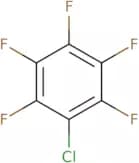
Discontinued productChloropentafluorobenzene
CAS:Chloropentafluorobenzene is a chemical compound with the formula CClF. It has a high vapor pressure, which makes it a useful solvent for reactions in the liquid phase. The chlorine atoms on the molecule can be replaced by other halogens to produce related compounds. The chloromethyl group is an example of this type of substitution reaction. Chloropentafluorobenzene is not genotoxic and does not react with DNA in vitro, but it can form stable complexes with nucleophiles. This suggests that it may have potential as a therapeutic agent as well as an industrial solvent.
Formula:C6ClF5Purity:Min. 95%Molecular weight:202.51 g/molRef: 3D-FC36507
Discontinued product


![Diethyl [[(3-chloro-4-fluorophenyl)amino]methylene]malonate](/_next/image/?url=https%3A%2Fstatic.cymitquimica.com%2Fproducts%2F3D%2Fthumb-webp%2FFD95922.webp&w=3840&q=75)

![[1-(Azepan-1-ylcarbonyl)butyl]amine hydrochloride](/_next/image/?url=https%3A%2Fstatic.cymitquimica.com%2Fproducts%2F3D%2Fthumb-webp%2FFA130693.webp&w=3840&q=75)