Organic Halides
Subcategories of "Organic Halides"
Found 20442 products of "Organic Halides"
Bis-trifluoromethyl ethylphosphonate
CAS:Controlled ProductBis-trifluoromethyl ethylphosphonate is a trivalent, cyclic, scientific device that has been used as an additive to graphene oxide. Voltammetric studies have shown that this compound has a high flammability limit and can be used as a rechargeable battery electrode. The chemical's pentavalent form exhibits densities of 1.65 g/cm3 and 2.25 g/cm3 at 20 °C and 0 °C respectively. Bis-trifluoromethyl ethylphosphonate is used in research for its ability to form tervalent bonds with many other elements, including carbon, nitrogen, oxygen and sulfur.
Formula:C6H9F6O3PPurity:Min. 95%Molecular weight:274.1 g/molRef: 3D-FB18837
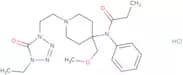
Discontinued productAlfentanil hydrochloride
CAS:Controlled ProductAlfentanil is an opioid analgesic that is used for the treatment of severe or acute pain. It is a potent synthetic analog of fentanyl, which is an opioid analgesic that is used for the treatment of short-term (acute) and long-term (chronic) pain. Alfentanil has been shown to have a high affinity for α1-acid glycoprotein, which has been associated with drug interactions and blood sampling. Alfentanil also has chemical stability in experimental models and does not interact with nonsteroidal anti-inflammatory drugs. This drug may have a matrix effect on the concentration of cortisol in the blood.
Formula:C21H33ClN6O3Purity:Min. 95%Molecular weight:452.98 g/molRef: 3D-FA17276
Discontinued product2,6-Difluorobenzyl chloride
CAS:2,6-Difluorobenzyl chloride is a dihedral molecule that can be synthesized from an amide and a chlorinating agent. It is used in the chromatographic method to separate β-unsaturated ketones from their corresponding acid chloride. The 2,6-difluorobenzyl chloride was prepared by condensation of the corresponding acid chloride with phenol in an organic solvent. The validation of this reaction system was done using a chromatographic method on β-unsaturated ketones and chloride gas. The hydrogen chloride gas was bubbled through an ice water bath, generating chlorine gas which was then passed over the sample. The resulting 2,6-difluorobenzyl chloride was identified by its functional groups
Formula:C7H5ClF2Purity:Min. 95%Color and Shape:Clear To Light (Or Pale) Yellow SolidMolecular weight:162.5 g/molRef: 3D-FD03441
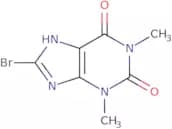
Discontinued product8-Bromotheophylline
CAS:Controlled Product8-Bromotheophylline is a drug that binds to adenosine receptors and prevents the reuptake of adenosine, which leads to an increase in the concentration of adenosine at the receptor. It has been shown to inhibit the enzyme phosphodiesterase and potassium ion channels, leading to increased concentrations of serotonin in the brain. 8-Bromotheophylline is used for treating psychotic disorders such as schizophrenia and depression. 8-Bromotheophylline also has been shown to be effective against infectious diseases, including tuberculosis and infections caused by bacteria that are resistant to penicillin and erythromycin.
Formula:C7H7BrN4O2Purity:Min. 95%Molecular weight:259.06 g/molRef: 3D-FB09836
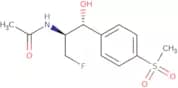
Discontinued productDideschloro florfenicol
CAS:Controlled ProductPlease enquire for more information about Dideschloro florfenicol including the price, delivery time and more detailed product information at the technical inquiry form on this page
Formula:C12H16FNO4SPurity:Min. 95%Molecular weight:289.32 g/molRef: 3D-FD21738
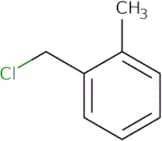
Discontinued product2-Methylbenzyl chloride
CAS:2-Methylbenzyl chloride is a reactive compound that has been shown to have inhibitory properties against cancer cells. It is an aromatic compound that is synthesized by the reaction of benzene and methyl chloride. This chemical appears as a white solid at room temperature. 2-Methylbenzyl chloride has been shown to have antimicrobial properties, which are due to its ability to react with fatty acids. The addition of 2-methylbenzyl chloride to fatty acid esters leads to the formation of hydroxylated derivatives, which are reactive and inhibit the growth of bacteria and fungi. This chemical also reacts with carbon disulphide, hydrogen chloride, and chloride in the presence of light or heat. The metabolic profiles of this chemical have not been well characterized, but it has been shown to be reactive with Mcf-7 cells.br>br> The following product details are for a product called "3DCTKP." br>br
Formula:C8H9ClPurity:Min. 95%Color and Shape:Clear LiquidMolecular weight:140.61 g/molNickel(II) chloride hexahydrate
CAS:Nickel chloride hexahydrate is a compound that belongs to the group of inorganic compounds. It has a linear range and is used as an electrode material for electrochemical measurements. Nickel chloride hexahydrate forms a helical structure with a supramolecular assembly of the metal ions in its crystal lattice, which is stabilized by hydrogen bonding. This compound can be used in FTIR spectroscopy and deionized water as well as other electrolytes to measure the concentration of chloride, magnesium, and other ions.
Formula:NiCl2•(H2O)6Purity:Min. 95%Color and Shape:PowderMolecular weight:237.69 g/molSilver hexafluorophosphate
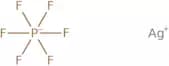
CAS:Silver hexafluorophosphate (AgPF) is a silver salt of the inorganic acid hexafluoro-phosphoric acid. It has been shown to have a high reactivity with organic compounds and is insoluble in water. Silver hexafluorophosphate is used as an additive for certain polymers, such as PVC, to improve their insulating properties. In addition, AgPF has shown biological properties that may be due to its ability to act as a chelate ligand and bind metal ions. The reaction mechanism of AgPF involves the formation of hydrogen bonding interactions with nitrogen atoms, which are found in biological molecules such as proteins and nucleic acids.
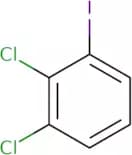
Formula:AgPF6Purity:Min. 95%Molecular weight:252.83 g/mol1,2-Dichloro-3-iodobenzene
CAS:Iodobenzene is a chemical compound that is composed of two benzene rings joined by a single bond. Iodobenzene isomers are also called iodosobenzenes and they contain one or more chlorine atoms. Iodobenzene has been shown to have anti-inflammatory properties, which may be due to its inhibition of prostaglandin synthesis. Iodobenzene inhibits the enzyme phospholipase A2, which is involved in the production of prostaglandins. Iodobenzene binds to enzymes by forming a covalent bond with an electron-rich atom such as oxygen, nitrogen or sulfur in the active site of the enzyme. This type of inhibition is called non-nucleoside inhibition because it does not require an intermediate molecule such as ATP or NADH for binding to the enzyme. Carbonyl groups on iodobenzene molecules form strong bonds with nucleophilic groups on enzymes, leading to enzyme inhibition and
Formula:C6H3Cl2IPurity:Min. 95%Molecular weight:272.9 g/molRef: 3D-FD151803
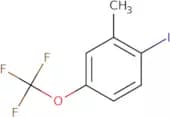
Discontinued product2-Methyl-4-(trifluoromethoxy)iodobenzene
CAS:Please enquire for more information about 2-Methyl-4-(trifluoromethoxy)iodobenzene including the price, delivery time and more detailed product information at the technical inquiry form on this page
Formula:C8H6F3IOPurity:Min. 95%Molecular weight:302.03 g/molRef: 3D-FM85964
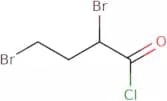
Discontinued product2,4-Dibromobutyryl chloride
CAS:2,4-Dibromobutyryl chloride is an enantiopure compound that can be used as a chemical building block in the synthesis of many other chemical compounds. It has been shown to have butyric acid mediated effects on diabetes and the condition of the esters. 2,4-Dibromobutyryl chloride has also been shown to have stereoselective effects on glucokinase and ketones.
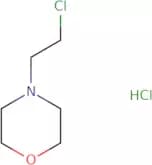
Formula:C4H5Br2ClOPurity:90%MinMolecular weight:264.34 g/mol4-(2-Chloroethyl)morpholine hydrochloride
CAS:4-(2-Chloroethyl)morpholine hydrochloride (PCEM) is a potent and selective inhibitor of bacterial topoisomerase IV. The compound has been found to have no effect on the mammalian enzyme, but does inhibit growth in bacteria such as Staphylococcus aureus and Escherichia coli. PCEM exhibits good stability in organic solvents, including water, and is not toxic to mammals at high doses. The compound has been used as an antibacterial agent in pharmaceutical preparations.
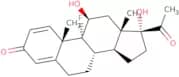
Formula:C6H12ClNO•HClColor and Shape:PowderMolecular weight:186.08 g/molDesmethyl fluorometholone
CAS:Controlled ProductPlease enquire for more information about Desmethyl fluorometholone including the price, delivery time and more detailed product information at the technical inquiry form on this page
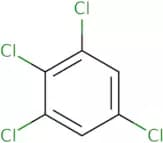
Formula:C21H27FO4Purity:Min. 95%Color and Shape:SolidMolecular weight:362.44 g/mol1,2,3,5-Tetrachlorobenzene
CAS:1,2,3,5-Tetrachlorobenzene (1,2,3,5-TCB) is a chlorinated aromatic compound that inhibits the growth of bacteria. It has been used as a model system to study the inhibition of aniline-dependent enzymes by 1,2,3,5-TCB. The rate of elimination of 1,2,3,5-TCB from human and rat tissues varies with the type of tissue and the type of fatty acid present in the tissue. In addition to its effects on enzyme activity and bacterial growth rate, 1,2,3,5-TCB can also inhibit mitochondrial electron transport chain function and vitamin B12 absorption.
Formula:C6H2Cl4Purity:Min. 95%Molecular weight:215.89 g/molRef: 3D-FT149144
Discontinued product2-Fluoro-5-methoxyaniline
CAS:2-Fluoro-5-methoxyaniline is a high quality reagent that is used as an intermediate in the synthesis of various complex compounds. The CAS number for this chemical is 62257-15-2 and it has been shown to be useful as a building block for the synthesis of fine chemicals, speciality chemicals, and research chemicals with many different uses. It is also a versatile building block that can be used in reactions involving amines, alcohols, thiols, and nitriles. 2-Fluoro-5-methoxyaniline may also be used as a reaction component in organic syntheses.
Formula:C7H8FNOPurity:Min. 95%Color and Shape:PowderMolecular weight:141.14 g/molRef: 3D-FF66275
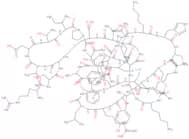
Discontinued productStichodactyla helianthus Neurotoxin (ShK) trifluoroacetate salt
CAS:ShK is an amide toxin that is found in the skin of the tropical marine organism Stichodactyla helianthus. It has been shown to have antimicrobial activity against E. coli and other bacteria, as well as a protective effect on inflammatory bowel disease. ShK has been shown to act by inhibiting protein synthesis, which may be due to its ability to bind to signal peptides and change their conformation.Formula:C169H274N54O48S7Purity:Min. 95%Molecular weight:4,054.78 g/molRef: 3D-FS108658
Discontinued product2-(Aminomethyl)-1,3-benzothiazole hydrochloride
CAS:Please enquire for more information about 2-(Aminomethyl)-1,3-benzothiazole hydrochloride including the price, delivery time and more detailed product information at the technical inquiry form on this page
Formula:C8H8N2S·HClPurity:Min. 95%Molecular weight:200.69 g/molRef: 3D-FA76419
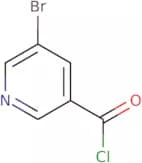
Discontinued product5-Bromonicotinoyl chloride
CAS:5-Bromonicotinoyl chloride is a synthetic compound that has been shown to be an inhibitor of some cancer cells. This compound has been shown to inhibit the enzyme phosphatidylinositol 3-kinase (PI3K) in a specific ligand-dependent manner. The precise mechanism of action is not yet understood, but it is thought that 5-bromonicotinoyl chloride may bind to the enzyme and inhibit its activity by hydrogen bonding interactions. This product inhibits PI3K, which is responsible for generating phosphatidylinositol 3,4,5-triphosphate (PIP3). PIP3 activates protein kinase B (AKT), which promotes cell proliferation and inhibits apoptosis. It also inhibits the enzyme phosphodiesterase type 4 (PDE4), which controls intracellular levels of cyclic GMP. PDE4 activity leads to vasodilation and platelet aggregation.
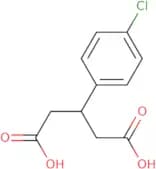
Formula:C6H3BrClNO2Purity:Min. 95%Molecular weight:236.54 g/mol3-(4-Chlorophenyl)glutaric acid
CAS:3-(4-Chlorophenyl)glutaric acid is a subunit of lanthanide complexes. It has been synthesized from cinchona alkaloids and single-crystal x-ray diffraction data obtained in the absence of ligands. 3-(4-Chlorophenyl)glutaric acid is a desymmetrization reagent and has been shown to be an effective ligand for lanthanide complexes. This compound has the potential to form impurities during the synthesis process, which can lead to morphological changes, luminescence, or high-performance liquid chromatography interference.
Formula:C11H11ClO4Purity:Min. 95%Molecular weight:242.66 g/molRef: 3D-FC20344
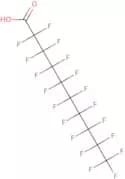
Discontinued productNonadecafluorodecanoic acid
CAS:Nonadecafluorodecanoic acid (NDFA) is a fatty acid that has been shown to be an effective solvent for wastewater treatment. This product has been found to have a matrix effect on mouse tumor cells, as well as enzyme activities in vitro. NDFA has also been shown to have acute toxicities in mice and genotoxic activity in vitro. NDFA is not carcinogenic and does not react with DNA, but does cause mutagenic effects such as single-stranded breaks, double-stranded breaks, or cross-linkages between DNA strands. The molecular weight of NDFA is 216 g/mol and the melting point is -52°C. It can be detected by electrochemical detector at concentrations of 0.1 ppm and by optical sensor at concentrations of 1 ppm. The analytical method used for NDFA quantification is gas chromatography/mass spectrometry (GC/MS).
Formula:C10HF19O2Purity:Min. 95%Color and Shape:PowderMolecular weight:514.08 g/molRef: 3D-FN60474
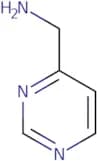
Discontinued product(Pyrimidin-4-ylmethyl)amine dihydrochloride
CAS:Pyrimidin-4-ylmethyl)amine dihydrochloride is a drug that belongs to the class of drugs known as kinase inhibitors. Pyrimidin-4-ylmethyl)amine dihydrochloride inhibits the kinase activity of Jak3, which is involved in regulating inflammation and immune response. This inhibitor has been shown to be effective against chronic inflammatory diseases such as asthma, psoriasis, and rheumatoid arthritis. Pyrimidin-4-ylmethyl)amine dihydrochloride has an affinity for ATP binding sites and can be used to regulate kinase activity by competing with ATP for these binding sites.
Formula:C5H7N3Purity:Min. 95%Molecular weight:109.13 g/molRef: 3D-FP127036
Discontinued producto-Chloramine T
CAS:O-Chloramine T is a chemical compound that is used in the treatment of cancer. It is an endoreduplication agent and has been shown to cause endothelial cell growth and apoptosis in cancer cells. O-Chloramine T binds to the membrane of cancer cells, which leads to a decrease in autocrine activity and cell binding. O-Chloramine T also inhibits endothelial cell growth by inhibiting protein synthesis and blocking the synthesis of DNA and RNA. This drug has been shown to have anti-cancer properties in animal models and hyperosmolarity properties, which may be due to its ability to cause vessels to collapse.
Formula:C7H7ClNNaO2SColor and Shape:PowderMolecular weight:227.64 g/molRef: 3D-FC60638
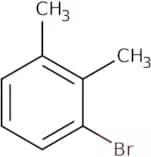
Discontinued product3-bromo-o-xylene
CAS:3-bromo-o-xylene is a xylene that has been shown to react with nucleophiles, such as ammonia and alcohols, by way of nucleophilic substitution. It can be used as a solvent for carboxylic acid derivatives and is also used in the production of ethyl formate. The most important use of 3-bromo-o-xylene is its conversion to 3-bromopropanoic acid (3BPA). This conversion can be achieved through a reaction with an inorganic acid or an organic acid, such as sulfamic acid or trifluoroacetic acid. Another method of conversion is called Grignard reagent synthesis. This process involves the reaction of 3-bromopropene with magnesium metal and an alkyl halide, such as methyl chloride. In addition, 3BPA can be prepared by hydrolysis using hydrochloric acid or potassium phosphate in the presence of b
Formula:C8H9BrPurity:Min. 95%Color and Shape:Clear LiquidMolecular weight:185.06 g/molRef: 3D-FB64662
Discontinued productQuinoline-6-sulfonyl chloride
CAS:Please enquire for more information about Quinoline-6-sulfonyl chloride including the price, delivery time and more detailed product information at the technical inquiry form on this page
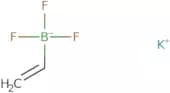
Formula:C9H6ClNO2SPurity:Min. 95%Molecular weight:227.67 g/molPotassium vinyltrifluoroborate
CAS:Potassium vinyltrifluoroborate is a salt that contains the inorganic anion potassium and the organic ligand vinyltrifluoroborate. It is used as an electrolyte in electrochemical cells, such as fuel cells, to increase power output by increasing the conductivity of the electrolyte. This compound has been shown to be effective against chronic kidney disease and infectious diseases such as HIV and malaria. Potassium vinyltrifluoroborate also has anti-cancer properties due to its ability to inhibit cellular proliferation and induce apoptosis in cancer cells. The mechanism of action of this drug is still unclear but may be due to its ability to inhibit proteases, such as ns3 protease found in human erythrocytes.
Formula:C2H3BF3KPurity:Min. 95%Color and Shape:PowderMolecular weight:133.95 g/mol8-Chloro-1-methyl-2,3,4,5-tetrahydro-1H-benzo[d]azepine
CAS:Controlled Product8-Chloro-1-methyl-2,3,4,5-tetrahydro-1H-benzo[d]azepine is an antipsychotic drug that is a member of the class of drugs known as serotonin receptor antagonists. It is a synthetic process that has been used to produce antidepressant and antipsychotic drugs. This drug was first synthesized in 1966 by chemists at Smith Kline & French Laboratories as part of a program to develop novel antidepressants. 8-Chloro-1-methyl-2,3,4,5-tetrahydro-1H-benzo[d]azepine is one of the few antipsychotics that does not cause extrapyramidal side effects such as tardive dyskinesia. The enantiomers are active with the (S) form being more potent than the (R) form.Formula:C11H14ClNPurity:Min. 95%Molecular weight:195.69 g/molRef: 3D-FC148171
Discontinued productEtifoxine hydrochloride
CAS:Controlled ProductEtifoxine hydrochloride is a drug that has been used in the treatment of asthma and other pulmonary diseases. It is a potent inhibitor of phospholipase A2, which modulates the production of inflammatory mediators. Etifoxine hydrochloride has been shown to have neurotrophic effects, with potential for clinical use in the treatment of neurodegenerative disorders such as Alzheimer's disease and Parkinson's disease. This drug also has anti-inflammatory properties due to its inhibition of prostaglandin synthesis. Etifoxine hydrochloride acts as an agonist on receptors, which may be responsible for some of its biological properties, including thermal expansion and axonal growth. In addition, this drug is a competitive inhibitor of the enzyme poly(ADP-ribose) polymerase (PARP), which is involved in DNA repair and cell division.
Formula:C17H18Cl2N2OPurity:Min. 95%Molecular weight:337.24 g/molRef: 3D-FE23188
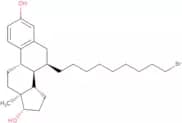
Discontinued product(7a,17beta)-7-(9-Bromononyl)estra-1,3,5(10)-triene-3,17-diol
CAS:Controlled ProductPlease enquire for more information about (7a,17beta)-7-(9-Bromononyl)estra-1,3,5(10)-triene-3,17-diol including the price, delivery time and more detailed product information at the technical inquiry form on this page
Formula:C27H41BrO2Purity:Min. 95%Molecular weight:477.52 g/molRef: 3D-FB152400
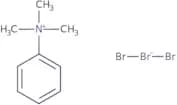
Discontinued productPhenyltrimethylammonium tribromide
CAS:Phenyltrimethylammonium tribromide is a quaternary ammonium compound that is used in combination preparations. It is an inhibitor of the replication of RNA and DNA, and modulates enzyme activity. Phenyltrimethylammonium tribromide has been shown to be a potent inhibitor of nicotinic acetylcholine receptors, which are important for nerve transmission. This drug also has been shown to inhibit the replication of HIV-1 and other viruses in vitro. Phenyltrimethylammonium tribromide can be synthesized by reacting epoxides with benzalkonium chloride or other quaternary ammonia compounds. The structural formula for phenyltrimethylammonium tribromide can be viewed here: br> C8H17N+Br− br> C6H5N+(CH3)3+Br− br>
Formula:C9H14Br3NPurity:Min. 95%Molecular weight:375.93 g/molRef: 3D-FP59809
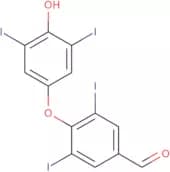
Discontinued product3,5,3',5'-Tetraiodo thyroaldehyde
CAS:Please enquire for more information about 3,5,3',5'-Tetraiodo thyroaldehyde including the price, delivery time and more detailed product information at the technical inquiry form on this page
Formula:C13H6I4O3Purity:Min. 95%Color and Shape:PowderMolecular weight:717.8 g/molRef: 3D-FT28151
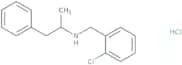
Discontinued productN-(2-Chlorobenzyl)-1-phenylpropan-2-amine hydrochloride
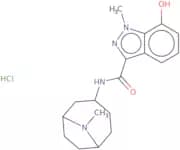
CAS:Controlled ProductN-(2-Chlorobenzyl)-1-phenylpropan-2-amine hydrochloride (CBP) is a potent stimulant drug that is used to treat chronic pain. It has been shown to be effective in the treatment of alopecia areata and inflammatory diseases, such as Crohn's disease, ulcerative colitis, and rheumatoid arthritis. CBP blocks protein synthesis by inhibiting the activity of the enzyme dinucleotide phosphate (DNP). This inhibition leads to the accumulation of adenosine monophosphate (AMP), which inhibits cyclic AMP production and protein synthesis. CBP also prevents the binding of DNP to RNA polymerase II at promoter sites, leading to a decrease in mRNA production. As a result, CBP may inhibit protein synthesis by preventing transcription or translation.Formula:C16H18ClN•HClPurity:Min. 95%Color and Shape:PowderMolecular weight:296.24 g/mol7-Hydroxy granisetron hydrochloride
CAS:Controlled ProductPlease enquire for more information about 7-Hydroxy granisetron hydrochloride including the price, delivery time and more detailed product information at the technical inquiry form on this pageFormula:C18H25ClN4O2Purity:Min. 95%Molecular weight:364.87 g/molRef: 3D-FH24018
Discontinued product4-(4-Chlorophenoxy)butyric acid
CAS:Controlled Product4-(4-Chlorophenoxy)butyric acid (4CBA) is a nitrobenzodiazepine derivative. It has been shown to bind to the benzodiazepine receptor at the same site as benzodiazepines, but with a different conformation. This drug has been shown to be an effective treatment for anxiety, but not depression. In addition, 4CBA has been shown to interact with GABA receptors and modulate their activity. It also appears that this drug may be useful in the treatment of epilepsy and other neurological disorders because it can enhance GABAergic transmission. 4CBA binds to the carboxylate site on GABA A receptors and inhibits chloride ion influx, which leads to membrane hyperpolarization. This binding also causes conformational changes in the receptor protein that have an effect on the binding of other ligands at the same site. The molecular modelling techniques used for this research showed that 4CBA binds in a similar manner as benzod
Formula:C10H11ClO3Purity:Min. 95%Molecular weight:214.65 g/molRef: 3D-FC54216
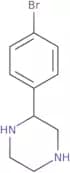
Discontinued product2-(4-Bromophenyl)piperazine
CAS:Please enquire for more information about 2-(4-Bromophenyl)piperazine including the price, delivery time and more detailed product information at the technical inquiry form on this page
Formula:C10H13BrN2Purity:Min. 95%Molecular weight:241.13 g/molRef: 3D-FB149277
Discontinued productPotassium tetrachloroplatinate(II)
CAS:Potassium tetrachloroplatinate(II) is a metal chelate of potassium and platinum. It can be used as a catalyst for organic syntheses, such as hydrogenation reactions. Potassium tetrachloroplatinate(II) has a high affinity for the amide ligands in substrates, which allows it to be used for hydrogenation reactions. The reaction mechanism of this compound has been investigated by x-ray crystal structures and in vitro experiments. The reaction mechanism primarily involves the formation of an organometallic intermediate that subsequently reacts with the substrate via an addition-elimination process. This compound also emits light when heated and produces a dark red color due to its ability to absorb visible light.
Formula:K2PtCl4Purity:Min. 95%Color and Shape:PowderMolecular weight:415.09 g/molRef: 3D-FP54960
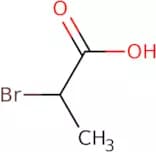
Discontinued product2-Bromopropionic acid
CAS:2-Bromopropionic acid is a tetroxide used in organic synthesis. It is an intermediate in the synthesis of 2,4-dibromopropionamide and 2,4-dibromo-3-methylpentanoic acid. The reaction mechanism of this process starts with the formation of a bromine atom from bromine monoxide and hydrogen peroxide. This bromine atom reacts with the carbon to form an alkyl radical that reacts with another molecule of bromine monoxide to form an alkyl radical that is stabilized by two atoms of hydrogen (i.e., CBr). The alkyl radical then undergoes a nucleophilic attack on iodobenzene to form an iodoalkane intermediate. This intermediate reacts with acetic acid to form the desired product, acetyl chloride. This reaction also produces iodoacetic acid as a byproduct.
Formula:C3H5BrO2Purity:Min. 95%Molecular weight:152.97 g/molRef: 3D-FB53769
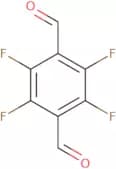
Discontinued productTetrafluoroterephthaldehyde
CAS:Tetrafluoroterephthaldehyde (TFPA) is a reactive aldehyde that can be synthesized in the laboratory by the reaction of trifluoromethanesulfonic acid with an aromatic hydrocarbon or ester compound. TFPA has been used to study the synthesis of supramolecular assemblies and supramolecular chemistry. The radiation-induced formation of TFPA is a useful method for the synthesis of polymers, and the thermal expansion of TFPA is high enough to be used as a thermometer. TFPA has shown chemical stability in both acidic and alkaline media, as well as resistance to radiation and oxidation. TFPA also has a high boiling point, making it useful for desolvation during gas chromatography experiments.
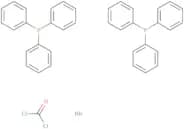
Formula:C8H2F4O2Purity:Min. 95%Color and Shape:PowderMolecular weight:206.09 g/molCarbonylbis(triphenylphosphine)rhodium(I) Chloride
CAS:Controlled ProductCarbonylbis(triphenylphosphine)rhodium(I) Chloride is a carbonyl compound that is prepared by reacting alcohols with diethyl ether in the presence of rhodium chloride. It is used as a reagent for alkylation, recrystallization, and purification of organic compounds. Carbonylbis(triphenylphosphine)rhodium(I) Chloride has been used to synthesize formaldehyde from ethylene glycol and formaldehyde-based resins. It also has been used as a catalyst in the conversion of aliphatic hydrocarbons to alcohols. This compound is insoluble in water and crystallizes yellow when dried.
Formula:C37H30ClOP2RhPurity:Min. 95%Molecular weight:690.94 g/molRef: 3D-FC60959
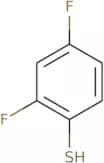
Discontinued product2,4-Difluorobenzenethiol
CAS:2,4-Difluorobenzenethiol is a chemical with the molecular formula CHClF2SH. It has a high yield and can be used in the production of medicines and chemicals. Industrially, 2,4-difluorobenzenethiol is used as a raw material for the manufacture of dyes, perfumes and other products. The synthesis of this chemical involves treating 2-fluoroaniline with sulfuric acid. This process produces 2,4-difluorobenzenethiol as a byproduct.
Formula:C6H4F2SPurity:Min. 95%Molecular weight:146.16 g/molRef: 3D-FD61254
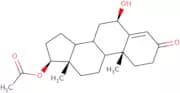
Discontinued product17b-Acetoxy 6b-hydroxy Trichloropyridyltentagel
Controlled ProductPlease enquire for more information about 17b-Acetoxy 6b-hydroxy Trichloropyridyltentagel including the price, delivery time and more detailed product information at the technical inquiry form on this pagePurity:Min. 95%Ref: 3D-FA16954
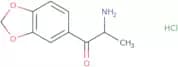
Discontinued productN-Demethyl methylone hydrochloride
CAS:Controlled ProductPlease enquire for more information about N-Demethyl methylone hydrochloride including the price, delivery time and more detailed product information at the technical inquiry form on this page
Formula:C10H12ClNO3Purity:Min. 95%Molecular weight:229.66 g/mol5[(R)-(2-Aminopropyl)]-2-methoxybenzenesulfonamide hydrochloride
CAS:Controlled ProductPlease enquire for more information about 5[(R)-(2-Aminopropyl)]-2-methoxybenzenesulfonamide hydrochloride including the price, delivery time and more detailed product information at the technical inquiry form on this page
Formula:C10H17ClN2O3SPurity:Min. 95%Molecular weight:280.77 g/molRef: 3D-FA17834
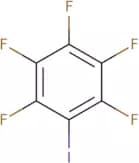
Discontinued productPentafluoroiodobenzene, stabilized with copper
CAS:Pentafluoroiodobenzene is a hydrogen fluoride (HF) derivative of the aromatic compound, benzene. It is an important industrial chemical used in the production of polymers, pharmaceuticals, and dyes. The structure of pentafluoroiodobenzene has been elucidated by X-ray crystallography and found to be a planar molecule with two fluorine atoms occupying the ortho positions and three iodine atoms occupying the para positions. Pentafluoroiodobenzene is a halogen that forms ionic bonds with metals and other halogens to form ionic compounds. Pentafluoroiodobenzene is also able to form coordination complexes with metal ions such as copper or zinc. The reaction mechanism for this process is not known at this time.
Formula:C6F5IPurity:Min. 95%Molecular weight:293.96 g/molRef: 3D-FP75674
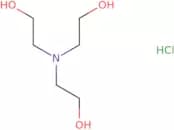
Discontinued productTriethanolamine hydrochloride
CAS:Controlled ProductTriethanolamine hydrochloride, widely known as TEA-HCl, is a buffer used in biochemistry to maintain a stable pH in the range of 7.3 to 8.3 during processes like protein extraction and purification. They are also used in enzyme assays.
Formula:C6H15NO3·HClPurity:Min. 95%Color and Shape:PowderMolecular weight:185.65 g/molRef: 3D-FT46965
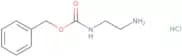
Discontinued productBenzyl N-(2-aminoethyl)carbamate hydrochloride
CAS:Please enquire for more information about Benzyl N-(2-aminoethyl)carbamate hydrochloride including the price, delivery time and more detailed product information at the technical inquiry form on this pageFormula:C10H15ClN2O2Purity:Min. 95%Molecular weight:230.69 g/molTrichlorfon
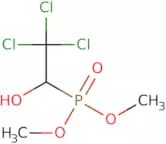
CAS:Controlled ProductTrichlorfon is a surfactant sodium dodecyl that is used as a pharmacological agent. It is an organophosphate insecticide that inhibits the enzyme cholinesterase and acts as an acetylcholinesterase inhibitor. Trichlorfon has also been shown to inhibit the activity of GSH-px, which is important in the metabolism of xenobiotics and oxidative stress. Trichlorfon has been used in treatment trials for infectious diseases such as malaria. The drug has been shown to have acute toxicities, such as seizures, coma, and respiratory arrest. These side effects are primarily due to its effects on central nervous system functions, including inhibition of acetylcholine receptors and muscarinic receptors, which are involved in basic physiological processes like muscle control and breathing. This drug also affects complex enzymes such as protein synthesis and DNA synthesis.
Formula:C4H8Cl3O4PPurity:Min. 95%Molecular weight:257.44 g/molN-[1,1'-Biphenyl]-4-yl-9,9-dimethyl-9H-fluoren-2-amine
CAS:N-Biphenyl-4-yl-9,9-dimethyl-9H-fluoren-2-amine is a fluorescent probe that is used in fluorescence spectroscopy, chemiluminescence detection, and electron spin resonance. It has been shown to be selective for metal ions such as Cu(II), Fe(III), and Mn(II) in the presence of thioacetal. The probe can be synthesized by reacting 4-(phenylazo)benzoic acid with 9,9'-dimethoxybiphenyl. In addition to being a probe, N-Biphenyl-4-yl-9,9'-dimethyl-9H -fluoren 2 amine has been used as an herbal medicine to treat cancer and other diseases in China.
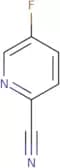
Formula:C27H23NPurity:Min. 95%Molecular weight:361.48 g/mol2-Cyano-5-fluoropyridine
CAS:2-Cyano-5-fluoropyridine is a potential antitubercular agent that has shown penetrability in the central nervous system and activity against Mycobacterium tuberculosis. It is orally active at low doses, and has been shown to be an effective inhibitor of mycobacterial growth and lipid synthesis. In addition, this compound also has antimycobacterial activity against M. avium complex and M. ulcerans, and is a potent inhibitor of β-amyloid aggregation.
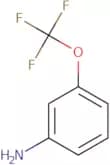
Formula:C6H3FN2Purity:Min. 95%Molecular weight:122.1 g/mol3-(trifluoromethoxy)aniline
CAS:3-(trifluoromethoxy)aniline is a compound that contains a trifluoromethoxy group. It has been shown to have antiproliferative effects in prostate cancer cells. 3-(trifluoromethoxy)aniline inhibits the activity of pim-1, which is important for cell proliferation and differentiation. The synthesis of 3-(trifluoromethoxy)aniline can be accomplished by one of two methods. In the first method, 3-chloroaniline is reacted with trifluoroacetic acid and bis(trimethylsilyl)acetamide in dichloromethane to form 3-hydroxy-4-chlorobenzenesulfonyl chloride (3HCBSCl). In the second method, the desired product is synthesized from 3-aminophenol and trifluoroacetic acid in acetonitrile. These two methods produce different isomers
Formula:C7H6F3NOPurity:Min. 95%Color and Shape:PowderMolecular weight:177.12 g/molRef: 3D-FT105000
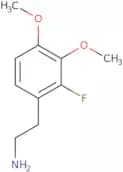
Discontinued product2-(2-Fluoro-3,4-dimethoxyphenyl)ethanamine
CAS:Controlled ProductPlease enquire for more information about 2-(2-Fluoro-3,4-dimethoxyphenyl)ethanamine including the price, delivery time and more detailed product information at the technical inquiry form on this page
Formula:C10H14FNO2Purity:Min. 95%Molecular weight:199.22 g/molRef: 3D-FF86946
Discontinued product







![8-Chloro-1-methyl-2,3,4,5-tetrahydro-1H-benzo[d]azepine](/_next/image/?url=https%3A%2Fstatic.cymitquimica.com%2Fproducts%2F3D%2Fthumb-webp%2FFC148171.webp&w=3840&q=75)


![5[(R)-(2-Aminopropyl)]-2-methoxybenzenesulfonamide hydrochloride](/_next/image/?url=https%3A%2Fstatic.cymitquimica.com%2Fproducts%2F3D%2Fthumb-webp%2FFA17834.webp&w=3840&q=75)
![N-[1,1'-Biphenyl]-4-yl-9,9-dimethyl-9H-fluoren-2-amine](/_next/image/?url=https%3A%2Fstatic.cymitquimica.com%2Fproducts%2F3D%2Fthumb-webp%2FFB151933.webp&w=3840&q=75)