Organic Halides
In this category, you can find organic molecules containing one or more halogen atoms in their structure. These organic halides include brominated, iodinated, chlorinated, and cyclic halide compounds. Organic halides are widely used in organic synthesis, pharmaceuticals, agrochemicals, and materials science due to their reactivity and ability to undergo a variety of chemical transformations. At CymitQuimica, we offer a comprehensive selection of high-quality organic halides to support your research and industrial applications, ensuring reliable and effective performance in your synthetic and analytical projects.
Subcategories of "Organic Halides"
Found 20442 products of "Organic Halides"
Sort by
Purity (%)
0
100
|
0
|
50
|
90
|
95
|
100
N-alpha-[2,4-Dinitro-5-fluorophenyl]-D-alanine amide
CAS:N-alpha-[2,4-Dinitro-5-fluorophenyl]-D-alanine amide is a potential drug for the treatment of cancer. It has been shown to be effective in inhibiting the proliferation of human prostate carcinoma cells in culture. This compound is a potential anticancer drug that binds to DNA and inhibits topoisomerase II, which is an enzyme involved in DNA replication. The mechanism of action of this drug was studied using methods such as optimization, isomers, plates, trifluoroacetic acid, tautomers, amino acid analysis and nanomolar concentrations. N-alpha-[2,4-Dinitro-5-fluorophenyl]-D-alanine amide has also been shown to inhibit cyanobacteria growth.Formula:C9H9N4O5FPurity:Min. 95%Color and Shape:Light (Or Pale) Yellow To Yellow SolidMolecular weight:272.05579-Fluorenone-2-carboxylic acid
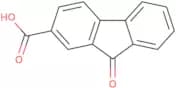
CAS:9-Fluorenone-2-carboxylic acid is a reducer that can be used in medicines and as a stabilizer. It has been shown to work synergistically with 2-benzoylbenzoic acid, polycarboxylic acid, and other conditioning agents. 9-Fluorenone-2-carboxylic acid has been shown to maximize the fluorescence of molecules and proteins, which may be due to its ability to stabilize them. This chemical also serves as a liquid phase for x-ray crystallography studies of proteins. The vibrational frequencies of 9-fluorenones are known to be between 250 and 350 cm−1.Formula:C14H8O3Purity:Min. 95%Color and Shape:Yellow PowderMolecular weight:224.21 g/mol4-Chlorophenol
CAS:4-Chlorophenol is a chemical compound that is found as a byproduct in the manufacturing process of phenol and acetone. It has been found to be stable in the presence of nitrogen atoms, which are present in wastewater treatment plants. The optimum concentration for 4-chlorophenol is 0.2 ppm, but it can be reduced to 0.1 ppm with the addition of malonic acid or surfactant sodium dodecyl sulfate. The reaction mechanism for 4-chlorophenol is an oxidation-reduction reaction with oxygen nucleophiles as electron acceptors and surface methodology through electrochemical impedance spectroscopy.Formula:C6H5ClOPurity:Min. 98%Color and Shape:Clear LiquidMolecular weight:128.56 g/mol2-Chloro-4,6-diphenyl-1,3,5-triazine
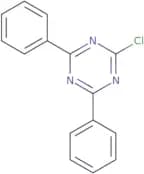
CAS:2-Chloro-4,6-diphenyl-1,3,5-triazine is a linker that can be activated to accept an electron from a donor molecule. It is often used as a transport material in organic light emitting diodes (OLEDs) and organic photovoltaics (OPVs). 2-Chloro-4,6-diphenyl-1,3,5-triazine has been shown to have high efficiencies when it is thermally activated. This compound also has high efficiency when it is activated by light with a wavelength of 400 nm. The luminescent properties of 2-Chloro-4,6-diphenyl-1,3,5 - triazine are due to its electron deficient nature and the presence of methoxy groups.
Formula:C15H10ClN3Purity:Min. 95%Color and Shape:White PowderMolecular weight:267.71 g/mol4-Trifluoromethylbenzene-1-carbothioamide
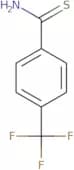
CAS:4-Trifluoromethylbenzene-1-carbothioamide (4FBA) is a non-toxic, organosulfur compound that is found in the fructus of Aurantii or Garcinia mangostana. 4FBA inhibits oxidant enzymes by reacting with their sulfhydryl groups and, as a result, prevents oxidation of other molecules. It has been shown to have antioxidant properties and inhibitory activity against two important enzymes that are involved in the progression of oxidative stress and inflammation. 4FBA has also been shown to be an effective inhibitor of chloride channels which may provide therapeutic potential for diseases such as sclerosis.Formula:C8H6F3NSPurity:Min. 95%Color and Shape:PowderMolecular weight:205.2 g/molChlorotoluron
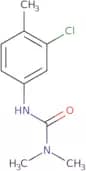
CAS:Chlorotoluron is a herbicide that inhibits the growth of plants by inhibiting photosynthesis. It is used on wheat, corn, sorghum, and rice crops because it has a lower toxicity level than other herbicides. Chlorotoluron binds to the enzyme activity site of acetyl-CoA carboxylase in the chloroplast and inhibits the production of malonyl-CoA. This decreases the incorporation of carbon dioxide into fatty acids, which affects photosynthesis. The reaction mechanism for chlorotoluron is synergistic with nitrogen atoms and nutrient solution. Chlorotoluron also has an inhibitory effect on certain bacteria such as clostridium and mycobacterium species.Formula:C10H13ClN2OPurity:Min. 97 Area-%Color and Shape:PowderMolecular weight:212.68 g/mol3-Chlorophenylhydrazine hydrochloride
CAS:3-Chlorophenylhydrazine hydrochloride is a pyrazole that has been shown to have potent antibacterial activity. It is used in the treatment of inflammatory diseases and has been shown to be effective against Helicobacter pylori, which causes gastritis, peptic ulcers, and stomach cancer. 3-Chlorophenylhydrazine hydrochloride is an acidic compound with a molecular weight of 192.2 g/mol. It contains a pyrazole ring that is eluted with hydrochloric acid and reacts with gyrase enzymes in bacteria, inhibiting DNA synthesis. 3-Chlorophenylhydrazine hydrochloride also has anti-inflammatory properties due to its ability to inhibit prostaglandin synthesis.Formula:C6H7ClN2•HClPurity:Min. 95%Color and Shape:PowderMolecular weight:179.05 g/mol1,3-Diphenyl-5-(2-chlorophenyl)pyrazole
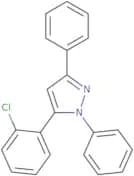
CAS:The title compound was obtained by reacting phenylhydrazine with 2-chloro-1,3-diphenylpyrazole. The reaction mixture was filtered, the solid was washed with water and dried to give 1,3-diphenyl-5-(2-chlorophenyl)pyrazole as a white powder.Formula:C21H15ClN2Purity:Min. 95%Molecular weight:330.81 g/molTetrabutylammonium fluoride - 75 wt. % in H2O
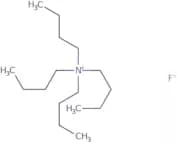
CAS:Tetrabutylammonium fluoride is a strong base which reacts with the hydroxyl group of a carboxylic acid to form a salt and hydrogen fluoride. The nucleophilic nature of tetrabutylammonium and its high polarity make it an excellent catalyst for this reaction. Tetrabutylammonium fluoride has been shown to react with sodium salts in nonpolar solvents, such as benzene or toluene, to form quinoline derivatives. It also has been used in the synthesis of x-ray crystal structures of organic molecules by reacting with carbonyl groups, such as acetaldehyde. Tetrabutylammonium fluoride can interact chemically with other compounds, such as hydrogen bond formation with amines or reactions with amides.Formula:C16H36FNPurity:Min. 95%Color and Shape:Clear LiquidMolecular weight:261.46 g/molalpha,alpha'-2,3,5,6-Hexachloro-p-xylene
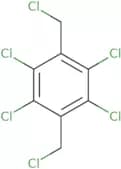
CAS:alpha,alpha'-2,3,5,6-Hexachloro-p-xylene is a chemical compound that is used as a research and speciality chemical. It is a versatile building block that can be used in the synthesis of complex compounds. alpha,alpha'-2,3,5,6-Hexachloro-p-xylene has been used as a reaction component and useful intermediate in the synthesis of many compounds. This compound is also involved in the production of pesticides and pharmaceuticals. CAS No. 1079-17-0Formula:C8H4Cl6Purity:Min. 95%Molecular weight:312.83 g/molDichloro[9,9-dimethyl-4,5-bis(diphenylphosphino)xanthene]palladium(II)
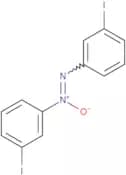
CAS:Controlled ProductDichloro[9,9-dimethyl-4,5-bis(diphenylphosphino)xanthene]palladium(II) is a fine chemical that can be used as a building block in the synthesis of compounds with diverse structures. It is a research chemical and reagent that has been found to be useful in the synthesis of complex organic compounds. This compound is also versatile enough to be used as an intermediate or scaffold in the synthesis of many different types of organic compounds.Formula:C39H32Cl2OP2PdPurity:Min. 95%Color and Shape:Yellow PowderMolecular weight:755.94 g/mol3,3'-Diiodoazoxybenzene
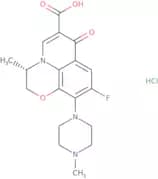
CAS:Please enquire for more information about 3,3'-Diiodoazoxybenzene including the price, delivery time and more detailed product information at the technical inquiry form on this pageFormula:C12H8I2N2OPurity:Min. 95%Molecular weight:450.01 g/molLevofloxacin hydrochloride
CAS:Levofloxacin is a fluoroquinolone antibiotic that inhibits bacterial DNA gyrase and topoisomerase IV, which are enzymes that maintain the integrity of bacterial DNA. It binds to bacterial 16S ribosomal RNA and inhibits protein synthesis, leading to cell death by inhibiting the production of proteins vital for cell division. Levofloxacin has been shown to be effective against many infectious diseases, including urinary tract infections and some types of pneumonia. Levofloxacin also has inhibitory properties against gram-positive bacteria such as Streptococcus pyogenes and Staphylococcus aureus. The mechanism of action is not fully understood, but it is believed that levofloxacin interferes with protein synthesis by binding to the 30S subunit of the bacterial ribosome. The drug also binds to benzalkonium chloride (BAK) in wastewater treatment systems, which may contribute to its effectiveness in theseFormula:C18H20FN3O4•HClPurity:Min. 95%Color and Shape:PowderMolecular weight:397.83 g/mol(S)-(+)-2-Phenylglycine methyl ester hydrochloride
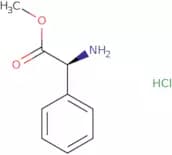
CAS:(S)-(+)-2-Phenylglycine methyl ester hydrochloride is a nitro compound that inhibits the production of nitric oxide (NO) by inhibiting the enzyme nitric oxide synthase. It has shown inhibitory effects on bronchial hyperresponsiveness in animals with bronchial asthma and ischemic reperfusion injury. The compound also inhibits nitrogen-induced allergic reactions and inflammatory diseases. (S)-(+)-2-Phenylglycine methyl ester hydrochloride has been shown to have a protective effect against prostate cancer in animal models, although it was not active against prostate cancer cells in vitro. This may be due to its inability to cross the cell membrane or its inability to effectively penetrate the nucleus, which is where cancerous cells originate. The functional groups present on this molecule include amide, carbonyl, and hydroxyl groups.Formula:C9H12ClNO2Purity:Min. 95%Color and Shape:White To Off-White SolidMolecular weight:201.65 g/mol1-Benzyl-3-[3-(dimethylamino)propoxy]-1H-indazole hydrochloride
CAS:Controlled Product1-Benzyl-3-[3-(dimethylamino)propoxy]-1H-indazole hydrochloride is an intubation agent that belongs to the group of benzydamine. It has been shown to have anti-inflammatory properties and may be used for the treatment of throat inflammation, including sore throat caused by squamous cell carcinoma, as well as for other inflammatory conditions such as mucositis, which is a complication from radiation therapy or chemotherapy. This drug can also be used with nonsteroidal anti-inflammatory drugs (NSAIDs) to treat pain and inflammation associated with osteoarthritis. 1-Benzyl-3-[3-(dimethylamino)propoxy]-1H-indazole hydrochloride has been shown to inhibit polymerization reactions by intramolecular hydrogen transfer and may have analytical applications in polymer compositions.Formula:C19H24ClN3OPurity:Min. 95%Color and Shape:White PowderMolecular weight:345.87 g/mol(R)-4-Chloro-3-hydroxybutyronitrile
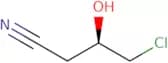
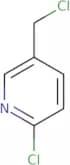
CAS:(R)-4-Chloro-3-hydroxybutyronitrile is a chiral pharmaceutical that has been shown to have hypotensive effects and hypoglycaemic properties. It is formed by the asymmetric synthesis of a ketone, utilising a synthetic route. This drug has been shown to be effective in treating cerebral infarction and other conditions related to poor blood flow. The mechanism of action of (R)-4-Chloro-3-hydroxybutyronitrile is not yet known, but it is believed that it may act as an alcohol or nutrient utiliser.Formula:C4H6ClNOPurity:Min. 95%Color and Shape:Clear LiquidMolecular weight:119.55 g/mol2-Chloro-5-chloromethylpyridine
CAS:2-Chloro-5-chloromethylpyridine is a nicotinic acetylcholine analog. It is synthesized by chlorinating anhydrous sodium and phosphorus pentachloride in the presence of sodium carbonate. 2-Chloro-5-chloromethylpyridine is soluble in water, but insoluble in organic solvents. The synthesis produces a yellow solution that contains hydrogen chloride, hydrogen fluoride, and other products such as 2-chloropyridinol and 2-methylpyridine. The yield of this reaction is not reported.END>Formula:C6H5Cl2NPurity:Min. 95%Color and Shape:White To Yellow SolidMolecular weight:162.02 g/mol3-Methyl-3,8-diaza-bicyclo[3.2.1]octane dihydrochloride
CAS:3-Methyl-3,8-diaza-bicyclo[3.2.1]octane dihydrochloride is a high quality reagent that is useful as an intermediate in the synthesis of complex compounds and as a reagent for fine chemicals. 3-Methyl-3,8-diaza-bicyclo[3.2.1]octane dihydrochloride can be used as a versatile building block in the synthesis of speciality chemicals and research chemicals. It can also be used to synthesize a variety of reaction components, such as amines, carboxylic acids, alcohols, amides, and nitriles.Formula:C7H16Cl2N2Purity:Min. 95%Color and Shape:PowderMolecular weight:199.12 g/molPotassium Trifluoromethanesulfonate
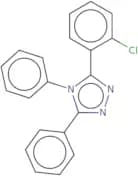
CAS:Potassium trifluoromethanesulfonate is a chemical compound that belongs to the family of organofluorine compounds. It has been shown to be an excellent hydrogen bond acceptor, which is the most important factor for its application in water vapor detection. Potassium trifluoromethanesulfonate has been used as an enhancement agent in analytical chemistry. It has also been used as a fluorescence detector and in x-ray crystal structure determination studies. The reaction mechanism of potassium trifluoromethanesulfonate is not yet known with certainty, but it is likely that the protonated amide form of potassium trifluoromethanesulfonate reacts with light emission from an organic dye, producing a fluorescent product.Formula:CF3KO3SPurity:Min. 95%Color and Shape:PowderMolecular weight:188.17 g/mol5-(2-Chlorophenyl)-1,2-diphenyl-1,3,4-triazole
CAS:5-(2-Chlorophenyl)-1,2-diphenyl-1,3,4-triazole is a research chemical that can be used as a building block for the synthesis of more complex molecules. This compound has been shown to have a high yield and is useful for the synthesis of various reaction components including pharmaceuticals and pesticides. It also has an excellent quality and is available in bulk quantities.Formula:C20H14ClN3Purity:Min. 95%Molecular weight:331.8 g/mol
![N-alpha-[2,4-Dinitro-5-fluorophenyl]-D-alanine amide](/_next/image/?url=https%3A%2Fstatic.cymitquimica.com%2Fproducts%2F3D%2Fthumb-webp%2FFD48427.webp&w=3840&q=75)



![Dichloro[9,9-dimethyl-4,5-bis(diphenylphosphino)xanthene]palladium(II)](/_next/image/?url=https%3A%2Fstatic.cymitquimica.com%2Fproducts%2F3D%2Fthumb-webp%2FFD60980.webp&w=3840&q=75)
![1-Benzyl-3-[3-(dimethylamino)propoxy]-1H-indazole hydrochloride](/_next/image/?url=https%3A%2Fstatic.cymitquimica.com%2Fproducts%2F3D%2Fthumb-webp%2FFB18262.webp&w=3840&q=75)
![3-Methyl-3,8-diaza-bicyclo[3.2.1]octane dihydrochloride](/_next/image/?url=https%3A%2Fstatic.cymitquimica.com%2Fproducts%2F3D%2Fthumb-webp%2FFM140947.webp&w=3840&q=75)