Organic Halides
Subcategories of "Organic Halides"
Found 20442 products of "Organic Halides"
4-Bromoisatin
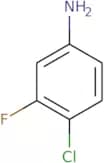
CAS:4-Bromoisatin is a synthetic compound that reversibly inhibits the activity of telomerase and has been shown to be effective against a broad range of bacterial species. It binds to the catalytic site on telomerase and prevents the synthesis of ribonucleotides, which are necessary for DNA replication. 4-Bromoisatin is synthesized by humans, but can also be found in plants such as coffee beans and black tea leaves. The antibacterial properties of 4-bromoisatin may be due to its ability to inhibit the biosynthesis of purine, an essential component in bacterial DNA synthesis.Formula:C8H4BrNO2Purity:Min. 95%Color and Shape:Orange PowderMolecular weight:226.03 g/mol4-Chloro-3-fluoroaniline
CAS:4-Chloro-3-fluoroaniline is a synthetic compound with a molecular formula of C6H4ClFNO. It is an epoxide hydrolase inhibitor and has been shown to produce a frequency shift in the infrared spectrum. This compound also has an additive reaction yield and produces hydrogen fluoride when reacted with hydrochloric acid. 4-Chloro-3-fluoroaniline has two isomers, one that is fluorescent and the other that is not. The reaction product of the two isomers can be determined by mass spectrometry analysis. The dipole moment of this compound can be detected by fluorescence spectroscopy.
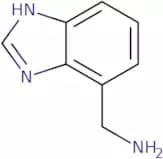
Formula:C6H5ClFNPurity:Min. 95%Color and Shape:PowderMolecular weight:145.56 g/mol1-(1H-Benzimidazol-4-yl)methanamine hydrochloride
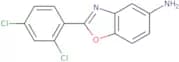
CAS:1-(1H-Benzimidazol-4-yl)methanamine hydrochloride is a versatile building block that can be used as a research chemical, reaction component, or a speciality chemical. It is a fine chemical with high purity and quality. This compound can be used as a useful scaffold for the preparation of other compounds, including pharmaceuticals and agrochemicals. 1-(1H-Benzimidazol-4-yl)methanamine hydrochloride is an intermediate in organic synthesis reactions that are used to synthesize other organic compounds.Formula:C8H8N3·HClPurity:Min. 95%Color and Shape:PowderMolecular weight:182.63 g/mol2-(2,4-Dichlorophenyl)-1,3-benzoxazol-5-amine
CAS:2-(2,4-Dichlorophenyl)-1,3-benzoxazol-5-amine is a versatile building block that can be used in a wide range of chemical reactions. The compound is a reagent and speciality chemical with CAS No. 293737-83-4. It is an intermediate in the synthesis of pharmaceuticals and pesticides, as well as a useful scaffold for the synthesis of other compounds. 2-(2,4-Dichlorophenyl)-1,3-benzoxazol-5-amine has been shown to have high quality and can be used as a reaction component or building block in research labs.
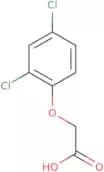
Formula:C13H8Cl2N2OPurity:Min. 95%Color and Shape:PowderMolecular weight:279.12 g/mol2,4-Dichlorophenoxyacetic acid
CAS:Controlled Product2,4-Dichlorophenoxyacetic acid is a chemical that is used to kill plants and has been shown to be toxic in humans. It has been used extensively in the past as an herbicide and insecticide. 2,4-Dichlorophenoxyacetic acid can be broken down by bacteria in wastewater treatment systems. This chemical has been shown to cause sublethal effects on cells, including changes in enzyme activities, protein genes, and gene expression levels. These changes are mediated by the production of reactive oxygen species (ROS). The mechanism of action for 2,4-dichlorophenoxyacetic acid involves the reaction with p-nitrophenyl phosphate (PNPP) to produce 2,4-dichlorobenzoic acid and formaldehyde. 2,4-Dichlorophenoxyacetic acid has also been shown to have an effect on human serum proteins.Formula:C8H6Cl2O3Purity:Min. 98%Color and Shape:White PowderMolecular weight:221.04 g/molTrichloroacetic acid
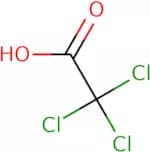
CAS:Trichloroacetic acid is a chemical compound that is commonly used as an analytical reagent. It is a white solid that can be dissolved in water and has a faint odor of chlorine. Trichloroacetic acid is used to measure the concentration of sodium trifluoroacetate in biological samples or as an analytical reagent in various chemical reactions. Trichloroacetic acid has been shown to cause oxidative injury to cells, which may be due to its ability to inhibit growth factor-β1 synthesis and glycol ether metabolism. Trichloroacetic acid also causes cancer cells to die by inducing apoptosis, which may be due to its ability to inhibit basic protein synthesis.
Formula:C2HCl3O2Purity:Min. 95%Color and Shape:White/Off-White SolidMolecular weight:163.39 g/mol2-Bromopropionic acid tert-butyl ester
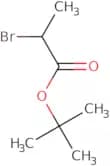
CAS:2-Bromopropionic acid tert-butyl ester is a chemical compound that belongs to the group of alkylation agents. It is used in organic synthesis as a reagent for the preparation of enolates and acrylates by transfer reactions. This compound can be used to prepare styrene copolymers with acrylic acid, methacrylic acid, and crotonic acid. 2-Bromopropionic acid tert-butyl ester has been shown to react with chloride ions in an electrophilic substitution reaction to form a radical species that reacts with oxygen in the presence of light or heat to form a dipole. This process has been shown using techniques such as gel permeation chromatography and mass spectroscopy.Formula:C7H13BrO2Purity:Min. 95%Color and Shape:Colorless Clear LiquidMolecular weight:209.08 g/mol2-Chloro-4-methylaniline
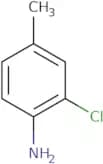
CAS:2-Chloro-4-methylaniline is a molecule that can be classified as an amine. It is a functional theory, which is a chemical ionization technique used to study the structure of molecules. 2-Chloro-4-methylaniline has been shown to have high metabolic profiles and to produce many metabolic products when it reacts with chlorine in the environment. This chemical has been studied extensively for its potential carcinogenic properties. It was found that 2-chloro-4-methylaniline causes DNA damage in human erythrocytes and induces mutations in calf thymus DNA, suggesting that this molecule may be carcinogenic. 2-Chloro-4-methylaniline also binds to hemoglobin, which may lead to the formation of methemoglobin that reduces oxygen transport in red blood cells. The matrix effect of this chemical on clinical pathology is not known.Formula:C7H8ClNPurity:Min. 95%Molecular weight:141.6 g/mol4-Chloro-6-iodoquinazoline
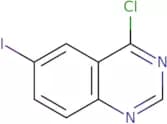
CAS:4-Chloro-6-iodoquinazoline is a synthetic molecule that binds to the tyrosine kinase domain of trifluoroacetic acid polymerase chain (TFPPC) and inhibits its activity. 4-Chloro-6-iodoquinazoline has been shown to have antifilarial and anti-cancer properties. In addition, it has been shown to be an effective inhibitor of epidermal growth factor (EGF), which is a potent mitogen for cells in culture. In clinical studies, 4-chloro-6-iodoquinazoline has been shown to be safe for use in humans.Formula:C8H4ClIN2Purity:Min. 95%Molecular weight:290.49 g/mol6-Bromo-4-chloro-1H-indazole
CAS:6-Bromo-4-chloro-1H-indazole is an organic compound that has been reported as a reaction component, reagent, and useful scaffold in the synthesis of complex compounds. It is also a speciality chemical with versatile building block and useful intermediate properties. 6-Bromo-4-chloro-1H-indazole is a fine chemical with complex structure and high purity.
Formula:C7H4BrClN2Purity:Min. 95%Color and Shape:Off-white to brown solid.Molecular weight:231.48 g/mol3,5-Dihydroxy-4'-bromostilbene
CAS:3,5-Dihydroxy-4'-bromostilbene is a reagent and useful intermediate. It is a complex compound that can be used to make speciality chemicals. 3,5-Dihydroxy-4'-bromostilbene is also a useful scaffold and building block for making new compounds. This compound is used in research and development as a versatile building block for the synthesis of new compounds with high quality.
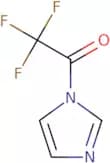
Formula:C14H11BrO2Purity:Min. 95%Molecular weight:291.14 g/mol1-(Trifluoroacetyl)imidazole
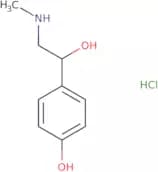
CAS:1-(Trifluoroacetyl)imidazole is a fatty acid that can be found in the chemical ionization of a sample. It is used as an analytical reagent to prepare chromatographic samples for analysis. 1-(Trifluoroacetyl)imidazole has been shown to have biological properties, such as binding to α2-adrenergic receptors and inhibiting the synthesis of retronecine. The concentration and time course of 1-(Trifluoroacetyl)imidazole in plasma and urine has been studied using an analytical method.Formula:C5H3F3N2OPurity:Min. 95%Color and Shape:PowderMolecular weight:164.09 g/mol(+/-)-Synephrine hydrochloride
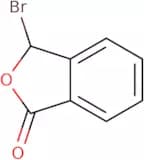
CAS:Synephrine is a naturally occurring compound that is found in various plants and foods, such as oranges, tomatoes, and bananas. It is also produced endogenously by the adrenal gland and is a metabolite of ephedrine. Synephrine hydrochloride (SH) has been shown to increase metabolic rate and promote weight loss in humans. SH binds to the beta-2 adrenergic receptor, which causes an increase in body temperature, heart rate, blood pressure, and respiratory rate. Synephrine can also cause eye disorders such as myopia or glaucoma. SH may be effective against tumors because it acts as an agonist for the alpha-1 adrenergic receptor and stimulates the production of tumor necrosis factor-α (TNF-α).Formula:C9H14ClNO2Purity:Min. 95%Color and Shape:White PowderMolecular weight:203.67 g/mol3-Bromophthalide
CAS:3-Bromophthalide is a potent antibacterial agent that blocks the synthesis of fatty acids, leading to bacterial cell death. It can be used to treat metabolic disorders and heart disease. 3-Bromophthalide has an antibacterial action against many Gram-positive bacteria, including methicillin-resistant Staphylococcus aureus (MRSA) and Clostridium perfringens, but not against acid-fast bacteria such as Mycobacterium tuberculosis or Mycobacterium avium complex. The mechanism of antibacterial activity is due to its ability to inhibit the synthesis of fatty acids by blocking enzymes in the fatty acid biosynthetic pathway. 3-Bromophthalide also has antiinflammatory effects, which may be due to its ability to inhibit prostaglandin synthesis.Formula:C8H5BrO2Purity:Min. 95%Molecular weight:213.03 g/mol3-Methyl-3,8-diaza-bicyclo[3.2.1]octane dihydrochloride
CAS:3-Methyl-3,8-diaza-bicyclo[3.2.1]octane dihydrochloride is a high quality reagent that is useful as an intermediate in the synthesis of complex compounds and as a reagent for fine chemicals. 3-Methyl-3,8-diaza-bicyclo[3.2.1]octane dihydrochloride can be used as a versatile building block in the synthesis of speciality chemicals and research chemicals. It can also be used to synthesize a variety of reaction components, such as amines, carboxylic acids, alcohols, amides, and nitriles.Formula:C7H16Cl2N2Purity:Min. 95%Color and Shape:PowderMolecular weight:199.12 g/mol[(1,2-Dimethyl-1H-benzimidazol-5-yl)methyl]amine dihydrochloride
CAS:[(1,2-Dimethyl-1H-benzimidazol-5-yl)methyl]amine dihydrochloride is a reagent that is used as a reaction component in the synthesis of organic and inorganic compounds. It is used as a high quality research chemical for use in the production of fine chemicals and pharmaceuticals. This compound has many uses as a versatile building block, useful intermediate, or useful building block in the synthesis of complex compounds. It can also be used to make various speciality chemicals. [(1,2-Dimethyl-1H-benzimidazol-5-yl)methyl]amine dihydrochloride is stable at room temperature and can be stored under ambient conditions indefinitely.Formula:C10H13N3·2HClPurity:Min. 95%Color and Shape:White PowderMolecular weight:248.15 g/mol4-Iodo-3-nitrobenzonitrile
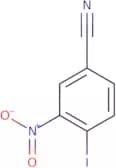
CAS:4-Iodo-3-nitrobenzonitrile is a chemical intermediate that can be used to synthesize other chemicals. It is an aromatic compound with the formula CHNO. 4-Iodo-3-nitrobenzonitrile can be used as a reactive building block in organic synthesis and has shown to be useful in the preparation of complex compounds that are difficult to prepare by other methods. This chemical has been shown to have high quality and is stable at room temperature.Formula:C7H3IN2O2Purity:Min. 95 Area-%Color and Shape:PowderMolecular weight:274.02 g/mol2-Chlorobenzophenone
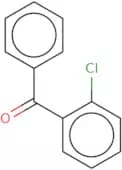
CAS:2-Chlorobenzophenone is a group P2 compound that is synthesized by the thermodynamic approach. It is also produced by the solid-phase synthesis of 2-chlorobenzoyl chloride and phosphorus pentachloride in a nonpolar solvent. This chemical can be purified through chromatographic methods. The chloride ion present in 2-chlorobenzophenone is replaced by an amine to form an amide or ester, which are more soluble in water than the chloride ion. 2-Chlorobenzophenone is used as a precursor for many other organic compounds, including benzodiazepines and organometallic compounds. This chemical has been shown to have sequences that are similar to benzodiazepine receptors and can act as a ligand for these receptors, blocking neurotransmission at synapses.>>END>>Formula:C13H9ClOPurity:Min. 95%Color and Shape:PowderMolecular weight:216.66 g/mol4-Iodo-3-nitrobenzoic acid
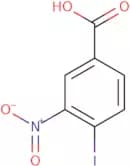
CAS:4-Iodo-3-nitrobenzoic acid (4-INBA) is a nitro derivative of the aromatic acid. It is used as a chemotherapeutic agent and an intermediate in the synthesis of other drugs. 4-INBA has been shown to be cytotoxic to hamsters and inhibit cellular growth by binding to DNA polymerase and inhibiting DNA synthesis. 4-INBA also binds to RNA polymerase, inhibiting RNA synthesis and protein production, which causes cell death.Formula:C7H4INO4Purity:90%Color and Shape:PowderMolecular weight:293.02 g/mol4-Bromo-2-methylbenzonitrile
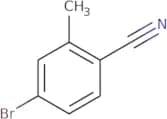
CAS:4-Bromo-2-methylbenzonitrile (4BMB) is a biphenyl derivative that inhibits the activity of tyrosine kinase enzymes. It has been shown to be a virulence factor for Streptococcus, which causes lysis of red blood cells. 4BMB has also been shown to inhibit the growth of Escherichia coli and other bacteria, including Streptococcus pneumoniae, by inducing cell lysis. The mechanism of action for this drug is through binding to an anion in the active site, causing reversible inhibition of ATP synthase. This causes an increase in intracellular pH and leads to cell death. 4BMB is fluorescent under UV light and can be used as a molecular probe for studying hydrogen bond formation and interactions with anions.Formula:C8H6BrNPurity:Min. 95%Color and Shape:PowderMolecular weight:196.04 g/mol




![3-Methyl-3,8-diaza-bicyclo[3.2.1]octane dihydrochloride](/_next/image/?url=https%3A%2Fstatic.cymitquimica.com%2Fproducts%2F3D%2Fthumb-webp%2FFM140947.webp&w=3840&q=75)
![[(1,2-Dimethyl-1H-benzimidazol-5-yl)methyl]amine dihydrochloride](/_next/image/?url=https%3A%2Fstatic.cymitquimica.com%2Fproducts%2F3D%2Fthumb-webp%2FFD135142.webp&w=3840&q=75)