Plant Biology
Plant Biology encompasses a wide range of growth regulators, phytohormones, and reagents essential for research and applications in plant science and the food industry. These products play a critical role in regulating plant growth, development, and responses to environmental stimuli. Growth regulators and phytohormones, such as auxins, gibberellins, cytokinins, and abscisic acid, are vital for studying plant physiology, improving crop yields, and developing sustainable agricultural practices. Additionally, various reagents support experimental procedures and analytical techniques in plant biology research. At CymitQuimica, we offer a diverse selection of high-quality products tailored to meet the needs of researchers and professionals in plant science, agriculture, and the food industry, facilitating advancements in plant biology and crop management.
Subcategories of "Plant Biology"
- Antibiotics for plant biology(1 products)
- Mycosol(3 products)
- Mycotoxins for plant biology(1 products)
- Natural Products and Phytochemicals by Botanical Origin(5,994 products)
- Plant growth regulator(125 products)
- Reagents for plant biology(15 products)
Found 714 products of "Plant Biology"
Sort by
Purity (%)
0
100
|
0
|
50
|
90
|
95
|
100
Orchid Maintence / Replate Medium Contains Banana, Charcoal, and Agar
<p>Orchid Maintence / Replate Medium Contains Banana, Charcoal, and Agar</p>Color and Shape:Grey-Black PowderOrchid maintenance/replate medium with banana and charcoal, without agar
<p>Orchid maintenance/replate medium with banana and charcoal, without agar</p>Murashige and Skoog modified basal medium (with 6-BAP), 1 pack = 10L
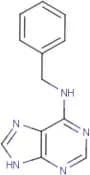
<p>Murashige and Skoog modified basal medium (with 6-BAP), 1 pack = 10L</p>6-Benzylaminopurine solution (1.0 mg/mL)
CAS:6-Benzylaminopurine solution (1.0 mg/mL)Color and Shape:Colourless SolutionMolecular weight:225.24924g/molTerrestrial (Cypripedium) Orchid Medium
<p>Terrestrial (Cypripedium) Orchid Medium</p>Color and Shape:PowderMolecular weight:0.00g/molMalmgren Modified Terrestrial Orchid Medium (without sucrose, agar and pineapple powder), 1 pack = 50L
<p>Malmgren Modified Terrestrial Orchid Medium (without sucrose, agar and pineapple powder), 1 pack = 50L</p>Color and Shape:PowderMolecular weight:0.00g/molChu N6 basal salt medium with vitamins
Chu N6 basal salt medium with vitaminsColor and Shape:White To Off White PowderSchenk and Hildebrandt basal salt mixture 10 x 1L pack
<p>Schenk and Hildebrandt basal salt mixture 10 x 1L pack</p>Color and Shape:Off-White SolidOrchid maintenance medium with charcoal, without agar
<p>Orchid maintenance medium with charcoal, without agar</p>Color and Shape:PowderMolecular weight:0.00g/molelf18
<p>Translation elongation factor thermo unstable (EF-Tu), is a highly conserved protein in bacteria which is essential for the synthesis of new proteins through translation in the ribosome. EF-Tu is also a pathogen-associated molecular pattern (PAMP) protein. PAMPs are elicitors of plant defences and are recognised by pattern recognition receptors in the plant. In Arabidopsis thaliana EF-Tu is recognised by EF-Tu Receptor (EFR), a leucine-rich repeat-receptor kinase XII family member.Elf18 represents the N-terminal of EF-Tu, the region specifically recognised by Arabidopsis. This N-acetylated peptide is a strong inducer of plant defence responses and results in the biosynthesis of ethylene in leaves which triggers resistance to subsequent infection by pathogenic bacteria.</p>Color and Shape:PowderMolecular weight:2,068.1 g/molMART-1 (27-35) (human)
CAS:<p>Tumour antigens recognised by cytotoxic T cells (CTLs) are a keen area of research to develop antigen-specific cancer therapies. However, hurdles are weak immunogenicity and high rates of degradation in vivo. In the search for a melanoma vaccine, the human tumour antigen Melan-A/MART-1 (27-35) has been used as a model to design peptides with improved characteristics for use in anti-tumour vaccines. The epitope can induce the production of melanoma-specific CD8+ T-cell responses. It has been included in melanoma antigen peptide vaccines, clinical trial data suggest that MART-1 (27-35) in human systems alongside other epitopes does affect the cellular and humoral responses, but much more work is required with this peptide to optimise it for clinical efficacy against melanoma.An alternate route that is possible but less studied is using MART-1 (27-35) to isolate CD8(+) T-cell clones with greater recognition for the epitope due to the contact with the T-cell receptor. This suggests melanomas could be targeted by optimising the T-cell receptor-peptide recognition of the T-cell repertoire by enhancing antigen targeting.</p>Formula:C37H67N9O11Molecular weight:813.98 g/molFlagellin 22 (flg22)
<p>Flagellin is a structural protein which forms the major portion of bacterial flagellar filaments. The N- and C-terminals of flagellin are highly conserved regions, whereas the central core can vary greatly between bacterial species. Flagellin 22 (flg22) is the stretch of amino acids most conserved across bacterial species and is located towards the N-terminal of the flagellin protein.Flg22 is a potent elicitor of plant immune responses and is recognised in plants by the membrane bound leucine-rich repeat-receptor kinase FLAGELLIN SENSITIVE 2 (FLS2). Flg22 induces defence gene expression to trigger both local and systemic immune responses and is thus widely used in plant defence studies.</p>Color and Shape:PowderMolecular weight:2,272.48 g/molProlactin-releasing peptide (PrRP20)
<p>Prolactin-releasing peptide (PrRP20) was originally identified for being able to stimulate lactin release. However, that is not considered its function anymore, it is reclassified as a neuropeptide with a role in energy balance, and an inhibitor of appetite. PrRP20 is considered a central neuromodulator found within the A1 and A2 noradrenergic neurons and neurons of the dorsomedial nucleus of the hypothalamus. PrRP20 binds with high affinity to the G protein coupled receptor GPR10. Binding can lead to activation of numerous signalling pathways including activation of mitogen-activated protein kinase/extracellular-regulated kinase (MAPK/ERK1/2) and cAMP response element-binding protein (CREB). Not much is known about the binding mechanism and activation of GPR10. Use of PrRP20 and its analogs have aimed to provide greater insight to the binding and activation of GRP10 to better understand how this effects energy balance. With new links being made between diabetes and obesity with Alzheimer's disease it raises the question of whether PrRP20 and GP10 may be a factor in the disease development due to the colocalization in the same brain regions. Further study may lead to novel therapies for obesity, diabetes, and Alzheimer's disease in the future.</p>Molecular weight:2,271.2 g/molTruncated flagellin 22 (flg22)
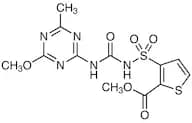
<p>Flagellin is the structural protein which forms the major portion of bacterial flagella filaments. The N- and C- terminals of flagellin are highly conserved regions, whereas the central core can vary greatly between bacterial species. Flagellin 22 (flg22) is the most conserved stretch of amino acids across bacterial species and is located towards the N-terminal of flagellin.Flg22 is a potent elicitor of plant immune responses and is recognised in plants by the membrane bound leucine-rich repeat-receptor kinase FLAGELLIN SENSITIVE 2 (FLS2). Flg22 induces defence gene expression to trigger both local and systemic immune responses and is thus widely used in plant defence studies.Truncated flagellin 22 (flg22-θ”2) represents amino acids 1-20 of flg22. It is a strong and selective agonist of tomato FLS2, with weak agonist activity towards Arabidopsis FLS2 even at high concentrations.</p>Molecular weight:2,087.1 g/molThifensulfuron-methyl
CAS:Formula:C12H13N5O6S2Purity:>97.0%(HPLC)Color and Shape:White to Almost white powder to crystalMolecular weight:387.39Azoic Diazo Component 24 (Salt) [for Biochemical Research]
CAS:Formula:C30H28Cl2N6O6·ZnCl2Purity:>95.0%(T)Color and Shape:Yellow to Brown to Dark green powder to crystalMolecular weight:775.77G418 Disulfate
CAS:Formula:C20H40N4O10·2H2SO4Purity:>90.0%(HPLC)(N)Color and Shape:White to Almost white powder to crystalMolecular weight:692.70(-)-Deguelin
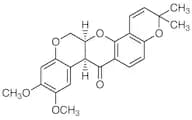
CAS:Formula:C23H22O6Purity:>95.0%(HPLC)Color and Shape:White to Yellow to Green powder to crystalMolecular weight:394.42






![Azoic Diazo Component 24 (Salt) [for Biochemical Research]](/_next/image/?url=https%3A%2Fstatic.cymitquimica.com%2Fproducts%2F3B%2Fthumb-webp%2FB0785.webp&w=3840&q=75)