Biochemicals and Reagents
Subcategories of "Biochemicals and Reagents"
- Biomolecules(98,574 products)
- By Biological Target(100,726 products)
- By Pharmacological Effects(6,937 products)
- Cryopreservatives(21 products)
- Desinfectants and Related Compounds(28 products)
- Hormones(439 products)
- Plant Biology(6,907 products)
- Secondary Metabolites(14,367 products)
Found 130493 products of "Biochemicals and Reagents"
ABCG2 Blocking Peptide
A synthetic peptide for use as a blocking control in assays to test for specificity of ABCG2 antibody, catalog no. 70R-1773
Purity:Min. 95%TTC8 Blocking Peptide
A synthetic peptide for use as a blocking control in assays to test for specificity of TTC8 antibody, catalog no. 70R-2854
Purity:Min. 95%Complement C4b Blocking Peptide
A synthetic peptide for use as a blocking control in assays to test for specificity of C4B antibody, catalog no. 70R-5742
Purity:Min. 95%Ercc1 Blocking Peptide
A synthetic peptide for use as a blocking control in assays to test for specificity of Ercc1 antibody, catalog no. 70R-9364
Purity:Min. 95%DCI antibody
The DCI antibody is a cytotoxic monoclonal antibody that specifically targets mesothelin, a protein expressed on the surface of certain cancer cells. It is used in Life Sciences research to study the role of mesothelin in various diseases and as a potential therapeutic target. The DCI antibody has been shown to inhibit the growth of cancer cells and induce cell death through multiple mechanisms. Additionally, it has been found to have low cross-reactivity with human serum proteins, minimizing potential side effects. This high-quality antibody is widely used in scientific research and holds great promise for future therapeutic applications.
5β-Dutasteride
CAS:5β-Dutasteride is a research tool that belongs to the class of ligands. Its binding site is the Androgen Receptor (AR) and it is an antagonist. The binding of 5β-dutasteride to AR prevents the interaction with cofactors, such as 3-alpha hydroxysteroid dehydrogenase and 17,20 lyase, which are required for the synthesis of testosterone. This compound was also shown to inhibit ion channels by blocking potassium currents. The high purity and quality of this product makes it suitable for use in cell biology, pharmacology, and protein interactions.
Formula:C27H30F6N2O2Purity:Min. 95%Molecular weight:528.5 g/molRef: 3D-HNB22952
Discontinued productGoat anti Monkey IgG
Goat anti-monkey IgG was raised in goat using monkey IgG gamma chain as the immunogen.Purity:Min. 95%HGF antibody
The 6-Fluoro-3-indoxyl-beta-D-galactopyranoside is a powerful antituberculosis drug belonging to the class of rifamycins. It is highly effective in treating tuberculosis infections and contains active compounds with bactericidal activity. By binding to DNA-dependent RNA polymerase, this drug inhibits bacterial growth, preventing transcription and replication. Its high frequency of human activity has been demonstrated using a patch-clamp technique on human erythrocytes. The drug undergoes various metabolic transformations, including hydrolysis by esterases or glucuronidases, oxidation by cytochrome P450 enzymes, reduction by glutathione reductase, or conjugation with glucuronic acid. Additionally, it specifically binds to markers expressed at high levels in Mycobacterium tuberculosis strains and inhibits cell growth in culture.
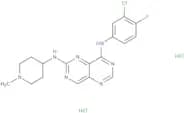
Bibx 1382 dihydrochloride
CAS:Bibx 1382 dihydrochloride is a liposome-encapsulated drug that binds to the extracellular domain of ICAM-1, which is a protein found on the surface of cancer cells. Bibx 1382 dihydrochloride slows the growth of cancer cells by binding to calmodulin, an intracellular protein, and inhibiting it from activating phosphatase 2A. This inhibition leads to reduced activation of protein kinase C and decreased production of cyclic AMP. Bibx 1382 dihydrochloride also inhibits the activity of tumor necrosis factor alpha (TNF-α), which is an inflammatory cytokine that causes inflammation and cell death in cancer cells. Bibx 1382 dihydrochloride has been shown to be effective against cancer cell lines in vitro and in vivo with a microfluidic device that encapsulates the drug.
Formula:C18H21Cl3FN7Purity:Min. 95%Molecular weight:460.8 g/molRef: 3D-RYB92018
Discontinued productChymotrypsin antibody
Chymotrypsin antibody was raised in rabbit using human pancreatic chymotrypsin as the immunogen.Purity:Min. 95%PF-06427878
CAS:PF-06427878 is a small molecule that activates AMP-activated protein kinase (AMPK), which plays important roles in regulating cellular energy metabolism. It has been shown to have clinical efficacy in reducing body mass index and triglycerides, and to be safe for use in patients with cirrhosis. PF-06427878 also activates the fatty acid oxidation pathway, resulting in decreased body fat content and improved insulin sensitivity. Further studies are required to determine the effects of this drug on other metabolic pathways.
Formula:C26H28N4O5Purity:Min. 95%Molecular weight:476.52 g/molRef: 3D-JXC06423
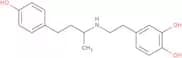
Discontinued productRacemic dobutamine
CAS:Ã1-adrenoceptor agonist; cardiotonic agent
Formula:C18H23NO3Purity:Min. 95%Molecular weight:301.38 g/molGNAL antibody
GNAL antibody was raised using a synthetic peptide corresponding to a region with amino acids AEKVLAGKSKIEDYFPEYANYTVPEDATPDAGEDPKVTRAKFFIRDLFLR
Berubicin hydrochloride
CAS:Berubicin hydrochloride is a potent anticancer drug that belongs to the anthracycline family of chemotherapeutic agents. It has been shown to be effective against various types of cancer, including brain tumors, breast cancer, and leukemia. Berubicin hydrochloride works by inhibiting DNA replication and RNA transcription through intercalation between base pairs in the DNA helix. This drug also has antioxidant properties and can inhibit the activity of aminopeptidase N, which is involved in tumor angiogenesis. Berubicin hydrochloride is often used in combination with other chemotherapy drugs such as polymyxin B sulfate, oclacitinib maleate, tartrate, tylosin phosphate, and ozagrel sodium to enhance its therapeutic effects. Menthol may be added to reduce the side effects associated with this medication.
Formula:C34H36ClNO11Purity:Min. 95%Molecular weight:670.1 g/molRef: 3D-BB182175
Discontinued productβ-Amyron
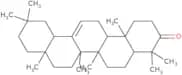
CAS:Controlled Productβ-Amyron is a natural product that has been isolated from the leaves of Boswellia sacra. It has inhibitory activities against protocatechuic acid, hexane, preparative HPLC and acetate extract. β-Amyron also showed inhibitory activities against α-amyrin acetate and caffeine. Furthermore, β-Amyron inhibited the growth of bacteria that were isolated from human skin (bel-7402) and ethanol extracts. β-Amyron belongs to the genus of boswellic acids and its nmr spectra are consistent with those of boswellic acids.
Formula:C30H48OPurity:Min. 95%Molecular weight:424.7 g/molRef: 3D-AAA63897
Discontinued productCysteine
Cysteine peptide (Ac RFAAKAA COOH) is used in combination with Lysinepeptide (Ac RFAACAA COOH) in the Direct Peptide Reactivity Assay (DPRA) test.
Direct Peptide Reactivity Assay is used in cosmetic applications for the characterization of the skin sensitizing potential of a substance, framed by OECD Guideline no 442.
The molecular initiating event (MIE) in skin sensitization is a binding between epidermal proteins and the sensitizing chemical substance. MIE is part of the adverse outcome pathway (AOP) of skin sensitization.
It is thanks to the properties of Lysine peptide and Cysteine peptide that the chemical binding will be able to take place, so these synthetic heptapeptides will mimic the reaction of a skin exposed to a substance.
Binding between nucleophilic proteins and electrophile substance will be measured by High Performance Liquid Chromatography (HPLC). Therefore, the decrease in Lysine peptide and Cysteine peptide levels will be a sign of sensitizing event. Depending on the rate of depletion, the sensitizing character of a molecule will be determined (see table at the bottom of the page).
In chemico DPRA test also has wider applications such as hazard classification in cosmetics, but also for pharmaceuticals and biocides. It is a good alternative to animal experimentation.Formula:C32H50O9N10S1Molecular weight:750.87 g/molOb 24 hydrochloride
CAS:Ob 24 is an ion channel activator that is a potent and selective inhibitor of the TRPV1 receptor. Ob 24 has been shown to inhibit the activity of TRPV1 receptors in rat sensory neurons, both in vitro and in vivo. Ob 24 can be used as a research tool to study TRPV1 receptor-mediated events, such as pain sensation and inflammation. It has also been used as a pharmacological tool for the investigation of protein interactions with TRPV1 receptors.
TRPV1 receptors are known to play an important role in various physiological processes, including pain sensation, inflammation, and cell proliferation. Ob 24 can also be used to activate cells that express TRPV1 receptors. This compound may have applications in cancer therapy by activating tumor cells that express TRPV1 receptors.Formula:C15H18BrClN2O2Purity:Min. 95%Molecular weight:373.67 g/molRef: 3D-PMB82512
Discontinued productPLA2G5 Blocking Peptide
A synthetic peptide for use as a blocking control in assays to test for specificity of PLA2G5 antibody, catalog no. 70R-5351
Purity:Min. 95%β-Cortolone
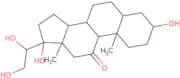
CAS:Controlled Productβ-Cortolone is a synthetic drug that is used to treat high blood pressure. It has been shown to reduce the risk of death from cancer in women, and may be a potential biomarker for bladder cancer. β-Cortolone binds with high affinity to corticosteroid receptors, which are expressed in many different tissues. This binding can lead to the release of inflammatory mediators and has been linked to increased risk of cardiovascular disease, osteoporosis, and diabetes. β-Cortolone may also have metabolic effects on the kidneys, liver, or brain cells.
Formula:C21H34O5Purity:Min. 95%Molecular weight:366.5 g/molRef: 3D-AAA66766
Discontinued productEph Receptor A5 Blocking Peptide
A synthetic peptide for use as a blocking control in assays to test for specificity of EPHA5 antibody, catalog no. 70R-2219
Purity:Min. 95%Myeloperoxidase protein
Myeloperoxidase protein is a native protein that plays a crucial role in various biological processes. It is involved in collagen production and has neuroprotective properties. However, it should be noted that excessive exposure to myeloperoxidase protein during pregnancy may have teratogenic effects.Purity:≥98% Determined By Sds-Page Analysis15-Ketocholestane
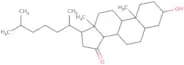
CAS:Controlled Product15-Ketocholestane is a fatty acid that is synthesized from cholesterol in mammalian cells. It is derived from cholesterol through the action of cholesterol esterase and can be used to study cholesterol synthesis and metabolism. 15-Ketocholestane has been shown to inhibit the activity of cytosolic proteins, such as fatty acid synthase, which are involved in the biosynthesis of fatty acids. This may be due to its ability to compete with coenzyme A (CoA) for binding sites on the enzyme. 15-Ketocholestane has also been shown to inhibit the activity of oxysterols, which are intermediates in cholesterol biosynthesis, by binding to them and preventing their conversion into other products.
Formula:C27H46O2Purity:Min. 95%Molecular weight:402.7 g/molRef: 3D-FCA82304
Discontinued productZNF251 Blocking Peptide
A synthetic peptide for use as a blocking control in assays to test for specificity of ZNF251 antibody, catalog no. 70R-8227
Purity:Min. 95%Cathepsin G protein
Cathepsin G (EC 3.4.21.20, CAS No [56645-49-9], [107200-92-0]) is an enzyme that belongs to a family of serine proteases, as it has a serine in its active site. One unit of Cathepsin G will hydrolyze 1.0 μmol of succinyl-alanine-alanine-proline-phenylalanine-p-nitroanilide per minute at pH 7.4 160 mM Tris-HCl buffer with with 1.6 M NaCl at 37°C. It also cleaves proteoglycans, collagen and angiotensinogen.Human Neutrophil Cathepsin G is supplied in lyophilized form and can be reconstituted in deionized water. Specific activity is 2-4 U/mg protein. Molecular weight is 23500Da. Store at -20°C on arrival.Purity:>95% By Sds-Page.(R)-(+)-Timolol maleate
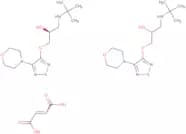
CAS:Controlled Productβ-adrenoceptor antagonist
Formula:C17H28N4O7SPurity:Min. 95%Molecular weight:432.49 g/molPKG drug G1
CAS:PKG drug G1 is a synthetic small-molecule inhibitor, which is a laboratory-engineered compound designed to interfere with the signaling pathways involved in cell cycle regulation. It is specifically sourced through chemical synthesis, allowing for precise modifications to enhance its stability and efficacy in cellular systems. The mode of action of PKG drug G1 involves selectively targeting and inhibiting certain protein kinases that play a crucial role in the progression of the cell cycle, particularly the G1 phase. By inhibiting these kinases, the drug effectively halts cell division, making it a potential candidate for research in cancer treatment.
Formula:C13H11N3OSPurity:Min. 95%Molecular weight:257.31 g/molRef: 3D-ZPA70378
Discontinued productQPCT Blocking Peptide
A synthetic peptide for use as a blocking control in assays to test for specificity of QPCT antibody, catalog no. 70R-5342
Purity:Min. 95%EIF2C3 Blocking Peptide
A synthetic peptide for use as a blocking control in assays to test for specificity of EIF2C3 antibody, catalog no. 70R-2539
Purity:Min. 95%PTB7-Th
CAS:PTB7-Th is a molecule that has been synthesized by the reaction of 3,4,5-trichlorobenzoyl chloride and thiophene. PTB7-Th has a molecular weight of 308.6 g/mol and a melting point of 220°C. It exhibits strong absorption in the UV region (around 300 nm) and has high photostability with an optical band gap of 2.2 eV. The intermolecular hydrogen bonds between the carbonyl group and the metal surface enhance its chemical stability on the surface of metals such as silver, copper, and platinum. PTB7-Th is also thermally stable up to 400°C with a decomposition temperature of 600°C.
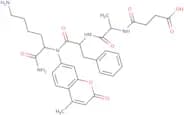
Formula:(C49H57FO2S6)nPurity:Min. 95%Suc-Ala-Phe-Lys-amc trifluoroacetate salt
CAS:Suc-Ala-Phe-Lys-amc trifluoroacetate salt is an analog inhibitor of protein kinases that has been shown to have potential anticancer properties. It inhibits tumor cell cycle progression and induces apoptosis in cancer cells. This medicinal compound has been extensively studied for its ability to inhibit the activity of various kinases, including those involved in cancer cell proliferation and survival. Suc-Ala-Phe-Lys-amc trifluoroacetate salt has been found to be effective against various types of human cancers, including breast, prostate, and lung cancer. It is a promising candidate for the development of novel anticancer drugs due to its potent inhibitory activity against protein kinases involved in tumor growth and survival.
Formula:C32H39N5O8Purity:Min. 95%Molecular weight:621.7 g/molRef: 3D-YCA20791
Discontinued productTMPRSS4 antibody
TMPRSS4 antibody was raised using the middle region of TMPRSS4 corresponding to a region with amino acids LSGSLVSLHCLACGKSLKTPRVVGGEEASVDSWPWQVSIQYDKQHVCGGS
MRGPRX4 antibody
The MRGPRX4 antibody specifically targets the Mas-related G protein-coupled receptor X4 (MRGPRX4), a GPCR encoded by the MRGPRX4 gene. This receptor is primarily expressed in human tissues, including sensory neurons and skin keratinocytes. Functionally, the activation of the receptor by specific ligands can trigger itch sensations, and it may also play a role in nociception. Researchers commonly use MRGPRX4 antibodies for techniques such as immunohistochemistry (IHC), Western blot (WB), and immunocytochemistry (ICC/IF) to study their expression and localization. Notably, these antibodies have undergone rigorous validation to ensure specificity. Furthermore, recent research highlights the role of MRGPRX4 in cholestatic itch, where bile acids act as natural ligands for this receptor. These findings provide a promising new drug target for anti-itch therapies.
CDK2 antibody
The CDK2 antibody is a monoclonal antibody that is widely used in Life Sciences research. It is specifically designed to target and bind to cyclin-dependent kinase 2 (CDK2), an enzyme involved in cell cycle regulation. This antibody has been extensively validated for use in various assays, including Western blotting, immunohistochemistry, and immunofluorescence.
LRRC57 antibody
LRRC57 antibody was raised using the N terminal of LRRC57 corresponding to a region with amino acids MGNSALRAHVETAQKTGVFQLKDRGLTEFPADLQKLTSNLRTIDLSNNKI
ITGB1BP2 Blocking Peptide
A synthetic peptide for use as a blocking control in assays to test for specificity of ITGB1BP2 antibody, catalog no. 70R-1183Purity:Min. 95%CHCHD3 Blocking Peptide
A synthetic peptide for use as a blocking control in assays to test for specificity of CHCHD3 antibody, catalog no. 70R-4355
Purity:Min. 95%SLC4A1 Blocking Peptide
A synthetic peptide for use as a blocking control in assays to test for specificity of SLC4A1 antibody, catalog no. 70R-2370
Purity:Min. 95%RAB5B Blocking Peptide
A synthetic peptide for use as a blocking control in assays to test for specificity of RAB5B antibody, catalog no. 70R-5873
Purity:Min. 95%Meteorin protein
Meteorite protein is a growth factor that plays a crucial role in Life Sciences. It interacts with binding proteins and inhibitors to regulate various cellular processes. This protein has been extensively studied in the context of drug development, particularly as a target for monoclonal antibodies. Meteorite protein has shown the ability to neutralize tumor necrosis factor-alpha (TNF-α), which is involved in inflammatory responses. Additionally, it exhibits phosphatase activity and has been implicated in nuclear signaling pathways. Researchers have also explored its potential as a biomarker in diagnostic assays and its interaction with other proteins such as fibrinogen. Overall, meteorite protein is an intriguing molecule with diverse applications in the field of Proteins and Antigens research.
Purity:Min. 95%BBS2 Blocking Peptide
A synthetic peptide for use as a blocking control in assays to test for specificity of BBS2 antibody, catalog no. 70R-9877
RWJ-51204
CAS:RWJ-51204 is a synthetic benzodiazepine that binds to the GABA receptor and has been shown to have anxiolytic properties. It has been shown to reduce the frequency of epileptiform activity in humans with severe dehydration and may be effective as an anti-epileptic drug. The clinical data on RWJ-51204 shows that it can be used for the treatment of anxiety disorders, such as posttraumatic stress disorder, obsessive-compulsive disorder, panic disorder, and social anxiety disorder. The drug substance is not currently available for sale in the United States but is being studied for its potential use in clinical trials. Doses of up to 5mg/kg have been found to be safe and well tolerated in human subjects. The effective dose of RWJ-51204 is 1mg/kg.
Formula:C21H19F2N3O3Purity:Min. 95%Molecular weight:399.4 g/molEmlenoflast
CAS:Emlenoflast is a peptide that can be used as a research tool or an activator. It has high purity and is suitable for antibody production, ion channel activation, and protein interactions. Emlenoflast has been shown to inhibit the activation of the nicotinic acetylcholine receptor. It also binds to the alpha-7 nicotinic acetylcholine receptor with high affinity. Emlenoflast has been shown to activate the muscarinic acetylcholine receptor as well as inhibit protein interactions in cell biology and pharmacology studies.
Formula:C19H24N4O3SPurity:Min. 95%Molecular weight:388.5 g/molRef: 3D-VED06759
Discontinued productUCL 2077
CAS:UCL 2077 is a small-molecule drug that has been shown to inhibit the production of cytosolic calcium in cancer cells. It also has antineoplastic properties, which may be due to its ability to inhibit the proliferation of cancer cells. UCL 2077 binds to the calcium binding site on the hippocalcin protein, which regulates intracellular calcium levels. This interaction inhibits the function of this protein and inhibits cell growth by reducing intracellular calcium levels.
Formula:C25H22N2Purity:Min. 95%Molecular weight:350.46 g/molPSMC5 antibody
PSMC5 antibody was raised in rabbit using the C terminal of PSMC5 as the immunogen
Purity:Min. 95%PF-4693627
CAS:PF-4693627 is a potent, selective, and orally active prostaglandin E2 receptor agonist with pharmacological activity at the COX-2 enzyme. PF-4693627 has been shown to be effective in reducing inflammation and pain in animal models of inflammatory diseases, such as uveitis and arthritis. PF-4693627 is also being investigated for its potential use as an analgesic in humans. This drug has been shown to have a good safety profile in clinical studies.
PF-4693627 binds selectively to the prostaglandin E2 receptor subtype EP3 (COX-2) without significant binding to EP1 or EP2 receptors. This compound was developed by Pfizer Inc., which will be conducting Phase III clinical trials on this drug.Formula:C26H29Cl2N3O3Purity:Min. 95%Molecular weight:502.4 g/molRef: 3D-MCC81593
Discontinued productCl-275838
CAS:Cl-275838 is a dopamine agonist that has been shown to be a potent inhibitor of serotonin uptake and release. It also inhibits the p450 system, which is responsible for the metabolism of drugs. Cl-275838 has been shown to be safe in toxicity studies in rats and humans, with no significant adverse effects on plasma concentrations or bilirubin levels. The drug has been validated as an assay reagent for the determination of serotonin, dopamine, and their metabolites by fluoroimetric analysis. Cl-275838 is taken up by cells via a post-column derivatization reaction that leads to fluorescent derivatives.
Formula:C27H25F3N6OPurity:Min. 95%Molecular weight:506.5 g/molRef: 3D-QEA93165
Discontinued productHSD11B1 Blocking Peptide
A synthetic peptide for use as a blocking control in assays to test for specificity of HSD11B1 antibody, catalog no. 70R-7468
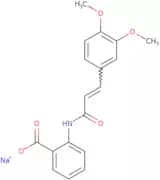
Purity:Min. 95%Tranilast sodium
CAS:Tranilast sodium is an ophthalmic medicine that is used to treat sensitivity and inflammation of the cornea. It belongs to the class of anti-inflammatory drugs. Tranilast sodium is a non-steroidal anti-inflammatory drug, which works by blocking the release of certain substances in cells that are responsible for causing pain and inflammation. This medication has been shown to be effective in treating squamous cell carcinoma of the eye. Tranilast sodium has also been shown to reduce corneal epithelium disease process and metaplasia, and improve corneal sensitivity parameters.
Formula:C18H16NNaO5Purity:Min. 95%Molecular weight:349.3 g/molRef: 3D-EEA93156
Discontinued productApoH Blocking Peptide
A synthetic peptide for use as a blocking control in assays to test for specificity of APOH antibody, catalog no. 70R-5421
Purity:Min. 95%Sitoindoside II
CAS:Sitoindoside II is a natural compound that has been shown to have potential as an anticancer agent. It binds to the receptor for epidermal growth factor, which may be important in cancer progression. Sitoindoside II is soluble in supercritical carbon dioxide and has been detected in the leaves of Meliaceae plants. The chemical structure of sitoindoside II was elucidated by chromatographic methods and it was found to be identical with usnic acid and chicory. Sitoindoside II has also been shown to inhibit the proliferation of leukemia cells in mice.
Formula:C53H92O7Purity:Min. 95%Molecular weight:841.3 g/molRef: 3D-DCA65729
Discontinued productPSB-12379
CAS:PSB-12379 is a potential cancer therapeutic that inhibits the activity of membrane-bound enzymes, including purine nucleoside phosphatase (PNP) and adenosine phosphatase. The compound has been shown to be effective in vitro on cancer cells and may have application in the treatment of neurodegenerative diseases. PSB-12379 is an incompletely excised analogue of adenosine triphosphate (ATP), which has been shown to bind to PNP and inhibit its phosphatase activity. This inhibition leads to accumulation of ATP and activation of purinergic receptors, which are involved in many physiological processes including nerve growth and cancer cell proliferation.
Formula:C18H23N5O9P2Purity:Min. 95%Molecular weight:515.35 g/molRef: 3D-CXC22678
Discontinued productCI 1020-d9
CAS:Please enquire for more information about CI 1020-d9 including the price, delivery time and more detailed product information at the technical inquiry form on this page
Formula:C28H26O9Purity:Min. 95%Molecular weight:515.6 g/molRef: 3D-WDC60245
Discontinued productCP-944629
CAS:CP-944629 is an investigational drug that has been shown to have anticancer activity. The mechanism of action is currently unknown, but it has been speculated that this drug may act by inhibiting DNA methylation and/or altering the activity of microRNAs. CP-944629 is currently in Phase I clinical trials for the treatment of multiple myeloma and non-small cell lung carcinoma. It has also been shown to induce apoptosis in a number of cancer cells, including those derived from muscle tissue, leukemia, and breast cancer. CP-944629 has not yet been tested in combination with other treatments; however, it has been repurposed as a potential treatment for spinal muscular atrophy (SMA).
Formula:C19H15F3N4OPurity:Min. 95%Molecular weight:372.34 g/molRef: 3D-TBB99094
Discontinued productRPL37 Blocking Peptide
A synthetic peptide for use as a blocking control in assays to test for specificity of RPL37 antibody, catalog no. 70R-10389
Purity:Min. 95%2-(2-((2-Nitro-9H-fluoren-9-ylidene)methyl)phenoxy)ethan-1-amine
CAS:2-(2-((2-Nitro-9H-fluoren-9-ylidene)methyl)phenoxy)ethan-1-amine is a research tool that is used to study the activation, ligand binding, and receptor interactions of ion channels. It has shown to be an inhibitor of voltage gated sodium channels and potassium channels. This compound can also be used as a pharmacological tool for studying protein interactions with peptides. 2-(2-((2-Nitro-9H-fluoren-9-ylidene)methyl)phenoxy)ethan-1-amine is sold as a high purity product with CAS number 1425944-22-4.
Formula:C22H18N2O3Purity:Min. 95%Molecular weight:358.4 g/molRef: 3D-AHC94422
Discontinued product...C-peptide antibody
The C-peptide antibody is a synthetic, recombinant protein that has been activated for use in various life sciences assays. This antibody is specifically designed to detect and bind to C-peptide, a protein fragment that is cleaved from proinsulin during insulin synthesis. The C-peptide antibody can be used in electrophoresis and other laboratory techniques to study the presence and function of C-peptide in human serum samples. This monoclonal antibody is highly specific and has been extensively characterized for its performance and reliability. It can be used as a valuable tool in research and diagnostic applications related to diabetes, insulin secretion, and related disorders. With its buffered formulation and high sensitivity, the C-peptide antibody ensures accurate and reproducible results in various experimental settings. Trust this antibody for your research needs in the field of endocrinology and beyond.
WNT4 antibody
The WNT4 antibody is a highly specialized monoclonal antibody that targets the WNT4 protein, a growth factor involved in various cellular processes. This antibody is designed to specifically bind to WNT4 dimers, inhibiting their activity and preventing downstream signaling pathways.
Coronavirus (SARS-CoV-2) Spike S1 RBD - Purified from HEK 293
Recombinant SARS-CoV-2 Spike S1 Receptor Binding Domain (RBD; GenBank QHD43416.1, a.a.318-541) with a 6xHIS tag was expressed in HEK293 cells and purified by nickel affinity chromatography. Under SDS-PAGE reducing conditions, the protein is detected at an estimated molecular weight of ~35 kDa. Optimal working dilutions should be determined experimentally by the investigator.
RABGEF1 antibody
RABGEF1 antibody was raised using a synthetic peptide corresponding to a region with amino acids MSLKSERRGIHVDQSDLLCKKGCGYYGNPAWQGFCSKCWREEYHKARQKQ
GSK 2837808A
CAS:GSK 2837808A is a small molecule that inhibits mitochondrial respiration and ATP synthesis. It binds to the mitochondrial receptor, which is found on the outer membrane of mitochondria. GSK 2837808A has been shown to inhibit tumor growth in deficient mice and human cancer cells, due to its ability to induce apoptosis by activating caspase-1. Inhibition of mitochondrial respiration may also have an effect on cellular energy metabolism, as well as epithelial mesenchymal transition. GSK 2837808A has also been shown to inhibit glutamate dehydrogenase, which can lead to decreased production of neurotransmitters such as dopamine and serotonin. GSK 2837808A also inhibits aerobic glycolysis in cancer cells, leading to a decrease in glucose uptake.
Purity:Min. 95%PEDV Spike Protein - Purified
Purified recombinant protein from a sequence within the PEDV Spike Protein (S1) domain. Expressed and purified from CHO cells and contains a 6xHIS tag.
Purity:Min. 95%SMI# 9
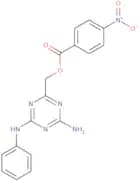
CAS:SMI# 9 is a benzoate that inhibits the proliferation of cancer cells by binding to PD-L1, which is a protein expressed in many types of cancer cells. SMI# 9 also has anticancer activity against breast and prostate cancers, as well as melanoma. The compound was shown to have predictive biomarker properties in an assay with human breast tumor tissue samples, which may be due to the inhibition of the expression of mcf-7. SMI# 9 binds to the triazine site on pd-l1, which prevents it from binding to its receptor and blocks the activation of immune cells. This drug has been tested in clinical trials for safety and efficacy in patients with advanced solid tumors and is currently undergoing Phase III clinical trials.
Formula:C17H14N6O4Purity:Min. 95%Molecular weight:366.33 g/molRef: 3D-CQB78986
Discontinued productGoat IgG ELISA Kit
The Goat IgG ELISA kit is intended for the quantitative determination of total goat IgG in biological samples. This product will not react with sheep IgG or Bovine IgG.
Purity:Min. 95%Hamster (CHO) Glutathione S-Transferase P - ELISA Kit
Hamster (CHO) Glutathione S Transferase Pi (GSTp) ELISA Kit
Glutathione S-transferase Pi (GSTp) is a metabolic enzyme that facilitates metabolite detoxification and antioxidation. GSTp reduces efficacy of chemotherapy drugs and inhibits tumor-cell apoptosis.Purity:Min. 95%(±)-Stizolobic acid
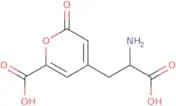
CAS:(±)-Stizolobic acid is an analog of the natural product indirubin and has shown potent anticancer activity in various cancer cell lines. It inhibits the replication of tumor cells by targeting human kinases involved in cell proliferation and apoptosis. Studies have shown that (±)-Stizolobic acid induces apoptosis in cancer cells by inhibiting the activity of specific proteins involved in cell signaling pathways. This compound has also been found to be present in urine samples from Chinese individuals, suggesting its potential use as a diagnostic tool for certain cancers. In addition, (±)-Stizolobic acid may serve as a promising lead for developing novel kinase inhibitors for the treatment of cancer.
Formula:C9H9NO6Purity:Min. 95%Molecular weight:227.17 g/molRef: 3D-DAA06062
Discontinued productTTC19 Blocking Peptide
A synthetic peptide for use as a blocking control in assays to test for specificity of TTC19 antibody, catalog no. 20R-1154
Purity:Min. 95%MESP2 Blocking Peptide
A synthetic peptide for use as a blocking control in assays to test for specificity of MESP2 antibody, catalog no. 20R-1126
Purity:Min. 95%BBS4 Blocking Peptide
A synthetic peptide for use as a blocking control in assays to test for specificity of BBS4 antibody, catalog no. 70R-4576
Purity:Min. 95%Tau antibody
The 6-Fluoro-3-indoxyl-beta-D-galactopyranoside is a powerful antituberculosis drug that falls under the class of rifamycins. It is known for its bactericidal activity against tuberculosis infection. This active compound works by inhibiting bacterial growth through binding to DNA-dependent RNA polymerase, preventing transcription and replication. Its effectiveness has been demonstrated through patch-clamp technique on human erythrocytes. The drug undergoes various metabolic transformations, including hydrolysis, oxidation, reduction, or conjugation with glucuronic acid. Additionally, it specifically targets markers expressed in Mycobacterium tuberculosis strains and inhibits cell growth in culture.
C2ORF29 Blocking Peptide
A synthetic peptide for use as a blocking control in assays to test for specificity of C2orf29 antibody, catalog no. 70R-4352
Purity:Min. 95%ADAR1 antibody
The ADAR1 antibody is a reactive growth factor that is commonly used in Life Sciences research. It has the ability to bind to lipoprotein lipase and serum albumin, forming a disulfide bond. This specific monoclonal antibody is highly effective in detecting autoantibodies and can be used for various applications in research and diagnostics. Additionally, it has shown binding affinity towards cations and anti-thyroglobulin antibodies. With its high specificity and sensitivity, the ADAR1 antibody is an essential tool for studying protein-protein interactions and understanding disease mechanisms.
KLK5 antibody
The KLK5 antibody is a highly specialized monoclonal antibody that plays a crucial role in various biological processes. It acts as an inhibitor of endothelial growth factor, acidic neurotrophic factor, and colloidal antibodies. Additionally, it has neutralizing properties against glucagon and tyrosine growth factor.
Human IL-6 ELISA Kit
Interleukin 6 (IL-6) is primarily produced at sites of acute and chronic inflammation, where it is secreted into the serum and induces a transcriptional inflammatory response through interleukin 6 receptor, alpha.
Purity:Min. 95%CXORF20 Blocking Peptide
A synthetic peptide for use as a blocking control in assays to test for specificity of CXorf20 antibody, catalog no. 70R-4187
Purity:Min. 95%KIAA0859 antibody
KIAA0859 antibody was raised using the C terminal of KIAA0859 corresponding to a region with amino acids NEILFCQLHPEQKLATPELLETAQALERTLRKPGRGWDDTYVLSDMLKTV
SOX17 Blocking Peptide
A synthetic peptide for use as a blocking control in assays to test for specificity of SOX17 antibody, catalog no. 70R-7976
Purity:Min. 95%IL8 antibody
The IL8 antibody is a highly specialized monoclonal antibody that plays a crucial role in the field of Life Sciences. It is specifically designed to target and bind to interleukin-8 (IL-8), a chemokine involved in inflammation and immune response. This antibody has shown great potential in various research applications, including immunohistochemistry, where it can be used to detect IL-8 expression in tissue samples.
Hamster (CHO) GTP-binding Nuclear Protein (RAN) ELISA Kit
Please enquire for more information about Hamster (CHO) GTP-binding Nuclear Protein (RAN) ELISA Kit including the price, delivery time and more detailed product information at the technical inquiry form on this page
Purity:Min. 95%POU2F2 antibody
The POU2F2 antibody is a monoclonal antibody used in Life Sciences research. It specifically targets the chemokine POU2F2 and can be used for various applications such as immunohistochemistry and Western blotting. This antibody has been shown to neutralize the activity of POU2F2, preventing its interaction with other molecules and inhibiting its function. Additionally, it can be used as a cross-linking agent in experiments involving colloidal antigen-antibody complexes. The POU2F2 antibody has high affinity and specificity, allowing for accurate detection and analysis of POU2F2 in samples. Its activated form has been shown to effectively lyse cells expressing high levels of tumor necrosis factor-alpha (TNF-α) receptors, making it a valuable tool for studying TNF-α signaling pathways.
CEP55 antibody
CEP55 antibody was raised using the N terminal of CEP55 corresponding to a region with amino acids MSSRSTKDLIKSKWGSKPSNSKSETTLEKLKGEIAHLKTSVDEITSGKGK
ASGR2 Blocking Peptide
A synthetic peptide for use as a blocking control in assays to test for specificity of ASGR2 antibody, catalog no. 70R-1145
Purity:Min. 95%C19ORF21 Blocking Peptide
A synthetic peptide for use as a blocking control in assays to test for specificity of C19orf21 antibody, catalog no. 70R-4193
Purity:Min. 95%