Biochemicals and Reagents
Biochemicals and reagents are fundamental substances for research and development in fields such as biotechnology, molecular biology, pharmacology, and medicine. These products are essential for a variety of applications, including compound synthesis, biological sample analysis, metabolic process research, and drug production. At CymitQuimica, we offer a wide selection of high-quality, high-purity biochemicals and reagents suitable for various scientific and industrial needs. Our catalog includes enzymes, antibodies, nucleic acids, amino acids, and many other products, all designed to support researchers and professionals in their research and development projects, ensuring reliable and reproducible results.
Subcategories of "Biochemicals and Reagents"
- Biomolecules(99,116 products)
- By Biological Target(99,075 products)
- By Pharmacological Effects(6,785 products)
- Cryopreservatives(21 products)
- Desinfectants and Related Compounds(28 products)
- Hormones(346 products)
- Plant Biology(6,700 products)
- Secondary Metabolites(14,220 products)
Found 130578 products of "Biochemicals and Reagents"
Sort by
Purity (%)
0
100
|
0
|
50
|
90
|
95
|
100
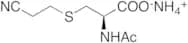
N-Acetyl-S-(2-cyanoethyl)-L-cysteine Ammonium Salt
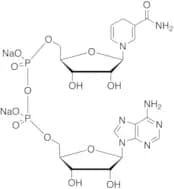
CAS:<p>Stability Hygroscopic<br>Applications N-Acetyl-S-(2-cyanoethyl)-L-cysteine Ammonium Salt is a metabolite of Acrylonitrile (AN) and acrylamide (AM); and are commonly used in the synthesis of plastics and polymers.<br>References van Bladeren, P., et al.: Drug Metab. Dispos., 9, 246 (1981), Guengerich, F., et al.: Chem. Res. Toxicol., 4, 168 (1991),<br></p>Formula:C8H11N2O3S·H4NColor and Shape:SolidMolecular weight:233.29b-NADH Disodium Salt
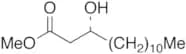
CAS:<p>Stability Hygroscopic<br>Applications One of the biologically active forms of nicotinic acid. Serves as a coenzyme of hydrogenases and dehydrogenases. NAD usually acts as a hydrogen acceptor, forming NADH which then serves as a hydrogen donor in the respiratory chain. Present in living cells primarily in the reduced form (NADPH) and is involved in synthetic reactions. Occurs in 2 forms, α-NAD and β-NAD, distinguished by the configuration of the ribosyl nicotinamide linkage. Only the β-anomer is bioactive.<br>References Bartlett, G.R., et al.: J. Biol. Chem., 234, 449 (1959), Dixon, M., et al.: Science, 132, 1548 (1960), Heyes, D., et al.: Biochemistry, 43, 8265 (2004), Dietzek, B., et al.: Chem. Phys. Chem., 7, 1727 (2006),<br></p>Formula:C21H27N7O14P2·2NaColor and Shape:NeatMolecular weight:709.40(R)-3-Hydroxy Myristic Acid Methyl Ester
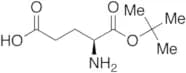
CAS:Controlled ProductFormula:C15H30O3Color and Shape:NeatMolecular weight:258.40L-Glutamic Acid α-tert-Butyl Ester
CAS:<p>Applications L-Glutamic Acid α-tert-Butyl Ester is an ester of L-Glutamic Acid used in the synthesis of enantiopure isotopomers of amino acids.<br>References Chauvel, E., et al.: J. Med. Chem., 37, 2950 (1994),<br></p>Formula:C9H17NO4Color and Shape:NeatMolecular weight:203.244-Mercaptomethyl Dipicolinic Acid (>90%)
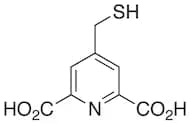
CAS:Controlled Product<p>Stability Air Sensitive<br>Applications A Dipicolinic acid tag for rigid lanthanide tagging of proteins and paramagnetic NMR Spectroscopy. The tag, 4-mercaptomethyl-dipicolinic acid, binds lanthanide ions with nanomolar affinity, is readily attached to proteins via a disulfide bond, and avoids the problems of diastereomer formation associated with most of the conventional lanthanide tags.<br>References Ikegami, T., et al.: J. Biomol. NMR, 29, 339 (2004), Su, X., et al.: Chembiochem., 7, 1599 (2006), Vlasie, M., et al.: Chem.-Eur. J., 13, 1715 (2007),<br></p>Formula:C8H7NO4SPurity:>90%Color and Shape:NeatMolecular weight:213.214-Aminobenzoic Acid
CAS:Controlled ProductFormula:C7H7NO2Color and Shape:Off-WhiteMolecular weight:137.14Scleroglucan (Technical Grade)
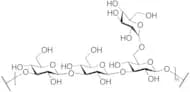
CAS:Controlled Product<p>Applications Scleroglucan is a natural polymer produced by fungi, especially those of the genus Sclerotium. Scleroglucan fluids have been used to trap and treat Cr(VI) in environmental applications.<br>References Brigand, G.: Industrial Gums (Third Edition), pp. 461 (1993); Pensini, E.; et al.: Colloids Surf., A, 559, 191 (2018);<br></p>Formula:C24H40O21Color and Shape:NeatMolecular weight:664.56N-Iodoacetyltyramine
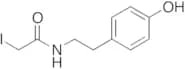
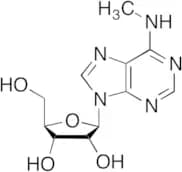
CAS:Controlled Product<p>Applications N-Iodoacetyltyramine is used in iodine-125 labelling of various molecules for chemical analysis.<br>References Lin, C. et al.: Anal. Biochem., 179, 389 (1989);<br></p>Formula:C10H12INO2Color and Shape:NeatMolecular weight:305.11N6-Methyladenosine
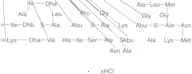
CAS:Controlled Product<p>Applications N6-Methyladenosine is the most common internal modification of eukaryotic mRNA. The result of this modification is specifically recognized mRNA in the cytoplasm which regulates mRNA stability.N6-Methyladenosine is made when a protein complex containin the writer enzyme METTL3 adds a methyl group to adenosine. Two different eraser enzymes ALKBH5 and FTO can remove a methyl group to turn m6A bach into adenosine.<br>References Miura, G. et al.: Nat. Chem. Biol., 11, 903 (2015); Deng, X. et al.: Nucl. Acids Res., 43, 6557 (2015); Chem. and Eng. News, p.35, Feb. 18, 2019<br></p>Formula:C11H15N5O4Color and Shape:Off-WhiteMolecular weight:281.27Nisin Z (~80%) Hydrochloride
CAS:<p>Applications Nisin Z Hydrochloride is a peptide antibiotic synthesized by Lactococcus lactis. Nisin Z interacts with lipid II, a lipid component of cell wall, to form pores in the plasma membrane.<br>References Kuipers, O. P., et al.: J. Biol. Chem. 270, 27299 (1995); Breukink, E., et al.: Science 286, 2361 (1999); Breukink, E., et al.: Biochemistry 36, 6968 (1997)<br></p>Formula:C141H229N41O38S7·x(HCl)Color and Shape:NeatMolecular weight:3331.033646D-Aspartic Acid
CAS:<p>Applications A non-essential amino acid found in food sources and dietary supplements. Its conjugate base D-aspartate has potential use as a a therapeutic agent in the treatment of schizophrenia-related symptoms.<br>References Errico, F. et al.: J. Neurosci., 28, 10404 (2008); Denu, J.M. et al.: Biochem., 34, 3396 (1995); Chen, P.E. et al.: Mol. Pharmacol., 67, 1470 (2005);<br></p>Formula:C4H7NO4Color and Shape:NeatMolecular weight:133.102’-Deoxyuridine
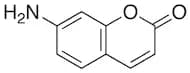
CAS:<p>Applications An uridine derivative as therapeutic agent for treating allergy, cancer, infection and autoimmune disease.<br>References Fu, M., et al.: J. Biol. Chem., 271, 9982 (1996), Thornalley, P., et al.: Biochem. J., et al.: 344, 109 (1999), Munter, T., et al.: Chem. Res. Toxicol., 15, 1549 (2002)<br></p>Formula:C9H12N2O5Color and Shape:NeatMolecular weight:228.207-Aminocoumarin
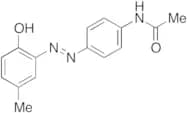
CAS:Controlled Product<p>Applications Fluorescent label<br>References Forster, Y., et al.: Anal. Biochem., 209, 9 (1993),<br></p>Formula:C9H7NO2Color and Shape:NeatMolecular weight:161.16Disperse Yellow 3
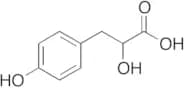
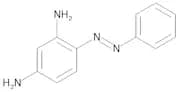
CAS:<p>Applications Disperse Yellow 3 is an azo disperse dye which is water insoluble. Disperse Yellow 3 can be used to dye polyester and acetate fibers. Dyes and metabolites, Environmental Testing.<br>References Nishida, K., et al.: J. Soc. Dyers Colour., 105, 112 (1989); Akkurt, F., et al.: Trends Chem. Eng., 11, 73 (2008)<br></p>Formula:C15H15N3O2Color and Shape:Dark BrownMolecular weight:269.30DL-p-Hydroxyphenyllactic Acid
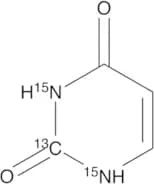
CAS:Controlled Product<p>Applications DL-p-Hydroxyphenyllactic Acid is used as a reagent in the synthesis of 2-O-(4-coumaroyl)-3-(4-hydroxyphenyl)lactic acid, an important intermediate of rosmarinic acid biosynthesis.<br>References Matsuno, M., et al.: Chem. Pharm. Bull., 49, 1644 (2001)<br></p>Formula:C9H10O4Color and Shape:Off-WhiteMolecular weight:182.17Uracil-13C,15N2
CAS:Controlled Product<p>Applications Uracil-13C,15N2 is an isotopically labelled compound that can be synthesized to study cellular DNA damage using mass spectrometry. This compound can also be used to study the unimolecular reactivity of various uracil complexes and systems.<br>References Nelson, V.C., J. Labelled Comp Radiopharm., 38, 713-723, (1996); Trujillo, C., et.al., Int J. Mass Spectrom., 306, 27-36, (2011);<br></p>Formula:C3CH4N2O2Color and Shape:NeatMolecular weight:115.07Coomassie Blue R-250, Technical Grade
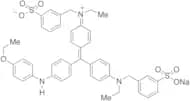
CAS:Controlled Product<p>Applications Coomassie Blue R-250 is a dye commonly used in laboratories or quantify proteins. Dyes and metabolites.<br>References Dzandu, J. et al.: Prot. Natl. Acad. Sci. USA., 81, 1733 (1984);<br></p>Formula:C45H44N3O7S2·NaColor and Shape:NeatMolecular weight:825.97(E)-3-(4-Hydroxy-3,5-dimethoxyphenyl)acrylaldehyde
CAS:<p>Stability Air Sensitive<br>Applications (E)-3-(4-Hydroxy-3,5-dimethoxyphenyl)acrylaldehyde (cas# 4206-58-0) is a useful research chemical.<br></p>Formula:C11H12O4Color and Shape:NeatMolecular weight:208.21ADK Stab NA 21E
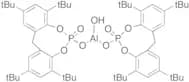
CAS:<p>Applications ADK Stab NA 21E is a nucleating reagent for polymerization.<br>References Thelakkadan, A. S., et al: Polypropylene composition comprising a nucleating composition comprising aluminosilicate and an organic nucleating agent, EP 3162844, (2017);<br></p>Formula:C58H85AlO9P2Color and Shape:NeatMolecular weight:1015.22N-Carbamyl-L-glutamic Acid
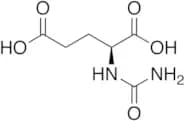
CAS:Controlled Product<p>Applications N-Carbamyl-L-glutamic Acid has been shown to have protective effects against ammonia intoxication and is used in the treatment of acute hyperammonemia.<br>References Paik, W.K. et al.: Life Sci., 15, 1189 (1974); O'Connor, J.E. et al.: Eur. J. Pediat., 148, 540 (1989); Lee, J.H. et al.: Biochem. Biophys. Res. Chem., 248, 391 (1998);<br></p>Formula:C6H10N2O5Color and Shape:NeatMolecular weight:190.15N-Acetyl-L-Tryptophan
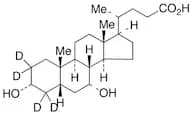
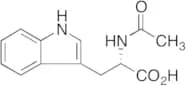
CAS:Controlled Product<p>Applications N-Acetyl-L-Tryptophan, is a derivative of L-Tryptophan (T947210), that can be used as competitive inhibitor to identify and characterize tryptophanases. It can also be used as an NK1 tachykinin receptor antagonist, that may help to develop a novel therapeutic intervention for the treatment of reperfusion injury in acute ischemic stroke.<br>References Turner, R. J., et al.: Neuroscience, 220, 1 (2012);<br></p>Formula:C13H14N2O3Color and Shape:White To Off-WhiteMolecular weight:246.26Glycolithocholic-2,2,4,4-d4 Acid
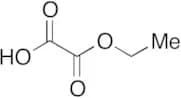
CAS:Controlled Product<p>Applications Glycolithocholic-2,2,4,4-d4 Acid (CAS# 2044276-16-4) is a useful isotopically labeled research compound.<br></p>Formula:C26D4H39NO4Color and Shape:NeatMolecular weight:437.6486Oxalic Acid Ethyl Ester
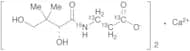
CAS:Controlled Product<p>Applications Oxalic Acid Ethyl Ester is a useful synthetic intermediate. It is used to synthesize 2-substituted 3-aryl-4(3H)-quinazolinones with anticonvulsant activities. It is also used to prepare nonbenzamidine tetrazole derivatives as factor Xa inhibitors.<br>References Wolfe, J., et al.: J. Med. Chem., 33, 161 (1009); Quan, M., et al.: bioorg. Med. Chem. Lett., 13, 369 (2003)<br></p>Formula:C4H6O4Color and Shape:NeatMolecular weight:118.09Pantothenic Acid-13C3,15N Hemicalcium Salt
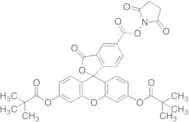
CAS:<p>Applications Labelled Pantothenic Acid. A member of the B complex vitamins; essential vitamin for the biosynthesis of coenzyme A in mammalian cells. Occurs ubiquitously in all animal and plant tissue. The richest common source is liver, but jelly of the queen bee contains 6 times as much as liver. Rice bran and molasses are other good sources.<br>References Gardner, P., et al.: Food Chem., 68, 471 (2000), Ou, B., et al.: J. Agric. Food Chem., 50, 2772 (2002), Bahorun, T., et al.: J. Sci. Food Agric., 84, 1553 (2004),<br></p>Formula:C3C6H1615NO5·CaColor and Shape:BeigeMolecular weight:484.475-Carboxyfluorescein Dipivalate N-Hydroxysuccinimide Ester
CAS:Controlled Product<p>Applications 5-Carboxyfluorescein Dipivalate N-Hydroxysuccinimide Ester is used as a probe in fluorescent dye labeled terminators for DNA sequencing.<br>References Nampalli, S., et al.: Bioconjugate Chem., 13, 468 (2002);<br></p>Formula:C35H31NO11Color and Shape:NeatMolecular weight:641.62C14 Dihydroceramide
CAS:Controlled ProductFormula:C32H65NO3Color and Shape:NeatMolecular weight:511.86Boc-L-Nitroarginine
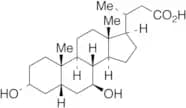
CAS:Controlled Product<p>Applications Boc-L-Nitroarginine, can be used in peptide chemistry. It has been also shown to act as NO synthase inhibitor, and thus used in the study of The effects of methylene blue (MB) for treatment of sepsis induced by bowel perforation.<br>References Galili, Y. Euro. surg. Rese. vol. 29, P:390-395 (19997);<br></p>Formula:C11H21N5O6Color and Shape:NeatMolecular weight:319.3124-Nor Ursodeoxycholic Acid
CAS:Controlled Product<p>Applications Ursodeoxycholic Acid (U850000) derivative. 24-norUrsodeoxycholic acid is superior to Ursodeoxycholic acid in the treatment of sclerosing cholangitis in Mdr2 (Abcb4) knockout mice.<br>References Seedorf, U., et al.: J. Biol. Chem., 269, 21277 (1994), Stolowich, N., et al.: Biochemistry, 36, 1719 (1997),<br></p>Formula:C23H38O4Color and Shape:NeatMolecular weight:378.553,4,5,6-Tetrahydrouridine (>80%)
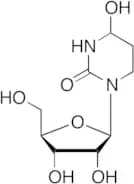
CAS:<p>Stability Light Sensitive<br>Applications 3,4,5,6-Tetrahydrouridine, is a derivative of Uridine (U829910). Tetrahydrouridine (THU), is a potent inhibitor of cytidine. It inhibits cell proliferation through cell cycle regulation regardless of cytidine deaminase expression levels deaminase (CDA), and thus can be used as a potential and promising treatment for tumors with highly expressed CDA.<br>References Lorine, P., et al.: J. Biol. Chem., 178, 439 (1949); Funamizu, N., PLoS One, 37424 (2012);<br></p>Formula:C9H16N2O6Purity:>80%Color and Shape:NeatMolecular weight:248.232,4,5-Trimethylaniline Hydrochloride
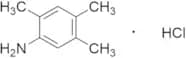
CAS:Controlled Product<p>Stability Hygroscopic<br>Applications 2,4,5-Trimethylaniline (T797580(P)) is the free base of 2,4,5-Trimethylaniline Hydrochloride. 2,4,5-Trimethylaniline is a carcinogenic aromatic amine used in the leather and textile industry.<br>References Kawakami, Tsuyoshi, et al.: Kankyo Kagaku, 22(4), 197-204 (2012); Chen, Xiaomei, et al.: Fenxi Ceshi Xuebao, 17(4), 50-53 (1998);<br></p>Formula:C9H13N·ClHColor and Shape:Light BrownMolecular weight:171.671,6,13,18-Tetraoxacyclotetracosane-7,12,19,24-tetrone
CAS:Controlled Product<p>Applications 1,6,13,18-Tetraoxacyclotetracosane-7,12,19,24-tetrone can be used in degradation process investigation of thermoplastic polyurethane elastomer in supercritical methanol.<br>References Liu, L., et al.: Polym Degrad Stabil, 98, 2520 (2013)<br></p>Formula:C20H32O8Color and Shape:White To Off-WhiteMolecular weight:400.46(3β)-7-Dehydro Cholesterol-d7
CAS:Controlled Product<p>Stability Light Sensitive<br>Applications A labelled vitamin precursor.<br></p>Formula:C272H7H37OColor and Shape:NeatMolecular weight:391.68L-Arginine-2,3,3,4,4,5,5-d7 HCl
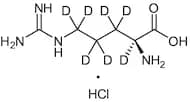
CAS:Controlled Product<p>Applications L-Arginine-2,3,3,4,4,5,5-d7 HCl (CAS# 204244-77-9) is a useful isotopically labeled research compound. It can be used with Raman scattering for imaging living cells and organisms.<br>References Min, W., et al., PCT Int. Appl. (2014), WO 2014205074 A2<br></p>Formula:C6D7H7N4O2·HClColor and Shape:NeatMolecular weight:217.701,4-Diaminoanthraquinone
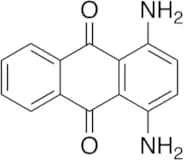
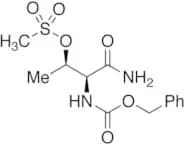
CAS:Controlled Product<p>Stability Light Sensitive<br>Applications An anthraquinone derivative that is a potent and selective protein kinase CK1 delta inhibitor. Studies suggest that it has potential solar cell applications. Used in studies as a potential competitive non-peptidic inhibitor of HIV-1 proteinase. Dyes and metabolites, Environmental Testing.<br>References Cozza, G. et al.: Bioorg. Med. Chem. Lett., 18, 5672 (2008); Brovelli, F. et al.: Polym. Bull., 58, 521 (2007); Brinkworth, R.I. et al.: Biochim. Biophys. Acta, Prot. Struct. Mol. Enzymol., 1253, 5 (1995);<br></p>Formula:C14H10N2O2Color and Shape:Dark RedMolecular weight:238.24N-Benzyloxycarbonyl L-Threonine Amide O-Methanesulfonate
CAS:Controlled Product<p>Applications N-Benzyloxycarbonyl L-Threonine Amide O-Methanesulfonate (cas# 80082-51-5) is a compound useful in organic synthesis.<br></p>Formula:C13H18N2O6SColor and Shape:NeatMolecular weight:330.36N-Benzyl-L-tyrosine
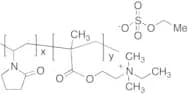
CAS:Controlled Product<p>Applications Protected L-Tyrosine (T899975), an amino acid, used by cells to synthesize proteins. L-Tyrosine is biologically converted from L-phenylalanine and is in turn is converted to L-DOPA and further converted into the neurotransmitters: dopamine, norepinephrine, and epinephrine.<br>References Rasmussen D.D. et al.: J. Clin. Endocrinol. Metab., 57, 760 (1983); Bagchi, S.P. et al.: Biochem. Pharmacol., 26, 900 (1977)<br></p>Formula:C16H17NO3Color and Shape:NeatMolecular weight:271.32Polyquaternium 11 (20% in H2O)
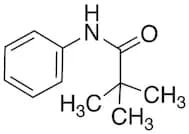
CAS:Controlled Product<p>Applications Polyquaternium 11 is found to suppress melanin elution in shampoo thus may prevent hair from dulling after repeated shampoo use.<br> Not a dangerous good if item is equal to or less than 1g/ml and there is less than 100g/ml in the package<br>References Hagihara, M.: Frag. J., 40, 23 (2012)<br></p>Formula:C18H35N2O3•C2H5O4S•(C2H4)x•(C3H6)yColor and Shape:Single SolutionMolecular weight:327.4812512281N-Pivaloylaniline
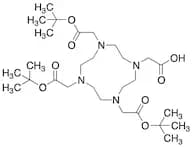
CAS:<p>Applications An intermediate for the synthesis of Norharmane.<br>References Peifer, C., et al.: J. Med. Chem., 50, 1213 (2007),<br></p>Formula:C11H15NOColor and Shape:Off-White To Light YellowMolecular weight:177.24DOTA-tris (t-Bu ester) (~90%)
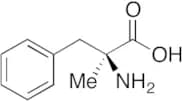
CAS:Controlled Product<p>Applications DOTA-tris (t-Bu ester), is a Bifunctional chelator, that can be used in the preparation of gadolinium complexes as MRI blood contrast agents.<br></p>Formula:C28H52N4O8Purity:~90%Color and Shape:NeatMolecular weight:572.73α-Methyl-L-phenylalanine
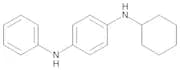
CAS:Controlled Product<p>Applications α-Methyl-L-phenylalanine is used to prepare hippuryl-α-methylphenylalanine and hippuryl-α-methylphenyllactic acid as substrates for carboxypeptidase A. It is also used in the synthesis of high affinity tachykinin NK2 receptor antagonists.<br>References Lee, M., et al.: Bioorg. Med. Chem., 8, 815 (2000); Boyle, S., et al.: Bioorg. Med. Chem., 2, 101 (1994)<br></p>Formula:C10H13NO2Color and Shape:NeatMolecular weight:179.22N-Phenyl-N'-cyclohexyl-p-phenylenediamine (>90%)
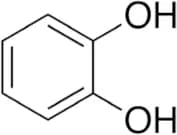
CAS:Controlled ProductFormula:C18H22N2Purity:>90%Color and Shape:NeatMolecular weight:266.3807Catechol
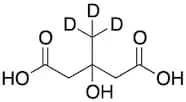
CAS:Controlled Product<p>Applications Catechol (cas# 120-80-9) is a compound useful in organic synthesis.<br> Not a dangerous good if item is equal to or less than 1g/ml and there is less than 100g/ml in the package<br></p>Formula:C6H6O2Color and Shape:ColourlessMolecular weight:110.113-Hydroxy-3-methyl-d3-pentanedioic Acid
CAS:Controlled Product<p>Applications 3-Hydroxy-3-methyl-d3-pentanedioic Acid (CAS# 59060-36-5) is a useful isotopically labeled research compound.<br></p>Formula:C6H7D3O5Color and Shape:NeatMolecular weight:165.16cis-4-Hydroxy-L-proline
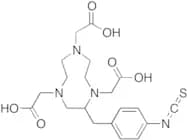
CAS:<p>Applications Hydroxyprolines are valuable chiral building blocks for organic synthesis of pharmaceuticals. Several microorganisms producing proline trans-4- and cis-3-hydroxylase were discovered and these enzymes were applied to the industrial production of trans-4- and cis-3-hydroxy-L-proline.<br>References Lawrence, C., et al.: Biochem. J., 313, 185 (1996), Mori, H., et al.: J. Bacteriol., 179, 5677 (1997), Clifton, I., et al.: Eur. J. Biochem., 268, 6625 (2001),<br></p>Formula:C5H9NO3Color and Shape:Off White Crystalline PowderMolecular weight:131.13p-SCN-Bn-NOTA Trihydrochloride, Technical Grade
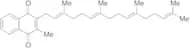
CAS:Controlled Product<p>Applications p-SCN-Bn-NOTA is a bifunctional chelating agent.<br>References Sarkar, S., et al.: J. Med. Chem., 61, 385 (2018)<br></p>Formula:C20H26N4O6S·3HClColor and Shape:Off-White To BeigeMolecular weight:450.51 + 3(36.46)Menaquinone 4 (Mixture of cis-trans isomers)
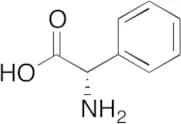
CAS:<p>Applications Menaquinones are isoprenoid quinones of the naphthalene series and belongs to the K2 Vitamin homologs. Menaquinones were originally discovered as the anti-hemorrhagic factor and now encompasses a variety of physiological processes. Menaquinone 4 has four isoprene residue in its side chain and is also commonly refered to as menatetrenone. Menaquinone-4 is the most common type of vitamin K2 and is known as a hemostatic agent and is used as adjunctive therapy for the pain of osteoporosis.<br>References Hugenholtz, P., et al.: J. Bacteriol., 180, 4765 (1998), Ginet, N., et al.: Biochemistry, 40, 1812 (2001), Cape, J., et al.: J. Biol. Chem., 280, 34654 (2005),<br></p>Formula:C31H40O2Color and Shape:Light YellowMolecular weight:444.65L-(+)-2-Phenylglycine
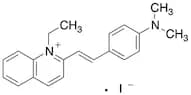
CAS:<p>Applications L-(+)-2-Phenylglycine is a derivative of Glycine (G615990), the smallest of all the amino acids, and is also used to treat schizophrenia, stroke, and benign prostatic hyperplasia. L-(+)-2-Phenylglycine is also used as an N-linked side chain of an SMTP (Stachybotrys microspora tripenyl phenols) congener, which was potent in enhancing plasminogen activation in S. microspora.<br>References Gusev, E., et al.: Cerebrovasc. Dis., 10, 49 (2000); Koide, H., et al.: J. Antibiot., 65, 91 (2012); Rosse, R., et al.: Clin. Neuropharmacol., 12, 416 (1989); Tuszynski, G., et al.: Lab. Invest., 70, 228 (1994)<br></p>Formula:C8H9NO2Color and Shape:Off White Crystalline PowderMolecular weight:151.1626Quinaldine Red
CAS:Controlled Product<p>Stability Light Sensitive<br>Applications Quinaldine Red is a cationic fluorescent probe. Dyes and metabolites.<br></p>Formula:C21H23N2·IColor and Shape:BlackMolecular weight:303.43 + (126.90)25-Hydroxy Cholesterol
CAS:<p>Applications An oxygenated derivative of Cholesterol (C432501); an oxysterol. An inhibitor of human immunodeficiency virus replication in vitro. It induces apoptosis in human monocytic cell lines as well as inducing apoptosis in CEM cells associated with negative regulation of c-Myc.<br>References Aupeix, K. et al.: Immunobiology, 194, 415 (1995); Moog, C. et al.: Antivir. Chem, Chemother., 9, 491 (1998); Ayala-Torres, S. et al.: Exp. Cell Res., 246, 193 (1999);<br></p>Formula:C27H46O2Color and Shape:NeatMolecular weight:402.653,6,9-Trioxaundecane-1,11-diyl-bismethanethiosulfonate
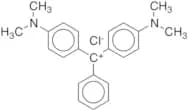
CAS:Controlled Product<p>Stability Moisture Sensitive<br>Applications A sulfhydryl cross-linking reagent.<br>References Loo, T.W., et al.: J. Biol. Chem., 276, 40, 36877 (2001)<br></p>Formula:C9H20O8S2Color and Shape:NeatMolecular weight:320.38Basic Green 4 (Technical Grade)
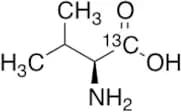
CAS:<p>Stability Light Sensitive<br>Applications Basic Green 4 (cas# 569-64-2) is a useful research chemical.<br></p>Formula:C23H25N2·ClColor and Shape:NeatMolecular weight:364.91L-Valine-13C
CAS:<p>Applications L-Valine (1-13c, 99%) (cas# 81201-85-6) is a useful research chemical.<br></p>Formula:C413CH11NO2Color and Shape:NeatMolecular weight:118.141,3,5-Tri-O-benzoyl-a-D-ribofuranose
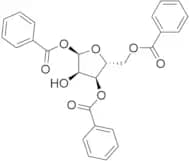
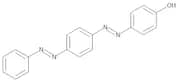
CAS:Controlled ProductFormula:C26H22O8Color and Shape:NeatMolecular weight:462.454-Phenylazophenol
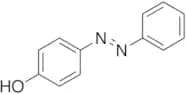
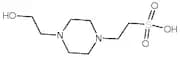
CAS:Controlled Product<p>Applications 4-Phenylazophenol is a diaryl-azo derivative with potential use as potential antifungal agents. 4-Phenylazophenol is an azo dye with toxic effects as well as a being a soil contaminant. Dyes and metabolites.<br>References Xu, H. et al.: Bioorg. Med. Chem., 20, 4193 (2010); Spadaro, J.T. et al.: Appl. Environ. Microbiol., 58, 2397 (1992);<br></p>Formula:C12H10N2OColor and Shape:NeatMolecular weight:198.22Hepes
CAS:<p>Applications Hepes<br></p>Formula:C8H18N2O4SColor and Shape:White To Off-WhiteMolecular weight:238.30Dihydrophytol
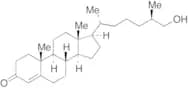
CAS:Controlled Product<p>Applications Dihydrophytol is an intermediate in the synthesis of Phytane (P399005). Phytane is a useful intermediate, which is involved in the manufacturing and analysis of various compounds. Phytane has recently been used in the development of a stable and environmental-friendly lubricating oil.<br>References Qiao, H.; Yang, Y.: Faming Zhuanli Shenqing 5pp. Patent 2017 CODEN:CNXXEV<br></p>Formula:C20H42OColor and Shape:NeatMolecular weight:298.55(25R)-26-Hydroxy-cholest-4-en-3-one
CAS:Controlled Product<p>Applications (25R)-26-Hydroxy-cholest-4-en-3-one is an oxygenated sterol which has many important biological activities. (25R)-26-Hydroxy-cholest-4-en-3-one has been used as a reactant for the synthesis of other sterols.<br>References Li, S., et. al.: Chem. Phys. Lipids, 99, 33 (1999); Khripach, V., et. al.: Steroids, 70, 551 (2005)<br></p>Formula:C27H44O2Color and Shape:NeatMolecular weight:400.646PPD-quinone
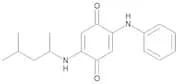
CAS:<p>Applications 6PPD-quinone is a derivative of 2-Amino-5-anilino-1,4-benzoquinone, which is useful in hair dye compositions.<br>References Bugaut, A., & Laudon, M.: U.S. (1977), US 4023926 A<br></p>Formula:C18H22N2O2Color and Shape:Dark Orange To Dark RedMolecular weight:298.38Acid Orange 8 (Technical Grade)
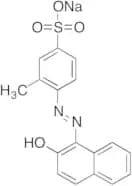
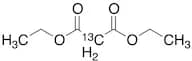
CAS:Controlled ProductFormula:C17H13N2NaO4SColor and Shape:NeatMolecular weight:364.35Diethyl Malonate-2-13C
CAS:Controlled Product<p>Applications Diethyl Malonate-2-13C is the labelled form of Diethyl Malonate(D444420) which occurs naturally in grapes and strawberries. It is used in the preparation of barbiturates, artificial flavourings, vitamin B1, and vitamin B6 as well as in perfumes.<br>References Svhreier, P. et al.: J. Agric. Food. Chem., 27, 365 (1979); Opdyke, D.L.J.: Food Cosm. Toxicol., 14, 745 (1976);<br></p>Formula:C613CH12O4Color and Shape:NeatMolecular weight:161.16L,L-Dityrosine Dihydrochloride
CAS:Controlled Product<p>Stability Hygroscopic<br>Applications Dityrosine (DY), a tyrosine dimer formed by 3,3’-biaryl bond formation can be used as a biomarker to detect oxidative protein damage and selective proteolysis. Fluorescence intensity decays of Dityrosine are generally characterized by two decay components, one with a lifetime in the range of 150 to 800 ps and another between 2.5 and 4.5 ns.<br>References Libertini, L., et al.: Biophys. J., 47, 765 (1985), Huggins, T., et al.: J. Biol. Chem., 268, 12341 (1993), Malencik, D., et al.: Biochemistry, 35, 4375 (1996),<br></p>Formula:C18H20N2O6·2ClHColor and Shape:NeatMolecular weight:433.28Pararosaniline Base
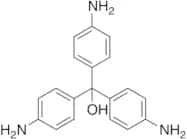
CAS:Formula:C19H19N3OColor and Shape:Dark Red To Dark PurpleMolecular weight:305.37Treosulfan
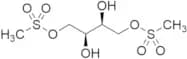
CAS:<p>Applications Treosulfan (CAS# 299-75-2) is a useful research chemical compound.<br></p>Formula:C6H14O8S2Color and Shape:NeatMolecular weight:278.3(2-Butyl-3-benzofuranyl)(4-Ethoxy-3,5-diiodophenyl)methanone
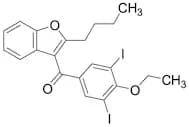
CAS:Controlled ProductFormula:C21H20I2O3Color and Shape:NeatMolecular weight:574.191Disperse Yellow 23 (Technical Grade)
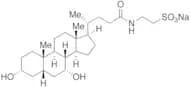
CAS:Formula:C18H14N4OColor and Shape:Dark Orange To BlackMolecular weight:302.33Taurochenodeoxycholic Acid Sodium Salt
CAS:Controlled Product<p>Applications Taurochenodeoxycholic Acid Sodium Salt is a bile acid conjugate and metabolite Taurolithocholic Acid (T009100) with antiinflammatory activity. Taurochenodeoxycholic Acid has been shown to inhibit hepatocyte apoptosis through suppression of Bid translocation to mitochondria.<br>References Emerman, S. et al.: J. Biol. Chem., 242, 661 (1967); Takikawa, Y. et al.: Falk Symp., 120, 249 (2001); Li, P. et al.: Zhong. Shour. Xue., 28, 1317 (2008);<br></p>Formula:C26H44NO6S·NaColor and Shape:White To Off-WhiteMolecular weight:521.69(R)-Butyryl Carnitine-d3 Chloride
CAS:Controlled ProductFormula:C11H19D3ClNO4Color and Shape:NeatMolecular weight:270.77Isoleucine-d10 (mixture of diastereomers)
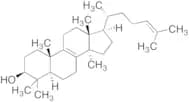
CAS:Controlled Product<p>Applications Isoleucine-d10 (mixture of diastereomers) (CAS# 29909-02-2) is a useful isotopically labeled research compound and can be used in gas liquid chromatography.<br>References VandenHeuvel, W., et.al., J. Chromatogr., 50, 405-412, (1970);<br></p>Formula:C6D10H3NO2Color and Shape:NeatMolecular weight:141.2345Lanosterol
CAS:Controlled Product<p>Applications Lanosterol is a sterol cholesterol precursor that maintains a stable concentration in the cortex of rats during aging however concentrations of Lanosterol increases in the liver during aging. Lanosterol is found in Mushroom Inonotus obliquus (I.obliquus) which is known to have anti-inflammatory and anticancer properties.<br>References Smiljanic, K., et. al.: Lipids, 48, 1069 (2013); Ma, L., et. al.: Food Chem., 139, 503 (2013)<br></p>Formula:C30H50OColor and Shape:White To Off-WhiteMolecular weight:426.723-Bodipy-propanoylaminocaproic Acid, N-Hydroxysuccinimide Ester
CAS:Controlled Product<p>Stability Temperature Sensitive<br>Applications An amine reactive fluorescent labeling reagent.<br></p>Formula:C24H29BF2N4O5Color and Shape:NeatMolecular weight:502.324-[(5,6,7,8-Tetrahydro-3,5,5,8,8-pentamethyl-2-naphthalenyl)carbonyl]benzoic Acid
CAS:Controlled Product<p>Applications 4-[(5,6,7,8-Tetrahydro-3,5,5,8,8-pentamethyl-2-naphthalenyl)carbonyl]benzoic Acid is used in the preparation of pentamethylnaphthylmethylbenzoates as a selective retinoid X receptor ligands that induce apoptosis in leukemia cells.<br>References Boehm, M.F., et al.: J. Med. Chem., 38, 3146-55 (1995); Furmie, J.K., et al.: ChemMedChem, 7, 1551-66 (2012)<br></p>Formula:C23H26O3Color and Shape:NeatMolecular weight:350.45Light Green SF Yellowish (Technical Grade)
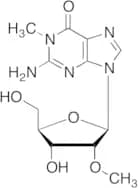
CAS:Controlled ProductFormula:C37H34N2O9S3·2NaColor and Shape:NeatMolecular weight:792.8481,2’-O-Dimethylguanosine
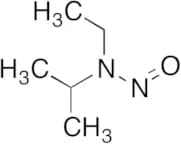
CAS:Controlled ProductFormula:C12H17N5O5Color and Shape:White To BeigeMolecular weight:311.294N-Ethyl-N-nitroso-2-propanamine
CAS:Controlled Product<p>Stability Light Sensitive<br>Applications N-Ethyl-N-nitroso-2-propanamine is a building block used in synthesis of amino acids, peptides, and proteins.<br> Not a dangerous good if item is equal to or less than 1g/ml and there is less than 100g/ml in the package<br>References Piotrowska, K., et al.: Synthetic Communications, Vol. 9, Issue 8 (1979);<br></p>Formula:C5H12N2OColor and Shape:Light YellowMolecular weight:116.1616C.I.Solvent Orange 3
CAS:Controlled Product<p>Applications C.I.Solvent Orange 3 (CAS# 495-54-5) is a useful research chemical compound.<br></p>Formula:C12H12N4Color and Shape:OrangeMolecular weight:212.2516β-Hydroxy Stanozolol (1 mg/ml in Methanol)
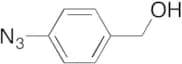
CAS:Controlled ProductFormula:C21H32N2O2Color and Shape:ColourlessMolecular weight:344.49(4-Azidophenyl)methanol
CAS:Controlled ProductFormula:C7H8N3OColor and Shape:NeatMolecular weight:150.158N-Pyrazinylcarbonyl-L-phenylalanine Methyl Ester
CAS:<p>Applications Used for the synthesis of Bortezomib from L-phenylalanine via dipeptidyl boronic acid ester intermediates.<br>References Zhu, Y., et al.: J. Med. Chem., 52, 4192 (2009),<br></p>Formula:C15H15N3O3Color and Shape:NeatMolecular weight:285.303'-Azido-3'-deoxythymidine β-D-glucuronide, Sodium Salt
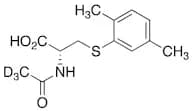
CAS:Controlled Product<p>Stability Hygroscopic<br>Applications A metabolite of the potent and selective inhibitor of HIV-1 replication, AZT.<br></p>Formula:C16H20N5O10·NaColor and Shape:White To Light YellowMolecular weight:465.35N-Acetyl-S-(2,5-dimethylbenzene)-L-cysteine-d3
CAS:Controlled Product<p>Applications N-Acetyl-S-(2,5-dimethylbenzene)-L-cysteine-d3 (cas# 1331909-07-9) is a compound useful in organic synthesis.<br>References Gonzalez-Reche, L., et al.: Arch. Toxicol., 77, 80 (2003),<br></p>Formula:C13H14D3NO3SColor and Shape:NeatMolecular weight:270.36(R)-Propionyl Carnitine Chloride
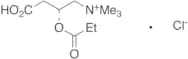
CAS:Controlled Product<p>Stability Hygroscopic<br>Applications L-Propionyl carnitine has been shown to improve the heart's mechanical recovery and other metabolic parameters after ischemia-reperfusion.<br>References Reznick, A.Z., et al.: Arch. Biochem Biophys., 296, 394 (1992),<br></p>Formula:C10H20NO4·ClColor and Shape:NeatMolecular weight:253.72Uracil-d4
CAS:Controlled Product<p>Applications Uracil-d4 is the labelled compound form of Uracil (U801000) which is a nitrogenous base on RNA nucleosides.<br>References Seth, P., et al.: J. Med. Chem., 53, 8309 (2010); Cui, H., et al.: Eur. J. Med. Chem., 45, 5140 (2010)<br></p>Formula:C42H4N2O2Color and Shape:Off-WhiteMolecular weight:116.11Pararosaniline Hydrochloride
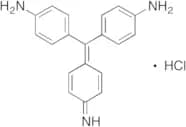
CAS:Controlled Product<p>Applications Pararosaniline Hydrochloride is a red dye used for textiles. Dyes and metabolites, Environmental Testing.<br>References Abadulla, E., et al.: Appl. Environ. Microbiol., 66, 3357 (2000); Nyanhongo, G., et al.: Water Res., 36, 1449 (2002);<br></p>Formula:C19H17N3·ClHColor and Shape:NeatMolecular weight:323.82L-α-Dipalmitoylphosphatidyl-N-monomethylethanolamine (>80%)
CAS:Controlled ProductFormula:C38H76NO8PPurity:>80%Color and Shape:NeatMolecular weight:705.9863-(Diethylamino)-7-[2-[4-[[4-[(2,5-dioxo-1-pyrrolidinyl)oxy]-4-oxobutyl]methylamino]phenyl]diazenyl]-5-phenylphenazinium Hexafluorophosphate
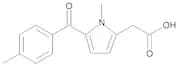
CAS:Controlled Product<p>Applications 3-(Diethylamino)-7-[2-[4-[[4-[(2,5-dioxo-1-pyrrolidinyl)oxy]-4-oxobutyl]methylamino]phenyl]diazenyl]-5-phenylphenazinium is used in preparation of Peptide derivatives as imaging probes of Cathepsin catalytic activity.<br>References Kindermann, M., et al.: PCT Int. Appl., (2018);<br></p>Formula:C37H38N7O4·F6PColor and Shape:NeatMolecular weight:789.706Tolmetine
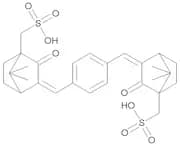
CAS:Controlled Product<p>Applications 1-Methyl-5-p-toluoylpyrrole-2-acetic acid (cas# 26171-23-3) is a useful research chemical.<br></p>Formula:C15H15NO3Color and Shape:NeatMolecular weight:257.28Ecamsule
CAS:<p>Applications Ecamsule can be used in biological study and cosmetic use of polyhydroxy fullerene sunscreen active agents and compositions.<br>References Krishna, V., et al.: PCT Int. Appl., WO 2017136809 A1 20170810 (2017)<br></p>Formula:C28H34O8S2Color and Shape:NeatMolecular weight:562.6948Cyrene
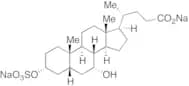
CAS:Controlled Product<p>Applications Cyrene is a novel bio-based green solvent used in polymerization reactions. Byproduct in the synthesis of levoglucosenone fungicidal agent.<br>References Sharipov, B. et al.: Chem. Hetero. Comp., 55, 31 (2019); Marino, T. et al.: J. Membrane Sci., 580, 224 (2019);<br></p>Formula:C6H8O3Color and Shape:NeatMolecular weight:128.13(3a,5b,7a)-7-Hydroxy-3-(sulfooxy)-cholan-24-oic Acid Disodium Salt
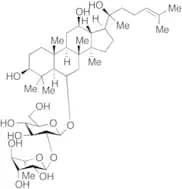
CAS:Controlled Product<p>Stability Hygroscopic<br>Applications (3α,5β,7α)-7-Hydroxy-3-(sulfooxy)-cholan-24-oic Acid is the 3-monosulfate derivative of chenodeoxycholic acid (C291900), a major bile acid in many vertebrates, occurring as the N-glycine and/or N-taurine conjugate.<br>References Haslewood, E.S., et al.: Biochem. J., 155, 401 (1976); Parmentier, G., et al.: Steroids., 30, 583 (1977);<br></p>Formula:C24H38Na2O7SColor and Shape:NeatMolecular weight:516.620(S)-Ginsenoside Rg2
CAS:Controlled Product<p>Stability Hygroscopic<br>Applications 20(S)-Ginsenoside Rg2 is used as an aldose reductase inhibitor and my exert anti-inflammatory and immunomodulatory activity. It exists as a bioactive metabolite of the ginsenoside component of Panax ginseng.<br>References Cho, K. et al.: Biomol. Ther., 22, 55 (2014); Fatmawati, S. et al.: Bioorg. Med. Chem. Lett., 24, 4407 (2014);<br></p>Formula:C42H72O13Color and Shape:NeatMolecular weight:785.012,2-Diselanediyldiethanamine Dihydrochloride
CAS:Controlled Product<p>Stability Hygroscopic<br>Applications 2,2-Diselanediyldiethanamine dihydrochloride (cas# 3542-13-0) is a useful research chemical.<br></p>Formula:C13H16N2O10Color and Shape:NeatMolecular weight:360.2744-P-Hydroxyphenyl-2,2,4-trimethylchroman
CAS:Controlled Product<p>Applications 4-P-HYDROXYPHENYL-2,2,4-TRIMETHYLCHROMAN (cas# 472-41-3) is a useful research chemical.<br></p>Formula:C18H20O2Color and Shape:NeatMolecular weight:268.36Chenodeoxycholic Acid-d4
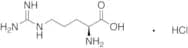
CAS:Controlled Product<p>Applications Labelled Chenodiol (Chenodeoxycholic acid). A major bile acid in many vertebrates, occurring as the N-glycine and/or N-taurine conjugate. With other bile acids, forms mixed micelles with lecithin in bile which solubilize cholesterol and thus facilitates its excretion. Fcilitates fat absorption in the small intestine by micellar solubilization of fatty acids and monoglycerides. Anticholelithogenic. Epimeric with Ursodiol.<br>References Danzinger, et al.: N. Engl. J. Med., 286, 1 (1972), Iser, J.H., et al.: Drugs, 21, 90 (1981), Tint, G.S., et al.: Gastroenterology, 91, 1007 (1986),<br></p>Formula:C24D4H36O4Color and Shape:White To Off-WhiteMolecular weight:396.60L-Arginine Hydrochloride
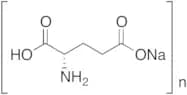
CAS:<p>Applications An essential amino acid for human development. Precursor for nitric oxide. Ammonia detoxicant (hepatic failure); diagnostic aid (pituitary function).<br>References Miura, T., et al.: Anal. Biochem., 139, 432 (1984), Jones, et al.: Adv. Enzyme Regul., 9, 19 (1970), Borders, C.L., et al.: Protein. Sci., 3, 541 (1994),<br></p>Formula:C6H14N4O2·ClHColor and Shape:NeatMolecular weight:210.66γ-Polyglutamic Acid Sodium Salt (Technical Grade)
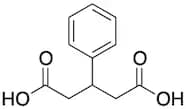
CAS:Controlled Product<p>Stability Hygroscopic<br>Applications gamma-Polyglutamic acid - sodium salt (cas# 25513-46-6) is a useful research chemical.<br></p>Formula:(C5H8NNaO4)nColor and Shape:NeatMolecular weight:NA3-Phenylglutaric Acid
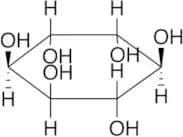
CAS:Controlled Product<p>Stability Hygroscopic<br>Applications 3-Phenylglutaric Acid is useful in the synthesis of manganese catalysts for the stereoselective synthesis of cyclealkanes.<br>References Jana, A., et al.: ACS. Cat., 10, 2615-2626 (2020)<br></p>Formula:C11H12O4Color and Shape:NeatMolecular weight:208.21D-chiro-inositol
CAS:<p>Applications D-chiro Inositol (cas# 643-12-9) is a compound useful in organic synthesis.<br></p>Formula:C6H12O6Color and Shape:NeatMolecular weight:180.16




















![4-[(5,6,7,8-Tetrahydro-3,5,5,8,8-pentamethyl-2-naphthalenyl)carbonyl]benzoic Acid](/_next/image/?url=https%3A%2Fstatic.cymitquimica.com%2Fproducts%2FTR%2Fthumb-webp%2FT294945.webp&w=3840&q=75)





![3-(Diethylamino)-7-[2-[4-[[4-[(2,5-dioxo-1-pyrrolidinyl)oxy]-4-oxobutyl]methylamino]phenyl]diazeny…](/_next/image/?url=https%3A%2Fstatic.cymitquimica.com%2Fproducts%2FTR%2Fthumb-webp%2FD871240.webp&w=3840&q=75)