Biochemicals and Reagents
Subcategories of "Biochemicals and Reagents"
- Biomolecules(98,557 products)
- By Biological Target(101,015 products)
- By Pharmacological Effects(6,941 products)
- Cryopreservatives(21 products)
- Desinfectants and Related Compounds(28 products)
- Hormones(530 products)
- Plant Biology(6,903 products)
- Secondary Metabolites(14,371 products)
Found 130589 products of "Biochemicals and Reagents"
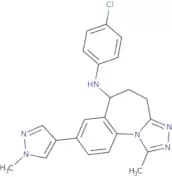
U-101017
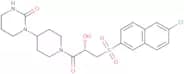
CAS:U-101017 is an advanced biochemical compound, which is a synthetic molecule engineered to modulate specific cellular pathways. It is sourced through a sophisticated process of chemical synthesis designed to maximize its purity and efficacy. U-101017 operates by selectively interacting with targeted cellular receptors, thereby altering intracellular signaling cascades. This mode of action enables precise control over cellular activities, making it a valuable tool for probing biochemical pathways.
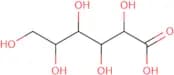
Formula:C23H27ClN4O3Purity:Min. 95%Molecular weight:442.9 g/molD-Galactonic acid-d6
CAS:D-Galactonic acid-d6 is a medicinal compound that acts as an inhibitor of protein kinases. It has been shown to induce apoptosis in human and Chinese hamster ovary cells, making it a promising candidate for use in the treatment of various types of cancer. This compound is an analog of D-galactonic acid and is labeled with deuterium, which makes it useful for studying the metabolism and pharmacokinetics of other compounds. In addition to its anticancer properties, D-Galactonic acid-d6 has potential applications as a tumor marker in urine samples. Its ability to block kinase activity may also make it useful in the development of new kinase inhibitors for cancer therapy.Formula:C6H12O7Purity:Min. 95%Molecular weight:196.16 g/molCalyculin A from Discodermia calyx
CAS:A potent and selective cell-permeable inhibitor of protein phosphatase 1 and protein phosphatase 2A. Displays > 10,000,000-fold selectivity over PP2B and PP2C.Formula:C50H81N4O15PPurity:Min. 95%Molecular weight:1,009.17 g/molSulukast
CAS:Sulukast is a leukotriene receptor antagonist that blocks leukotriene-induced bronchoconstriction. It is used in the treatment of asthma and chronic obstructive pulmonary disease. Sulukast binds to two types of receptors, the cysteinyl leukotriene receptor 1 (CysLT1) and the cysteinyl leukotriene receptor 2 (CysLT2). The binding activates adenyl cyclase, which leads to increased levels of cyclic AMP. This increase in cyclic AMP causes an increase in calcium influx into cells and activation of protein kinase A, resulting in phosphorylation and deactivation of CysLT1s. Sulukast also inhibits the binding of peptides to receptors on cells, which may be useful for research purposes. *Sulukast is a high-purity ligand with a purity greater than 99%. It has a molecular weightFormula:C25H36N4O3SPurity:Min. 95%Molecular weight:472.60 g/molWB 4101 hydrochloride
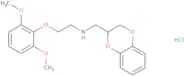
CAS:WB 4101 hydrochloride is a submandibular gland depressant that belongs to the group of ester hydrochlorides. It is an inhibitor of the activity of the alpha-1 and alpha-2 adrenergic receptors. WB 4101 hydrochloride has been shown to have a depressant effect on blood pressure in mice and a mild inhibitory effect on the submandibular gland. It also has a weak pressor effect, which may be due to its ability to block peripheral alpha-1 adrenergic receptors. The drug's low potency makes it unsuitable for use as an antihypertensive agent, but it can be used for other purposes, such as in treatment of hypertension associated with mesenteric artery occlusion or rauwolscine-induced hypertension.Formula:C19H23NO5·HClPurity:Min. 95%Molecular weight:381.86 g/molCD25 antibody (PE-CY7)
CD25 antibody (PE-CY7) was raised in rat using alpha chain IL-2 receptor as the immunogen.Purity:Min. 95%CD5 antibody (Allophycocyanin)
CD5 antibody (Allophycocyanin) was raised in mouse using human CD5 as the immunogen.Purity:Min. 95%[Ser(PO3H2)65]-Ubiquitin
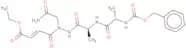
[Ser(PO3H2)65]-Ubiquitin is a peptide that binds to the ubiquitin receptor, which is a protein that regulates the degradation of proteins. It has been shown to be an activator of ion channels and ligands for antibodies. This product is used as a research tool in Cell Biology and other life sciences. [Ser(PO3H2)65]-Ubiquitin may also be used as an inhibitor in pharmacology. This peptide has high purity and is CAS No. 544-81-4.Purity:Min. 95%CD45.2 antibody (PE-CY7)
CD45.2 antibody (Allophycocyanin) was raised in mouse using CD45.2 as the immunogen.Purity:Min. 95%Safit1
CAS:Safit1 is a small molecule that has been shown to be effective in treating cancer. Safit1 inhibits the activity of glucocorticoid receptors, which are involved in the control of cellular response to stress and inflammation. It also inhibits the PD-L1 receptor, which is involved in cell proliferation and cancer resistance. Safit1 has been shown to have anti-inflammatory properties, as well as an ability to inhibit protein synthesis. Safit1 has also been shown to have a protective effect against metabolic disorders such as diabetes and obesity.Formula:C42H53NO11Purity:Min. 95%Molecular weight:747.9 g/molPeptide YY (Human)-EIA Kit (1ea)
Peptide YY (Human)-EIA Kit (1ea) is an EIA kit for the quantitative analysis of human peptide YY. Peptide YY is a neuropeptide with a role in the regulation of food intake and energy expenditure. The kit contains one vial each of peptide YY antiserum, peptide YY antibody, and standard reference material. The assay can be used to detect the level of peptide YY in tissue samples or cell culture supernatants.
Purity:Min. 95%Neuromedin C (Human, Porcine, Canine)
Neuromedin C is a peptide hormone that is involved in the regulation of feeding behavior. It is found in humans, pigs, and dogs. Neuromedin C has been shown to be involved in the regulation of gastric acid secretion and pancreatic secretion. The peptide also plays a role in the regulation of insulin release from the pancreas. In addition, neuromedin C has been shown to be an effective treatment for diabetes-related neuropathy.Formula:C50H73N17O11S•2CH3COOH•5H2OPurity:Min. 95%Molecular weight:1,330.49 g/molL-161,982
CAS:N-{[4'-({3-Butyl-5-Oxo-1-[2-(Trifluoromethyl)Phenyl]-1,5-Dihydro-4H-1,2,4-Triazol-4-Yl}Methyl)-2-Biphenylyl]Sulfonyl}-3-Methyl--2 -Thiophenecarboxamide is a reactive molecule that inhibits the production of prostaglandin E2 (PGE2). It binds to the PGE2 receptor and blocks its activation. N-[{4'-({3-Butyl--5--Oxo-[1-(2-(trifluoromethyl)phenyl]-1,5--dihydro--4H--1,2,4--triazol--4--y l}methyl)-2--biphenylylsulfonyl}] 3methyl 2thiopFormula:C32H29F3N4O4S2Purity:Min. 95%Molecular weight:654.72 g/molCD11b antibody (Spectral Red)
CD11b antibody (Allophycocyanin) was raised in rat using C57BL/10 murine splenic T cells and concanavalin A-activated C57BL/10 splenocytes as the immunogen.Purity:Min. 95%CD45.2 antibody (PE-CY5.5)
CD45.2 antibody (PE) was raised in mouse using CD45.2 as the immunogen.Purity:Min. 95%Letaxaban
CAS:Letaxaban is an anticoagulant drug that inhibits the enzyme thrombin by covalent binding. It is used in the treatment of deep vein thrombosis, pulmonary embolism and atrial fibrillation. Letaxaban also has a specific antidote for use in cases of overdose or suspected overdose. Letaxaban has been shown to have a synergistic effect with aspirin and clopidogrel, as well as with natural compounds such as coumarin derivatives and chemoattractant protein. The low-dose group showed improved pharmacokinetic properties compared with the high-dose group, which may be due to increased bioavailability and reduced degradation by cytochrome P450 enzymes.Formula:C22H26ClN3O5SPurity:Min. 95%Molecular weight:479.98 g/mol2-[3-[[(3′,4-Difluoro[1,1′-biphenyl]-3-yl)carbonyl]amino]phenoxy]acetic acid
CAS:2-[3-[[(3′,4-Difluoro[1,1′-biphenyl]-3-yl)carbonyl]amino]phenoxy]acetic acid is a small molecule that binds to and inhibits the receptor for Substance P (NK1), which is involved in various functions such as nociception, neurogenic inflammation and host defense. The binding of 2-[3-[[(3′,4-Difluoro[1,1′-biphenyl]-3-yl)carbonyl]amino]phenoxy]acetic acid with the NK1 receptor leads to a decrease in the production of proinflammatory cytokines such as TNFα and IL6. 2-[3-[[(3′,4-Difluoro[1,1′-biphenyl]-3-yl)carbonyl]amino]phenoxy]acetic acid has been shown toFormula:C21H15F2NO4Purity:Min. 95%Molecular weight:383.3 g/molIsrib
CAS:Isrib is a sodium citrate that has been shown to inhibit the growth of an experimental bacterial strain in vitro. Isrib has also been shown to have inhibitory properties on neuronal death in vivo. This agent has pluripotent cells that are able to differentiate into any cell type, including neurons, and can be used for the treatment of neurodegenerative diseases such as Alzheimer’s, Parkinson’s, and diabetic neuropathy. Isrib has also been shown to have beneficial effects on the immune system by stimulating antibody production and regulating inflammatory responses. It is absorbed orally with high bioavailability and its pharmacokinetic properties are similar to those of other sodium citrates.
Formula:C22H24Cl2N2O4Purity:Min. 95%Molecular weight:451.34 g/molOX03050
CAS:OX03050 is a drug that inhibits the activity of the enzyme 3-hydroxy-3-methylglutaryl coenzyme A reductase (HMGCR) and the production of cholesterol. OX03050 has been shown to reduce blood cholesterol levels in humans by inhibiting HMGCR, which is the rate-limiting step in cholesterol biosynthesis. In vitro studies have shown that OX03050 interacts with human liver cells, but safety and efficacy have not yet been studied in humans. Clinical trials are currently underway for OX03050 as a treatment for heart disease.Formula:C17H18O2Purity:Min. 95%Molecular weight:254.32 g/molCD45.1 antibody (Allophycocyanin-CY7)
CD45.1 (Allophycocyanin-CY7) antibody was raised in mouse using CD45.1 as the immunogen.Purity:Min. 95%5α-Androstan-3α,17β-diol-17β-glucuronide
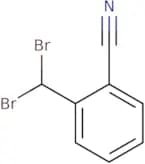
CAS:Controlled Product5α-Androstan-3α,17β-diol-17β-glucuronide is a metabolite of dihydrotestosterone, which is a type of androgenic steroid. It is primarily sourced from the metabolic pathways involving the action of enzyme systems on testosterone and its derivatives within the body. This compound is formed through the conjugation of 5α-androstanediol with glucuronic acid, a process mediated by the enzyme UDP-glucuronosyltransferase.Formula:C25H40O8Purity:Min. 95%Molecular weight:468.6 g/mol2-Dibromomethyl-benzonitrile
CAS:Please enquire for more information about 2-Dibromomethyl-benzonitrile including the price, delivery time and more detailed product information at the technical inquiry form on this page
Formula:C8H5Br2NPurity:Min. 95%Molecular weight:274.94 g/mol4-Amino-3-ethoxybenzenesulfonic acid
CAS:4-Amino-3-ethoxybenzenesulfonic acid is a research tool that is used to study ion channels. It activates the receptor, which leads to increased cell permeability and the release of neurotransmitters. 4-Amino-3-ethoxybenzenesulfonic acid can be used to determine the effects of a ligand on a receptor by binding to it and altering its activity. 4-Amino-3-ethoxybenzenesulfonic acid is also used as an antibody in immunohistochemistry studies and has been shown to inhibit protein interactions.
Formula:C17H17F3N6O2Purity:Min. 95%Molecular weight:394.4 g/molCD45R antibody (Spectral Red)
CD45R antibody (FITC) was raised in rat using abelson murine leukemia virus-induced pre-B tumor cells as the immunogen.Purity:Min. 95%p-Methyl atomoxetine hydrochloride
CAS:p-Methyl atomoxetine hydrochloride is a selective norepinephrine reuptake inhibitor, which is synthesized from chemical precursors typically through a series of organic reactions proceeding under controlled conditions. It functions by inhibiting the reuptake of norepinephrine in the synaptic cleft, resulting in increased concentrations of this neurotransmitter in the central nervous system.Formula:C17H22ClNOPurity:Min. 95%Molecular weight:291.8 g/molZafirlukast-d7
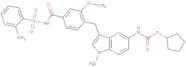
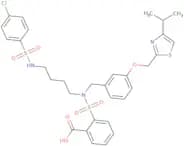
CAS:Please enquire for more information about Zafirlukast-d7 including the price, delivery time and more detailed product information at the technical inquiry form on this pageFormula:C31H33N3O6SPurity:Min. 95%Molecular weight:582.7 g/molBDP FL DBCO
CAS:BDP FL DBCO is a synthetic peptide that binds to the GABA receptor. BDP FL DBCO is used in cell biology and research as an inhibitor of ion channels, ligand for the GABA receptor, or as a reagent to detect antibodies against GABA receptors.
Formula:C32H29BF2N4O2Purity:Min. 95%Molecular weight:550.4 g/molCabergoline-d5
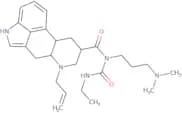
CAS:Please enquire for more information about Cabergoline-d5 including the price, delivery time and more detailed product information at the technical inquiry form on this pageFormula:C26H37N5O2Purity:Min. 95%Molecular weight:456.6 g/molVU 0360223
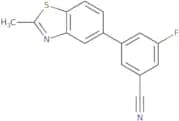
CAS:VU 0360223 is a selective positive allosteric modulator of the metabotropic glutamate receptor subtype 5 (mGluR5), a type of receptor found in the central nervous system. Synthesized through medicinal chemistry efforts, it serves as a tool compound for neuroscientific research related to glutamatergic signaling.Formula:C15H9FN2SPurity:Min. 95%Molecular weight:268.31 g/molCD11b antibody (Spectral Red)
CD11b antibody (FITC) was raised in rat using C57BL/10 murine splenic T-cells and concanavalin A-activted C57BL/10 splenocytes as the immunogen.Purity:Min. 95%Morzid
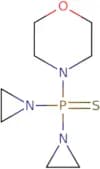
CAS:Morzid is a potent kinase inhibitor that has shown promising results in the treatment of various types of cancer. It works by blocking the activity of certain enzymes that are involved in the growth and survival of cancer cells. Morzid has been shown to be effective in inhibiting tumor growth and inducing apoptosis in human cancer cells. This medicinal compound is an analog of iloprost, which is used to treat peripheral vascular disease. Morzid has also been found to have anticancer effects in Chinese hamster ovary cells. In addition, it has been detected in urine samples from patients treated with this drug, indicating its potential as a diagnostic tool for cancer detection and monitoring.Formula:C8H16N3OPSPurity:Min. 95%Molecular weight:233.27 g/mol2-Chloro-N4-(4-methoxybenzyl)pyridine-3,4-diamine
CAS:2-Chloro-N4-(4-methoxybenzyl)pyridine-3,4-diamine (CAS No. 881844-10-6) is an inhibitor of the receptor tyrosine kinase cMet and has been shown to inhibit the proliferation of tumor cells in culture. It inhibits the binding of ligand to cMet, which prevents activation of downstream signaling pathways that lead to cell proliferation.Formula:C13H14ClN3OPurity:Min. 95%Molecular weight:263.72 g/molNCX 1000
CAS:NCX 1000 is a guanylate cyclase activator that has been shown to be effective in the treatment of symptoms of overactive bladder. It is a soluble guanylate cyclase activator that increases the sensitivity of the receptor site, leading to increased intracellular levels of cGMP. NCX 1000 has been shown to be an effective treatment for overactive bladder and can be used in conjunction with other drugs such as gabapentin or noradrenaline. NCX 1000 also has numerous other effects including increasing reaction time and improving muscle function. The experimental model for this drug is detrusor muscle from rats treated with carbon tetrachloride or sodium channel modulators, which are known to cause bladder dysfunction.
Formula:C38H55NO10Purity:Min. 95%Molecular weight:685.8 g/molMD-224
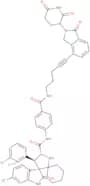
CAS:MD-224 is a small molecule that inhibits the function of the enzyme beta-secretase (BACE1). This protein is responsible for cleaving amyloid precursor protein (APP) to form beta-amyloid peptides. The inhibition of BACE1 has been shown to decrease the production of beta-amyloid, which may be an effective therapy for Alzheimer's Disease. MD-224 also inhibits cellular processes such as DNA repair and cell division. The compound has been validated in a xenograft tumor model and leukemia cells in vitro. A fossil sequence homologous to MD-224 has been identified in endogenous yeast, suggesting that it may have a biological function.
Formula:C48H43Cl2FN6O6Purity:Min. 95%Molecular weight:889.8 g/molc2 Ceramide (d17:1/2:0)
CAS:C2 Ceramide (d17:1/2:0) is a synthetic bioactive ceramide molecule utilized extensively in biochemical research. It is synthesized from sphingosine and is structurally characterized as N-acetyl-D-erythro-dihydro-sphingosine. Ceramides are a family of lipid molecules and this specific variant acts as a precursor in the biosynthesis of more complex sphingolipids. Its mode of action primarily involves modulation of cell signaling pathways, where it functions as a second messenger in various apoptosis-related processes.Formula:C19H37NO3Purity:Min. 95%Molecular weight:327.5 g/mol6-Desacetyl-N-Boc palbociclib
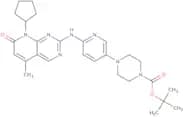
CAS:6-Desacetyl-N-Boc palbociclib is an anticancer drug that belongs to the class of protein kinase inhibitors. It works by inhibiting the activity of cyclin-dependent kinases (CDKs), which are enzymes that regulate cell division and proliferation. This drug has been shown to induce apoptosis in human tumor cells, making it a promising candidate for cancer treatment. 6-Desacetyl-N-Boc palbociclib is a medicinal analog of Chinese urine, and it has been found to be effective against a variety of cancer types, including breast cancer, lung cancer, and melanoma. This inhibitor blocks the progression of cancer by targeting specific kinases involved in cell cycle regulation and growth. Overall, 6-Desacetyl-N-Boc palbociclib is a potent anticancer agent that holds great promise for future cancer therapies.Formula:C27H35N7O3Purity:Min. 95%Molecular weight:505.6 g/molRr-11a analog
CAS:Rr-11a analog is a medicament that has an endopeptidase inhibitor. It is used as a pharmaceutical agent to treat various diseases such as cancer, diabetes, and Alzheimer's disease. Rr-11a analog inhibits the activity of asparagine endopeptidase, thereby preventing the breakdown of proteins. This inhibition leads to the accumulation of proteins in cells, which in turn triggers cell death by apoptosis. Rr-11a analog has been shown to be effective in treating various cancers and diabetes through experiments on mice. The drug also inhibits the production of amyloid beta protein in Alzheimer's disease patients.
Formula:C22H29N5O8Purity:Min. 95%Molecular weight:491.49 g/molKP496
CAS:KP496 is a potent anticancer drug that targets cancer cells by inhibiting specific proteins and kinases involved in tumor growth. This inhibitor has been shown to induce apoptosis, or programmed cell death, in cancer cells. KP496 is derived from a medicinal plant commonly used in Chinese traditional medicine and has been found to be effective against various types of tumors. It works by blocking the activity of specific kinases that are overactive in cancer cells, leading to the suppression of tumor growth. This analog has been studied extensively in human urine samples and has shown promising results as an effective anticancer agent. With its potent inhibitors and apoptotic effects, KP496 shows great potential as a therapeutic option for cancer patients.Formula:C31H34ClN3O7S3Purity:Min. 95%Molecular weight:692.3 g/molBenzomalvin C
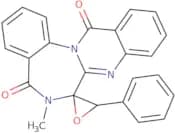
CAS:Benzomalvin C is a medicinal compound that has shown promising anticancer activity. It is an analog of a protein kinase inhibitor found in Chinese urine and has been shown to inhibit the growth of cancer cells. Benzomalvin C induces apoptosis in human cancer cells by inhibiting kinases involved in tumor growth and progression. This compound has potential as a therapeutic agent for the treatment of various types of cancer. Its unique structure and mechanism of action make it a promising candidate for further research and development in the field of oncology.Formula:C24H17N3O3Purity:Min. 95%Molecular weight:395.4 g/molAZD7594
CAS:AZD7594 is a novel non-steroidal inhaled drug, developed as a derivative of a compound from AstraZeneca's diverse chemical library. This product functions as a selective modulator designed to impact the glucocorticoid receptor with high specificity. Its mode of action involves binding to the glucocorticoid receptor, which subsequently modulates the transcription of anti-inflammatory genes and represses pro-inflammatory cytokines. This selective binding is hypothesized to reduce local inflammation in the lungs with minimal systemic side effects.Formula:C32H32F2N4O6Purity:Min. 95%Molecular weight:606.62 g/moltert-Butyl-d9-amine hydrobromide
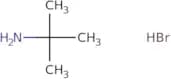
CAS:Please enquire for more information about tert-Butyl-d9-amine hydrobromide including the price, delivery time and more detailed product information at the technical inquiry form on this pageFormula:C4H12BrNPurity:Min. 95%Molecular weight:163.1 g/mol5,6,7,8-Tetrahydro-6-[propyl[2-(3-thienyl)ethyl]amino]-1-naphthalenol hydrochloride
CAS:Please enquire for more information about 5,6,7,8-Tetrahydro-6-[propyl[2-(3-thienyl)ethyl]amino]-1-naphthalenol hydrochloride including the price, delivery time and more detailed product information at the technical inquiry form on this pageFormula:C19H26ClNOSPurity:Min. 95%Molecular weight:351.9 g/molCD30 antibody (PE)
CD30 antibody (PE) was raised in hamster using recombinant murine CD30 extracellular domain-mouse IgG1 fusion protein as the immunogen.Purity:Min. 95%6-SFX
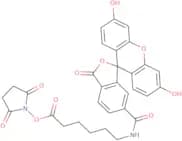
CAS:6-SFX is a small molecule inhibitor of the protein interactions. It can be used as a research tool for studying protein interactions, and it has been shown to have an inhibitory effect on receptor activation. 6-SFX binds to the ligand binding site of the receptor and prevents the interaction between the ligand and receptor. This inhibits ion channel activity, which leads to decreased production of neurotransmitters such as dopamine, serotonin, and glutamate. 6-SFX also inhibits phosphorylation by inhibiting protein kinase C (PKC) signaling pathways in cells. 6-SFX has been shown to have high purity that is suitable for use in life sciences research.
Formula:C31H26N2O10Purity:Min. 95%Molecular weight:586.5 g/molWAY-151932
CAS:WAY-151932 is a high purity, potent and selective small molecule activator of the human calcitonin receptor. WAY-151932 binds to the calcitonin receptor with high affinity and selectivity, and has been shown to stimulate calcium release from intracellular stores in vitro. WAY-151932 also inhibits the binding of peptides that mimic calcitonin to the receptor. WAY-151932 is suitable for research use only; it has not been approved by the FDA for therapeutic use in humans.
Formula:C23H19ClN4OPurity:Min. 95%Molecular weight:402.9 g/molE. coli O157 antibody (FITC)
E. coli O157 antibody (FITC) was raised in mouse using 'O' antigen of E. coli serotype O157 as the immunogen.Purity:Min. 95%Methoxytrityl-S-dPEG®12-Acid
CAS:Please enquire for more information about Methoxytrityl-S-dPEG®12-Acid including the price, delivery time and more detailed product information at the technical inquiry form on this pageFormula:C47H70O15SPurity:Min. 95%Molecular weight:907.11 g/molCHMFL-abl-039
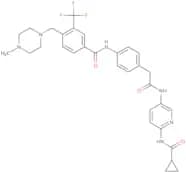
CAS:CHMFL-abl-039 is a potent inhibitor of kinases that has shown promising results in the treatment of cancer. This analog of nalbuphine has been tested extensively in Chinese hamster ovary cells and has been found to inhibit tumor cell growth through apoptosis induction. CHMFL-abl-039 specifically targets protein kinases, which are enzymes that play a crucial role in regulating cellular processes such as cell division and differentiation. Inhibitors of these kinases have emerged as a new class of anticancer agents due to their ability to selectively target cancer cells while sparing healthy cells. CHMFL-abl-039 is currently being investigated for its potential use in the treatment of various types of cancer in humans.Formula:C31H33F3N6O3Purity:Min. 95%Molecular weight:594.6 g/molINCB 3344
CAS:Chemokine receptor 2 (CCR2) antagonistFormula:C29H34F3N3O6Purity:Min. 95%Molecular weight:577.59 g/molCD154 antibody (Azide Free)
CD154 antibody (Azide free) was raised in hamster using activated murine Th1 clone D1.6 as the immunogen.Purity:Min. 95%CI 1020
CAS:Endothelin A (ETA) antagonist; antihypertensiveFormula:C28H26O9Purity:Min. 95%Molecular weight:506.5 g/molEthyl 1-benzyl-5-fluoro-1H-pyrrolo[2,3-b]pyridine-2-carboxylate
CAS:Please enquire for more information about Ethyl 1-benzyl-5-fluoro-1H-pyrrolo[2,3-b]pyridine-2-carboxylate including the price, delivery time and more detailed product information at the technical inquiry form on this pageFormula:C17H15FN2O2Purity:Min. 95%Molecular weight:298.31 g/molElacytarabine
CAS:Elacytarabine is a cytotoxic compound that exhibits minimal toxicity to normal cells. It has a hydrophobic effect and binds to intracellular targets, such as the fatty acid acyl chain of proteins. Elacytarabine is an analog of cytarabine and inhibits DNA synthesis by binding to the RNA polymerase II enzyme. It can also bind to epidermal growth factor receptor, which leads to apoptosis in cancer cells. Elacytarabine has been shown to be effective against solid tumours in rodents, with minimal toxicity profiles.Formula:C27H45N3O6Purity:Min. 95%Molecular weight:507.66 g/molOlanzapine-d3 N-oxide
CAS:Please enquire for more information about Olanzapine-d3 N-oxide including the price, delivery time and more detailed product information at the technical inquiry form on this pageFormula:C17H20N4OSPurity:Min. 95%Molecular weight:331.5 g/molrac-Harzianolide
CAS:rac-Harzianolide is an analog of Harzianolide, a natural product isolated from the fungus Trichoderma sp. It has been shown to have potent anticancer activity by inhibiting kinases involved in cancer cell growth and survival. In human urine, rac-Harzianolide has been detected after oral administration of chitosan-bound rac-Harzianolide. This compound induces apoptosis in cancer cells and inhibits tumor growth in Chinese hamsters. Rac-Harzianolide acts as a kinase inhibitor, blocking the activity of the protein kinases that are essential for cancer cell proliferation and survival. It is considered a promising candidate for the development of novel anticancer agents.
Formula:C13H18O3Purity:Min. 95%Molecular weight:222.28 g/molGSK 269962
CAS:Inhibitor of Rho-associated protein kinaseFormula:C29H30N8O5Purity:Min. 95%Molecular weight:570.6 g/molEU1794-4
CAS:EU1794-4 is a neuroprotective agent that binds to the NMDA receptor, which is a glutamate receptor. It attenuates excitotoxicity by blocking the ion channels of the NMDA receptor and preventing the entry of calcium ions into cells. EU1794-4 helps maintain normal cognitive function and prevents neuropathological changes in brain tissue. The drug also has an allosteric modulator effect on ion channels, which can modify neuronal activity. This drug is being studied as a potential treatment for neurodegenerative diseases such as Alzheimer's disease.Formula:C16H19N3O4S2Purity:Min. 95%Molecular weight:381.5 g/molCis-atovaquone
CAS:Cis-atovaquone is an effective drug that inhibits the growth of Plasmodium falciparum, a parasite responsible for malaria. It works by binding to the cytochrome bc1 complex in the mitochondrial electron transport chain and disrupting the production of ATP, which is essential for DNA synthesis and protein production. Cis-atovaquone has been shown to have a strong inhibitory effect on liver mitochondria and has high catalytic efficiency. Molecular docking studies suggest that it binds to the active site of the enzyme and forms intermolecular interactions such as hydrogen bonds with amino acid residues. Crystal structures of the protein-inhibitor complex provide insights into its mechanism of action. In control mice, Cis-atovaquone has been shown to be highly effective against malaria infections, making it a promising candidate for future treatments.
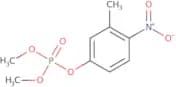
Formula:C22H19ClO3Purity:Min. 95%Molecular weight:366.8 g/molFenitrooxon-d6
CAS:Please enquire for more information about Fenitrooxon-d6 including the price, delivery time and more detailed product information at the technical inquiry form on this page
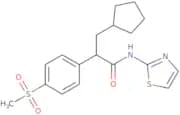
Formula:C9H12NO6PPurity:Min. 95%Molecular weight:267.2 g/mol3-Cyclopentyl-2-(4-methanesulfonylphenyl)-N-thiazol-2-yl-propionamide
CAS:3-Cyclopentyl-2-(4-methanesulfonylphenyl)-N-thiazol-2-yl-propionamide is a medicinal compound that acts as an inhibitor of protein kinases. It has been shown to be effective in inhibiting the growth of cancer cells and tumors in humans, making it a potential anticancer agent. This compound works by selectively inhibiting specific kinases involved in cancer cell proliferation and survival, leading to apoptosis or programmed cell death. 3-Cyclopentyl-2-(4-methanesulfonylphenyl)-N-thiazol-2-yl-propionamide is an analog of Chinese urine-derived kinase inhibitors, which have been used traditionally in Chinese medicine for their anticancer properties. The potent inhibition of kinases by this compound makes it a promising candidate for the development of new cancer therapies.
Formula:C18H22N2O3S2Purity:Min. 95%Molecular weight:378.5 g/molNepinalone hydrochloride
CAS:Nepinalone hydrochloride is a small molecule that activates the neurokinin receptor. It has been shown to be a potent analgesic and anti-inflammatory agent in animal models of acute and chronic pain. Nepinalone hydrochloride binds to the neurokinin receptor, which causes an increase in intracellular calcium levels, leading to the activation of protein kinase C (PKC) and activation of phospholipase C (PLC). This leads to increased production of prostaglandins, which are responsible for pain sensations. Nepinalone hydrochloride also inhibits the activity of phosphodiesterase, which prevents degradation of cAMP, thereby increasing intracellular levels.Formula:C18H26ClNOPurity:Min. 95%Molecular weight:307.9 g/molDes-7-methoxyethanol erlotinib
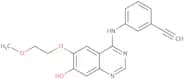
CAS:Please enquire for more information about Des-7-methoxyethanol erlotinib including the price, delivery time and more detailed product information at the technical inquiry form on this pageFormula:C19H17N3O3Purity:Min. 95%Molecular weight:335.4 g/molGSK 2636771
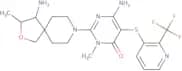
CAS:Selective inhibitor of phosphoinositide 3 kinase beta subunit (PI3Kβ) with IC50 = 5.2 nM. This compound competes with ATP for binding to the beta subunit of PI3K complex and inhibits the growth of phosphatase and tensin homolog (PTEN)-deficient tumor cells. Unlike the pan-PI3K inhibitors, GSK 2636771 does not cause side effects such as skin rash, hyperglycemia and diarrhea.Formula:C22H22F3N3O3Purity:Min. 95%Molecular weight:433.42 g/mol4-Chloro-3-hydroxy-benzophenone
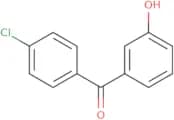
CAS:Please enquire for more information about 4-Chloro-3-hydroxy-benzophenone including the price, delivery time and more detailed product information at the technical inquiry form on this pageFormula:C13H9ClO2Purity:Min. 95%Molecular weight:232.66 g/molCGS 35066
CAS:CGS 35066 is a novel inhibitor of histone deacetylase (HDAC) that is selective for class I HDACs. CGS 35066 has been shown to inhibit the growth of mda-mb-231 breast cancer cells by inhibiting the expression of genes involved in cell proliferation and apoptosis. This drug has also been shown to inhibit the growth of other cancer cells, such as those derived from melanoma, leukemia, and prostate. CGS 35066 inhibits the activity of HDACs by binding to their catalytic zinc finger domains and stabilizing their interaction with DNA. This prevents the enzyme from removing acetyl groups from lysine residues on histones, which alters gene transcription.Formula:C16H16NO6PPurity:Min. 95%Molecular weight:349.28 g/molHydroxy celecoxib-d4
CAS:Hydroxy celecoxib-d4 is an analog of the drug Celecoxib, which is a selective inhibitor of cyclooxygenase-2 (COX-2) used for the treatment of pain and inflammation. Hydroxy celecoxib-d4 has been shown to inhibit the activity of various kinases, including human protein kinase C (PKC) and Chinese hamster ovary cell kinase. This inhibition leads to apoptosis in cancer cells, making it a potential anticancer drug. Hydroxy celecoxib-d4 has also been found to have inhibitory effects on oseltamivir-resistant influenza virus strains. It can be detected in urine samples as a biomarker for exposure to COX-2 inhibitors and may be useful in monitoring patient compliance with treatment regimens. Overall, Hydroxy celecoxib-d4 shows great promise as an inhibitor of various kinases and as a potential anticancer agent.Formula:C7H5FN2Purity:Min. 95%Molecular weight:136.13 g/molGLPG2451
CAS:GLPG2451 is a drug for the treatment of chronic obstructive bronchitis in adults. It is a combination of two active substances, tiotropium and glycopyrronium. The use of this drug has been studied in women with symptoms of bronchitis, including stenotrophomonas maltophilia (STM) or bronchial asthma. The efficacy and safety of GLPG2451 has not yet been studied in children. The most common side effects are cough, headache, and dyspnoea. GLPG2451 can interact with other drugs, such as diuretics, beta-blockers, calcium channel blockers, ACE inhibitors, angiotensin receptor antagonists (ARBs), and anticoagulants. GLPG2451 is contraindicated during pregnancy because it may cause birth defects or fetal death if used by pregnant women during the first trimester or if used during the last trimester when there may be insufficient timeFormula:C16H16F3N3O5SPurity:Min. 95%Molecular weight:419.4 g/molDesmethyl nintedanib
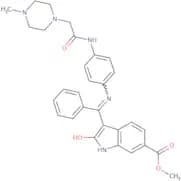
CAS:Desmethyl nintedanib is an analog of the kinase inhibitor nintedanib that has potent anticancer activity. It has been shown to inhibit the growth of cancer cells by inducing apoptosis and reducing oxytocin levels in urine. Desmethyl nintedanib also inhibits calcitonin gene-related peptide release, which is associated with pain and inflammation. This drug specifically targets tumor cells and inhibits their growth by blocking the activity of certain proteins involved in cell division. Desmethyl nintedanib has been studied extensively in Chinese patients with various types of cancer, showing promising results as a potential treatment option for cancer.
Formula:C30H31N5O4Purity:Min. 95%Molecular weight:525.6 g/molpep2-SVKI
CAS:Pep2 is a potent, selective, and orally active positive allosteric modulator of the AMPA receptor. It binds to the GluR2 subunit at the synapse and increases the probability of glutamate release. Pep2-SVKI is a modified form of the peptide that has been shown to have potentiating effects on retinal ganglion cells in vitro. Pep2-SVKI is also able to induce depression in postsynaptic neurons by increasing potassium channel activity and reducing neurotransmitter release. The precise mechanism by which pep2-SVKI induces depression is not yet known, but it may be due to its ability to interact with cytosolic proteins or its potential interaction with cellular signaling pathways in neurons.Formula:C60H93N13O18Purity:Min. 95%Molecular weight:1,284.5 g/molPhenylethanolamine A
CAS:Phenylethanolamine A is a kinase inhibitor that has been shown to have anticancer properties. It is a capsaicin analog that induces apoptosis in cancer cells by inhibiting kinases involved in cell proliferation and survival. Phenylethanolamine A has been found in human urine and Chinese medicinal herbs, and it shows selectivity towards protein kinases involved in tumor growth. This compound has been studied extensively as a potential therapeutic agent for various types of cancer due to its ability to inhibit the growth of cancer cells. Phenylethanolamine A may be used as a promising anticancer agent, and further research on this compound is ongoing.Formula:C19H24N2O4Purity:Min. 95%Molecular weight:344.4 g/molrac-Monepantel
CAS:Rac-Monepantel is a medicinal compound known for its potent anticancer properties. It belongs to the class of kinase inhibitors and acts as an analog of protein kinase inhibitors found in Chinese medicinal herbs. Rac-Monepantel has been shown to induce apoptosis, or programmed cell death, in cancer cells by inhibiting specific kinases that are involved in tumor growth and progression. This compound has also been found to inhibit the activity of certain enzymes involved in cancer cell metabolism, making it a promising candidate for cancer therapy. In addition, Rac-Monepantel is excreted through urine, which may make it a useful tool for monitoring response to treatment. If you're looking for a powerful anticancer agent, Rac-Monepantel may be just what you need.Formula:C20H13F6N3O2SPurity:Min. 95%Molecular weight:473.4 g/molPYR-5120
CAS:Pyr-5120 is a potent, selective, and cell-permeable inhibitor of protein interactions. It has been shown to inhibit the interaction between peptides and proteins in a dose-dependent manner. Pyr-5120 inhibits the activation of certain receptors by their ligands. Pyr-5120 has also been used as research tool in studies on ion channels and antibody production.
Formula:C12H17NO3Purity:Min. 95%Molecular weight:223.27 g/mol(3S,4S)-Tofacitinib
CAS:(3S,4S)-Tofacitinib is a tyrosine kinase inhibitor that is used to treat cancer and autoimmune diseases. This drug binds to the enzyme deoxycytidine kinase, which is an important enzyme in DNA synthesis. Tofacitinib citrate is a prodrug that is converted into the active form of the drug in vivo by esterases. (3S,4S)-Tofacitinib has been shown to induce pluripotent stem cells from human bone marrow and has demonstrated efficacy in treating alopecia areata in animal models. The safety profile of this compound appears to be similar to that of other oral tyrosine kinase inhibitors, with side-effects such as diarrhea, nausea, and fatigue being most common. (3S,4S)-Tofacitinib citrate has also been found to be effective in reducing prostate hyperplasia when administered orally at dosages between 10
Formula:C16H20N6OPurity:Min. 95%Molecular weight:312.37 g/molCD16 antibody (PE-CY7)
CD16 antibody (PE-CY7) was raised in rat using murine CD16/32 (CD16/Fc gamma II and CD32/Fc gamma III receptors)Purity:Min. 95%Ml 324 dihydrochloride
CAS:Please enquire for more information about Ml 324 dihydrochloride including the price, delivery time and more detailed product information at the technical inquiry form on this pageFormula:C21H25Cl2N3O2Purity:Min. 95%Molecular weight:422.3 g/molD-Myo-inositol 1,4-bisphosphate
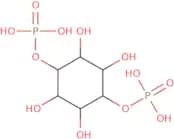
CAS:D-Myo-inositol 1,4-bisphosphate is a medicinal compound that acts as an inhibitor of kinases. It has been shown to have potential therapeutic applications in cancer treatment due to its ability to inhibit tumor growth and induce apoptosis in cancer cells. D-Myo-inositol 1,4-bisphosphate is an analog of inositol phosphates found in human urine and Chinese medicinal herbs. It specifically targets protein kinases involved in the regulation of cell proliferation and survival, making it a promising candidate for anticancer therapy. Its inhibitory effects on kinase activity make it a valuable tool for studying the function of these enzymes in cellular processes.
Formula:C6H14O12P2Purity:Min. 95%Molecular weight:340.12 g/molCD45R antibody (Spectral Red)
CD45R antibody (CY5) was raised in rat using abelson murine leukemia virus-induced pre-B tumor cells as the immunogen.Purity:Min. 95%CD3 antibody (PE-CY7)
CD3 antibody (PE-CY7) was raised in mouse using the epsilon chain of CD3/T-cell antigen receptor complex as the immunogen.
Purity:Min. 95%Sorafenib
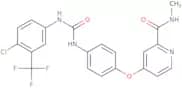
CAS:Sorafenib is a drug that belongs to the class of multikinase inhibitors. It inhibits a number of kinases, including the Mcl-1 protein, which is involved in apoptosis along with blocking picolinic acid (PA), an endogenous metabolite involved in apoptosis signal transduction. Sorafenib also binds to epidermal growth factor receptor (EGFR) on the surface of cancer cells, inhibiting the production of proteins that are required for angiogenesis, thus blocking the formation of new blood vessels. Sorafenib may also inhibit P-glycoprotein (Pgp) activity. Overall, these cytotoxic effects give Sorafenib anti-tumor properties, inhibiting angiogenesis and cellular transformation, which are the two main processes of tumor growth and metastasis. Sorafenib has been shown to be effective against a range of solid tumors such as breast, prostate and lung cancers and is also used for the treatment of metastatic colorectal cancer and renal cell carcinoma. A combination therapy group found that sorafenib was more effective when used with interferon alfa-2b for the treatment of advanced renal cell carcinoma. Sorafenib also has the potential for drug interactions with other drugs that are metabolized by cytochrome P450 enzymes.
Formula:C21H16ClF3N4O3Purity:Min. 98.0 Area-%Color and Shape:White PowderMolecular weight:464.82 g/molIC87201
CAS:IC87201 is a small molecule that has been shown to have inhibitory properties against the growth factor receptor. It also has neurotrophic effects and may be useful for treating degenerative diseases, such as Parkinson's disease. IC87201 inhibits mitochondrial membrane potential by binding to the ATP synthase beta subunit and prevents ATP synthesis. This inhibition leads to an increase in the concentration of reactive oxygen species and oxidative stress. IC87201 also increases locomotor activity in mice, which suggests it may be useful for treating disorders that involve locomotor dysfunction such as Parkinson's disease.Formula:C13H10Cl2N4OPurity:Min. 95%Molecular weight:309.15 g/molCD31 antibody (FITC)
CD31 antibody (FITC) was raised in rat using murine leukocyte cell line 32D as the immunogen.Purity:Min. 95%5-[4-(4-Bromoanilino)anilino]-N'-(1-hydroxypropan-2-yl)-3-oxo-1,2-thiazole-4-carboximidamide
CAS:5-[4-(4-Bromoanilino)anilino]-N'-(1-hydroxypropan-2-yl)-3-oxo-1,2-thiazole-4-carboximidamide is a potent inhibitor of the human Fc receptor (FcR). The Fc receptor plays a key role in immunoregulation. It is also a pharmacological target for drugs that modulate immune responses. 5-[4-(4-Bromoanilino)anilino]-N'-(1-hydroxypropan-2-yl)-3-oxo-1,2-thiazole-4-carboximidamide has been shown to inhibit the binding of an antibody with its antigen and to inhibit the binding of an antibody with its antigen. This inhibition was dose dependent and reversible. The IC50 value for 5-[4-(4-Bromoanilino)anilino]-N'-
Formula:C19H20BrN5O2SPurity:Min. 95%Molecular weight:462.4 g/molRR-SRC
CAS:Please enquire for more information about RR-SRC including the price, delivery time and more detailed product information at the technical inquiry form on this pageFormula:C64H106N22O21Purity:Min. 95%Molecular weight:1,519.66 g/molTRC 051384
CAS:TRC 051384 is a chemical compound that belongs to the class of neurokinin-1 receptor antagonists. It inhibits the binding of substance P, thereby inhibiting the activation of phospholipase C and protein kinase C. TRC 051384 has been shown to inhibit tumor cell growth in certain cell lines and increase mitochondrial membrane potential. The agent also increases the proliferation of fetal bovine cells and human stem cells in tissue culture. TRC 051384 may be used as an anti-cancer drug and a growth factor for skin cells. TRC 051384 is a chemical compound belonging to the class of neurokinin-1 receptor antagonists that inhibits the binding of substance P, thereby inhibiting activation of phospholipase C and protein kinase C. TRC 051384 has been shown to inhibit tumor cell growth in certain cell lines and increase mitochondrial membrane potential. The agent also increases the proliferation of fetal bovine cells and human stem cells inFormula:C25H31N5O4Purity:Min. 95%Molecular weight:465.55 g/molGlycozolinol
CAS:Glycozolinol is a research tool that belongs to the group of activators. It can be used as an activator to induce receptor-mediated signal transduction pathways. Glycozolinol has shown to activate a number of ion channels, such as Ca2+ and K+ channels, and also inhibits protein interactions with peptides and proteins. This compound also appears to have pharmacological properties, suggesting it may be useful in the treatment of diseases such as cancer, epilepsy, or diabetes.
Formula:C13H11NOPurity:Min. 95%Molecular weight:197.23 g/molH-Cys-Glu-OH
Please enquire for more information about H-Cys-Glu-OH including the price, delivery time and more detailed product information at the technical inquiry form on this pagePurity:Min. 95%Diploceline
CAS:Diploceline is a medicinal compound that acts as an inhibitor of kinases, which are enzymes involved in the regulation of cellular processes. It has been shown to induce apoptosis, or programmed cell death, in cancer cells. Diploceline is an analog of a protein found in human urine and has demonstrated potent anticancer activity in Chinese hamster ovary cells. This compound is a promising candidate for the development of new cancer treatments due to its ability to selectively target cancer cells while leaving healthy cells unharmed. Its unique mechanism of action as a kinase inhibitor makes it a valuable addition to the arsenal of anticancer drugs available today.Formula:C22H29N2O3Purity:Min. 95%Molecular weight:369.5 g/molPDE10-IN-1
CAS:PDE10-IN-1 is a peptide with the amino acid sequence of GGRDYGGLPPG. It is an activator of PDE10, which belongs to the family of phosphodiesterases. The inhibition of PDE10 in the brain has been shown to have antidepressant effects in mice and rats. This peptide has been shown to be a potent inhibitor of protein interactions, with IC50 values ranging from 1 μM to 10 μM for a number of proteins including TNF-α receptor (IC50 = 2 μM), CD4 receptor (IC50 = 1 μM), and CX3CR1 receptor (IC50 = 0.5 μM). In addition, PDE10-IN-1 has been shown to be a ligand for the dopamine D2 receptor and may function as an antagonist or agonist depending on its binding affinity.
Formula:C21H19N7Purity:Min. 95%Molecular weight:369.42 g/mol1-Stearoyl-2-[(E)-4-(4-((4-butylphenyl)diazenyl)phenyl)butanoyl]-sn-glycero-3-phosphocholine
CAS:1-Stearoyl-2-[(E)-4-(4-((4-butylphenyl)diazenyl)phenyl)butanoyl]-sn-glycero-3-phosphocholine is a synthetic phospholipid, which is derived from glycerophosphocholine with the incorporation of a stearoyl chain and a diazenyl-functionalized butanoyl chain. This modification confers unique photoresponsive properties to the phospholipid, enabling it to undergo conformational changes in response to specific light wavelengths.Formula:C46H76N3O8PPurity:Min. 95%Molecular weight:830.08 g/molSHP394
CAS:SHP394 is a monoclonal antibody that inhibits the immune system's response to tumor cells. It binds to phosphatase and tensin homolog (PTEN) protein, which has been shown to inhibit tumor growth. SHP394 has been shown to be effective in colorectal carcinoma (CRC) treatment through immunomodulatory effects. The microenvironment of CRC cells is important for the cancer's progression; SHP394 may offer therapeutic benefits by modifying this environment. This drug also has anti-inflammatory properties, which can be attributed to its ability to inhibit phosphatase activity in the body. SHP394 is orally bioavailable and has a long elimination half-life of 27 hours, making it suitable for once-daily dosing.Formula:C20H25F3N6O2SPurity:Min. 95%Molecular weight:470.5 g/molSB-277011 hydrochloride
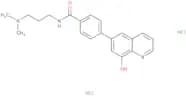
CAS:SB-277011 hydrochloride is a dopaminergic compound that functions as a selective antagonist of the dopamine D3 receptor. This product is synthesized through complex chemical processes and is available as a hydrochloride salt to enhance its solubility and stability for research applications. The compound exhibits a high affinity for the D3 receptor, effectively blocking the actions of endogenous dopamine at this site.Formula:C28H31ClN4OPurity:Min. 95%Molecular weight:475.02 g/molPROTAC RIPK degrader-2
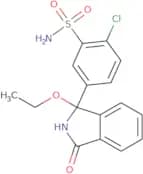
CAS:PROTAC RIPK degrader-2 is a peptide, which is a research tool. It can be used as an activator to increase cell death in cancer cells and activate ion channels. PROTAC RIPK degrader-2 also has the ability to inhibit protein interactions, such as receptors and ligands, that are involved in a variety of diseases, such as cancer and diabetes.Formula:C52H65N7O11S3Purity:Min. 95%Molecular weight:1,060.3 g/molo-Ethyl chlorthalidone hydrate
CAS:Please enquire for more information about o-Ethyl chlorthalidone hydrate including the price, delivery time and more detailed product information at the technical inquiry form on this page
Formula:C16H15ClN2O4SPurity:Min. 95%Molecular weight:366.8 g/molBY27
CAS:BY27 is an innovative synthetic derivative, designed as a specialized compound for advanced biochemical applications. This product is derived from a unique sequence of engineered organic compounds, developed through a process of targeted molecular synthesis. Its primary mode of action is the selective modulation of specific biochemical pathways, achieved through high-affinity interaction with targeted molecular structures. This allows for precise manipulations within cellular systems, facilitating the study of complex biological processes.
Formula:C22H21ClN6Purity:Min. 95%Molecular weight:404.9 g/molChikungunya E2 Recombinant
Chikungunya E2 Recombinant is a peptide that activates the ion channels. It is derived from the Chikungunya virus, and has been shown to inhibit the binding of ligands to their receptors. The recombinant protein can be used as a research tool in cell biology and pharmacology. Chikungunya E2 Recombinant also binds to antibodies and can be used in immunohistochemistry, Western blotting, and ELISA.Purity:Min. 95%Histone Acetyltransferase 1, human, recombinant
Histone acetyltransferase 1 (HAT1) is a protein that transfers an acetyl group to histones. It is mainly found in the nucleus and is involved in gene regulation. HAT1 interacts with many other proteins such as receptors, peptides, activators, and ion channels. The recombinant form of this enzyme has been shown to be a potent inhibitor of L-type calcium channels, which are important for the transmission of nerve impulses. This enzyme also inhibits glutamate receptors and can affect the activation of phospholipase C. HAT1 has also been shown to inhibit various types of cancers by suppressing tumor growth and invasion.Purity:Min. 95%Gliorosein
CAS:Controlled ProductGliorosein is a mixture of naturally occurring orsellinic acids that has been shown to have anticancer activity. The compounds are biosynthesized by Streptomyces sp., which is an aerobic bacterium. These orsellinic acids have been shown to inhibit the growth of cancer cells by interfering with the synthesis of DNA and RNA, as well as inhibiting protein synthesis. Gliorosein may be effective against other types of cancer cells, such as leukemia and lymphoma, due to its ability to inhibit nucleic acid synthesis.
Formula:C10H14O4Purity:Min. 95%Molecular weight:198.22 g/molINSL6
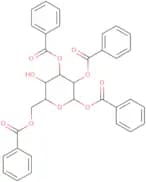
Insulin-like 6 (INSL6) is a growth factor that belongs to the insulin family. The physiological function of INSL6 is unknown, but it has been found in spermatocytes and testicular cells. It has been shown to induce the production of creatine kinase and other peptide hormones in these cells. INSL6 also has been shown to have an anti-inflammatory effect on pro-inflammatory cytokines, which may be due to its ability to increase the permeability of the blood-brain barrier. This protein also has been found in various autoimmune diseases and cancerous tissues, including breast cancer and melanoma. Insulin-like 6 proteins are expressed in various cell types, including monocytes, T lymphocytes, fibroblasts, osteoblasts, erythrocytes, endometrial cells, and vascular endothelial cells. INSL6 is involved with the synthesis of insulin-like growth factor 1 (IGF1), which plays aPurity:Min. 95%D-Glucopyranose 1,2,3,6-tetrabenzoate
CAS:Please enquire for more information about D-Glucopyranose 1,2,3,6-tetrabenzoate including the price, delivery time and more detailed product information at the technical inquiry form on this page
Formula:C34H28O10Purity:Min. 95%Molecular weight:596.6 g/mol





![[Ser(PO3H2)65]-Ubiquitin](/_next/image/?url=https%3A%2Fstatic.cymitquimica.com%2Fproducts%2F3D%2Fthumb-webp%2FIUB-4486-V.webp&w=3840&q=75)



![2-[3-[[(3′,4-Difluoro[1,1′-biphenyl]-3-yl)carbonyl]amino]phenoxy]acetic acid](/_next/image/?url=https%3A%2Fstatic.cymitquimica.com%2Fproducts%2F3D%2Fthumb-webp%2FNJB70491.webp&w=3840&q=75)









![5,6,7,8-Tetrahydro-6-[propyl[2-(3-thienyl)ethyl]amino]-1-naphthalenol hydrochloride](/_next/image/?url=https%3A%2Fstatic.cymitquimica.com%2Fproducts%2F3D%2Fthumb-webp%2FCEA12101.webp&w=3840&q=75)


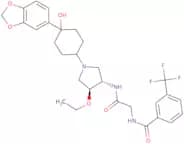

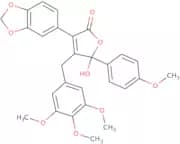
![Ethyl 1-benzyl-5-fluoro-1H-pyrrolo[2,3-b]pyridine-2-carboxylate](/_next/image/?url=https%3A%2Fstatic.cymitquimica.com%2Fproducts%2F3D%2Fthumb-webp%2FVMB91277.webp&w=3840&q=75)


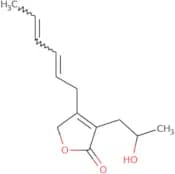
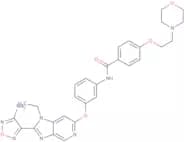



![5-[4-(4-Bromoanilino)anilino]-N'-(1-hydroxypropan-2-yl)-3-oxo-1,2-thiazole-4-carboximidamide](/_next/image/?url=https%3A%2Fstatic.cymitquimica.com%2Fproducts%2F3D%2Fthumb-webp%2FBMB90664.webp&w=3840&q=75)

![1-Stearoyl-2-[(E)-4-(4-((4-butylphenyl)diazenyl)phenyl)butanoyl]-sn-glycero-3-phosphocholine](/_next/image/?url=https%3A%2Fstatic.cymitquimica.com%2Fproducts%2F3D%2Fthumb-webp%2FYID67445.webp&w=3840&q=75)