Biochemicals and Reagents
Biochemicals and reagents are fundamental substances for research and development in fields such as biotechnology, molecular biology, pharmacology, and medicine. These products are essential for a variety of applications, including compound synthesis, biological sample analysis, metabolic process research, and drug production. At CymitQuimica, we offer a wide selection of high-quality, high-purity biochemicals and reagents suitable for various scientific and industrial needs. Our catalog includes enzymes, antibodies, nucleic acids, amino acids, and many other products, all designed to support researchers and professionals in their research and development projects, ensuring reliable and reproducible results.
Subcategories of "Biochemicals and Reagents"
- Biomolecules(99,185 products)
- By Biological Target(99,150 products)
- By Pharmacological Effects(6,789 products)
- Cryopreservatives(21 products)
- Desinfectants and Related Compounds(28 products)
- Hormones(346 products)
- Plant Biology(6,764 products)
- Secondary Metabolites(14,307 products)
Found 130581 products of "Biochemicals and Reagents"
Sort by
Purity (%)
0
100
|
0
|
50
|
90
|
95
|
100
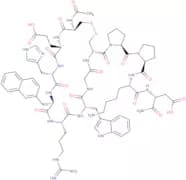
Ac-Cys-Glu-His-D-2-Nal-Arg-Trp-Gly-Cys-Pro-Pro-Lys-Asp-NH2
CAS:<p>Please enquire for more information about Ac-Cys-Glu-His-D-2-Nal-Arg-Trp-Gly-Cys-Pro-Pro-Lys-Asp-NH2 including the price, delivery time and more detailed product information at the technical inquiry form on this page</p>Formula:C71H94N20O17S2Purity:Min. 95%Molecular weight:1,563.76 g/molNG 012
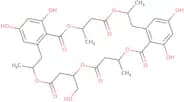
CAS:<p>NG 012 is a monocyclic, nitrogen-containing heterocycle that inhibits acetylcholinesterase. It has been shown to be effective in the treatment of Alzheimer's disease and dementia. NG 012 is an orally administered drug that can cross the blood-brain barrier and inhibit cholinesterase activity in neurons. This inhibition leads to increased levels of acetylcholine, which may improve cognitive function in patients with Alzheimer's disease and dementia.</p>Formula:C32H38O15Purity:Min. 95%Molecular weight:662.6 g/molH3(1-14)K4me3
<p>Custom research peptide; min purity 95%. For different specs please use the Peptide Quote Tool</p>Ldn 212854 trihydrochloride
CAS:<p>Ldn 212854 is a novel small molecule that has been shown to promote the regeneration of epithelial cells in a population of organoids. In addition, this drug has been shown to increase the size and number of regenerative epithelial cells in cell preparations. Ldn 212854 has also been demonstrated to have therapeutic potential for regenerative medicine. It may be used as an alternative treatment for skin damage or other epithelial-related conditions. This drug is currently being researched for its applications in the field of regenerative medicine.</p>Formula:C18H14N2O4SPurity:Min. 95%Molecular weight:354.4 g/molCy3 (DiSO3,DI Et)
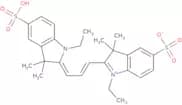
CAS:<p>Please enquire for more information about Cy3 (DiSO3,DI Et) including the price, delivery time and more detailed product information at the technical inquiry form on this page</p>Formula:C27H32N2O6S2Purity:Min. 95%Molecular weight:544.68 g/molManassantin A
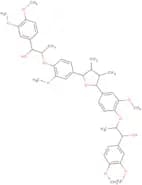
CAS:<p>Manassantin A is a type of natural product that has potent antitumor activity. It causes apoptosis in HL-60 cells, which may be due to its ability to cause the release of cytochrome c from the mitochondria into the cytosol and subsequent activation of caspase-3. Manassantin A also increases mitochondrial membrane potential by inhibiting ATP synthesis and reducing levels of ATP. The extract can also reduce levels of epidermal growth factor and protein target, thereby blocking tumor growth. Manassantin A is derived from an acetate extract of the plant Chinensis, which contains manassantin, a type of natural product that has been shown to inhibit tumor growth in mice.</p>Formula:C42H52O11Purity:Min. 95%Molecular weight:732.9 g/molPirimicarb-d6
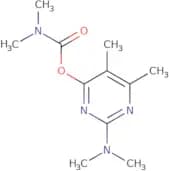
CAS:<p>Pirimicarb-d6 is a medicinal analog that inhibits the activity of kinases, which are proteins involved in cell growth and division. This inhibitor has been shown to induce apoptosis (cell death) in tumor cells, making it a promising anticancer agent. Pirimicarb-d6 has been extensively studied in Chinese medicine for its potential therapeutic effects against cancer. It is commonly used as an inhibitor of protein kinases and has demonstrated potent anticancer activity both in vitro and in vivo. Pirimicarb-d6 can be detected in urine samples, making it a useful biomarker for tracking its pharmacokinetics and pharmacodynamics. Overall, this compound holds great promise as a potential therapeutic option for cancer patients.</p>Formula:C11H18N4O2Purity:Min. 95%Molecular weight:244.32 g/molNucleolar Protein 3, human, recombinant
<p>Nucleolar Protein 3 (NOP3) is a human protein that belongs to the nucleolar-enriched phosphoproteins. NOP3 is an activator of RNA polymerase II and is involved in the regulation of ribosomal RNA transcription. The ligand for NOP3 has been identified as a peptide corresponding to the C-terminal domain of the protein. NOP3 also interacts with Ion channels and may be involved in the regulation of ion channel activity, including voltage-gated potassium channels.</p>Purity:Min. 95%Big Endothelin-1 (Human, 22-38) Antiserum
<p>Big endothelin-1 (ET-1) is a peptide with a molecular weight of 37.7 kDa that belongs to the class of endothelin peptides. ET-1 is an activator of ion channels and has been implicated in many physiological and pathological processes, including vasoconstriction, angiogenesis, cellular proliferation, and inflammation. The antibody reacts with human ET-1 with a high degree of specificity. It has been used as an immunological reagent for Western blotting and immunoprecipitation experiments.</p>Purity:Min. 95%VTP50469
CAS:<p>VTP50469 is a synthetic analogue of the fatty acid cay10666, which has been shown to inhibit the proliferation of leukemia cells in vitro. VTP50469 is also effective against cancer cell lines derived from various organs, including carcinoma cell lines and epidermal growth factor-secreting cells. The mechanism of action of VTP50469 may be related to its ability to interact with DNA polymerase during DNA synthesis or replication, resulting in inhibition of the enzyme's activity. The effect of VTP50469 can be synergistic with other chemotherapeutic agents such as cisplatin, doxorubicin, and vincristine. This drug has also been shown to have anti-angiogenic properties and inhibit tumor growth in vivo.</p>Formula:C32H47FN6O4SPurity:Min. 95%Molecular weight:630.8 g/molFuramidine-d8
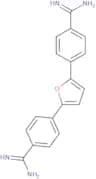
CAS:<p>Please enquire for more information about Furamidine-d8 including the price, delivery time and more detailed product information at the technical inquiry form on this page</p>Formula:C18H16N4OPurity:Min. 95%Molecular weight:312.4 g/molAnti Rattin-24 Serum
<p>Anti-Rattin-24 is a monoclonal antibody that binds to the major allergen of rat R. rattus, Rattin-24. It has been shown to inhibit the binding of this protein to its receptor, which prevents activation of the receptor and the subsequent release of inflammatory mediators. Anti-Rattin-24 can be used as a research tool for studying protein interactions, receptor signaling pathways, peptide ligands, and ion channels. This antibody can also be used in cell biology and immunology studies as an inhibitor that blocks or inhibits certain biological processes.</p>Formula:C38H62N14O8Purity:Min. 95%Molecular weight:842.99 g/molDMU2105
CAS:<p>DMU2105 is a research tool that can be used in the study of protein interactions and cell biology. It is an activator ligand that binds to the receptor, which is a cell surface protein. DMU2105 has been shown to inhibit ion channels and may also have pharmacological applications. This compound has high purity and can be used as a control for antibody-antigen reactions. DMU2105 also has potential applications in peptide synthesis and as a reagent in the study of protein interactions and cell biology.</p>Formula:C18H13NOPurity:Min. 95%Molecular weight:259.3 g/molAnti PACAP (1-15), humanSerum
<p>Anti PACAP (1-15) is a peptide that belongs to the class of activators. It has been shown to activate ion channels, increase intracellular calcium levels, and inhibit ligand-induced receptor desensitization. Anti PACAP (1-15) has also been shown to bind to a number of receptors with high affinity, including the corticotropin-releasing hormone receptor type 2 (CRHR2). This peptide is used as a research tool in cell biology and pharmacology studies.</p>Purity:Min. 95%3-(5-((2-(6-((2,3-Dimethylphenyl)amino)-[1,2,5]oxadiazolo[3,4-b]pyrazin-5-yl)hydrazineylidene)methyl)furan-2-yl)benzoic acid
CAS:<p>3-(5-((2-(6-((2,3-Dimethylphenyl)amino)-[1,2,5]oxadiazolo[3,4-b]pyrazin-5-yl)hydrazineylidene)methyl)furan-2-yl)benzoic acid is a small molecule that interacts with ion channels and inhibits the function of ligand binding sites. It is used as a research tool in pharmacology and protein interactions. 3-(5-[(2-[6-[(2,3-dimethylphenyl)amino]-[1,2,5]oxadiazolo[3,4-b]pyrazin-5-yl)hydrazineylidene] methyl)furan-2-yl)benzoic acid has been shown to bind to the acetylcholine receptor and block ligand binding. It also inhibits activation of G protein coupled receptors by inhibiting the</p>Formula:C24H19N7O4Purity:Min. 95%Molecular weight:469.5 g/molElafin, humanAntiserum
<p>Elafin is a peptide that is secreted by human neutrophils. It has been shown to inhibit the activity of ion channels and play a role in the regulation of cell proliferation and differentiation. Elafin also interacts with receptors and ligands, which are molecules that bind to other molecules. It is also used as a research tool for studying protein interactions in cell biology. Elafin has been shown to have an anti-inflammatory effect on cells, which may be due to inhibition of the production of prostaglandins.</p>Purity:Min. 95%1,2-Dioleoyl-sn-glycero-3-phosphoethanolamine-N-(hexanoylamine)
CAS:<p>1,2-Dioleoyl-sn-glycero-3-phosphoethanolamine-N-(hexanoylamine) is a versatile compound that has various applications in research and chemical studies. It is commonly used as a chloride or potassium ion channel inhibitor, making it useful in experiments involving the modulation of ion channels. Additionally, this compound can be utilized as a brominated compound for specific research purposes.</p>Formula:C47H89N2O9PPurity:Min. 95%Molecular weight:857.2 g/molMALEIMIDE-ACTIVATED BSA (Bovine Serum Albumin)
<p>Maleimide-activated BSA (BSA-M) is a maleimide-activated form of Bovine Serum Albumin (BSA). It is a peptide that can be used for immunization, as well as in biochemistry experiments. BSA-M has been shown to stimulate antibody production and can be used in the development of new vaccines.</p>Purity:Min. 95%2-Furanyl-[4-(2-methyl-5,6,7,8-tetrahydro-[1]benzothiolo[2,3-d]pyrimidin-4-yl)-1-piperazinyl]methanone
CAS:Controlled Product<p>2-Furanyl-[4-(2-methyl-5,6,7,8-tetrahydro-[1]benzothiolo[2,3-d]pyrimidin-4-yl)-1-piperazinyl]methanone is a research tool that activates the IKr potassium channel and blocks the voltage dependent calcium channels. This compound also acts as a ligand for the GABA receptor and has been shown to inhibit protein interactions.</p>Formula:C20H22N4O2SPurity:Min. 95%Molecular weight:382.5 g/molH-Trp-2-ClTrt-Resin (200-400 mesh) 1% DVB
<p>H-Trp-2-ClTrt-Resin is a resin that has been used for the synthesis of peptides. It can be used as a building block for peptides, or as a building block in the synthesis of other compounds. H-Trp-2-ClTrt-Resin is available in two mesh sizes: 200 mesh and 400 mesh. The resin is soluble in ethyl acetate and alcohols, but insoluble in water.</p>Purity:Min. 95%1,2-Dipalmitoyl-sn-glycero-3-phosphocholine-1,1,2,2-d4-N,N,N-trimethyl-d9
CAS:Controlled Product<p>Dipalmitoyl-sn-glycero-3-phosphocholine (DPPC) is a lipid that is used as a research tool for studying ion channels and membrane protein functions. DPPC is an activator of G protein coupled receptors and can be used to study the binding of ligands to receptors. DPPC also acts as a ligand for certain receptors, such as the beta-adrenergic receptor. DPPC has been shown to inhibit ion channel activity by interacting with the channel pore. It has also been shown to be an effective inhibitor of glycolytic enzymes in yeast cells, although it does not inhibit acetylcholinesterase activity in vitro.</p>Formula:C40H67NO8PD13Purity:Min. 95%Molecular weight:747.12 g/molBig Gastrin, human
CAS:<p>Big Gastrin, is a hormone which exerts its effects through activating the G-protein coupled receptor CCK2R and plays a role in gastric acid secretion. Big Gastrin can be used in research applications such as pharmacology and cell biology. This product is also a potential growth factor in some cancer tumors, including prostate cancer. It is available as an ammonium salt and as a 0.1mg vial.</p>Formula:C176H251N43O53SPurity:Min. 95%Molecular weight:3,849.2 g/mol2-Amino-6-(p-chlorobenzyl)-4H-5,6,7,8-tetrahydrothiazolo (5,4-D)azepine
CAS:<p>2-Amino-6-(p-chlorobenzyl)-4H-5,6,7,8-tetrahydrothiazolo (5,4-D)azepine is a potent inhibitor of the enzyme protein phosphatase 2A. It has a binding affinity for the active site of this enzyme and inhibits its activity. This compound is used as a research tool to study protein interactions and activation. The compound has been shown to be a ligand for ion channels and receptors. 2-Amino-6-(p-chlorobenzyl)-4H-5,6,7,8 -tetrahydrothiazolo (5,4-D)azepine is not expected to have any significant adverse effects on humans because it does not bind to human proteins or tissues.</p>Formula:C14H18Cl3N3SPurity:Min. 95%Molecular weight:366.7 g/molObestatin (Human)-EIA Kit (1ea)
<p>Obestatin (Human)-EIA Kit is a specialty product for the detection of obestatin in human serum or plasma. Obestatin is an endogenous peptide hormone which is structurally related to ghrelin, which is produced by the stomach and regulates appetite. The kit contains one antibody labeled with a radioactive isotope and one control antibody. The kit can be used as a screening test for levels of obestatin in blood serum or plasma samples.</p>Purity:Min. 95%18:1 Biotinyl Cap PE
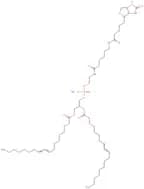
CAS:<p>18:1 Biotinyl Cap PE is a fluorescent lipid that binds to microtubules in cells. It has been shown to inhibit the binding of microtubules to their targets, which in turn inhibits cell division and movement. 18:1 Biotinyl Cap PE has also been used as a marker for homologous recombination, a technique that is used to study how genes are passed on from one generation to the next. The fluorescent lipid can be easily detected with fluorescence microscopy, which allows for the study of cellular processes such as mitosis and meiosis. 18:1 Biotinyl Cap PE has also been used as an imaging probe for bilayers in order to study lipids and proteins at the plasma membrane.</p>Formula:C57H102N4O11PNaSPurity:Min. 95%Molecular weight:1,105.47 g/molDMAC-SPP
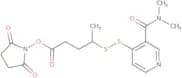
CAS:<p>Sulfo-SPP is a hydrophilic, cleavable succinimidyl ester linker suitable for conjugation to proteins. It allows the release of the payload under physiological conditions.</p>Formula:C17H21N3O5S2Purity:Min. 95%Molecular weight:411.5 g/molTL4-12
CAS:<p>TL4-12 is a gene editing tool, which is a synthetic construct engineered through advanced biotechnological techniques. It operates via CRISPR-Cas9 technology, enabling the precise targeting and modification of specific genomic sequences in living cells. The Cas9 enzyme acts as molecular scissors, guided by a custom RNA sequence within TL4-12 to a unique DNA target location.</p>Formula:C25H27F3N6O2Purity:Min. 95%Molecular weight:500.5 g/molN-Benzoyl-L-aspartic acid
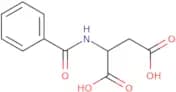
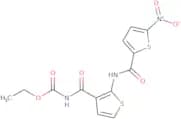
CAS:<p>N-Benzoyl-L-aspartic acid is a potent inhibitor of tumor growth and an effective anticancer agent. It belongs to the group of kinase inhibitors, which are compounds that block the activity of protein kinases, enzymes that play a crucial role in cell signaling pathways. This analog has been shown to inhibit the growth of cancer cells in vitro and in vivo by inducing apoptosis, or programmed cell death. N-Benzoyl-L-aspartic acid has been found in human urine and is being investigated as a potential medicinal compound for the treatment of various types of cancer. Studies have shown that this compound is effective against Chinese hamster ovary (CHO) cells and other cancer cell lines. Its ability to inhibit kinase activity makes it a promising candidate for developing new cancer therapies.</p>Formula:C11H11NO5Purity:Min. 95%Molecular weight:237.21 g/molEthyl (2-(5-nitrothiophene-2-carboxamido)thiophene-3-carbonyl)carbamate
CAS:<p>Ethyl (2-(5-nitrothiophene-2-carboxamido)thiophene-3-carbonyl)carbamate is a biochemical that belongs to the class of thiourea derivatives. It has been shown to inhibit the growth of viruses and regulate the inflammatory response, which is due to its ability to affect the regulatory pathways that are involved in inflammation. Ethyl (2-(5-nitrothiophene-2-carboxamido)thiophene-3-carbonyl)carbamate has been shown to reduce epidermal growth factor levels, which may be beneficial for skin conditions such as psoriasis. Further research on this compound is required before clinical data can be obtained.</p>Formula:C13H11N3O6S2Purity:Min. 95%Molecular weight:369.4 g/molBoc-Leu-Ser-Thr-Arg-pNA acetate hydrate
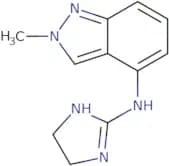
CAS:<p>Boc-Leu-Ser-Thr-Arg-pNA acetate hydrate is a substrate for enteropeptidase. It has an acid sequence of Gly-Phe-Lys and an amino acid sequence of Arg-Pro-Gly. Enteropeptidase cleaves the peptide bond between the N and C termini of the peptides with Lys or Arg at the P1 position.</p>Formula:C30H49N9O10•CH3COOH•H2OPurity:Min. 95%Molecular weight:773.83 g/molNaminidil
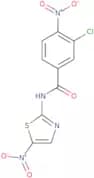
CAS:<p>Naminidil is a pro-drug, which is synthetically derived through the modification of specific active compounds. This derivation involves chemical synthesis techniques aimed at enhancing bioavailability and selective activation in biological systems. The mode of action of Naminidil involves enzymatic conversion to its active form within the target tissues, allowing for localized therapeutic effects while minimizing systemic exposure. This targeted approach is designed to optimize the pharmacokinetic properties of the drug, enhancing its efficacy and safety profile.</p>Formula:C15H19N5Purity:Min. 95%Molecular weight:269.34 g/molNF-ºB Activation Inhibitor III
CAS:<p>NF-κB Activation Inhibitor III is a natural product that inhibits the activation of NF-κB, which is a transcription factor that regulates the expression of genes involved in inflammatory skin diseases and cancer. NF-κB Activation Inhibitor III was shown to inhibit transfection experiments using α subunit as a reporter gene. It also has been shown to reduce renal cell carcinoma in mice treated with rapamycin and to reduce the production of TNF-α, an inflammatory cytokine, in cells exposed to this cytokine. NF-κB Activation Inhibitor III also has been shown to be effective against autoimmune diseases such as lupus erythematosus.</p>Formula:C10H5ClN4O5SPurity:Min. 95%Molecular weight:328.69 g/molDimethylheptylpyran
CAS:Controlled Product<p>Dimethylheptylpyran is a synthetic cannabinoid that mimics the effects of THC. Dimethylheptylpyran is an inhibitor of protein interactions, activator of ligand, receptor, and ion channels. It has been used as a research tool in cell biology and pharmacology. Dimethylheptylpyran belongs to the class of peptides and has been shown to have high purity and quality.</p>Formula:C25H38O2Purity:Min. 95%Molecular weight:370.60 g/mol[Val5]-Angiotensin II
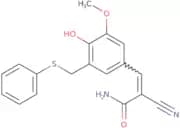
CAS:<p>Angiotensin II is a peptide hormone that regulates blood pressure and water balance. It is an important component of the renin-angiotensin system, which causes vasoconstriction and release of aldosterone from the adrenal gland. Angiotensin II binds to angiotensin receptors on cells, initiating a second messenger cascade that results in increased blood pressure and electrolyte retention. Val5-Angiotensin II is a synthetic form of this hormone that has been shown to increase glomerular filtration rate by inhibiting angiotensin converting enzyme (ACE). Angiotensin II also stimulates epidermal growth factor, which may be responsible for its anti-inflammatory effects. The optimum pH for Val5-Angiotensin II is between 7.0 and 8.0.</p>Formula:C49H69N13O12•CH3COOH•4H2OPurity:Min. 95%Molecular weight:1,164.31 g/molTyrphostin ag 658
CAS:<p>Tyrphostin ag 658 is a protein kinase inhibitor that inhibits the activity of the ubiquitin-proteasome system. Tyrphostin ag 658 has been shown to inhibit the activity of ubiquitin ligases and targets, which are enzymes involved in protein degradation. The drug binds to a specific moiety on the enzyme and prevents it from functioning. Tyrphostin ag 658 has been used as a linker for photolabile drugs, including puromycin and doxorubicin, to target proteins that are not accessible with traditional inhibitors. As with other tyrosine kinase inhibitors, tyrphostin ag 658 inhibits protein synthesis by preventing the phosphorylation of proteins at tyrosine residues. This inhibition prevents cellular proliferation and division by blocking cell cycle progression.</p>Formula:C18H16N2O3SPurity:Min. 95%Molecular weight:340.4 g/mol1-[2-(4-Methylphenoxy)ethyl]-2-[(2-phenoxyethyl)thio]-1H-benzimidazole
CAS:<p>1-[2-(4-Methylphenoxy)ethyl]-2-[(2-phenoxyethyl)thio]-1H-benzimidazole (DETB) is a multidrug efflux pump inhibitor that is activated by hydroxyl group. It is a potential drug target for the treatment of bacterial infections, especially those caused by tetracycline resistant bacteria. DETB has been shown to inhibit the multidrug efflux pumps in human serum and in bacterial cells, which may be due to its ability to bind to fatty acids and p-hydroxybenzoic acid. DETB has been shown to have antimicrobial activity against gram negative bacteria such as Escherichia coli, Salmonella enterica and Pseudomonas aeruginosa. This compound also has the ability to inhibit the growth of gram positive bacteria such as Staphylococcus aureus.</p>Formula:C24H24N2O2SPurity:Min. 95%Molecular weight:404.52 g/molSpadin
CAS:Spadin is a peptide-based product, which originates from the neurotrophin receptor sortilin. It functions by modulating the activity of the TREK-1 potassium channels in the brain. This modulation results in the inhibition of these channels, leading to increased neuronal activity associated with antidepressant effects.Formula:C96H142N26O22Purity:Min. 95%Molecular weight:2,012.3 g/molIndanidine
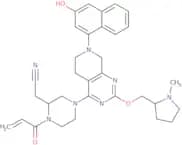
CAS:<p>Indanidine is a competitive inhibitor of guanylate cyclase and is used in the treatment of cardiac and epithelial cancers. It has been shown to inhibit the production of extracellular Ca2+ by inhibiting the binding of guanylate cyclase to its intracellular target, thereby preventing activation of protein kinase G. Indanidine is an efficient method for inducing maximal response in isolated human atrial muscle preparations, as well as for inhibiting blood pressure in vivo. The drug also has a cosmetically beneficial effect on skin.</p>Formula:C11H13N5Purity:Min. 95%Molecular weight:215.25 g/mol(2S)-1-(1-Oxo-2-propen-1-yl)-4-[5,6,7,8-tetrahydro-7-(3-hydroxy-1-naphthalenyl)-2-[[(2S)-1-methyl-2-pyrrolidinyl]methoxy]pyrido[3,4- d]pyrimidin-4-yl]-2-piperazineacetonitrile
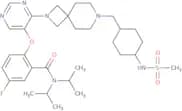
CAS:<p>(2S)-1-(1-Oxo-2-propen-1,4-yl)-4-[5,6,7,8-tetrahydro-7-(3-hydroxy-1-naphthalenyl)-2-[(2S)-1-methylpyrrolidinium]methoxy]pyrido[3,4-d]pyrimidin-4-yl]-2-[(2S)-1-(N'-methylcarbamoyl)pyrrolidinium]acetonitrile (known as GTS 2422) is a potent and highly selective antagonist of the human 5HT receptor. It has been shown to inhibit the binding of serotonin to the 5HT receptor in rat brain synaptosomes with an IC50 value of 0.44 nM. GTS 2422 has also been shown to inhibit the binding of serotonin to the 5HT receptor in human platelets with an</p>Formula:C32H37N7O3Purity:Min. 95%Molecular weight:567.7 g/molAR 420626
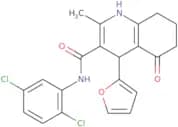
CAS:<p>AR 420626 is an advanced molecular sieve catalyst, which is derived from a robust zeolitic framework with precise pore architecture. Its mode of action is centered on facilitating selective adsorption and catalysis by exploiting the molecular dimensions within its crystalline structure. This enables the catalyst to achieve enhanced specificity and efficiency in molecular transformations.</p>Formula:C21H18Cl2N2O3Purity:Min. 95%Molecular weight:417.29 g/molAnakinra
CAS:<p>Anakinra is a recombinant human IL-1 receptor antagonist protein that binds to IL-1 receptors and blocks the binding of IL-1, preventing the formation of IL-1 complexes with its receptors and thereby inhibiting inflammation. It is used for the treatment of rheumatoid arthritis and other autoimmune diseases. Anakinra has been shown to inhibit ion channels and has high purity.</p>Formula:C20H23N5O7S2Purity:Min. 95%Color and Shape:Clear LiquidMolecular weight:509.6 g/molAgomelatine hydrochloride
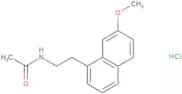
CAS:Controlled Product<p>Agomelatine hydrochloride is a drug that is used in the treatment of major depression. It has been developed from melatonin, which was found to be effective in animal experiments but had a low oral bioavailability. Agomelatine hydrochloride is an amide derivative and it has been shown to have low oral bioavailability in humans due to hydrogen bonding. It is marketed as a pharmaceutical preparation for the treatment of depression and other related disorders. The drug can be administered by intramuscular injection or as a nasal spray, and its effects are observed within an hour.</p>Formula:C15H18ClNO2Purity:Min. 95%Molecular weight:279.76 g/molHexestrol-d6
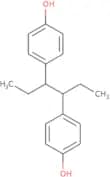
CAS:<p>Please enquire for more information about Hexestrol-d6 including the price, delivery time and more detailed product information at the technical inquiry form on this page</p>Formula:C18H22O2Purity:Min. 95%Molecular weight:276.4 g/mol2-[Bis(2-hydroxyethyl)amino]benzo[H]chromen-4-one
CAS:<p>2-[Bis(2-hydroxyethyl)amino]benzo[H]chromen-4-one is a peptide that can be used as a research tool. It has been shown to activate the ion channel TRPV1 and TRPV4, which are part of the transient receptor potential (TRP) family of ion channels. This peptide is an inhibitor of protein interactions such as antibody-antigen interactions and receptor-ligand interactions. 2-[Bis(2-hydroxyethyl)amino]benzo[H]chromen-4-one is also a receptor ligand for the G protein coupled receptors GPR37 and GPR38.</p>Formula:C17H17NO4Purity:Min. 95%Molecular weight:299.32 g/molSomatostatin 1-28
CAS:<p>Somatostatin 1-28 is a synthetic peptide that is derived from the natural hormone somatostatin, which is primarily sourced from neuroendocrine cells in the hypothalamus, pancreas, and gastrointestinal tract. This peptide functions as a potent inhibitor of several physiological processes through its interaction with specific G-protein-coupled somatostatin receptors. These receptors are widely distributed across various tissues and organs, allowing somatostatin to modulate the release of several hormones and neurotransmitters.</p>Formula:C137H207N41O39S3Purity:Min. 95%Molecular weight:3,148.6 g/molH-Gln-2-ClTrt-Resin (200-400 mesh) 1% DVB
<p>H-Gln-2-ClTrt-Resin is a resin that consists of polystyrene crosslinked with divinylbenzene. It is used in peptide synthesis to provide amino acids and building blocks for the synthesis of peptides and proteins. This resin can be used as a component in the production of amines, alcohols, thiols, and other organic compounds. The crosslinking agent in this resin is divinylbenzene (DVB).</p>Purity:Min. 95%Anti Na Channel ll (467-485) (Rat) Serum
<p>Anti Na Channel ll (467-485) (Rat) Serum is an anti-Na channel antibody that can be used for research purposes. It is a monoclonal antibody that has been generated according to the sequence and features of the rat N-type voltage-gated sodium channels. The affinity of this antibody for its target is high, with a Kd of 0.5 nM. This antibody can be used in immunoassays, Western blots and immunoprecipitations to determine the level of Na channel expression in various tissues.</p>Purity:Min. 95%AM-1638
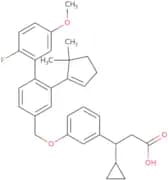
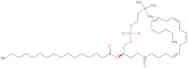
CAS:<p>AM-1638 is a fatty acid that has been shown to increase the production of insulin in pancreatic cells in vitro. It has also been shown to have long-term safety in mouse models and was well tolerated when orally administered to wild-type mice. AM-1638 is an alkanoic acid with high lipophilicity and low molecular weight that can be used as a molecule for the treatment of type 2 diabetes.</p>Formula:C33H35FO4Purity:Min. 95%Molecular weight:514.6 g/mol2-Arachidonoyl-1-palmitoyl-sn-glycero-3-phosphocholine
CAS:<p>2-Arachidonoyl-1-palmitoyl-sn-glycero-3-phosphocholine is a phospholipid compound with a wide range of characteristics and applications. It has been found to have various effects on the body, including interactions with capsicum, electrolytes, and dopamine receptors. Additionally, it has shown potential in research related to Gaucher disease, chemokine signaling, glucosylceramide metabolism, and cancer studies.</p>Formula:C44H80NO8PPurity:Min. 95%Molecular weight:782.08 g/molSX-682
CAS:<p>SX-682 is an orally bioavailable antagonist of the chemokine receptor CCR1, which is derived from advanced medicinal chemistry efforts targeting inflammatory pathways. Its mode of action involves selectively blocking the interaction between CCR1 and its ligands, thereby inhibiting the recruitment and activation of immune cells such as monocytes and macrophages. This action modulates inflammatory responses and has shown promise in dampening pathological inflammation.</p>Formula:C19H14BF4N3O4SPurity:Min. 95%Molecular weight:467.2 g/molElisartan
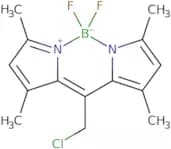
CAS:<p>Elisartan is an angiotensin II receptor blocker (ARB), which is derived from chemical synthesis with a mechanism of action centered around the selective inhibition of the angiotensin II type 1 (AT1) receptors. By obstructing these receptors, Elisartan effectively inhibits the vasoconstrictive and aldosterone-secreting effects of angiotensin II, which leads to the relaxation of blood vessels, a decrease in blood pressure, and reduced strain on the heart.</p>Formula:C27H29ClN6O5Purity:Min. 95%Molecular weight:553 g/molBodipy 8-chloromethane
CAS:<p>Fluorescent probe</p>Formula:C14H16BClF2N2Purity:Min. 95%Molecular weight:296.55 g/molNRG1 B1 Human
<p>NRG1 B1 Human is a cytokine that is produced by human cells. It belongs to the group of interleukins and functions as an inflammatory mediator. NRG1 B1 Human is involved in a wide range of biological processes, such as the regulation of cellular proliferation, differentiation, and immune response. It may also be used as a treatment for cancer.</p>Purity:Min. 95%Anti PHI, humanSerum
<p>Anti PHI, humanSerum is a research tool that is used to study protein interactions. It can be used in the study of ion channels, cell biology, and pharmacology. Anti PHI, humanSerum is also an inhibitor that binds to cells and prevents them from functioning normally. This product has been shown to inhibit the activity of erythropoietin receptor (EPOR) and has been used in the inhibition of tumor growth.</p>Purity:Min. 95%TAT antibody
<p>Please enquire for more information about TAT antibody including the price, delivery time and more detailed product information at the technical inquiry form on this page</p>Purity:Min. 95%H-SFLLRN-OH
<p>Thrombin Receptor Activator Peptide 6 (TRAP-6), also called Selective Protease-Activated Receptor 1 (PAR-1) Agonist, is an hexapeptide fragment of the thrombin receptor (residues 42-47).</p>(+)-Muscarine iodide
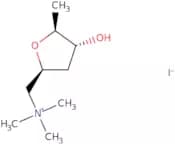
CAS:Controlled Product<p>Muscarine iodide is a cholinergic agonist that binds to the acetylcholine receptor, which is found in neurons. Muscarine iodide has been shown to decrease the production of proinflammatory cytokines in microglia cells and may be used as a treatment for neurodegenerative diseases. The acetylation of histone proteins by muscarine iodide was investigated using Sk-N-SH cells. This study showed that muscarine iodide inhibits acetylation of histones H3 and H4 at lysine residues, which are key regulators of gene expression. Muscarine iodide also binds to CB2 receptors and can be used as a novel pharmacological treatment for inflammation.</p>Formula:C9H20INO2Purity:Min. 95%Molecular weight:301.17 g/mol3-Carboxy-4-octyl-2-methylenebutyrolactone
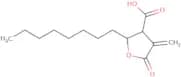
CAS:<p>3-Carboxy-4-octyl-2-methylenebutyrolactone is a potent synthetic analog of the natural fatty acid synthase inhibitor, FASN. It inhibits the activity of FASN, which plays an important role in the synthesis of fatty acids in macrophages and other cells. 3C8OL has been shown to inhibit the growth of cancer cells in vitro and in vivo. This compound also potently inhibits the uptake of glucose by rat cerebellar Purkinje neurons, as well as insulin resistance and obesity in mice. 3C8OL has pharmacokinetic properties that are similar to those of rapamycin complex (RAPA), which may be due to its ability to inhibit insulin signaling pathways by binding to rapamycin complex 2 (mTORC2) receptors on cell membranes. 3C8OL has also been shown to have anorectic effects, which may be due to its inhibition of appetite-stimulating hormones such</p>Formula:C14H22O4Purity:Min. 95%Molecular weight:254.32 g/molDynamin inhibitory peptide
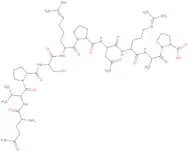
CAS:<p>The dynamin inhibitory peptide (DIP) is a molecule that inhibits the function of dynamin, which is a protein involved in the process of vesicle trafficking. The DIP binds to dopamine-3 receptors and blocks the cation channel, which is responsible for the cellular influx of calcium ions. This decreases glutamate release and prevents the development of depression. The DIP also has an antigenic specificity and can be used as an antibody probe to detect antigen-specific T cells. The DIP has been shown to have anti-inflammatory effects in animal models, but its mechanism of action is not yet understood.</p>Formula:C47H80N18O14Purity:Min. 95%Molecular weight:1,121.3 g/molβ-ANP, human
<p>Beta-ANP is a peptide that belongs to the class of activators. It is an inhibitor of ion channels and has been shown to be a ligand for the beta-1 adrenergic receptor. Beta-ANP has been used as a research tool in cell biology, pharmacology, and biochemistry.</p>Formula:C254H406N90O78S6Purity:Min. 95%Molecular weight:6,160.9 g/molFluvastatin-d7 sodium
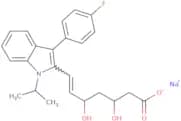
CAS:<p>Fluvastatin is a statin that lowers blood cholesterol and triglycerides by inhibiting HMG-CoA reductase, an enzyme that plays a critical role in the synthesis of cholesterol. Fluvastatin has also been shown to reduce the incidence of myocardial infarction, and to reduce atherosclerotic lesions in animal models, reducing the incidence of cardiovascular disease. Fluvastatin also has been shown to inhibit the activation of toll-like receptor 4 (TLR4) by lipopolysaccharide (LPS), which may be related to its anti-inflammatory effects. Furthermore, through lowering blood cholesterol, Fluvastatin also inhibits tubulointerstitial injury and prevents renal damage caused by high concentrations of the lipid. Deuterated Fluvastatin is a useful tool for research.</p>Formula:C24H25FNNaO4Purity:Min. 95%Molecular weight:442.5 g/molSNT-207858
CAS:<p>SNT-207858 is an antibody that inhibits the interaction of a protein with another protein. It is also known to inhibit ion channels and has been shown to have high purity. SNT-207858 is not active against peptides and has a CAS number of 1104080-42-3. Research on this antibody is being done in order to understand the role of receptor proteins in cell biology, pharmacology, and as a diagnostic or research tool.</p>Formula:C32H45Cl4N5O3Purity:Min. 95%Molecular weight:689.5 g/molYC-1
CAS:<p>YC-1 is an activator of soluble guanylate cyclase (sGC), derived from synthetic chemical sources, with a specific mode of action that inhibits the degradation of cyclic guanosine monophosphate (cGMP). By modulating the levels of cGMP, YC-1 affects various biological pathways associated with vasodilation, anti-platelet aggregation, and anti-inflammatory effects.</p>Formula:C19H16N2O2Purity:Min. 95%Molecular weight:304.34 g/molRO 7185876
CAS:<p>RO 7185876 is a high purity peptide that binds to the N-terminal domain of the human calcitonin receptor, which is a member of the G protein-coupled receptor family. It has been shown to activate this receptor and induce calcium release in cells. RO 7185876 is also a research tool for studying ligand/receptor interactions and ion channels.<br>RO 7185876 is an inhibitor of protein interactions with the calcitonin receptor. It can be used to study calcitonin receptor-dependent signaling pathways and signal transduction cascades.</p>Formula:C25H28F3N7Purity:Min. 95%Molecular weight:483.53 g/molHalofuginone hydrochloride
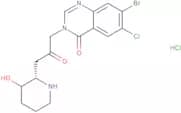
CAS:<p>Halogenated derivative of febrifugine; coccidiostat</p>Formula:C16H17BrClN3O3·HClPurity:Min. 95%Color and Shape:White To Off-White SolidMolecular weight:451.14 g/molSC-26196
CAS:<p>SC-26196 is a potential new anti-cancer drug that inhibits the activation of fatty acid receptors. SC-26196 blocks receptor activity, which reduces the growth of cancer cells in cell culture. This drug also has inhibitory properties on tumor growth in xenograft mice, and may be useful for the treatment of cardiac dysfunction or other diseases related to fatty acid metabolism. SC-26196 is a complex molecule with high potential for drug interactions. It is a polyunsaturated molecule that can be activated by radiation and has been shown to have cardioprotective effects in rats with myocardial infarction.</p>Formula:C27H29N5Purity:Min. 95%Molecular weight:423.55 g/molLDV FITC
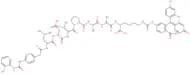
CAS:<p>LDV FITC is a monoclonal antibody that binds to the extracellular domain of the human CD4 molecule. It is expressed as a heterodimer and has been shown to inhibit kinase signaling pathways in human lymphocytes. LDV FITC is used in cell-binding assays to detect the presence of CD4 molecules on cells and can be used to screen for HIV-1 antibodies. LDV FITC has also been shown to be effective against ischemia/reperfusion injury in rat hearts.</p>Formula:C69H81N11O17SPurity:Min. 95%Molecular weight:1,368.5 g/molTC 2559 Fumarate
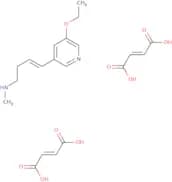
CAS:<p>TC 2559 Fumarate is a small molecule that modulates ion channels. It is an activator of the TRPV1 receptor and a ligand for the GPR107 receptor, which are both members of the transient receptor potential (TRP) family. TC 2559 Fumarate inhibits voltage-gated potassium channels and may also inhibit L-type calcium channels. TC 2559 Fumarate has been shown to have anti-inflammatory effects in vitro, as well as in vivo by inhibiting the production of inflammatory cytokines such as IL-2, IL-6, IL-12, IFN-γ, TNFα, and chemokines such as KC, MIP1α, MIP1β. TC 2559 Fumarate can be used to study protein interactions and as a research tool in cell biology or pharmacology.<br>TC 2559 Fumarate is not expected to cause any adverse effects to humans at doses up to 100mg/kg</p>Formula:C12H18N2O•(C4H4O4)xPurity:Min. 95%Molecular weight:206.28 g/molPf-05236216 hydrochloride
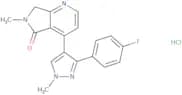
CAS:<p>Pf-05236216 hydrochloride is a potent and selective inhibitor of the transient receptor potential vanilloid type 1 (TRPV1) ion channel. Pf-05236216 hydrochloride has been shown to inhibit TRPV1 activation by capsaicin, resiniferatoxin, and heat in vitro and in vivo. Pf-05236216 hydrochloride also inhibits acid-sensing ion channels (ASICs) at concentrations below those required for TRPV1 inhibition. Pf-05236216 hydrochloride has been used as a research tool to study the function of TRPV1 and ASICs, as well as in studies of cell biology and peptides.</p>Formula:C18H16ClFN4OPurity:Min. 95%Molecular weight:358.8 g/molInsulin I (Mouse)
<p>Insulin I is a mouse insulin. Insulin I is an ion channel activator, which means that it can open and close ion channels in the cell membrane to regulate the flow of ions into and out of cells. Insulin I is a receptor ligand, which means that it binds to a receptor on the surface of cells to activate or inhibit their function. Insulin I is used as a research tool for pharmacology and cell biology, as well as for the study of protein interactions. It has been shown to have high purity. Insulin I has also been shown to be an inhibitor of cellular growth, but not always an apoptosis inducer.</p>Purity:Min. 95%ALB, GIG20, GIG42 MS Calibrator (25nmol)
<p>The ALB, GIG20, GIG42 MS Calibrator (25nmol) is a Proteomics Tools product that has been designed to support the identification of biologically active peptides in proteomics. The ALB, GIG20, GIG42 MS Calibrator (25nmol) is a tryptic peptide derived from human serum albumin and can be used as a precursor for the identification of other tryptic peptides in proteomic samples. The New England Peptide Company offers this product at a competitive price and with high quality.</p>Purity:Min. 95%CM 1
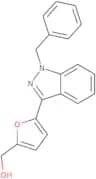
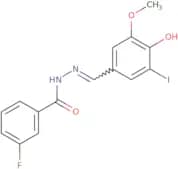
CAS:<p>CM 1 is a synthetic derivative of the natural compound apigenin. It inhibits the activity of matrix metalloproteinase-9 (MMP-9) and has been shown to suppress allergic symptoms in animal models. CM 1 has also been shown to be effective against some types of skin cancer, such as squamous carcinoma, when applied topically. CM 1 induces autophagy in vivo and has been shown to have biological properties that are similar to those of apigenin. This compound also promotes autophagy in cultured human cells by inhibiting mitochondrial membrane potential and increasing levels of reactive oxygen species (ROS).</p>Formula:C26H29NO5Purity:Min. 95%Molecular weight:435.5 g/molEndosidin2
CAS:<p>Endosidin2 is a protein that belongs to the endosome-associated sorting complex required for transport (ESCRT) family. It is localized in the endosomal compartment and is involved in exocytic trafficking, which is responsible for the release of molecules from the cell. Endosidin2 has been shown to play a role in cancer, autoimmune diseases, and inflammatory diseases. In cancer cells, it mediates tumorigenesis through activation of kinases that regulate the cell cycle and induce DNA damage. In autoimmune diseases such as Lupus erythematosus or multiple sclerosis, it regulates inflammation through modulation of cytotoxic T lymphocytes. Its function in inflammatory diseases are not well understood.</p>Formula:C15H12FIN2O3Purity:Min. 95%Molecular weight:414.17 g/molBelinostat acid
CAS:<p>Belinostat acid is an inorganic compound that has been clinically studied for its potential use in cancer treatment. Belinostat acid is a histone deacetylase inhibitor, which means it prevents the removal of acetyl groups from histones, resulting in gene activation and increased transcription. In vitro studies have shown that belinostat acid can be used to treat cancers by inducing homologous recombination repair and inhibiting cell proliferation. Clinical trials are currently underway to examine the safety and efficacy of this drug as a treatment for solid tumors. The terminal half-life of belinostat acid is about 1 hour, with metabolites being excreted primarily through urine.</p>Formula:C15H13NO4SPurity:Min. 95%Molecular weight:303.3 g/mol21:0 Coenzyme A
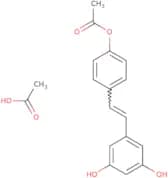
CAS:<p>Coenzyme A (CoA) is a cofactor that plays a key role in the biosynthesis of fatty acids and cholesterol. It has been shown to have anticancer activity, with the potential to be used as an anticancer therapy. CoA enhances the activation of anticancer agents, such as doxorubicin, by preventing their metabolism or excretion. The enhancement is achieved by uncoupling mitochondria and increasing the production of reactive oxygen species. This process results in a decrease in tumor size and increased survival rates for mice injected with glioblastoma cells.</p>Formula:C42H85N10O17P3SPurity:Min. 95%Molecular weight:1,127.17 g/molResveratrol 3,4’-diacetate
CAS:Controlled Product<p>Resveratrol 3,4’-diacetate is a derivative of resveratrol that has been modified with acetate. This compound is an activator of the nuclear receptor PPAR-γ and has been shown to have anti-inflammatory and anticancer properties. It has high purity, which makes it suitable for use as a research tool or cell biology assay. Resveratrol 3,4’-diacetate is also used to study protein interactions and receptors in pharmacology research.</p>Formula:C18H18O6Purity:Min. 95%Molecular weight:330.3 g/molDDR inhibitor
CAS:<p>DDR inhibitors are a class of drugs that inhibit the DDR, or DNA damage response. These drugs are used for the treatment of cancer and are thought to work by inhibiting cellular regulatory pathways. Studies have shown that these inhibitors can damage cells and prevent them from repairing damage caused by radiation or other damaging agents. One such inhibitor is olaparib, which has been found to be effective in the treatment of prostate cancer and some types of cancer that are resistant to traditional chemotherapy. It also reduces telomere length, which is associated with aging and cancer. The discovery of DDR inhibitors has provided the opportunity to develop more specific treatments for various cancers.</p>Formula:C23H20FN5O2Purity:Min. 95%Molecular weight:417.4 g/molMK-7246-d3
CAS:<p>MK-7246-d3 is a pancreas-selective β-cell receptor agonist that has been shown to have efficacy in the treatment of type 1 diabetes. The compound is able to inhibit the release of histamine from eosinophilic cells, which may be due to its ability to bind to histamine H1 receptors and inhibit calcium influx. MK-7246-d3 has also been shown to decrease acid secretion and increase bicarbonate secretion. These effects on the pancreas may be due to its ability to act as a potent antagonist at the gastric histamine H2 receptor. MK-7246-d3 has not yet been tested in humans but has shown promising results in vitro and in vivo animal models. This drug is also being evaluated for use in other diseases, such as chronic obstructive pulmonary disease, asthma, and rhinosinusitis.</p>Formula:C21H18D3FN2O4SPurity:Min. 95%Molecular weight:419.48 g/molSB-737050-A
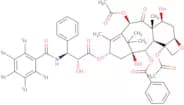
CAS:<p>SB-737050-A is a solvate of the antipsychotic drug SB-737050. It is used to treat schizophrenia and other psychotic disorders. SB-737050-A is manufactured as an oral tablet, which is designed to dissolve in the stomach. This medicine has been shown to be effective in the treatment of schizophrenia, but it may have side effects such as nausea, vomiting, or constipation.</p>Formula:C25H26ClNO4SPurity:Min. 95%Molecular weight:472 g/molPaclitaxel-d5
CAS:Controlled Product<p>Deuterium-labelled internal standard for paclitaxel</p>Formula:C47H46D5NO14Purity:Min. 95 Area-%Color and Shape:PowderMolecular weight:858.93 g/molHuman Serum Albumin (recombinant), Plant
<p>Human Serum Albumin (HSA) is a protein that is produced in the liver and helps maintain the osmotic pressure of the blood. It also has anti-inflammatory, immunomodulatory, and anti-coagulant properties. HSA is used as a research tool to study protein interactions and receptor ligand pharmacology. HSA is also used as an activator for antibodies or other enzymes that require activation by a protein. Our plant-produced recombinant HSA is a non-glycosylated, polypeptide chain containing 585 amino acids, and has a molecular mass of 67 kDa.</p>Purity:>98% By Sds-PageAnti EGF (Rat) Serum
<p>Anti EGF (Rat) Serum is a research tool that can be used for the detection of protein-protein interactions and receptor-ligand interactions. This serum has a high purity and can be used in cell biology, pharmacology, and life science. Anti EGF (Rat) Serum is an inhibitor that binds to EGFR. It blocks the activation of EGFR by blocking ligand binding to EGFR or by preventing GPCR from activating downstream signaling pathways.</p>Purity:Min. 95%Basic blue 54
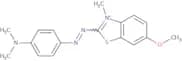
CAS:<p>Basic blue 54 is a methoxylated basic dye with a carbonyl group. It is used as an absorber in the cross-link process and as a polymerization initiator in reactive dyeing. Basic blue 54 has been shown to be reactive with persulfate and undergo an absorption process. Langmuir adsorption isotherms of basic blue 54 indicate that it has good chemical stability. Basic blue 54 is used as a model system for the study of reactive dyes, which are usually high molecular weight compounds that have both hydrophilic and hydrophobic groups.</p>Formula:C18H22N4O5S2Purity:Min. 95%Molecular weight:438.52 g/molAZD 3514
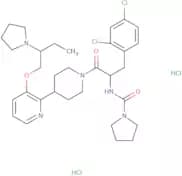
CAS:<p>Androgen receptor antagonist; has therapeutic application in prostate cancer</p>Formula:C25H32F3N7O2Purity:Min. 95%Molecular weight:519.56 g/molAngiotensin III, human
CAS:Controlled Product<p>Angiotensin III, human is a peptide hormone that acts as an important regulator of blood pressure and fluid balance. It binds to angiotensin receptors on vascular smooth muscle cells, which leads to vasoconstriction and an increase in the permeability of small blood vessels. Angiotensin III also stimulates the release of aldosterone from the adrenal gland, which leads to increased sodium retention and increased water reabsorption by the kidneys. Angiotensin III is used as a treatment for congestive heart failure and pulmonary edema. It has been shown to be effective in preventing myocardial infarction in animal models. The effects of Angiotensin III are mediated by its binding to specific receptors on the surface of cells, leading to changes in cell activity. These effects can be blocked with receptor antagonists such as losartan or valsartan.</p>Formula:C46H66N12O9•2CH3COOH•4H2OPurity:Min. 95%Molecular weight:1,123.26 g/molH-Ala-AFC trifluoroacetate salt
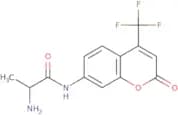
CAS:<p>Please enquire for more information about H-Ala-AFC trifluoroacetate salt including the price, delivery time and more detailed product information at the technical inquiry form on this page</p>Formula:C13H11F3N2O3Purity:Min. 95%Color and Shape:PowderMolecular weight:300.23 g/molSesamoside
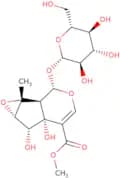
CAS:<p>Sesamoside is a genus of plants that belongs to the family Apocynaceae. It has been shown to have pharmacokinetic properties in a study using preparative HPLC and linear calibration curve. The physiological activities of sesamosides include inhibiting mitochondrial membrane potential, inhibiting platelet aggregation, and reducing lamiophlomis. Chemical diversity of sesamosides has been observed by analytical methods such as GC-MS and nuclear magnetic resonance (NMR). Sesamoside also has iridoid compounds that are structurally similar to those found in tuberosa. The liver cells of mice were found to be sensitive to the dose-dependent effects of sesamosides.</p>Formula:C17H24O12Purity:Min. 95%Molecular weight:420.37 g/molNK 314
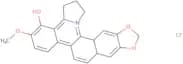
CAS:<p>NK 314 is a potent anticancer agent that belongs to the class of nitidine-based compounds. It has been shown to be effective in inhibiting the growth of cancer cells in human cancer cell lines and has also been shown to inhibit the growth of cancerous tumors in animal models. NK 314 is a cytotoxic agent that targets DNA replication, leading to cell death by apoptosis. This compound also inhibits the production of nitric oxide, which is a mediator for the inflammatory response in many cancers. NK 314 has demonstrated antitumor effects in vitro and in vivo, making it an attractive potential therapeutic candidate for treatment of various types of cancer.</p>Formula:C22H20ClNO4Purity:Min. 95%Molecular weight:397.8 g/molAM 580
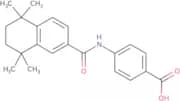
CAS:<p>Retinoic acid receptor (RARα) agonist; induces cell differentiation</p>Formula:C22H25NO3Purity:Min. 95%Molecular weight:351.44 g/molTC HSD 21
CAS:<p>TC HSD 21 is a research tool that can be used as an inhibitor in the study of ion channels, ligand-receptor interactions and protein interactions. TC HSD 21 is a peptide with high purity. The IC50 for TC HSD 21 ranges from 1 nM to 100 nM. TC HSD 21 has been shown to activate receptors, inhibit ion channels and act as a ligand for peptide receptors.</p>Formula:C17H12BrNO3S2Purity:Min. 95%Molecular weight:422.32 g/molFRETS-25Val (1 umol) (1umol)
<p>FRETS-25Val is a research tool that is used to activate, inhibit, or modulate the function of ion channels. FRETS-25Val is an agonist of G protein-coupled receptors (GPCRs) and ligands for receptor tyrosine kinases (RTKs). It has been shown to bind to Ligand Binding Domains (LBDs) on cell surface receptors. FRETS-25Val binds to antibody Fc regions and also inhibits the binding of peptides to proteins by competing with them for binding sites.</p>Purity:Min. 95%IMR-1
CAS:<p>IMR-1 is a small molecule that inhibits the growth of cancer cells by inducing apoptosis. It disrupts cell function, leading to the inhibition of tumor growth and metastasis. IMR-1 also has a regulatory effect on various cellular processes, such as cell differentiation and proliferation. IMR-1 induces the polymerase chain reaction (PCR) in living cells, which leads to integrating DNA fragments into the genome. This process can be used to diagnose tumors and monitor their progression in vivo.</p>Formula:C15H15NO5S2Purity:Min. 95%Molecular weight:353.41 g/molBMP 4 Human
<p>BMP 4 Human is a recombinant human protein that is a member of the TGF-β superfamily. It interacts with Ligand, Receptor, and Activator and has been shown to inhibit Ion channels in vitro. BMP 4 Human is a research tool for studying signaling pathways in pharmacology and cell biology.</p>Purity:>95% By Sds-Page And Rp-HplcEPZ 011989
CAS:<p>Inhibitor of lysine methyltransferase EZH2; antineoplastic</p>Formula:C35H51N5O4Purity:Min. 95%Molecular weight:605.81 g/molIbα (1-175), gst tagged human
CAS:<p>Ibα (1-175) is a peptide that has been synthesized by solid-phase peptide synthesis. It is used as a research tool for studying protein interactions and antibody recognition. Ibα (1-175) can be used to identify ligands, receptors, ion channels, or other proteins that interact with the active site of the enzyme. This product is high purity and can be used in pharmacology and life science research.</p>Purity:Min. 95%BI-4464
CAS:<p>BI-4464 is a novel anti-inflammatory agent that has been shown to have a potential beneficial effect on acute ischemic stroke. It has been shown to decrease the size of the infarcted area and improve neurologic function in animal models of stroke. BI-4464 binds to matrix metalloproteinases, which are enzymes involved in inflammation, and prevents them from degrading extracellular matrix proteins. These proteinases are also thought to be involved in the pathogenesis of acute ischemic stroke by breaking down blood vessels. BI-4464 also inhibits DNA polymerase activity, leading to reduced levels of DNA synthesis and cell death.<br>BI-4464 has not yet been tested in humans but is currently being evaluated in clinical trials for safety and efficacy as an anti-inflammatory agent.</p>Formula:C28H28F3N5O4Purity:Min. 95%Molecular weight:555.55 g/mol[5-(3-Pyridyl)-2-thienyl]methanamine
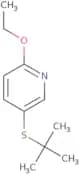
CAS:<p>The ebola virus is a member of the family Filoviridae, which contains two genera: Marburg and Ebola. Ebolavirus is an enveloped virus with a filamentous morphology that causes fever and often fatal hemorrhagic fever in humans and other primates. The glycoprotein (GP) structure of the ebola virus consists of seven proteins: three structural proteins (VP24, VP35, and VP40) and four nonstructural proteins (sGP, NP, VP30, and L). Ebolavirus GP makes up approximately 80% of the virion's mass. It is responsible for mediating the attachment of ebola to host cells by binding to sialic acid on host cell surfaces. This protein also has anti-inflammatory properties that may be related to its ability to inhibit prostaglandin synthesis.</p>Formula:C10H10N2SPurity:Min. 95%Molecular weight:190.27 g/molDiltiazem-d6
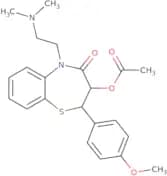
CAS:<p>Diltiazem-d6 is a high purity, stable diltiazem labeled with the radioisotope carbon-11. Diltiazem-d6 is used as a research tool for studying protein interactions, receptor binding and ion channel activation. The product is also used as a ligand for mapping peptide libraries and antibody production. Diltiazem-d6 has shown to have an inhibitory effect on calcium channels in cardiac muscle cells.</p>Formula:C22H26N2O4SPurity:Min. 95%Molecular weight:420.6 g/molPamiparib
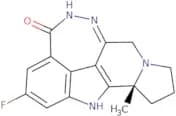
CAS:Controlled Product<p>Pamiparib is a drug that is used to treat breast cancer and other solid tumours. It has been shown to inhibit the activity of the P-glycoprotein (P-gp) transporter, which prevents the escape of anticancer drugs from cells, resulting in increased concentrations of these drugs in tumour tissues. Pamiparib binds to the PDGFR-β receptor, inhibiting the growth factor epidermal growth factor (EGF). Pamiparib has been shown to be effective on resistant prostate cancer cells with high levels of EGF receptors. This drug also inhibits adenosine diphosphate ribose (ADPR) synthesis and platinum-based chemotherapy, as well as radiation therapy. The pharmacokinetic properties of pamiparib have been shown through plasma concentration–time curves for a single dose and multiple doses over time.</p>Formula:C16H15FN4OPurity:Min. 95%Molecular weight:298.32 g/molTalabostat
CAS:<p>Talabostat is a small-molecule inhibitor, specifically targeting dipeptidyl peptidase (DPP) enzymes. It is a synthetic compound designed to inhibit these serine proteases, which are known to play critical roles in tumor growth and metastasis by affecting the tumor microenvironment. The primary mode of action of Talabostat involves the irreversible inhibition of DPP IV and related enzymes, disrupting key signaling pathways that facilitate cancer cell proliferation and immune evasion.</p>Formula:C9H19BN2O3Purity:Min. 95%Molecular weight:214.07 g/mol





![3-(5-((2-(6-((2,3-Dimethylphenyl)amino)-[1,2,5]oxadiazolo[3,4-b]pyrazin-5-yl)hydrazineylidene)meth…](/_next/image/?url=https%3A%2Fstatic.cymitquimica.com%2Fproducts%2F3D%2Fthumb-webp%2FURB66473.webp&w=3840&q=75)



![2-Furanyl-[4-(2-methyl-5,6,7,8-tetrahydro-[1]benzothiolo[2,3-d]pyrimidin-4-yl)-1-piperazinyl]metha…](/_next/image/?url=https%3A%2Fstatic.cymitquimica.com%2Fproducts%2F3D%2Fthumb-webp%2FKTA33161.webp&w=3840&q=75)






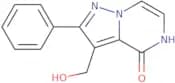
![[Val5]-Angiotensin II](/_next/image/?url=https%3A%2Fstatic.cymitquimica.com%2Fproducts%2F3D%2Fthumb-webp%2FPAN-4034.webp&w=3840&q=75)
![1-[2-(4-Methylphenoxy)ethyl]-2-[(2-phenoxyethyl)thio]-1H-benzimidazole](/_next/image/?url=https%3A%2Fstatic.cymitquimica.com%2Fproducts%2F3D%2Fthumb-webp%2FGNA94899.webp&w=3840&q=75)

![2-[Bis(2-hydroxyethyl)amino]benzo[H]chromen-4-one](/_next/image/?url=https%3A%2Fstatic.cymitquimica.com%2Fproducts%2F3D%2Fthumb-webp%2FUCA54104.webp&w=3840&q=75)















![[5-(3-Pyridyl)-2-thienyl]methanamine](/_next/image/?url=https%3A%2Fstatic.cymitquimica.com%2Fproducts%2F3D%2Fthumb-webp%2FBP178925.webp&w=3840&q=75)