Biochemicals and Reagents
Biochemicals and reagents are fundamental substances for research and development in fields such as biotechnology, molecular biology, pharmacology, and medicine. These products are essential for a variety of applications, including compound synthesis, biological sample analysis, metabolic process research, and drug production. At CymitQuimica, we offer a wide selection of high-quality, high-purity biochemicals and reagents suitable for various scientific and industrial needs. Our catalog includes enzymes, antibodies, nucleic acids, amino acids, and many other products, all designed to support researchers and professionals in their research and development projects, ensuring reliable and reproducible results.
Subcategories of "Biochemicals and Reagents"
- Biomolecules(99,115 products)
- By Biological Target(99,160 products)
- By Pharmacological Effects(6,787 products)
- Cryopreservatives(21 products)
- Desinfectants and Related Compounds(28 products)
- Hormones(346 products)
- Plant Biology(6,722 products)
- Secondary Metabolites(14,222 products)
Found 130582 products of "Biochemicals and Reagents"
Sort by
Purity (%)
0
100
|
0
|
50
|
90
|
95
|
100
IGRP Catalytic Subunit-related Protein (206-214)
<p>Peptide corresponding to residues 206-214 of murine islet-specific glucose-6-phosphatase catalytic subunit-related protein (IGRP), the autoantigen targeted by pathogenic CD8+ T cells in non obese diabetic (NOD) mice. Cells that recognize IGRP(206-214) are present in the earliest islet infiltrates of NOD mice and undergo avidity maturation as islet inflammation progresses to overt disease.</p>Molecular weight:1,094.6 g/molH-QPR^GRILGGQE-OH
<p>Peptide H-QPR^GRILGGQE-OH is a Research Peptide with significant interest within the field academic and medical research. This peptide is available for purchase at Cymit Quimica in multiple sizes and with a specification of your choice.</p>Dasatinib monohydrate - Bio-X ™
CAS:<p>Dasatinib is a potent inhibitor of tyrosine kinases and is used in the treatment of chronic myelogenous leukemia, gastrointestinal stromal tumors, and other types of cancer. It also inhibits many SRC- family kinases. Dasatinib has been shown to inhibit the proliferation of cancer cells, leading to cell lysis. Additionally, it has anti-angiogenic effects in vivo, inhibiting the development of new blood vessels in solid tumours.</p>Formula:C22H26ClN7O2S•H2OPurity:Min. 95%Color and Shape:PowderMolecular weight:506.02 g/molBradykinin
<p>Bradykinins and their associated kinins are inflammatory mediators produced during inflammation. The two main kinins in mammals are the nonapeptide bradykinin, BK (1-9) and the decapeptide kallidin (KD), [Lys0]-BK(1-10). Their biological actions are mediated by two distinct receptors, termed B1 and B2.-BK is involved in several pathophysiological processes, such as inflammation, pain, cell proliferation, and tumours. It plays a crucial role in corneal epithelial cells, corneal stromal cells, and fibroblasts.Inflammation has been reported as one significant hallmark of breast cancer in relation to tumour development, metastasis, and invasion. The bradykinin receptor 1 (B1R) associated with kallidin is highly expressed on inflammatory breast tumour cells thus providing a promising targeting site for tumour recognition and sufficient receptor mediated endocytosis.</p>Molecular weight:1,059.6 g/molHistone H3 (1-21) K9Me2
<p>Histone H3 (1-21) K9Me2 is derived from Histone 3 (H3) which is one of the four core histones (H2A, H2B, H3 and H4) fundamental in compacting eukaryotic DNA into the nucleosome. The nucleosome arises when 147 base pairs of DNA wrap around a H3-H4 tetramer and two H2A-H2B dimers, forming the histone octamer core. Both H4 and H3 are highly conserved and perform roles in binding to segments of DNA which enter and leave the nucleosome and in chromatin formation. Similar to the other core histone, H3 has a globular domain and a flexible N-terminal domain, 'histone tail' which can undergo modifications such as acetylation, methylation, phosphorylation and ubiquitination. Due to histones containing a large number of lysine and arginine residues they have a positive net charge which interacts in an electrostatic manner with the negatively charged phosphate groups in DNA. The transcriptional activation or silencing of the chromatin is controlled by ATP-dependent chromatin remodelling factors and histone modifying enzymes which target histone proteins. Both processes function to alter to change the positioning of the nucleosome, allowing the DNA it to be either available to the transcription machinery or inaccessible.The Histone H3 (1-21) lysine 9 has been dimethylated.</p>Molecular weight:2,281.3 g/molH-ELLETVVNR^-OH
<p>Peptide H-ELLETVVNR^-OH is a Research Peptide with significant interest within the field academic and medical research. This peptide is available for purchase at Cymit Quimica in multiple sizes and with a specification of your choice.</p>MyHC (614-629)
<p>Peptide derived from the myosin heavy-chain (MyHC) proteins which are differentially expressed in mammalian skeletal muscles.</p>Molecular weight:2,073.40 g/molD-dimer antibody
<p>The D-dimer antibody is a nuclear, low-density antibody that specifically targets fibronectin. This monoclonal antibody is designed to bind to fibronectin, a protein involved in cell adhesion and growth factor signaling. It has been shown to have high affinity for fibronectin and can effectively block its interaction with other molecules such as androgen, erythropoietin, albumin, collagen, alpha-fetoprotein, and glycosylation. The D-dimer antibody is widely used in life sciences research for various applications including immunohistochemistry, Western blotting, and flow cytometry. Its specificity and reliability make it an invaluable tool for studying the role of fibronectin in cellular processes.</p>Suc-LLVY-[Rh110]-[D-Pro]
<p>Fluorogenic substrate peptide of the 20S proteasome. In its intact state this peptide is non-fluorescent, however when Rhodamine fluorophore is released upon hydrolysation, fluorescence can be detected. This peptide is therefore a useful tool for analysing the activity of the 20S proteasome as well as other chymotrypsin-like proteases and calpains. This peptide is also a substrate for chymase, papain, carboxypeptidase Y, proteinase yscE (kexin) and ingensin.The presence of the D-proline residue on the C terminal of the rhodamine molecule ensures one directional rhodamine cleavage which simplifies fluorescence studies. Rhodamine 110 is a laser grade fluorescent dye with excitation maxima at 496 nm and emission maxima at 522 nm.</p>Molecular weight:1,015.5 g/molH-RHKSNITFNNNDTVSFGGC-OH
<p>H-RHKSNITFNNNDTVSFGGC-OH is a custom peptide that can be synthesized rapidly by our peptide experts in under 2 weeks. H-RHKSNITFNNNDTVSFGGC-OH is provided at greater that >95% purity (HPLC) from Cymit Quimica for a variety of research applications. We also offer H-RHKSNITFNNNDTVSFGGC-OH in bulk quantities in addition to our standard pack sizes.Please enquire for more information about H-RHKSNITFNNNDTVSFGGC-OH at the technical inquiry form on this page</p>Purity:Min. 95%Lefamulin
CAS:<p>Lefamulin is an antibiotic, which is derived from the fermentation product of the fungus Pleuromutilin. It functions through a unique mode of action by binding to the peptidyl transferase center of the 50S ribosomal subunit, thereby inhibiting bacterial protein synthesis. This mechanism is distinct in that it interferes with key steps in the elongation phase of translation.</p>Formula:C28H45NO5SPurity:Min. 95%Color and Shape:PowderMolecular weight:507.7 g/molPAR-2 agonist
<p>Protease activated receptors (PARs) are a distinctive four-member family of seven transmembrane G protein-coupled receptors (GPCRs) widely expressed in inflammatory cells. PARs are cleaved by certain serine proteases to expose a tethered ligand domain, this ligand domain then binds to and activates the receptors to initiate multiple signalling cascades. These PAR-activating proteases therefore represent PAR agonists. This PAR-2 agonist peptide mimics the sequence of the 'tethered ligand' and is therefore capable of activating the receptor independently of N-terminal proteolysis.SLIGRL-NH2 inhibits the development of airway eosinophilia, hyper-responsiveness and displays bronchodilator activity in allergic mice and also facilitates gastrointestinal transit in mice-in vivo.PAR activation has been linked to inflammation, therefore compounds that mimic or interfere with the PAR-activating processes are attractive therapeutic candidates.</p>Molecular weight:656.4 g/molPARP1 (487-496)
<p>Amino acids 487-496 of Poly(ADP-ribose) polymerase 1 (PARP1). PARP1 is a nuclear DNA repair enzyme that binds to DNA when damage is detected. PARP1 coordinates double and single strand break repair by first cleaving NAD+ into nicotinamide and ADP-ribose, and then synthesising poly-(ADP-ribose) (PAR) chains from ADP-ribose on target proteins (PARylation). PARylation of histone proteins mediates relaxation of the chromatin and recruitment of DNA-break repair enzymes.PARP1 can also act as a transcriptional co-activator, modulating the expression of itself and many other genes by direct binding to or PARylation of enhancers and promoters. PARP1 is also involved in maintaining mtDNA.PARP1 belongs to the PARP family which has 7 known and 10 putative members. PARP1 accounts for >85% of the PARP activity in cellular systems.</p>Purity:Min. 95%Molecular weight:1,065.6 g/molVaborbactam
CAS:<p>Inhibitor of β-lactamase enzymes</p>Formula:C12H16BNO5SPurity:Min. 95%Color and Shape:Yellow PowderMolecular weight:297.14 g/molS2-16
<p>Myocarditis is an inflammatory heart disease often associated with a previous viral infection. Evidence has suggested that myocarditis may be due to autoimmune responses directed against cardiac tissue. The inflammatory immune response caused after infection may break tolerance by mechanisms of molecular mimicry, bystander activation, and loss of immune regulation. Experimental autoimmune myocarditis (EAM) is a model of inflammatory heart disease generated by immunizing susceptible rats or mice with cardiac myosin or its myocarditic epitopes. In the EAM model, cellular infiltrates consist primarily of T cells and macrophages, and T lymphocytes responsive to cardiac myosin can transfer disease. Cardiac myosin is a large peptide, which is composed of two H chains and two pairs of L chains. Proteolysis of myosin yields three subfragments including a globular head or subfragment 1 (S1) region, an alpha helical coiled coil rod comprised of subfragment 2 (S2), and light meromyosin (LMM). In the Lewis rat, the S2 subfragment has been shown to produce the most severe myocarditis.</p>Color and Shape:PowderMolecular weight:2,971.6 g/molVitamin D-binding protein (277-284) Heavy
<p>Peptide derived from the Vitamin D-binding protein which binds to circulating vitamin D metabolites produced from UV-B exposure or when it is ingested in the diet. The leucine residue at position 2 is isotopically labelled with carbon-13(6) and nitrogen-15(1).</p>Purity:Min. 95%Molecular weight:958.5 g/molSU 0268
CAS:<p>Inhibitor of 8-oxoguanine DNA glycosylase OGG1 with IC50 of 0.059 μM and excellent specificity over other DNA repair enzymes. OGG1 and its substrate 8-oxoguanine are involved in mutagenesis, genotoxicity, inflammation and cancer. The compound can cause accumulation of 8-oxoguanine in DNA in vitro and is a potent tool for the study of OGG1 biology.</p>Formula:C26H25N3O4SPurity:Min. 95%Color and Shape:White PowderMolecular weight:475.56 g/molST 2825
CAS:<p>ST 2825 is a synthetic dye, which is a laboratory-established chemical compound with specific staining properties. Its source lies in advanced organic chemistry techniques designed to produce bright and consistent coloration under various conditions. The mode of action involves the selective binding to certain cellular structures, facilitating the visualization of biological samples during microscopy.</p>Formula:C27H28Cl2N4O5SPurity:Min. 98 Area-%Color and Shape:PowderMolecular weight:591.51 g/molGoat anti Human IgG
<p>Goat anti Human IgG is a polyclonal antibody that specifically targets human immunoglobulin G (IgG). This antibody plays a crucial role in various immunoassays and research applications. It has the ability to recognize and bind to the glycosylation sites on IgG, making it an essential tool for studying the structure and function of this important antibody.</p>Purity:Min. 95%Ubiquitin K33 Light
<p>This sequence corresponds to the peptide bond between mammalian Lys33- (K33) linked Ub proteins- where (GG) corresponds to the C-terminus of the side chain appended Ub.Lys33-linked polyUb chains are assembled by the HECT E3 ligase AREL1. K33-linked polyUb chains have been linked to DNA damage response and in the regulation of innate immunity. Ubiquitination with K33-linked chains also regulates T-cell receptor function and contributes to the stabilization of actin for post-Golgi transport.</p>Purity:Min. 95%Color and Shape:PowderMolecular weight:1,636.8 g/molHistone H3 (1-20) K4Me3, pS10-GG-[Lys(5-FAM)]
<p>Histone 3 (H3) is one of the four core histones (H2A, H2B, H3 and H4) fundamental in compacting eukaryotic DNA into the nucleosome. The nucleosome arises when 147 base pairs of DNA wrap around a H3-H4 tetramer and two H2A-H2B dimers, forming the histone octamer core. Similar to the other core histone, H3 has a globular domain and a flexible N-terminal domain, 'histone tail' which can undergo modifications such as acetylation, methylation, phosphorylation and ubiquitination. The transcriptional activation or silencing of the chromatin is controlled by ATP-dependent chromatin remodelling factors and histone modifying enzymes which target histone proteins. Both processes function to alter the positioning of the nucleosome, allowing the DNA it to be either available or inaccessible to the transcription machinery.The lysine at position 4 of this peptide has been tri-methylated and it is implicated in studies that this modification may remodel the chromatin so that it is more accessible to transcription factors, which may ultimately increase the level of gene expression. Moreover, the serine at position 10 has been phosphorylated, and studies have suggested that this may induce chromatin condensation, and subsequently repress transcription and gene expression.Histone H3 (1-20) K4Me3, pS10-GG-[Lys(5-FAM)] has a C-terminal GKK linker labelled with 5-Carboxyfluorescein (5-FAM), a widely used green fluorescent tag.</p>Molecular weight:2,904.5 g/molLDVP peptide
<p>The LDVP peptide (CS1), located in the type III connecting segment (V-region) of fibronectin, exhibits cell binding properties thus contributing to the adhesion of fibronectin to other cells.</p>Molecular weight:442.2 g/molIL6 antibody
<p>The IL6 antibody is a monoclonal antibody that specifically targets interleukin-6 (IL-6), a pro-inflammatory cytokine. IL-6 plays a crucial role in various biological processes, including immune response, inflammation, and cell growth. This antibody works by binding to IL-6 and preventing its interaction with its receptors on the cell surface.</p>PAI1 antibody
<p>PAI1 antibody was raised in mouse using purified PAI-1 from the human melanoma cell line MJZJ as the immunogen.</p>CMVpp65 - 103 (ELVTTERKTPRVTGG)
<p>Custom research peptide; min purity 95%. For different specs please use the Peptide Quote Tool</p>Molecular weight:1,643.9 g/molHuman Growth Hormone (> 60% pure)
<p>Purified native Human Human Growth Hormone (> 60% pure)</p>Purity:Min. 95%CLEAR-Amide Resin (100-200 mesh) (0.3 - 0.5 meq/g)
<p>CLEAR-Amide Resin (100-200 mesh) (0.3 - 0.5 meq/g) is a high purity resin that can be used as a research tool, pharmacology, and protein interactions.</p>Purity:Min. 95%C-Peptide (57-87) human
<p>Proinsulin connecting peptide (C-peptide), links the A and B chains of proinsulin. Upon enzymatic cleavage of C-peptide from pro-insulin in the pancreas, C-peptide is released into the blood stream along with insulin (A- and B-chains bonded together) in equimolar quantities. C-peptide can influence a wide variety of physiological conditions linked to diabetes, such as neuropathy, nephropathy, and encephalopathy. C-peptide is able to ameliorate and reverse the degrading effects of neuropathy in diabetes.</p>Molecular weight:3,018.5 g/molQ-VD-OPH
CAS:<p>Inhibitor of caspases; broad spectrum</p>Formula:C26H25F2N3O6Purity:Min. 98.00 Area-%Color and Shape:PowderMolecular weight:513.49 g/molH-RGGGQIIPTARRVVCSAFLM-OH
<p>H-RGGGQIIPTARRVVCSAFLM-OH is a custom peptide that can be synthesized rapidly by our peptide experts in under 2 weeks. H-RGGGQIIPTARRVVCSAFLM-OH is provided at greater that >95% purity (HPLC) from Cymit Quimica for a variety of research applications. We also offer H-RGGGQIIPTARRVVCSAFLM-OH in bulk quantities in addition to our standard pack sizes.Please enquire for more information about H-RGGGQIIPTARRVVCSAFLM-OH at the technical inquiry form on this page</p>Purity:Min. 95%SARS-CoV-2 Spike (1197-1206)
<p>The SARS-CoV-2 spike protein is present on the outside of the virus particles and can bind to angiotensin-converting enzyme II (ACE2) present on the host cells. The C-terminal receptor binding domain (RBD) of the spike protein binds to the N-terminal peptidase M2 domain of ACE2. This receptor binding results in the internalisation of the virus-receptor complex and is, therefore the mechanism of entry of SARS-CoV-2 into host cells.The spike protein residues LIDLQELGKY (1197-1206) have been identified as a T-cell epitope with a predicted HLA restriction. Immune targeting of confirmed epitopes may potentially offer protection against SARS-CoV-2 and help the development of vaccines for long-lasting immunity.</p>Molecular weight:1,190.7 g/molH-EYGGLDVLVNNAGIAFK-OH
<p>H-EYGGLDVLVNNAGIAFK-OH is a custom peptide that can be synthesized rapidly by our peptide experts in under 2 weeks. H-EYGGLDVLVNNAGIAFK-OH is provided at greater that >95% purity (HPLC) from Cymit Quimica for a variety of research applications. We also offer H-EYGGLDVLVNNAGIAFK-OH in bulk quantities in addition to our standard pack sizes.Please enquire for more information about H-EYGGLDVLVNNAGIAFK-OH at the technical inquiry form on this page</p>Purity:Min. 95%SDF1 β protein
<p>Region of SDF1 protein corresponding to amino acids KPVSLSYRCP CRFFESHVAR ANVKHLKILN TPNCALQIVA RLKNNNRQVC IDPKLKWIQE YLEKALNKRF KM.</p>Purity:Min. 95%Galanin (1-15) Porcine, Rat
<p>Galanin is a widely distributed neuropeptide in the central nervous system (CNS), peripheral regions and endocrine system. Galanin interacts with 3 receptor subtypes, GalR1-3 G protein-coupled receptors inserted into the plasma membrane. Galanin has a role in energy homeostasis. Central injections of galanin to the amygdala led to food intake in rats. Galanin also acts in the CNS to inhibit neurotransmitter release, such as acetylcholine. Galanin has been implicated in numerous neurological conditions, including Alzheimer's disease, depression, and epilepsy. A better understanding of the galinergic signalling pathways may uncover a source for therapeutics for conditions such as epilepsy.Unlike human galanin, full-length porcine galanin contains only 29 amino acids and is C-terminally amidated. The first 15 residues are still highly conserved. The best-recognized effect of galanin on the endocrine pancreas is the inhibition of insulin secretion in vitro and in vivo on multiple model systems, including rats, dogs, and mice. However, the same effect cannot be achieved at the same concentrations in human models with infusions of porcine galanin. Structural activity and point mutation studies show that the N-terminal (1-15) fragment is vital for the interaction/activation of the GAL receptor and the inhibition of insulin secretion.</p>Molecular weight:1,554.8 g/molPigment orange 17
CAS:<p>Pigment Orange 17 is a molecule that belongs to the group of quinoline derivatives. It has a skeleton made up of an inorganic and organic parts. The inorganic part is composed of a ring structure and hydroxyl groups, while the organic part is composed of an electrophotographic skeleton and functional groups. Pigment Orange 17 has been shown to have thermal expansion properties. It has been used in heat transfer fluids for industrial applications as well as in radiation-curable coatings for photoresists in the semiconductor industry.</p>Purity:Min. 95%[5-TAMRA]-Galanin (1-30) Human
<p>Galanin (1-30) (human) is an endogenous neuropeptide with endocrine, metabolic and behavioural effects. Galanin has a role in intestinal smooth muscle contraction, insulin and somatostatin release, and synaptic neurotransmission.Galanin is widely distributed in the central nervous, peripheral, and endocrine systems. Galanin's overarching function is as an inhibitory, hyper-polarizing neuromodulator for classical neurotransmitters like acetylcholine and serotonin. Galanin interacts with 3 receptor subtypes, GalR1-3 G protein-coupled receptors inserted into the plasma membrane. GalR1 is believed to activate a Gβγ pathway to regulate MAPK activation. GalR2 can also activate the MAPK pathway, but unlike GalR1, there is detectable inositol phosphate production. GalR3 is associated with the Galphai/o pathway. Activation of the receptor leads to a cellular influx of K+. Each receptor has been associated with neurological diseases such as GalR3 and epilepsy.Galanin protects against various physiological insults in vitro, including excitotoxicity and β-amyloid toxicity. Changes in galanin have been widely studied concerning Alzheimer's disease, and galaninergic neurons are spared in late-stage Alzheimer's relative to non-galaninergic neurones.Galanin (1-30) has been used as an agonist for the GalR2 receptor in vitro for calcium mobilisation assays to understand the role Galanin/GalR2 play in multiple sclerosis.Galanin (1-30) is provided with an N-terminal 5-TAMRA, a widely used red fluorescent reagent ideal for peptide labelling and detection. The excitation/emission for this reagent is 555 nm/580 nm.</p>Molecular weight:2,296.4 g/molAstrovirus antibody
<p>Astrovirus antibody was raised in mouse using group antigen of astrovirus as the immunogen.</p>Purity:Min. 95%PEN (Mouse)
<p>Endogenous peptide GPR83 agonist derived from processing of precursor protein, proSAAS, a 26-kDa protein encoded by the PCSK1N gene (chromosomal localization Xp11.3 in humans). It is widely expressed in a number of species where it is involved in feeding, stress modulation and addiction and reward circuits.</p>Molecular weight:2,316.2 g/molPsalmotoxin 1
CAS:<p>Psalmotoxin 1 is a peptide that is an activator of ion channels. It has been shown to bind to the acetylcholine receptor, nicotinic acetylcholine receptor, and the glycine receptor. It also inhibits protein interactions with its high-affinity binding affinity for the alpha-subunit of phospholipase A2.</p>Formula:C200H318N62O57S6Purity:Min. 95%Molecular weight:4,695.42 g/molCEA protein
<p>CEA protein is a native protein and antigen that plays a crucial role in various biological processes. It is involved in hepatocyte growth, lipase activity, and tyrosine metabolism. CEA proteins can be targeted by antibodies for research purposes in the life sciences field. Monoclonal antibodies such as trastuzumab can specifically bind to CEA proteins and are commonly used in cancer treatment. Additionally, CEA proteins have been found to interact with other molecules such as lipoprotein lipase and growth factors, indicating their involvement in multiple cellular pathways. Researchers often rely on CEA proteins as valuable tools for studying growth hormone receptors, endothelial growth, and other important biological processes.</p>Purity:>95% By Sds-Page And ElectrophoresisAc-CKNTPDPDDLFSDI-OH
<p>Peptide Ac-CKNTPDPDDLFSDI-OH is a Research Peptide with significant interest within the field academic and medical research. This peptide is available for purchase at Cymit Quimica in multiple sizes and with a specification of your choice.</p>HSP70/DnaK Substrate Peptide
<p>Model substrate peptide for heat shock protein 70 (HSP70)/ Chaperone protein DnaK. Binds to the substrate binding domain of DnaK and is used in co-crystallisation assays. DnaK is the most well studied heat shock proteins and is central in protein folding and in shuttling misfolded peptides to other chaperones and proteases for resolution. In the presence of ADP, this substrate peptide interacts with DnaK with high affinity, however when ATP is bound to DnaK, substrate binding is far weaker.</p>Molecular weight:785.5 g/molHaptoglobin antibody
<p>The Haptoglobin antibody is a powerful tool in the field of Life Sciences. This monoclonal antibody specifically targets and binds to haptoglobin, a glycoprotein found in human serum. Haptoglobin antibodies are commonly used in research and diagnostic applications, such as immunoassays and western blotting. They can also be utilized for the detection of autoantibodies or as growth factor inhibitors.</p>Purity:Min. 95%[5-FAM]-RPKPQQFFGLM-NH2
<p>Substance P (SP) is a peptide that is highly conserved across the animal kingdom and is involved in a number of inflammatory and growth promoting processes. SP has a net positive charge at physiological pH, it is an amphiphilic peptide with positively charged residues at the N-terminus and hydrophobic residues at the C-terminus, this controls how it interacts with cell membranes. SP is relatively stable in plasma (several hours) but has a short half-life in tissues (seconds/minutes).SP is encoded by the TAC1 gene and is a member of the tachykinin peptide hormone family. SP is expressed by many cell types including: neurons- astrocytes- microglia- epithelial cells- endothelial cells- immune cells such as T cells and macrophages- dendritic cells and eosinophils and some stem cells and progenitor cells. The huge variety of cell types expressing SP suggest it is involved in a wide variety of physiological and pathophysiological functions.SP mediates its functions by interacting with members of the neurokinin (NK) family of G protein-coupled receptors with high selectivity. Among these, SP binds to NK1R with the highest affinity, this receptor is expressed in a wide range of tissue types.[5-FAM]-Substance P contains 5-Carboxyfluorescein (5-FAM), a widely used green fluorescent tag.</p>Purity:Min. 95%Color and Shape:PowderMolecular weight:1,704.8 g/molRotavirus antibody
<p>Rotavirus antibody was raised in mouse using Intact virus of strains RRV as the immunogen.</p>Sifuvirtude
<p>Inhibitor of HIV-1-mediated cell-cell fusion in a dose-dependent manner, and exhibits high potency against infections by a wide range of primary and laboratory-adapted HIV-1 isolates from multiple genotypes. Highly effective against T20 resistant strains.</p>Molecular weight:4,725.2 g/molIL-33 peptide
<p>IL-33 is a member of the IL-1 superfamily of cytokines, a determination based in part on the molecules β-trefoil structure, a conserved structure type described in other IL-1 cytokines. IL-33 acts intracellularly as a nuclear factor and extracellularly as a cytokine.IL-33 has been associated with several disease states through Genome Wide Association Studies: asthma, allergy, endometriosis and hay fever. A single-nucleotide polymorphism rs928413 (A/G), is located in the 5' upstream region of IL33 gene, and its minor 'G' allele was identified as a susceptible variant for early childhood asthma and atopic asthma development.</p>Molecular weight:1,031.6 g/molAcetyl-Claudin-6
<p>Acetly-Claudin-6 is derived from the tight junction protein Claudin-6 which is encoded by the CLDN6 gene and can be found within epithelial cell to cell contacts. The Claudin family are transmembrane proteins containing two extracellular loops and are involved in maintaining cell polarity and controlling paracellular ion flux.The expression of Claudin-6 is most commonly seen in early embryonic development where it plays a role in the regulation of blastocyst formation through tight junction enhancement. It is also an important factor for epidermal differentiation and barrier formation. Although it is more commonly seen in embryonic development it is also expressed in mammary epithelial cells. Studies have also shown Cldn6 to be a tumour suppressor in breast cancer.</p>Color and Shape:PowderMolecular weight:2,594.4 g/molHPV16 E7 (86-93)
<p>Immunogenic Human Cytotoxic T lymphocytes (CTL) epitope encoded by human papillomavirus 16 type E7 with very high affinity binding to the HLA-A*0201 molecule.</p>Color and Shape:PowderMolecular weight:814.5 g/molKIAA0863 antibody
<p>KIAA0863 antibody was raised in mouse using recombinant Human Adnp Homeobox 2</p>Apelin-36 Human
CAS:<p>Apelin-36 (human) is derived from the apelin peptide which acts as a ligand for the apelin receptor (APJ) G protein coupled receptor and is a substrate for angiotensin converting enzyme 2. Preprapelin, encoded for by APLN located on Xq25-26.1, is cleaved to form either apelin 36, apelin 17, apelin 13, or apelin 12. As a member of the adipokine hormone family, which are involved in processes such as vascular homeostasis and angiogenesis, apelin is secreted from adipose tissue.Both apelin and the apelin receptor are widely distributed around the body thus apelin has been found to be associated with cardiovascular diseases, obesity, diabetes and cancer. Studies exploring myocardial infarction showed there to be greater apelin mRNA expression during human heart failure compared to in healthy tissue. Apelin protects against heart failure due to, the pyroglutamyl form of apelin, playing a role in decreasing infarct size of myocardial infarctions. Furthermore in rats with hypertension, the expression of apelin and APJ was decreased.</p>Molecular weight:4,193.3 g/molGRP (14-27), human, porcine
<p>Mammalian bombesin-like neuropeptide- first isolated from pig spinal cord, which can stimulate rat uterine smooth muscle contraction and gastrin and somatostatin secretion in vitro. Increases blood pressure and pancreatic exocrine secretion in dogs.</p>Color and Shape:PowderMolecular weight:1,666.8 g/molApelin 13 dual Heavy
<p>Apelin-13 is derived from the apelin peptide which acts as a ligand for the apelin receptor (APJ) G protein coupled receptor and is a substrate for angiotensin converting enzyme 2. Preprapelin, encoded for by APLN located on Xq25-26.1, is cleaved to form either apelin-36 or apelin-17, 12 and 13. As a member of the adipokine hormone family, which are involved in processes such as vascular homeostasis and angiogenesis, apelin is secreted from adipose tissue.Apelin has been found to be expressed in the spinal cord and the human brain and when performing immunohistochemistry it was observed that Apelin-17 is significantly expressed in the human heart, brain, lungs and endothelial cells.Both apelin and the apelin receptor are widely distributed around the body thus apelin has been found to be associated with cardiovascular diseases, obesity, diabetes and cancer. Studies exploring myocardial infarction showed there to be greater apelin mRNA expression during human heart failure compared to in healthy tissue. Apelin protects against heart failure due to, the pyroglutamyl form of apelin, apelin-13 playing a role in decreasing infarct size of myocardial infarctions. Furthermore in rats with hypertension, the expression of apelin and APJ was decreased.The proline residue at position 3 has been isotopically labelled with carbon-13(5) and nitrogen-15(1) and the leucine residue at position 5 has been isotopically labelled with carbon-13(6) and nitrogen-15(1). This isotopic labelling gives this peptide a mass increase of 13 compared to the unlabelled peptide.</p>Purity:Min. 95%Molecular weight:1,562.9 g/molCMV pp65 (495-503) (HLA-A2)
<p>Portion of HCMV pp65</p>Color and Shape:PowderMolecular weight:942.5 g/molTroponin I antibody
<p>The Troponin I antibody is a cytotoxic antibody that specifically targets the Troponin I protein. It is commonly used in Life Sciences research to study cardiac muscle function and diagnose heart diseases. This monoclonal antibody binds to Troponin I, a protein found in cardiac muscle cells, and can be used for various applications such as immunohistochemistry, Western blotting, and enzyme-linked immunosorbent assays (ELISA). The Troponin I antibody has been extensively validated for its specificity and sensitivity, ensuring accurate and reliable results. With its high affinity for Troponin I, this antibody enables researchers to detect and quantify the presence of this protein in samples from human serum or tissue. Its activation potential makes it an ideal tool for studying the role of Troponin I in various physiological processes, including muscle contraction and regulation. The Troponin I antibody is a valuable asset for any researcher looking to gain insights into cardiac function and related disorders.</p>Purity:Min. 95%gp96-II
<p>Heat shock protein gp96 inhibitor which binds to and antagonizes gp96 mediated lipopolysaccharide (LPS) induced cytokine production. Anti-inflammatory in a number of in vivo and in vitro models.</p>Molecular weight:4,461.6 g/molβ-Amyloid (1-12) Biotin
<p>β-Amyloid 1-12 (Aβ1-12) is one of many short Aβ species found in vivo and is formed by the cleavage of amyloid β precursor protein by β- and α-secretase. Amyloid β-protein (Aβ) has been identified as the key subunit of the extracellular plaques found in the brains of patients with Alzheimer disease (AD) and Down syndrome (DS). Aβ has therefore been extensively studied as a potential target for treatment of AD.Aβ is formed from the cleavage of the large, transmembrane protein- APP (amyloid precursor protein). Cleavage of APP by β- and then α-secretases results in the formation of Aβ. Aβ can aggregate to produce amyloid-β oligomers, which are thought to be highly neurotoxic. Over time Aβ can further aggregate to produce the characteristic senile plaques present in AD and DS. Aβ can be degraded by enzymes such as neprilysin, insulin degrading enzyme or endothelin converting enzyme. At physiological levels Aβ may be involved in controlling synaptic activity and neuronal survival.-Biotin is C-terminally linked to the peptide via ethylenediamine for convenient detection and purification. Alternative β-Amyloid fragments and labels are also available, please refer to our peptide catalogue for availability.</p>Molecular weight:1,691.7 g/molVisperas2pY
<p>An immunoreceptor tyrosine-based activation motif (ITAM) is a phosphorylation site consisting of a conserved sequence of four amino acids that is repeated twice in the cytoplasmic tails of cell-surface non-catalytic tyrosine-phosphorylated receptors. The major role of ITAMs is its involvement in the initiation of signalling pathway and the subsequent activation of immune cells. The motif has the following structure: YxxL/I. where xx are any two amino acids. Two of these signatures are typically separated by between 6 and 8 amino acids in the cytoplasmic tail of the molecule (YxxL/Ix(6-8)YxxL/I). ITAMs are found in the CD3 and θ¶-chains of the T cell receptor (TCR) complex. TCR is a multi-subunit receptor on the surface of T cells. TCR contains two ligand binding chains containing 20 phosphorylation sites, distributed on 10 ITAMs. The TCR θ¶-chain is a homodimer subunit that contains six ITAMs (12 sites). These sites are phosphorylated by the membrane-anchored Src family tyrosine kinase Lck and Fyn and are dephosphorylated by the transmembrane phosphatases CD148 and CD45. When both tyrosines in an ITAM are phosphorylated they generate docking sites for the tandem SH2 domains of the cytosolic tyrosine kinase ZAP-70. Bound ZAP-70 can phosphorylate tyrosines on other substrates that initiate the signal transduction that leads to T cell activation. The multiple ITAMs on the TCR function mainly to amplify subsequent signalling.T cells rely on the TCR to recognize antigens, in the form of peptides bound to major histocompatibility complexes (MHC), on the surfaces of antigen-presenting cells. Binding of TCR to antigen-MCH complexes leads to proliferation, differentiation, and the secretion of effector cytokines, contributing to the elimination of infections.</p>Molecular weight:2,672.1 g/molHemoglobin subunit β, HBB Heavy
<p>Haemoglobin (Hb) is involved in several functions including: oxygen transport- catalytic nitric oxide metabolism- metabolic reprogramming- pH regulation and maintaining redox balance. Haemoglobin subunit β (HBB) is a globin protein, which, along with alpha globin (HBA) forms a heterotetramer consisting of two alpha chains and two β chains, which makes up the most common form of haemoglobin in adult humans. HBB is encoded by the HBB gene and mutations in this gene are implicated with genetic disorders such as sickle-cell disease and β thalassemia, as well as beneficial traits such as genetic resistance to malaria. The Leucine residue at position 11 of this peptide is isotopically labelled with carbon-13 (6) and nitrogen-15 (1), giving this peptide a mass increase of 7 compared to the unlabelled peptide.</p>Purity:Min. 95%Molecular weight:1,320.7 g/molTBE IgG Positive Human Serum
<p>Please enquire for more information about TBE IgG Positive Human Serum including the price, delivery time and more detailed product information at the technical inquiry form on this page</p>MS1 peptide
<p>MS1 is a peptide that binds to the pro-survival protein Mcl-1, disrupting its ability to inhibit cell death. It is used in research to study how cancer cells depend on Mcl-1 for survival and to assess the effectiveness of drugs that target this protein. Modifications to the MS1 peptide, such as stapling and introducing mutations, can further enhance its binding affinity to Mcl-1, making it a valuable tool in developing new cancer therapies.</p>VIP (1-12)
<p>Vasoactive intestinal peptide (VIP) is a neuropeptide found throughout the body and the central nervous system (CNS). VIP is located within cell bodies and nerve endings of the enteric nervous system, brain and pancreas. VIP neurons in the peripheral system fire to regulate blood vessels, and the CNS innervate cerebral vasculature. VIP binds to G protein-coupled receptors VPAC1 and VPAC2. VIP and VPAC2 are detected in circular smooth muscle cells of cerebral arterioles. VIP and VPAC1 are also found in lymphatic tissue. VIP can block inflammation, modify the Th response favouring Th2 and induce regulatory T cells. VIP has been recognised as an immunosuppressive neuropeptide and studied as a treatment for inflammatory conditions. Model administration of VIP and VIP (1-12) can reduce the severity of experimental autoimmune encephalomyelitis (EAE). This suggests VIP and fragment (1-12) could lead to VIP-based therapies for inflammatory disorders such as multiple sclerosis (MS).The VIP N-terminal (1-12) has also been used in mass spectrometry as a control and to generate a method for C-terminal sequence analysis by MALDI-TOF MS.</p>Color and Shape:PowderMolecular weight:1,424.6 g/molα-1 antitrypsin fragment 235-243 [Homo sapiens]/[Papio hamadryas]/[Cercopithecus aethiops]
<p>Custom research peptide; min purity 95%. For different specs please use the Peptide Quote Tool</p>Formula:C51H85N11O12SMolecular weight:1,076.35 g/molHeart-homing peptide
<p>The pathology of cardiovascular disease (CVD) is linked to the health of endothelial cells in the heart.- However, the specific characteristics of the cardiovascular endothelial cells are still being uncovered. The heart homing peptide specifically binds to a receptor on cardiovascular endothelial cells. This peptide can be used as a conjugate to deliver molecules specifically to the heart. This can be a crucial tool in therapeutic drug delivery for CVD, angiogenesis, and thrombosis.</p>Molecular weight:627.3 g/molACT1
<p>α-connexin carboxyl terminal peptide that specifically targets and maintains Cx43 at gap junction sites between cell-cell membrane borders of breast cancer cell.- Thus it augments gap junction activity and impairs proliferation and survival of breast cancer cells with no effect on non-transformed cells.</p>Molecular weight:3,255.8 g/molNeu antibody
<p>Neu antibody was raised in mouse using cytoplasmic domain of recombinant human c-erbB-2/HER-2 as the immunogen.</p>Purity:Min. 95%H-RF^F-OH
<p>Peptide H-RF^F-OH is a Research Peptide with significant interest within the field academic and medical research. This peptide is available for purchase at Cymit Quimica in multiple sizes and with a specification of your choice.</p>MBP Light
<p>Myelin basic protein (MBP) can induce experimental allergic encephalomyelitis (EAE) in Lewis rats. EAE is the most commonly used experimental model for studying the human inflammatory demyelinating disease, multiple sclerosis (MS).MBP is an integral component of myelin found in the central nervous system (CNS). MBP is considered vital for the development and stability of the myelin sheath where it plays a role in membrane adhesion. MPBs constitute an extraordinarily varied collection of splice isoforms which show a myriad of post-translational modifications. MBP may be targeted by auto-antibodies in diseases such as multiple sclerosis. The low affinity of MBP (1-9) peptide for MCH class II molecules may result in MBP autoreactive T cells escaping central-tolerance, where self-reactive T cells are usually eliminated.</p>Purity:Min. 95%Molecular weight:725.4 g/molGlucagon (3-29)
<p>The cleavage of proglucagon forms glucagon. Increased levels of glucagon that can't be regulated are linked to diabetic hyperglycaemia and other pathologies. Typically, glucagon levels should be suppressed as glucose levels rise. However, the opposite has generally been found to be accurate, and the nature of this elevated immunoreactive glucagon has led to more research. Hyperglucagonaemia is a characteristic of several pathologies, but the detection of immunoreactive glucagon has yet to be fully verified due to the nature of available detection.Glucagon can be hydrolysed by dipeptidyl peptidase IV (DPIV) to products such as (18-29) and (3-29). Current methods for detecting glucagon rely on antibodies to the N terminus or C-terminus to detect pancreatic glucagon. However, these antibodies may also detect truncated forms due to a pathology affecting the secretion, clearance or processing of proglucagon-derived peptides. Theoretically, these can be used in a sandwich process to detect only full-length glucagon. Therefore, the availability of the truncated glucagon (3-29) as a control to test the sensitivity of the available antibodies and the ELISAs is useful. Plasma levels from hyperglucagonaemic patients and healthy counterparts were used as a control to test the commercial glucagon assays and ELISAs. The truncated glucagon (3-29) provided valuable information about the sensitivity and specificity of the antibodies that have been used as an industry standard for glucagon measurement. This truncated glucagon is vital in ensuring our research moves forward with more controls and fewer assumptions.</p>Color and Shape:PowderMolecular weight:3,298.5 g/molSmBiT
<p>NanoLuc (Nluc) is an engineered luciferase protein which was developed from the luciferase of deep-sea shrimp (Oplophorus gracilirostris). This luciferase protein is considerably smaller than firefly or Renilla luciferase yet has higher luminescent intensity.In the NanoBiT assay system the NanoLuc luciferase protein has been separated into a large fragment, LgBiT, and a small fragment SmBiT which corresponds to the C-terminal. When these two fragments interact NanoLuc activity is restored.</p>Color and Shape:PowderMolecular weight:1,338.7 g/molClick Pip1
<p>Delivery of peptide nucleic acid (PNA) oligonucleotides to targeted cells is becoming a viable therapeutic strategy by redirecting RNA splicing for conditions like Duchenne muscular dystrophy (DMD). The use of novel cell-penetrating peptides (CPP) has helped create targeted, and increased activity of the PNAs delivered.PNA internalization peptides (Pip) is a specifically designed CPP for conjugation to PNAs. Pips were designed to improve PNA activity observed in HeLa cells determined by splicing redirection assays and increased serum stability determined by mass spectrometry. Of the Pip series, Pip1 enters the cell in an energy-dependent manner, primarily via clathrin-dependent endocytosis. Pip1 conjugated to a PNA was determined to be well transported into the cell but is not the most stable against proteolysis. However, this may benefit some cargo depending on the intracellular destination. As a CPP for DMD, the proteolysis of Pip1 was deemed an issue but showed promise for other conjugates in HeLa cells.Pip1 is labelled at the N-terminus with an alkyne attachment for ease of reaction with an opposite Click reactive partner (azide). Azide-alkyne cycloaddition has become the most popular Click reaction. Alkyne-Pip1 allows various applications, particularly for protein conjugation, modification, and drug delivery.</p>Color and Shape:PowderMolecular weight:3,243 g/molHSP70 Light
<p>Glucose-regulated protein 78 kDa (GRP78) is a member of the 70 kDa heat shock protein (HSP70) family and is evolutionarily conserved from yeast to humans. GRP78 contains several domains that are crucial for its function and localisation. As a molecular chaperone, GRP78 contains an ATPase domain and a substrate-binding domain, which facilitate folding of nascent peptides in the ER. GRP78 also acts as a key regulator of unfolded protein response (UPR). In non-stressed cells, GRP78 maintains the three transmembrane UPR sensors (PERK, IRE1 and ATF6) inactive through direct binding. Upon ER stress, accumulated misfolded proteins titrate GRP78 away, releasing UPR sensors and leading to activation of UPR signals. GRP78 is a potent anti-apoptotic protein. This could be in part due to the ability of GRP78 to form a complex with and sequester procaspase-7, an executioner caspase and BIK, a pro-apoptotic member of the Bcl-2 family, both of which are located at the outer surface of the ER.In cancer, up-regulation of GRP78 is widely observed and associated with aggressive growth and invasiveness. While GRP78 is traditionally regarded as an ER luminal protein, studies have emerged which show that GRP78 can be detected in other cellular compartments including cell surface, cytosol, nucleus, and mitochondria. Unlike its role in the ER in processing and folding of nascent proteins, GRP78 exhibits different functions on the cell surface, where it regulates critical oncogenic signalling.The discovery that GRP78 is preferentially expressed on the surface of cancer cells, but not normal organs in vivo, opens a promising strategy for tumour specific targeting. However, the mechanisms for stress-induced translocation of GRP78 to the cell surface are just emerging.</p>Purity:Min. 95%Molecular weight:1,887 g/molLodoxamide
CAS:<p>Lodoxamide is a type of ophthalmic medication known as a mast cell stabilizer, which is chemically synthesized from non-steroidal structures. It works by inhibiting the degranulation of sensitized mast cells and subsequent release of inflammatory mediators such as histamine. This action is achieved through the stabilization of the cell membrane of mast cells, thus preventing cellular activation.</p>Formula:C11H6ClN3O6Purity:Min. 95 Area-%Molecular weight:311.63 g/molH-VIILGDSGVGK^-OH
<p>Peptide H-VIILGDSGVGK^-OH is a Research Peptide with significant interest within the field academic and medical research. This peptide is available for purchase at Cymit Quimica in multiple sizes and with a specification of your choice.</p>H-VGVNGFGR^-OH
<p>Peptide H-VGVNGFGR^-OH is a Research Peptide with significant interest within the field academic and medical research. This peptide is available for purchase at Cymit Quimica in multiple sizes and with a specification of your choice.</p>H-AKFVAAWTLKAAA-OH
<p>H-AKFVAAWTLKAAA-OH is a custom peptide that can be synthesized rapidly by our peptide experts in under 2 weeks. H-AKFVAAWTLKAAA-OH is provided at greater that >95% purity (HPLC) from Cymit Quimica for a variety of research applications. We also offer H-AKFVAAWTLKAAA-OH in bulk quantities in addition to our standard pack sizes.Please enquire for more information about H-AKFVAAWTLKAAA-OH at the technical inquiry form on this page</p>Purity:Min. 95%H-GLLLTRDGGNNNNGS-OH
<p>H-GLLLTRDGGNNNNGS-OH is a custom peptide that can be synthesized rapidly by our peptide experts in under 2 weeks. H-GLLLTRDGGNNNNGS-OH is provided at greater that >80% purity (HPLC) from Cymit Quimica for a variety of research applications. We also offer H-GLLLTRDGGNNNNGS-OH in bulk quantities in addition to our standard pack sizes.Please enquire for more information about H-GLLLTRDGGNNNNGS-OH at the technical inquiry form on this page</p>Purity:Min. 95%Fibronectin antibody
<p>Fibronectin antibody was raised in rabbit using purified mouse fibronectin as the immunogen.</p>Purity:Min. 95%Leu-Enkephalin acetate
CAS:<p>Leu-Enkephalin is an endogenous opioid peptide that has been shown to produce analgesia, anti-inflammatory effects, and changes in locomotor activity. Leu-enkephalin binds to the kappa opioid receptor, which is found in high concentrations in the caudate putamen and hippocampal formation. The enkephalins are a family of basic proteins with two amino acids linked by a single amide bond. They are peptide hormones that act as neurotransmitters in the central nervous system and peripheral nervous system. Leu-enkephalin is a drug candidate for treatment of infectious diseases such as HIV and malaria. In addition, leu-enkephalin has been shown to have side effect profiles that are less severe than morphine or methadone.</p>Formula:C28H37N5O7·C2H4O2Purity:Min. 95%Color and Shape:PowderMolecular weight:554.64 g/molH-GVDEVTIVNILTNR^-OH
<p>Peptide H-GVDEVTIVNILTNR^-OH is a Research Peptide with significant interest within the field academic and medical research. This peptide is available for purchase at Cymit Quimica in multiple sizes and with a specification of your choice.</p>HXB2 gag NO-119
<p>Custom research peptide; min purity 95%. For different specs please use the Peptide Quote Tool</p>Molecular weight:1,799.1 g/molIL1 β protein
<p>117-269 amino acids: MAPVRSLNCT LRDSQQKSLV MSGPYELKAL HLQGQDMEQQ VVFSMSFVQG EESNDKIPVA LGLKEKNLYL SCVLKDDKPT LQLESVDPKN YPKKKMEKRF VFNKIEINNK LEFESAQFPN WYISTSQAEN MPVFLGGTKG GQDITDFTMQ FVSS</p>Purity:Min. 95%Factor XIII antibody
<p>Factor XIII antibody was raised in sheep using purified human factor XIII as the immunogen.</p>Purity:Min. 95%Collagen Type I protein
<p>Collagen Type I protein is an activated protein that plays a crucial role in various biological processes. It is commonly used in Life Sciences research for its ability to interact with insulin, TGF-β1, neurotrophic factors, antibodies, and neutralizing agents. Collagen Type I protein is widely utilized in immunoassays and other biochemical assays due to its high binding affinity and specificity. Additionally, this protein has been found to have inhibitory effects on nuclear protein kinase, chemokine activity, and natriuretic functions. Its versatility and wide range of applications make Collagen Type I protein an essential tool for researchers in the field of Proteins and Antigens.</p>Purity:Min. 95%H-SFSLSTNLQESLR^-OH
<p>Peptide H-SFSLSTNLQESLR^-OH is a Research Peptide with significant interest within the field academic and medical research. This peptide is available for purchase at Cymit Quimica in multiple sizes and with a specification of your choice.</p>Lipoprotein a protein calibrator
<p>Purified Native Human Lipoprotein a protein calibrator</p>Purity:Min. 95%H-F^F-OH
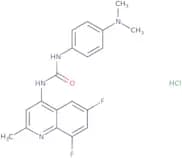
<p>Peptide H-F^F-OH is a Research Peptide with significant interest within the field academic and medical research. This peptide is available for purchase at Cymit Quimica in multiple sizes and with a specification of your choice.</p>SB 408124 hydrochloride
CAS:<p>Antagonist of OX1 orexin receptor</p>Formula:C19H18F2N4O·HClPurity:Min. 95%Color and Shape:White To Grey SolidMolecular weight:392.83 g/molOmeprazole - Bio-X ™
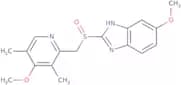
CAS:<p>Omeprazole is a proton pump inhibitor (PPI) that inhibits the production of gastric acid in the stomach. This is due to Omeprazole binding through a stable disulphide bond to the H+/K+ ATPase enzyme found on parietal cells, and preventing hydrogen ion transport. Consequently, gastric acid secretion is supressed. As a PPI, Omerprazole can be used to treat disorders where gastric acid is over-secreted. Examples of these disorders are gastroesophageal reflux disease (GERD) and peptic ulcer disease.</p>Formula:C17H19N3O3SPurity:Min. 95%Color and Shape:PowderMolecular weight:345.42 g/molMouse IgG protein
<p>The 6-Fluoro-3-indoxyl-beta-D-galactopyranoside is an effective antituberculosis drug belonging to the class of rifamycins. It is specifically designed to target tuberculosis infection and contains active compounds that exhibit strong bactericidal activity. This drug works by binding to DNA-dependent RNA polymerase, preventing transcription and replication, thus inhibiting bacterial growth. The high frequency of human activity has been demonstrated using a patch-clamp technique on human erythrocytes. Metabolically, it undergoes various transformations including hydrolysis by esterases or glucuronidases, oxidation by cytochrome P450 enzymes, reduction by glutathione reductase, or conjugation with glucuronic acid. Additionally, Rifapentine binds to markers expressed at high levels in Mycobacterium tuberculosis strains and inhibits cell growth in culture.</p>Purity:Min. 95%Fmoc-Phe-Wang Resin (100-200 mesh) 1% DVB
<p>Fmoc-Phe-Wang Resin is a research tool that is used as an activator, ligand, or receptor for cell biology and protein interactions. It is also used for the synthesis of peptides. Fmoc-Phe-Wang Resin has been used in pharmacology to study ion channels and high purity proteins with high affinity. This resin can be used in antibody production and other life science applications.</p>Purity:Min. 95%Normal Sheep Serum
<p>Normal Sheep Serum is a highly versatile product that offers a wide range of applications in the field of life sciences. It is a growth factor-rich serum that can be used for various research purposes, including the development and testing of monoclonal antibodies, specific antiserum, and magnetic particles.</p>Purity:Min. 95%Ac-ISQAVHAAHAEINEAGR-cysteamide
<p>Peptide Ac-ISQAVHAAHAEINEAGR-cysteamide is a Research Peptide with significant interest within the field academic and medical research. This peptide is available for purchase at Cymit Quimica in multiple sizes and with a specification of your choice.</p>PKC β pseudosubstrate
CAS:<p>Custom research peptide; min purity 95%. For different specs please use the Peptide Quote Tool</p>Formula:C177H294N62O38S3Molecular weight:3,994.84 g/molH-SSLLDVLAAR^^-OH
<p>Peptide H-SSLLDVLAAR^^-OH is a Research Peptide with significant interest within the field academic and medical research. This peptide is available for purchase at Cymit Quimica in multiple sizes and with a specification of your choice.</p>H-VLENER-OH
<p>H-VLENER-OH is a custom peptide that can be synthesized rapidly by our peptide experts in under 2 weeks. H-VLENER-OH is provided at greater that >95% purity (HPLC) from Cymit Quimica for a variety of research applications. We also offer H-VLENER-OH in bulk quantities in addition to our standard pack sizes.Please enquire for more information about H-VLENER-OH at the technical inquiry form on this page</p>Purity:Min. 95%Ac-RSRSRSRSRSRSRSR-NH2
<p>Ac-RSRSRSRSRSRSRSR-NH2 is a custom peptide that can be synthesized rapidly by our peptide experts in under 2 weeks. Ac-RSRSRSRSRSRSRSR-NH2 is provided at greater that >95% purity (HPLC) from Cymit Quimica for a variety of research applications. We also offer Ac-RSRSRSRSRSRSRSR-NH2 in bulk quantities in addition to our standard pack sizes.Please enquire for more information about Ac-RSRSRSRSRSRSRSR-NH2 at the technical inquiry form on this page</p>Purity:Min. 95%Ac-LSHVLYSIAFED-NH2
<p>Peptide Ac-LSHVLYSIAFED-NH2 is a Research Peptide with significant interest within the field academic and medical research. This peptide is available for purchase at Cymit Quimica in multiple sizes and with a specification of your choice.</p>Cyc-Biot-YCWSQYLCY-NH2
<p>Peptide Cyc-Biot-YCWSQYLCY-NH2 is a Research Peptide with significant interest within the field academic and medical research. This peptide is available for purchase at Cymit Quimica in multiple sizes and with a specification of your choice.</p>Solifenacin succinate - Bio-X ™
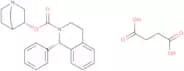
CAS:<p>Solifenacin is a muscarinic antagonist drug that is used to treat symptoms associated with an overactive bladder such as urine urgency and urinary incontinence. This drug has high affinity for M1, M2 and M3 receptors, with its highest being for M3 receptors. Antagonism of these receptors prevent contraction of smooth muscles in the bladder.</p>Formula:C23H26N2O2·C4H6O4Purity:Min. 95%Color and Shape:PowderMolecular weight:480.55 g/molDonkey anti Chicken IgY (H + L)
<p>Donkey anti-chicken IgY (H + L) was raised in donkey using chicken IgG (H & L) as the immunogen.</p>Purity:Min. 95%H-EAEEFFELISKAQSNRADDQRGLLRKEDLVLPEFLR-NH2
<p>Peptide H-EAEEFFELISKAQSNRADDQRGLLRKEDLVLPEFLR-NH2 is a Research Peptide with significant interest within the field academic and medical research. This peptide is available for purchase at Cymit Quimica in multiple sizes and with a specification of your choice.</p>Cerivastatin sodium
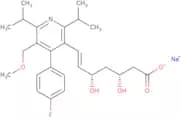
CAS:<p>An inhibitor of 3-hydroxy-3-methylglutaryl coenzyme A (HMG-CoA) reductase that reduces total cholesterol and low-density lipoprotein (LDL). Cerivastatin is cardioprotective and anti-atherosclerotic. Cerivastatin inhibits the expression of the atherosclerotic genes monocyte chemoattractant protein-1 (MCP-1) and C-C chemokine receptor type 2 (CCR2), whilst inducing the expression of Kruppel-like factor 2 (KLF2).</p>Formula:C26H33FNNaO5Purity:Min. 98 Area-%Color and Shape:PowderMolecular weight:481.53 g/molH-SFNPNSPGK^-OH
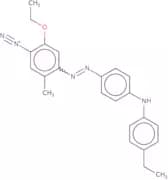
<p>Peptide H-SFNPNSPGK^-OH is a Research Peptide with significant interest within the field academic and medical research. This peptide is available for purchase at Cymit Quimica in multiple sizes and with a specification of your choice.</p>C.I.Azoic Diazo Component 45
CAS:<p>Please enquire for more information about C.I.Azoic Diazo Component 45 including the price, delivery time and more detailed product information at the technical inquiry form on this page</p>Purity:Min. 95%Barbiturate antibody
<p>Barbiturate antibody was raised in mouse using barbiturate-BSA as the immunogen.</p>H-AVV-OH
<p>H-AVV-OH is a custom peptide that can be synthesized rapidly by our peptide experts in under 2 weeks. H-AVV-OH is provided at greater that >95% purity (HPLC) from Cymit Quimica for a variety of research applications. We also offer H-AVV-OH in bulk quantities in addition to our standard pack sizes.Please enquire for more information about H-AVV-OH at the technical inquiry form on this page</p>Purity:Min. 95%HXB2 gag NO-89/aa353 - 367
<p>Custom research peptide; min purity 95%. For different specs please use the Peptide Quote Tool</p>Molecular weight:1,492.8 g/molCMV antibody
<p>CMV antibody was raised in mouse using the 65 kDa late major matrix protein of CMV as the immunogen.</p>H-GAGSSQHQER-OH
<p>H-GAGSSQHQER-OH is a custom peptide that can be synthesized rapidly by our peptide experts in under 2 weeks. H-GAGSSQHQER-OH is provided at greater that >95% purity (HPLC) from Cymit Quimica for a variety of research applications. We also offer H-GAGSSQHQER-OH in bulk quantities in addition to our standard pack sizes.Please enquire for more information about H-GAGSSQHQER-OH at the technical inquiry form on this page</p>Purity:Min. 95%H-LPPYLFT-OMe
<p>Peptide H-LPPYLFT-OMe is a Research Peptide with significant interest within the field academic and medical research. This peptide is available for purchase at Cymit Quimica in multiple sizes and with a specification of your choice.</p>CBFB antibody
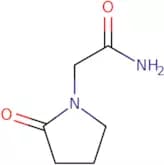
<p>CBFB antibody was raised in mouse using recombinant Human Core-Binding Factor, Beta Subunit</p>Piracetam - Bio-X ™
CAS:Controlled Product<p>Piracetam is a nootropic drug that is used for the treatment of sickle cell disease, alcohol dependence and as a cognitive enhancer. This drug is a cyclic derivative of GABA and has neuroprotective and anticonvulsant properties. Piracetam has been said to improve neuronal plasticity.</p>Formula:C6H10N2O2Purity:Min. 95%Color and Shape:PowderMolecular weight:142.16 g/molSm protein
<p>The Sm protein is a versatile protein that plays various roles in the body. It has been implicated in amyloid plaque formation and acts as a growth factor for cells. The Sm protein is also involved in immune responses, as it can generate autoantibodies. This protein contains basic amino acids and undergoes glycosylation, which adds sugar molecules to its structure. Additionally, the Sm protein possesses an epidermal growth factor (EGF)-like domain, similar to the EGF found in human serum albumin protein. It has phosphatase activity and can act as a nuclear inhibitor. Overall, the Sm protein is a multifunctional molecule with diverse functions in different biological processes.</p>Purity:Min. 95%LCBiot-IPESSELTLQELLGEERR-NH2
<p>Peptide LCBiot-IPESSELTLQELLGEERR-NH2 is a Research Peptide with significant interest within the field academic and medical research. This peptide is available for purchase at Cymit Quimica in multiple sizes and with a specification of your choice.</p>proBNP protein
<p>ProBNP protein is an amino-terminal fragment of the serum albumin that plays a crucial role in various biological processes. It is commonly used in Life Sciences for research purposes and is available as a Recombinant Protein & Antigen. The proBNP protein can be utilized in studies involving monoclonal antibodies, as it possesses neutralizing and inhibitory factors. This protein belongs to the family of EGF-like, chemokine, natriuretic, and vasoactive intestinal peptides. It is often used in experiments requiring the detection and quantification of specific proteins or antigens present in human serum. The proBNP protein offers researchers a valuable tool for investigating various physiological and pathological conditions.</p>Purity:Min. 95%Streptococcus Group B antibody
<p>Streptococcus group B antibody was raised in rabbit using group B Streptococci as the immunogen.</p>Purity:Min. 95%Z-DNA antibody
<p>Z-DNA antibody was raised in sheep using brominated poly-(DG-DC)-left handed DNA (Z-DNA) complexed to methylated BSA as the immunogen.</p>Purity:Min. 95%H-SGPASALCA-OH
<p>H-SGPASALCA-OH is a custom peptide that can be synthesized rapidly by our peptide experts in under 2 weeks. H-SGPASALCA-OH is provided at greater that >95% purity (HPLC) from Cymit Quimica for a variety of research applications. We also offer H-SGPASALCA-OH in bulk quantities in addition to our standard pack sizes.Please enquire for more information about H-SGPASALCA-OH at the technical inquiry form on this page</p>Purity:Min. 95%β-Amyloid (4-10)
CAS:<p>Custom research peptide; min purity 95%. For different specs please use the Peptide Quote Tool</p>Formula:C39H52N12O12Molecular weight:880.92 g/molInfluenza A protein
<p>The Influenza A protein is a recombinant antigen that plays a crucial role in the immune response against influenza viruses. It acts as a target for antibodies and stimulates the production of interferon, which helps fight off viral infections. This protein is commonly used in research laboratories and diagnostic tests to detect and study influenza viruses.</p>Purity:90% (Sds-Page)Cyc-H-LRRFSTMPFMFCNINNVCNF-NH2
<p>Peptide Cyc-H-LRRFSTMPFMFCNINNVCNF-NH2 is a Research Peptide with significant interest within the field academic and medical research. This peptide is available for purchase at Cymit Quimica in multiple sizes and with a specification of your choice.</p>H-LGPISGHVL-OH
<p>H-LGPISGHVL-OH is a custom peptide that can be synthesized rapidly by our peptide experts in under 2 weeks. H-LGPISGHVL-OH is provided at greater that >90% purity (HPLC) from Cymit Quimica for a variety of research applications. We also offer H-LGPISGHVL-OH in bulk quantities in addition to our standard pack sizes.Please enquire for more information about H-LGPISGHVL-OH at the technical inquiry form on this page</p>Purity:Min. 95%H-IP^TTFENGR^-OH
<p>Peptide H-IP^TTFENGR^-OH is a Research Peptide with significant interest within the field academic and medical research. This peptide is available for purchase at Cymit Quimica in multiple sizes and with a specification of your choice.</p>Rabbit anti Mouse IgG2a (Texas Red)
<p>Rabbit anti-mouse IgG2a was raised in rabbit using murine IgG2a heavy chain as the immunogen.</p>Purity:Min. 95%Influenza A antibody
<p>Influenza A antibody was raised in mouse using Influenza A as the immunogen.</p>H-CLAVYQ^AGAR-OH
<p>Peptide H-CLAVYQ^AGAR-OH is a Research Peptide with significant interest within the field academic and medical research. This peptide is available for purchase at Cymit Quimica in multiple sizes and with a specification of your choice.</p>CRP antibody
<p>The CRP antibody is a highly effective monoclonal antibody that is used in various assays and research applications in the field of Life Sciences. It is specifically designed to target C-reactive protein (CRP), a key biomarker of inflammation and infection. The antibody has been extensively tested and proven to have high specificity and affinity for CRP, making it an ideal tool for detecting and quantifying CRP levels in samples.</p>H-ITDQVPFSV^-OH
<p>Peptide H-ITDQVPFSV^-OH is a Research Peptide with significant interest within the field academic and medical research. This peptide is available for purchase at Cymit Quimica in multiple sizes and with a specification of your choice.</p>H-LPGTYVVVL^K-OH
<p>Peptide H-LPGTYVVVL^K-OH is a Research Peptide with significant interest within the field academic and medical research. This peptide is available for purchase at Cymit Quimica in multiple sizes and with a specification of your choice.</p>RS 127445 hydrochloride
CAS:<p>A selective antagonist of serotonin 5-HT2B receptors, inhibiting inositol phosphate formation and calcium release. Blocks 5-HT-induced contraction in rat stomach fundus. Reduces fecal output in vivo, upon inhibition of 5-HT2B by RS 127445, demonstrating a potential role for this receptor in colonic motility. Inhibits visceral hypersensitivity induced by restraint stress or colonic inflammation.</p>Formula:C17H16FN3·HClPurity:Min. 95%Color and Shape:White To Yellow SolidMolecular weight:317.79 g/molHIV P24 antibody
<p>The HIV P24 antibody is a powerful tool in the field of Life Sciences. This monoclonal antibody specifically targets the P24 protein, which is a key component of the HIV virus. The antibody binds to the P24 protein, preventing its interaction with other cellular components and inhibiting viral replication.</p>Actin antibody
<p>Actin antibody was raised in mouse using N-terminal decapeptide of alpha skeletal muscle isoform of actin, acetylated at the N-terminus, as the immunogen.</p>Purity:Min. 95%Brensocatib
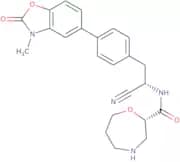
CAS:<p>Rensocatib is a reversible inhibitor of DPP-1, also known as cathepsin C, which is a peptidase involved in the activation of neutrophil, an elastase-like serine protease in lung tissue. Brensocatib is an oral drug used to treat infections of the airways (lungs) that are characterised by a permanent enlargement and presenting symptoms such as, coughing and greater mucus production (bronchiectasis). Alternative names of brensocatib are INS-1007 and AZD7986.</p>Formula:C23H24N4O4Purity:Min. 95 Area-%Color and Shape:PowderMolecular weight:420.46 g/molH-SQIFSTASDNQPTVTIK^-OH
<p>Peptide H-SQIFSTASDNQPTVTIK^-OH is a Research Peptide with significant interest within the field academic and medical research. This peptide is available for purchase at Cymit Quimica in multiple sizes and with a specification of your choice.</p>Prealbumin antibody
<p>Prealbumin antibody was raised in goat using purified human prealbumin as the immunogen.</p>Ramatroban
CAS:<p>Dual inhibitor of thromboxane receptor and DP2 postanoid receptor</p>Formula:C21H21FN2O4SPurity:Min. 95%Color and Shape:PowderMolecular weight:416.47 g/molChlamydia trachomatis antibody
<p>Chlamydia trachomatis antibody was raised in mouse using Chlamydia trachomatis elementary bodies as the immunogen.</p>Purity:>90% By Sds-PageM13 + fd + F1 Filamentous Phages antibody (FITC)
<p>M13 phage antibody (FITC) was raised in mouse using fd phages from E.Coli F+ strain as the immunogen.</p>Purity:Min. 95%Molecular weight:0 g/molProhibitin antibody (biotin)
<p>Prohibitin antibody (biotin) was raised in mouse using purified recombinant rat prohibitin protein as the immunogen.</p>Purity:Min. 95%Molecular weight:0 g/molCollagen Type IV antibody
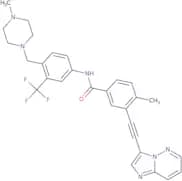
<p>Collagen type IV antibody was raised in rabbit using human placenta type IV collagen as the immunogen.</p>Purity:Min. 95%Ponatinib
CAS:<p>BCR-ABL1 tyrosine kinase inhibitor</p>Formula:C29H27F3N6OPurity:Min. 95%Color and Shape:PowderMolecular weight:532.56 g/molStreptococcus Group A antibody
<p>Streptococcus group A antibody was raised in goat using group A streptococci as the immunogen.Streptococcus Group A (Strep A) is a type of bacteria known as Streptococcus pyogenes. It is a Gram-positive, beta-hemolytic bacterium that commonly causes infections in humans. Strep A can cause mild infections such as strep throat, scarlet fever, and impetigo, or severe infections namely cellulitis, necrotizing fasciitis, and sepsis.</p>Purity:By Iep Agarose Result PassZaltoprofen
CAS:<p>Cyclooxygenase inhibitor; anti-inflammatory; antipyretic; analgesic</p>Formula:C17H14O3SPurity:Min. 95%Molecular weight:298.36 g/molH-RIFSTDTGPGGC-Clear-Base Resin
<p>Peptide H-RIFSTDTGPGGC-Clear-Base Resin is a Research Peptide with significant interest within the field academic and medical research. This peptide is available for purchase at Cymit Quimica in multiple sizes and with a specification of your choice.</p>Streptavidin Poly-HRP80 Conjugate
<p>Streptavidin Poly-HRP80 Conjugate (diluted to 10 µg/mL in stabilizer 85R-112).</p>Purity:Min. 95%Influenza HA (204 - 212)
<p>Custom research peptide; min purity 95%. For different specs please use the Peptide Quote Tool</p>Formula:C49H73N11O15Molecular weight:1,056.19 g/molAc-VVVVVVD-OH
<p>Peptide Ac-VVVVVVD-OH is a Research Peptide with significant interest within the field academic and medical research. This peptide is available for purchase at Cymit Quimica in multiple sizes and with a specification of your choice.</p>1-Adamantanecarbonyl-Arg-Phe-NH2
<p>Peptide 1-Adamantanecarbonyl-Arg-Phe-NH2 is a Research Peptide with significant interest within the field academic and medical research. This peptide is available for purchase at Cymit Quimica in multiple sizes and with a specification of your choice.</p>Thrombopoietin antibody
<p>Thrombopoietin antibody was raised in goat using highly pure recombinant human TPO as the immunogen.</p>Purity:Min. 95%H-WAAVVVP^SGEEQR-OH
<p>Peptide H-WAAVVVP^SGEEQR-OH is a Research Peptide with significant interest within the field academic and medical research. This peptide is available for purchase at Cymit Quimica in multiple sizes and with a specification of your choice.</p>Neuropeptide VF (124-131) (human)
CAS:<p>Neuropeptide:<br>Neuropeptides are small signaling molecules produced and released by neurons engaged in many physiological functions. Indeed, neuropeptides act on neural substrates such as G protein-coupled receptors (GPCRs), tyrosine-kinase receptor, insuline-like peptides and also ion channels. Actions of Neuropeptides result in slow-onset, long-lasting modulation of synaptic transmission.<br>Pro-FMRFamide-related neuropeptide VF:<br>Pro-FMRFamide-related neuropeptide VF also called neuropeptide VF precursor are expressed in neurons in mediobasal hypothalamus. Neuropeptide VF precursor is a propeptide which is cleaved in three others peptide: Neuropeptide RFRP-1, RFRP-2 and RFRP-3.<br>Neuropeptide RFRP-3 (124-131):<br>Neuropeptide RFRP-3 acts as a potent synthesis and secretion gonadotropin inhibitor. Neuropeptide RFRP-3 inhibit forskolin-induced production of cAMP and progesterone production in human cells. Neuropeptide RFRP-3 (124-131) is a part of RFRP-3 and is useful in opioid research.</p>Formula:C45H72N14O10Molecular weight:969.16 g/molLGR5 antibody
<p>The LGR5 antibody is a monoclonal antibody used in Life Sciences research. It specifically targets the alpha-fetoprotein (AFP), which is a biomarker for various diseases and conditions. This antibody binds to AFP and can be used for detecting and quantifying its levels in samples. Additionally, this antibody has been shown to have antiangiogenic properties by inhibiting endothelial growth and binding to nuclear binding proteins. It also has neutralizing effects on human serum factors such as human chorionic gonadotropin (hCG) and tumor necrosis factor-related apoptosis-inducing ligand (TRAIL). The LGR5 antibody is a valuable tool for studying the role of AFP in disease progression and developing targeted therapies.</p>Purity:Min. 95%H-IFFYDSENPPASEVLR^-OH
<p>Peptide H-IFFYDSENPPASEVLR^-OH is a Research Peptide with significant interest within the field academic and medical research. This peptide is available for purchase at Cymit Quimica in multiple sizes and with a specification of your choice.</p>CUB Domain Containing Protein 1 (CDCP1) (C-Term), (Isoform 1)
<p>Custom research peptide; min purity 95%. For different specs please use the Peptide Quote Tool</p>H-E^V^D^P^I^G^HL^Y^-OH
<p>Peptide H-E^V^D^P^I^G^HL^Y^-OH is a Research Peptide with significant interest within the field academic and medical research. This peptide is available for purchase at Cymit Quimica in multiple sizes and with a specification of your choice.</p>CMVpp65 - 48 (PTKDVALRHVVCAHE)
<p>Custom research peptide; min purity 95%. For different specs please use the Peptide Quote Tool</p>Molecular weight:1,675 g/molLauric Acid-HNKHLPSTQPLA-OH
<p>Peptide Lauric Acid-HNKHLPSTQPLA-OH is a Research Peptide with significant interest within the field academic and medical research. This peptide is available for purchase at Cymit Quimica in multiple sizes and with a specification of your choice.</p>Ac-KAQPAQPADEPAE-NH2
<p>Peptide Ac-KAQPAQPADEPAE-NH2 is a Research Peptide with significant interest within the field academic and medical research. This peptide is available for purchase at Cymit Quimica in multiple sizes and with a specification of your choice.</p>Methyltetrazine-GLFDIIKKIAESF-OH
<p>Peptide Methyltetrazine-GLFDIIKKIAESF-OH is a Research Peptide with significant interest within the field academic and medical research. This peptide is available for purchase at Cymit Quimica in multiple sizes and with a specification of your choice.</p>SARS-CoV-2 Positive Human Nasal Swab (Dry)
<p>SARS-CoV-2 Positive Human Nasal Swab (Dry) is a life science tool for use in pharmaceutical and diagnostic applications. Please enquire for more information about SARS-CoV-2 Positive Human Nasal Swab (Dry) including the price, delivery time and more detailed product information at the technical inquiry form on this page.</p>H-VSTLPAITLK^-OH
<p>Peptide H-VSTLPAITLK^-OH is a Research Peptide with significant interest within the field academic and medical research. This peptide is available for purchase at Cymit Quimica in multiple sizes and with a specification of your choice.</p>Ketoprofen - Bio-X ™
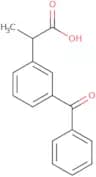
CAS:<p>Ketoprofen is a non-steroidal anti-inflammatory drug (NSAID) that has been used to treat pain and inflammation. Ketoprofen inhibits the production of inflammatory prostaglandins, which are released by platelets in response to injury or infection. The main mechanism of action is inhibition of cyclooxygenase enzymes COX 1 and COX 2 at the level of transcriptional activation. This results in decreased levels of prostaglandins that mediate pain, fever and inflammation.</p>Formula:C16H14O3Purity:Min. 95%Color and Shape:PowderMolecular weight:254.28 g/molH-QLLAPGNSAGAFLIR^-OH
<p>Peptide H-QLLAPGNSAGAFLIR^-OH is a Research Peptide with significant interest within the field academic and medical research. This peptide is available for purchase at Cymit Quimica in multiple sizes and with a specification of your choice.</p>PKI 587
CAS:<p>PI3K/mTOR kinase inhibitor; anti-neoplastic</p>Formula:C32H41N9O4Purity:Min. 95%Color and Shape:White To Off-White SolidMolecular weight:615.73 g/molH-YLGYLEQLLR^-OH
<p>Peptide H-YLGYLEQLLR^-OH is a Research Peptide with significant interest within the field academic and medical research. This peptide is available for purchase at Cymit Quimica in multiple sizes and with a specification of your choice.</p>H-GHFPLAER^-OH
<p>Peptide H-GHFPLAER^-OH is a Research Peptide with significant interest within the field academic and medical research. This peptide is available for purchase at Cymit Quimica in multiple sizes and with a specification of your choice.</p>TVB-3166
CAS:<p>TVB-3166 is a synthetic chemical compound that has been shown to inhibit tumor growth in xenograft models. It inhibits the energy metabolism of cancer cells, which reduces the production of ATP and glycolysis. TVB-3166 also targets the protein target known as CDK2, which is involved in cell cycle regulation. The compound has been shown to activate the apoptosis pathway by inhibiting the transcriptional activity of CDK2. TVB-3166 also has anti-tumor effects on resistant breast cancer cells and carcinoma cell lines. This drug can be used as an adjuvant therapy with taxanes to treat certain types of cancers, such as carcinomas.</p>Formula:C24H24N4OPurity:Min. 95%Molecular weight:384.47 g/molApoE2 protein
<p>ApoE2 protein is a natriuretic and cytotoxic protein that plays a crucial role in various biological processes. It has been extensively studied in the field of Life Sciences and has shown significant potential in therapeutic applications. ApoE2 protein has been found to interact with collagen, TNF-α, and chemokines, leading to the activation of specific pathways involved in immune responses. This protein is commonly used in research assays and antibody development for studying tissue transglutaminase and other related proteins. With its neutralizing properties, ApoE2 protein holds promise as a potential therapeutic agent for various diseases.</p>Purity:Min. 95%H-TVLDSGISEVR^-OH
<p>Peptide H-TVLDSGISEVR^-OH is a Research Peptide with significant interest within the field academic and medical research. This peptide is available for purchase at Cymit Quimica in multiple sizes and with a specification of your choice.</p>HIV-1 gag Protein p24 (65-73) (isolates MAL/U455)
CAS:<p>Custom research peptide; min purity 95%. For different specs please use the Peptide Quote Tool</p>Formula:C44H79N11O14S2Molecular weight:1,050.31 g/molH-CISGDSLISLA-NH2
<p>Peptide H-CISGDSLISLA-NH2 is a Research Peptide with significant interest within the field academic and medical research. This peptide is available for purchase at Cymit Quimica in multiple sizes and with a specification of your choice.</p>H-DLATVYVDVLK^-OH
<p>Peptide H-DLATVYVDVLK^-OH is a Research Peptide with significant interest within the field academic and medical research. This peptide is available for purchase at Cymit Quimica in multiple sizes and with a specification of your choice.</p>H-ARTKQTARKSTGGKA-NH2
<p>Peptide H-ARTKQTARKSTGGKA-NH2 is a Research Peptide with significant interest within the field academic and medical research. This peptide is available for purchase at Cymit Quimica in multiple sizes and with a specification of your choice.</p>H-DIAPTLTLYVGK^-OH
<p>Peptide H-DIAPTLTLYVGK^-OH is a Research Peptide with significant interest within the field academic and medical research. This peptide is available for purchase at Cymit Quimica in multiple sizes and with a specification of your choice.</p>CA 15-3 (Low Cross-reactivity), Part Purified
<p>CA 15-3 (Low Cross-reactivity), Part Purified is a life science tool for use in pharmaceutical and diagnostic applications. Please enquire for more information about CA 15-3 (Low Cross-reactivity), Part Purified including the price, delivery time and more detailed product information at the technical inquiry form on this page.</p>Purity:Specificationβ-Amyloid (1-40)
CAS:<p>Custom research peptide; min purity 95%. For different specs please use the Peptide Quote Tool</p>Formula:C194H295N53O58S1Molecular weight:4,329.86 g/molH-VPEPCQPK^-OH
<p>Peptide H-VPEPCQPK^-OH is a Research Peptide with significant interest within the field academic and medical research. This peptide is available for purchase at Cymit Quimica in multiple sizes and with a specification of your choice.</p>SIVmac239 - 53
<p>Custom research peptide; min purity 95%. For different specs please use the Peptide Quote Tool</p>Molecular weight:1,703.8 g/molH-VEREKRAVGLGALFL-OH
<p>H-VEREKRAVGLGALFL-OH is a custom peptide that can be synthesized rapidly by our peptide experts in under 2 weeks. H-VEREKRAVGLGALFL-OH is provided at greater that >80% purity (HPLC) from Cymit Quimica for a variety of research applications. We also offer H-VEREKRAVGLGALFL-OH in bulk quantities in addition to our standard pack sizes.Please enquire for more information about H-VEREKRAVGLGALFL-OH at the technical inquiry form on this page</p>Purity:Min. 95%Saxalin acetate
CAS:<p>Saxalin acetate is a noreugenin compound that has been isolated from the roots of Saxifraga sarmentosa. It has a chemical composition of C29H42O2 and a molecular weight of 412. It is an active component in the plant which can be used to investigate its pharmacological effects on human cells. Saxalin acetate has been shown to have potential as an anti-inflammatory drug and antioxidant, as it inhibits the production of prostaglandins and nitric oxide in leukocytes. This may be due to its ability to inhibit cyclooxygenase-2 and lipoxygenase activity, respectively.</p>Purity:Min. 95%B-Ahx-APRTPGGRR-NH2
<p>Peptide B-Ahx-APRTPGGRR-NH2 is a Research Peptide with significant interest within the field academic and medical research. This peptide is available for purchase at Cymit Quimica in multiple sizes and with a specification of your choice.</p>Ac-GITNIN-NH2
<p>Peptide Ac-GITNIN-NH2 is a Research Peptide with significant interest within the field academic and medical research. This peptide is available for purchase at Cymit Quimica in multiple sizes and with a specification of your choice.</p>H-DFSIWEETGLK^-OH
<p>Peptide H-DFSIWEETGLK^-OH is a Research Peptide with significant interest within the field academic and medical research. This peptide is available for purchase at Cymit Quimica in multiple sizes and with a specification of your choice.</p>α 1 Microglobulin protein
<p>Alpha 1 Microglobulin protein is a multifunctional protein that plays a crucial role in various biological processes. It acts as an interferon-induced growth factor and is involved in immune response regulation. This native protein is commonly used in life sciences research for its cytotoxic properties and its ability to bind to specific receptors on target cells.</p>Purity:Min. 95%Ac-REEE-NH2
<p>Peptide Ac-REEE-NH2 is a Research Peptide with significant interest within the field academic and medical research. This peptide is available for purchase at Cymit Quimica in multiple sizes and with a specification of your choice.</p>S100 antibody
<p>The S100 antibody is a monoclonal antibody that acts as a cyclin-dependent kinase inhibitor. It is widely used in the field of Life Sciences for various applications. This antibody specifically targets the S100 protein, which plays a crucial role in cell growth and division. By inhibiting the activity of cyclin-dependent kinases, the S100 antibody helps regulate cell cycle progression and prevents uncontrolled cell proliferation.</p>LCBiot-YGGFLRRIRPKLKWDNQ-OH
<p>Peptide LCBiot-YGGFLRRIRPKLKWDNQ-OH is a Research Peptide with significant interest within the field academic and medical research. This peptide is available for purchase at Cymit Quimica in multiple sizes and with a specification of your choice.</p>H-R^TPDYFL-OH
<p>Peptide H-R^TPDYFL-OH is a Research Peptide with significant interest within the field academic and medical research. This peptide is available for purchase at Cymit Quimica in multiple sizes and with a specification of your choice.</p>



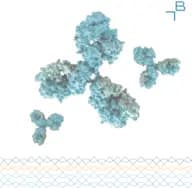
![Suc-LLVY-[Rh110]-[D-Pro]](/_next/image/?url=https%3A%2Fstatic.cymitquimica.com%2Fproducts%2F3D%2Fthumb-webp%2FCRB1100533.webp&w=3840&q=75)
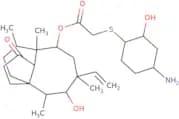
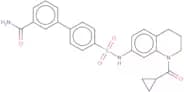

![Histone H3 (1-20) K4Me3, pS10-GG-[Lys(5-FAM)]](/_next/image/?url=https%3A%2Fstatic.cymitquimica.com%2Fproducts%2F3D%2Fthumb-webp%2FCRB1101264.webp&w=3840&q=75)



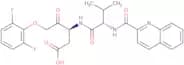



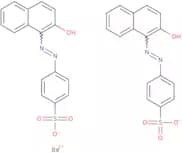
![[5-TAMRA]-Galanin (1-30) Human](/_next/image/?url=https%3A%2Fstatic.cymitquimica.com%2Fproducts%2F3D%2Fthumb-webp%2FCRB1101477.webp&w=3840&q=75)
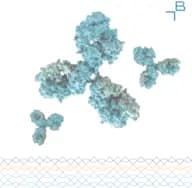


![[5-FAM]-RPKPQQFFGLM-NH2](/_next/image/?url=https%3A%2Fstatic.cymitquimica.com%2Fproducts%2F3D%2Fthumb-webp%2FCRB1100555.webp&w=3840&q=75)




![α-1 antitrypsin fragment 235-243 [Homo sapiens]/[Papio hamadryas]/[Cercopithecus aethiops]](/_next/image/?url=https%3A%2Fstatic.cymitquimica.com%2Fproducts%2F3D%2Fthumb-webp%2FPP50166.webp&w=3840&q=75)