Biochemicals and Reagents
Subcategories of "Biochemicals and Reagents"
- Biomolecules(98,557 products)
- By Biological Target(101,014 products)
- By Pharmacological Effects(6,941 products)
- Cryopreservatives(21 products)
- Desinfectants and Related Compounds(28 products)
- Hormones(530 products)
- Plant Biology(6,903 products)
- Secondary Metabolites(14,371 products)
Found 130589 products of "Biochemicals and Reagents"
TRIM56 antibody
TRIM56 antibody was raised in rabbit using the middle region of TRIM56 as the immunogenPurity:Min. 95%R-Afatinib
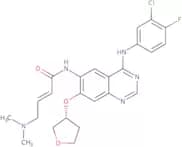
CAS:Irreversible blocker of three members of the ErbB family (ErbB1, ErbB2/HER2, and ErbB4) with IC50 in nanomolar range. The compound binds covalently to cysteine 797 residue in HER2 and blocks downstream cellular signalling, inhibits cellular growth and promotes apoptosis. Afatinib has been used for the treatment of tyrosine kinase inhibitor-resistant tumours with mutations in ErbB genes, especially for deletions in exon 19 and single nucleotide substitutions in exon 21. It has been used for treatment of non-small cell lung cancer (NSCLC), breast cancer, pancreatic cancer, colorectal cancer, etc.
Formula:C24H25ClFN5O3Purity:Min. 95%Color and Shape:White To Off-White SolidMolecular weight:485.94 g/molTentaGel® B NH2 / Boc Resin (130 um)
TentaGel B resins represent a line of bifunctional resins that are useful for orthogonal synthesis. TentaGel is a gelatinous resin, an important support for solid phase synthesis. TentaGel resins are constructed with a backbone of low crosslinked polystyrene grafted with polyoxyethylene (polyethylene glycol). The typical chain length of POE (n) is approximately 68 ethylene oxide units or an average MW of 3000. This long chain creates a spacer that effectively separates the reactive site (X) from the crosslinked backbone matrix. Particle size 130 µm; capacity: 02-03 meq/g Inside: NH2 Outside: BocPurity:Min. 95%THC antibody
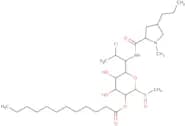
THC antibody was raised in mouse using Tetrahydrocannabinol (THC)-BSA as the immunogen.Purity:>95% By Sds-PageClindamycin laurate
CAS:Clindamycin laurate is a Chinese medicinal analog of clindamycin, which is a protein synthesis inhibitor. It has been found to be an effective anticancer agent due to its ability to induce apoptosis in cancer cells by inhibiting kinases. Clindamycin laurate has been shown to inhibit the growth of various types of tumors in human and animal models. This drug also has kinase inhibitor properties and can be used as a potential therapy for cancer treatment. Clindamycin laurate is excreted in urine, making it an ideal candidate for oral administration.Formula:C30H55ClN2O7SPurity:Min. 95%Molecular weight:623.3 g/molPutative orf1ab Polyprotein (3233-3247) [SARS Coronavirus]
Putative orf1ab Polyprotein (3233-3247) [SARS Coronavirus] is a high purity, recombinant protein that can be used as a research tool in cell biology, receptor pharmacology and biochemistry. It can also be used as an antibody to detect the presence of SARS coronavirus in cells. Putative orf1ab Polyprotein (3233-3247) [SARS Coronavirus] is an inhibitor of ion channels and ligand for receptor.
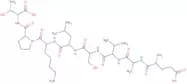
Purity:Min. 95%L-α-Glutamyl-L-alanyl-L-valyl-L-seryl-L-leucyl-L-lysyl-L-prolyl-L-threonine
CAS:L-α-Glutamyl-L-alanyl-L-valyl-L-seryl-L-leucyl-L-lysyl-L-prolyl-L-threonine (GLAVLT) is an amino acid that is a subunit of the α subunit of human cardiac glycoside activated adenylyl cyclase. GLAVLT has been shown to be cardioprotective in mice by reducing oxidative stress and inhibiting mitochondrial superoxide production. GLAVLT has also been shown to be neuroprotective against diabetic neuropathy in mice, as well as being protective against renal ischemia/reperfusion injury, by increasing vasodilatory prostaglandin levels and inhibiting autophagy.Formula:C37H65N9O13Purity:Min. 95%Molecular weight:844 g/molN-(3-Chloropyridin-2-yl)-N-[(3R)-piperidin-3-yl]-4-(triazolo[4,5-b]pyridin-3-yl)benzamide
CAS:N-(3-Chloropyridin-2-yl)-N-[(3R)-piperidin-3-yl]-4-(triazolo[4,5-b]pyridin-3-yl)benzamide is a chemical compound. It blocks the toll-like receptor 4 (TLR4) and nuclear factor kappa B (NFκB), which are signaling pathways in the immune system that are activated by bacteria and viruses. These pathways play an important role in the development of malperfusion, placental dysfunction, and myocardial infarction. N-(3-Chloropyridin-2-yl)-N-[(3R)-piperidin-3-yl]-4-(triazolo[4,5-b]pyridin-3-yl)benzamide has been shown to be effective against oxidative injury in liver cells and thermal expansion in animal models. ThisFormula:C22H20ClN7OPurity:Min. 95%Molecular weight:433.9 g/molAnti Met-Enkephalin-Arg6-Gly7-Leu8 Serum
Anti Met-Enkephalin-Arg6-Gly7-Leu8 Serum is a research tool for the study of ion channels, ligands and receptors. Anti Met-Enkephalin-Arg6-Gly7-Leu8 Serum blocks the binding of peptides to receptors and can be used to determine the specificity of receptor binding. Anti Met-Enkephalin-Arg6-Gly7-Leu8 Serum is also a useful reagent in cell biology, as it can be used to block peptide interactions with proteins such as ion channels or membrane receptors. The antibody has been shown to inhibit the activity of the enzyme tyrosine phosphatase, which regulates cellular growth and differentiation.Purity:Min. 95%PDLIM2 antibody
The PDLIM2 antibody is a powerful tool in the field of life sciences. This monoclonal antibody targets PDLIM2, a protein that plays a crucial role in various cellular processes. It has been observed that low levels of PDLIM2 are associated with dopamine dysregulation and may contribute to certain neurological disorders.STK16 Blocking Peptide
A synthetic peptide for use as a blocking control in assays to test for specificity of STK16 antibody, catalog no. 70R-3483Purity:Min. 95%Apolipoprotein E C-term Heavy Tryptic Peptide Standard (4nmol)
An apolipoprotein E C-term heavy tryptic peptide standard for use in protein identification and quantitation studies. As part of a fat-binding protein family, apolipoprotein E plays a role in the metabolism of fats in the body through interacting with the low density lipoprotein receptor, which is involved in the catabolism of triglyceride rich lipoproteins. Apolipoprotein E is also a major component in cholesterol metabolism and is a carrier of cholesterol in the brain. Additionally when forming a complex with C1q, apolipoprotein E is an inhibitor of the classical complement pathway. The N and C terminal regions of apolipoprotein are connected by a hinge region and the C-terminal region is a hydrophobic surface made up of three alpha helices and a low density lipoprotein receptor binding site.Purity:Min. 95%CD19 antibody (Spectral Red)
CD19 antibody (Spectral Red) was raised in rat using murine CD19-expressing K562 human erythroleukemia cells as the immunogen.Purity:Min. 95%BIRC3 antibody
The BIRC3 antibody is a growth factor that belongs to the family of antibodies. It has been shown to be effective in human serum, specifically targeting alpha-fetoprotein and anti-mesothelin. This antibody can also bind to nuclear proteins and activate specific pathways related to cell growth and survival. The BIRC3 antibody is a monoclonal antibody, meaning it is highly specific and targeted. It has been used in various life sciences applications, including the study of fibrinogen, chemokines, and the neutralization of CD33 antibodies. Its versatility and effectiveness make it a valuable tool for researchers in the field.PINX1 protein (His tag)
1-328 amino acids: MGSSHHHHHH SSGLVPRGSH MSMLAERRRK QKWAVDPQNT AWSNDDSKFG QRMLEKMGWS KGKGLGAQEH GATDHIKVQV KNNHLGLGAT INNEDNWIAH QDDFNQLLAE LNTCHGQETT DSSDKKEKKS FSLEEKSKIS KNRVHYMKFT KGKDLSSRSK TDLDCIFGKR QSKKTPEGDA SPSTPEENET TTTSAFTIQE YFAKRMAALK NKPQVPVPGS DISETQVERK RGKKINKEAT GKDVESYLQP KAKRHTEGKP ERAEAQERVA KKKSAPAEEQ LRGPCWDQSS KASAQDAGDH VQPPEGRDFT LKPKKRRGKK KLQKPVEIAE DATLEETLVK KKKKKDSKPurity:Min. 95%CD62L antibody (Spectral Red)
CD62L antibody (Spectral Red) was raised in rat using C3H/eb cloned murine B lymphoma 38C-13 as the immunogen.Purity:Min. 95%Ceruloplasmin human
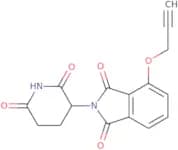
CAS:Ceruloplasmin is a ferroxidase that is found in the human body. It plays an important role in iron homeostasis and has been shown to be involved in the molecular pathogenesis of diabetes mellitus type 2. Ceruloplasmin also has a protective effect on probiotic bacteria and has been shown to inhibit bacterial growth. Ceruloplasmin binds to bacterioferritin, which can reduce the toxicity of nitric oxide radicals. The protein's biological properties have been studied using x-ray crystal structures and titration calorimetry methods. Ceruloplasmin is found at physiological levels in human serum, but may not be detectable in people with hepatic steatosis or other liver diseases.Purity:Min. 95%Thalidomide, propargyl
CAS:Thalidomide, propargyl is a derivative of the drug thalidomide, which is a synthetic immunomodulatory compound originally developed for its sedative and antiemetic properties. This molecule is sourced from chemical modifications of thalidomide, incorporating a propargyl group to enhance its biological activity profile. Its mode of action involves the modulation of immune responses, inhibition of angiogenesis, and possibly the epigenetic regulation of target genes. Thalidomide, propargyl exhibits potential applications in cancer therapy, owing to its ability to impact tumor microenvironments, specifically by inhibiting the formation of new blood vessels that are essential for tumor growth and survival. It serves as a significant focus in medicinal chemistry for the development of novel therapeutic agents aimed at combating malignancies and providing insights into the mechanisms of action of thalidomide analogs.
Formula:C16H12N2O5Purity:Min. 95%Molecular weight:312.28 g/molCD8a antibody (PE-Texas Red)
CD8a antibody (PE-CY5.5) was raised in rat using murine thymus or spleen as the immunogen.Purity:Min. 95%18:1 Pyrene pe
CAS:Pyrene-18 is a fluorine-18 labeled compound that is used as a research tool in cell biology, pharmacology, and ion channel research. It is an inhibitor of ligand-gated ion channels and voltage-gated ion channels, which are important for the propagation of excitatory or inhibitory signals in neurons. Pyrene-18 has been shown to bind to receptors such as acetylcholine receptors and nicotinic acetylcholine receptors. The binding affinity of pyrene-18 for these receptors has been shown to be higher than that of other ligands.
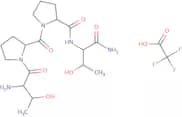
Formula:C57H89N2O10PSPurity:Min. 95%Molecular weight:1,025.36 g/molRapastinel trifluoroacetate
CAS:Rapastinel is a peptide drug for the treatment of major depressive disorder. Rapastinel binds to the NMDA receptor and blocks the binding of glutamate to this receptor, thereby inhibiting its activity. Rapastinel has been shown to be an antagonist at the NMDA receptor and an agonist at the glycine site on the NR1 subunit of this receptor. It also inhibits neurotransmitter release by blocking presynaptic voltage-gated calcium channels and increasing inhibitory GABAergic transmission in the brain. Rapastinel is soluble in water and has a purity of >99% as determined by HPLC analysis.Formula:C20H32F3N5O8Purity:Min. 95%Molecular weight:527.5 g/molGSK'963
CAS:GSK'963 is a selective inhibitor, which is a pharmacological agent primarily targeting the receptor-interacting protein kinase 1 (RIP1). Originating from GlaxoSmithKline's research efforts, this inhibitor is a synthetic compound designed to interfere with specific biochemical pathways. GSK'963 operates by targeting the RIP1 kinase, a crucial component involved in necroptosis, a form of programmed cell death distinct from apoptosis.Formula:C14H18N2OPurity:Min. 95%Molecular weight:230.31 g/molCD103 antibody (PE)
CD103 antibody (PE) was raised in hamster using murine CD103 as the immunogen.Purity:Min. 95%CD102 antibody (PE)
CD102 antibody (biotin) was raised in rat using COS cells transfected with mouse ICAM-2 cDNA as the immunogen.Purity:Min. 95%R-IMPP hydrochloride
CAS:R-IMPP hydrochloride is a synthetic peptide that is an inhibitor of the ATP-sensitive potassium channel. It has been shown to inhibit the opening of this ion channel with high purity and high yield. R-IMPP hydrochloride has also been found to be a potent activator of the ligand-gated ion channels, such as nicotinic acetylcholine receptors. R-IMPP hydrochloride is used in research for studying protein interactions and for identifying new drug targets.Formula:C24H28ClN3O2Purity:Min. 95%Molecular weight:425.9 g/molETF1 antibody
ETF1 antibody was raised using the N terminal of ETF1 corresponding to a region with amino acids ISLIIPPKDQISRVAKMLADEFGTASNIKSRVNRLSVLGAITSVQQRLKLCD25 antibody (PE-CY7)
CD25 antibody (PE) was raised in rat using alpha chain IL-2 receptor as the immunogen.Purity:Min. 95%GFAP antibody
The 6-Fluoro-3-indoxyl-beta-D-galactopyranoside is a powerful antituberculosis drug that falls under the class of rifamycins. It is specifically designed to combat tuberculosis infection by targeting active compounds and exhibiting bactericidal activity. This drug works by binding to DNA-dependent RNA polymerase, preventing transcription and replication, effectively inhibiting bacterial growth. Its efficacy has been proven through various scientific techniques such as the patch-clamp technique on human erythrocytes. Metabolically, it undergoes several transformations including hydrolysis by esterases or glucuronidases, oxidation by cytochrome P450 enzymes, reduction by glutathione reductase, or conjugation with glucuronic acid. Additionally, it binds to markers expressed at high levels in Mycobacterium tuberculosis strains, inhibiting cell growth in culture.monobiotin INSL4
Monobiotin INSL4 is a biologically active peptide that belongs to the group of relaxins. It is an analogue of human relaxin and has been labelled with biotin for use in in vitro experiments.
Purity:Min. 95%SSR 240612
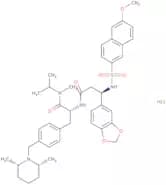
CAS:SSR 240612 is a selective serotonin reuptake inhibitor (SSRI), which is synthetically derived through meticulous chemical processes designed to enhance binding affinity. Its mode of action involves the inhibition of the serotonin reuptake transporters in the synaptic cleft, leading to increased extracellular levels of serotonin. This action is achieved by blocking the reabsorption of serotonin into the presynaptic neuron, allowing for prolonged neurotransmitter activity at the postsynaptic receptor sites.Formula:C42H52N4O7S·HClPurity:Min. 95%Molecular weight:756.95 g/mol16:0-18:1 Diether pe
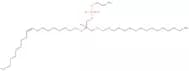
CAS:16:0-18:1 Diether Peptide is a research tool that can be used to study protein interactions and receptor ligand relationships. It also inhibits ion channels, which are responsible for regulating the flow of ions across the cell membrane. 16:0-18:1 Diether Peptide has been shown to activate antibodies and is a high purity, chemically synthesized molecule with CAS No. 141456-20-4.
Formula:C39H80NO6PPurity:Min. 95%Molecular weight:690.03 g/molEstr-4-en-17-one
CAS:Controlled ProductEstr-4-en-17-one is a medicinal compound that has shown promising results as an anticancer agent. It has been found to inhibit the growth of cancer cells in Chinese hamster ovary (CHO) cells and human leukemia cells. Estr-4-en-17-one works by inhibiting protein kinases, which are enzymes that play a key role in cell cycle regulation and apoptosis. This compound also acts as a tumor inhibitor by inducing apoptosis in cancer cells. Estr-4-en-17-one is excreted in urine, making it a potential biomarker for detecting certain types of cancers. With its potent anticancer properties, Estr-4-en-17-one shows great promise as a potential treatment for various forms of cancer.Formula:C18H26OPurity:Min. 95%Molecular weight:258.4 g/molTNFRSF21 Blocking Peptide
A synthetic peptide for use as a blocking control in assays to test for specificity of TNFRSF21 antibody, catalog no. 70R-7549Purity:Min. 95%Streptococcus Group A antibody (HRP)
Streptococcus group A antibody (FITC) was raised in goat using group A Streptococci as the immunogen.Purity:Min. 95%SPACA3 antibody
The SPACA3 antibody is a powerful tool in Life Sciences research. It belongs to the class of polyclonal antibodies and has been extensively studied for its ability to neutralize various factors involved in cellular processes. This antibody has shown natriuretic activity, indicating its potential role in regulating fluid balance in the body. Additionally, it has been found to inhibit the action of tumor necrosis factor-alpha (TNF-α), a key player in inflammation.Oxcarbazepine - Bio-X ™
CAS:Controlled ProductOxcarbazepine is an anti-epileptic drug that is used for the treatment of partial-onset seizures. Although, the mechanism of action for this drug is unclear, it is said to involve the blockage of voltage-gated sodium channels. As a result, the firing of the action potentials which lead to seizures are reduced and so seizure activity is inhibited.
Formula:C15H12N2O2Purity:Min. 95%Color and Shape:PowderMolecular weight:252.27 g/molCD8a antibody (CY5)
CD8a antibody (CY5) was raised in rat using murine thymus or spleen as the immunogen.Purity:Min. 95%Ascaroside C3
CAS:Ascaroside C3 is a peptide that is derived from the ascaroside family of proteins. Ascarosides are natural products found in the seed coat of the plant Ascaris coarctata. The protein interactions, receptor binding, and ion channel blocking properties of ascarosides have been studied extensively. This peptide has high purity, and is used as a research tool in cell biology and cell-based assays. It can also be used as an antibody or ligand to study protein interactions, receptor binding, and ion channel blocking properties.Formula:C9H16O6Purity:Min. 95%Molecular weight:220.22 g/molCY3
CAS:CY3 is a fluorescent dye, which is derived from the cyanine family of compounds with a specific excitation/emission spectrum. It operates by fluorescing when exposed to certain wavelengths of light, typically around 554 nm for excitation and 568 nm for emission. This spectral property allows it to be used as a powerful molecular probe.Formula:C31H38N2O8S2Purity:Min. 95%Molecular weight:630.77 g/molACT 462206
CAS:Almorexant is a drug that is used for the treatment of cancer and other neuropsychiatric disorders. It binds to GABA-A receptors in the brain, which leads to increased neuronal inhibition and reduced neuronal excitation. Almorexant has been shown to have a significant effect on cognition in patients with Alzheimer's disease. Almorexant also reduces amyloid plaques and tau tangles in mice with Alzheimer's disease, suggesting that it may be an effective treatment for this disorder. The pharmacodynamics of almorexant have not yet been fully studied, but it is predicted that they will depend on the expression levels of the target protein as well as its affinity for almorexant.Formula:C20H24N2O4SPurity:Min. 95%Molecular weight:388.48 g/mol


![Putative orf1ab Polyprotein (3233-3247) [SARS Coronavirus]](/_next/image/?url=https%3A%2Fstatic.cymitquimica.com%2Fproducts%2F3D%2Fthumb-webp%2FBP12-331.webp&w=3840&q=75)
![N-(3-Chloropyridin-2-yl)-N-[(3R)-piperidin-3-yl]-4-(triazolo[4,5-b]pyridin-3-yl)benzamide](/_next/image/?url=https%3A%2Fstatic.cymitquimica.com%2Fproducts%2F3D%2Fthumb-webp%2FHQC25049.webp&w=3840&q=75)