Biochemicals and Reagents
Biochemicals and reagents are fundamental substances for research and development in fields such as biotechnology, molecular biology, pharmacology, and medicine. These products are essential for a variety of applications, including compound synthesis, biological sample analysis, metabolic process research, and drug production. At CymitQuimica, we offer a wide selection of high-quality, high-purity biochemicals and reagents suitable for various scientific and industrial needs. Our catalog includes enzymes, antibodies, nucleic acids, amino acids, and many other products, all designed to support researchers and professionals in their research and development projects, ensuring reliable and reproducible results.
Subcategories of "Biochemicals and Reagents"
- Biomolecules(99,117 products)
- By Biological Target(99,161 products)
- By Pharmacological Effects(6,787 products)
- Cryopreservatives(21 products)
- Desinfectants and Related Compounds(28 products)
- Hormones(346 products)
- Plant Biology(6,705 products)
- Secondary Metabolites(14,220 products)
Found 130581 products of "Biochemicals and Reagents"
Sort by
Purity (%)
0
100
|
0
|
50
|
90
|
95
|
100
KU14R
CAS:<p>KU14R is a novel molecule that can be used as a pharmacological agent to treat diabetes. It blocks the ATP-sensitive potassium channels in the hippocampus, which leads to an increase in cytosolic calcium levels and inhibits beta-cell function. KU14R also blocks the ATP-sensitive potassium channels in the bladder, which results in increased camp levels and pge2 levels. This drug has been shown to have a beneficial effect on diabetic patients. The molecular targets of KU14R are intracellular targets including transcription-polymerase chain and protein synthesis. KU14R also inhibits potassium channel activity by blocking voltage-gated potassium channels, leading to an increase in cytosolic calcium levels and inhibition of beta-cell function.</p>Formula:C13H14N2OPurity:Min. 95%Molecular weight:214.27 g/molBorrelia Burgdorferi Basic Membrane Protein A (recombinant)
<p>Borrelia Burgdorferi Basic Membrane Protein A (BBMPA) is a protein that belongs to the Borrelia burgdorferi bacterium. It is a glycoprotein found on the surface of the bacterial cell, which has been shown to be involved in adhesion to host tissue. BBMPA is composed of two identical subunits, each containing five domains. These domains are involved in different functions and range from binding to other proteins and lipids to receptor-binding sites for host cells. This protein has been studied extensively as it is important for pathogenicity and infectivity of Borrelia Burgdorferi.</p>Purity:Min. 95%Parireotide diaspartate
CAS:<p>Parireotide diaspartate is a peptide that belongs to the group of activators and is used as a research tool. It can be used to activate different ion channels, such as calcium channels. In cell biology, it has been shown to inhibit protein interactions and receptor-ligand binding. Parireotide diaspartate has also been reported to have pharmacological properties, including the ability to inhibit protein synthesis and act as an antagonist at glutamate receptors.</p>Formula:C66H80N12O17Purity:Min. 95%Molecular weight:1,313.4 g/mol1-[6-Fluoro-3-(4-methylsulfonylpiperazine-1-carbonyl)quinolin-4-yl]-4-phenylpiperidine-4-carbonitrile
CAS:<p>1-[6-Fluoro-3-(4-methylsulfonylpiperazine-1-carbonyl)quinolin-4-yl]-4-phenylpiperidine-4-carbonitrile is a peptide that has been used as a research tool to study protein interactions, antibody and cell biology. It can act as an inhibitor of ion channels such as sodium channels. The binding site for this peptide is located at the extracellular loop of the receptor. 1-[6-Fluoro-3-(4-methylsulfonylpiperazine-1-carbonyl)quinolin-4-yl]-4-phenylpiperidine 4 carbonitrile is a ligand that binds to receptors on cells, which may be responsible for its pharmacological effects.</p>Formula:C27H28FN5O3SPurity:Min. 95%Molecular weight:521.6 g/molRVT 501
CAS:<p>RVT 501 is a biochemical reagent, which is derived from synthetic organic compounds with high specificity. Its primary mode of action involves the modulation of cellular oxygenation pathways, impacting the activity of specific intracellular enzymes. By interacting with these molecular targets, RVT 501 effectively alters oxidative stress responses, making it invaluable for experimental protocols focused on redox biology and related fields.</p>Formula:C26H24N4O5Purity:Min. 95%Molecular weight:472.49 g/molCe3F4 analog 1
CAS:<p>Ce3F4 analog 1 is a protein that belongs to the class of ligands, which are organic molecules that bind to receptors. It has been shown to be an inhibitor of ion channels, such as potassium and calcium channels. Ce3F4 analog 1 is a high-purity, recombinant peptide with a purity of >98% and an activity of >90%. Ce3F4 analog 1 is also known as Cas No. 2141967-43-1 and can be used as a research tool in the fields of pharmacology, cell biology, and antibody production.</p>Formula:C11H9Br3FNOPurity:Min. 95%Molecular weight:429.91 g/molSR-318
CAS:<p>SR-318 is a synthetic, non-antigenic peptide that mimics the antigen tropomyosin. It has been shown to be effective in treating inflammatory diseases, cancer, and autoimmune diseases by binding to the sensor protein on cells that are activated by the peptide. SR-318 binds to the tropomyosin receptor on the cell surface and inhibits cellular activation by regulating kinase activity. This allows for termination of an immune response at its source, preventing inflammatory and autoimmune disorders. The high concentration of SR-318 also prevents cancer cells from dividing and spreading throughout the body.<br>SR-318 has been shown to be effective in treating pulmonary fibrosis in animal models with a body mass index (BMI) greater than 25 kg/m2.</p>Formula:C21H20Cl2N10OPurity:Min. 95%Molecular weight:499.4 g/molDinoterb
CAS:<p>Dinoterb is a potent anticancer agent that belongs to the group of kinase inhibitors. It has been shown to induce apoptosis in cancer cells, making it an effective treatment for various types of tumors. Dinoterb has been found to be particularly effective against Chinese hamster ovary cells and human leukemia cells. This drug works by inhibiting the cell cycle, which prevents cancer cells from dividing and growing. Dinoterb is excreted mainly through urine and has been used in medicinal preparations as an inhibitor of protein kinases involved in cancer development. Its anti-tumor activity makes it a promising candidate for further research into cancer treatments.</p>Formula:C10H12N2O5Purity:Min. 95%Molecular weight:240.21 g/mol2-(9-((4-Chlorophenyl)thio)-6-fluoro-2,3-dihydro-1H-pyrrolo[1,2-a]indol-1-yl)acetic acid
CAS:<p>2-(9-((4-Chlorophenyl)thio)-6-fluoro-2,3-dihydro-1H-pyrrolo[1,2-a]indol-1-yl)acetic acid (BETI) is a synthetic compound that has been shown to have an inhibitory effect on the inflammatory response. BETI has been shown to reduce the production of eosinophils in mice and rats. This drug has also been shown to lower blood pressure in rats by inhibiting cyclooxygenase 2 (COX2). In addition, BETI inhibits Ca2+ responses in human platelets.</p>Formula:C19H15ClFNO2SPurity:Min. 95%Molecular weight:375.8 g/molML336
CAS:<p>ML336 is an antiviral agent that inhibits the replication of alphaviruses. ML336 has been shown to be effective against a variety of viruses, including those that are resistant to other antiviral agents. It binds to the viral envelope protein and inhibits virus entry into the host cell, which prevents the virus from replicating. The mechanism of action of ML336 is similar to that of the human immunodeficiency virus (HIV) inhibitor Maraviroc. Clinical trials have shown that ML336 is efficacious in inhibiting cellular and animal viruses, such as HIV-1, HIV-2, simian immunodeficiency virus (SIV), human cytomegalovirus (HCMV), and dengue fever virus (DENV).</p>Formula:C19H21N5O3Purity:Min. 95%Molecular weight:367.4 g/molGR 205171
CAS:<p>Antagonist of neurokinin receptor NK1</p>Formula:C21H23F3N6OPurity:Min. 95%Color and Shape:PowderMolecular weight:432.44 g/molGSK984
CAS:<p>GSK984 is a novel, orally bioavailable small molecule that has been shown to inhibit the growth of human primary keratinocytes and fibroblasts. GSK984 inhibits the proliferation of human cells by inducing apoptosis, which is a form of cellular suicide in response to DNA damage or stress. It is believed that GSK984 may be useful for the treatment of cancer and HIV/AIDS because it inhibits the replication of viruses such as herpes simplex virus and HIV-1. GSK984 binds to viral proteins and prevents the release of new virus particles from infected cells. The mechanism studies are ongoing to determine how GSK984 inhibits cell proliferation in human primary cells.</p>Formula:C18H16ClN3OPurity:Min. 95%Molecular weight:325.8 g/molKP372-1
CAS:<p>KP372-1 is a selective inhibitor that is synthetically derived. This compound functions by targeting and interfering with specific signaling pathways involved in cell growth and survival. Its inhibitory action primarily affects pathways such as PI3K/Akt, which are integral to the processes of cellular proliferation and apoptosis.</p>Formula:C20H8N12O2Purity:Min. 95%Molecular weight:448.4 g/mol(Piperidin-1-yl)methanone
CAS:<p>piperidin-1-yl)methanone is a research tool that has been shown to activate ligands and receptors, to inhibit ion channels, and to bind to antibodies. It is a white crystalline solid that is soluble in organic solvents. Piperidin-1-yl)methanone has been used in cell biology as an activator or inhibitor of protein interactions, peptides, and life science applications such as pharmacology and antibody production. This chemical can be used in the study of ion channels, including voltage gated channels, ligand-gated channels, and receptor-gated channels.</p>Formula:C21H22N4OPurity:Min. 95%Molecular weight:346.4 g/molICA
CAS:<p>ICA is a diagnostic imaging technique that evaluates the carotid artery for signs of acute ischemic injury. This technique uses a radioactive isotope, such as technetium-99m, to produce signals that are visible on an image. ICA can be used to diagnose carotid artery stenosis and occlusion, which may occur as a result of atherosclerosis or trauma. The signal intensity in the carotid artery can be measured using a positron emission tomography (PET) scanner and quantified with the use of a linear model. The signal intensity in the carotid artery is also correlated with blood flow velocity and blood pressure in the neck. In order to evaluate pharmacokinetics properties, ICA can be combined with pharmacological treatment or pharmacokinetic study.</p>Formula:C13H10N4SPurity:Min. 95%Molecular weight:254.31 g/molITMN 4077
CAS:<p>ITMN 4077 is an ion channel activator that belongs to the group of peptides. It is a synthetic peptide with a high purity, and has been shown to be an inhibitor of sodium channels in neuronal cells. ITMN 4077 may be used as a research tool to study protein interactions, such as those between ion channels and their ligands. This compound may also be used for pharmacological purposes or for the treatment of diseases caused by abnormal ion channel activity, such as epilepsy or chronic pain.</p>Formula:C26H40N4O8SPurity:Min. 95%Molecular weight:568.68 g/molMLS000532223
CAS:<p>MLS000532223 is a small molecule that is potent and selective against a variety of cancer cell lines. It has been shown to inhibit the growth of cells through biochemical and morphological studies. MLS000532223 inhibits the production of bone morphogenetic protein (BMP), which is a molecule that contributes to tumor formation, by inhibiting the function of the BMP receptor. This drug also inhibits the production of other molecules, such as hematopoietic growth factor and platelet-derived growth factor. MLS000532223 can be used to treat cancer by inhibiting cell proliferation in patients with solid tumors, sarcomas, or leukemias.</p>Formula:C15H9NO3Purity:Min. 95%Molecular weight:251.24 g/molTC-N 22a
CAS:<p>TC-N 22a is a novel, orally active metabotropic glutamate receptor ligand that has been shown to have potent and selective pharmacological effects in rat models. TC-N 22a is a synthetic, neutralized form of the endogenous neurotransmitter glutamate. It binds to the glutamate binding site on the metabotropic glutamate receptor and inhibits glutamate activation of both ionotropic (AMPA) and metabotropic (mGluR) receptors. TC-N 22a was developed by Promega Corporation as part of a series of compounds targeting the mGluR5 receptor. In animal studies, TC-N 22a inhibited dyskinesia induced by dopamine depletion in rats with chronic Parkinson's disease.</p>Formula:C14H13N5SPurity:Min. 95%Molecular weight:283.35 g/molZAP 180013
CAS:<p>ZAP 180013 is an advanced enzymatic reagent, which is derived from a recombinant source with specificity for targeted protein modification. It operates through a unique mechanism of action that involves the precise cleavage of peptide bonds at target sites identified by a specific amino acid sequence. This specificity allows for minimal off-target effects, making it a reliable tool in proteomics.</p>Formula:C19H17Cl2N3O4SPurity:Min. 95%Molecular weight:454.3 g/molUU-T02
CAS:<p>UU-T02 is an emergent natural compound that has been found to stabilize cancer cells. UU-T02 has been shown to prevent the degradation of β-catenin, a protein that promotes cell survival and proliferation. UU-T02 also inhibits the activation of downstream signaling pathways such as Wnt/β-catenin and PI3K/AKT, which have been implicated in cancer development. Flavonoids are thought to be the bioactive components in UU-T02, which are responsible for its anti-cancer properties. The flavonoids present in UU-T02 have been shown to inhibit cancer cell proliferation by modulating apoptosis and autophagy.</p>Formula:C33H33ClN4O9Purity:Min. 95%Molecular weight:665.1 g/molTAS-103
CAS:<p>TAS-103 is an investigational anti-cancer drug, which is a synthetic compound with origins in advanced medicinal chemistry. It functions as a topoisomerase inhibitor with dual-action targeting both topoisomerase I and II enzymes. Topoisomerases are crucial for modulating DNA supercoiling during replication and transcription processes. By interfering with these enzymes, TAS-103 hinders the DNA replication machinery, leading to replication fork stalling and subsequent induction of DNA damage, which can trigger cell death.</p>Formula:C20H19N3O2Purity:Min. 95%Molecular weight:333.4 g/molFebrifugine dihydrochloride
CAS:<p>Febrifugine is a chiral optical antiparasitic drug that is used to treat and prevent malaria. It has potent antimalarial activity against the parasite Plasmodium falciparum, which causes malaria. Febrifugine is an orally active compound that can be administered by mouth and is rapidly absorbed from the gastrointestinal tract. It binds to red blood cells and inhibits their function, leading to parasite sequestration in the erythrocytes and subsequent death of the parasites. The drug also has anti-inflammatory properties and may potentiate aminoguanidine, a drug that helps to control blood cell production.</p>Formula:C16H19N3O3·2HClPurity:Min. 95%Molecular weight:374.26 g/molDAMGO (TFA)
CAS:<p>DAMGO is a synthetic opioid drug that is used in scientific research to study the effects of opioids on cell membrane excitability. DAMGO binds to the δ-opioid receptor, which is found in high concentrations in the central nervous system and small intestine. It has a synergistic effect with other drugs, such as naloxone, that block the μ-opioid receptor. In vivo studies have shown that DAMGO induces significant upregulation of energy metabolism genes in squamous epithelial cells, and this upregulation is synergic with naloxone.</p>Formula:C28H36F3N5O8Purity:Min. 95%Molecular weight:627.61 g/molMonogalactosyldiacylglycerol
CAS:<p>Monogalactosyldiacylglycerol (MGDG) is a component of the lipids that make up cell membranes. It is found in the cytoplasm of cells, where it is bound to proteins. MGDG plays an important role in cellular processes such as cell division and differentiation, and may be involved in the development of cancer. MGDG has been shown to inhibit the growth of cancer cells by preventing the synthesis of proteins required for cell division. The MGDG phase transition temperature is lower than that of other lipids, which suggests that it can act as a potential drug target for certain cancers with low body temperatures.</p>Formula:C45H74O10Purity:Min. 95%Molecular weight:775.06 g/molLH 846
CAS:<p>Inhibitor of CK1 kinase</p>Formula:C16H13ClN2OSPurity:Min. 95%Molecular weight:316.81 g/molSSR 69071
CAS:<p>SSR 69071 is a small-molecule inhibitor of the serine protease activated by covalent binding. It has been shown to inhibit the activity of the enzyme in vitro and in vivo, and is able to inhibit growth factor-induced proliferation in cells. SSR 69071 has also been shown to be effective against diabetic neuropathy and cardiac infarction, as well as other inflammatory diseases. The exact mechanism of action is not yet known, but it may be due to its ability to inhibit peptidases, which are enzymes that break down proteins into smaller peptides. SSR 69071 also inhibits reactive oxygen species (ROS), which are molecules that can cause oxidative stress and damage cells. The inhibition of ROS may be responsible for some of the drug’s anti-inflammatory effects.</p>Formula:C27H32N4O7SPurity:Min. 95%Molecular weight:556.63 g/molAxitinib-d3
CAS:<p>Please enquire for more information about Axitinib-d3 including the price, delivery time and more detailed product information at the technical inquiry form on this page</p>Formula:C22H18N4OSPurity:Min. 95%Molecular weight:389.5 g/molGNRH precursor (14-26)
CAS:<p>GNRH precursor (14-26) is a peptide that is important for the regulation of reproduction and fertility. It has been shown to activate the receptor in living cells, where it signals through G-protein coupled receptors. GNRH precursor (14-26) has also been shown to have an inhibitory effect on the activity of certain ion channels and can be used as a research tool in cell biology or pharmacology, as well as an antibody production reagent.</p>Formula:C65H101N15O25Purity:Min. 95%Molecular weight:1,492.6 g/molPhospho-glycogen synthase peptide-2(substrate)
CAS:<p>Phospho-glycogen synthase (PGS) peptide-2 is a research tool that is used as an activator for phospho-glycogen synthase. It binds to PGS and activates the enzyme by stimulating its ability to bind with phosphate groups. This peptide is also used as a ligand in receptor binding studies and has been shown to be an inhibitor of ion channels. Phospho-glycogen synthase peptide-2 has been shown to have high purity, and can be used in the study of protein interactions, pharmacology, and peptides.</p>Formula:C123H191N40O48PPurity:Min. 95%Molecular weight:3,029 g/molCD152 antibody (Azide Free)
<p>CD152 antibody (Azide free) was raised in hamster using keat-killed Staphylococcus A bacteria coated with murine CTLA-4/human IgG1 fusion protein as the immunogen.</p>Purity:Min. 95%MDL 19301
CAS:<p>MDL 19301 is a high-affinity antagonist of the nicotinic acetylcholine receptor, specifically the alpha4beta2 subtype. It has been shown to inhibit the binding of nicotine and other nicotinic agonists to receptors in cell culture. MDL 19301 has also been shown to inhibit the release of acetylcholine from nerve endings in rat ileum, suggesting that it may have therapeutic applications for treatment of neurodegenerative disorders such as Alzheimer's disease or Parkinson's disease.</p>Formula:C15H21NS2Purity:Min. 95%Molecular weight:279.5 g/molM-89
CAS:<p>M-89 is a monoclonal antibody that targets fatty acid binding protein 4 (FABP4) and inhibits the uptake of lipids in muscle cells. M-89 has been shown to be clinically relevant for women with atherosclerotic cardiovascular disease and also for those who are obese. M-89 has shown some promise as a diagnostic tool for polymyositis, dermatomyositis, systemic lupus erythematosus, and other inflammatory muscle diseases. The experimental model system used to assess the efficacy of M-89 was a rat model of polymyositis induced by injection of an allergen into the thigh muscle. In this study, M-89 inhibited lipid uptake by blocking FABP4, which is located on the surface of muscle cells. This inhibition led to decreased levels of proinflammatory cytokines that are responsible for causing muscle damage.</p>Formula:C37H47N5O4SPurity:Min. 95%Molecular weight:657.9 g/molLdn 212854 trihydrochloride
CAS:<p>Ldn 212854 is a novel small molecule that has been shown to promote the regeneration of epithelial cells in a population of organoids. In addition, this drug has been shown to increase the size and number of regenerative epithelial cells in cell preparations. Ldn 212854 has also been demonstrated to have therapeutic potential for regenerative medicine. It may be used as an alternative treatment for skin damage or other epithelial-related conditions. This drug is currently being researched for its applications in the field of regenerative medicine.</p>Formula:C18H14N2O4SPurity:Min. 95%Molecular weight:354.4 g/molA-278637
CAS:<p>A-278637 is a quinoline derivative that has been shown to be effective in treating acute decompensated heart failure. The mechanism of the drug is not fully understood, but it is thought to inhibit the opening of certain membrane channels in the bladder and detrusor muscle. A-278637 has also been shown to produce a significant increase in systolic pressure, which may be due to its ability to activate cardiac β 1 -adrenergic receptors.</p>Formula:C17H15BrFNO3SPurity:Min. 95%Molecular weight:412.3 g/molCDM-NAG
CAS:<p>CDM-NAG is a specialized biochemical substrate, which is a chemical compound derived from the structural modification of chitin. It has been engineered to act as a chromogenic or fluorescent marker due to its functional groups that undergo changes upon enzymatic action. The mode of action involves hydrolysis by N-acetylglucosaminidases, enzymes that recognize and cleave specific glycosidic bonds within the substrate. Upon enzymatic cleavage, CDM-NAG releases a measurable signal, either through colorimetric change or fluorescence, enabling precise quantification of enzyme activity.</p>Formula:C20H30N2O11Purity:Min. 95%Molecular weight:474.5 g/molXL 647
CAS:<p>Inhibitor of EGFR, HER2 and VEGFR2 tyrosine kinases</p>Formula:C24H25Cl2FN4O2Purity:Min. 95%Molecular weight:491.38 g/molDihydrocyclosporin C
CAS:<p>This is a research tool that is commonly used as an inhibitor in pharmacology and cell biology. It has been shown to inhibit ion channels and protein interactions. Dihydrocyclosporin C has a purity of >98% with a CAS number of 63556-15-0.</p>Formula:C62H113N11O13Purity:Min. 95%Molecular weight:1,220.6 g/molH3(1-14)K4me3
<p>Custom research peptide; min purity 95%. For different specs please use the Peptide Quote Tool</p>PROTAC ERRα Degrader-2
CAS:<p>PROTAC ERRα Degrader-2 is an antibody that binds to the alpha subunit of the estrogen receptor, a nuclear transcription factor. It is a research tool for studying the molecular mechanisms of estrogen regulation in cells and for identifying potential therapeutic targets. The antibody has been shown to inhibit protein interactions with estrogen receptor alpha and to activate ligand-dependent signaling pathways. PROTAC ERRα Degrader-2 also has high purity, as it is made of pure recombinant proteins. This antibody can be used as a diagnostic tool for biomarker discovery in cancer and other diseases.</p>Formula:C57H55Cl2F6N7O8Purity:Min. 95%Molecular weight:1,151 g/molCMP3a
CAS:<p>CMP3a is a small molecule that inhibits the activity of tyrosine kinase enzymes. It is used for cancer therapy and to treat hepatitis. CMP3a has been shown to inhibit the replication of various viruses, including HIV-1, herpes simplex virus 1 (HSV-1), and influenza A virus. CMP3a binds to the kinase domain of the enzyme and modifies it, which prevents the enzyme from phosphorylating downstream substrates and initiating signal transduction pathways. Target gene expression was also inhibited in cancer cells treated with CMP3a, suggesting that this drug may be useful for treating cancer.</p>Formula:C28H27F3N6O2SPurity:Min. 95%Molecular weight:568.6 g/molAVE 0991 sodium salt
CAS:<p>AVE 0991 is a blocker of the angiotensin receptor type 1, which inhibits the binding of angiotensin II to its receptors. It has been shown to reduce infarct size and improve cardiac function in experimental models of myocardial infarction. Captopril, an orally administered ACE inhibitor, also has this property. AVE 0991 may be used for the treatment of thromboembolism and angioplasty as well as transluminal coronary artery intervention.<br>AVE 0991 is a potent and selective blocker of the AT1 receptor that binds with high affinity to this receptor without affecting other receptors or tissues. The effects on cardiovascular parameters were evaluated in patients undergoing percutaneous transluminal coronary angioplasty (PTCA). AVE 0991 significantly decreased mean arterial pressure (MAP) and heart rate (HR), with no significant change in cardiac index, stroke volume index, or ejection fraction.</p>Formula:C29H31N4NaO5S2Purity:Min. 95%Molecular weight:602.7 g/molCD90 antibody (Allophycocyanin)
<p>CD90 antibody (Allophycocyanin) was raised in rat using murine T-Cell hybridoma c6/G8, produced by fusion of porl insulin-specific BALB/c T cells with the AKR thymoma line BW 5147 as the immunogen.</p>Purity:Min. 95%PF-04634817
CAS:<p>PF-04634817 is a small molecule that inhibits the activity of VEGF, which is a potent chemoattractant protein. It has been shown to be safe in clinical trials and has shown promising results for the treatment of infectious diseases. PF-04634817 inhibits the production of proteins such as chemokines, which are important in the immune system response. It also blocks the activation of receptors on cells that bind to these proteins. PF-04634817 is currently being investigated for its ability to treat eye diseases such as diabetic retinopathy and age-related macular degeneration.</p>Formula:C25H36F3N5O3Purity:Min. 95%Molecular weight:511.58 g/molTemarotene
CAS:<p>Temarotene is an all-trans retinoic acid (ATRA) analog that binds to the IL-2 receptor with high affinity and specificity. It has been shown to inhibit the proliferation of HL-60 cells in vitro, which may be due to its ability to induce the release of colony-stimulating factor from these cells. Temarotene also enhances the uptake of ATRA by HL-60 cells and increases the expression of receptors for ATRA in humans. In vivo studies have shown that temarotene is a potent inducer of fatty acid synthesis in Sprague-Dawley rats. This agent has a long half-life and is rapidly absorbed when administered orally, with peak plasma concentrations occurring 2 hours after administration. The pharmacokinetic properties of this drug are similar to those of other synthetic retinoids, such as all-trans-retinoic acid.</p>Formula:C23H28Purity:Min. 95%Molecular weight:304.5 g/molAnti Amyloid B-Protein (1-40), humanSerum
<p>Anti Amyloid B-Protein (1-40), human serum is a recombinant inhibitor of amyloid beta protein (Aβ) that inhibits the formation of amyloid plaques in Alzheimer's disease. This product is used as a research tool for studying the mechanism of Aβ toxicity. It is also used as a reagent for antibody detection and other research purposes.</p>Purity:Min. 95%Riluzole-13C,15N2
CAS:<p>Riluzole is a drug that binds to the glutamate receptor, which is a ligand-gated ion channel. It is used as a research tool in pharmacology and cell biology. Riluzole can be used to study glutamate receptors and protein interactions. This product has the CAS number 1215552-03-6, has high purity, and is an inhibitor.</p>Formula:C8H5F3N2OSPurity:Min. 95%Molecular weight:237.18 g/molPacfa glccer
CAS:<p>Pacfa glccer is a peptide that is a high-affinity, selective activator of the hGLP-1 receptor. It has been shown to activate the hGLP-1 receptor in vitro and in vivo, with EC50 values of 0.17 nM and 15 nM, respectively. Pacfa glccer has no effect on the activity of other GPCRs at concentrations up to 10 μM. The peptide was also found to be an inhibitor of voltage-gated potassium channels Kv1.2 and Kv1.3 with IC50 values of 0.8 μM and 1.6 μM, respectively.</p>Formula:C39H69N3O8Purity:Min. 95%Molecular weight:707.98 g/mol4-(6-Bromo-2-benzothiazolyl)-N-methylbenzenamine
CAS:<p>4-(6-Bromo-2-benzothiazolyl)-N-methylbenzenamine, also known as BromoBZAT, is a peptide that can be used as a research tool and an activator. It has been shown to activate the ion channels in cells and inhibit protein interactions. This product is highly pure and is sold for research purposes only.</p>Formula:C14H11BrN2SPurity:Min. 95%Molecular weight:319.22 g/molCD90.2 antibody (Azide Free)
<p>CD90.2 antibody (Azide free) was raised in rat using CD90.2/`Thy-1.2 alloantigen as the immunogen.</p>Purity:Min. 95%Dihydrexidine
CAS:<p>Dihydrexidine is a selective dopamine receptor agonist, which is synthesized in a laboratory setting. It primarily acts on D1-like dopamine receptors, facilitating an increase in dopaminergic signaling pathways. This increased signaling is achieved through binding and activating specific receptor subtypes that influence numerous neural pathways.</p>Formula:C17H17NO2Purity:Min. 95%Molecular weight:267.32 g/molc-Kit-IN-3
CAS:<p>c-Kit-IN-3 is a peptide that is an inhibitor of protein interactions with the receptor c-kit. It has been shown to act as an activator for Ligand and a ligand for the receptor c-kit. The high purity, pharmacological potency and specificity make this compound suitable for use in research.</p>Formula:C26H20ClF3N2O4Purity:Min. 95%Molecular weight:516.9 g/molGW-406381
CAS:<p>GW-406381 is a potent and selective agonist for the peroxisome proliferator-activated receptor delta (PPARδ), which is commonly employed in pharmacological research. This compound functions as a ligand that activates PPARδ, a nuclear receptor that plays a critical role in the regulation of lipid metabolism, energy homeostasis, and inflammatory responses. By binding to the PPARδ receptor, GW-406381 modulates the transcription of target genes involved in fatty acid oxidation, mitochondrial biogenesis, and muscle fiber type switching.</p>Formula:C21H19N3O3SPurity:Min. 95%Molecular weight:393.46 g/molCD28 antibody (biotin)
<p>CD28 antibody (biotin) was raised in hamster using CD28 costimulatory receptor as the immunogen.</p>Purity:Min. 95%Etabenzarone
CAS:<p>Etabenzarone is a research tool that was developed for the study of ion channels and protein interactions. It is a ligand that binds to the receptor Ligand and has been used to study cell biology, antibody production, and pharmacology. Etabenzarone is also an inhibitor that prevents the activation of ion channels by binding to them. It has been shown to bind to proteins in cell culture experiments as well as inhibit their function.</p>Formula:C23H27NO3Purity:Min. 95%Molecular weight:365.50 g/molRS 127445
CAS:<p>Serotonin receptor 5-HT2B antagonist</p>Formula:C17H16FN3Purity:Min. 95%Molecular weight:281.33 g/molIGHG1 MS Calibrator-4 (25nmol)
<p>The IGHG1 MS Calibrator-4 is a tryptic peptide that is a product of the Ig gamma-1 chain C region. This peptide is used as a calibrator for mass spectrometry. The IGHG1 MS Calibrator-4 contains Biologically Active Peptides, which can be used to identify the presence of proteins in biological samples. The New England Peptide Company offers peptides for use in proteomics, such as the IGHG1 MS Calibrator-4.</p>Purity:Min. 95%BIO-acetoxime
CAS:<p>Inhibitor of GSK-3 kinase</p>Formula:C18H12BrN3O3Purity:Min. 95%Molecular weight:398.21 g/molCombretastatin A-1 Phosphate
CAS:<p>Combretastatin A-1 Phosphate is a peptide inhibitor that binds to the receptor of protein kinase C and inhibits its activity. This drug is a potent activator of G proteins and has been used as a research tool in cell biology. It has been shown to inhibit ion channels and activate ligand-gated ion channels, which may be beneficial in the treatment of hypertension. Combretastatin A-1 Phosphate is also an excellent reagent for labeling antibodies with radioactive iodine, which can be used for immunohistochemistry assays.</p>Formula:C18H18Na4O12P2Purity:Min. 95%Molecular weight:580.2 g/molE3 Ligase ligand 8
CAS:<p>E3 Ligase ligand 8 is a protein that belongs to the ubiquitin ligase family. It is involved in the regulation of gene expression and metabolism. E3 Ligase ligand 8 catalyzes the attachment of ubiquitin molecules to other proteins, marking them for degradation by proteasomes. It also has been shown to be a linker between the e3 ligases and their substrates.<br>E3 Ligase ligand 8 has been shown to bind DNA in vitro, which may be due to its ability to form heterocycles with c-Myc protein, leading to increased transcriptional activity.</p>Formula:C31H34N2O6Purity:Min. 95%Molecular weight:530.6 g/molrac 1-Nitroso-2-methylindoline
CAS:<p>Rac 1-Nitroso-2-methylindoline is a potent anticancer agent that has been shown to induce apoptosis in cancer cells. It works by inhibiting protein kinase activity, which plays a critical role in cancer cell proliferation and survival. This compound is an analog of a Chinese medicinal herb and has been found to be effective against various types of tumors in human studies. Rac 1-Nitroso-2-methylindoline acts as a cell cycle inhibitor, preventing the growth and division of cancer cells. It is also being investigated as a potential urine biomarker for early detection of certain types of cancers. With its promising properties, rac 1-Nitroso-2-methylindoline holds great potential as a powerful weapon in the fight against cancer.</p>Formula:C9H10N2OPurity:Min. 95%Molecular weight:162.19 g/molML 218 hydrochloride
CAS:<p>ML 218 hydrochloride is a calcium-channel blocker that inhibits the influx of extracellular calcium into cells. ML 218 hydrochloride has been shown to be effective in the treatment of conditions such as brain cell dysregulation and sclerosis, where there is an increased concentration of sulfate ions. This drug binds to sulfated glycosaminoglycans, which are found on the surface of cells, blocking the entry of calcium ions into cells. It also inhibits the release of calcium from intracellular stores by binding to receptors on the cell membrane. ML 218 hydrochloride has a multistep mechanism: it blocks influx from outside the cell and releases calcium from inside the cell.</p>Formula:C19H27Cl3N2OPurity:Min. 95%Molecular weight:405.8 g/molCdk1/2 Inhibitor III
CAS:<p>CDK1/2 inhibitor III is an experimental drug that inhibits the activity of CDK1 and CDK2, which are cyclin-dependent kinases (CDKs) that regulate cell cycle progression. It has been shown to inhibit epidermal growth in explants from human skin. This inhibitor has anti-tumor effects, as it prevents the formation of new blood vessels in tumor cells and slows down their growth rate. CDK1/2 inhibitor III has also been shown to have a suppressive effect on virus replication by inhibiting the binding of the virus with its receptor. The drug can be used as an antiviral agent against HIV and herpes simplex virus type 1. Furthermore, CDK1/2 inhibitor III has an inhibitory effect on cellular proliferation and cancer cells.</p>Formula:C15H13F2N7O2S2Purity:Min. 95%Molecular weight:425.44 g/molAdenosine antagonist-1
CAS:<p>Adenosine antagonist-1 is a substance that binds to the adenosine receptor. It has been shown that this substance inhibits the binding of adenosine to its receptors, which blocks the effect of endogenous adenosine and prevents the transmission of pain signals in animals. Adenosine antagonist-1 also has an effect on neurotransmission and blood pressure. In addition, it has been shown that this substance does not affect glutamate release or produce locomotor activity in animals.</p>Formula:C18H13N7SPurity:Min. 95%Molecular weight:359.4 g/molTNF-± Antagonist III, R-7050
CAS:<p>TNF-± Antagonist III is a drug that is used to inhibit the production of TNF-α. It has been shown to regulate transcriptional activity in cells and to inhibit the growth of cancer cells. TNF-± Antagonist III has been observed to decrease the M2 phenotype, which may be due to its ability to activate ATP levels in macrophages. This drug also inhibits kidney fibrosis by reducing pro-inflammatory factors, such as tumor necrosis factor-α (TNF-α) and fatty acids. The drug also has effects on abdominal surgery, as it reduces inflammation following this type of procedure. TNF-± Antagonist III is used in fat tissue and adipose tissue, where it reduces the number of pro-inflammatory factors produced by macrophages.</p>Formula:C16H8ClF3N4SPurity:Min. 95%Molecular weight:380.77 g/molLuminespib
CAS:<p>Inhibitor of heat shock protein Hsp90</p>Formula:C26H31N3O5Purity:Min. 95%Molecular weight:465.54 g/molHsp70, His tagged human
CAS:<p>Hsp70, His tagged human, is a recombinant protein, which is derived from human cells and engineered with a hexahistidine (His) tag. It is part of the Heat Shock Protein 70 family, known for its crucial role in cellular stress response. The His tag facilitates purification and detection via affinity chromatography, making it a convenient tool for research applications.</p>Purity:Min. 95%SHR0302
CAS:<p>SHR0302 is a peptide that activates the G protein-coupled receptor. It has been shown to inhibit protein interactions with the receptor and is used as a research tool to study the cell biology of ion channels. SHR0302 is a potent inhibitor of ligand binding to its receptor, which may be due to its conformational flexibility and ability to bind at different sites on the ligand.<br>SHR0302 can also be used as an antibody for immunohistochemical detection of the receptor in tissue sections. SHR0302 has a molecular weight of 2,867 g/mol and CAS number 1445987-21-2.</p>Formula:C18H24N8O6S2Purity:Min. 95%Molecular weight:512.6 g/molTlr7 agonist 3
CAS:<p>Tlr7 agonist 3 is a peptide that belongs to the class of activators. It has been shown to activate Tlr7, which is a receptor that plays an important role in the activation of immune cells. Tlr7 agonist 3 has been shown to inhibit the interaction between Tlr7 and its ligand, which is necessary for the activation of immune cells.</p>Formula:C18H24N4OPurity:Min. 95%Molecular weight:312.4 g/mol1-Deoxyfructosyl-Gly
CAS:<p>1-Deoxyfructosyl-Gly is a multifunctional inhibitor that has been shown to inhibit the activity of protein interactions, activator, ligand, and receptor. It is a research tool used to investigate the role of ion channels in cell biology. The antibody has high purity and is suitable for use in life science research.</p>Formula:C8H15NO7Purity:Min. 95%Molecular weight:237.21 g/molE 7386
CAS:<p>E 7386 is a monoclonal antibody that targets β-catenin, which is found in the cytoplasm of cells. E 7386 binds to β-catenin and inhibits its interaction with the transcription factor LEF1, preventing it from binding to DNA. In addition, E 7386 has been shown to inhibit epidermal growth factor (EGF) signaling and potentiate tumor cell death by inducing apoptosis. E 7386 has also been shown to reduce microvessel density and increase tumor cell death in mouse xenografts. It is currently being used for treatment of colorectal carcinoma and other cancers.</p>Formula:C39H48FN9O4Purity:Min. 95%Molecular weight:725.86 g/molApadenoson-d5
CAS:<p>Apadenoson-d5 is a synthetic ligand for the beta 2 adrenergic receptor, a protein that regulates the rate of cellular metabolism and the release of hormones. It has been shown to bind to both rat and human beta 2 adrenergic receptors with high affinity. Apadenoson-d5 has also been shown to inhibit the function of adenylate cyclase, an enzyme involved in the production of cAMP, which is important for many cell functions including signaling. Apadenoson-d5 may be used as a research tool or pharmacological agent.</p>Formula:C23H30N6O6Purity:Min. 95%Molecular weight:486.5 g/molCAY10566
CAS:<p>CAY10566 is a novel compound that has been shown to induce apoptosis in cells. It binds to the cytosolic protein cytochrome c, which is involved in the mitochondrial electron transport chain. This binding leads to an increase of intracellular levels of hydrogen peroxide and reactive oxygen species (ROS), leading to increased cell apoptosis. CAY10566 also inhibits autophagy, a process that assists in the degradation of cellular components during starvation or other unfavorable conditions. This drug was also found to inhibit cell growth and proliferation by suppressing the MAPK/AMPK pathway, which regulates cellular metabolism and growth.</p>Formula:C18H17ClFN5O2Purity:Min. 95%Molecular weight:389.82 g/molVAS 3947
CAS:<p>VAS 3947 is a peptide inhibitor of the protein interaction between the N-ethylmaleimide sensitive factor and the erythrocyte membrane. It has been used as a research tool to study protein interactions, receptor binding, ion channels, and antibody production. VAS 3947 is synthesized by solid-phase chemistry and purified by HPLC. The purity of this product is greater than 98%.</p>Formula:C14H10N6OSPurity:Min. 95%Molecular weight:310.34 g/molAtrasentan
CAS:<p>Endothelin receptor antagonist</p>Formula:C29H38N2O6Purity:Min. 95%Color and Shape:SolidMolecular weight:510.62 g/molSaikogenin A
CAS:Controlled Product<p>Saikogenin A is a natural compound found in the tuberous roots of Pueraria lobata that has been shown to have a variety of biological activities. Saikogenin A inhibits protein synthesis through a number of mechanisms, including interfering with the production of growth factors, blocking the conversion of epoxyeicosatrienoic acids to prostaglandins, and inhibiting the activity of human liver cancer cells. It also has anti-inflammatory properties and has been shown to inhibit UV absorption as well as erythromycin-induced uvB damage in human skin cells. The triple-quadrupole mass spectrometry analysis reveals that saikogenin A has absorptions at 336, 338, and 340 nm in urine samples. This suggests that saikogenin A may be metabolized by cytochrome P450 enzymes into metabolites with different absorption spectra.</p>Formula:C30H48O4Purity:Min. 95%Molecular weight:472.7 g/molCD49d antibody (PE)
<p>CD49d antibody (PE) was raised in mouse using human CD49d as the immunogen.</p>Purity:Min. 95%N2-[2-[4-[(2-Naphthalenylcarbonyl)amino]phenyl]acetyl]-L-arginyl-L-isoleucyl-L-α-aspartyl-N-[(2S)-2-methylbutyl]-L-argininamide
CAS:<p>N2-[2-[4-[(2-Naphthalenylcarbonyl)amino]phenyl]acetyl]-L-arginyl-L-isoleucyl-L-α-aspartyl-N-[(2S)-2-methylbutyl]-L-argininamide is a synthetic peptide drug, which is a product of advanced chemical synthesis processes. It functions as a selective inhibitor, targeting specific proteolytic enzymes involved in pathological conditions. The molecular structure allows it to engage in precise interactions with target enzymes, thereby modulating biological pathways and offering therapeutic potential.</p>Formula:C46H66N12O8Purity:Min. 95%Molecular weight:915.09 g/molMeseclazone
CAS:<p>Meseclazone is a non-steroidal anti-inflammatory drug (NSAID) that is used to treat inflammation, pain, and stiffness caused by arthritis. Meseclazone is a prodrug that is converted in vivo to mesalazine, its active form. Mesalazine has been shown to have biological properties that are similar to acetylsalicylic acid, including ionotropic gelation. This drug also has the ability to form hydrogen bonds with acidic or basic groups, which helps it act as a cavity filler. Meseclazone also contains a carbonyl group and hydrochloric acid, which can be used for the synthesis of other drugs.</p>Formula:C11H10ClNO3Purity:Min. 95%Molecular weight:239.65 g/molHydroxypyruvic acid lithium hydrate
CAS:<p>Hydroxypyruvic acid lithium hydrate is a research tool that can be used to study the interaction of peptides with antibodies and receptor proteins. It is also used as an activator for the production of antibodies. This product is a white powder that is soluble in water and alcohol. CAS No. 209728-15-4</p>Formula:C3H3LiO4Purity:Min. 95%Molecular weight:110 g/molACHP
CAS:<p>Achyranthes bidentata polysaccharide (ABP) is a chinese herb that has been used in traditional Chinese medicine for the treatment of various diseases. ABP is a protein synthesis inhibitor, and it also inhibits the transcriptional regulation of NF-κB DNA binding. It has shown to be effective in vitro against carcinoma cells lines, cell culture, and p24 antigen levels. This drug should not be used in patients with autoimmune diseases or congestive heart failure. Achyranthes bidentata polysaccharide should not be taken by patients with collagen disease because it may lead to increased degradation of collagen.</p>Formula:C21H24N4O2Purity:Min. 95%Molecular weight:364.44 g/molFulacimstat
CAS:<p>Fulacimstat is a drug that is used to treat chronic kidney disease and ventricular dysfunction. Fulacimstat blocks angiotensin II, which is a potent vasoconstrictor, by inhibiting the angiotensin-converting enzyme (ACE). It has been shown to have beneficial effects on cardiac function in patients with chronic kidney disease who are undergoing hemodialysis. Fulacimstat has also been shown to reduce blood pressure in patients with renal impairment. Fulacimstat lowers potassium levels and increases serum levels of renin, which may lead to adverse events such as infarction or hyperkalemia. Fulacimstat may be an effective treatment for heart failure, but the safety profile needs to be further investigated before it can be recommended for this use.</p>Formula:C23H16F3N3O6Purity:Min. 95%Molecular weight:487.4 g/mol1-Undecanoyl-2-hydroxy-sn-glycero-3-phosphocholine
CAS:<p>Please enquire for more information about 1-Undecanoyl-2-hydroxy-sn-glycero-3-phosphocholine including the price, delivery time and more detailed product information at the technical inquiry form on this page</p>Formula:C19H40NO7PPurity:Min. 95%Molecular weight:425.5 g/molKif15-IN-2
CAS:<p>Kif15-IN-2 is a chemical inhibitor that specifically targets the kinesin-12 family protein Kif15. It is derived from small molecule libraries through structure-based design and medicinal chemistry processes. The mode of action of Kif15-IN-2 involves the disruption of Kif15's motor function, which is crucial for the proper formation and function of the mitotic spindle during cell division. This inhibition disrupts microtubule dynamics, thereby affecting cell proliferation.</p>Formula:C20H20N6O4SPurity:Min. 95%Molecular weight:440.48 g/molThapsigargin
CAS:<p>Potent inhibitor of SERCA ATPase</p>Formula:C34H50O12Purity:Min. 95%Color and Shape:Colourless SolidMolecular weight:650.75 g/molEtamicastat hydrochloride
CAS:<p>Etamicastat hydrochloride is a drug that inhibits the activity of the human liver enzyme CYP2D6. It is an inhibitor of the acetylation of dopamine to noradrenaline, which is important for the synthesis of adrenaline and dopamine. Etamicastat hydrochloride has been shown to have affinity for both human and monkey tissues. It also inhibits hydroxylation in rat plasma, liver cytosol, and liver microsomes. This drug has also been shown to inhibit dopamine hydroxylase in rat brain tissue as well as in vitro studies with human liver preparations. Etamicastat hydrochloride has been found to be effective against Parkinson's disease and other diseases that are associated with a decrease in dopamine levels.</p>Formula:C14H16ClF2N3OSPurity:Min. 95%Molecular weight:347.8 g/molsRANKL Mouse
<p>Sostenuto (sRANKL) is a cytokine that binds to the activator of the receptor activator of NF-κB ligand. It is a soluble protein that can activate cells and regulate inflammatory responses. Sostenuto has been shown to be an important regulator in the immune system and can stimulate macrophages, T cells, and B cells by binding to their receptors. It also inhibits neutrophil apoptosis and enhances IL-10 production in macrophages. Sostenuto has been shown to have a regulatory effect on bacterial growth, specifically Escherichia Coli which is found in the gut.</p>Purity:Min. 95%Hepronicate
CAS:<p>Hepronicate is a polyunsaturated fatty acid that is a precursor to prostaglandin E1. It is available as a prescription drug and is used for the treatment of symptoms caused by congestive heart failure, diabetic neuropathy, and corneal endothelial cell dysfunction. Hepronicate has also been shown to stimulate the growth of cells in culture and may be an effective treatment for many types of cancer. This drug binds to the polyunsaturated fatty acid receptor on the surface of cells, which leads to an increase in polyunsaturated fatty acids in the cell membrane and activation of protein kinase C. Hepronicate may also inhibit tumor growth by binding to DNA-dependent RNA polymerase, preventing transcription and replication.</p>Formula:C28H31N3O6Purity:Min. 95%Molecular weight:505.6 g/mol2-[[5-[4-(Dimethylsulfamoyl)phenyl]-8-methyl-2-oxo-1,6,7,9-tetrahydropyrrolo[3,2-H]isoquinolin-3-ylidene]amino]oxy-4-hydroxybutanoic acid
CAS:<p>2-[[5-[4-(Dimethylsulfamoyl)phenyl]-8-methyl-2-oxo-1,6,7,9-tetrahydropyrrolo[3,2-H]isoquinolin-3-ylidene]amino]oxy-4-hydroxybutanoic acid is a synthetic isoquinoline derivative, often investigated in the field of medicinal chemistry and cancer pharmacology. This compound is typically synthesized through complex organic reactions involving the modification of isoquinoline skeletons, commonly used as scaffolds for designing biologically active molecules.</p>Formula:C24H28N4O7SPurity:Min. 95%Molecular weight:516.6 g/molML233
CAS:<p>ML233 is a molecule that has been shown to have stem cell-like properties. It has been shown to promote the regeneration of retinal neurons and ganglion cells, preventing neuronal death in animal models with ischemia reperfusion injury. ML233 has also been shown to inhibit the proliferation of cancer cells and reduce inflammation in animal models. This molecule is conjugated to an antigen or antibody and administered intravitreally, where it can be delivered directly to the retina without entering systemic circulation.</p>Formula:C19H21NO4SPurity:Min. 95%Molecular weight:359.44 g/molMethyl 5-fluoro-2-(2-(1-methyl-1H-1,2,4-triazol-5-yl)acetyl)-3-nitrobenzoate
CAS:<p>Methyl 5-fluoro-2-(2-(1-methyl-1H-1,2,4-triazol-5-yl)acetyl)-3-nitrobenzoate is a synthetic organic compound, which is derived from aromatic benzoate structures enhanced with fluorine, nitro, and triazole moieties. The source of this compound lies in advanced synthetic chemistry techniques, involving multiple steps that introduce these functional groups to a benzoate core, thereby enhancing its physicochemical properties.</p>Formula:C13H11FN4O5Purity:Min. 95%Molecular weight:322.25 g/molSK 609New
CAS:<p>SK 609New is a dopamine receptor agonist that has been shown to increase locomotor activity in mice. It also binds to the dopaminergic receptors and is able to inhibit the production of hydrogen chloride (HCl) in mammalian cells. SK 609New is not toxic to human cells, which may be due to its ability to bind peptides, but it does show an affinity for S. pyogenes and S. agalactiae, which are streptococcus species. SK 609New has been shown to stimulate the release of dopamine and can reduce locomotor activity in rats with Parkinson's disease-like symptoms.</p>Formula:C10H14ClN·HClPurity:Min. 95%Molecular weight:220.14 g/molCarbetocin (acetate)
CAS:<p>Carbetocin, also known as acetate carbetocin, is a potent activator of the mu-opioid receptor. It has been shown to activate ion channels and inhibit ligand-gated ion channels. Carbetocin is an agonist of the mu-opioid receptor, which is responsible for pain relief and a reduction in gastrointestinal motility. The affinity of carbetocin to the mu-receptor is approximately three times greater than morphine. Carbetocin also activates potassium and calcium channels in some neurons. Carbetocin has been used as a research tool to study protein interactions, receptor binding, peptide chemistry, and antibody production.</p>Formula:C47H73N11O14SPurity:Min. 95%Molecular weight:1,048.20 g/molAVE3085
CAS:Controlled Product<p>AVE3085 is a novel drug that inhibits the activity of soluble guanylate cyclase. It has been shown to have a positive effect on cardiac hypertrophy and chronic kidney disease (CKD) by inhibiting the production of reactive oxygen species by pde5 inhibitors and organic nitrates. This drug also has an effect on blood pressure in clinical studies, which may be due to its inhibition of polymerase chain reaction. AVE3085 is currently undergoing phase III clinical trials.</p>Formula:C16H14FNOPurity:Min. 95%Molecular weight:255.29 g/molNazartinib mesylate
CAS:<p>Nazartinib mesylate is a benzimidazole compound that inhibits the activity of cdk4/cdk6, which are proteins involved in the regulation of cell division. It is used to treat cancer by inhibiting the growth of cells. Nazartinib mesylate has been shown to be effective in experimental models for breast cancer, non-small cell lung cancer, pancreatic cancer, and prostate cancer. This drug has also been shown to inhibit the growth of epidermal cells in culture. The bifunctional nature of nazartinib mesylate makes it an attractive candidate for drug sensitivity testing.</p>Formula:C27H35ClN6O5SPurity:Min. 95%Molecular weight:591.1 g/molLT052
CAS:<p>LT052 is a research tool, activator, ligand and receptor. It is used in cell biology to study the interaction of proteins with antibodies or peptides. LT052 is also used in pharmacology to study protein interactions with ion channels and ion-channel blockers. This product has been shown to inhibit the binding of calcium ions to the nicotinic acetylcholine receptor, which may be useful for treating conditions such as Alzheimer's disease, schizophrenia, and epilepsy.</p>Formula:C22H19N5O4SPurity:Min. 95%Molecular weight:449.5 g/mol4-Methylfluorene
CAS:<p>4-Methylfluorene is a fluorinated aromatic hydrocarbon. It is used as a research tool and in the synthesis of pharmaceuticals. 4-Methylfluorene binds to receptors, ligands, and ion channels, thus activating or inhibiting them. This chemical has been shown to activate the GABA receptor, which may lead to an anti-convulsant effect. 4-Methylfluorene is also an inhibitor of protein interactions.</p>Formula:C14H12Purity:Min. 95%Molecular weight:180.24 g/molSapanisertib
CAS:<p>ATP-dependent inhibitor of mTOR1/2</p>Formula:C15H15N7OPurity:Min. 95%Molecular weight:309.33 g/molOSIP-486823
CAS:<p>OSIP-486823 is a nonsteroidal anti-inflammatory drug that has minimal toxicity and inhibits the activity of cyclooxygenase (COX) and lipoxygenase enzymes. It has been shown to inhibit squamous cell carcinoma in mice, with no effect on normal cells. OSIP-486823 also inhibits the production of PGE2 levels by cancer cells and mitochondrial membrane potential in tumour cells, leading to apoptosis. OSIP-486823 is also an inhibitor of Mcl-1 protein and can be used to treat bowel diseases, such as ulcerative colitis. OSIP-486823 may be used in combination preparations for the treatment of infectious diseases and solid tumours.</p>Formula:C29H28FNO4Purity:Min. 95%Molecular weight:473.5 g/molCD107a antibody
<p>The CD107a antibody is a highly effective immunoassay tool used in Life Sciences research. This monoclonal antibody targets the CD107a protein, also known as LAMP-1 (lysosomal-associated membrane protein 1), which plays a crucial role in cell activation and degranulation processes. By binding to CD107a, this antibody allows for the detection and quantification of activated immune cells.</p>Purity:Min. 95%Rat anti Mouse IgG2a (biotin)
<p>Rat anti-mouse IgG2a (biotin) was raised in rat using murine IgG as the immunogen.</p>Purity:Min. 95%Molecular weight:0 g/molASP2905
CAS:<p>ASP2905 is a drug candidate that has been shown to attenuate the symptoms of Alzheimer's disease in mice. It is an orally active compound that binds to the virus's RNA and prevents it from replicating. ASP2905 also inhibits the production of amyloid beta, which are proteins that are believed to be responsible for the development of Alzheimer's disease. ASP2905 has been found to be effective against neuropharmacological disorders in neonatal mice, such as hyperlocomotion. The drug was also found to be effective at mitigating the effects of Parkinson's disease in knockout mice when administered at an effective dose.</p>Formula:C14H13Cl2NOPurity:Min. 95%Molecular weight:282.2 g/molMHC Class II antibody (FITC)
<p>MHC class II antibody (FITC) was raised in mouse using purified class II from JY cell line as the immunogen.</p>Purity:Min. 95%Molecular weight:0 g/molApimostinel
CAS:<p>Apimostinel is a peptide-based therapeutic agent, which is derived from a modification of endogenous neuropeptides. It is designed to selectively modulate the NMDA receptor, a subtype of glutamate receptor, which plays a crucial role in synaptic plasticity and neural communication. Apimostinel functions as a partial agonist of the glycine site on the NMDA receptor. This mechanism supports synaptic strength and plasticity without the excessive activation associated with excitotoxicity, thereby providing potential neuroprotective effects.</p>Formula:C25H37N5O6Purity:Min. 95%Molecular weight:503.6 g/molKD 5170
CAS:<p>KD 5170 is a potent and selective inhibitor of histone H3K9 methyltransferases. It has been shown to inhibit the growth of tumor xenografts in mice. KD 5170 also inhibits the acetylation of histone H4K5, which is necessary for the activation of transcription factors that control cell differentiation and proliferation. This drug also induces necrotic cell death by inhibiting mitochondrial membrane potential and oxidative DNA damage. KD 5170 may be clinically effective against cancer, as it has been shown to have an inhibitory effect on tumor xenografts in mice.<br>This drug has natural compounds that are being studied for their effects on cancer cells, specifically those with mutations in genes related to TNF-related apoptosis-inducing ligand (TNFAIP6) or programmed cell death 1 (PDCD1).</p>Formula:C20H25N3O5S2Purity:Min. 95%Molecular weight:451.56 g/molHZ-1157
CAS:<p>HZ-1157 is a synthetic compound that inhibits the HCV replicon. It is an inhibitor of the HCV RNA-dependent RNA polymerase and has been shown to be active against subgenomic replicons in vitro. HZ-1157 also has anti-HCV activity, which was measured using a cell culture system and a recombinant immunofluorescence assay. HZ-1157 has been investigated for use in treating chronic hepatitis C, but further studies are required to determine its efficacy as an antiviral agent.</p>Formula:C12H16N4OPurity:Min. 95%Molecular weight:232.29 g/molPD 173952
CAS:<p>Inhibitor of SRC-family of kinases</p>Formula:C24H21Cl2N5O2Purity:Min. 95%Molecular weight:482.36 g/molEtersalate
CAS:<p>Etersalate is a coumarin derivative that is used as an anti-inflammatory agent. It is a nanoparticulate composition of particles with a mean particle size of less than about 10 microns, which are coated with an anti-infective agent. Etersalate has been shown to reduce choroidal neovascularization in diabetic mice and to improve insulin sensitivity in obese mice. The mechanism for the effects of etersalate on insulin sensitivity may be due to its ability to inhibit the inflammatory response in adipose tissue.</p>Formula:C19H19NO6Purity:Min. 95%Molecular weight:357.4 g/molSenazodan
CAS:<p>Please enquire for more information about Senazodan including the price, delivery time and more detailed product information at the technical inquiry form on this page</p>Formula:C15H14N4OPurity:Min. 95%Molecular weight:266.3 g/molSN 003
CAS:<p>SN 003 is an advanced drug delivery system, which is a microencapsulated formulation derived from a combination of biodegradable polymers. This system employs a gradual release mechanism, wherein the encapsulated compound is released over an extended period through diffusion and degradation. The polymers encapsulate active ingredients, protecting them from enzymatic degradation and improving their bioavailability.</p>Formula:C19H25N5O2Purity:Min. 95%Molecular weight:355.4 g/molRat anti Mouse IgG1 κ Light Chain (biotin)
<p>Mouse IgG1 kappa light chain antibody (biotin) was raised in rat using murine IgG kappa as the immunogen.</p>Purity:Min. 95%Molecular weight:0 g/molHepatitis C Virus NS5 protein
<p>HCV NS5 immunodominant regions of Hepatitis C Virus protein containing amino acids 2322-2423.</p>Purity:Min. 95%Perforin antibody (FITC)
<p>Perforin antibody (FITC) was raised in mouse using purified granules from human YT lymphoma cell line as the immunogen.</p>Purity:Min. 95%Molecular weight:0 g/molGlucagon Receptor Antagonist II
CAS:<p>Glucagon receptor antagonists II are a class of drugs that inhibit the activity of glucagon receptors. These drugs have been shown to increase blood glucose levels in patients with type 2 diabetes and bowel disease. Glucagon receptor antagonists II bind to the glucagon receptor and block the binding of glucagon, preventing it from activating its downstream signaling pathways. The activation of these pathways leads to elevated blood glucose levels, which can be beneficial for patients with type 2 diabetes. Glucagon receptor antagonists II are currently being studied for potential applications in inflammatory bowel disease, obesity, and insulin resistance.</p>Formula:C24H20BrClN2OPurity:Min. 95%Molecular weight:467.79 g/molGAK antibody
<p>The GAK antibody is a growth factor that has various applications in the field of Life Sciences. It is commonly used in immunoassays and research studies. This antibody, available as both polyclonal and monoclonal forms, targets specific proteins involved in cellular processes such as phosphatase activity, collagen production, and fibronectin binding. By binding to these proteins, the GAK antibody can modulate their functions and provide valuable insights into cell signaling pathways. Additionally, this antibody has been studied for its potential therapeutic use as a medicament in targeting tyrosine kinase receptors and adeno-associated virus (AAV) activated pathways. With its versatility and wide range of applications, the GAK antibody is an essential tool for researchers in the Life Sciences field.</p>IAPP antibody
<p>IAPP antibody was raised in rabbit using the N terminal of IAPP as the immunogen</p>Purity:Min. 95%TAGLN antibody
<p>The TAGLN antibody is a monoclonal antibody that is widely used in the field of Life Sciences. It is specifically designed to target and detect TAGLN, an important protein involved in various cellular processes. This antibody has been extensively studied and proven to be highly effective in detecting TAGLN in atherosclerotic plaques, making it a valuable tool for researchers studying cardiovascular diseases.</p>TRPV5 antibody
<p>TRPV5 antibody was raised using the N terminal of TRPV5 corresponding to a region with amino acids MLQQKRILESPLLRASKENDLSVLRQLLLDCTCDVRQRGALGETALHIAA</p>Purity:Min. 95%CD29 antibody
<p>The CD29 antibody is a monoclonal antibody that has neutralizing properties. It is used in various life sciences applications, including immunoassays and antigen-antibody reactions. This antibody specifically targets CD29, a cell surface protein found on cardiomyocytes and other cell types. By inhibiting the interaction between CD29 and its ligands, the CD29 antibody can modulate cellular processes such as adhesion, migration, and signaling. In addition to its role in research, this antibody may have potential therapeutic applications in conditions involving abnormal CD29 activity or expression. The CD29 antibody is highly specific and reliable, making it an essential tool for scientists and researchers in the field of molecular biology.</p>IFN γ antibody
<p>IFN gamma antibody is a glycoprotein that belongs to the family of interferons. It is a monoclonal antibody used in Life Sciences research for its ability to neutralize IFN-gamma, an important cytokine involved in immune responses. This antibody specifically binds to IFN-gamma and prevents its interaction with cell surface receptors, thereby inhibiting its signaling pathway. The binding of IFN gamma antibody to IFN-gamma can also lead to the formation of dimers or complexes, which further enhances its neutralizing activity. Additionally, this antibody has been shown to have potential therapeutic applications in viral infections, as it can target virus surface antigens and inhibit their function. Its specificity and high affinity make it a valuable tool for studying the role of IFN-gamma in various biological processes.</p>Rabphilin 3A antibody
<p>Rabphilin 3A antibody is a polyclonal antibody that is used in the field of Life Sciences. It plays a crucial role in melanogenesis and has anti-VEGF (vascular endothelial growth factor) properties. This antibody is highly specific and can bind to various binding proteins, growth factors, hormone peptides, and cytotoxic antigens. It has been extensively studied for its effectiveness in immunoassays and antigen-antibody reactions. Rabphilin 3A antibody has shown promising results in targeting HL-60 cells and has also been used in combination with anti-CD33 antibodies for therapeutic purposes. With its wide range of applications, this antibody is a valuable tool for researchers in the field of Life Sciences.</p>BRD7116
CAS:<p>BRD7116 is an anilide that targets leukemia stem cells and has shown to be effective in the treatment of leukemic patients. BRD7116 has been shown to inhibit proliferation and induce apoptosis in leukemia stem cells, which is a promising therapeutic approach for leukemia. The high-throughput screening assay was used to identify BRD7116 as a potential candidate for the treatment of this disease. This compound inhibits the growth of leukemic stem cells by downregulating proteins essential for cell cycle progression, including CDK2, cyclin D1, and Bcl-2.</p>Formula:C28H36N2O4SPurity:Min. 95%Molecular weight:496.66 g/molDeforolimus
CAS:<p>mTOR inhibitor; anti-tumoral</p>Formula:C53H84NO14PPurity:Min. 95%Molecular weight:990.21 g/molCD26 antibody (biotin)
<p>CD26 antibody (biotin) was raised in mouse using human T cell clone as the immunogen.</p>Purity:Min. 95%Mc-Gly-Gly-Phe
CAS:<p>This tripeptide active linker is cleaved enzymatically in targeted cells. It is commonly used in ADCs and other conjugates for controlled drug release.</p>Formula:C23H28N4O7Purity:Min. 95%Molecular weight:472.5 g/molZNF488 antibody
<p>ZNF488 antibody was raised in rabbit using the C terminal of ZNF488 as the immunogen</p>Purity:Min. 95%CD72 antibody
<p>CD72 antibody was raised in rabbit using residues 305-317 [KDWKLTDDTQRTRI] of the 42 kDa human CD72 protein as the immunogen.</p>Purity:Min. 95%Crinecerfont hydrochloride
CAS:<p>Crinecerfont hydrochloride is a pharmacological agent categorized as a selective corticotropin-releasing factor type 1 (CRF1) receptor antagonist. This compound is synthesized through advanced organic chemistry methodologies, deriving from a series of chemical modifications designed to achieve specificity for the CRF1 receptor.</p>Formula:C27H29Cl2FN2OSPurity:Min. 95%Molecular weight:519.5 g/molDi-tert-butyl 2,6-diazaspiro[3.3]heptane-2,6-dicarboxylate
CAS:<p>Di-tert-butyl 2,6-diazaspiro[3.3]heptane-2,6-dicarboxylate is a Research Tool that is used in Cell Biology and Pharmacology for the study of ion channels and ligand binding. It is used to identify potential new drugs for diseases such as Parkinson's disease, schizophrenia, and epilepsy. Di-tert-butyl 2,6-diazaspiro[3.3]heptane-2,6-dicarboxylate is an inhibitor of the receptor FPRL1/CD97. It binds to receptor FPRL1/CD97 with high affinity and has a Ki value of 0.4 nM</p>Formula:C15H26N2O4Purity:Min. 95%Molecular weight:298.38 g/mol11-Methyloleoside
CAS:<p>11-Methyloleoside is a ligustraloid glycoside that has potent antibacterial activity. It is extracted from the fruit of the ligustrum lucidum plant, which contains potent antibacterial agents such as ligustrosidic acid and hydrochloric acid. 11-Methyloleoside can be detected by a chromatographic method with high sensitivity in the range of parts per billion. The compound has been shown to inhibit insulin sensitivity and reduce hepatic steatosis in mice fed a high fat diet. 11-Methyloleoside also exhibits conformational properties that are characteristic of monoterpenoid indole alkaloids.</p>Formula:C17H24O11Purity:Min. 95%Molecular weight:404.4 g/molEstriol 6-CMO
<p>Estriol 6-CMO is a carbonic antiviral compound that exhibits inhibitory activity against tumor necrosis factor-alpha (TNF-α) and other growth factors, such as transforming growth factor-beta (TGF-beta). It has been shown to interact with proteins and antigens, including adalimumab, an immunosuppressive monoclonal antibody. Estriol 6-CMO also demonstrates neutralizing effects on interferon and epidermal growth factor. Additionally, it has been found to inhibit the chemokine response in pneumococcus infections. With its broad range of activities, Estriol 6-CMO shows promise as a potential therapeutic agent for various viral and inflammatory conditions.</p>CYP17A1 antibody
<p>The CYP17A1 antibody is a monoclonal antibody that is designed to specifically target and bind to the CYP17A1 enzyme. This enzyme plays a crucial role in the biosynthesis of steroid hormones, making it an important target for research in the field of Life Sciences. The CYP17A1 antibody has been extensively validated and proven to have high specificity and sensitivity in detecting and quantifying CYP17A1 levels.</p>MBNL1 antibody
<p>MBNL1 antibody was raised using a synthetic peptide corresponding to a region with amino acids AMTQSAVKSLKRPLEATFDLGIPQAVLPPLPKRPALEKTNGATAVFNTGI</p>2-((1S,3S,4aS,9aR)-6-(Dimethylamino)-1-(hydroxymethyl)-3,4,4a,9a-tetrahydro-1H-pyrano[3,4-b]benzofuran-3-yl)-N-(4-phenoxybenzyl)acet amide
CAS:<p>2-((1S,3S,4aS,9aR)-6-(Dimethylamino)-1-(hydroxymethyl)-3,4,4a,9a-tetrahydro-1H-pyrano[3,4-b]benzofuran-3-yl)-N-(4-phenoxybenzyl)acet amide is a research tool that is used to study protein interactions. It also has the ability to inhibit ion channels and receptor proteins. 2-((1S,3S,4aS,9aR)-6-(Dimethylamino)-1-(hydroxymethyl)-3,4,4a,9a-tetrahydro-1H-pyrano[3,4-b]benzofuran-3-yl) -N-(4phenoxybenzyl)acetamide is a high purity chemical with 98% purity. This chemical</p>Formula:C29H32N2O5Purity:Min. 95%Molecular weight:488.6 g/molGLUR2 antibody
<p>The GLUR2 antibody is a monoclonal antibody that has been developed to target atypical hemolytic. It specifically binds to low-density lipoprotein receptor-related protein 2 (GLUR2) and inhibits its protease activity. This antibody can be used in various life science applications, including research on epidermal growth factor and other growth factors. Additionally, the GLUR2 antibody can also be used to study autoantibodies and nuclear antibodies. It is a valuable tool for researchers in the field of life sciences and can be used in conjunction with other inhibitors or monoclonal antibodies such as trastuzumab.</p>CD19 antibody (PE-CY7)
<p>CD19 antibody (PE-CY5.5) was raised in rat using murine CD19-expressing K562 human erythroleukemia cells as the immunogen.</p>Purity:Min. 95%WDR1 antibody
<p>The WDR1 antibody is a highly specialized monoclonal antibody used in the field of Life Sciences. This antibody specifically targets and binds to WDR1, a protein involved in growth factor signaling pathways. By neutralizing the activity of WDR1, this antibody can inhibit the growth and proliferation of cells.</p>GLL398
CAS:<p>GLL398 is a peptide inhibitor that binds to the ligand-binding site of the receptor, thereby blocking its interaction with its natural ligand. GLL398 has been shown to inhibit the activation of ion channels and is used as a research tool for studying protein interactions and receptor signaling. GLL398 is also an activator of the Ligand-gated ion channel (LGIC) family, which includes receptors for neurotransmitters such as acetylcholine, serotonin, dopamine, and glutamate. GLL398 is highly purified and has a purity greater than 98%.</p>Formula:C25H23BO4Purity:Min. 95%Molecular weight:398.3 g/molCD25 antibody (Allophycocyanin)
<p>CD25 antibody (Allophycocyanin) was raised in rat using alpha chain IL-2 receptor as the immunogen.</p>Purity:Min. 95%Podoplanin antibody
<p>Podoplanin antibody was raised using the N terminal of PDPN corresponding to a region with amino acids EGASTGQPEDDTETTGLEGGVAMPGAEDDVVTPGTSEDRYKSGLTTLVAT</p>Purity:Min. 95%PNMT antibody
<p>PNMT antibody was raised in guinea pig using phenylethanolamine-N-methyltransferase from bovine adrenal medulla as the immunogen.</p>Purity:Min. 95%Bimolane
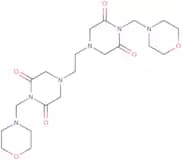
CAS:<p>Bimolane is an immunosuppressive agent, which is a synthetic chemotherapeutic drug with a distinctive mode of action involving the interference with DNA synthesis and inhibition of lymphocyte proliferation. The compound achieves this by intercalating into DNA strands, thereby disrupting the replication process and ultimately exerting its cytotoxic effects on rapidly dividing cells, such as those in the immune system. This mechanism of action positions Bimolane as a potent agent for suppressing immune responses.</p>Formula:C20H32N6O6Purity:Min. 95%Molecular weight:452.5 g/molGFP antibody (HRP)
<p>GFP antibody (HRP) was raised in goat using a GFP fusion protein corresponding to the full length amino acid sequence (246aa) derived from the jellyfish Aequorea victoria as the immunogen.</p>Tulrampator
CAS:<p>Tulrampator is a selective AMPA receptor potentiator, which is a synthetic pharmaceutical compound designed to enhance glutamatergic neurotransmission efficacy. This compound acts on the α-amino-3-hydroxy-5-methyl-4-isoxazolepropionic acid (AMPA) receptors in the central nervous system. Tulrampator modulates these receptors by increasing their response to endogenous glutamate, thus facilitating synaptic transmission and plasticity.</p>Formula:C20H17FN4O3Purity:Min. 95%Molecular weight:380.4 g/molADAMDEC1 antibody
<p>ADAMDEC1 antibody was raised using the middle region of ADAMDEC1 corresponding to a region with amino acids GMPDVPFNTKCPSGSCVMNQYLSSKFPKDFSTSCRAHFERYLLSQKPKCL</p>Purity:Min. 95%CD137L antibody
<p>CD137L antibody was raised in rabbit using highly pure recombinant human 4-1BBL as the immunogen.</p>Cytokeratin AE1 antibody (Prediluted for IHC)
<p>Mouse monoclonal Cytokeratin AE1 antibody (Prediluted for IHC)</p>Purity:Min. 95%CAMK4 antibody
<p>CAMK4 antibody is a monoclonal antibody that acts as an inhibitor of CAMK4, a protein kinase involved in various cellular processes. This antibody specifically targets CAMK4 and can be used in research studies to investigate its role in different biological pathways. Additionally, this antibody has been shown to have potential therapeutic applications in the treatment of diseases caused by Cryptosporidium infection and choroidal neovascularization. It can also be utilized in bioassays and assays related to androgen and steroid signaling. With its specificity and effectiveness, this CAMK4 antibody is a valuable tool for researchers in the field of Life Sciences studying oncogene homologs and nuclear proteins.</p>Ly2444296 (fp3fbz)
CAS:<p>Ly2444296, also known as FP3FBZ, is an experimental pharmaceutical compound, specifically a small-molecule antagonist designed to target a particular receptor system in the central nervous system. It is synthesized through a complex series of chemical reactions, leveraging advanced organic synthesis techniques. The primary mode of action for Ly2444296 is the selective inhibition of the norepinephrine transporter (NET), which results in increased levels of norepinephrine in the synaptic cleft. This modulation of neurotransmitter dynamics can have significant effects on mood and stress responses.</p>Formula:C24H22F2N2O2Purity:Min. 95%Molecular weight:408.4 g/molCCT7 antibody
<p>CCT7 antibody was raised using a synthetic peptide corresponding to a region with amino acids RAIKNDSVVAGGGAIEMELSKYLRDYSRTIPGKQQLLIGAYAKALEIIPR</p>Purity:Min. 95%PAQR6 antibody
<p>PAQR6 antibody was raised using the middle region of PAQR6 corresponding to a region with amino acids GCGQEALSTSHGYHLFCALLTGFLFASHLPERLAPGRFDYIGEGTPGPAR</p>Purity:Min. 95%FKBP8 antibody
<p>FKBP8 antibody was raised using the C terminal of FKBP8 corresponding to a region with amino acids AIPILRAALKLEPSNKTIHAELSKLVKKHAAQRSTETALYRKMLGNPSRL</p>Purity:Min. 95%AZ9482
CAS:<p>AZ9482 is a small molecule that binds to the acceptor site of the enzyme DNA polymerase β. It has potent antitumor effects, and shows high selectivity for tumor cells over normal cells. AZ9482 inhibits the growth of tumor cells in low nanomolar concentrations. This compound has been shown to inhibit the synthesis of DNA, RNA and proteins in cancer cells, which may be due to its ability to bind to the polymerase acceptor site. AZ9482 has been shown to have anti-inflammatory properties by inhibiting nuclear factor-kappaB (NF-κB) activation.</p>Formula:C26H22N6O2Purity:Min. 95%Molecular weight:450.5 g/molSFRS2B antibody
<p>SFRS2B antibody was raised using the middle region of SFRS2B corresponding to a region with amino acids YRESRYGGSHYSSSGYSNSRYSRYHSSRSHSKSGSSTSSRSASTSKSSSA</p>Calpain 10 antibody
<p>Calpain 10 antibody was raised using the N terminal of CAPN10 corresponding to a region with amino acids MRAGRGATPARELFRDAAFPAADSSLFCDLSTPLAQFREDITWRRPQEIC</p>T 0156 Hydrochloride
CAS:<p>T 0156 Hydrochloride is a chemical compound used primarily in neuroscience research. It is a synthetic organic molecule developed to interact with specific neuroreceptor sites. This compound is typically sourced from advanced chemical synthesis techniques in laboratory settings, ensuring high purity and stability suitable for research applications.</p>Formula:C31H30ClN5O7Purity:Min. 95%Molecular weight:620 g/molγ globulin antibody
<p>Gamma globulin antibody is a type of antibody that is used in the field of Life Sciences. It is a chemokine that plays a crucial role in immune response and inflammation. This antibody is commonly used in research and diagnostic applications, as well as in therapeutic treatments. Gamma globulin antibodies can be either monoclonal or polyclonal, depending on their origin and specificity.</p>Purity:Min. 95%GPR37L1 antibody
<p>GPR37L1 antibody was raised in rabbit using a synthetic peptide conjugated to KLH as the immunogen.</p>Purity:Min. 95%Tannin albuminate
CAS:<p>Tannin albuminate is a protein complex, which is formed by the interaction of tannins and albumin. It primarily originates from plant sources that produce tannins, such as oak bark or various other tannin-rich materials, and egg albumin or other albumin sources. The mode of action of tannin albuminate involves its ability to form protective films over inflamed mucosal surfaces, thus exerting an astringent effect. This effect reduces secretions and protects against irritants, which is particularly beneficial in treating gastrointestinal disturbances.</p>Purity:Min. 95%Color and Shape:PowderCD8a antibody (CY5)
<p>CD8a antibody (CY5) was raised in Mouse using the alpha chainc of chicken CD8 as the immunogen.</p>Purity:Min. 95%SIGLEC6 antibody
<p>SIGLEC6 antibody was raised using the middle region of SIGLEC6 corresponding to a region with amino acids FSWMSAAPTSLGPRTTQSSVLTITPRPQDHSTNLTCQVTFPGAGVTMERT</p>Purity:Min. 95%CD106 antibody (PE)
<p>CD106 antibody (biotin) was raised in rat using murine CD106/VCAM-1 as the immunogen.</p>Purity:Min. 95%C-82
CAS:<p>C-82 is a synthetic chemical inhibitor, which is commonly sourced from laboratory-derived compounds and characterized through organic chemistry techniques. Its mode of action involves selective inhibition of specific enzymes or proteins within particular biochemical pathways, rendering it useful for dissecting complex biological systems. This specificity allows researchers to elucidate the roles of individual components within larger networks by observing downstream effects of inhibition.</p>Formula:C33H34N6O4Purity:Min. 95%Molecular weight:578.7 g/molTyrosine Hydroxylase antibody
<p>The Tyrosine Hydroxylase antibody is a cholinergic antibody commonly used in Life Sciences research. It is a polyclonal antibody that specifically targets tyrosine hydroxylase, an enzyme involved in the production of dopamine. This antibody has been extensively tested and validated for use in various applications, including immunohistochemistry and Western blotting.</p>IQCF1 antibody
<p>IQCF1 antibody was raised using the middle region of IQCF1 corresponding to a region with amino acids ATKIKAWWRGTLVRRALLHAALSACIIQCWWRLILSKILKKRRQAALEAF</p>Purity:Min. 95%HSF1 protein (His tag)
<p>1-529 amino acids: MGSSHHHHHH SSGLVPRGSH MDLPVGPGAA GPSNVPAFLT KLWTLVSDPD TDALICWSPS GNSFHVFDQG QFAKEVLPKY FKHNNMASFV RQLNMYGFRK VVHIEQGGLV KPERDDTEFQ HPCFLRGQEQ LLENIKRKVT SVSTLKSEDI KIRQDSVTKL LTDVQLMKGK QECMDSKLLA MKHENEALWR EVASLRQKHA QQQKVVNKLI QFLISLVQSN RILGVKRKIP LMLNDSGSAH SMPKYSRQFS LEHVHGSGPY SAPSPAYSSS SLYAPDAVAS SGPIISDITE LAPASPMASP GGSIDERPLS SSPLVRVKEE PPSPPQSPRV EEASPGRPSS VDTLLSPTAL IDSILRESEP APASVTALTD ARGHTDTEGR PPSPPPTSTP EKCLSVACLD KNELSDHLDA MDSNLDNLQT MLSSHGFSVD TSALLDLFSP SVTVPDMSLP DLDSSLASIQ ELLSPQEPPR PPEAENSSPD SGKQLVHYTA QPLFLLDPGS VDTGSNDLPV LFELGEGSYF SEGDGFAEDP TISLLTGSEP PKAKDPTVS</p>Purity:Min. 95%
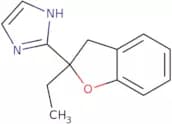


![1-[6-Fluoro-3-(4-methylsulfonylpiperazine-1-carbonyl)quinolin-4-yl]-4-phenylpiperidine-4-carbonitr…](/_next/image/?url=https%3A%2Fstatic.cymitquimica.com%2Fproducts%2F3D%2Fthumb-webp%2FGPD07974.webp&w=3840&q=75)

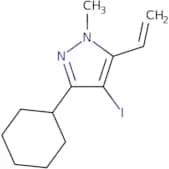
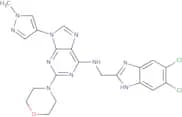
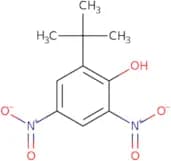
![2-(9-((4-Chlorophenyl)thio)-6-fluoro-2,3-dihydro-1H-pyrrolo[1,2-a]indol-1-yl)acetic acid](/_next/image/?url=https%3A%2Fstatic.cymitquimica.com%2Fproducts%2F3D%2Fthumb-webp%2FFRB01751.webp&w=3840&q=75)
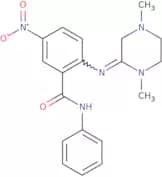
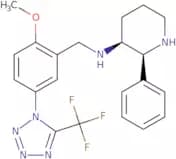

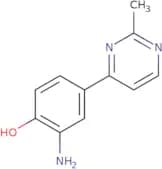
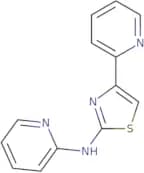
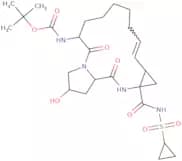

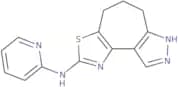
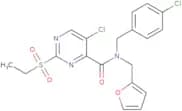
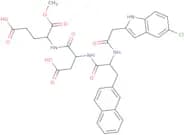

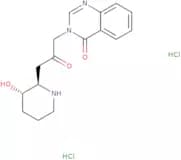
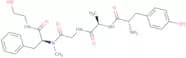

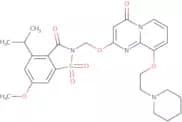
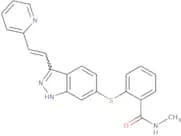
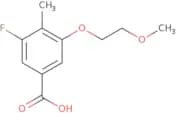
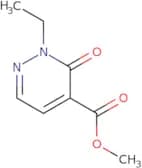

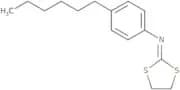
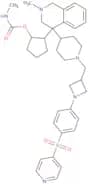
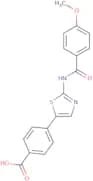

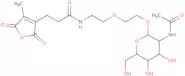
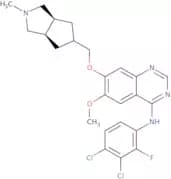

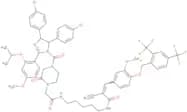
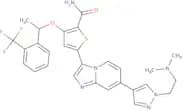


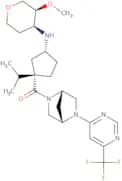
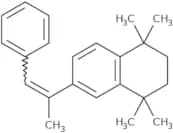


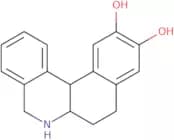
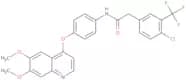
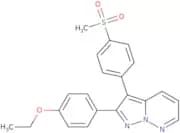


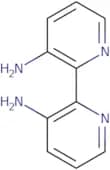
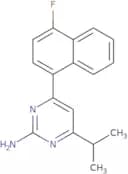
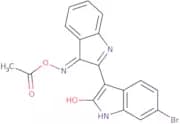

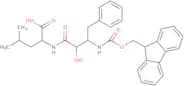
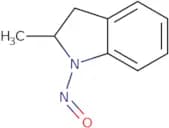


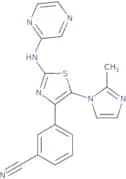
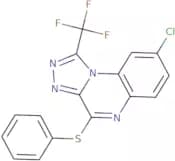
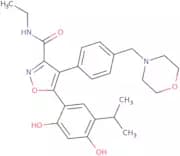

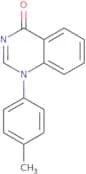
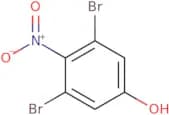

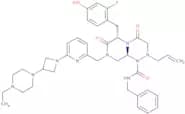
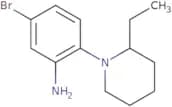
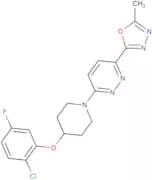
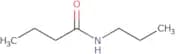
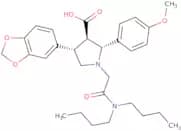
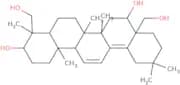

![N2-[2-[4-[(2-Naphthalenylcarbonyl)amino]phenyl]acetyl]-L-arginyl-L-isoleucyl-L-α-aspartyl-N-[(2S)-…](/_next/image/?url=https%3A%2Fstatic.cymitquimica.com%2Fproducts%2F3D%2Fthumb-webp%2FZEA83345.webp&w=3840&q=75)
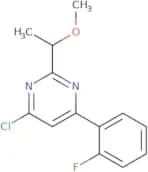
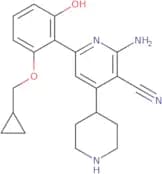
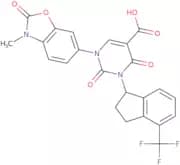


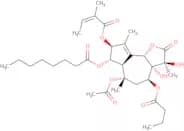
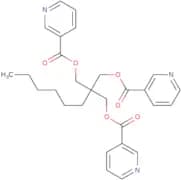
![2-[[5-[4-(Dimethylsulfamoyl)phenyl]-8-methyl-2-oxo-1,6,7,9-tetrahydropyrrolo[3,2-H]isoquinolin-3-y…](/_next/image/?url=https%3A%2Fstatic.cymitquimica.com%2Fproducts%2F3D%2Fthumb-webp%2FVJA06359.webp&w=3840&q=75)
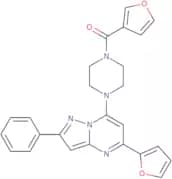

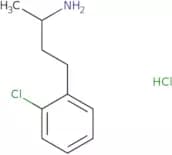
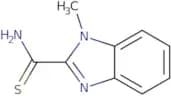
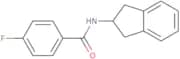

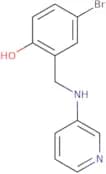
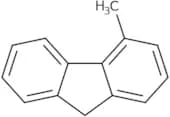
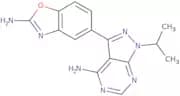
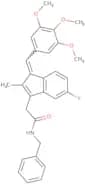


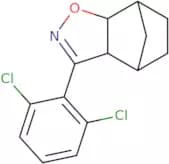


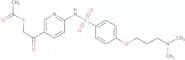
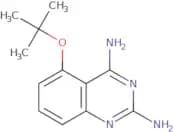
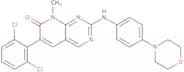
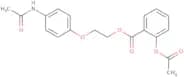

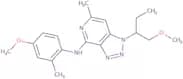

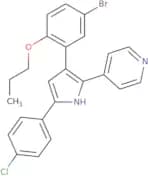



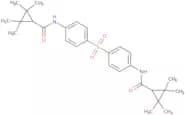
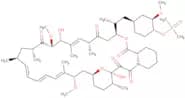


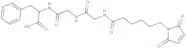


![Di-tert-butyl 2,6-diazaspiro[3.3]heptane-2,6-dicarboxylate](/_next/image/?url=https%3A%2Fstatic.cymitquimica.com%2Fproducts%2F3D%2Fthumb-webp%2FAWB61817.webp&w=3840&q=75)

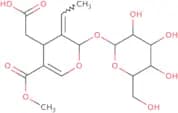


![2-((1S,3S,4aS,9aR)-6-(Dimethylamino)-1-(hydroxymethyl)-3,4,4a,9a-tetrahydro-1H-pyrano[3,4-b]benzof…](/_next/image/?url=https%3A%2Fstatic.cymitquimica.com%2Fproducts%2F3D%2Fthumb-webp%2FQMC82799.webp&w=3840&q=75)