Biochemicals and Reagents
Biochemicals and reagents are fundamental substances for research and development in fields such as biotechnology, molecular biology, pharmacology, and medicine. These products are essential for a variety of applications, including compound synthesis, biological sample analysis, metabolic process research, and drug production. At CymitQuimica, we offer a wide selection of high-quality, high-purity biochemicals and reagents suitable for various scientific and industrial needs. Our catalog includes enzymes, antibodies, nucleic acids, amino acids, and many other products, all designed to support researchers and professionals in their research and development projects, ensuring reliable and reproducible results.
Subcategories of "Biochemicals and Reagents"
- Biomolecules(99,104 products)
- By Biological Target(99,074 products)
- By Pharmacological Effects(6,784 products)
- Cryopreservatives(21 products)
- Desinfectants and Related Compounds(28 products)
- Hormones(346 products)
- Plant Biology(6,693 products)
- Secondary Metabolites(14,218 products)
Found 130576 products of "Biochemicals and Reagents"
Sort by
Purity (%)
0
100
|
0
|
50
|
90
|
95
|
100
Disperse Red 151 (>90%)
CAS:Controlled ProductFormula:C27H25N5O5SPurity:>90%Color and Shape:NeatMolecular weight:531.584-Acetamido-4'-isothiocyanatostilbene-2,2'-disulfonic Acid, Sodium Salt
CAS:Controlled Product<p>Stability Hygroscopic, Temperature Sensitive<br>Applications A fluorescent label for the specific and reversible labelling of the outer components of the plasma membrane. The reagent reacts with a fixed number of sites on the surface of cells concerned with anion permeation; does not pass through the osmotic barrier of the membrane; reacts under physiological conditions of temperature, pH and tonicity; and is detectable in small amounts. SEE ALSO NOTES FOR DIDS (CAT#D460600).Fluorescence: max. Abs. l = 336nm, max. Em. l = 436 nm.<br>References Maddy., A.H.: Biochim. Biophys. Acta., 88, 390 (1964), Cabantchik, Z.I., et al.: J. Membrane Biol., 10, 311 (1972); Am. J. Physiol. 262, C803 (1992); J. Biol. Chem. 266, 13355 (1991), Ma, W., et al.: J. Pharmacol. Exp. Ther., 328, 409 (2009),<br></p>Formula:C17H12N2O7S3·2NaColor and Shape:NeatMolecular weight:498.461,2-Dimyristoyl-sn-glycero-3-phosphocholine
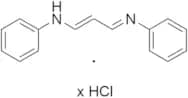
CAS:<p>Applications 1,2-Dimyristoyl-sn-glycero-3-phosphocholine is used in the generation of micelles and liposomes.<br>References Høyrup, P., et al.: Biochim. Biophys. Acta, 1515, 133 (2001); Heberle, F., et al.: Cold Spring Harb Perspect Biol., 3, 1 (2011)<br></p>Formula:C36H72NO8PColor and Shape:NeatMolecular weight:677.931-Anilino-3-phenylimino-1-propene Hydrochloride
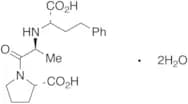
CAS:Controlled ProductFormula:C15H14N2·xHClColor and Shape:NeatEnalaprilat Dihydrate
CAS:Controlled ProductFormula:C18H24N2O5·2H2OColor and Shape:NeatMolecular weight:384.42N6-[Bis(ethylamino)methylene]-D-lysine
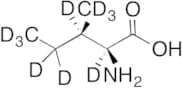
CAS:Controlled Product<p>Applications N6-[Bis(ethylamino)methylene]-D-lysine is an intermediate in preparation of analogs of transforming and epidermal growth factor fragment.<br>References Nestor, John J., et al.: U.S., (1987);<br></p>Formula:C11H24N4O2Color and Shape:NeatMolecular weight:244.334L-Allo-isoleucine-d10
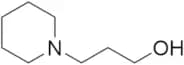
CAS:Controlled Product<p>Applications L-Allo-isoleucine-d10 is a derivative compound of L-allo-isoleucine (A548200), which has been suggested to induce epithelial β-defensin expression. In addition, L-allo-isoleucine is utilized in the biosynthesis pathway for coronamic acid.<br>References Fehlbaum, P., et al.: Proc. Natl. Acad. Sci. USA 97, 12723 (2000); Parry, R. J., et al.: J. Am. Chem. Soc. 113, 1849 (1991)<br></p>Formula:C6H3D10NO2Color and Shape:White To Off-WhiteMolecular weight:141.231-Piperidinepropanol
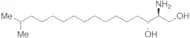
CAS:Controlled ProductFormula:C8H17NOColor and Shape:NeatMolecular weight:143.22715-Methylhexadeca Sphinganine
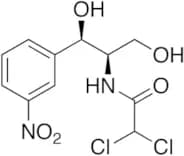
CAS:<p>Applications The major sphinganine from the ceramides phospholipids of Bacteroides melaninogenicus as arachidonate cascade inhibitor and blood platelet aggregation inhibitor.<br>References Dennis, R., et al.: Eur. J. Biochem., 146, 51 (1985), Dennis, R., et al.: J. Biol. Chem., 260,, 5370 (1985), Field, K., et al.: Science, 239, 748 (1988),<br></p>Formula:C17H37NO2Color and Shape:NeatMolecular weight:287.48m-nitro-(R,R)-threo-Chloramphenicol
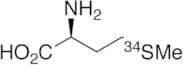
CAS:Controlled Product<p>Stability Hygroscopic<br>Applications The D-threo-stereoisomer of the m-nitro analog of (+/-)-Chloramphenicol.<br>References Cammarata, A., et al.: J. Med. Chem., 10, 525 (1967),<br></p>Formula:C11H12Cl2N2O5Color and Shape:NeatMolecular weight:323.13L-Methionine-34S
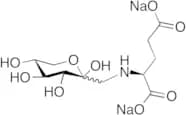
CAS:<p>Applications Labelled L-Methionine, an essential aminoacid for human development. Hepatoprotectant; antidote (acetominophen poisoning); urinary acidifier.<br>References Benevenga, N.J., et al.: J. Agric. Food Chem., 22, 2 (1974), Fleisher, L.D., et al.: Clin. Endocrinol. Metab., 3, 37 (1974), Meinnel, T., et al.: Biochimie, 75, 1061 (1993),<br></p>Formula:C5H11NO234SColor and Shape:NeatMolecular weight:151.11Fructoseglutamic Acid Disodium Salt
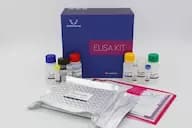
CAS:<p>Stability Very Hygroscopic<br>Applications Fructoseglutamic Acid Disodium Salt is an Amadori compound (derivatives of aminodeoxysugars) that is formed in food (such as dehydrated fruits such as tomatoes and carrots) as a result of the Maillard reactions.<br>References Baltes, W.: Food Chem., 9, 59 (1982); Sanz, M., et al.: J. Agr. Food Chem., 49, 5228 (2001); Wellner, A., et al.: J. Agr. Food Chem., 59, 7992 (2011)<br></p>Formula:C11H17NO9·2NaPurity:>80%Color and Shape:NeatMolecular weight:353.234Rat DPD(deoxypyridinoline) ELISA Kit
<p>The test principle applied in this kit is Sandwich enzyme immunoassay. The microtiter plate provided in this kit has been pre-coated with an antibody specific to Rat DPD. Standards or samples are added to the appropriate microtiter plate wells then with a biotin-conjugated antibody specific to Rat DPD. Next, Avidin conjugated to Horseradish Peroxidase (HRP) is added to each microplate well and incubated. After TMB substrate solution is added, only those wells that contain Rat DPD, biotin-conjugated antibody and enzyme-conjugated Avidin will exhibit a change in color. The enzyme-substrate reaction is terminated by the addition of sulphuric acid solution and the color change is measured spectrophotometrically at a wavelength of 450nm ± 10nm. The concentration of Rat DPD in the samples is then determined by comparing the OD of the samples to the standard curve.</p>Color and Shape:Colourless Transparentliquid2-[2-(2-t-Boc-aminoethoxy]ethoxy]ethyl Bromide
CAS:Controlled Product<p>Stability Light Sensitive, Moisture Sensitive<br>Applications A cross-linking reagent.<br>References Hatanaka, Y., et al.: Bioorg. Med. Chem., 2, 1367 (1994), Li, X., et al.: J. Med. Chem., 51, 3057 (2008),<br></p>Formula:C11H22BrNO4Color and Shape:NeatMolecular weight:312.2007Acid Red 26 (>80%)
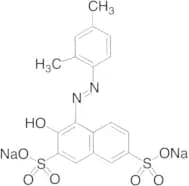
CAS:Controlled Product<p>Applications Acid Red 26 is an acid azo red dye used in inks and fabrics. Contributor to environmental pollution and textile effluents. Dyes and metabolites, Environmental Testing.Environmental toxin on US EPA Toxic Release Inventory list (TRI) list.<br>References Nguyen, T. et al.: J. Env. Sci. Health. A., 51, 744 (2016);<br></p>Formula:C18H14N2O7S2·2NaPurity:>80%Color and Shape:NeatMolecular weight:480.425-Chloro-2'-deoxyuridine
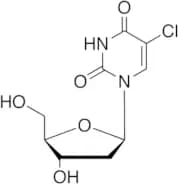
CAS:Controlled Product<p>Applications A halogenated uridine derivative used in pharmaceutical compositions.<br>References Brammer, K., et al.: Biochim. Biophys. Acta, 72, 217 (1963), Uesugi, S., et al.: Chem. Pharm. Bull., 26, 3040 (1978)<br></p>Formula:C9H11ClN2O5Color and Shape:NeatMolecular weight:262.65C24 Ceramide
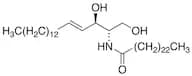
CAS:Controlled Product<p>Applications Production of ceramide occurs upon hydrolysis of sphingomyelin by a specific isoform of phospholipase C, appropriately named sphingomyelinase.<br>References Gu, Q, et al.: Anal. Biochem., 244, 347 (1997), Perry, D.K., et al.: Trends Cardiovasc. Med., 6, 158 (1996), Clayton, R.B., et al.: J. Lipid Res., 15, 557 (1974),<br></p>Formula:C42H83NO3Color and Shape:White To Light BeigeMolecular weight:650.114a,5-Dihydro Lovastatin
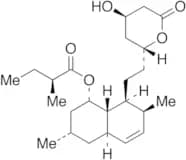
CAS:Controlled Product<p>Impurity Lovastatin EP Impurity E; Lovastatin USP Related Compound A<br>Applications 4a,5-Dihydro Lovastatin (Lovastatin EP Impurity E; Lovastatin USP Related Compound A) is an impurity in Lovastatin (L472225) bulk drug.<br>References Bone, E.A., et al.: Bioorg. Med. Chem. Lett., 2, 223 (1992), Houck, A., et al.: Talanta, 40, 491 (1993),<br></p>Formula:C24H38O5Color and Shape:NeatMolecular weight:406.56Fructose Valine (mixture of diastereomers)
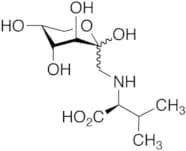
CAS:Controlled Product<p>Applications An Amadori compound having the potential to alter cellular adhesion, inhibit cancer metastasis and induce apoptosis.<br>References Horiuchi, T., et al.: Agric. Biol. Chem., 55, 333 (1991), Sosnovsky, G., et al.: J. Pharm. Sci., 82, 649 (1993), Glinsky, G., et al.: Cancer Res., 56, 5319 (1996),<br></p>Formula:C11H21NO7Color and Shape:Off-White To Dark BrownMolecular weight:279.29Dicresulene Hydrate
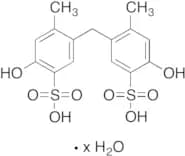
CAS:Controlled Product<p>Applications Dicresulene Hydrate is an impurity of Policresulen (P688085), an ideal drug for purulent endometritis and bovine mastitis of the animals.<br> Not a dangerous good if item is equal to or less than 1g/ml and there is less than 100g/ml in the package<br>References Xie, R., et al.: Zhejiang Nongye Daxue Xuebao., 24, 259-262 (1998)<br></p>Formula:C15H16O8S2•x(H2O)Color and Shape:NeatMolecular weight:388.411802DL-Homocysteic-3,3,4,4-d4 Acid
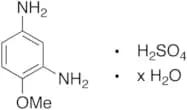
CAS:Controlled ProductFormula:C4D4H5NO5SColor and Shape:Light YellowMolecular weight:187.045252,4-Diaminoanisole Sulfate Hydrate
CAS:Controlled Product<p>Applications 2,4-Diaminoanisole Sulfate is a compound that was used as a component in hair dyes. There is evidence that indicate that 2,4-Diaminoanisole Sulfate Hydrate has carcinogenic effects and is reasonably anticipated to be a human carcinogen by the NTC.<br> Not a dangerous good if item is equal to or less than 1g/ml and there is less than 100g/ml in the package<br>References Sontag, J.M. et al.: JNCI J. Nat. Cancer Inst., 66, 591 (1981); Sheu, C.-J. et al.: Mutat. Res. Gen. Toxicol. Test., 68, 85 (1979); Burnett, C. et al.: J. Toxicol. Environ. Health, 1, 1027 (1976);<br></p>Formula:C7H10N2O·H2O·H2O4SColor and Shape:NeatMolecular weight:254.26D,L-Homoglutamine
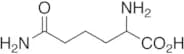
CAS:Controlled Product<p>Applications Glutamine analog.<br>References Hellberg, S., et al.: J. Med. Chem., 30, 1126 (1987), Blondelle, S., et al.: Antimicrob. Agents Chemother., 38, 2280 (1994), Jiracek, J., et al.: J. Biol. Chem., 270, 21701(1995),<br></p>Formula:C12H24N2O6Color and Shape:NeatMolecular weight:292.329CMPF
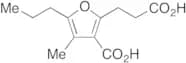
CAS:Controlled Product<p>Applications CMPF is a drug-binding inhibitor which is also a constituent of urine. CMPF can inhibit specific T4 binding in serum by increasing the free concentration of direct competitors.<br>References Mabuchi, H., Nakahashi, H.: Nephron, 44, 277 (1986); Lim, C.F., et. al.: Metabolism Clin. Exp., 42, 1468 (1993);<br></p>Formula:C12H16O5Color and Shape:NeatMolecular weight:240.25N-(2,4-Dimethylphenyl)-3-oxobutanamide
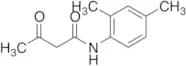
CAS:<p>Applications N-(2,4-Dimethylphenyl)-3-oxobutanamide (cas# 97-36-9) is a useful research chemical.<br></p>Formula:C12H15NO2Color and Shape:NeatMolecular weight:205.252-(4-Methoxybenzoyl)-N,N-bis(3-methylbutyl)-1-(3-piperidin-1-ylpropyl)-1H-benzimidazole-6-carboxamide hydrochloride
CAS:Formula:C34H48N4O3·xHClColor and Shape:NeatMolecular weight:596.34932Propacetamol Hydrochloride
CAS:Controlled Product<p>Applications Propacetamol HCl (cas# 66532-86-3) is a useful research chemical.<br></p>Formula:C14H20N2O3·ClHColor and Shape:NeatMolecular weight:300.78rac 1-Oleoyl-2,3-dipalmitoyl Glycerol
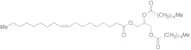
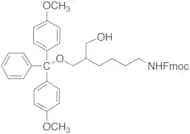
CAS:Controlled Product<p>Applications Acylglycerols and fatty acids in olive oil from pulp, seed, and whole fruit.<br>References Ninni, V., et al.: J. Sci. Food Agric., 79, 2113 (1999), Salas, J., et al.: Prog. Lipid Res., 39, 151 (2000), Mannina, L., et al.: J. Agric. Food Chem., 49, 2687 (2001),<br></p>Formula:C53H100O6Color and Shape:NeatMolecular weight:833.361-O-Dimethoxytrityl-2-(N-Fmoc)-4-Aminobutyl)-1,3-propanediol, >95%
CAS:<p>Stability Very Hygroscopic<br>Applications 1-O-Dimethoxytrityl-2-(N-Fmoc)-4-Aminobutyl)-1,3-propanediol is a useful reagent for the synthesis of acridine and/or lipid containing oligodeoxyribonucleotides.<br>References Marasco, C. J., et al.: Tetra. Lett., 35, 3029 (1994)<br></p>Formula:C43H45NO6Purity:>95%Color and Shape:Off White SolidMolecular weight:671.82Hydroxyphosphonoacetic Acid - 50% in water
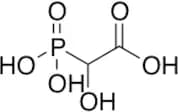
CAS:Controlled ProductFormula:C2H5O6PColor and Shape:Single SolutionMolecular weight:156.031D-Erythrulose (~0.3 M in Water, ~90%)
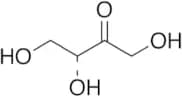
CAS:Controlled Product<p>Applications D-Erythrulose is a tetrose carbohydrate that is used in various self-tanning cosmetics combined with dihydroxyacetone.<br>References Maeda, M., et al.: J. Biochem., 123, 602 (1998); Baykal, A., et al.: Bioorg. Chem., 34, 380 (2006);<br></p>Formula:C4H8O4Purity:~90%Color and Shape:NeatMolecular weight:120.10Tiopronin-d3
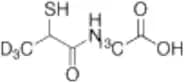
CAS:Controlled Product<p>Applications Labelled Tiopronin. It is used as antidote against heavy metal poisoning; hepatoprotectant; mucolytic.<br>References Capasso, F., et al.: Agents Actions, 11, 741 (1981), Amor, B., et al.: Arthritis Rheum., 25, 698 (1982), Ichida, F., et al.: J. Int. Med. Res., 10, 325 (1982),<br></p>Formula:C5H6D3NO3SColor and Shape:NeatMolecular weight:166.21Homarine
CAS:Controlled Product<p>Stability Hygroscopic<br>Applications Quaternary ammonium base occurring in tissues of marine animals.<br>References Stein, W., et al.: J. Biol. Chem., 211, 915 (1954), Bystedt, J., et al.: J. Sci. Food Agric., 10, 301 (1959),<br></p>Formula:C7H7NO2Color and Shape:NeatMolecular weight:137.14Celgosivir
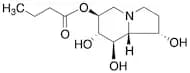
CAS:<p>Applications Celgosivir is an α-glucosidase I inhibitor.<br></p>Formula:C12H21NO5Color and Shape:NeatMolecular weight:259.3L-Valine
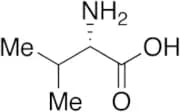
CAS:Controlled Product<p>Applications L-Valine is an essential amino acid and one of 20 proteinogenic amino acids. L-Valine cannot be manufactured by the body and must be acquired through diet or supplementation. L-valine is found in grains, dairy products, mushrooms, meats, peanuts and soy proteins. L-Valine has been used in studies to attenuate arrhythmias and induce hypotensive effects.<br>References Choi, C.W. et al.: Anim. Feed Sci. Technol., 102, 15 (2002); Kolarski, D. et al.: Krmiva, 30, 155 (1988); Oba, M. et al.: J. Dairy Sci., 93, 2044 (2010); Mitrega, K. et al.: Pharmacol. Res., 64, 218 (2011);<br></p>Formula:C5H11NO2Color and Shape:NeatMolecular weight:117.152,6-Diaminopimelic Acid
CAS:Controlled Product<p>Applications 2,6-Diaminopimelic Acid is useful in biological studies involving amino acids and amino sugars as molecular indicators of the origins of organic matter in buried tephra soils.<br>References Hobara, S., et al.: Geoderma, 373, 114449 (2020)<br></p>Formula:C7H14N2O4Color and Shape:NeatMolecular weight:190.20Ostruthin Imperatorin
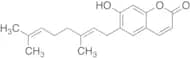
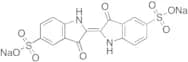
CAS:Controlled Product<p>Stability Light Sensitive<br>Applications Ostruthin imperatorin (cas# 148-83-4) is a useful research chemical.<br> Not a dangerous good if item is equal to or less than 1g/ml and there is less than 100g/ml in the package<br></p>Formula:C19H22O3Color and Shape:NeatMolecular weight:298.38Indigo Carmine
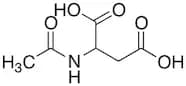
CAS:Controlled Product<p>Stability Light Sensitive<br>Applications Indigo carmine is a dye consisting of an indigo dimer with sodium salts of sulfonic acids at positions 5 and 5'. This compound has been used as a tissue stain, pH indicator, and tool for the determination of hypochlorite in solutions.<br>References 1. Reinle, G.G. and Depuy, E.S. 1920. Cal State J Med. 18: 49-52. PMID: 187381042. Monson, F.C., et al. 1991. J. Urol. 145: 842-845. PMID: 20057163. Harriram, A., et al. 2003. J Environ Sci Health A Tox Hazard Subst Environ Eng. 3: 1055-1064. PMID: 127749084. Archer, T.L. 2009. J Clin Anesth. 21: 544-546. PMID: 200062695. Lee, B.E., et al. 2010. BMC Gastroenterol. 10 97. PMID: 207318306. Park, H.J., et al. 2010. J Clin Ultrasound. 38: 305-308. PMID: 20544866<br></p>Formula:C16H8N2O8S2·2NaColor and Shape:NeatMolecular weight:466.35N-Acetyl-DL-aspartic Acid
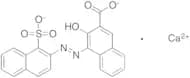
CAS:Controlled Product<p>Applications N-Acetyl-DL-aspartic acid (cas# 2545-40-6) is a useful research chemical.<br></p>Formula:C6H9NO5Color and Shape:NeatMolecular weight:175.139Pigment Red 63:1 (Technical Grade)
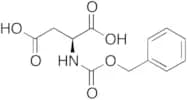
CAS:Controlled ProductFormula:C21H12N2O6S•CaColor and Shape:NeatMolecular weight:420.40 + 40.08N-Cbz-L-aspartic Acid
CAS:Controlled Product<p>Applications N-Cbz-L-aspartic acid is an N-Cbz-protected form of L-Aspartic acid (A790024). L-Aspartic acid is a nonessential amino acid that is used to biosynthesize other amino acids within the human body. L-Aspartic acid also increases membrane conductance of mammalian neurons by voltage-dependent means, causing depolarization and nerve impulses that travel to key areas of the central nervous system.<br>References Anderson, H., et al.: J. Nutr., 99, 82 (1969); Honey, C., et al.: Neurosci. Lett., 61, 135 (1985); MacDonald, J., et al.: Brain Res., 237, 248 (1982)<br></p>Formula:C12H13NO6Color and Shape:White To Off-WhiteMolecular weight:267.23Naphthol Yellow S Hydrate
CAS:Controlled Product<p>Applications Naphthol Yellow S Hydrate is used in methods for dying of textiles.<br>References Schoepgens, J., et al.: Ger. Offen., (2020);<br></p>Formula:C10H4N2O8S·2NaColor and Shape:NeatMolecular weight:358.1919Polybutenes
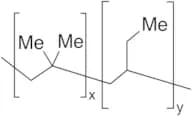
CAS:Controlled Product<p>Applications Polybutenes is a hydrophobic material that is derivatized to make anti-rust additives and detergents..<br></p>Formula:C4H8xC4H8yColor and Shape:ColourlessMolecular weight:~9203-Hydroxydodecanoic Acid Methyl Ester
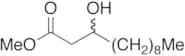
CAS:Controlled Product<p>Applications 3-Hydroxydodecanoic Acid Methyl Ester is a 3-hydroxyl fatty acid Me ester as methionine regulator.<br>References Akamatsu, Y., et al.: J. Biol. Chem., 245, 709 (1970); Alvarez, L., et al.: Biochem. J., 301, 557 (1994), Varbanova, M., et al.: Plant Cell, 19, 32 (2007), Atsumi, S., et al.: Nature, 451, 86 (2008),<br></p>Formula:C13H26O3Color and Shape:NeatMolecular weight:230.34Fosfestrol Tetrasodium Salt
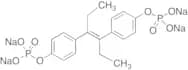
CAS:Controlled ProductFormula:C18H18O8P2·4NaColor and Shape:NeatMolecular weight:516.2374,4'-Methylenebis(2-chloroaniline) (~90%)
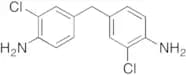
CAS:Formula:C13H12Cl2N2Purity:~90%Color and Shape:Light YellowMolecular weight:267.15N-[(4R)-4-Thiazolidinylcarbonyl]glycine
CAS:Controlled ProductFormula:C6H10N2O3SColor and Shape:NeatMolecular weight:190.22D-erythro-C18-Dihydro-D-sphingosine
CAS:Controlled Product<p>Applications Biosynthetic precursor of Sphingosine. Inhibits protein kinase C.<br>References Merrill, A.H. Jr., et al.: Biochemistry, 28, 3138 (1989)<br></p>Formula:C18H39NO2Color and Shape:NeatMolecular weight:301.51L-Cysteinylglycine
CAS:<p>Stability Air Sensitive<br>Applications L-Cysteinylglycine, is a biologically important compound since it is formed during the γ-glutamyl cycle. It is a cysteinyl peptide, that can be used in the studies of many peptides and important proteins.<br>References Marvin D., et al.: New J. Org. Synth., 12, 185 (1980); Sheehan, J. C., et al.: New Synth. Cysteinyl Peptide, 1159 (1958);<br></p>Formula:C5H10N2O3SColor and Shape:NeatMolecular weight:178.21


![N6-[Bis(ethylamino)methylene]-D-lysine](/_next/image/?url=https%3A%2Fstatic.cymitquimica.com%2Fproducts%2FTR%2Fthumb-webp%2FB985820.webp&w=3840&q=75)

![2-[2-(2-t-Boc-aminoethoxy]ethoxy]ethyl Bromide](/_next/image/?url=https%3A%2Fstatic.cymitquimica.com%2Fproducts%2FTR%2Fthumb-webp%2FB618590.webp&w=3840&q=75)






![N-[(4R)-4-Thiazolidinylcarbonyl]glycine](/_next/image/?url=https%3A%2Fstatic.cymitquimica.com%2Fproducts%2FTR%2Fthumb-webp%2FT349290.webp&w=3840&q=75)