Biochemicals and Reagents
Subcategories of "Biochemicals and Reagents"
- Biomolecules(98,678 products)
- By Biological Target(100,149 products)
- By Pharmacological Effects(6,845 products)
- Cryopreservatives(21 products)
- Desinfectants and Related Compounds(28 products)
- Hormones(356 products)
- Plant Biology(6,910 products)
- Secondary Metabolites(14,344 products)
Found 130210 products of "Biochemicals and Reagents"
Isomagnolone
CAS:Isomagnolone is an organic compound that is a white solid at room temperature. It has been shown to have bacteriostatic properties and can be used as a reagent for the synthesis of various organic compounds. Isomagnolone has been shown to inhibit the growth of certain bacteria, including Staphylococcus aureus and Escherichia coli. The antibacterial property of isomagnolone may be due to its ability to react with nitro groups on proteins, which may be present in the cell wall or cytoplasmic membrane. The chemical structure of this compound is similar to that of phenoxy herbicides, which are known for their antibacterial activity. Isomagnolone has also been found in tobacco plants and other natural sources.Formula:C18H18O3Purity:Min. 95%Molecular weight:282.3 g/mol5-Iminodaunorubicin hydrochloride
CAS:5-Iminodaunorubicin hydrochloride is a peptidomimetic that is a potent inhibitor of protein interactions. It binds to a receptor site on the target protein and inhibits its activity. 5-Iminodaunorubicin hydrochloride has been shown to be an effective inhibitor of the enzyme DNA topoisomerase II, which is involved in the production of dsDNA breaks.
Formula:C27H31ClN2O9Purity:Min. 95%Molecular weight:563 g/mol7-Epi-cephalomannine
CAS:7-Epi-cephalomannine is an anticancer agent that has shown promising results in inhibiting cancer cell growth. It works by inhibiting kinases, which are enzymes involved in cell signaling pathways that regulate cell division and apoptosis. This inhibitor has been found to induce apoptosis, or programmed cell death, in cancer cells. 7-Epi-cephalomannine is an analog of a Chinese plant-derived compound and can be detected in human urine after administration. This protein kinase inhibitor has also been shown to have potential as a tumor suppressor when used in combination with other inhibitors such as nifedipine. Overall, 7-Epi-cephalomannine shows great promise as a potent and effective anticancer agent with the potential to revolutionize cancer treatment.Formula:C45H53NO14Purity:Min. 95%Molecular weight:831.9 g/mol4-{4-[(Bromoacetyl)amino]butyl}benzoic acid
CAS:4-{4-[(Bromoacetyl)amino]butyl}benzoic acid is a ligand that binds to Ion channels. 4-{4-[(Bromoacetyl)amino]butyl}benzoic acid is a bidentate ligand, which interacts with the extracellular loops of the receptor. This compound has been shown to activate both potassium and chloride ion channels. 4-{4-[(Bromoacetyl)amino]butyl}benzoic acid has also been shown to inhibit the activity of beta adrenergic receptors, leading to hypotension and bradycardia in animals. 4-{4-[(Bromoacetyl)amino]butyl}benzoic acid is a high purity research tool that can be used for studying protein interactions, peptides, antibodies, cell biology and pharmacology.
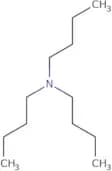
Formula:C13H16BrNO3Purity:Min. 95%Molecular weight:314.17 g/molTri-N-butyl-d27-amine
CAS:Controlled ProductPlease enquire for more information about Tri-N-butyl-d27-amine including the price, delivery time and more detailed product information at the technical inquiry form on this pageFormula:C12H27NPurity:Min. 95%Molecular weight:212.51 g/molCalcitonin (salmon) trifluoroacetate
CAS:Calcitonin (salmon) trifluoroacetate is a synthetic peptide analogue of the naturally occurring hormone calcitonin. It is derived from salmon, which is a rich source of calcitonin known for its higher potency compared to human calcitonin. This peptide functions by inhibiting osteoclast activity, which are the cells responsible for bone resorption. It achieves this by binding to specific receptors on osteoclasts, thus reducing bone turnover and lowering calcium levels in the blood.Formula:C147H241F3N44O50S2Purity:Min. 95%Molecular weight:3,545.9 g/molOSMI 1
CAS:Inhibitor of O-GlcNAc transferaseFormula:C28H25N3O6S2Purity:Min. 95%Molecular weight:563.65 g/molCerestat
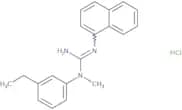
CAS:Cerestat is a drug that has been shown to be effective in the treatment of bowel disease. It is a glutamate receptor modulator and it has been found to have an effect on human pharmacokinetics. Cerestat also inhibits the release of inflammatory cytokines by inhibiting ion channels, such as cation channels and ATP-sensitive potassium channels. This drug has been shown to inhibit glutamate-induced excitotoxicity in mice, which is the process by which nerve cells are killed or damaged by excessive stimulation by the neurotransmitter glutamate. Cerestat has also been shown to have side-effects, such as an increased risk of seizures, dizziness, and nausea.Formula:C20H22ClN3Purity:Min. 95%Molecular weight:339.9 g/molKT 5823
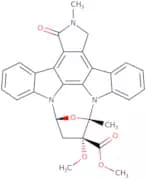
CAS:Inhibitor of protein kinase PKGFormula:C29H25N3O5Purity:Min. 95%Color and Shape:SolidMolecular weight:495.53 g/mol(S)-2-((2-Hydroxy-1-phenylethyl)amino)acetic acid
CAS:(S)-2-((2-Hydroxy-1-phenylethyl)amino)acetic acid is a versatile compound with various applications across different industries. It can be used in the field of Life Sciences for research purposes, such as studying growth factors and chemokines. This compound has also been utilized in the industrial sector for the production of cellulose and fatty acids.
Formula:C10H13NO3Purity:Min. 95%Molecular weight:195.21 g/molTriacetyl-3-hydroxyphenyladenosine
CAS:Triacetyl-3-hydroxyphenyladenosine is an activator of ligand-gated ion channels. It binds to the receptor, which causes the opening of ion channels. Triacetyl-3-hydroxyphenyladenosine can be used in research as a tool to identify protein interactions and understand cell biology. It is also used as an antibody to activate or inhibit ion channels. This chemical can be purified with a high purity and is relatively stable in water, making it suitable for use in research.Formula:C18H19N5O4Purity:Min. 95%Molecular weight:369.4 g/molRK-397
CAS:Please enquire for more information about RK-397 including the price, delivery time and more detailed product information at the technical inquiry form on this page
Formula:C35H56O10Purity:Min. 95%Molecular weight:636.8 g/molMC1080
CAS:Please enquire for more information about MC1080 including the price, delivery time and more detailed product information at the technical inquiry form on this page
Formula:C27H40O3Purity:Min. 95%Molecular weight:412.6 g/molNimesulide-d5
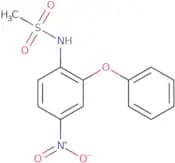
CAS:Nimesulide-d5 is a 5-fluorinated derivative of nimesulide, which is a nonsteroidal anti-inflammatory drug. Nimesulide-d5 has been shown to have an increased terminal half-life in humans and healthy Chinese subjects, as well as reduced glucuronide conjugate formation. This drug also has an enhanced particle size and improved spectral properties for use in chromatographic applications. Nimesulide-d5 is clinically relevant for the treatment of cancer and acetaminophen induced hepatotoxicity. It is metabolized into its active form by cytochrome P450 enzymes, leading to the inhibition of protein synthesis in cancer cells and the prevention of liver toxicity due to acetaminophen overdose.Formula:C13H7D5N2O5SPurity:Min. 95%Molecular weight:313.34 g/molY-33075 dihydrochloride
CAS:Y-33075 dihydrochloride is a potent selective Rho-associated kinase (ROCK) inhibitor, which is synthesized chemically. It specifically targets ROCK enzymes involved in the regulation of the cytoskeleton by phosphorylating proteins that control smooth muscle contraction, cell migration, and other critical cellular processes. Y-33075 dihydrochloride works by inhibiting the ROCK pathway, leading to alterations in cell shape, motility, and apoptosis.Formula:C16H18Cl2N4OPurity:Min. 95%Molecular weight:353.25 g/molIfn alpha-ifnar-in-1 hydrochloride
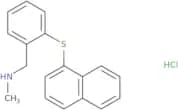
CAS:Ifn alpha-ifnar-in-1 hydrochloride is a synthetic small molecule, which is derived from chemical synthesis with a focus on disrupting specific cytokine signaling pathways. This compound operates by selectively inhibiting the interaction between interferon-alpha (IFN-α) and its receptor, IFNAR, thereby blocking downstream JAK-STAT signaling pathways. The blockade of this signaling cascade is crucial in modulating immune responses, which are often dysregulated in various pathologies.Formula:C18H18ClNSPurity:Min. 95%Molecular weight:315.86 g/molPF-3758309
CAS:PF-3758309 is a small molecule inhibitor, which is identified as a product of synthetic chemical engineering. It acts as a potent inhibitor of the PAK kinases, particularly PAK4, a family of serine/threonine kinases involved in cytoskeletal dynamics, cell motility, survival, and proliferation. These kinases are overexpressed in various types of cancer, making them attractive targets for therapeutic intervention.Formula:C25H30N8OSPurity:Min. 95%Molecular weight:490.63 g/mol16:0-18:1 Diether pg
CAS:16:0-18:1 Diether PG is a synthetic lipid, which is derived from chemically modified glycerophospholipids. Its structure involves two ether-linked alkyl chains, with one saturated (16:0) and one monounsaturated (18:1) chain. This compound does not occur naturally but is synthesized for research purposes to mimic certain biological membrane properties.Formula:C40H84NO8PPurity:Min. 95%Molecular weight:738.07 g/molZK756326 dihydrochloride
CAS:ZK756326 is a chemokine that inhibits the production of the inflammatory molecule, IDO1. It has been shown to be effective in reducing the growth of cancer cells, as well as HIV-infected cells. ZK756326 binds to and blocks the activity of Toll-like receptor 2 (TLR2), which is a protein that activates the immune system. This drug also has pharmacokinetic properties that are similar to those of an HIV non-nucleoside inhibitor. ZK756326 is currently being studied for its potential use in treating human immunodeficiency virus type 1 (HIV-1) infection.
Formula:C21H30Cl2N2O3Purity:Min. 95%Molecular weight:429.38 g/mol


![4-{4-[(Bromoacetyl)amino]butyl}benzoic acid](/_next/image/?url=https%3A%2Fstatic.cymitquimica.com%2Fproducts%2F3D%2Fthumb-webp%2FKAA16187.webp&w=3840&q=75)