


Biochemicals and Reagents
Subcategories of "Biochemicals and Reagents"
- Biomolecules(98,678 products)
- By Biological Target(100,149 products)
- By Pharmacological Effects(6,845 products)
- Cryopreservatives(21 products)
- Desinfectants and Related Compounds(28 products)
- Hormones(356 products)
- Plant Biology(6,910 products)
- Secondary Metabolites(14,344 products)
Found 130210 products of "Biochemicals and Reagents"
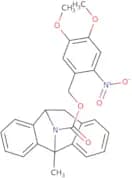
Caged mk 801
CAS:MK-801 is a noncompetitive antagonist of the N-methyl-D-aspartate (NMDA) receptor. It was discovered in 1981 as an anaesthetic, but it also has been studied for other purposes, including its ability to reverse memory deficits and depression. MK-801 is not water soluble, so it cannot penetrate the blood-brain barrier and enter the brain. However, it can be administered intravenously to reach the peripheral nervous system. The drug binds reversibly to NMDA receptors on neurons throughout the central nervous system and prevents them from opening in response to glutamate. This inhibits long-term potentiation (LTP), a process that strengthens connections between nerve cells in order to make memories last longer. Long-term depression (LTD) is another type of synaptic plasticity that may underlie some types of memory loss or other cognitive deficits. The effects of MK-801 on LTD are unknown, but it has been shown to have antidepressant properties in rats with brain lesions that
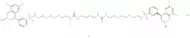
Formula:C26H24N2O6Purity:Min. 95%Molecular weight:460.5 g/molTenapanor hydrochloride
CAS:Inhibitor of the sodium-proton exchanger NHE3
Formula:C50H68Cl6N8O10S2Purity:Min. 98 Area-%Color and Shape:SolidMolecular weight:1,217.97 g/molBIX 02189
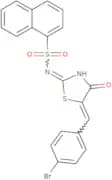
CAS:Inhibits protein kinases MEK5 and ERK5Formula:C27H28N4O2Purity:Min. 95%Molecular weight:440.54 g/molPitstop2
CAS:Pitstop2 is a monoclonal antibody that binds to the epidermal growth factor receptor (EGFR) and inhibits cell proliferation. This drug has been shown to inhibit tumor growth in vitro, in vivo, and in clinical trials. Pitstop2 blocks the binding of epidermal growth factor to the EGFR, thereby preventing activation of the cells. Pitstop2 also prevents phosphorylation of the protein kinase B/Akt pathway, which is required for cellular proliferation and survival. The drug has been shown to be effective against a number of carcinoma cell lines and has been used to treat patients with advanced solid tumors.Formula:C20H13BrN2O3S2Purity:Min. 95%Molecular weight:473.4 g/molCD3 γ , human, recombinant
CD3 γ is a receptor protein that belongs to the immunoglobulin superfamily. It is involved in signal transduction and provides co-stimulation for T cells. CD3 γ is found on the surface of T cells, where it can bind to other proteins, including CD2, CD28, and members of the B7 family. The antibody against CD3 γ can be used as a research tool to study protein interactions, such as ligand-receptor binding or protein-protein interactions.Purity:Min. 95%JH-RE-06
CAS:JH-RE-06 is a drug that can be used to treat cancer. It is an inhibitor of the enzyme topoisomerase II, which is needed for replication and transcription. The death of cancer cells is due to the inhibition of DNA replication and transcription by JH-RE-06. JH-RE-06 is also mutagenic and cisplatin treatment has been shown to increase its potency. This drug has been shown to have high specificity, with only a small number of cells showing resistance. JH-RE-06 can be used as part of a therapy regimen that includes cisplatin, which may be used in combination with other drugs in order to improve efficacy. The discovery of new hallmarks for cancer cells, such as the ability to sense light or respond to changes in acidity, may lead to better ways of monitoring cancer cells and detecting tumor formation at an early stage.Formula:C20H16Cl3N3O4Purity:Min. 95%Molecular weight:468.72 g/molTAK 259
CAS:TAK 259 is a drug that belongs to the group of antagonists. It has been shown to inhibit primary tumor growth and bladder cancer by blocking the angiogenic process. TAK 259 inhibits tumor vascularity and cellular proliferation by inhibiting the production of vascular endothelial growth factor (VEGF). This drug also inhibits cancer cell migration and adhesion. TAK 259 is administered via a specialized osmotic pump, which delivers a fixed dose of the drug directly to the site of cancer cells. In this way, it bypasses healthy tissue, minimizing side effects.
Formula:C14H14Cl3N3O3SPurity:Min. 95%Molecular weight:410.7 g/molSod2, gst tagged human
CAS:Sod2 is a protein that belongs to the superoxide dismutase family. It is a homodimer with an approximate molecular weight of 30 kDa and has been found in a variety of cells, including brain, kidney, pancreas, prostate, and skeletal muscle. Sod2 participates in various intracellular processes such as cell signaling, apoptosis and inflammation. Sod2 is also an inhibitor of the enzyme glutathione S-transferase (GST). GST is important for detoxification reactions by binding toxins and other xenobiotics. Thus, inhibition of this enzyme can increase toxicity by these substances.
Purity:Min. 95%CP 94253 Hydrochloride
CAS:CP 94253 Hydrochloride is a selective 5-HT1B receptor agonist, which is a synthetic compound derived through chemical synthesis in laboratory settings. Its mode of action involves selectively binding to and activating the 5-HT1B serotonin receptors, which play a significant role in the modulation of neurotransmitter release in the central nervous system. This receptor interaction influences serotonin levels, impacting various neurological pathways.
Formula:C15H19N3O•HClPurity:Min. 95%Molecular weight:257.33 g/molSuccinyl phosphonate trisodium
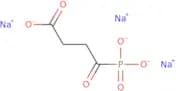
CAS:Succinyl phosphonate trisodium is a research tool that is used to study the function of ion channels. It has been shown to activate voltage-gated potassium channels and inhibit calcium-activated potassium channels. Succinyl phosphonate trisodium may also be a ligand for the nuclear receptor LXR, which regulates cholesterol metabolism. Succinyl phosphonate trisodium binds to the extracellular domain of many cell surface receptors, including those for insulin, epidermal growth factor, and fibroblast growth factor. This compound inhibits antibody production by inhibiting protein synthesis in cells.br>br>Formula:C4H4Na3O6PPurity:Min. 95%Molecular weight:248.01 g/molLuciferase inhibitor I
CAS:Luciferase inhibitor I is a compound that inhibits the activity of firefly luciferase. It is a nucleic acid analogue, which means that it can be synthesized chemically or genetically and is complementary to the sequence of one strand in DNA or RNA. Luciferase inhibitor I binds to the enzyme and prevents it from interacting with its substrate ATP, thereby preventing light production. Luciferase inhibitor I has been shown to inhibit gene expression by binding to chromosomal DNA in cells, as well as transgenic animal models. This inhibition prevents transcription of mRNA into protein and can be used for research purposes.Formula:C14H11N3O2Purity:Min. 95%Molecular weight:253.26 g/molAnsatrienin B
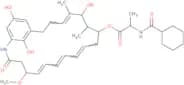
CAS:Ansatrienin B is a small molecule that binds to the endoplasmic reticulum protein tnf-α-induced, which is involved in the pathogenic mechanism of inflammatory bowel disease. It inhibits translation and protein synthesis by binding to the tnf-α molecule and blocking its interaction with its receptor. This prevents pro-inflammatory cytokines from being produced and suppresses inflammation.Formula:C36H50N2O8Purity:Min. 95%Molecular weight:638.8 g/molmonoFITC INSL6
monoFITC INSL6 is a Research Tool that is an activator of the Insulin-like peptide 6 receptor (INSL6). It is a ligand that binds to the Insulin-like peptide 6 receptor and activates it. MonoFITC INSL6 can be used in research on Cell Biology, Antibodies and Ion channels. This product has high purity, with a CAS number, and is a Protein Interactions inhibitor. MonoFITC INSL6 can be used in Pharmacology or Peptides, as well as Life Science.Purity:Min. 95%Remogliflozin etabonate
CAS:Inhibitor of sodium-glucose cotransporter SGLT2Formula:C26H38N2O9Purity:Min. 95%Molecular weight:522.59 g/molVUF 11207 fumarate
CAS:VUF 11207 fumarate is a small molecule that is shown to be an activator of the S1P1 receptor. It has been shown to reduce infarction size and improve tissue perfusion in mouse hearts following ischaemia-reperfusion injury. VUF 11207 fumarate is also a chemoattractant for neutrophils and monocytes, and can inhibit the production of pro-inflammatory cytokines. This drug has also been shown to have a profile of anti-inflammatory effects in tissues, including the suppression of chemokine production, cytometry, and chemoattractant activity.
Formula:C31H39FN2O8Purity:Min. 95%Molecular weight:586.6 g/molMS 023 dihydrochloride
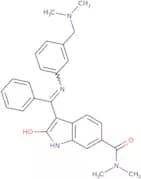
CAS:MS 023 dihydrochloride is a peptide that is an activator of ion channels. MS 023 dihydrochloride has been shown to regulate the activity of sodium channels, calcium channels, and potassium channels. The affinity for each channel type is different and varies with the concentration of MS 023 dihydrochloride. This peptide also regulates the activation of receptors, ligands, and other proteins. MS 023 dihydrochloride has been shown to inhibit protein interactions in many cellular processes including receptor-ligand interactions. It has been shown to be a potent inhibitor of protein phosphatase 1 (PP1) in vitro. A study on PP1 inhibition showed that MS 023 dihydrochloride was able to inhibit PP1 more effectively than other inhibitors such as okadaic acid, staurosporine, or calyculin A.Formula:C17H27Cl2N3OPurity:Min. 95%Molecular weight:360.3 g/molNVP BSK 805 dihydrochloride
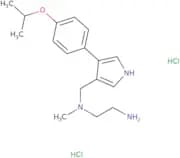
CAS:ATP-competitive JAK2 inhibitorFormula:C27H28F2N6O·2HClPurity:Min. 95%Molecular weight:563.47 g/molEctylurea
CAS:Controlled ProductSedative; anti-convulsantFormula:C7H12N2O2Purity:Min. 95%Molecular weight:156.18 g/molPf-04217903 phenolsulfonate
CAS:Pf-04217903 phenolsulfonate is a new chemical entity that has been shown to act as an inhibitor of the ion channels TRPC1, TRPC4, and TRPV6. It has also been shown to inhibit the binding of peptide ligands to their cognate protein receptors. Pf-04217903 phenolsulfonate is a high-purity reagent with a purity greater than 99%.
Formula:C19H16N8OPurity:Min. 95%Molecular weight:372.4 g/mol(2R)-2-[6-(4-Chlorophenoxy)hexyl]-2-oxiranecarboxylic acid sodium
CAS:(+)-Etomoxir sodium salt hydrate is a chemical compound classified as a carnitine palmitoyltransferase 1 (CPT1) inhibitor, which is a compound derived synthetically. Its mode of action involves the inhibition of the enzyme CPT1, which is pivotal in the transport of long-chain fatty acids into the mitochondria for β-oxidation. This inhibition effectively blocks fatty acid oxidation pathways, leading to alterations in metabolic states.Etomoxir is commonly utilized in scientific research to study metabolic processes, particularly those related to energy metabolism and metabolic disorders. It serves as a valuable tool in exploring mechanisms involved in diabetes, obesity, and cardiovascular diseases by allowing researchers to scrutinize the metabolic adaptations to impaired fatty acid oxidation. Furthermore, it is used in cellular and animal models to investigate metabolic inflexibility and mitochondrial function. Its application extends to cancer research, where metabolic reprogramming is a focus, aiding in the understanding of tumor progression and potential therapeutic interventions targeting metabolic pathways.
Formula:C15H18ClNaO4Molecular weight:320.74 g/mol








![(2R)-2-[6-(4-Chlorophenoxy)hexyl]-2-oxiranecarboxylic acid sodium](/_next/image/?url=https%3A%2Fstatic.cymitquimica.com%2Fproducts%2F3D%2Fthumb-webp%2FBE164435.webp&w=3840&q=75)