Biochemicals and Reagents
Biochemicals and reagents are fundamental substances for research and development in fields such as biotechnology, molecular biology, pharmacology, and medicine. These products are essential for a variety of applications, including compound synthesis, biological sample analysis, metabolic process research, and drug production. At CymitQuimica, we offer a wide selection of high-quality, high-purity biochemicals and reagents suitable for various scientific and industrial needs. Our catalog includes enzymes, antibodies, nucleic acids, amino acids, and many other products, all designed to support researchers and professionals in their research and development projects, ensuring reliable and reproducible results.
Subcategories of "Biochemicals and Reagents"
- Biomolecules(98,574 products)
- By Biological Target(100,726 products)
- By Pharmacological Effects(6,937 products)
- Cryopreservatives(21 products)
- Desinfectants and Related Compounds(28 products)
- Hormones(439 products)
- Plant Biology(6,907 products)
- Secondary Metabolites(14,367 products)
Found 130493 products of "Biochemicals and Reagents"
Sort by
Purity (%)
0
100
|
0
|
50
|
90
|
95
|
100
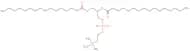
1,2-Dipalmitoyl-sn-glycero-3-phosphocholine-1,1,2,2-d4
CAS:Please enquire for more information about 1,2-Dipalmitoyl-sn-glycero-3-phosphocholine-1,1,2,2-d4 including the price, delivery time and more detailed product information at the technical inquiry form on this pageFormula:C40H80NO8PPurity:Min. 95%Molecular weight:738.1 g/molHSPBP1 antibody
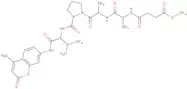
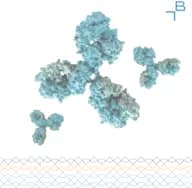
The HSPBP1 antibody is a monoclonal antibody that has been extensively studied in the field of Life Sciences. It has shown great potential in various applications such as molecular docking, immunoassays, and enzyme substrates. This antibody specifically targets HSPBP1, a protein involved in fibrinogen metabolism and microvascular endothelium function.Suc(OMe)-Ala-Ala-Pro-Val-AMC
CAS:Suc(OMe)-Ala-Ala-Pro-Val-AMC is an activator ligand that binds to the receptor. It is a research tool and is used in cell biology, antibody production, ion channels and pharmacology. This compound can be used as an inhibitor for protein interactions. Suc(OMe)-Ala-Ala-Pro-Val-AMC has high purity and is a peptide. The CAS number of this compound is 72252-90-5.Formula:C31H41N5O9Purity:Min. 95%Molecular weight:627.69 g/molHypoglycine B
CAS:Hypoglycine B is a potent anticancer agent that has been shown to inhibit the activity of protein kinases in human cancer cells. This Chinese medicinal analog is a kinase inhibitor that can induce apoptosis, or programmed cell death, in tumor cells. Hypoglycine B has been found in the urine of individuals with cancer and may have potential as a therapeutic agent for cancer treatment. Its unique mechanism of action makes it an attractive candidate for further research into novel cancer therapies.Formula:C12H18N2O5Purity:Min. 95%Molecular weight:270.28 g/molMCM3 antibody
MCM3 antibody was raised using the C terminal of MCM3 corresponding to a region with amino acids SQEDQEQKRKRRKTRQPDAKDGDSYDPYDFSDTEEEMPQVHTPKTADSQE
Purity:Min. 95%Ac-Val-Asp-Val-Ala-Asp-H (aldehyde)
CAS:Ac-Val-Asp-Val-Ala-Asp-H (aldehyde) is a peptide that is a cell biology research tool. It is an inhibitor of protein interactions, activator, ligand or receptor. Ac-Val-Asp-Val-Ala-Asp-H (aldehyde) has high purity and is suitable for life science research. Ac-Val-Asp-Val-Ala-Asp-H (aldehyde) can be used as an ion channel inhibitor in pharmacology studies. Ac Val Asp Val Ala Asp H (aldehyde) also functions as an antibody to a protein of interest.Formula:C23H37N5O10Purity:Min. 95%Molecular weight:543.57 g/molBTN1A1 antibody
BTN1A1 antibody is a monoclonal antibody that specifically targets BTN1A1, a nuclear protein involved in cell growth and differentiation. This antibody has been shown to inhibit the activity of BTN1A1 and can be used as an inhibitor in various research applications. It is particularly effective against HER2-positive breast cancer cells, making it a promising candidate for targeted therapy with trastuzumab. The BTN1A1 antibody recognizes the amino group and carbonyl group of BTN1A1, allowing for precise binding and inhibition of its function. In addition, this antibody has been used in studies related to alpha-synuclein aggregation and nucleotide molecule interactions. With its high specificity and low density, the BTN1A1 antibody is a valuable tool for life sciences research.TLK1 antibody
TLK1 antibody was raised using the N terminal of TLK1 corresponding to a region with amino acids ESETPEKKQSESSRGRKRKAENQNESSQGKSIGGRGHKISDYFEYQGGNGPurity:Min. 95%RAB1A antibody
The RAB1A antibody is a highly specific antibody that targets the RAB1A protein. RAB1A is a small GTPase that plays a crucial role in intracellular vesicular transport. It is involved in the regulation of membrane trafficking, including the transport of proteins from the endoplasmic reticulum to the Golgi apparatus.ITI-214
CAS:Controlled ProductITI-214 is a novel non-steroidal anti-inflammatory drug (NSAID) that has been shown to have potent anti-inflammatory and analgesic effects in animal models. ITI-214 targets phosphodiesterases, which are enzymes that break down the signaling molecule cyclic AMP. This leads to an increase in cyclic AMP levels, which can then activate protein kinase A and inhibit the production of pro-inflammatory cytokines. The safety profile of ITI-214 has been evaluated in clinical studies involving humans with osteoarthritis and rheumatoid arthritis. The drug was well tolerated and did not produce any serious adverse events. ITI-214 also has other physiological functions, including the enhancement of locomotor activity and blood pressure control.Formula:C29H29FN7O5PPurity:Min. 95%Molecular weight:605.56 g/molDSP-2230
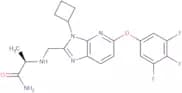
CAS:DSP-2230 is a study drug that is designed to block the sodium channel. It has been shown to be safe and well tolerated in humans, with no significant side effects. DSP-2230 showed potential to reduce symptoms of neuropathic pain in human subjects and was tested for its ability to block radiation-induced damage to DNA. In addition, it inhibits the activity of ultraviolet (UV) radiation on women's skin. The mechanism of action in this case is not known, but may involve inhibiting the production of reactive oxygen species and/or blocking UV-induced increases in DNA strand breaks.Formula:C20H20F3N5O2Purity:Min. 95%Molecular weight:419.4 g/molHMGCS1 protein
HMGCS1 protein is a key enzyme involved in the biosynthesis of cholesterol. It plays a crucial role in regulating cholesterol levels in the body. This protein has been extensively studied in the field of Life Sciences and has shown promising results in various research studies.
Purity:Min. 95%Neuromedin B (Human, Porcine, Rat)
CAS:Neuromedin B is a neuropeptide that has been shown to activate the TRPC ion channels in mammalian cells. It also has been shown to bind to receptors and have a potent effect on cell biology, as well as being used as a research tool for studying protein interactions. Neuromedin B is found in humans, pigs, and rats, where it is expressed primarily in the brain and gastrointestinal tract. This peptide has been shown to be an inhibitor of some types of ion channels.Formula:C52H73N15O12SPurity:Min. 95%Molecular weight:1,132.3 g/molAc-Asp-Glu • H2O
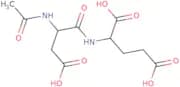
CAS:Ac-Asp-Glu • H2O is a water soluble molecule that belongs to the class of inhibitors. It has been shown to inhibit the polymerase chain reaction and is used as an analytical method for detecting DNA sequences. Ac-Asp-Glu • H2O induces neuronal death in the caudate putamen, thereby causing bowel disease, by inhibiting energy metabolism. This compound also inhibits the synthesis of proteins in the hippocampus, which leads to reduced locomotor activity and eosinophil cationic protein production. Ac-Asp-Glu • H2O is acidic and its concentration–time curve shows a bell shape. The half life of this compound is six hours.Formula:C11H16N2O8•H2OPurity:Min. 95%Molecular weight:322.28 g/molBMS 200150 hydrochloride
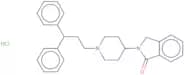
CAS:Microsomal triglyceride transfer protein (MTP) inhibitor
Formula:C28H30N2O•HClPurity:Min. 95%Molecular weight:447.01 g/mol