Biochemicals and Reagents
Subcategories of "Biochemicals and Reagents"
- Biomolecules(98,557 products)
- By Biological Target(100,795 products)
- By Pharmacological Effects(6,941 products)
- Cryopreservatives(21 products)
- Desinfectants and Related Compounds(28 products)
- Hormones(508 products)
- Plant Biology(6,904 products)
- Secondary Metabolites(14,368 products)
Found 130538 products of "Biochemicals and Reagents"
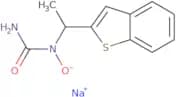
Zileuton sodium
CAS:Zileuton is a cell-permeable inhibitor of phosphodiesterase 4 (PDE4). PDE4 is an enzyme that breaks down the second messenger cAMP. Ligands of PDE4, such as Zileuton, inhibit the reaction of PDE4 with cAMP, which may lead to the accumulation of cAMP in cells and tissues. The inhibition of PDE4 by Zileuton has been shown to be effective in the treatment of asthma, chronic obstructive pulmonary disease (COPD), and rheumatoid arthritis. Zileuton also activates protein kinase C and inhibits sodium channels in airway smooth muscle cells. It has been shown to reduce airway hyperresponsiveness and inflammation in animal models.Formula:C11H11N2NaO2SPurity:Min. 95%Molecular weight:258.27 g/molEBE-A 22
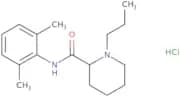
CAS:EBE-A 22 is a tyrosine kinase inhibitor that binds to the ATP-binding site of the enzyme and prevents it from transferring phosphate groups. It is orally active and has been shown to inhibit tumor growth in mice with Ewing sarcoma, myeloma cell lines, and squamous carcinomas. EBE-A 22 has also been shown to inhibit tyrosine kinase activity, leading to decreased proliferation of various cells and inhibition of ribosome synthesis. This drug also inhibits receptor activity by binding to the ATP-binding site on the receptor, preventing it from eliciting a cellular response.Formula:C17H16BrN3O2Purity:Min. 95%Molecular weight:374.23 g/molRopivacaine-d7 hydrochloride
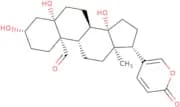
CAS:Controlled ProductRopivacaine-d7 hydrochloride is a high purity, research tool for the study of protein interactions. This product is an antagonist of the N-methyl-D-aspartate (NMDA) receptor, and is a ligand for the nicotinic acetylcholine receptors (AChR). Ropivacaine-d7 hydrochloride has been shown to inhibit ion channels such as voltage gated sodium channels and calcium channels. It also blocks ligand binding to AChRs, which may be useful in developing new drugs for the treatment of pain.Formula:C17H27ClN2OPurity:Min. 95%Molecular weight:317.9 g/molBufotalidin
CAS:Bufotalidin is a caffeic acid derivative that has been shown to have inhibitory properties on the heart and locomotor activity. Bufotalidin was shown to decrease the cardiac contractility of isolated rat hearts by inhibiting calcium influx. It also inhibits basic protein kinase C (PKC) in HL-60 cells, which may be due to its ability to inhibit PKC translocation from the cytosol to the membrane. Bufotalidin also has an inhibitory effect on autophagy, which is a process that breaks down cellular components. The molecular mechanisms underlying these effects are not yet understood.Formula:C24H32O6Purity:Min. 95%Molecular weight:416.51 g/molAF64394
CAS:AF64394 is a drug that has been shown to bind to cannabinoid receptors. It was initially discovered by observing its ability to inhibit the growth of cultured human cancer cells. AF64394 is a triazole derivative that has been shown in simulations and experiments with micelles to bind preferentially to the CB1 receptor in the brain, which is responsible for pain relief, mood changes, and appetite suppression. In addition, AF64394 has been shown to inhibit alzheimer's disease in mice by inhibiting acetylcholinesterase activity.Formula:C21H20ClN5OPurity:Min. 95%Molecular weight:393.87 g/molent-Niraparib
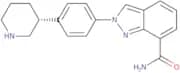
CAS:Ent-Niraparib is an inhibitor of ion channels and a research tool that binds to the extracellular domain of Ligand Receptor. It is used in Pharmacology as a research tool, and has been shown to be an activator of Ion Channels and a high purity inhibitor of receptor. Ent-Niraparib can also act as an inhibitor of peptide production by binding to ribosomes and preventing protein synthesis, which may lead to death.Formula:C19H20N4OPurity:Min. 95%Molecular weight:320.39 g/molLFM-A13
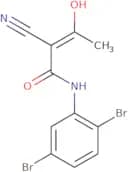
CAS:LFM-A13 is a small molecule that disrupts the mitochondrial membrane potential. It has been shown to have significant effects on myeloma cells in vitro and may have applications in autoimmune diseases and other inflammatory diseases. LFM-A13 also binds to the Toll-like receptor 4 (TLR4) and inhibits its activation, reducing inflammation by inhibiting the production of proinflammatory cytokines. LFM-A13 is a potent inhibitor of protein synthesis, which can be attributed to its ability to inhibit kinase activity. LFM-A13 is stable in vivo and has been shown to cross the blood brain barrier.
Formula:C11H8Br2N2O2Purity:Min. 95%Molecular weight:360 g/mol(S)-Cpp sodium
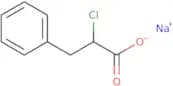
CAS:Cpp is a peptide with a molecular weight of 8.7 kDa and a length of 6 amino acids. It was originally isolated from the venom of the Brazilian spider Phoneutria nigriventer, but has also been found in other organisms such as scorpions, bees, and sea anemones. Cpp is an activator of voltage-gated sodium ion channels. It binds to the extracellular domain of the sodium channel and opens it by changing its conformation. This binding prevents fast inactivation of sodium channels that are activated by depolarization. This inhibition leads to an increase in action potential duration and amplitude, which may be one mechanism underlying Cpp's neurotoxic effects.Formula:C9H8ClNaO2Purity:Min. 95%Molecular weight:206.6 g/molTentaGel® S SH Resin (90 um)
TentaGel is a gelatinous resin, an important support for solid phase synthesis. TentaGel resins are constructed with a backbone of low crosslinked polystyrene grafted with polyoxyethylene (polyethylene glycol) as shown below. The typical chain length of POE (n) is approximately 68 ethylene oxide units or an average MW of 3000. This long chain creates a spacer that effectively separates the reactive site (X) from the crosslinked backbone matrix. The TentaGel S base resins are available with several different derivative choices. The typical capacity range for our TentaGel base resins is 0.2-0.3 meq/g.
Application: (90 µm)
Substitution Functional Group:-CH2-CH2-SHPurity:Min. 95%Des(1-cyclohexanol) venlafaxine-d6
CAS:Controlled ProductPlease enquire for more information about Des(1-cyclohexanol) venlafaxine-d6 including the price, delivery time and more detailed product information at the technical inquiry form on this pageFormula:C11H17NOPurity:Min. 95%Molecular weight:185.3 g/molp-Nitroblebbistatin
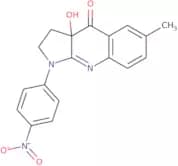
CAS:Controlled Productp-Nitroblebbistatin is a photostable small-molecule inhibitor, which is derived from the original compound blebbistatin. It acts specifically on non-muscle myosin II ATPase, inhibiting its activity without affecting other myosin isoforms or closely related ATPases.Formula:C18H15N3O4Purity:Min. 95%Molecular weight:337.3 g/molZJ 43
CAS:ZJ 43 is an advanced biochemical compound that serves as a precision-targeted reagent, specifically designed for cellular and molecular biology applications. Derived from synthetic organic chemistry techniques, it features a high degree of purity and specificity, allowing it to interact with cellular proteins without significant off-target effects.Formula:C12H20N2O7Purity:Min. 95%Molecular weight:304.3 g/mol(3S)-1-Cyano-N-[5-(4-morpholinyl)-2-thiazolyl]-3-pyrrolidinecarboxamide
CAS:(3S)-1-Cyano-N-[5-(4-morpholinyl)-2-thiazolyl]-3-pyrrolidinecarboxamide is a small molecule pharmaceutical compound that acts as a kinase inhibitor. Originating from advanced synthetic chemistry efforts, it is designed to modulate specific cellular pathways through its interaction with protein kinases. Its mode of action involves binding to the ATP-binding site of target kinases, thereby inhibiting their phosphorylation activity and subsequent signal transduction pathways.Formula:C13H17N5O2SPurity:Min. 95%Molecular weight:307.37 g/molRG7800
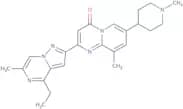
CAS:RG7800 is a small molecule inhibitor, which is a product synthesized through advanced organic chemistry processes. Its mode of action involves the selective binding to specific proteins within cellular pathways, effectively inhibiting their function. This is achieved through high-affinity interactions that alter the conformational states of targeted molecules, thereby impeding their biological activity.Formula:C24H28N6OPurity:Min. 95%Molecular weight:416.52 g/molML 339
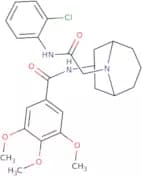
CAS:ML 339 is a novel immunosuppressant drug that has been shown to be effective in the treatment of autoimmune diseases. It is a selective, reversible inhibitor of phosphodiesterase 4 (PDE4) and prevents the breakdown of cyclic adenosine monophosphate (cAMP), a signaling molecule that is important for immune responses. In animal models, ML 339 has been shown to suppress immune responses and prevent the development of autoimmune disease. It has also been shown to preserve transplanted organs from rejection.Formula:C26H32ClN3O5Purity:Min. 95%Molecular weight:502 g/molFPA 124
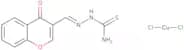
CAS:Inhibitor of protein kinase BFormula:C11H9Cl2CuN3O2SPurity:Min. 95%Molecular weight:381.73 g/molN-Methylcinnamylamine
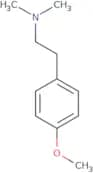
CAS:N-Methylcinnamylamine is an analog of indirubin, which is known to have potent anticancer properties. This compound has been shown to inhibit the growth of tumor cells by inducing apoptosis, or programmed cell death. N-Methylcinnamylamine also inhibits the activity of β-glucan and kinases in cancer cells, leading to decreased proliferation and increased cell death. Chinese researchers have found that this compound can be excreted in urine after administration, making it a promising candidate for cancer therapy. N-Methylcinnamylamine has shown significant potential as an inhibitor of tumor growth and may prove to be a valuable addition to cancer treatment regimens.Formula:C10H13NPurity:Min. 95%Molecular weight:147.22 g/molRhpp+ ion chloride
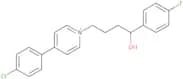
CAS:Please enquire for more information about Rhpp+ ion chloride including the price, delivery time and more detailed product information at the technical inquiry form on this pageFormula:C21H20ClFNOPurity:Min. 95%Molecular weight:356.8 g/molWAY 127093B racemate
CAS:WAY 127093B racemate is a small organic compound, which is a synthesized chemical product with selective inhibitory properties. It is designed to target the cyclooxygenase-2 (COX-2) enzyme, which is primarily sourced through organic synthesis in laboratory settings, rather than being naturally derived. The mechanism of action involves specific blockade of the COX-2 enzyme, which plays a crucial role in catalyzing the conversion of arachidonic acid to prostaglandins. These prostaglandins are mediators of inflammation, pain, and fever. By inhibiting COX-2, WAY 127093B racemate effectively reduces the production of pro-inflammatory prostaglandins while sparing cyclooxygenase-1 (COX-1) pathways, which are important for gastric and renal function.Formula:C23H28N4O4Purity:Min. 95%Molecular weight:424.5 g/mol2002-H20
CAS:2002-H20 is a growth factor that binds to insulin-like growth factor (IGF) and has been shown to have anti-cancer properties. It inhibits cell proliferation by binding to the IGF receptor, thereby inducing apoptosis in the cells. 2002-H20 also induces cell death in cancer cells through a number of mechanisms, including inhibition of protein synthesis, inhibition of transcription factors such as nuclear factor kappa B (NFκB), and induction of reactive oxygen species. The peptide binding site of 2002-H20 is highly conserved among different species and exhibits high affinity for aromatic residues. A silico analysis was performed using molecular docking studies, which showed that 2002-H20 binds with high affinity to H1299 and NQTRP receptors. These receptors are found in human cancer cells such as those from breast, prostate, and lung cancers. 2002-H20 also has an inhibitory effect on Alzheimer's disease through its ability to bind with h1299 receptor sitesFormula:C20H15N3O3Purity:Min. 95%Molecular weight:345.4 g/mol




![(3S)-1-Cyano-N-[5-(4-morpholinyl)-2-thiazolyl]-3-pyrrolidinecarboxamide](/_next/image/?url=https%3A%2Fstatic.cymitquimica.com%2Fproducts%2F3D%2Fthumb-webp%2FVAD05066.webp&w=3840&q=75)