Antibiotics
Antibiotics are compounds designed to destroy or inhibit the growth of various microorganisms, playing a crucial role in treating infections and preventing the spread of diseases. This category offers a diverse range of active ingredients specifically for research in the biochemical field. These compounds are essential tools in studying bacterial mechanisms, resistance patterns, and the development of new therapeutic agents. Researchers can explore a wide variety of antibiotics to understand their effects, optimize their use, and develop novel treatments to combat emerging microbial threats. The availability of such a broad spectrum of antibiotics supports advanced research and innovation in microbiology and pharmaceutical sciences.
Subcategories of "Antibiotics"
- Macrolide Antibiotics(26 products)
- Steroidal Antibiotics(31 products)
- Tetracycline Antibiotics(20 products)
- β-Lactam Antibiotics(11 products)
Found 4099 products of "Antibiotics"
Sort by
Purity (%)
0
100
|
0
|
50
|
90
|
95
|
100
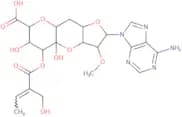
Herbicidin H
CAS:<p>Herbicidin H is a naturally occurring microbial herbicide, which is derived from specific strains of soil-borne bacteria. This compound is primarily isolated from Streptomyces species, known for their prolific production of various bioactive secondary metabolites. The mode of action of Herbicidin H involves the disruption of essential cellular processes within plant cells, particularly affecting nucleic acid synthesis. This disruption leads to impaired growth and eventual plant death, making it a potent agent against a range of undesirable plant species.</p>Formula:C22H27N5O11Purity:Min. 95%Molecular weight:537.48 g/mol3'-N,N-Di(desmethyl) azithromycin
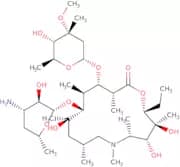
CAS:<p>A derivative of azithromycin, used as an antibiotic</p>Formula:C36H68N2O12Purity:Min. 95%Color and Shape:Off-white solid.Molecular weight:720.93 g/mol9’-deoxy-8’,8’-dihydroxyherbicidin
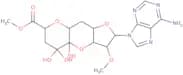
CAS:<p>9’-Deoxy-8’,8’-dihydroxyherbicidin is a specialized compound, classified as an antibacterial agent and secondary metabolite, which is naturally derived from microbial sources, specifically certain strains of actinomycetes. These microorganisms are prolific producers of bioactive secondary metabolites, including antibiotics and herbicidins, which exhibit diverse biological activities.</p>Formula:C18H23N5O9Purity:Min. 95%Molecular weight:453.4 g/molCefotetan
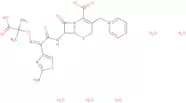
CAS:<p>Inhibitor of cell wall synthesis; cephalosporin class</p>Formula:C17H17N7O8S4Purity:Min. 96 Area-%Color and Shape:PowderMolecular weight:575.62 g/molPosizolid
CAS:<p>Posizolid is an oxazolidinone antibiotic, which is a synthetic compound derived from chemical synthesis. It acts by inhibiting bacterial protein synthesis through binding to the 50S subunit of the bacterial ribosome, thereby interfering with the translation process essential for bacterial growth and reproduction.</p>Formula:C21H21F2N3O7Purity:Min. 95%Color and Shape:SolidMolecular weight:465.4 g/molGentamicin C1a pentaacetate
CAS:<p>Gentamicin C1a pentaacetate is an aminoglycoside antibiotic derivative, which is synthesized through the acetylation of the hydroxyl groups in gentamicin C1a. This compound is derived from the fermentation products of Micromonospora species, a genus of actinobacteria. Its mode of action is similar to that of standard aminoglycosides, primarily involving the binding to bacterial 30S ribosomal subunits. This binding interferes with protein synthesis by causing misreading of mRNA, ultimately leading to the inhibition of protein production and bacterial cell death.</p>Formula:C29H59N5O17Purity:Min. 95%Color and Shape:Off-White PowderMolecular weight:749.8 g/molGentamycin sulphate
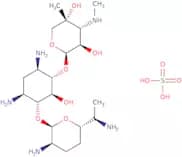
CAS:<p>Gentamycin sulphate is the salt form of the broad-spectrum antibiotic gentamycin (a.k.a. gentamicin). Gentamycin is active against clinically relevant bacteria, such as: Pseudomonas aeruginosa, Klebsiella pneumoniae, Escherichia coli, Serratia marcescens, and is used to fight infections from Staphylococcus, Citrobacter and Enterobacteriaceae species. Gentamycin is a natural mixture of four congeners, one of which is gentamicin C2a. Gentamycin has been included in biomedical implantable materials, such as, bone grafts, to reduce the risk of infection.</p>Formula:C21H43N5O7·H2SO4Color and Shape:White PowderMolecular weight:575.68 g/molRosaramicin butyrate
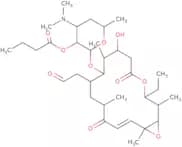
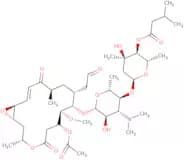
CAS:Rosaramicin butyrate is a macrolide antibiotic, which is derived from the fermentation of Streptomyces bacteria. With a mechanism of action that involves the inhibition of bacterial protein synthesis, it binds to the 50S subunit of the bacterial ribosome. This interference prevents the translocation step during protein translation, effectively halting the growth of susceptible bacterial strains.Formula:C35H57NO10Purity:Min. 95%Molecular weight:651.83 g/molDesfuroyl ceftiofur sodium
CAS:<p>Desfuroyl ceftiofur sodium is a veterinary cephalosporin antibiotic, which is derived from cephalosporin C, a beta-lactam antibiotic produced by the fungus Cephalosporium acremonium. Its mode of action involves the inhibition of bacterial cell wall synthesis by binding to and inactivating penicillin-binding proteins (PBPs). This prevents the cross-linking of peptidoglycan layers, leading to cell lysis and bacterial death, particularly effective against Gram-negative and some Gram-positive bacteria.</p>Formula:C14H15N5O5S3•NaPurity:Min. 95%Molecular weight:452.5 g/molValidoxylamine A
CAS:<p>Validoxylamine A is an antibiotic, which is a secondary metabolite produced by certain strains of the Actinomyces species. It functions as a potent inhibitor of the enzyme glucose isomerase, which plays a crucial role in the isomerization of glucose to fructose, an important biochemical reaction in various microbial and plant systems.</p>Formula:C14H25NO8Purity:Min. 95%Molecular weight:335.35 g/molRifaximin
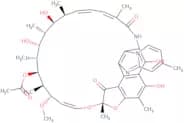
CAS:<p>Rifaximin is a rifamycin antibiotic with action on bacterial RNA polymerase to inhibit transcription and is used for treating travelers' diarrhea, irritable bowel syndrome, and hepatic encephalopathy.</p>Formula:C43H51N3O11Purity:Min. 98 Area-%Color and Shape:Red PowderMolecular weight:785.88 g/molNitrofurantoin - Bio-X ™
CAS:Nitrofurantoin is an antibiotic that binds to the bacterial ribosome and inhibits protein synthesis. It is used to treat a wide range of infections, including urinary tract infections and its common causes such as E. coli, Citrobacter and Enterococcus.Formula:C8H6N4O5Purity:Min. 95%Color and Shape:PowderMolecular weight:238.16 g/molCefoxitin EP impurity F
Cefoxitin EP Impurity F is a pharmaceutical reference impurity, which is a derivative of the cefoxitin antibiotic. This impurity arises from the degradation or synthesis processes related to cefoxitin, a semi-synthetic, beta-lactam antibiotic of the cephamycin group. The mode of action of cefoxitin involves interfering with bacterial cell wall synthesis by binding to penicillin-binding proteins, ultimately leading to cell lysis and death.Formula:C17H19N3O8S2Purity:Min. 95%Molecular weight:457.48 g/molCefoperazone free acid
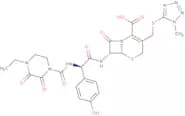
CAS:<p>Cefoperazone free acid is a third-generation cephalosporin antibiotic with action on bacterial cell wall synthesis and is used for treating respiratory, urinary, and skin infections.</p>Formula:C25H27N9O8S2Purity:Min. 95%Color and Shape:White PowderMolecular weight:645.67 g/molGentamycin sulfate, Antibiotic for Culture Media Use Only
CAS:Gentamycin sulphate is the salt form of the broad-spectrum antibiotic gentamycin (a.k.a. gentamicin). Gentamycin is active against clinically relevant bacteria, such as: Pseudomonas aeruginosa, Klebsiella pneumoniae, Escherichia coli, Serratia marcescens, and is used to fight infections from Staphylococcus, Citrobacter and Enterobacteriaceae species. Gentamycin is a natural mixture of four congeners, one of which is gentamicin C2a. Gentamycin has been included in biomedical implantable materials, such as, bone grafts, to reduce the risk of infection.Formula:C21H45N5O11SMolecular weight:575.67 g/molRef: 3D-G-2420
1gTo inquire1kgTo inquire250gTo inquire500gTo inquire2500gTo inquire-Unit-ggTo inquireCarbomycin
CAS:<p>Carbomycin is a macrolide antibiotic, which is derived from the bacterium Streptomyces halstedii. This antibiotic functions by binding to the 50S ribosomal subunit, thereby inhibiting bacterial protein synthesis. Through this mechanism, carbomycin effectively disrupts the growth and replication of susceptible bacterial strains, making it a potent tool in combating bacterial infections.</p>Formula:C42H67NO16Purity:Min. 95%Molecular weight:841.98 g/molCefditoren acid sodium
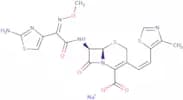
CAS:<p>Cefditoren acid sodium is an antibacterial agent that belongs to the class of third-generation cephalosporins, which is derived from Acremonium fungus and produced through chemical synthesis. This compound acts by inhibiting bacterial cell wall synthesis, leading to cell lysis and death. It achieves this by binding to specific penicillin-binding proteins (PBPs) located inside the bacterial cell wall. The interruption of peptidoglycan synthesis in the cell wall is crucial for maintaining bacterial cell integrity, and its inhibition results in the bactericidal activity of cefditoren acid sodium. It is effective against a range of Gram-positive and Gram-negative bacteria. The key applications of this compound include the treatment of bacterial infections such as respiratory tract infections, skin infections, and other conditions caused by susceptible bacteria. Its spectrum of activity and pharmacokinetic properties make it suitable for situations where third-generation cephalosporins are indicated. Understanding the specific interaction with PBPs and the resistance mechanisms is crucial for optimizing its clinical use and managing antibiotic resistance.</p>Formula:C19H17N6NaO5S3Purity:94%MinMolecular weight:528.56 g/molAmpicillin - Bio-X ™
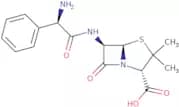
CAS:<p>Ampicillin is a β-lactam antibiotic with a broad spectrum of activity against Gram-positive and Gram-negative bacteria. It is used in the treatment of bacterial infections, including those caused by methicillin-resistant Staphylococcus aureus (MRSA), Streptococcus pneumoniae, and Listeria monocytogenes. Ampicillin binds to penicillin-binding proteins in the bacterial cell wall by competitive inhibition. It prevents the formation of an antibiotic-inhibitor complex with the enzyme cell wall synthesis that is required for cell wall biosynthesis, inhibiting protein synthesis and cell division.</p>Formula:C16H19N3O4SPurity:Min. 95%Color and Shape:PowderMolecular weight:349.41 g/molCefatrizine
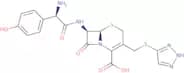
CAS:<p>Cefatrizine is a broad-spectrum antibiotic, which is a semisynthetic cephalosporin derived from cephalosporin C, a natural product originating from the fungus Acremonium chrysogenum. It exerts its mode of action through the inhibition of bacterial cell wall synthesis, a critical component for bacterial growth and replication. Specifically, cefatrizine targets and binds to penicillin-binding proteins (PBPs) located inside the bacterial cell wall, leading to the inhibition of peptidoglycan synthesis. This disruption results in cell lysis and ultimately bacterial cell death.</p>Formula:C18H18N6O5S2Purity:Min. 95%Molecular weight:462.5 g/molAmphotericin B - Bio-X ™
CAS:<p>Amphotericin B is a macrocycle antibiotic with very potent antifungal effects and resistance very rarely occurs. Amphotericin B is a polyene antifungal that binds to fungal cell membrane, i.e., ergosterol disrupts the membrane permeability leading to leakage of intracellular components. It is often used as an alternative therapy for leishmaniasis and to treat severe mycoses including: systemic Candida, Cryptococcus, blastomycosis, and histoplasmosis.</p>Formula:C47H73NO17Purity:Min. 75.0%Color and Shape:PowderMolecular weight:924.08 g/molAnhydrooxytetracycline hydrochloride
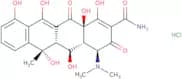
CAS:<p>Anhydrooxytetracycline hydrochloride is a useful research chemical. Buy Anhydrooxytetracycline hydrochloride from Cymit Quimica for a variety of research applications.</p>Formula:C22H22N2O8HClMolecular weight:478.88 g/molChloramphenicol D5
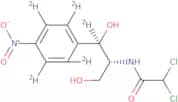
CAS:Controlled ProductLabeled analogue of Chloramphenicol; interferes with protein synthesisFormula:C11H7Cl2D5N2O5Purity:Min. 95%Color and Shape:White To Off-White SolidMolecular weight:328.16 g/molColistin sulfate
CAS:<p>Colistin is a narrow-spectrum antibiotic efficient mostly against gram-negative bacteria. Colistin interacts with the outer membrane of gram-negative bacteria and induces a transfer of divalent cations of calcium and magnesium from the negatively charged phosphate groups. This causes the disruption of the outer membrane and release of lipopolysaccharides. It is commonly used against Enterobacteriaceae and Aeromonas, and none-fermentative gram-negative bacteria as well as for carbapenem-resistant Acinetobacter strains.</p>Formula:C53H102N16O17SPurity:Min. 77 Area-%Color and Shape:White PowderMolecular weight:1,266.73 g/molCeftaroline fosamil acetate hydrate - Bio-X ™
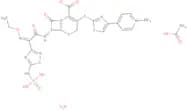
CAS:<p>Ceftaroline fosamil is an antibacterial agent used to treat various bacterial infections such as pneumonia. Ceftaroline fosamil binds to the ribosomal RNA of bacteria, preventing the formation of proteins necessary for cell division. Ceftaroline fosamil has been shown to be highly active against Mycobacterium tuberculosis, Mycobacterium avium complex, and fungi such as Candida species.</p>Formula:C22H22N8O8PS4·C2H3O2·H2OPurity:Min. 95%Color and Shape:PowderMolecular weight:762.76 g/molClindamycin-2-phosphate
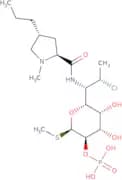
CAS:<p>Clindamycin-2-phosphate is a lincosamide antibiotic with action on bacterial protein synthesis inhibition and is used for treating serious bacterial infections like skin and respiratory infections.</p>Formula:C18H34ClN2O8PSPurity:Min. 95%Color and Shape:White PowderMolecular weight:504.96 g/molTicarcillin disodium salt, Antibiotic for Culture Media Use Only
CAS:<p>Ticarcillin is a member of the beta-lactam family of antibiotics and has bactericidal activity against Gram-positive and Gram-negative bacteria such as Staphylococcus and Pseudomonas strains. Ticarcillin inhibits cell wall synthesis by binding to penicillin-binding protein (PBP) and blocking transpeptidase. It also has a C-terminal that can inhibit domain I and II beta-lactamases (namely, PEN2). The lactam ring in ticarcillin is cleaved by beta-lactamase, which makes it ineffective, thus ticarcillin is often combined with β-lactamase inhibitors such as clavulanic acid.</p>Formula:C15H14N2Na2O6S2Purity:Min. 87.0 Area-%Molecular weight:428.40 g/molAmicoumacin B
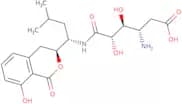
CAS:<p>Amicoumacin B is a potent antibiotic, which is isolated from the bacterial species Bacillus pumilus. It acts by inhibiting protein synthesis, targeting the ribosomal 30S subunit and disrupting translational fidelity in bacterial cells. This interference in protein production leads to the effective elimination of various Gram-positive and certain Gram-negative bacteria.</p>Purity:Min. 95%Clindamycin hydrochloride - 94%
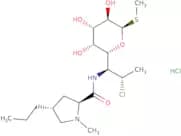
CAS:<p>Clindamycin hydrochloride - 94% is an antibiotic that belongs to the lincosamide class of antibiotics, derived from the bacterium Streptomyces lincolnensis. This compound functions predominantly as a bacterial protein synthesis inhibitor, exerting its effects by binding to the 50S subunit of the bacterial ribosome. This binding action disrupts the process of peptide chain elongation, thereby impeding the growth and proliferation of susceptible bacteria.</p>Formula:C18H33ClN2O5S·HClColor and Shape:PowderMolecular weight:461.44 g/molCeftazidime - Bio-X ™
CAS:<p>Ceftazidime is a broad-spectrum beta-lactam antibiotic that inhibits bacterial growth by inhibiting penicillin-binding proteins (PBPs). It is used to treat many bacteria infections including pneumonia and septicaemia. It has shown to be effective against some treatment-resistant bacteria such as Pseudomonas aeruginosa.</p>Formula:C22H22N6O7S2Purity:Min. 95%Color and Shape:PowderMolecular weight:546.58 g/molCefixime trihydrate
CAS:<p>Cefixime trihydrate is a third-generation cephalosporin antibiotic with action on bacterial cell wall synthesis and is used for treating infections like gonorrhea, urinary tract infections, and respiratory infections.</p>Formula:C16H15N5O7S2Purity:Min. 95 Area-%Color and Shape:Off-White Yellow PowderMolecular weight:453.45 g/molGrepafloxacin
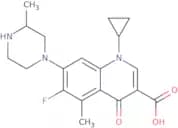
CAS:<p>Grepafloxacin is a synthetic fluoroquinolone antibiotic, which is derived from the chemical modification of natural quinolones. It acts by inhibiting bacterial DNA gyrase and topoisomerase IV. This inhibition disrupts DNA replication and transcription in bacteria, leading to cell death. The high affinity of grepafloxacin for these bacterial enzymes over human analogs makes it an effective antibacterial agent, specifically targeting the bacterial replication machinery.</p>Formula:C19H22FN3O3Purity:Min. 95%Molecular weight:359.39 g/molOxytetracycline hydrochloride
CAS:A broad-spectrum antibiotic of tetracycline class which inhibits protein synthesis by targeting the 30S ribosome subunit. It has been used in human medicine as well as in veterinary medicine and agriculture.Formula:C22H24N2O9•HClPurity:Min. 95%Color and Shape:Yellow PowderMolecular weight:496.89 g/molBacitracin
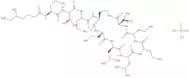
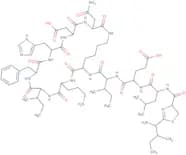
CAS:<p>Bacitracin is a polypeptide antibiotic and is used for the treatment of bacterial infections, particularly skin infections. It interferes with bacterial cell wall synthesis by inhibiting the dephosphorylation of bactoprenol.</p>Formula:C66H103N17O16SColor and Shape:White PowderMolecular weight:1,422.7 g/molNeomycin EP impurity C (Neomycin C) trifluoroacetate
CAS:Neomycin EP impurity C (Neomycin C) trifluoroacetate is a reference standard, which is a meticulously characterized chemical impurity often used in pharmaceutical analysis. This compound is derived from the fermentation of *Streptomyces fradiae*, which produces a complex mixture of aminoglycoside antibiotics, including Neomycin B and Neomycin C.Formula:C23H46N6O13•(C2HF3O2)xPurity:Min. 95%Clinafloxacin HCl
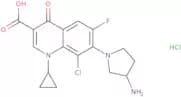
CAS:<p>Inhibits bacterial regulatory enzyme DNA gyrase</p>Formula:C17H17ClFN3O3·HClPurity:Min. 95 Area-%Color and Shape:SolidMolecular weight:402.25 g/molTulathromycin B - 5% (mixture with Tulathromycin A)
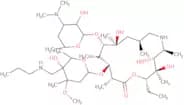
CAS:<p>Inhibitor of protein synthesis; macrolide class</p>Formula:C41H79N3O12Purity:Min. 95%Color and Shape:Off-White PowderMolecular weight:806.08 g/molPefloxacin
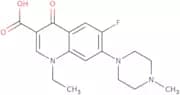
CAS:<p>Pefloxacin is a mesylate prodrug that is converted to pefloxacin in the body. The optimum concentration for pefloxacin is 2 µg/mL, and it has been shown to be active against gram-positive bacteria such as Streptococcus pneumoniae, group A beta-hemolytic streptococci, and Enterococcus faecalis. Pefloxacin has also been shown to inhibit the growth of human leukemia cells (HL-60) and drug interactions have been documented with this drug. Pefloxacin is not active against Mycobacterium tuberculosis or Mycobacterium avium complex.</p>Formula:C17H20FN3O3Purity:Min. 95%Color and Shape:Slightly Yellow PowderMolecular weight:333.36 g/molAnthracycline
CAS:<p>Anthracycline is a class of chemotherapy drugs, which are anthraquinone antibiotics derived from the bacterial genus Streptomyces. They exert their therapeutic effects primarily through intercalation into DNA, disrupting the function of enzymes such as topoisomerase II, thus preventing the transcription and replication processes in rapidly dividing cancer cells. Furthermore, they generate free radicals, leading to oxidative stress and subsequent cell damage. These mechanisms collectively result in apoptosis of malignant cells. Anthracyclines are utilized extensively in oncology for the treatment of various malignancies, including leukemias, lymphomas, breast cancer, and sarcomas. The efficacy of anthracyclines in inhibiting tumor growth must be balanced against their cardiotoxic potential, which is a significant consideration in their clinical use. This dual nature makes them both pivotal and challenging in chemotherapy regimens, necessitating careful management and monitoring throughout treatment.</p>Formula:C30H35NO11Purity:Min. 95%Molecular weight:585.60 g/molCefiderocol
CAS:<p>Cefiderocol is a siderophore cephalosporin antibiotic with action on bacterial cell wall synthesis, particularly targeting multidrug-resistant gram-negative bacteria and is used for treating complicated urinary tract infections and hospital-acquired pneumonia.</p>Formula:C30H34CLN7O10S2Purity:Min. 95%Color and Shape:PowderMolecular weight:752.2 g/molCeftazidime pentahydrate
CAS:<p>A broad-spectrum antibiotic of cephalosporin class, which inhibits bacterial cell wall synthesis by targeting the penicillin-binding protein, involved in peptidoglycan synthesis. This third-generation cephalosporin is very active against Pseudomonas species and can also be used to treat bacterial meningitis as it penetrates in the cerebrospinal fluid.</p>Formula:C22H32N6O12S2Purity:Min. 98 Area-%Color and Shape:White PowderMolecular weight:636.65 g/molClofazimine
CAS:Controlled Product<p>Clofazimine is a phenazine dye antibiotic with action on bacterial DNA interference and is used for treating leprosy and erythema nodosum leprosum.</p>Formula:C27H22Cl2N4Purity:Min. 95%Color and Shape:PowderMolecular weight:473.4 g/molIsomitomycin A
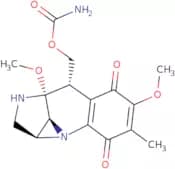
CAS:<p>Isomitomycin A is a naturally occurring microbial metabolite, which is isolated from certain strains of actinomycetes. It exhibits a unique mode of action by interfering with viral replication processes, effectively inhibiting the proliferation of various viral pathogens. The alkaloidal structure of Isomitomycin A allows it to integrate into nucleic acid processing pathways, eventually disrupting the function and synthesis of viral genomes.</p>Formula:C16H19N3O6Purity:Min. 95%Molecular weight:349.34 g/molAmrubicin hydrochloride
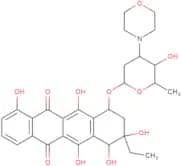
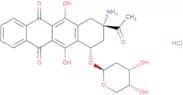
CAS:<p>Amrubicin hydrochloride is an anthracycline chemotherapeutic agent, which is a synthetic anthracycline derivative derived from reductive amination. It functions primarily by intercalating into DNA and inhibiting topoisomerase II, an enzyme crucial to DNA replication. This mode of action disrupts DNA synthesis, leading to apoptosis in rapidly proliferating cancer cells.</p>Formula:C25H25NO9•HClPurity:Min. 95%Molecular weight:519.93 g/molb-Apo-oxytetracycline
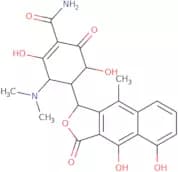
CAS:<p>b-Apo-oxytetracycline is a tetracycline antibiotic and is used for the treatment of bacterial infections. It binds to the 30S ribosomal subunit, inhibiting protein synthesis.</p>Formula:C22H22N2O8Purity:Min. 95%Color and Shape:Brown Yellow PowderMolecular weight:442.42 g/molTulathromycin A
CAS:<p>Inhibitor of protein synthesis; macrolide class</p>Formula:C41H79N3O12Purity:Min. 95%Color and Shape:White PowderMolecular weight:806.08 g/molBesifloxacin hydrochloride
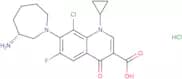
CAS:<p>Antibiotic of fluoroquinolone class; DNA replication inhibitor</p>Formula:C19H22Cl2FN3O3Purity:Min. 98 Area-%Color and Shape:PowderMolecular weight:430.3 g/molAlloaureothin
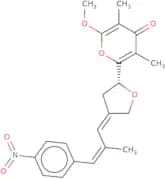
CAS:<p>Alloaureothin is an antibacterial compound, which is a secondary metabolite derived from the bacterial genus *Streptomyces*. This compound functions through a distinct mode of action, primarily targeting bacterial cell components and inhibiting essential growth processes. Alloaureothin disrupts cell wall synthesis and cellular metabolism, leading to effective bacteriostatic or bactericidal outcomes depending on the concentration and specific bacterial species.</p>Purity:Min. 95%Penicillin G potassium
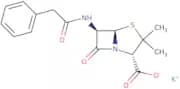
CAS:<p>Penicillin G potassium is a natural penicillin antibiotic with action on bacterial cell wall synthesis and is used for treating severe bacterial infections like meningitis, syphilis, and endocarditis.</p>Formula:C16H17KN2O4SPurity:Min. 95 Area-%Color and Shape:PowderMolecular weight:372.48 g/molTigecycline hydrochloride
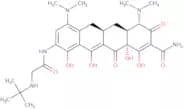
CAS:<p>Inhibitor of protein synthesis; glycylcycline class</p>Formula:C29H39N5O8·HClPurity:Min. 95%Molecular weight:622.11 g/molCefazaflur
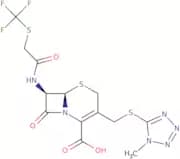
CAS:<p>Cefazaflur is a semisynthetic cephalosporin antibiotic, which is derived from the mold Acremonium (formerly known as Cephalosporium). Its mode of action involves inhibiting bacterial cell wall synthesis by targeting penicillin-binding proteins (PBPs). This interference prevents the cross-linking of peptidoglycan chains, which is essential for bacterial cell wall structural integrity, ultimately leading to cell lysis and death.</p>Formula:C13H13F3N6O4S3Purity:Min. 95%Molecular weight:470.47 g/mol