


Heterocycles with Nitrogen (N)
In this category, you will find a wide variety of nitrogen-containing heterocycles. Heterocycles are carbon chains that form a cycle in which at least one position is occupied by a heteroatom, in this case, nitrogen. These compounds are integral in the synthesis of pharmaceuticals, agrochemicals, and dyes, offering unique reactivity and stability. At CymitQuimica, we provide a comprehensive selection of high-quality nitrogen-containing heterocycles to support your research and industrial applications
Subcategories of "Heterocycles with Nitrogen (N)"
- Azepane(436 products)
- Benzotriazoles(438 products)
- Diazepanes(335 products)
- Imidazoles(4,026 products)
- Imidazolines(385 products)
- Isoxazole(1,086 products)
- Piperazines(3,754 products)
- Piperidines(8,443 products)
- Pyrazines(1,305 products)
- Pyrazole(5,959 products)
- Pyrazolidine(21 products)
- Pyrazoline(143 products)
- Pyridazine(860 products)
- Pyridines(22,005 products)
- Pyrimidine(6,082 products)
- Pyrroles(2,447 products)
- Pyrrolidines(5,839 products)
- Pyrroline(48 products)
- Pyrrolo[1,2-b]pyridazine(10 products)
- Tetrazole(530 products)
- Triazines(463 products)
- Triazoles(1,688 products)
Show 14 more subcategories
Found 17859 products of "Heterocycles with Nitrogen (N)"
Sort by
Purity (%)
0
100
|
0
|
50
|
90
|
95
|
100
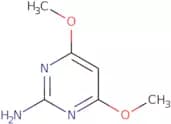
4,6-Dimethoxypyrimidin-2-amine
CAS:<p>4,6-Dimethoxypyrimidin-2-amine is a pyrimidine compound with the molecular formula C5H4N4O2. It can be prepared from the reaction of 2,4,6-trichloropyrimidine with formaldehyde and sodium cyanide in an organic solution. The properties of 4,6-Dimethoxypyrimidin-2-amine were studied on bacterial strain and human urine samples. This molecule is soluble in water and reacts with carboxylic acid to form a hydrogen bond. The nitrogen atoms show some reactivity towards copper chloride and hydrogen chloride.</p>Formula:C6H9N3O2Purity:Min. 95%Color and Shape:White PowderMolecular weight:155.15 g/mol5-Pyridin-4-yl-2H-pyrazol-3-ylamine
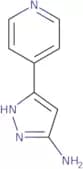
CAS:<p>5-Pyridin-4-yl-2H-pyrazol-3-ylamine is a potent inhibitor of b-raf, a protein kinase that is involved in the regulation of cell proliferation and differentiation. It is used as a research tool for studying the role of b-raf in cancer. 5-Pyridin-4-yl-2H-pyrazol-3-ylamine has been shown to have similar activity to other inhibitors of bRaf. It binds to the ATP binding site on bRaf and prevents phosphorylation of serine residues in the activation loop by ATP. This inhibition prevents activation of the kinase and reduces tumor growth in cancer models.</p>Formula:C8H8N4Purity:Min. 95%Color and Shape:White/Off-White SolidMolecular weight:160.18 g/molImidazo[1,2-a]pyridin-2-yl-methylamine dihydrochloride
CAS:<p>Imidazo[1,2-a]pyridin-2-yl-methylamine dihydrochloride is a fine chemical that is used as an intermediate in the synthesis of various compounds. It has been found to be an excellent building block for complex compounds and useful scaffold for a variety of research chemicals. Imidazo[1,2-a]pyridin-2-yl-methylamine dihydrochloride is also a reaction component that can be used in the synthesis of speciality chemicals and pharmaceuticals. Imidazo[1,2-a]pyridin-2-yl-methylamine dihydrochloride is soluble in water and methanol and can be stored at room temperature. This product has a CAS number of 452967-56-5.</p>Formula:C8H9N3·2HClPurity:Min. 95%Color and Shape:PowderMolecular weight:220.1 g/mol5-Methoxyindole-3-acetic acid
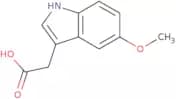
CAS:5-Methoxyindole-3-acetic acid (5MI) is an endogenous indole and metabolite of melatonin that is found in high concentrations in the human serum. 5MI has been shown to inhibit the activity of cyclase enzymes and may be a specific inhibitor of the type I form of estrone sulfate, which is involved in estrogen production. This agent also inhibits matrix metalloproteinases and aminotransferases, which are enzymes that play a role in oxidative injury. 5MI also has a fluorescent derivative that can be used as a probe for biological samples or to study the target enzyme.Formula:C11H11NO3Purity:Min. 97.5 Area-%Color and Shape:PowderMolecular weight:205.21 g/mol3-Amino-2,6-dichloropyridine
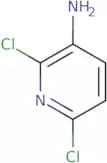
CAS:3-Amino-2,6-dichloropyridine is a carboxamidopyridine that is used as an antiplatelet agent. This drug inhibits the action of ADP and thrombin in platelets, thereby inhibiting platelet aggregation. 3-Amino-2,6-dichloropyridine has been shown to be effective when given orally and is not degraded by stomach acid. It has been shown to inhibit transcriptase activity in vitro. The drug also inhibits the synthesis of prostaglandin E2 (PGE2) through inhibition of cyclooxygenase (COX) enzymes and prevents platelet aggregation by suppressing the production of adenosine diphosphate (ADP).Purity:Min. 95%Color and Shape:PowderMolecular weight:162.92 g/mol2-Chloro-3-fluoropyridine
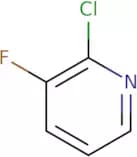
CAS:<p>2-Chloro-3-fluoropyridine is a chemical compound that is classified as an allosteric modulator. It has a profile of physicochemical and spectrometric properties, which includes a pyridine ring with two chloro substituents and one fluorine atom. 2-Chloro-3-fluoropyridine can be transported by organic solvents such as benzene or chloroform, but not by water. This chemical reacts with copper chloride to form a cross-coupling reaction, which may be useful for the synthesis of complex organic molecules. 2-Chloro-3-fluoropyridine also has biological properties that include being a ligand for some receptors in the brain and central nervous system, as well as having antioxidant activity.</p>Formula:C5H3ClFNPurity:Min. 95%Color and Shape:Clear LiquidMolecular weight:131.54 g/mol2-Bromo-3-methoxypyrazine
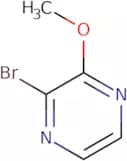
CAS:2-Bromo-3-methoxypyrazine is a chemical compound that is used as a precursor in the biosynthesis of geosmin. Geosmin, also known as 2-methylisoborneol or 2-MIB, is a volatile organic compound which has a musty or earthy smell. It is produced by some species of bacteria, including Myxobacterium and Chondromyces crocatus. It can be found in soil and water samples from areas with high levels of organic matter. 2-Bromo-3-methoxypyrazine was first isolated from cultures of M. crocatus in 1950. It can be synthesized from 3,4,5-trimethoxybenzaldehyde via bromination followed by reduction with sodium hydrosulfide. This process creates an intermediate called 2-(2'-bromoethyl)pyrazine, which undergoes methylation to create 2Formula:C5H5BrN2OPurity:Min. 95%Color and Shape:White Off-White PowderMolecular weight:189.01 g/mol4'-Methyl-2,2'-bipyridine-4-carboxaldehyde
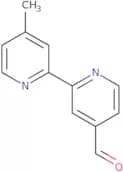
CAS:4'-Methyl-2,2'-bipyridine-4-carboxaldehyde is a heterocyclic compound that contains a nitro group. It has the chemical formula C8H6N2O and the molecular weight of 122.15 g/mol. This compound belongs to the class of formyl compounds and it is composed of two formyl groups and one hydrogen atom. The bipyridines are linked by a methylene bridge to form a six-membered ring. The compound can be used as an intermediate for the synthesis of other organic compounds such as pharmaceuticals, dyes, water repellents, pesticides, and herbicides.Formula:C12H10N2OPurity:Min. 95%Color and Shape:PowderMolecular weight:198.22 g/mol1-(2-Hydroxyethyl)-4-methylpiperazine
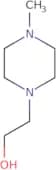
CAS:<p>1-(2-Hydroxyethyl)-4-methylpiperazine is an organic compound with the formula CHN(CHOH)CHNH. It is a colorless, viscous liquid that is soluble in water and has a pungent odor. The chemical is used as a viscosity control agent and as an intermediate in the manufacture of other chemicals. 1-(2-Hydroxyethyl)-4-methylpiperazine can be synthesized by the reaction of ethylene oxide with amines, or by quaternization of diethanolamine with chloroethane. 1-(2-Hydroxyethyl)-4-methylpiperazine is used in industrial applications such as in ion exchange resins and to control the viscosity of drilling fluids. It has been detected at low levels in surface waters and soils, where it may be derived from wastewater treatment plants or atmospheric deposition.</p>Formula:C7H16N2OPurity:Min. 95%Color and Shape:PowderMolecular weight:144.21 g/mol1-(2-(4-(Chloromethyl)phenoxy)ethyl)azepane HCl
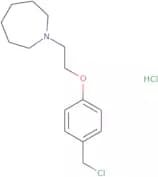
CAS:<p>1-(2-(4-(Chloromethyl)phenoxy)ethyl)azepane HCl is a versatile building block that can be used as a reagent, speciality chemical, or intermediate. It is also a useful scaffold for the synthesis of complex compounds. The compound has been shown to be useful in research and industry due to its high quality and versatility. 1-(2-(4-(Chloromethyl)phenoxy)ethyl)azepane HCl has CAS No. 223251-25-0 and can be used as a reaction component in organic synthesis reactions.</p>Formula:C15H23Cl2NOPurity:Min. 95%Color and Shape:Off-White PowderMolecular weight:304.25 g/mol2-Chloro-4-methyl-6-methylsulfanylpyrimidine
CAS:2-Chloro-4-methyl-6-methylsulfanylpyrimidine is a high quality chemical that is an intermediate for organic synthesis. It is a reagent and useful intermediate in the production of complex compounds. 2-Chloro-4-methyl-6-methylsulfanylpyrimidine has been shown to be a building block for use in synthesizing fine chemicals, pharmaceuticals, and pesticides. This compound can also be used as a reaction component for the synthesis of other chemicals, making it an important research chemical. 2-Chloro-4-methyl-6-methylsulfanylpyrimidine is soluble in water and insoluble in ethanol or ether. It has CAS No. 89466-59-1 and a molecular weight of 238.2 g/mol.br>br> 2CMSMP can be used to produce various compounds such as:Formula:C6H7ClN2SPurity:Min. 95%Color and Shape:PowderMolecular weight:174.65 g/moltrans-4-Propyl-L-proline
CAS:Please enquire for more information about trans-4-Propyl-L-proline including the price, delivery time and more detailed product information at the technical inquiry form on this pageFormula:C8H15NO2Purity:Min. 95%Molecular weight:157.21 g/mol2-(Hydroxymethyl)pyridine
CAS:2-(Hydroxymethyl)pyridine is a metal chelate that has been shown to be a potent inhibitor of picolinic acid amidohydrolase. This enzyme is responsible for the conversion of picolinic acid to nicotinamide adenine dinucleotide (NAD), which is a cofactor in the citric acid cycle. The 2-(hydroxymethyl)pyridine-picolinic acid complex inhibits the activity of this enzyme, blocking the conversion of NAD into nicotinamide adenine dinucleotide phosphate (NADP). This inhibition leads to higher levels of NAD and lower levels of NADP, which may lead to an increase in metabolic activity by increasing the availability of ATP. 2-(Hydroxymethyl)pyridine has been shown to have immunosuppressive properties, as well as anti-inflammatory properties. It also has been shown to be effective against bowel disease and infectious diseases.Formula:C6H7NOPurity:Min. 95%Color and Shape:Clear LiquidMolecular weight:109.13 g/mol2,6-Dibromopyridine
CAS:2,6-Dibromopyridine (2,6-DBP) is a chemical compound that has been used in the synthesis of other organic compounds. It is an aromatic heterocycle with nitrogen atoms at the 2 and 6 positions. 2,6-DBP is a monosubstituted pyridine derivative that undergoes a palladium-catalyzed coupling reaction with an aryl halide to form pyrazoles. This process can be done unsymmetrically by protonating the 2 position of the dibromopyridine molecule. The presence of serine protease has been shown to promote this reaction by increasing the surface area of the substrate.Formula:C5H3Br2NPurity:Min. 98 Area-%Color and Shape:Off-White Yellow PowderMolecular weight:236.89 g/mol3-Bromo-4-methylpyridine
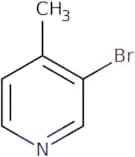
CAS:<p>3-Bromo-4-methylpyridine is a molecule that consists of a five-membered ring containing three bromine atoms and one carbon atom. It has the chemical formula C5H6BrN. The molecule contains two methyl groups attached to the pyridine ring (hence its name). 3-Bromo-4-methylpyridine has been shown to be an effective synthon for palladium-catalyzed cross-coupling reactions, which are used in organic synthesis for the production of pharmaceuticals. This molecule is also an excellent ligand for metal ions, such as calcium and hydrogen, because it forms strong bonds with these ions. 3-Bromo-4-methylpyridine can be used as a bidentate ligand because it has two nitrogen atoms that can bind to metal ions. The molecule also has functional properties, such as photochromism and bilayer formation due to its symmetry.</p>Formula:C6H6BrNPurity:Min. 95%Color and Shape:Clear LiquidMolecular weight:172.02 g/mol2-Amino-6-iodopurine
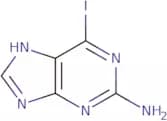
CAS:<p>2-Amino-6-iodopurine is an analog of the purine nucleoside guanine, which has been used to synthesize a variety of boronic acids. The most common use for 2-amino-6-iodopurine is in the synthesis of benzylboronic acid, which can be used as an organometallic reagent in organic synthesis. This compound also has dehydrogenase activity and has been shown to catalyze the conversion of benzoic acid to benzaldehyde, mediated by NADH. 2-Amino-6-iodopurine is found in the biosynthesis of ribonucleotides and deoxyribonucleotides, where it reacts with chloride ions and phosphate groups to form adenylate and xanthosine monophosphates.</p>Formula:C5H4IN5Purity:Min. 95%Color and Shape:PowderMolecular weight:261.02 g/mol4-(4-Methylpiperazino)acetophenone
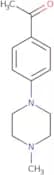
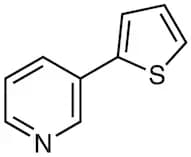
CAS:<p>4-(4-Methylpiperazino)acetophenone is a chemical compound that can be used as a building block in the synthesis of more complex compounds. It is a versatile intermediate and can be used to synthesize other compounds. 4-(4-Methylpiperazino)acetophenone has been shown to act as a reaction component in the synthesis of pharmaceuticals, pesticides, and agrochemicals. This compound has high purity and quality.</p>Formula:C13H18N2OPurity:Min. 95%Color and Shape:PowderMolecular weight:218.30 g/mol3-(2-Thienyl)pyridine
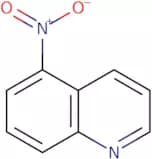
CAS:Formula:C9H7NSPurity:>98.0%(GC)Color and Shape:White to Yellow to Green clear liquidMolecular weight:161.225-Nitroquinoline
CAS:5-Nitroquinoline is a nitrogen-containing heterocyclic organic compound. It is a white solid that has a melting point of 104 °C and a boiling point of 212 °C. 5-Nitroquinoline can be synthesized by the addition of sodium carbonate to 6-nitroquinoline in hydrochloric acid. The product is then purified by vacuum distillation and recrystallization from nitric acid and acetic acid. 5-Nitroquinoline can be used as an intermediate in the synthesis of other molecules, such as quinolones, which are used in pharmaceuticals. This compound has been shown to cause metastatic colorectal cancer in mice, but not in human liver cells or human lymphocytes.Formula:C9H6N2O2Purity:Min. 95%Color and Shape:Light (Or Pale) Yellow To Dark Yellow SolidMolecular weight:174.16 g/mol5-Nitro-7-azaindole
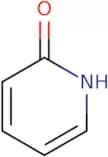
CAS:<p>5-Nitro-7-azaindole is a heterocyclic compound that is structurally related to the furoquinolines. It has been shown to act as an inhibitor of benzene and pyridine oxidases, which are enzymes that catalyze the conversion of these compounds into reactive intermediates. The reaction mechanism of 5-Nitro-7-azaindole with benzene and pyridine oxidases involves the formation of covalent bonds with reactive sulfur atoms in the enzyme active site. 5-Nitro-7-azaindole also inhibits bacterial growth by inhibiting DNA synthesis. This compound has been found to be scalable and can be produced at large scales without loss in quality. 5-Nitro-7-azaindole is not stereoselective and it is not an aromatic system, meaning that it does not have a benzene ring.</p>Formula:C7H5N3O2Purity:Min. 95%Color and Shape:PowderMolecular weight:163.13 g/mol2-Hydroxypyridine
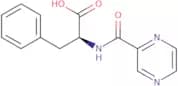
CAS:2-Hydroxypyridine is a heterocyclic organic compound that contains a nitrogen atom and two hydrogen atoms. It is a proton donor and has been shown to be an effective inhibitor of HIV infection. 2-Hydroxypyridine also inhibits bacterial growth by inhibiting the synthesis of DNA and RNA, which prevents protein synthesis and cell division. The intramolecular hydrogen bonds in protonated 2-hydroxypyridine form tautomers that can change from one form to another, with the equilibrium depending on pH. 2-Hydroxypyridine is a natural compound found in picolinic acid or in plants such as parsley, black pepper, or cinnamon. X-ray crystal structures of 2-hydroxypyridine have revealed that it has a planar geometry with an intramolecular hydrogen bond between the nitrogen atom and the protonated carbon atom. This bond causes significant kinetic energy to be released during the reaction mechanism, which mayFormula:C5H5NOPurity:Min. 95%Color and Shape:PowderMolecular weight:95.1 g/molN-Pyrazinylcarbonyl-L-phenylalanine
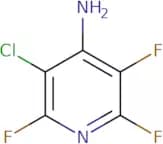
CAS:<p>N-Pyrazinylcarbonyl-L-phenylalanine is a high quality chemical that is an intermediate for the production of other compounds. It has been shown to be a useful scaffold for the synthesis of complex compounds and is also used as a building block in the synthesis of fine chemicals, research chemicals, and specialty chemicals. It can be used as a versatile building block in organic synthesis reactions. N-Pyrazinylcarbonyl-L-phenylalanine are available for purchase at www.chemistrystore.com/N-Pyrazinylcarbonyl-L-phenylalanine</p>Formula:C14H13N3O3Purity:Min. 95%Color and Shape:White PowderMolecular weight:271.27 g/mol4-Amino-3-chloro-2,5,6-trifluoropyridine
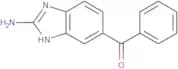
CAS:4-Amino-3-chloro-2,5,6-trifluoropyridine is a reactive and unstable chemical compound that belongs to the group of anilines. It is used in the synthesis of hypsochromic dyes. The compound has been shown to interact with other molecules, such as chemo-, supramolecular-, and synthetically-. The fluorophore has been stabilized by a supramolecular approach. Chemically induced fluorescence properties have been observed for 4-amino-3-chloro-2,5,6-trifluoropyridine.Formula:C5H2ClF3N2Purity:Min. 95%Color and Shape:SolidMolecular weight:182.53 g/mol2-Amino-5(6)-benzoylbenzimidazole
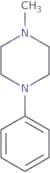
CAS:<p>2-Amino-5(6)-benzoylbenzimidazole is an antifilarial and anthelmintic drug that belongs to the benzimidazole class. It is used for the treatment of filarial infections in humans, including lymphatic filariasis, which is caused by worms transmitted by mosquitoes. 2-Amino-5(6)-benzoylbenzimidazole has low bioavailability due to its poor water solubility. The drug can be administered orally or topically and is metabolized in the liver. The metabolites are excreted in urine as glucuronides and sulfates.</p>Formula:C14H11N3OPurity:Min. 95%Color and Shape:PowderMolecular weight:237.26 g/mol1-Methyl-4-phenyl-piperazine
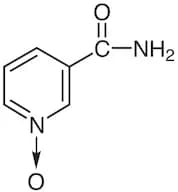
CAS:Controlled Product<p>1-Methyl-4-phenyl-piperazine (MPP) is a drug that inhibits the serine protease and blocks the activation of tyrosine kinases. It is used in diagnostic testing to identify mutations in genes encoding for serine proteases, such as trypsin, chymotrypsin, and elastase. MPP has been shown to reduce blood pressure in rats by blocking the 5-HT4 receptor. This compound also enhances mitochondrial membrane potential and emits light when it is excited by an electron beam.</p>Formula:C11H16N2Purity:Min. 95%Color and Shape:Colorless PowderMolecular weight:176.26 g/molNicotinamide N-Oxide
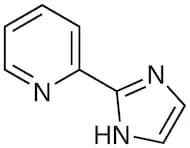
CAS:Formula:C6H6N2O2Purity:>98.0%(T)Color and Shape:White to Light yellow powder to crystalMolecular weight:138.132-(1H-Imidazol-2-yl)pyridine
CAS:Formula:C8H7N3Purity:>98.0%(GC)(T)Color and Shape:White to Light yellow to Light orange powder to crystalMolecular weight:145.174-Amino-6-chloro-2-(methylthio) pyrimidine
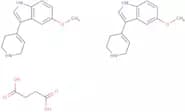
CAS:4-Amino-6-chloro-2-(methylthio) pyrimidine is a reactive chemical that is used in medicine as an antioxidant. It has been shown to have beneficial effects on atherosclerosis, colitis and cancer. 4-Amino-6-chloro-2-(methylthio) pyrimidine has also been shown to inhibit the production of reactive oxygen species (ROS). ROS are generated by lipoxygenase enzymes in soybean oil and cause damage to cells. 4-Amino-6-chloro-2-(methylthio) pyrimidine binds to the enzyme's heme group, preventing it from forming ROS.Formula:C5H6ClN3SPurity:Min. 95%Molecular weight:175.64 g/mol5-Methoxy-3-(1,2,5,6-tetrahydro-4-pyridinyl)-1H-indole hemisuccinate
CAS:5-Methoxy-3-(1,2,5,6-tetrahydro-4-pyridinyl)-1H-indole hemisuccinate is a serotonin receptor agonist that has been shown to stimulate the 5HT1A receptor. It stimulates insulin secretion and glucose uptake in rats and inhibits feeding behavior in mice. It has also been shown to have antihypertensive effects on rats by blocking the 5HT2 receptors. In addition, it stimulates regeneration of injured nerve cells. This drug has potential uses as a treatment for neurological diseases such as Parkinson's disease and depression.Formula:C14H16N2O•(C4H6O4)0Purity:Min. 95%Color and Shape:Yellow solid.Molecular weight:287.33 g/mol1-(1-Naphthylmethyl)piperazine
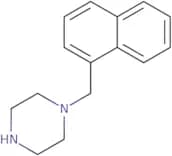
CAS:1-(1-Naphthylmethyl)piperazine (1-NMPP) is an antimicrobial agent that inhibits bacterial efflux pumps. It was shown to be active against Gram-positive bacteria, such as Erythromycin and tetracycline resistant mutants. 1-NMPP has been shown to inhibit the expression of efflux pump proteins in Gram-negative bacteria. One study showed that 1-NMPP can reverse the resistance of colistin and sulfa drugs in a multidrug resistant strain of Staphylococcus aureus. The mechanism of action for this drug is not yet known, but it may be due to its ability to prevent the synthesis of new efflux pump proteins by inhibiting translation or by decreasing mRNA stability.Formula:C15H18N2Purity:Min. 95%Color and Shape:Off-White PowderMolecular weight:226.32 g/mol1-(4-Bromophenyl)piperazine hydrochloride
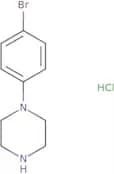
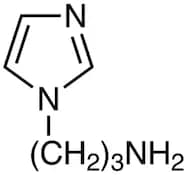
CAS:Controlled Product1-(4-Bromophenyl)piperazine hydrochloride is a linker that binds to serotonin receptors. It has been shown to inhibit the reuptake of serotonin, which may lead to an increase in the neurotransmitter's level in the synaptic cleft. The compound also inhibits the production of 5-hydroxytryptamine and other monoamine neurotransmitters, which can lead to anaphylactic reactions in humans.Formula:C10H14BrClN2Purity:Min. 95%Molecular weight:277.59 g/mol1-(3-Aminopropyl)imidazole
CAS:Formula:C6H11N3Purity:>97.0%(GC)Color and Shape:Colorless to Almost colorless clear liquidMolecular weight:125.184-Chloro-1H-pyrazolo[3,4-d]pyrimidine
CAS:<p>4-Chloro-1H-pyrazolo[3,4-d]pyrimidine is an amine that inhibits corrosion in aqueous solutions. It is used as an inhibitor of corrosion in the manufacture of steel. 4-Chloro-1H-pyrazolo[3,4-d]pyrimidine is added to the steel surface before it enters the electrolytic pickling bath. 4-Chloro-1H-pyrazolo[3,4-d]pyrimidine has been shown to be thermodynamically stable and can be formulated into a variety of organic solvents with different boiling points. It can also be used as a coupling agent for palladium catalyzed reactions. This compound class has optimum concentration at about 0.5 M and reacts via dipole mechanism with eucalyptol or piperazine as a solvent. The major heterocycle in this compound is pyrazole (C5).</p>Formula:C5H3ClN4Purity:Min. 95%Color and Shape:PowderMolecular weight:154.56 g/mol2,6-Diacetylpyridine
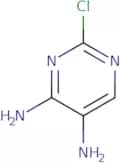
CAS:<p>2,6-Diacetylpyridine is a chelate ligand that has significant cytotoxicity. It binds to nitrogen atoms and can form stable complexes with metals. The compound also has genotoxic activity that is shown through the formation of high values in plasma mass spectrometry. 2,6-Diacetylpyridine has been used as an antimicrobial agent, where it inhibits bacterial growth by binding to DNA and RNA. This compound also binds to the enzyme thymidylate synthase and inhibits its activity, which may be due to its coordination geometry. 2,6-Diacetylpyridine has been shown to have biological properties such as being able to inhibit cell proliferation and induce apoptosis in cell cultures.</p>Formula:C9H9NO2Purity:Min. 98 Area-%Color and Shape:White PowderMolecular weight:163.17 g/mol2-Chloro-4,5-diaminopyrimidine
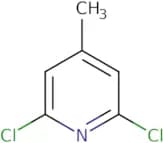
CAS:<p>2-Chloro-4,5-diaminopyrimidine is a pyrimidine compound with the molecular formula CHClN. It can be synthesized by reacting glycine and phenol with piperidine in the presence of hydrochloric acid. 2-Chloro-4,5-diaminopyrimidine has a solubility of 1.2 g/100 mL in water and reacts with quinine to form a red solution. This product also reacts with proline to produce an orange solution that fluoresces green when exposed to UV light. 2-Chloro-4,5-diaminopyrimidine has been used as an intermediate in the synthesis of other compounds such as pyridoxal phosphate and cefixime.</p>Formula:C4H5ClN4Purity:Min. 95%Color and Shape:PowderMolecular weight:144.56 g/mol2,6-Dichloro-4-methylpyridine
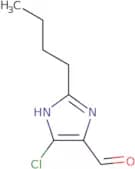
CAS:2,6-Dichloro-4-methylpyridine is a chemical compound that belongs to the class of dendrons. It is used for the functionalisation of imidazole and propiolate moieties. The derivates of 2,6-dichloro-4-methylpyridine can be made by coupling with pyrazole or dimethylacetal. This compound reacts with methylene halides in nucleophilic substitution reactions to produce methyl propiolate.Formula:C6H5Cl2NPurity:Min. 95%Color and Shape:PowderMolecular weight:162.02 g/mol2-Butyl-4-chloro-1H-imidazole-5-carboxaldehyde
CAS:Glyoxal is a chemical compound that has shown to have bactericidal activity against human pathogens such as Mycobacterium tuberculosis, Helicobacter pylori, and Staphylococcus aureus. It is used in the synthesis of heterocyclic amines and can be found as an impurity in imidazole derivatives. Glyoxal is a broad-spectrum antimicrobial that has been shown to inhibit the growth of fungi and bacteria by reacting with functional groups on the microorganisms' cell walls. It reacts with bacterial cell walls by forming an intermediate molecule, which reacts with other molecules present in the microorganism's environment to form carbon dioxide, water, and glyoxal. The reaction time for glyoxal depends on temperature; higher temperatures will result in faster reactions. Techniques used to synthesize glyoxal include dehydration of oximes or by reaction with phosphorus oxychloride.Formula:C8H11ClN2OPurity:Min. 95%Color and Shape:PowderMolecular weight:186.64 g/mol4-Methoxy-3,5-dimethyl-pyridin-2-yl)methyl acetate
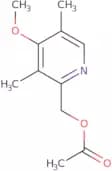
CAS:4-Methoxy-3,5-dimethyl-pyridin-2-yl)methyl acetate is a chemical intermediate that is used in the manufacture of pharmaceuticals and other fine chemicals. It has been found to be a useful scaffold for the synthesis of other compounds. This compound may also be used as a building block or reaction component in research. 4-Methoxy-3,5-dimethyl-pyridin-2-yl)methyl acetate has a CAS number of 91219-90-8 and can be purchased from suppliers such as TCI America.Formula:C11H15NO3Purity:Min. 95%Color and Shape:White PowderMolecular weight:209.24 g/mol5-Methyl-2-nitropyridine
CAS:<p>Please enquire for more information about 5-Methyl-2-nitropyridine including the price, delivery time and more detailed product information at the technical inquiry form on this page</p>Formula:C6H6N2O2Purity:Min. 95%Color and Shape:PowderMolecular weight:138.12 g/mol3-(Diethylboryl) pyridine
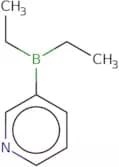
CAS:<p>3-(Diethylboryl) pyridine is a halogenated biphenyl. It is used in the synthesis of 3-aryl substituted pyridines by cross-coupling reactions with aryl iodides, bromides and chlorides. Cross-coupling reactions are usually carried out at low temperatures (0 to 20°C) in order to minimize side reactions. The reaction is usually conducted in a biphasic system containing an organic solvent and water, which facilitates the extraction of the product from the mixture. 3-(Diethylboryl) pyridine reacts with halide ions via an electrophilic substitution reaction to form a reactive intermediate, which reacts with palladium catalyst to produce the desired product. This process is also called catalytic hydrogenation. 3-(Diethylboryl) pyridine has been shown to inhibit human cytochrome P450 enzymes, which are involved in drug metabolism and break down drugs</p>Formula:C9H14BNPurity:Min. 95%Color and Shape:PowderMolecular weight:147.03 g/molBoc-4-(4-chlorophenyl)-piperidine-4-carboxylic acid
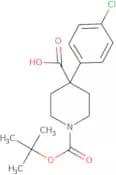
CAS:Boc-4-(4-chlorophenyl)-piperidine-4-carboxylic acid is a versatile building block that can be used to synthesize complex compounds. It is a high quality, research chemical that can be used as a reagent or speciality chemical. Boc-4-(4-chlorophenyl)-piperidine-4-carboxylic acid is an intermediate for the synthesis of pharmacologically active compounds and has been used as a reaction component in the synthesis of other useful scaffolds. CAS No. 644981-94-2Formula:C17H22ClNO4Purity:Min. 95%Color and Shape:White PowderMolecular weight:339.81 g/mol4-Amino-2,6-dichloro-3-nitropyridine
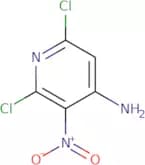
CAS:<p>4-Amino-2,6-dichloro-3-nitropyridine is a synthetic compound that inhibits tyrosine kinases. It is an isomer of 2,6-Dichloropyridine and has been shown to inhibit the growth of lymphoma cells in vitro. 4-Amino-2,6-dichloro-3-nitropyridine has three substitutions on the pyridine ring as compared to 2,6-Dichloropyridine. The substitutions are thought to be responsible for the increased hydrophilic properties of this compound. This may lead to increased cellular uptake and better bioavailability.</p>Formula:C5H3Cl2N3O2Purity:Min. 95%Color and Shape:Slightly Yellow PowderMolecular weight:208 g/molN,N-Diethyl-5-methyl-[1,2,4]triazolo[5,1-b]pyrimidin-7-amine
CAS:N,N-Diethyl-5-methyl-[1,2,4]triazolo[5,1-b]pyrimidin-7-amine (MTX) is a drug that is used in the treatment of disease activity. It has been shown to have an effect on the production of redox potentials and energy metabolism. MTX also has an effect on cardiac muscle by inhibiting the enzyme activities associated with cardiac muscle contraction and relaxation. This drug has been shown to be effective in the treatment of bowel disease, injury, and basic protein as well as caproic acid production.Formula:C10H15N5Purity:Min. 95%Color and Shape:PowderMolecular weight:205.26 g/mol2-(2-Aminophenyl)benzimidazole
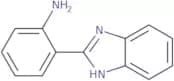
CAS:<p>2-(2-Aminophenyl)benzimidazole is a synthetic compound with the chemical formula C8H6N2. It has an intramolecular hydrogen bond and reacts with salicylaldehyde to form 2-aminobenzimidazole, which is a reaction product. 2-(2-Aminophenyl)benzimidazole may be used as an antimicrobial agent, but it also has other uses such as a reagent in organic synthesis. It is soluble in water and can be obtained through liquid chromatography.</p>Formula:C13H11N3Purity:Min. 95%Color and Shape:Off-White PowderMolecular weight:209.25 g/mol4-(2-Aminoanilino)pyridine
CAS:4-(2-Aminoanilino)pyridine is a pyridine that has been shown to be an impurity in the acid salt of 4-(2-aminophenyl)pyridine. It is an acidified impurity that can form when the pyridine reacts with hydrochloric acid or sulfuric acid.Formula:C11H11N3Purity:Min. 95%Color and Shape:PowderMolecular weight:185.23 g/mol6-Chloropyridine-3-sulfonyl chloride
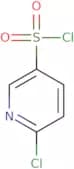
CAS:<p>6-Chloropyridine-3-sulfonyl chloride is a synthetic compound that has been shown to be an inhibitor of the enzyme anhydrase, which is involved in the production of carbonic acid. This inhibition leads to a decrease in the pH of tissues and may inhibit the proliferation of malignant cancer cells. 6-Chloropyridine-3-sulfonyl chloride has also been shown to have anticancer activity against eukaryotes.</p>Formula:C5H3Cl2NO2SPurity:Min. 95%Color and Shape:PowderMolecular weight:212.05 g/mol2-Nitroimidazole
CAS:2-Nitroimidazole is a compound that has been shown to have significant cytotoxicity against tumor cells. It is also an anti-cancer drug with a matrix effect on solid tumours, and has been shown to inhibit the synthesis of DNA, RNA, and proteins in vitro. 2-Nitroimidazole is also active against infectious diseases such as HIV, herpes simplex virus type 1, and influenza A virus. The biological properties of this compound are currently being studied by analytical methods such as LC/MS and HPLC/UV.Formula:C3H3N3O2Purity:Min. 95%Color and Shape:PowderMolecular weight:113.07 g/molHoechst 33342
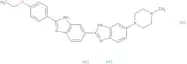
CAS:<p>2'-(4-Ethoxyphenyl)-5-(4-methyl-1-piperazinyl)-2,5'-bi-1H-benzimidazole trihydrochloride (EPMB) is a DNA binding agent that is used in tumor detection and research into apoptosis. It has been shown to inhibit the activity of p-glycoprotein, which is an efflux pump protein, and Bcl-2 protein. EPMB has also been shown to cause apoptosis in human squamous cell carcinoma cells in a concentration dependent manner. This compound has shown potential as a treatment for cancer because it inhibits the ability of cancer cells to proliferate by binding to the NMDA receptor.</p>Formula:C27H28N6O·3HCl·xH2OPurity:Min. 95%Color and Shape:Yellow PowderMolecular weight:561.93 g/mol3-Piperazin-1-yl-benzo[d]isothiazole hydrochloride
CAS:3-Piperazin-1-yl-benzo[d]isothiazole hydrochloride is an atypical antipsychotic that belongs to the group of inorganic compounds. It has been shown to have a high affinity for acidic surfaces and can be used in industrial applications such as the removal of metal ions from water by filtration. 3-Piperazin-1-yl-benzo[d]isothiazole hydrochloride is synthesized by reacting an inorganic base with a piperazine compound, followed by hydrolysis of the piperazine ring using acid. Impurities are often found during synthesis, which may contain traces of other compounds such as pyridine or methylamine.Formula:C11H13N3SPurity:Min. 95%Color and Shape:PowderMolecular weight:219.31 g/mol2-Mercapto-1H-imidazole
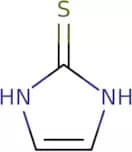
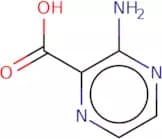
CAS:<p>2-Mercapto-1H-imidazole is an irreversible inhibitor of xanthine oxidase. It binds to the nitrogen atoms of the enzyme's active site and forms a strong hydrogen bond with the oxygen atom of the xanthine substrate. The steric interactions between 2-mercapto-1H-imidazole and the substrate prevent binding and catalysis. The crystal structures of 2-mercapto-1H-imidazole in complex with xanthine oxidase have been determined using X-ray crystallography. FTIR spectroscopy has shown that 2-mercapto-1H-imidazole coordinates in a geometry similar to that of the reactant, hydrochloric acid. Electrochemical impedance spectroscopy (EIS) has revealed that proton transfer takes place when 2-mercapto-1H imidazole binds to xanthine oxidase, which is consistent with reaction mechanism involving elect</p>Formula:C3H4N2SPurity:Min. 95%Color and Shape:PowderMolecular weight:100.14 g/mol3-Amino-2-pyrazinecarboxylic acid
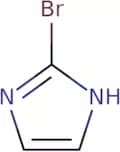
CAS:3-Amino-2-pyrazinecarboxylic acid (APC) is a molecule that has been studied from many different theoretical perspectives. It has been shown to have magnetic, vibrational and spectroscopic properties. APC has a molecular electrostatic potential that can be calculated by the functional theory of atoms in molecules. This theory predicts the distribution of electron density between atoms in molecules and is used to identify which parts of a molecule are more likely to react with other molecules. The Raman spectra of APC show an intense peak at 1108 cm-1 and two weak peaks at 1265 cm-1 and 1403 cm-1. The frequency of these peaks corresponds to a bond length of 1.3 Å, 1.5 Å, and 1.7 Å respectively, corresponding to π bonds in benzene rings, σ bonds and π bonds in amide groups respectively, or σ bonds in amide groups respectively.Formula:C5H5N3O2Purity:Min. 95%Color and Shape:PowderMolecular weight:139.11 g/mol2-Bromo-1H-imidazole
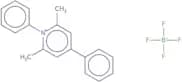
CAS:<p>2-Bromo-1H-imidazole is an environmental pollutant that has been detected in the atmosphere, water, and soil. It is used as a pesticide and has been found to be an impurity in biphenyl. 2-Bromo-1H-imidazole can be used as a substrate for the Suzuki coupling reaction or as a starting material for the synthesis of imidazole derivatives. The compound spontaneously fragments under acidic conditions to form nitric acid and hydrogen bromide. 2-Bromo-1H-imidazole has been shown to inhibit hepatitis C virus (HCV) replication and induce cancer cell apoptosis in vitro.<br>2-Bromo-1H-imidazole is also known to cause DNA fragmentation in cells through oxidation by reactive oxygen species or through spontaneous decomposition of the molecule into acid, bromine radicals, and ammonia.</p>Formula:C3H3BrN2Purity:Min. 95%Color and Shape:PowderMolecular weight:146.97 g/mol2,6-Dimethyl-1,4-diphenylpyridinium tetrafluoroborate
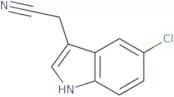
CAS:2,6-Dimethyl-1,4-diphenylpyridinium tetrafluoroborate is a high quality reagent that can be used as a useful intermediate in the synthesis of fine chemicals. It is used as an important building block in the synthesis of many organic compounds and is also an important reaction component. This compound has a wide range of uses and can be used as a versatile building block in organic synthesis or as a speciality chemical for research purposes.Formula:C19H18N·BF4Purity:Min. 95%Molecular weight:347.16 g/mol5-Chloroindole-3-acetonitrile
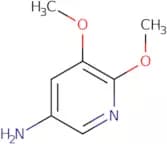
CAS:5-Chloroindole-3-acetonitrile is a chemical compound that can be used as a reaction component, reagent, or useful scaffold in the synthesis of complex compounds. 5-Chloroindole-3-acetonitrile is also a fine chemical with many uses as a high quality research chemical and versatile building block. It is commercially available from various suppliers and its CAS number is 81630-83-3.Formula:C10H7ClN2Purity:Min. 95%Color and Shape:Yellow PowderMolecular weight:190.63 g/mol5,6-Dimethoxypyridin-3-amine
CAS:5,6-Dimethoxypyridin-3-amine is an organic compound with the formula CHN. It is a versatile building block in organic chemistry. 5,6-Dimethoxypyridin-3-amine can be used as a reagent in the synthesis of other compounds or as a reactant to form new compounds. 5,6-Dimethoxypyridin-3-amine is soluble in organic solvents and reacts with most common electrophiles to give substituted products. 5,6-Dimethoxypyridin-3-amine has been found to be useful as an intermediate in the synthesis of a variety of natural products and pharmaceuticals.Formula:C7H10N2O2Purity:Min. 95%Color and Shape:Purple PowderMolecular weight:154.17 g/mol2-Amino-6-methoxypurine
CAS:<p>Intermediate in the synthesis of nelarabine</p>Formula:C6H7N5OPurity:Min. 95%Color and Shape:PowderMolecular weight:165.15 g/molN-Phenyl-2,4,6-triphenyl pyridinium tetrafluoroborate
CAS:<p>N-Phenyl-2,4,6-triphenyl pyridinium tetrafluoroborate is a crystalline material that is insoluble in water and organic solvents. It can be used as a monomer in the synthesis of polymers and for immobilization of enzymes. N-Phenyl-2,4,6-triphenyl pyridinium tetrafluoroborate can be used to reprocess technetium and has been shown to diffract x-rays with high resolution. This compound is also fluorescent with a long wavelength (620 nm) and can be used as a radioactive tracer.</p>Formula:C29H22N·BF4Purity:Min. 95%Molecular weight:471.3 g/mol1-Propylpiperidin-4-amine 2HCl
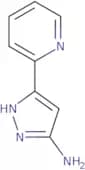
CAS:<p>1-Propylpiperidin-4-amine 2HCl is a cyclic amine. It is an organic compound that has a high absorption rate and can be used as an absorbent. 1-Propylpiperidin-4-amine 2HCl is used in experiments to study the speciation of different compounds, such as carbonates and desorption. The experiment was performed using various solvents with different densities, such as water, ethanol, and acetone, to determine the absorption rate of 1-Propylpiperidin-4-amine 2HCl. The experiment also studied viscosity changes over time while in contact with 1-Propylpiperidin-4-amine 2HCl. This chemical has a molecular structure consisting of one propyl group and four amines.</p>Formula:C8H20Cl2N2Purity:Min. 95%Color and Shape:SolidMolecular weight:215.16 g/mol5-Pyridin-2-yl-2H-pyrazol-3-ylamine
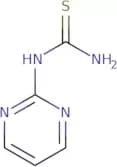
CAS:5-Pyridin-2-yl-2H-pyrazol-3-ylamine is a chemical intermediate that can be used in the synthesis of many different compounds. This compound is a versatile building block that can be used to make complex substances, as well as being an excellent reagent for research purposes. It has been shown to be useful as a reactant in the preparation of high quality chemicals and speciality chemicals. 5-Pyridin-2-yl-2H-pyrazol-3-ylamine is a fine chemical with CAS No. 92352-29-9.Formula:C8H8N4Purity:Min. 95%Color and Shape:Off-White Or Light Brown SolidMolecular weight:160.18 g/mol1-(Pyrimidin-2-yl)thiourea
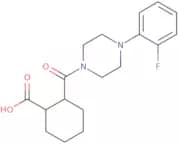
CAS:1-(Pyrimidin-2-yl)thiourea (1PTU) is a sulfur-containing compound with coordination properties. It is an allylamine derivative that contains a thiourea group. 1PTU has been shown to be able to form a crystalline solid in the presence of sulfur, and its spectra can be used as a probe for sulfur content. The thermal analysis of 1PTU reveals that it has two main decomposition peaks at 280°C and 500°C, which are attributed to the elimination of H 2 S and SO 2 respectively. The kinetic parameters for 1PTU have been determined by calorimetry experiments, yielding values of k = 0.0013 s−1 and K = 6×10⁻⁴ M−1s−1. The electron density distribution for the molecule is given by:Formula:C5H6N4SPurity:Min. 95%Color and Shape:PowderMolecular weight:154.19 g/mol2-((4-(2-Fluorophenyl)piperazinyl)carbonyl)cyclohexanecarboxylic acid
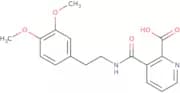
CAS:Controlled ProductPlease enquire for more information about 2-((4-(2-Fluorophenyl)piperazinyl)carbonyl)cyclohexanecarboxylic acid including the price, delivery time and more detailed product information at the technical inquiry form on this pageFormula:C18H23Fn2O3Purity:Min. 95%Color and Shape:PowderMolecular weight:334.39 g/mol3-(N-(2-(3,4-dimethoxyphenyl)ethyl)carbamoyl)pyridine-2-carboxylic acid
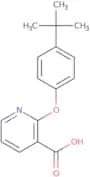
CAS:Please enquire for more information about 3-(N-(2-(3,4-dimethoxyphenyl)ethyl)carbamoyl)pyridine-2-carboxylic acid including the price, delivery time and more detailed product information at the technical inquiry form on this pagePurity:Min. 95%2-(4-(tert-Butyl)phenoxy)pyridine-3-carboxylic acid
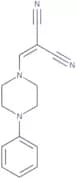
CAS:<p>Please enquire for more information about 2-(4-(tert-Butyl)phenoxy)pyridine-3-carboxylic acid including the price, delivery time and more detailed product information at the technical inquiry form on this page</p>Formula:C16H17NO3Purity:Min. 95%Color and Shape:PowderMolecular weight:271.31 g/mol((4-Phenylpiperazinyl)methylene)methane-1,1-dicarbonitrile
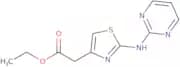
CAS:<p>Please enquire for more information about ((4-Phenylpiperazinyl)methylene)methane-1,1-dicarbonitrile including the price, delivery time and more detailed product information at the technical inquiry form on this page</p>Formula:C14H14N4Purity:Min. 95%Color and Shape:PowderMolecular weight:238.29 g/molethyl 2-(4-(pyrimidin-2-ylamino)-3,5-thiazolyl)acetate
CAS:<p>Please enquire for more information about ethyl 2-(4-(pyrimidin-2-ylamino)-3,5-thiazolyl)acetate including the price, delivery time and more detailed product information at the technical inquiry form on this page</p>Purity:Min. 95%(4-{[5-(Trifluoromethyl)pyridin-2-yl]oxy}phenyl)amine
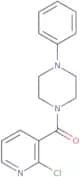
CAS:Please enquire for more information about (4-{[5-(Trifluoromethyl)pyridin-2-yl]oxy}phenyl)amine including the price, delivery time and more detailed product information at the technical inquiry form on this pageFormula:C12H9F3N2OPurity:Min. 95%Molecular weight:254.21 g/mol1-(2-chloronicotinoyl)-4-phenylpiperazine
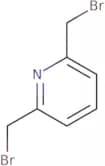
CAS:Controlled Product<p>Please enquire for more information about 1-(2-chloronicotinoyl)-4-phenylpiperazine including the price, delivery time and more detailed product information at the technical inquiry form on this page</p>Purity:Min. 95%Color and Shape:PowderMolecular weight:301.77 g/mol2,6-Bis(bromomethyl)pyridine
CAS:<p>2,6-Bis(bromomethyl)pyridine (BMP) is a pyridine derivative that is used as a catalyst in organic synthesis. It has been shown to be an effective catalyst for the conversion of picolinic acid to xanthopterin in the presence of sodium. The reactivity of BMP can be attributed to its functionalities and the metal ion that it contains. The reaction mechanism has been studied by computer modelling and molecular modelling techniques. The catalytic rate is determined by intramolecular hydrogen transfer.</p>Formula:C7H7Br2NPurity:Min. 95%Molecular weight:264.95 g/mol3-((4-(2-Fluorophenyl)piperazinyl)carbonyl)pyridine-2-carboxylic acid
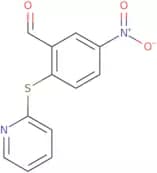
CAS:Controlled ProductPlease enquire for more information about 3-((4-(2-Fluorophenyl)piperazinyl)carbonyl)pyridine-2-carboxylic acid including the price, delivery time and more detailed product information at the technical inquiry form on this pageFormula:C17H16FN3O3Purity:Min. 90%Color and Shape:PowderMolecular weight:329.33 g/mol5-Nitro-2-(2'-pyridinethio)benzaldehyde
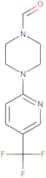
CAS:<p>Please enquire for more information about 5-Nitro-2-(2'-pyridinethio)benzaldehyde including the price, delivery time and more detailed product information at the technical inquiry form on this page</p>Purity:Min. 95%4-(5-(Trifluoromethyl)-2-pyridyl)piperazinecarbaldehyde
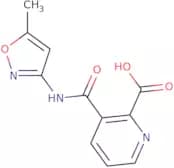
CAS:Please enquire for more information about 4-(5-(Trifluoromethyl)-2-pyridyl)piperazinecarbaldehyde including the price, delivery time and more detailed product information at the technical inquiry form on this pageFormula:C11H12F3N3OPurity:Min. 95%Color and Shape:PowderMolecular weight:259.23 g/mol3-(N-(5-methylisoxazol-3-yl)carbamoyl)pyridine-2-carboxylic acid
CAS:Please enquire for more information about 3-(N-(5-methylisoxazol-3-yl)carbamoyl)pyridine-2-carboxylic acid including the price, delivery time and more detailed product information at the technical inquiry form on this pagePurity:Min. 95%2-(4-Nitrophenoxy)-3-chloro-5-trifluoromethyl pyridine
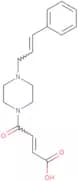
CAS:<p>Please enquire for more information about 2-(4-Nitrophenoxy)-3-chloro-5-trifluoromethyl pyridine including the price, delivery time and more detailed product information at the technical inquiry form on this page</p>Purity:Min. 95%4-Oxo-4-(4-(3-phenylprop-2-enyl)piperazinyl)but-2-enoic acid
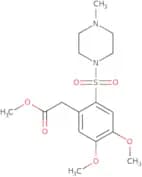
CAS:<p>Please enquire for more information about 4-Oxo-4-(4-(3-phenylprop-2-enyl)piperazinyl)but-2-enoic acid including the price, delivery time and more detailed product information at the technical inquiry form on this page</p>Formula:C17H20N2O3Purity:Min. 95%Color and Shape:PowderMolecular weight:300.35 g/molMethyl 2-(4,5-dimethoxy-2-((4-methylpiperazin-1-yl)sulfonyl)phenyl)acetate
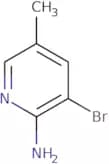
CAS:Please enquire for more information about Methyl 2-(4,5-dimethoxy-2-((4-methylpiperazin-1-yl)sulfonyl)phenyl)acetate including the price, delivery time and more detailed product information at the technical inquiry form on this pagePurity:Min. 95%2-Amino-3-bromo-5-methylpyridine
CAS:<p>2-Amino-3-bromo-5-methylpyridine is an imidazopyrazine that interacts with the magnetic field and can be used as a ligand. It has been synthesized from pyrazole derivatives and has been shown to have antimicrobial activity against Cryptococcus neoformans. 2-Amino-3-bromo-5-methylpyridine has also been shown to inhibit the growth of bacterial cells by binding to the nicotinamide adenine dinucleotide phosphate (NADP) cofactor in bacterial cells, thereby preventing ATP production. This drug is structurally related to fluoroquinolones, which are known for their antibacterial activity. 2-Amino-3-bromo-5-methylpyridine is an amido compound that ionizes in acidic environments and transfers electrons via resonance transfer. Its FTIR spectra show strong absorption bands at 3595 cm−1</p>Formula:C6H7BrN2Purity:Min. 95%Molecular weight:187.04 g/molmethyl 2-(2-((4-(3-chloro-5-(trifluoromethyl)(2-pyridyl))piperazinyl)sulfonyl)-4,5-dimethoxyphenyl)acetate
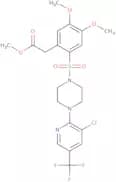
CAS:<p>Please enquire for more information about methyl 2-(2-((4-(3-chloro-5-(trifluoromethyl)(2-pyridyl))piperazinyl)sulfonyl)-4,5-dimethoxyphenyl)acetate including the price, delivery time and more detailed product information at the technical inquiry form on this page</p>Purity:Min. 95%5-Methyl-3-(4-phenylpiperazinyl)cyclohex-2-en-1-one
CAS:<p>Please enquire for more information about 5-Methyl-3-(4-phenylpiperazinyl)cyclohex-2-en-1-one including the price, delivery time and more detailed product information at the technical inquiry form on this page</p>Formula:C17H22N2OPurity:Min. 95%Color and Shape:PowderMolecular weight:270.37 g/mol6-(4-(4-Fluorophenyl)piperazinyl)-4-methylpyrimidine-2-ylamine
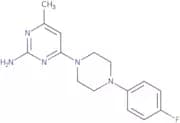
CAS:<p>Please enquire for more information about 6-(4-(4-Fluorophenyl)piperazinyl)-4-methylpyrimidine-2-ylamine including the price, delivery time and more detailed product information at the technical inquiry form on this page</p>Formula:C15H18FN5Purity:Min. 95%Color and Shape:PowderMolecular weight:287.34 g/mol1-[3-chloro-5-(trifluoromethyl)-2-pyridinyl]-4-piperidinecarboxylic acid
CAS:<p>1-[3-Chloro-5-(trifluoromethyl)-2-pyridinyl]-4-piperidinecarboxylic acid (3CFP) is a phenoxy carboxamide that is an anticonvulsant. 3CFP has been shown to be effective in animal models of seizure and has a potency that exceeds that of phenobarbital. It also has potent anticonvulsant activity against seizures induced by pentylenetetrazole and electroshock. 3CFP binds to the GABA receptor, which is important for the regulation of neuronal excitability and is the target for many types of antiepileptic drugs. The chlorine atom in 3CFP may contribute to its pharmacological properties because it can form a covalent bond with amino acids like cysteine, which are important for protein synthesis.</p>Purity:Min. 95%ethyl 4-(N-propylcarbamoyl)piperazinecarboxylate
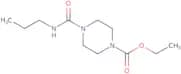
CAS:Please enquire for more information about ethyl 4-(N-propylcarbamoyl)piperazinecarboxylate including the price, delivery time and more detailed product information at the technical inquiry form on this pagePurity:Min. 95%N-Nitrosopiperazine
CAS:N-Nitrosopiperazine is a nitrosating agent that forms N-nitrosamines in the body. It is used to produce anthelmintic drugs, such as albendazole and mebendazole. It is also used to activate aromatic amines. Piperazine reacts with electrophilic nucleophiles by nucleophilic attack at the alpha carbon of the piperazine ring to form substituted piperazines. The reaction proceeds via a S1 mechanism and the rate of formation is proportional to the concentration of substrate and inversely proportional to pH. N-Nitrosopiperazine has been shown to be present in human urine samples, with a formation rate that increases significantly when exposed to acidic conditions. This drug was found to have immunotoxic effects, including induction of chronic oral toxicity, autoimmune diseases, and cancer in rats.Formula:C4H9N3OPurity:Min. 95%Color and Shape:Slightly Yellow PowderMolecular weight:115.13 g/mol4-Piperazin-1-yl-benzaldehyde
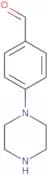
CAS:4-Piperazin-1-yl-benzaldehyde (PPBA) is a natural product that has been shown to have effects on animals and cells. PPBA can be used as an antidote for sulfite poisoning, which is caused by the ingestion of sulfites in food or drink. The mechanism of PPBA's effects is not fully known, but it may involve the inhibition of sulfite reductase, which converts sulfites into sulfates. It also reversibly forms a complex with the transition state of the reaction, enhancing the rate of this reaction. This enhancement is due to a low detection limit and shift in solution temperature. PPBA has been shown to have fluorescence and fluorescent properties when exposed to light, making it useful for endogenous labeling.Formula:C11H14N2OPurity:Min. 95%Molecular weight:190.24 g/mol2-(4-Chloro-2-methylphenoxy)pyridine-3-carboxylic acid
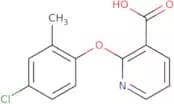
CAS:Please enquire for more information about 2-(4-Chloro-2-methylphenoxy)pyridine-3-carboxylic acid including the price, delivery time and more detailed product information at the technical inquiry form on this pageFormula:C13H10ClNO3Purity:Min. 95%Color and Shape:PowderMolecular weight:263.68 g/mol2-Chloro(3-pyridyl) 4-(5-chloro-2-methylphenyl)piperazinyl ketone
CAS:<p>Please enquire for more information about 2-Chloro(3-pyridyl) 4-(5-chloro-2-methylphenyl)piperazinyl ketone including the price, delivery time and more detailed product information at the technical inquiry form on this page</p>Formula:C17H17Cl2N3OPurity:Min. 95%Color and Shape:PowderMolecular weight:350.24 g/mol2-((4-(Benzo[3,4-d]1,3-dioxolan-5-ylmethyl)piperazinyl)carbonyl)cyclohexanecarboxylic acid
CAS:Please enquire for more information about 2-((4-(Benzo[3,4-d]1,3-dioxolan-5-ylmethyl)piperazinyl)carbonyl)cyclohexanecarboxylic acid including the price, delivery time and more detailed product information at the technical inquiry form on this pageFormula:C20H26N2O5Purity:Min. 95%Color and Shape:PowderMolecular weight:374.43 g/mol3-Chloro-2-(2-methyl(8-quinolyloxy))-5-(trifluoromethyl)pyridine
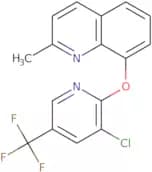
CAS:<p>Please enquire for more information about 3-Chloro-2-(2-methyl(8-quinolyloxy))-5-(trifluoromethyl)pyridine including the price, delivery time and more detailed product information at the technical inquiry form on this page</p>Formula:C16H10ClF3N2OPurity:Min. 95%Color and Shape:PowderMolecular weight:338.71 g/mol5,5-Dimethyl-3-(4-phenylpiperazinyl)cyclohex-2-en-1-one
CAS:Please enquire for more information about 5,5-Dimethyl-3-(4-phenylpiperazinyl)cyclohex-2-en-1-one including the price, delivery time and more detailed product information at the technical inquiry form on this pageFormula:C18H24N2OPurity:Min. 95%Color and Shape:PowderMolecular weight:284.4 g/molN-(3,5-bis(trifluoromethyl)phenyl)-2-pyrimidin-2-ylthioethanamide
CAS:Please enquire for more information about N-(3,5-bis(trifluoromethyl)phenyl)-2-pyrimidin-2-ylthioethanamide including the price, delivery time and more detailed product information at the technical inquiry form on this pagePurity:Min. 95%(Phenylamino)(4-((phenylamino)thioxomethyl)piperazinyl)methane-1-thione
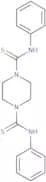
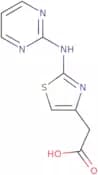
CAS:<p>Please enquire for more information about (Phenylamino)(4-((phenylamino)thioxomethyl)piperazinyl)methane-1-thione including the price, delivery time and more detailed product information at the technical inquiry form on this page</p>Formula:C18H20N4S2Purity:Min. 95%Color and Shape:PowderMolecular weight:356.5 g/mol2-(4-(Pyrimidin-2-ylamino)-3,5-thiazolyl)acetic acid
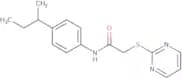
CAS:Please enquire for more information about 2-(4-(Pyrimidin-2-ylamino)-3,5-thiazolyl)acetic acid including the price, delivery time and more detailed product information at the technical inquiry form on this pagePurity:Min. 95%N-(4-(methylpropyl)phenyl)-2-pyrimidin-2-ylthioethanamide
CAS:Please enquire for more information about N-(4-(methylpropyl)phenyl)-2-pyrimidin-2-ylthioethanamide including the price, delivery time and more detailed product information at the technical inquiry form on this pagePurity:Min. 95%2-{[3-chloro-5-(trifluoromethyl)-2-pyridinyl]sulfanyl}acetohydrazide
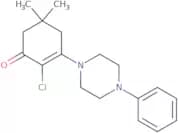
CAS:<p>Please enquire for more information about 2-{[3-chloro-5-(trifluoromethyl)-2-pyridinyl]sulfanyl}acetohydrazide including the price, delivery time and more detailed product information at the technical inquiry form on this page</p>Purity:Min. 95%2-Chloro-5,5-dimethyl-3-(4-phenylpiperazinyl)cyclohex-2-en-1-one
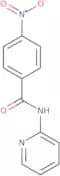
CAS:Please enquire for more information about 2-Chloro-5,5-dimethyl-3-(4-phenylpiperazinyl)cyclohex-2-en-1-one including the price, delivery time and more detailed product information at the technical inquiry form on this pageFormula:C18H23ClN2OPurity:Min. 95%Color and Shape:PowderMolecular weight:318.84 g/mol4-Nitro-N-pyridin-2-ylbenzamide
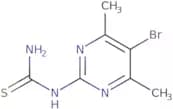
CAS:<p>Please enquire for more information about 4-Nitro-N-pyridin-2-ylbenzamide including the price, delivery time and more detailed product information at the technical inquiry form on this page</p>Formula:C12H9N3O3Purity:Min. 95%Color and Shape:PowderMolecular weight:243.22 g/mol5-Bromo-4,6-dimethylpyrimidin-2-ylthiourea
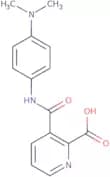
CAS:Please enquire for more information about 5-Bromo-4,6-dimethylpyrimidin-2-ylthiourea including the price, delivery time and more detailed product information at the technical inquiry form on this pagePurity:Min. 95%3-(N-(4-(Dimethylamino)phenyl)carbamoyl)pyridine-2-carboxylic acid
CAS:<p>Please enquire for more information about 3-(N-(4-(Dimethylamino)phenyl)carbamoyl)pyridine-2-carboxylic acid including the price, delivery time and more detailed product information at the technical inquiry form on this page</p>Formula:C15H15N3O3Purity:Min. 95%Color and Shape:PowderMolecular weight:285.3 g/mol2-(4,6-dimethylpyrimidin-2-ylthio)-N-(4-iodophenyl)acetamide
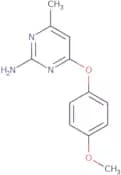
CAS:<p>Please enquire for more information about 2-(4,6-dimethylpyrimidin-2-ylthio)-N-(4-iodophenyl)acetamide including the price, delivery time and more detailed product information at the technical inquiry form on this page</p>Purity:Min. 95%4-(4-Methoxyphenoxy)-6-methyl-2-pyrimidinamine
CAS:Please enquire for more information about 4-(4-Methoxyphenoxy)-6-methyl-2-pyrimidinamine including the price, delivery time and more detailed product information at the technical inquiry form on this pageFormula:C12H13N3O2Purity:Min. 95%Color and Shape:PowderMolecular weight:231.25 g/mol4-[(1H-Benzimidazol-2-yl)oxy]-3-methyl-2-pyridinecarboxylic acid
CAS:Please enquire for more information about 4-[(1H-Benzimidazol-2-yl)oxy]-3-methyl-2-pyridinecarboxylic acid including the price, delivery time and more detailed product information at the technical inquiry form on this pageFormula:C14H11N3O3Purity:Min. 95%Molecular weight:269.26 g/mol

![Imidazo[1,2-a]pyridin-2-yl-methylamine dihydrochloride](/_next/image/?url=https%3A%2Fstatic.cymitquimica.com%2Fproducts%2F3D%2Fthumb-webp%2FFI51742.webp&w=3840&q=75)







![4-Chloro-1H-pyrazolo[3,4-d]pyrimidine](/_next/image/?url=https%3A%2Fstatic.cymitquimica.com%2Fproducts%2F3D%2Fthumb-webp%2FFC16225.webp&w=3840&q=75)


![N,N-Diethyl-5-methyl-[1,2,4]triazolo[5,1-b]pyrimidin-7-amine](/_next/image/?url=https%3A%2Fstatic.cymitquimica.com%2Fproducts%2F3D%2Fthumb-webp%2FFD153326.webp&w=3840&q=75)


![3-Piperazin-1-yl-benzo[d]isothiazole hydrochloride](/_next/image/?url=https%3A%2Fstatic.cymitquimica.com%2Fproducts%2F3D%2Fthumb-webp%2FFP50755.webp&w=3840&q=75)


![(4-{[5-(Trifluoromethyl)pyridin-2-yl]oxy}phenyl)amine](/_next/image/?url=https%3A%2Fstatic.cymitquimica.com%2Fproducts%2F3D%2Fthumb-webp%2FFT130504.webp&w=3840&q=75)



![1-[3-chloro-5-(trifluoromethyl)-2-pyridinyl]-4-piperidinecarboxylic acid](/_next/image/?url=https%3A%2Fstatic.cymitquimica.com%2Fproducts%2F3D%2Fthumb-webp%2FFC170003.webp&w=3840&q=75)

![2-((4-(Benzo[3,4-d]1,3-dioxolan-5-ylmethyl)piperazinyl)carbonyl)cyclohexanecarboxylic acid](/_next/image/?url=https%3A%2Fstatic.cymitquimica.com%2Fproducts%2F3D%2Fthumb-webp%2FFB169464.webp&w=3840&q=75)


![2-{[3-chloro-5-(trifluoromethyl)-2-pyridinyl]sulfanyl}acetohydrazide](/_next/image/?url=https%3A%2Fstatic.cymitquimica.com%2Fproducts%2F3D%2Fthumb-webp%2FFC170011.webp&w=3840&q=75)

![4-[(1H-Benzimidazol-2-yl)oxy]-3-methyl-2-pyridinecarboxylic acid](/_next/image/?url=https%3A%2Fstatic.cymitquimica.com%2Fproducts%2F3D%2Fthumb-webp%2FFB156806.webp&w=3840&q=75)