


Heterocycles with Nitrogen (N)
In this category, you will find a wide variety of nitrogen-containing heterocycles. Heterocycles are carbon chains that form a cycle in which at least one position is occupied by a heteroatom, in this case, nitrogen. These compounds are integral in the synthesis of pharmaceuticals, agrochemicals, and dyes, offering unique reactivity and stability. At CymitQuimica, we provide a comprehensive selection of high-quality nitrogen-containing heterocycles to support your research and industrial applications
Subcategories of "Heterocycles with Nitrogen (N)"
- Azepane(434 products)
- Benzotriazoles(436 products)
- Diazepanes(331 products)
- Imidazoles(4,011 products)
- Imidazolines(385 products)
- Isoxazole(1,077 products)
- Piperazines(3,736 products)
- Piperidines(8,405 products)
- Pyrazines(1,299 products)
- Pyrazole(5,921 products)
- Pyrazolidine(21 products)
- Pyrazoline(142 products)
- Pyridazine(856 products)
- Pyridines(21,917 products)
- Pyrimidine(6,041 products)
- Pyrroles(2,443 products)
- Pyrrolidines(5,816 products)
- Pyrroline(48 products)
- Pyrrolo[1,2-b]pyridazine(10 products)
- Tetrazole(510 products)
- Triazines(462 products)
- Triazoles(1,680 products)
Show 14 more subcategories
Found 17855 products of "Heterocycles with Nitrogen (N)"
Sort by
Purity (%)
0
100
|
0
|
50
|
90
|
95
|
100
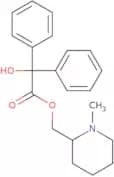
N-Methylpiperidinyl-2-methyl benzilate
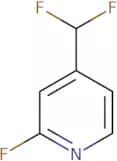
CAS:Controlled Product<p>Please enquire for more information about N-Methylpiperidinyl-2-methyl benzilate including the price, delivery time and more detailed product information at the technical inquiry form on this page</p>Formula:C21H25NO3Purity:Min. 95%Molecular weight:339.43 g/mol4-(Difluoromethyl)-2-fluoropyridine
CAS:<p>Please enquire for more information about 4-(Difluoromethyl)-2-fluoropyridine including the price, delivery time and more detailed product information at the technical inquiry form on this page</p>Formula:C6H4F3NPurity:Min. 95%Molecular weight:147.1 g/molIndole
CAS:<p>Indole is a heterocyclic aromatic organic compound. It is a colorless solid that has a strong, unpleasant odor. Indole is classified as a nitrogenous base and is found in many natural products such as the amino acid tryptophan and the alkaloid caffeine. Indole can also be used as a building block for complex molecules, such as pharmaceuticals, herbicides, and pesticides. Indole is soluble in water, but insoluble in most organic solvents. It can be used to synthesize other compounds through reactions with other chemicals or by heating it with different reagents.</p>Formula:C8H7NPurity:Min. 98 Area-%Molecular weight:117.15 g/molRef: 3D-I-0800
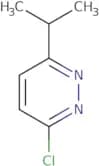
1kgTo inquire5kgTo inquire10kgTo inquire25kgTo inquire2500gTo inquire-Unit-kgkgTo inquire3-Chloro-6-isopropylpyridazine
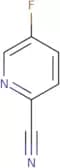
CAS:<p>Please enquire for more information about 3-Chloro-6-isopropylpyridazine including the price, delivery time and more detailed product information at the technical inquiry form on this page</p>Formula:C7H9ClN2Purity:Min. 95%Molecular weight:156.61 g/mol2-Cyano-5-fluoropyridine
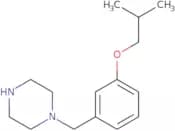
CAS:<p>2-Cyano-5-fluoropyridine is a potential antitubercular agent that has shown penetrability in the central nervous system and activity against Mycobacterium tuberculosis. It is orally active at low doses, and has been shown to be an effective inhibitor of mycobacterial growth and lipid synthesis. In addition, this compound also has antimycobacterial activity against M. avium complex and M. ulcerans, and is a potent inhibitor of β-amyloid aggregation.</p>Formula:C6H3FN2Purity:Min. 95%Molecular weight:122.1 g/mol1-(3-Isobutoxybenzyl)piperazine
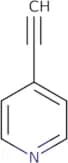
CAS:Controlled Product<p>Please enquire for more information about 1-(3-Isobutoxybenzyl)piperazine including the price, delivery time and more detailed product information at the technical inquiry form on this page</p>Formula:C15H24N2OPurity:Min. 95%Molecular weight:248.36 g/mol4-Ethynylpyridine
CAS:<p>4-Ethynylpyridine is a yellow solid that is soluble in most organic solvents. It has been shown to be an inhibitor of Cox-2, which is a pro-inflammatory enzyme. 4-Ethynylpyridine also inhibits the production of nitric oxide by inhibiting the enzyme inducible nitric oxide synthase (iNOS). This compound also has high cytotoxicity and can be used for photodynamic therapy. The chemical structure of 4-ethynylpyridine is composed of nitrogen atoms, carbon atoms, and hydrogen atoms. 4-Ethynylpyridine forms a complex with 2-phenylbutyric acid through electrochemical studies, which is important for its pharmacological properties.</p>Formula:C7H5NPurity:Min. 95%Color and Shape:PowderMolecular weight:103.12 g/mol5-Chloro-2-(ethylsulfonyl)pyrimidine-4-carboxylic acid
CAS:<p>Please enquire for more information about 5-Chloro-2-(ethylsulfonyl)pyrimidine-4-carboxylic acid including the price, delivery time and more detailed product information at the technical inquiry form on this page</p>Formula:C7H7ClN2O4SPurity:Min. 95%Molecular weight:250.66 g/molNoratropine hydrochloride
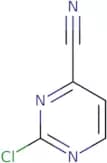
CAS:<p>Please enquire for more information about Noratropine hydrochloride including the price, delivery time and more detailed product information at the technical inquiry form on this page</p>Formula:C16H21NO3•HClPurity:Min. 95%Molecular weight:311.8 g/mol2-Chloro-4-pyrimidinecarbonitrile
CAS:<p>2-Chloro-4-pyrimidinecarbonitrile is a synthetic compound that belongs to the group of phenylpyrimidines. It inhibits the tyrosine kinase activity and cytokine production in cells. 2-Chloro-4-pyrimidinecarbonitrile is used as an immunomodulatory agent in the treatment of cancer, autoimmune disorders and other immune dysfunctions. This drug also has anti-inflammatory properties and can be used for the treatment of inflammatory bowel diseases, such as ulcerative colitis or Crohn's disease. 2CPCN is metabolized by deamination and demethylation, which leads to the formation of nitrite ion, a reactive nitrogen species that can cause DNA damage.</p>Formula:C5H2ClN3Purity:Min. 95%Molecular weight:139.54 g/mol1-(3-Trifluoromethylphenyl)piperazine hydrochloride
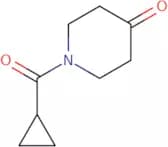
CAS:Controlled Product<p>1-(3-Trifluoromethylphenyl)piperazine hydrochloride (TFMPP) is a derivative of the piperazine class of drugs. It is structurally similar to other drugs in this class, such as bromopropane, which acts as an agonist of the 5-HT1 receptor. TFMPP has been shown to be an agonist at 5-HT1 receptors and dopamine receptors. It has also been shown to inhibit serotonin uptake and release, and inhibits choline acetyltransferase activity in brain tissue. TFMPP is not active on the 5-HT2 receptor, but does have some affinity for the 5-HT2A receptor. TFMPP has high affinity for the serotonergic system, with selective binding to serotonin transporter proteins in vitro. TFMPP may also have some effect on cholinergic systems through its inhibition of acetylcholinesterase activity.</p>Formula:C11H14ClF3N2Purity:Min. 95%Color and Shape:White PowderMolecular weight:266.69 g/mol1-(Cyclopropylcarbonyl)piperidin-4-one
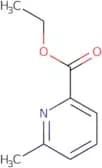
CAS:Controlled Product<p>Please enquire for more information about 1-(Cyclopropylcarbonyl)piperidin-4-one including the price, delivery time and more detailed product information at the technical inquiry form on this page</p>Formula:C9H13NO2Purity:Min. 95%Molecular weight:167.21 g/molEthyl 6-methylpyridine-2-carboxylate
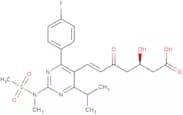
CAS:<p>Ethyl 6-methylpyridine-2-carboxylate is a pyridine derivative that has a nitrogen at the 6 position. It is an anionic compound, which is soluble in methanol and dichloromethane. The compound can be used to synthesize pharmaceuticals or as a precursor for polymers. It has been shown to inhibit the growth of tumor cells by binding to type 1 receptor sites on the surface of cancer cells. It also binds to quinine and enolate groups, which are found in many drugs. These binding sites may be exploited for drug design purposes.</p>Formula:C9H11NO2Purity:Min. 95%Molecular weight:165.19 g/mol5-Oxo Rosuvastatin
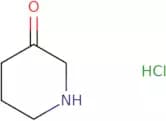
CAS:<p>5-Oxo Rosuvastatin is a drug product that has been synthesized from natural ingredients. It is an analytical standard for the impurity, 5-oxo-rosuvastatin, which is a potential impurity in the API, rosuvastatin. This drug product has been custom synthesized in order to provide an Impurity Standard for HPLC. This drug product is also used as a Synthetic Reference Standard for Drug Development and Research and Development.</p>Formula:C22H26FN3O6SPurity:Min. 95%Color and Shape:Off-White To Light (Or Pale) Yellow To Dark Yellow SolidMolecular weight:479.52 g/molPiperidin-3-one hydrochloride
CAS:<p>Piperidin-3-one hydrochloride is an organic solvent that belongs to the group of benzyl compounds. It is a reagent for the synthesis of sulfides, which are used in the production of dyes, pharmaceuticals, and other products. Piperidin-3-one hydrochloride can be used as a constant in calculating the shift of tetrafluoroborate ions. This compound has been shown to be assembled into planar structures with six atoms per side. The resonance frequencies of this compound depend on the solvents and its aliphatic nature. Piperidin-3-one hydrochloride can be used to generate dimethyl sulfide by reacting with methanol or methyl chloride.</p>Formula:C5H10NOClPurity:Min. 95%Color and Shape:White PowderMolecular weight:135.59 g/mol1-[4-(Methylthio)benzyl]piperazine
CAS:Controlled Product<p>1-[4-(Methylthio)benzyl]piperazine is an organic compound that is used as a corrosion inhibitor in the treatment of industrial wastewater. The reaction solution is typically a mixture of copper chloride, ethylene diamine, and potassium dichromate. This compound is also known as a bound form of methylthiobenzoic acid. 1-[4-(Methylthio)benzyl]piperazine binds to copper ions, preventing the formation of copper oxide and hydroxide. It also reacts with chromium ions to form a soluble product that can be easily removed from the water by filtration or sedimentation. The profile for this compound shows that it has low energy and does not react with sodium hydroxide or hydrochloric acid.</p>Formula:C12H18N2SPurity:Min. 95%Molecular weight:222.35 g/moltert-Butyl 4-{[(methylsulfonyl)oxy]methyl}piperidine-1-carboxylate
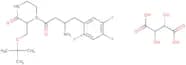
CAS:<p>Please enquire for more information about tert-Butyl 4-{[(methylsulfonyl)oxy]methyl}piperidine-1-carboxylate including the price, delivery time and more detailed product information at the technical inquiry form on this page</p>Formula:C12H23NO5SPurity:Min. 95%Molecular weight:293.38 g/molEvogliptin tartrate
CAS:<p>Please enquire for more information about Evogliptin tartrate including the price, delivery time and more detailed product information at the technical inquiry form on this page</p>Formula:C19H26F3N3O3•C4H6O6Purity:Min. 95%Molecular weight:551.51 g/mol2-Chloro-4-iodo-6-(trifluoromethyl)pyridine
CAS:<p>2-Chloro-4,6-difluoro-pyridine is an electrophilic compound that can react with nucleophiles to form covalent bonds. This reaction is known as nucleophilic substitution and it can be used in the synthesis of organic compounds. The diisopropylamide of lithium is a popular reagent for this purpose because it is inexpensive, highly reactive, and easily purified by distillation. In particular, 2-chloro-4,6-difluoro-pyridine reacts quantitatively with lithium diisopropylamide to form 4-(2-chloro-4,6-difluoro)pyrimidin-2(1H)-ones in tetrahydrofuran.</p>Formula:C6H2ClF3INPurity:Min. 95%Color and Shape:Solid.Molecular weight:307.44 g/molN-Benzyl-4-carboethoxypiperidine
CAS:<p>N-Benzyl-4-carboethoxypiperidine (NBP) is a potential drug for the treatment of Alzheimer's disease. It is an acetylcholinesterase inhibitor that blocks the breakdown of acetylcholine, leading to increased levels of this neurotransmitter in the brain. NBP has been shown to inhibit butyrylcholinesterase, an enzyme responsible for breaking down acetylcholine. This inhibition leads to increased levels of acetylcholine in the brain and prevents the development of Alzheimer's disease. NBP has also been shown to have a low level of toxicity in mice and rats and does not inhibit other enzymes such as carboxypeptidases or aminopeptidases.</p>Formula:C15H21NO2Purity:Min. 95%Color and Shape:Clear LiquidMolecular weight:247.33 g/molα-Hydroxymethylatropine
CAS:<p>Please enquire for more information about α-Hydroxymethylatropine including the price, delivery time and more detailed product information at the technical inquiry form on this page</p>Formula:C18H25NO4Purity:Min. 95%Molecular weight:319.4 g/mol{2-[(4-Phenylpiperazin-1-yl)carbonyl]phenyl}amine
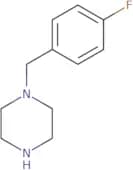
CAS:Controlled Product<p>Please enquire for more information about {2-[(4-Phenylpiperazin-1-yl)carbonyl]phenyl}amine including the price, delivery time and more detailed product information at the technical inquiry form on this page</p>Formula:C17H19N3OPurity:Min. 95%Molecular weight:281.35 g/mol1-(4-Fluorobenzyl)piperazine
CAS:Controlled Product<p>1-(4-Fluorobenzyl)piperazine is a potent tyrosinase inhibitor and has been shown to inhibit the proliferation of human cancer cells. It has been found to have inhibitory activity against the amine oxidase enzyme, which is involved in the biosynthesis of pro-inflammatory cytokines. The biochemical properties of 1-(4-fluorobenzyl)piperazine have been studied by liquid chromatography and mass spectrometry and it has been found to be synthesized from piperazine and an amine. There are no other studies available on this drug at this time.</p>Formula:C11H15FN2Purity:Min. 95%Molecular weight:194.25 g/molN-[2-(4-Benzylpiperazin-1-yl)-2-oxoethyl]-N-methylamine
CAS:Controlled Product<p>Please enquire for more information about N-[2-(4-Benzylpiperazin-1-yl)-2-oxoethyl]-N-methylamine including the price, delivery time and more detailed product information at the technical inquiry form on this page</p>Formula:C14H21N3OPurity:Min. 95%Molecular weight:247.34 g/mol6-Fluoro-3-oxo-3,4-dihydro-2-pyrazinecarbonitrile
CAS:<p>Dibenzylamine is a tertiary amine with the chemical formula C6H12N2. Dibenzylamine is a colorless liquid that boils at 110°C and freezes at -50°C. It has a density of 0.859 g/mL and a refractive index of 1.539. When heated, it decomposes to form dipropylamine, dibutylamine, and dicyclohexylamine. It also reacts with nitric acid to form an explosive compound called nitrobenzene or dinitrobenzene. Dipropylamine is a colorless volatile liquid that has the chemical formula C6H12N2 and boils at 130°C. When heated, it decomposes to form dibutylamine and dicyclohexylamine. Dibutylamine is a colorless volatile liquid that has the chemical formula C6</p>Formula:C5H2FN3OPurity:Min. 95%Molecular weight:139.09 g/molRTI-13951-33 hydrochloride
CAS:<p>Please enquire for more information about RTI-13951-33 hydrochloride including the price, delivery time and more detailed product information at the technical inquiry form on this page</p>Formula:C28H33N3O3•(HCl)2Purity:Min. 95%Molecular weight:532.5 g/molRopinirole methylene dimer
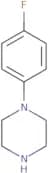
CAS:<p>Please enquire for more information about Ropinirole methylene dimer including the price, delivery time and more detailed product information at the technical inquiry form on this page</p>Formula:C33H48N4O2Purity:Min. 95%Molecular weight:532.76 g/mol1-(4-Fluorophenyl)piperazine free base
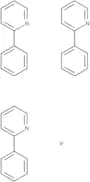
CAS:Controlled Product<p>Please enquire for more information about 1-(4-Fluorophenyl)piperazine free base including the price, delivery time and more detailed product information at the technical inquiry form on this page</p>Purity:Min. 95%Tris(2-phenylpyridine)iridium
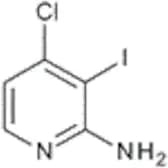
CAS:<p>Tris(2-phenylpyridine)iridium (IrCl) is a coordination compound that is used as a catalyst to initiate cationic polymerization of biphenyl. It is also used as an analytical reagent for determining the content of fatty acids in oils and fats. The steric interactions between the phenyl groups and the electron-rich iridium atoms lead to a high degree of conversion of ethylene oxide to ethylene glycol, which can be observed by UV absorption. The synthesis of IrCl occurs in two steps: first, the reaction of chloroacetone with phenylmagnesium bromide followed by addition of hydrated iridium chloride. The product crystallizes in red needles, which are analyzed using x-ray crystal structures. Analysis using nmr spectroscopy reveals that IrCl contains four nitrogen atoms and three oxygen atoms. Its redox potentials are -0.9 volts for oxidation and +1.3 volts for reduction, making</p>Formula:C33H24IrN3Purity:Min. 98 Area-%Color and Shape:PowderMolecular weight:654.78 g/mol4-Chloro-3-iodopyridin-2-amine
CAS:<p>Please enquire for more information about 4-Chloro-3-iodopyridin-2-amine including the price, delivery time and more detailed product information at the technical inquiry form on this page</p>Formula:C5H4ClIN2Purity:Min. 95%Molecular weight:254.46 g/mol4-(Hydroxymethyl)-2(1H)-quinolinone
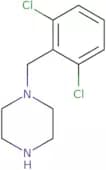
CAS:<p>Please enquire for more information about 4-(Hydroxymethyl)-2(1H)-quinolinone including the price, delivery time and more detailed product information at the technical inquiry form on this page</p>Formula:C10H9NO2Purity:Min. 95%Molecular weight:175.18 g/mol1-(2,6-Dichlorobenzyl)piperazine
CAS:Controlled Product<p>1-(2,6-Dichlorobenzyl)piperazine is a benzylpiperazine that emits light in the visible region. It is an acidic reagent that can be used as an electron donating agent in organic synthesis. 1-(2,6-Dichlorobenzyl)piperazine reacts with amines to form substituted phenylpiperazines. This reaction is widely used to investigate the structure and reactivity of amines. 1-(2,6-Dichlorobenzyl)piperazine reacts with phenols to form piperazines. It also reacts with aliphatic compounds to form a trifluoromethyl group.</p>Formula:C11H14Cl2N2Purity:Min. 95%Molecular weight:245.15 g/mol1-Piperonylpiperazine
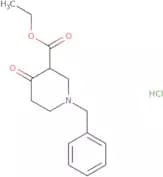
CAS:Controlled Product<p>1-Piperonylpiperazine is a drug that is used to treat symptoms of diabetic neuropathy. It is an inhibitor of mitochondrial ATPases and blocks the synthesis of nucleotides in the liver. It also inhibits uptake processes in the brain and spinal cord, which are related to locomotor activity. The uptake assays showed that 1-piperonylpiperazine has a high affinity for receptors in the human liver, which could be useful for future research on drugs targeting this organ. 1-Piperonylpiperazine has been shown to have strong effects on mitochondrial membrane potential and ATP levels in primary cells, as well as increasing uptake into human liver cells. This drug may be useful for treating symptoms of diabetic neuropathy.</p>Formula:C12H16N2O2Purity:Min. 95%Color and Shape:SolidMolecular weight:220.27 g/mol1-Benzyl-3-carbethoxy-4-piperidone hydrochloride
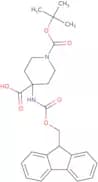
CAS:<p>1-Benzyl-3-carbethoxy-4-piperidone hydrochloride is a carboxylic acid that is used as a waterproofing agent in cyclohexane. It is absorbed by the skin and other tissues, which may lead to adverse effects on the body. Exposure to this compound has been shown to result in irritation of the skin, eyes, and respiratory tract, as well as changes in heart rate and blood pressure.</p>Formula:C15H19NO3•HClPurity:Min. 95%Molecular weight:297.78 g/molN-Boc-amino-(4-N-fmoc-piperidinyl)carboxylic acid
CAS:<p>Please enquire for more information about N-Boc-amino-(4-N-fmoc-piperidinyl)carboxylic acid including the price, delivery time and more detailed product information at the technical inquiry form on this page</p>Formula:C26H30N2O6Purity:Min. 95%Molecular weight:466.53 g/molQueuine
CAS:<p>Please enquire for more information about Queuine including the price, delivery time and more detailed product information at the technical inquiry form on this page</p>Formula:C12H15N5O3Purity:Min. 95%Molecular weight:277.28 g/mol1-(4-Aminophenyl)-1H-pyridin-2-one
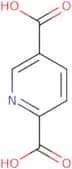
CAS:<p>1-(4-Aminophenyl)-1H-pyridin-2-one is a synthetic chemical that is used in the manufacturing of 8-hydroxyquinoline. It is an industrial chemical that is used to produce potassium carbonate by a reflux reaction with potassium and carbonate. 1-(4-Aminophenyl)-1H-pyridin-2-one is a gas at room temperature and pressure and has been shown to be stable under these conditions.</p>Formula:C11H10N2OPurity:Min. 95%Color and Shape:White PowderMolecular weight:186.21 g/mol2,5-Pyridinedicarboxylic acid
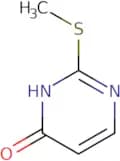
CAS:<p>2,5-Pyridinedicarboxylic acid is a white crystalline solid that is soluble in water and alcohol. It has been shown to be an effective catalyst for the oxidation of hydrocarbons. 2,5-Pyridinedicarboxylic acid also binds with metal hydroxides and forms hydrogen bonding interactions. This compound may be used as a catalyst in the production of nitric acid from ammonia, or in the manufacture of picolinic acid. 2,5-Pyridinedicarboxylic acid has a pK value of 7.4 and an optimum pH of 7. 2,5-Pyridinedicarboxylic acid can also react with sodium salts to form a n-oxide that coordinates with nitrogen atoms to give coordination geometry in which each atom is bonded to four other atoms (e.g., square planar). The molecular formula for this compound is C6H4N2O</p>Formula:C7H5NO4Purity:Min. 95%Molecular weight:167.12 g/mol2-Methylthio-4-hydroxypyrimidine
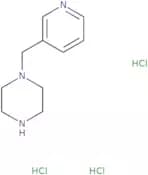
CAS:<p>2-Methylthio-4-hydroxypyrimidine is a protonated thione that inhibits the growth of bacteria, including Streptococcus faecalis. It has been shown to have an inhibitory effect on UV absorption and halide ions, such as mercury chloride. 2-Methylthio-4-hydroxypyrimidine is an analog of pyrimidine nucleosides and has a constant and regiospecific synthesis. The compound has also demonstrated antibacterial activity against bacteria, such as Staphylococcus aureus, Enterobacter aerogenes, Pseudomonas aeruginosa, Proteus vulgaris, Salmonella typhimurium, Escherichia coli, and Shigella flexneri.</p>Formula:C5H6N2OSPurity:Min. 95%Molecular weight:142.18 g/mol1-(Pyridin-3-ylmethyl)piperazinetrihydrochloride
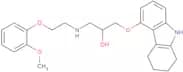
CAS:Controlled Product<p>Please enquire for more information about 1-(Pyridin-3-ylmethyl)piperazinetrihydrochloride including the price, delivery time and more detailed product information at the technical inquiry form on this page</p>Formula:C10H18Cl3N3Purity:Min. 95%Molecular weight:286.63 g/mol6,7,8,9-Tetrahydro carvedilol
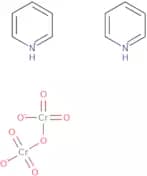
CAS:<p>Please enquire for more information about 6,7,8,9-Tetrahydro carvedilol including the price, delivery time and more detailed product information at the technical inquiry form on this page</p>Formula:C24H30N2O4Purity:Min. 95%Molecular weight:410.51 g/molPyridinium dichromate
CAS:Controlled Product<p>Pyridinium dichromate is a chemical compound with the formula PdCl(NH). It is an orange-red crystalline solid that is soluble in water. Pyridinium dichromate has been used as a catalyst for organic synthesis, and it inhibits the activity of cox-2 enzyme by binding to its active site. Pyridinium dichromate also has potential applications in the treatment of autoimmune diseases such as chronic bronchitis and rheumatoid arthritis. This substance is a glycoside derivative of pyridine, which reacts with potassium dichromate to form the complex PdCl(OOCCH). The reaction mechanism involves three steps: nucleophilic attack by water on pyridine, formation of a six-membered ring (oxaphosphetane) and hydrolysis of the resulting intermediate. The physiological effects of pyridinium dichromate are not well known, but it has been shown to</p>Formula:C10H12Cr2N2O7Purity:Min. 95%Color and Shape:PowderMolecular weight:376.2 g/molMethyl 2-amino-4,6-dichloropyridine-3-carboxylate
CAS:<p>Please enquire for more information about Methyl 2-amino-4,6-dichloropyridine-3-carboxylate including the price, delivery time and more detailed product information at the technical inquiry form on this page</p>Formula:C7H6Cl2N2O2Purity:Min. 95%Molecular weight:221.04 g/mol2-Chloro-3-iodopyridine
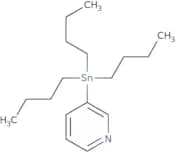
CAS:<p>2-Chloro-3-iodopyridine is an efficient method for the synthesis of various 2-chloro-3-iodopyridines. The reaction is catalyzed by triphosgene, a reagent that is also used in the synthesis of other important heterocycles. In this process, triphosgene reacts with a broad range of primary amines to form chloronitroso derivatives. These compounds are then used to synthesize 2-chloro-3-iodopyridines by reaction with pyridine. The reaction can be run at temperatures as low as -78°C, which has led to its use in bladder cancer research and some other reactions involving aminations or furopyridines.</p>Formula:C5H3ClINPurity:Min. 95%Molecular weight:239.44 g/mol3-(Tributylstannyl)pyridine
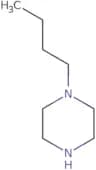
CAS:Controlled Product<p>3-Tributylstannylpyridine (3-TBS) is a synthetic compound that is used in cross-coupling reactions to form carbon-carbon bonds. It reacts with unsaturated compounds and halides, providing nitrogen atoms in the final product. 3-TBS can be used for the synthesis of quinoxalines, which are chemical compounds that have been shown to have anti-inflammatory properties. The reaction of 3-TBS with chlorobenzene and chloride yields a phosphine and a tetrahydropyridine, which can be oxidized to form an N-(2,4,6-trichlorophenyl)pyridinium salt. This salt has been shown to have anti-inflammatory effects by inhibiting prostaglandin synthesis.</p>Formula:C17H31NSnPurity:Min. 95%Molecular weight:368.15 g/mol1-(N-Butyl)piperazine
CAS:<p>1-(N-Butyl)piperazine is the simplest member of a class of drugs called aliphatic amines. This drug has been found to be active against a broad spectrum of bacteria, yeast, and fungi, including many antibiotic-resistant strains. 1-(N-Butyl)piperazine also has pharmacokinetic properties that make it suitable for administration by injection or intravenously.</p>Formula:C8H18N2Purity:Min. 95%Molecular weight:142.24 g/molMethyl 6-methyl-2-oxo-4-phenyl-1,2,3,4-tetrahydropyrimidine-5-carboxylate
CAS:<p>Please enquire for more information about Methyl 6-methyl-2-oxo-4-phenyl-1,2,3,4-tetrahydropyrimidine-5-carboxylate including the price, delivery time and more detailed product information at the technical inquiry form on this page</p>Formula:C13H14N2O3Purity:Min. 95%Molecular weight:246.26 g/mol1,1-Dimethylethyl 4-(5-amino-2-pyrimidinyl)-1-piperidinecarboxylate
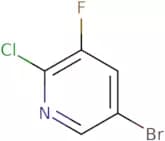
CAS:<p>Please enquire for more information about 1,1-Dimethylethyl 4-(5-amino-2-pyrimidinyl)-1-piperidinecarboxylate including the price, delivery time and more detailed product information at the technical inquiry form on this page</p>Formula:C14H22N4O2Purity:Min. 95%Molecular weight:278.35 g/mol5-Bromo-2-chloro-3-fluoropyridine
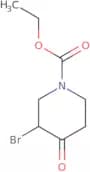
CAS:<p>5-Bromo-2-chloro-3-fluoropyridine is a catalytic reagent for the amination of anilines. It is extracted from coal tar, and is used in the manufacture of pesticides and pharmaceuticals. 5-Bromo-2-chloro-3-fluoropyridine has been shown to be an effective catalyst for the synthesis of functionalized adducts. This compound can also be used as a chemoselective agent in palladium catalysis, where it selectively adds hydrogen bromide to form aryl halides.</p>Formula:C5H2BrCIFNPurity:Min. 95%Molecular weight:210.43 g/mol3-Bromo-4-oxo-piperidine-1-carboxylic acid ethyl ester
CAS:<p>3-Bromo-4-oxo-piperidine-1-carboxylic acid ethyl ester is a monoclinic crystal of the salt of 3-bromo-4-oxo-piperidine and 1,2-ethanediol. It is used as an intermediate in the synthesis of cisapride, a medication that regulates gastrointestinal motility. 3BOCEP has been shown to hydrolyze in the stomach with a rate constant of 2 x 10 M s. The bromination product is cisapride, which has been shown to regulate gastrointestinal motility by stimulating GI smooth muscle contractions.</p>Formula:C8H12BrNO3Purity:Min. 95%Molecular weight:250.09 g/mol1-Methyl-2-(piperazin-1-ylcarbonyl)-1H-indole hydrochloride
CAS:Controlled Product<p>Please enquire for more information about 1-Methyl-2-(piperazin-1-ylcarbonyl)-1H-indole hydrochloride including the price, delivery time and more detailed product information at the technical inquiry form on this page</p>Formula:C14H17N3OPurity:Min. 95%Molecular weight:243.3 g/mol1-(2-Fluorophenyl)piperazine HCl
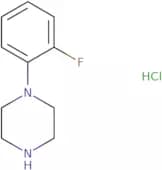
CAS:Controlled Product<p>1-(2-Fluorophenyl)piperazine HCl is a psychoactive drug that belongs to the class of piperazines. The compound has been validated for use in spectra, minimizing, and infrared spectroscopy. The compound has also been shown to be psychoactive and can be used as a screening agent for psychoactive substances. The 1-(2-fluorophenyl)piperazine molecule is approximately linear, with two amide linkages and a phenyl ring at one end. It has a calculated molecular weight of 208 g/mol and an empirical formula of C12H14FN3O.</p>Purity:Min. 95%Pyrimidine-5-carboxylic acid
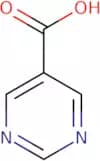
CAS:<p>Pyrimidine-5-carboxylic acid is a synthetic, nucleophilic pyrimidine compound that is used in the laboratory for the synthesis of other compounds. It has been shown to inhibit the growth of Leishmania and Staphylococcus bacteria. Pyrimidine-5-carboxylic acid binds to the malonic acid moiety of phosphoenolpyruvate carboxykinase and inhibits its activity, leading to a reduction in cellular respiration. This drug also has clinical development potential as an analgesic with modulating properties.</p>Formula:C5H4N2O2Purity:Min. 95%Molecular weight:124.1 g/mol7-Chlorothieno[3,2-B]Pyridine
CAS:<p>7-Chlorothieno[3,2-B]pyridine is a nucleophilic compound that is used as an inhibitor of the tyrosine kinase enzyme. It binds to the ATP binding site and blocks the enzymatic activity of the enzyme, preventing cell proliferation. 7-Chlorothieno[3,2-B]pyridine has been shown to inhibit growth in tumour cell lines and has been shown to be effective against tyrosine kinase receptor positive cancer cells. This drug also shows a cytotoxic activity against tumour cells in vivo, which may be due to its ability to inhibit factor receptor and receptor tyrosine.</p>Formula:C7H4ClNSPurity:Min. 95%Molecular weight:169.63 g/mol4-Anilino-1-benzylpiperidine
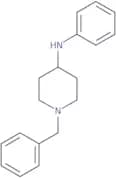
CAS:Controlled Product<p>4-Anilino-1-benzylpiperidine is a synthetic opioid analgesic that is a prodrug of the active metabolite pethidine. It is an agonist at µ-opioid receptors and is used as an analgesic medication. 4-Anilino-1-benzylpiperidine has been shown to have a high affinity for the δ subtype of opioid receptor and also inhibits the reuptake of naloxone, which may be related to its antinociceptive effects. 4-Anilino-1-benzylpiperidine has been shown to be effective in humans when given in doses around 100mg. The drug binds to functional groups on proteins, such as serine hydroxyls and cysteine sulfhydryl groups, which may account for its efficacy in humans.</p>Formula:C18H22N2Purity:Min. 95%Molecular weight:266.38 g/mol7-Fluoro-imidazo[1,2-a]pyridine
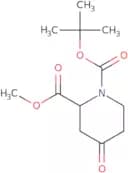
CAS:<p>Please enquire for more information about 7-Fluoro-imidazo[1,2-a]pyridine including the price, delivery time and more detailed product information at the technical inquiry form on this page</p>Formula:C7H5FN2Purity:95%NmrColor and Shape:SolidMolecular weight:136.13 g/mol1-tert-Butyl 2-methyl 4-oxopiperidine-1,2-dicarboxylate
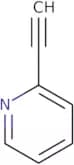
CAS:<p>Please enquire for more information about 1-tert-Butyl 2-methyl 4-oxopiperidine-1,2-dicarboxylate including the price, delivery time and more detailed product information at the technical inquiry form on this page</p>Purity:Min. 95%2-Ethynylpyridine
CAS:<p>2-Ethynylpyridine is a structural analog of pyridine and is used in the synthesis of polymers. 2-Ethynylpyridine has been shown to have significant cytotoxicity, which may be due to its ability to bind to receptors. Using X-ray crystallography, it has been determined that 2-ethynylpyridine binds to a receptor by forming hydrogen bonds with the nitrogen atoms on the receptor. 2-Ethynylpyridine can also be activated by hydrochloric acid (HCl) and reacts with sodium hydroxide (NaOH) solution and x-rays to form an x-ray crystal structure. 2-Ethynylpyridine is synthesized by the reaction between ethyne and nitric acid in the presence of aluminum chloride (AlCl3). The product is reacted with hydrochloric acid (HCl) or sodium hydroxide (NaOH) solution, which causes a change in</p>Formula:C7H5NPurity:Min. 97 Area-%Color and Shape:Clear LiquidMolecular weight:103.12 g/molN-[2-[4-(Aminosulfonyl)-phenyl]-ethyl]-5-methyl-2-pyrazinecarboxamide
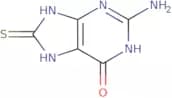
CAS:<p>Fluoxetine is a potent inhibitor of the enzyme cytochrome P450 (CYP) 2C19. The inhibition of CYP2C19 by fluoxetine may lead to an increase in the plasma concentration of other drugs that are metabolized by this enzyme, such as glipizide and hydroxycyclohexyl. Fluoxetine inhibits human uric acid secretion and increases plasma concentrations of uric acid. This drug also inhibits human erythrocyte dihydropyrimidine dehydrogenase, leading to increased blood levels of pyrimidines, especially cytotoxic ones like 6-fluoro-3-indoxyl-beta-D-galactopyranoside. Fluoxetine has been shown to have a protective effect against acetaminophen toxicity in rats because it enhances the conversion of acetaminophen to its less toxic metabolite N-acetylcysteine.</p>Formula:C14H16N4O3SPurity:Min. 95%Color and Shape:White To Off-White SolidMolecular weight:320.37 g/mol2-Amino-6-hydroxy-8-mercaptopurine
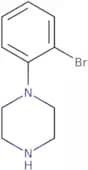
CAS:<p>2-Amino-6-hydroxy-8-mercaptopurine is an antimicrobial agent that inhibits the growth of bacteria by binding to their ribosomes. It has been shown to have a cytotoxic effect in vivo on cancer cells and intestinal parasites, as well as a protective effect against infectious diseases. 2-Amino-6-hydroxy-8-mercaptopurine has also been shown to inhibit the synthesis of proteins in vitro, which may be due to its ability to bind to the ribosomal subunit and inhibit protein synthesis. 2-Amino-6-hydroxy-8-mercaptopurine inhibits bacterial growth by binding to DNA dependent RNA polymerase, thereby preventing transcription and replication. The high frequency of human activity has been shown using a patch clamp technique on human erythrocytes. This active form is metabolized through a number of metabolic transformations, including hydrolysis by esterases or gluc</p>Formula:C5H5N5OSPurity:Min. 95%Color and Shape:PowderMolecular weight:183.19 g/mol1-(2-Bromophenyl)piperazine
CAS:Controlled Product<p>1-(2-Bromophenyl)piperazine is a drug that inhibits the activity of dehydrogenase, an enzyme that catalyzes the oxidation of NADH to NAD. It has been shown to inhibit other enzymes as well, such as those involved in the synthesis of amino acids and nucleic acids. 1-(2-Bromophenyl)piperazine has shown potential as a therapeutic agent for Parkinson's disease. This drug is being tested in clinical trials for its efficacy in treating a variety of diseases, including metabolic and cardiovascular disorders, hepatobiliary diseases, and neurodegenerative diseases.</p>Formula:C10H13BrN2Purity:Min. 95%Molecular weight:241.13 g/mol2-Chloro-1-[4-(4-Fluorophenyl)-1-Piperazinyl]Ethanone
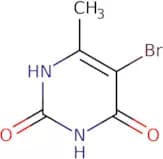
CAS:Controlled Product<p>Please enquire for more information about 2-Chloro-1-[4-(4-Fluorophenyl)-1-Piperazinyl]Ethanone including the price, delivery time and more detailed product information at the technical inquiry form on this page</p>Formula:C12H14ClFN2OPurity:Min. 95%Molecular weight:256.7 g/mol5-Bromo-6-methylpyrimidine-2,4(1H,3H)-dione
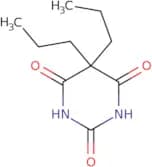
CAS:<p>5-Bromo-6-methylpyrimidine-2,4(1H,3H)-dione is an immunosuppressive drug that belongs to the class of hydantoins. It can be used to treat a variety of diseases associated with immunodeficiency including AIDS. 5-Bromo-6-methylpyrimidine-2,4(1H,3H)-dione inhibits viral replication by alkylating nucleotides and DNA synthesis at the GTPase level. The amide group in the molecule is responsible for this property. Kinetics studies have shown that the rate of hydrolysis of 5-bromo-6-methylpyrimidine-2,4(1H,3H)-dione depends on the pH and temperature of solution.</p>Formula:C5H5BrN2O2Purity:Min. 95%Molecular weight:205.01 g/mol5,5-Dipropylpyrimidine-2,4,6(1H,3H,5H)-trione
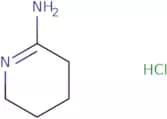
CAS:Controlled Product<p>5,5-Dipropylpyrimidine-2,4,6(1H,3H,5H)-trione is a molecule that is used as a food additive. It has been shown to inhibit the growth of cancer cells in heart tissue. The optimum concentration for this compound is 0.02% (w/v) and it has been found to be effective at concentrations up to 0.1%. The protonation of 5,5-dipropylpyrimidine-2,4,6(1H,3H,5H)-trione depends on its pH value and it can be protonated by potassium ions or sodium ions. The polycarboxylic acid form of 5,5-dipropylpyrimidine-2,4,6(1H,3H,5H)-trione is more stable than its free acid form. This molecule has also been shown to have properties similar to those of</p>Formula:C10H16N2O3Purity:Min. 95%Molecular weight:212.25 g/mol2-Iminopiperidine hydrochloride
CAS:<p>2-Iminopiperidine hydrochloride is an acetylcholine receptor agonist. It is used as a biochemical tool to study the function of acetylcholine receptors, which are important for the transmission of nerve impulses from the brain and spinal cord to other parts of the body. 2-Iminopiperidine hydrochloride has been shown to be effective in treating Alzheimer's disease, and may be a factor receptor for this disease. The compound has also been shown to have efficient methods of introducing into cells, such as hydrochloric acid and dimethyl formamide. 2-Iminopiperidine hydrochloride binds with phosphoinositides, which are important in intracellular signal transduction pathways. This compound is expressed at M1 receptors in various tissues, including the heart and gastrointestinal tract.</p>Formula:C5H11ClN2Purity:Min. 95%Molecular weight:134.61 g/mol8-Bromo-imidazo[1,2-a]pyridine
CAS:<p>8-Bromo-imidazo[1,2-a]pyridine is a neutralizing agent that can be used in the synthesis of succinimide. It reacts with chloroacetaldehyde to yield the imidate ester. This reaction is catalyzed by alkali and requires filtration to remove the bromine and any other impurities. The reaction generates heat, so it must be performed in a well-ventilated area.</p>Formula:C7H5BrN2Purity:Min. 95%Molecular weight:197.03 g/mol1-[(1-Ethyl-3,5-dimethyl-1H-pyrazol-4-yl)methyl]piperazine
CAS:Controlled Product<p>Please enquire for more information about 1-[(1-Ethyl-3,5-dimethyl-1H-pyrazol-4-yl)methyl]piperazine including the price, delivery time and more detailed product information at the technical inquiry form on this page</p>Formula:C12H22N4Purity:Min. 95%Molecular weight:222.33 g/mol1-[(1-Methyl-1H-pyrazol-4-yl)methyl]piperazine
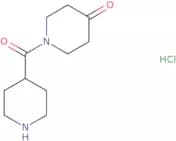
CAS:Controlled Product<p>Please enquire for more information about 1-[(1-Methyl-1H-pyrazol-4-yl)methyl]piperazine including the price, delivery time and more detailed product information at the technical inquiry form on this page</p>Formula:C9H16N4Purity:Min. 95%Molecular weight:180.25 g/mol1-(Piperidine-4-carbonyl)piperidin-4-one hydrochloride
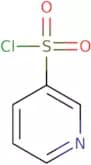
CAS:Controlled Product<p>Please enquire for more information about 1-(Piperidine-4-carbonyl)piperidin-4-one hydrochloride including the price, delivery time and more detailed product information at the technical inquiry form on this page</p>Formula:C11H19ClN2O2Purity:Min. 95%Molecular weight:246.73 g/molPyridine-3-sulfonyl chloride
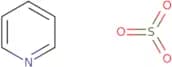
CAS:<p>Pyridine-3-sulfonyl chloride is a chemical compound that binds to the active site of cytochrome P450 enzymes. It can be used to study the effects of matrix effect on reaction solution. Pyridine-3-sulfonyl chloride has been shown to have an UV absorption spectrum with a maximum at 280 nm and a p450 activity that is proportional to the concentration of human serum. This compound has been shown to inhibit kinase domain in vitro assays, which may have clinical relevance in the treatment of obesity.</p>Formula:C5H4ClNO2SPurity:Min. 95%Color and Shape:PowderMolecular weight:177.61 g/molPyridine-sulfur trioxide complex
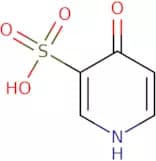
CAS:Controlled Product<p>Pyridine-sulfur trioxide complex is a sodium salt of sulfuric acid and pyridine. It is an intramolecular hydrogen acceptor, which means that it can act as a hydrogen donor to other molecules. Pyridine-sulfur trioxide complex has been shown to be effective against HIV infection in vitro. The biological properties of this drug are due to its ability to inhibit the proliferation of cells. Pyridine-sulfur trioxide complex also has antiproliferation activity against a variety of cancers, including prostate, breast, lung, ovarian, and pancreatic cancers. Pyridine-sulfur trioxide complex inhibits fatty acid synthase enzymes and is used as an analytical method for measuring cholesterol levels in the blood.</p>Formula:C5H5N·SO3Purity:Min. 95%Color and Shape:Beige PowderMolecular weight:159.16 g/mol4-Hydroxypyridine-3-sulfonicacid
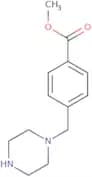
CAS:<p>4-Hydroxypyridine-3-sulfonic acid is the anion of 4-hydroxypyridine with sulfate. It has a pK a of 1.5 and is soluble in water, ethanol, and methanol. 4-Hydroxypyridine-3-sulfonic acid can be used as a crystallographic data collection reagent. The anion can act as an acceptor for radiation and can also be used to generate hydrogen sulfate. Hydrogen sulfate is generated by the reaction of sulfuric acid with potassium hydroxide or sodium hydroxide. Hydrogen sulfate reacts with elemental sulfur to produce hydrogen sulfide. This compound has been shown to have properties that make it useful in analytical chemistry, such as its ability to form hydrogen bonds and act as an anion. The structure of 4-hydroxypyridine-3-sulfonic acid is shown below: 4 H O 2 S</p>Formula:C5H5NO4SPurity:Min. 95%Molecular weight:175.16 g/molMethyl 4-piperazin-1-ylmethylbenzoate
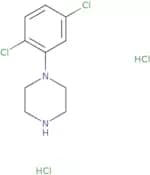
CAS:Controlled Product<p>Please enquire for more information about Methyl 4-piperazin-1-ylmethylbenzoate including the price, delivery time and more detailed product information at the technical inquiry form on this page</p>Formula:C13H18N2O2Purity:Min. 95%Molecular weight:234.29 g/mol1-(2,5-Dichlorophenyl)piperazinedihydrochloride
CAS:Controlled Product<p>Please enquire for more information about 1-(2,5-Dichlorophenyl)piperazinedihydrochloride including the price, delivery time and more detailed product information at the technical inquiry form on this page</p>Formula:C10H14Cl4N2Purity:Min. 95%Molecular weight:304.04 g/molp-MPPF dihydrochloride
CAS:<p>Please enquire for more information about p-MPPF dihydrochloride including the price, delivery time and more detailed product information at the technical inquiry form on this page</p>Formula:C25H27FN4O2•(HCl)2Purity:Min. 95%Molecular weight:507.43 g/mol4-[Bis(4-ethoxyphenyl)methyl]piperidine
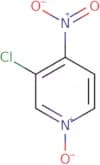
CAS:Controlled Product<p>Please enquire for more information about 4-[Bis(4-ethoxyphenyl)methyl]piperidine including the price, delivery time and more detailed product information at the technical inquiry form on this page</p>Formula:C22H29NO2Purity:Min. 95%Molecular weight:339.47 g/mol3-Chloro-4-nitropyridine 1-oxide
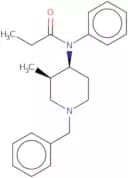
CAS:<p>3-Chloro-4-nitropyridine 1-oxide is the condensation product of 2-chloro-3-nitropyridine and nitric acid. 3-Chloro-4-nitropyridine 1-oxide has an isomeric nature and can be purified by recrystallization from water. The compound has a molecular weight of 286.1 g/mol and a monoclinic crystal structure. It has two n-oxides, which are isomers of each other, with nmr spectra that differ by the shift in the chemical shifts of the protons on the aromatic ring. 3-Chloro-4-nitropyridine 1-oxide condenses with lanthanides to form lanthanide complexes, such as Eu(III)(3,5'-ClO 4 ) 2 . This compound is also used in the synthesis of phenoxathiine derivatives that have antihypertensive activity.</p>Formula:C5H3ClN2O3Purity:Min. 95%Molecular weight:174.54 g/molrac-cis-1-benzyl-2-methyl-4-(N-propananilido)piperidine
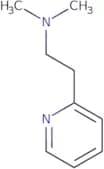
CAS:Controlled Product<p>Racemic cis-1-benzyl-2-methyl-4-(N-propananilido)piperidine (SBP) is a synthetic opioid analgesic that has been shown to bind to the μ-opioid receptor. It is the racemic form of the more potent S(+)-isomer. SBP is metabolized in vivo by cytochrome P450 2C19 and cytochrome P450 3A5, and its metabolites can be detected in human liver. The metabolism of SBP also produces propanamide as an intermediate. Recreational use of SBP has been reported with adverse effects including nausea, vomiting, headache, and dizziness.</p>Formula:C22H28N2OPurity:Min. 95%Molecular weight:336.47 g/mol2-(2-Dimethylamino)Ethyl) Pyridine
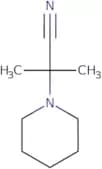
CAS:<p>2-(2-Dimethylamino)Ethyl) Pyridine is a chemical compound that contains oxygen atoms, hydroxo, and nitrogen atoms. It has a tetranuclear hexahydrate form and the molecular formula C5H7N3O2. 2-(2-Dimethylamino)Ethyl) Pyridine has been shown to have desilylation properties. 2-(2-Dimethylamino)Ethyl) Pyridine binds to group P2 of RNA and represses translation by preventing ribosomal binding to the mRNA strand. This drug is also an x-ray data collection agent in which it is used as a ligand in magnetic resonance imaging (MRI).</p>Formula:C9H14N2Purity:Min. 95%Molecular weight:150.22 g/mola,a-Dimethyl-1-piperidineacetonitrile
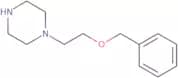
CAS:Controlled Product<p>Dimethylcyanamide is an organic compound that can be synthesized from cyanide or cyanic acid. Dimethylcyanamide is a colorless liquid with a strong odor. It has been used in the past as a precursor to other compounds, but it has since been replaced by cheaper and more convenient methods. Dimethylcyanamide reacts with primary amines to form nitriles, which are useful intermediates in organic synthesis. In addition, the reaction of dimethylcyanamide with secondary amines leads to the formation of primary amines. The transamination of dimethylamine-N-oxide yields a-dimethylaminopropionitrile as an intermediate product. The elimination reaction mechanism for this process involves the conversion of ammonia into hydroxide ions and hydrogen gas. This reaction produces high yields for both products and does not require high temperatures or pressures.</p>Formula:C9H16N2Purity:Min. 95%Molecular weight:152.24 g/mol1-(2-Benzyloxyethyl)piperazine
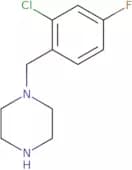
CAS:Controlled Product<p>Please enquire for more information about 1-(2-Benzyloxyethyl)piperazine including the price, delivery time and more detailed product information at the technical inquiry form on this page</p>Formula:C13H20N2OPurity:Min. 95%Molecular weight:220.31 g/mol1-(2-Chloro-4-fluorobenzyl)piperazine
CAS:Controlled Product<p>Please enquire for more information about 1-(2-Chloro-4-fluorobenzyl)piperazine including the price, delivery time and more detailed product information at the technical inquiry form on this page</p>Formula:C11H14ClFN2Purity:Min. 95%Molecular weight:228.69 g/mol7-Bromo-1-methyl-1H-imidazo[4,5-c]pyridine
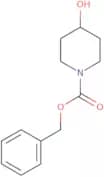
CAS:<p>Please enquire for more information about 7-Bromo-1-methyl-1H-imidazo[4,5-c]pyridine including the price, delivery time and more detailed product information at the technical inquiry form on this page</p>Formula:C7H6BrN3Purity:Min. 95%Molecular weight:212.05 g/molBenzyl 4-hydroxy-1-piperidinecarboxylate
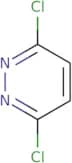
CAS:<p>Benzyl 4-hydroxy-1-piperidinecarboxylate is a poison that belongs to the group of benzyl ethers. It is an aliphatic, nitrogen-containing compound with a hydrogenolysis mechanism. Benzyl 4-hydroxy-1-piperidinecarboxylate can be used as a catalyst for hydrogenation reactions and has been shown to have chemoselective properties.</p>Formula:C13H17NO3Purity:Min. 95%Molecular weight:235.28 g/mol3,6-Dichloropyridazine
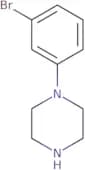
CAS:<p>3,6-Dichloropyridazine is a chemical compound that belongs to the group of heterocycles. It is used as an intermediate for the production of other chemicals such as pharmaceuticals and pesticides. 3,6-Dichloropyridazine can be used in the treatment of inflammatory diseases by inhibiting cyclic nucleotide phosphodiesterase and preventing the accumulation of cyclic nucleotides. 3,6-Dichloropyridazine has been shown to inhibit cancer cells by binding to α7 nicotinic acetylcholine receptors in the cell membrane. The chlorine atom at position 3 on the pyridine ring is responsible for this effect. In addition, 3,6-dichloropyridazine has been shown to react with both nucleophilic and electrophilic groups. This chemical also displays a wide range of chemical diversity due to its three chlorine atoms.</p>Formula:C4H2Cl2N2Purity:Min. 95%Color and Shape:Red PowderMolecular weight:148.98 g/mol1-(3-Bromophenyl)-piperazine
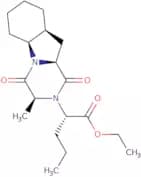
CAS:Controlled Product<p>1-(3-Bromophenyl)-piperazine is a furan compound with a piperazine base. It is used as an anti-cancer drug in the treatment of cancer and impurities are removed from this compound using chromatography. This compound has been shown to be homocoupled, which means that it can be used to synthesize other compounds. 1-(3-Bromophenyl)-piperazine is approved by the FDA and European Medicines Agency for the treatment of cancer, and has been shown to have immunological properties.</p>Formula:C10H13BrNPurity:Min. 95%Molecular weight:227.12 g/molPerindopril diketopiperazine
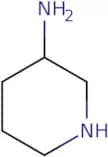
CAS:<p>Please enquire for more information about Perindopril diketopiperazine including the price, delivery time and more detailed product information at the technical inquiry form on this page</p>Formula:C19H30N2O4Purity:Min. 95%Molecular weight:350.45 g/mol3-Aminopiperidine
CAS:<p>3-Aminopiperidine is an amine that can be synthesized by the reaction of trifluoroacetic acid and hydrochloric acid with primary amines. 3-Aminopiperidine inhibits the enzyme catalysis of aromatic hydrocarbons, which are a precursor to the formation of aryl halides. These reactions are catalyzed by an enzyme called nitrile hydratase. 3-Aminopiperidine has been shown to have therapeutic effects on inflammatory diseases such as rheumatoid arthritis, asthma, and ulcerative colitis. The drug also exhibits anti-inflammatory properties that may be due to its ability to inhibit prostaglandin synthesis.</p>Formula:C5H12N2Purity:Min. 95%Color and Shape:PowderMolecular weight:100.16 g/mol4-(3-Phenyl-1,2,4-oxadiazol-5-yl)piperidine hydrochloride
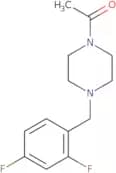
CAS:<p>Please enquire for more information about 4-(3-Phenyl-1,2,4-oxadiazol-5-yl)piperidine hydrochloride including the price, delivery time and more detailed product information at the technical inquiry form on this page</p>Formula:C13H15N3OPurity:Min. 95%Molecular weight:229.28 g/mol1-Acetyl-4-(2,4-difluorobenzyl)piperazine
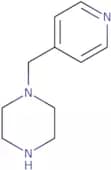
CAS:Controlled Product<p>Please enquire for more information about 1-Acetyl-4-(2,4-difluorobenzyl)piperazine including the price, delivery time and more detailed product information at the technical inquiry form on this page</p>Formula:C13H16F2N2OPurity:Min. 95%Molecular weight:254.28 g/mol1-(4-Pyridinylmethyl)piperazine
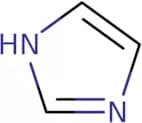
CAS:Controlled Product<p>1-(4-Pyridinylmethyl)piperazine (1-PMP) is a piperazine derivative that is used as an active ingredient in psychoactive substances. It is chemically classified as a calibrant, meaning it has been designed to have a specific effect on the brain. It is also known as a signal calibrant because of its ability to produce signals in magnetic resonance imaging (MRI). 1-PMP has been shown to be psychoactive and can cause hallucinations when taken at high doses. This drug has a number of different isomers, which are all active, but vary in potency and duration of action. The most potent isomer for human use is 4-PMP. 1-PMP can be detected through nuclear magnetic resonance (NMR), which detects the presence of hyperpolarised atoms or molecules with an external magnetic field.</p>Formula:C10H15N3Purity:Min. 95%Molecular weight:177.25 g/molImidazole
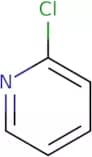
CAS:<p>Imidazole is a highly polar aromatic compound with two annular nitrogen atoms. Imidazole is widely used in the affinity purification of proteins with polyhistidine tags (His-Tag). In the protein purification process, imidazole is used for the elution of His-Tag-fused recombinant proteins from a metal-immobilised resins. In the elution buffers, imidazole is typically used in the 50 â 500 mM concentration range (Bornhorst and Falke, 2000).</p>Formula:C3H4N2Purity:Min 99%Color and Shape:White Off-White PowderMolecular weight:68.08 g/mol2-Chloropyridine
CAS:Controlled Product<p>2-Chloropyridine is a molecule that reacts with hydrochloric acid to produce hydrogen chloride and 2-chloropyridine. The reaction mechanism involves a photoelectron and hydrogen bonding interactions. The chlorine atom in the original molecule will be replaced by a hydrogen atom, while the other chlorine atom becomes part of the product, hydrogen chloride. This reaction occurs in solution at room temperature.</p>Formula:C5H4ClNPurity:Min. 95%Color and Shape:PowderMolecular weight:113.54 g/molCiprofloxacin piperazinyl-N4-sulfate
CAS:<p>Ciprofloxacin is a fluoroquinolone antibiotic with potent activity against many Gram-negative and Gram-positive bacteria. It is used in the treatment of urinary tract infections, respiratory tract infections, skin and soft tissue infections, bone and joint infections, and intra-abdominal infections. Ciprofloxacin piperazinyl-N4-sulfate has the potential to interact with other drugs. It binds to human serum albumin (HSA) and may be excreted into breast milk. The drug is well absorbed orally but has poor bioavailability due to rapid metabolism by the liver. Ciprofloxacin piperazinyl-N4-sulfate has been shown to have pharmacokinetic properties that are independent of dose or duration of administration.</p>Formula:C17H18FN3O6SPurity:Min. 95%Molecular weight:411.41 g/molMethyl 1H-pyrrolo[2,3-b]pyridine-2-carboxylate
CAS:<p>Please enquire for more information about Methyl 1H-pyrrolo[2,3-b]pyridine-2-carboxylate including the price, delivery time and more detailed product information at the technical inquiry form on this page</p>Formula:C9H8N2O2Purity:Min. 95%Molecular weight:176.17 g/molMelarsomine dihydrochloride
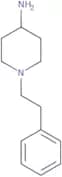
CAS:<p>Please enquire for more information about Melarsomine dihydrochloride including the price, delivery time and more detailed product information at the technical inquiry form on this page</p>Formula:C13H21AsN8S2•(HCl)2Purity:Min. 95%Molecular weight:501.34 g/mol1-(2-Phenylethyl)piperidin-4-amine dihydrochloride
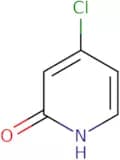
CAS:Controlled Product<p>Please enquire for more information about 1-(2-Phenylethyl)piperidin-4-amine dihydrochloride including the price, delivery time and more detailed product information at the technical inquiry form on this page</p>Formula:C13H20N2Purity:Min. 95%Molecular weight:204.31 g/mol4-Chloro-2-hydroxypyridine
CAS:<p>4-Chloro-2-hydroxypyridine is a chemical substance that has been shown to inhibit the replication of viruses in cell culture. It has demonstrated antiobesity effects in animal studies, but its mechanism is not well understood. This substance may be a thioxanthone derivative, which are heterocyclic compounds containing oxygen and sulfur. 4-Chloro-2-hydroxypyridine can crosslink DNA and form adducts with deoxyribose sugars. It also has affinity for sequences containing pyridones and imidazopyridines.</p>Formula:C5H4ClNOPurity:Min. 95%Molecular weight:129.54 g/mol1-[(2,5-Dimethoxyphenyl)methyl]piperazine HCl
CAS:Controlled Product<p>Please enquire for more information about 1-[(2,5-Dimethoxyphenyl)methyl]piperazine HCl including the price, delivery time and more detailed product information at the technical inquiry form on this page</p>Formula:C13H20N2O2HClPurity:Min. 95%Molecular weight:272.77 g/mol4-Amino-1,3-dimethyl-2,6-dioxo-5-nitrosopyrimidine
CAS:<p>4-Amino-1,3-dimethyl-2,6-dioxo-5-nitrosopyrimidine is a monoclonal antibody that binds to cancer cells. It has been shown to be effective in the treatment of leukemia, Hodgkin's disease, and non-Hodgkin's lymphoma. The binding of 4-Amino-1,3-dimethyl-2,6-dioxo-5-nitrosopyrimidine to cancer cells is due to the formation of a coordination geometry between the copper complex and the nitrogen atoms on the amino group. This drug has been shown to inhibit tumor growth by blocking the synthesis of DNA and RNA, which are key components in cell division. 4AADNP also inhibits cancer cells' ability to uptake glucose by inhibiting cellular glucose transporters. The binding affinity of 4AADNP for cancer cells is higher than for normal cells because cancer cells have more receptors for this drug</p>Formula:C6H8N4O3Purity:Min. 95%Molecular weight:184.15 g/mol





![1-[4-(Methylthio)benzyl]piperazine](/_next/image/?url=https%3A%2Fstatic.cymitquimica.com%2Fproducts%2F3D%2Fthumb-webp%2FFM113848.webp&w=3840&q=75)
![tert-Butyl 4-{[(methylsulfonyl)oxy]methyl}piperidine-1-carboxylate](/_next/image/?url=https%3A%2Fstatic.cymitquimica.com%2Fproducts%2F3D%2Fthumb-webp%2FFB122853.webp&w=3840&q=75)



![{2-[(4-Phenylpiperazin-1-yl)carbonyl]phenyl}amine](/_next/image/?url=https%3A%2Fstatic.cymitquimica.com%2Fproducts%2F3D%2Fthumb-webp%2FFP122463.webp&w=3840&q=75)
![N-[2-(4-Benzylpiperazin-1-yl)-2-oxoethyl]-N-methylamine](/_next/image/?url=https%3A%2Fstatic.cymitquimica.com%2Fproducts%2F3D%2Fthumb-webp%2FFB117802.webp&w=3840&q=75)











![7-Chlorothieno[3,2-B]Pyridine](/_next/image/?url=https%3A%2Fstatic.cymitquimica.com%2Fproducts%2F3D%2Fthumb-webp%2FFC53344.webp&w=3840&q=75)
![7-Fluoro-imidazo[1,2-a]pyridine](/_next/image/?url=https%3A%2Fstatic.cymitquimica.com%2Fproducts%2F3D%2Fthumb-webp%2FFF165964.webp&w=3840&q=75)
![N-[2-[4-(Aminosulfonyl)-phenyl]-ethyl]-5-methyl-2-pyrazinecarboxamide](/_next/image/?url=https%3A%2Fstatic.cymitquimica.com%2Fproducts%2F3D%2Fthumb-webp%2FFA150607.webp&w=3840&q=75)
![2-Chloro-1-[4-(4-Fluorophenyl)-1-Piperazinyl]Ethanone](/_next/image/?url=https%3A%2Fstatic.cymitquimica.com%2Fproducts%2F3D%2Fthumb-webp%2FFC93551.webp&w=3840&q=75)
![8-Bromo-imidazo[1,2-a]pyridine](/_next/image/?url=https%3A%2Fstatic.cymitquimica.com%2Fproducts%2F3D%2Fthumb-webp%2FFB54448.webp&w=3840&q=75)
![1-[(1-Ethyl-3,5-dimethyl-1H-pyrazol-4-yl)methyl]piperazine](/_next/image/?url=https%3A%2Fstatic.cymitquimica.com%2Fproducts%2F3D%2Fthumb-webp%2FFE113867.webp&w=3840&q=75)
![1-[(1-Methyl-1H-pyrazol-4-yl)methyl]piperazine](/_next/image/?url=https%3A%2Fstatic.cymitquimica.com%2Fproducts%2F3D%2Fthumb-webp%2FFM112287.webp&w=3840&q=75)

![4-[Bis(4-ethoxyphenyl)methyl]piperidine](/_next/image/?url=https%3A%2Fstatic.cymitquimica.com%2Fproducts%2F3D%2Fthumb-webp%2FFB116975.webp&w=3840&q=75)
![7-Bromo-1-methyl-1H-imidazo[4,5-c]pyridine](/_next/image/?url=https%3A%2Fstatic.cymitquimica.com%2Fproducts%2F3D%2Fthumb-webp%2FFB155304.webp&w=3840&q=75)


![Methyl 1H-pyrrolo[2,3-b]pyridine-2-carboxylate](/_next/image/?url=https%3A%2Fstatic.cymitquimica.com%2Fproducts%2F3D%2Fthumb-webp%2FFM142039.webp&w=3840&q=75)

![1-[(2,5-Dimethoxyphenyl)methyl]piperazine HCl](/_next/image/?url=https%3A%2Fstatic.cymitquimica.com%2Fproducts%2F3D%2Fthumb-webp%2FFD112280.webp&w=3840&q=75)
