Heterocycles with Nitrogen (N)
In this category, you will find a wide variety of nitrogen-containing heterocycles. Heterocycles are carbon chains that form a cycle in which at least one position is occupied by a heteroatom, in this case, nitrogen. These compounds are integral in the synthesis of pharmaceuticals, agrochemicals, and dyes, offering unique reactivity and stability. At CymitQuimica, we provide a comprehensive selection of high-quality nitrogen-containing heterocycles to support your research and industrial applications
Subcategories of "Heterocycles with Nitrogen (N)"
- Azepane(436 products)
- Benzotriazoles(438 products)
- Diazepanes(335 products)
- Imidazoles(4,026 products)
- Imidazolines(385 products)
- Isoxazole(1,086 products)
- Piperazines(3,754 products)
- Piperidines(8,442 products)
- Pyrazines(1,305 products)
- Pyrazole(5,959 products)
- Pyrazolidine(21 products)
- Pyrazoline(143 products)
- Pyridazine(860 products)
- Pyridines(22,004 products)
- Pyrimidine(6,082 products)
- Pyrroles(2,447 products)
- Pyrrolidines(5,837 products)
- Pyrroline(48 products)
- Pyrrolo[1,2-b]pyridazine(10 products)
- Tetrazole(530 products)
- Triazines(463 products)
- Triazoles(1,688 products)
Show 14 more subcategories
Found 17858 products of "Heterocycles with Nitrogen (N)"
Sort by
Purity (%)
0
100
|
0
|
50
|
90
|
95
|
100
1-Boc-3-trifluoromethylpyrazole-5-boronic acid
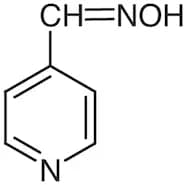
CAS:Formula:C9H12BF3N2O4Purity:98%Molecular weight:280.009Pyridine-4-aldoxime
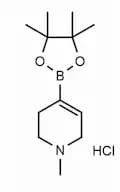
CAS:Formula:C6H6N2OPurity:>98.0%(T)Color and Shape:White to Light yellow to Light red powder to crystalMolecular weight:122.131-Methyl-1,2,3,6-tetrahydropyridine-4-boronic acid pinacol ester hydrochloride
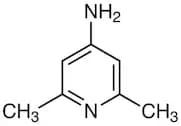
CAS:Purity:>95%Molecular weight:259.5814-Amino-2,6-dimethylpyridine
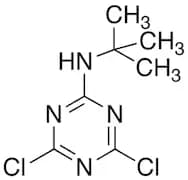
CAS:Formula:C7H10N2Purity:>98.0%(GC)Color and Shape:White to Light yellow powder to crystalMolecular weight:122.172-(tert-Butylamino)-4,6-dichloro-1,3,5-triazine
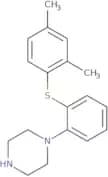
CAS:Controlled Product<p>Applications 2-(tert-Butylamino)-4,6-dichloro-1,3,5-triazine (cas# 27282-85-5) is a compound useful in organic synthesis.<br></p>Formula:C7H10Cl2N4Color and Shape:NeatMolecular weight:221.09Vortioxetine
CAS:Controlled Product<p>Vortioxetine is a serotonin modulator and reuptake inhibitor which appears to be much more potent on serotonin reuptake inhibition and 5-HT3 receptor antagonism than other interactions with the 5-HT receptor family. This drug binds selectively to 5-HT receptors and inhibits the activity of serotonin reuptake transporters on presynaptic neurons, thereby increasing serotonin concentrations in the brain. It is used for the treatment of major depressive disorder (MDD)and has also been shown to be effective against depression-related symptoms such as sleep disturbances, appetite disturbance, and weight change. Vortioxetine has also been demonstrated to suppress glioblastoma in both ex vivo human tissue samples and in mice. This may indicate vortioxetine signalling cascade activation supresses cancer cell division, and could constitute an effective part of a treatment regime for glioblastoma patients.</p>Formula:C18H22N2SPurity:Min. 95%Color and Shape:White PowderMolecular weight:298.45 g/molRef: 3D-FD58721
Discontinued product2-Phenyl-2-(2-piperidyl)acetamide
CAS:<p>2-Phenyl-2-(2-piperidyl)acetamide is an enantiomeric amide that can be used as a chiral building block for the synthesis of other organic compounds. It is synthesized by reacting phenylacetic acid with piperidine. 2-Phenyl-2-(2-piperidyl)acetamide is a primary amide and has been shown to have analgesic properties.</p>Formula:C13H18N2OPurity:Min. 97 Area-%Color and Shape:PowderMolecular weight:218.29 g/mol6-Azaindole
CAS:<p>6-Azaindole is a fine chemical that can be used as a reagent, building block, and intermediate. It is a versatile compound that has been shown to have high quality and complex chemistry. 6-Azaindole is an important reaction component in the synthesis of other compounds with pharmaceutical applications such as amide synthons, amino acid esters, and pharmaceutical intermediates. 6-Azaindole can also be used as a scaffold for the preparation of indoles. CAS No: 271-29-4</p>Formula:C7H6N2Molecular weight:118.14 g/molRef: 3D-A-9495
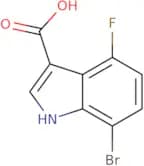
Discontinued product7-Bromo-4-fluoro-1H-indole-3-carboxylic acid
CAS:<p>Please enquire for more information about 7-Bromo-4-fluoro-1H-indole-3-carboxylic acid including the price, delivery time and more detailed product information at the technical inquiry form on this page</p>Formula:C9H5BrFNO2Purity:Min. 95%Color and Shape:PowderMolecular weight:258.04 g/molRef: 3D-KEC89151
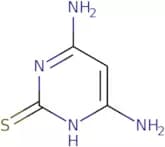
Discontinued product4,6-Diamino-2-thiopyrimidine
CAS:<p>4,6-Diamino-2-thiopyrimidine is a glycosidic bond that has been shown to inhibit the growth of bacteria in cell culture. It has also been shown to have an anticoagulant effect on human serum. The molecular weight of heparin is typically between 5000 and 15000 Da. In this study 4,6-Diamino-2-thiopyrimidine was found to be the most potent inhibitor of heparinase I activity with an IC50 of 1.5 mM. This compound is a trifluoroacetate salt that has a neutral pH and low solubility in water. It can be detected by electrochemical impedance spectroscopy (EIS). Hydrolysis by hydrochloric acid yields 4,6-diamino-2-thiopyrimidine trifluoroacetic acid as the only product. The chemical name for this substance is 4,6 diamino 2 thiop</p>Formula:C4H6N4SPurity:Min. 95%Color and Shape:PowderMolecular weight:142.18 g/molRef: 3D-FD21454
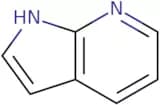
Discontinued product7-Azaindole
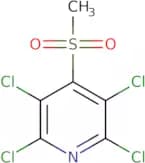
CAS:<p>7-Azaindole is a reactive chemical that has been shown to be effective in the treatment of skin cancer, as well as hepatic steatosis. The compound can promote the transfer of hydrogen atoms and form a dimer with protonated nitrogen. 7-Azaindole reacts rapidly with nucleophiles such as amines, alcohols, and thiols to form covalent bonds. The reaction mechanism is characterized by an initial protonation step followed by nucleophilic attack or hydrogen transfer from the nucleophile to 7-azaindole. Kinetic studies have demonstrated that the rate of this reaction depends on the concentration of both reactants.</p>Formula:C7H6N2Color and Shape:PowderMolecular weight:118.14 g/mol2,3,5,6-Tetrachloro-4-(methylsulfonyl)pyridine
CAS:<p>2,3,5,6-Tetrachloro-4-(methylsulfonyl)pyridine is a n-oxide with antimicrobial activity. It is used in horticultural applications for the control of microbial infection on plants. 2,3,5,6-Tetrachloro-4-(methylsulfonyl)pyridine has been shown to have high bactericidal activity against gram positive and gram negative bacteria. It has also been shown to be effective against fungi and some viruses. This compound is used as an additive in glycol ethers and gel pores. It is also used as a biocide in the form of trifluoroacetic acid or benzalkonium chloride.END></p>Formula:C6H3Cl4NO2SPurity:Min. 95%Color and Shape:White To Light (Or Pale) Yellow SolidMolecular weight:294.97 g/molRef: 3D-FT11714
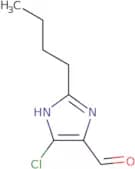
Discontinued product2-Butyl-4-chloro-1H-imidazole-5-carboxaldehyde
CAS:<p>Glyoxal is a chemical compound that has shown to have bactericidal activity against human pathogens such as Mycobacterium tuberculosis, Helicobacter pylori, and Staphylococcus aureus. It is used in the synthesis of heterocyclic amines and can be found as an impurity in imidazole derivatives. Glyoxal is a broad-spectrum antimicrobial that has been shown to inhibit the growth of fungi and bacteria by reacting with functional groups on the microorganisms' cell walls. It reacts with bacterial cell walls by forming an intermediate molecule, which reacts with other molecules present in the microorganism's environment to form carbon dioxide, water, and glyoxal. The reaction time for glyoxal depends on temperature; higher temperatures will result in faster reactions. Techniques used to synthesize glyoxal include dehydration of oximes or by reaction with phosphorus oxychloride.</p>Formula:C8H11ClN2OPurity:Min. 95%Color and Shape:PowderMolecular weight:186.64 g/molRef: 3D-FB19493
Discontinued product5-Chloro-2-phenyl-1H-imidazole-4-carboxaldehyde
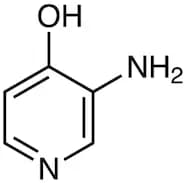
CAS:Formula:C10H7ClN2OPurity:>97.0%(HPLC)(N)Color and Shape:Orange to Amber to Dark red powder to crystalMolecular weight:206.633-Amino-4-hydroxypyridine
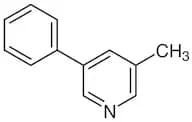
CAS:Formula:C5H6N2OPurity:>98.0%(T)(HPLC)Color and Shape:Light yellow to Brown powder to crystalMolecular weight:110.123-Methyl-5-phenylpyridine
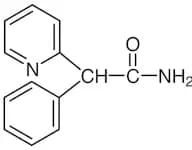
CAS:Formula:C12H11NPurity:>95.0%(GC)Color and Shape:Light yellow to Brown to Dark green clear liquidMolecular weight:169.232-Phenyl-2-(2-pyridyl)acetamide
CAS:Formula:C13H12N2OPurity:>98.0%(T)(HPLC)Color and Shape:White to Almost white powder to crystalMolecular weight:212.251-(2,3-Dihydro[2,4'-bibenzo[b]thiophen]-4-yl)-piperazine Dihydrochloride
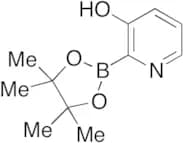
CAS:Controlled Product<p>Applications 1-(2,3-Dihydro[2,4'-bibenzo[b]thiophen]-4-yl)-piperazine is a useful synthetic intermediate.<br></p>Formula:C20H20N2S2·2HClColor and Shape:NeatMolecular weight:352.5162-(4,4,5,5-Tetramethyl-1,3,2-dioxaborolan-2-yl)-3-pyridinol
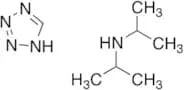
CAS:Controlled ProductFormula:C11H16BNO3Color and Shape:Off-WhiteMolecular weight:221.061Diisopropylammonium Tetrazolide
CAS:Controlled ProductFormula:C6H15N·CH2N4Color and Shape:Off-WhiteMolecular weight:171.2431-(3-Bromobenzyl)piperazine
CAS:Controlled Product<p>Please enquire for more information about 1-(3-Bromobenzyl)piperazine including the price, delivery time and more detailed product information at the technical inquiry form on this page</p>Formula:C11H15BrN2Purity:Min. 95%Molecular weight:255.15 g/molRef: 3D-FB112283
Discontinued product[3-(1-Piperidin-1-ylcyclohexyl)phenyl]amine hydrochloride
CAS:Controlled Product<p>3-(1-Piperidin-1-ylcyclohexyl)phenyl]amine hydrochloride is a ligand that binds to the acetylcholine receptor. 3-(1-Piperidin-1-ylcyclohexyl)phenyl]amine hydrochloride is an active analogue and has a high binding affinity for the cholinergic receptor. It has been shown to have a kinetic effect on the excitatory system, enhancing excitatory effects of acetylcholine without affecting inhibitory effects. 3-(1-Piperidin-1-ylcyclohexyl)phenyl]amine hydrochloride also has an antagonistic effect on modifiers of acetylcholine activity such as amantadine, but enhances the effects of other drugs, such as clonidine.</p>Formula:C17H26N2Purity:Min. 95%Molecular weight:258.4 g/molRef: 3D-FP120158
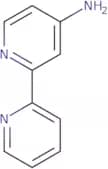
Discontinued product4-Amino-2,2'-bipyridine
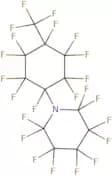
CAS:<p>Please enquire for more information about 4-Amino-2,2'-bipyridine including the price, delivery time and more detailed product information at the technical inquiry form on this page</p>Formula:C10H9N3Purity:Min. 95%Color and Shape:PowderMolecular weight:171.2 g/molPerfluoro-N-(4-methylcyclohexyl)piperidine
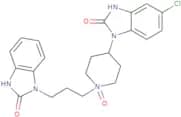
CAS:Controlled Product<p>Perfluoro-N-(4-methylcyclohexyl)piperidine (4-FPP) is a fluorine compound that has been shown to inhibit the enzymatic activity of tyrosine kinases. It is a potent inhibitor of both human and murine tyrosine kinases, but it does not bind to bacterial tyrosine kinase domains. 4-FPP has been used in clinical studies as an anti-cancer drug, although it's clinical relevance remains unclear. It has also been shown to be effective against the influenza virus by inhibiting the synthesis of viral proteins that are involved in replication. The chemical structure of 4-FPP contains a carbonyl group that can react with other compounds through a photochemical process. This reaction is thought to result in the development of new drugs with similar biochemical properties to 4-FPP.</p>Formula:C12F23NPurity:Min. 95%Color and Shape:Clear LiquidMolecular weight:595.1 g/molDomperidone N-oxide
CAS:<p>Please enquire for more information about Domperidone N-oxide including the price, delivery time and more detailed product information at the technical inquiry form on this page</p>Formula:C22H24ClN5O3Purity:Min. 95%Molecular weight:441.91 g/molRef: 3D-FD183841
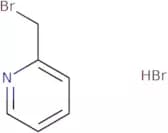
Discontinued product2-(Bromomethyl)pyridine hydrobromide
CAS:<p>This compound is an optical sensor that can be used to detect the presence of metal ions. It has a labile nature and is sensitive to light, which makes it ideal for use in fluorescence microscopy. 2-(Bromomethyl)pyridine hydrobromide has been shown to bind to nitric oxide and produce a strong fluorescent signal when exposed to copper ions. This probe can also be used as a molecular model for studying the interaction of metal ions with other molecules.</p>Formula:C6H6BrN•HBrPurity:Min. 95%Color and Shape:PowderMolecular weight:252.93 g/molRef: 3D-FB168008
Discontinued product

![Imidazo[1,2-a]pyridin-6-amine](/_next/image/?url=https%3A%2Fstatic.cymitquimica.com%2Fproducts%2FFT%2Fthumb-webp%2FI12028.webp&w=3840&q=75)

![6-Bromo-3-(trifluoromethyl)-[1,2,4]triazolo[4,3-a]pyridine](/_next/image/?url=https%3A%2Fstatic.cymitquimica.com%2Fproducts%2FFT%2Fthumb-webp%2FB14591.webp&w=3840&q=75)

![7-Bromo-1H-imidazo[1,2-a]pyridin-8-amine](/_next/image/?url=https%3A%2Fstatic.cymitquimica.com%2Fproducts%2FFT%2Fthumb-webp%2FB13862.webp&w=3840&q=75)

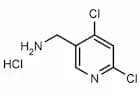
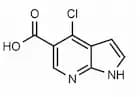
![5-Bromo-1H-imidazo[4,5-b]pyridine](/_next/image/?url=https%3A%2Fstatic.cymitquimica.com%2Fproducts%2FFT%2Fthumb-webp%2FB12263.webp&w=3840&q=75)
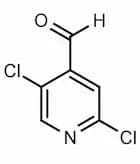
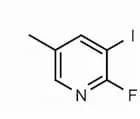




![1-(2,3-Dihydro[2,4'-bibenzo[b]thiophen]-4-yl)-piperazine Dihydrochloride](/_next/image/?url=https%3A%2Fstatic.cymitquimica.com%2Fproducts%2FTR%2Fthumb-webp%2FD450445.webp&w=3840&q=75)

![[3-(1-Piperidin-1-ylcyclohexyl)phenyl]amine hydrochloride](/_next/image/?url=https%3A%2Fstatic.cymitquimica.com%2Fproducts%2F3D%2Fthumb-webp%2FFP120158.webp&w=3840&q=75)