


Heterocycles with Nitrogen (N)
In this category, you will find a wide variety of nitrogen-containing heterocycles. Heterocycles are carbon chains that form a cycle in which at least one position is occupied by a heteroatom, in this case, nitrogen. These compounds are integral in the synthesis of pharmaceuticals, agrochemicals, and dyes, offering unique reactivity and stability. At CymitQuimica, we provide a comprehensive selection of high-quality nitrogen-containing heterocycles to support your research and industrial applications
Subcategories of "Heterocycles with Nitrogen (N)"
- Azepane(434 products)
- Benzotriazoles(436 products)
- Diazepanes(331 products)
- Imidazoles(4,011 products)
- Imidazolines(385 products)
- Isoxazole(1,077 products)
- Piperazines(3,736 products)
- Piperidines(8,405 products)
- Pyrazines(1,299 products)
- Pyrazole(5,921 products)
- Pyrazolidine(21 products)
- Pyrazoline(142 products)
- Pyridazine(856 products)
- Pyridines(21,917 products)
- Pyrimidine(6,041 products)
- Pyrroles(2,443 products)
- Pyrrolidines(5,816 products)
- Pyrroline(48 products)
- Pyrrolo[1,2-b]pyridazine(10 products)
- Tetrazole(510 products)
- Triazines(462 products)
- Triazoles(1,680 products)
Show 14 more subcategories
Found 17855 products of "Heterocycles with Nitrogen (N)"
Sort by
Purity (%)
0
100
|
0
|
50
|
90
|
95
|
100
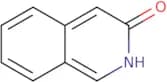
3-Hydroxyisoquinoline
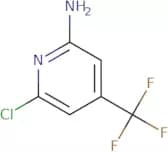
CAS:<p>3-Hydroxyisoquinoline is a non-nucleoside inhibitor of cyclic nucleotide phosphodiesterase (cNMP) that is used in the treatment of nervous system diseases. 3-Hydroxyisoquinoline has been shown to have an inhibitory effect on cyclic nucleotide phosphodiesterase and can be used for the treatment of neurological disorders such as Parkinson’s disease, Alzheimer’s disease, and epilepsy. It also has anti-inflammatory properties and can be used to treat pain. 3-Hydroxyisoquinoline has a photoelectron spectrum that peaks at 5.6 eV, with a strong absorption band at 2.1 eV due to hydrogen bonding. This compound is also able to absorb radiation in the form of light emission with an emission peak at 4.8 eV, with a maximum intensity around 830 nm and a half-life of 0.2 s. 3-Hydroxyisoquinoline is able to</p>Formula:C9H7NOPurity:Min. 95%Color and Shape:Yellow PowderMolecular weight:145.16 g/mol6-Chloro-4-(trifluoromethyl)-2-pyridinamine
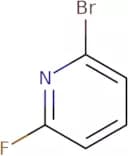
CAS:<p>Please enquire for more information about 6-Chloro-4-(trifluoromethyl)-2-pyridinamine including the price, delivery time and more detailed product information at the technical inquiry form on this page</p>Formula:C6H4ClF3N2Purity:Min. 95%Molecular weight:196.56 g/mol2-Bromo-6-fluoropyridine
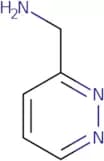
CAS:<p>2-Bromo-6-fluoropyridine is a versatile building block that can be used to create a range of compounds. It is a useful intermediate and can be applied in the synthesis of high quality reagents, speciality chemicals, and complex compounds. It has been used as a reaction component in the synthesis of 2-(2-bromoethoxy)pyridine and 2-bromopyridine. This compound has CAS No. 144100-07-2, which makes it an important research chemical.</p>Formula:C5H3BrFNPurity:Min. 95%Color and Shape:PowderMolecular weight:174.943293-Pyridazinemethanamine
CAS:<p>3-Pyridazinemethanamine is an amide that binds to the vasopressin V2 receptor. It is a selective agonist of the vasopressin V2 receptor and has a high affinity for this receptor. 3-Pyridazinemethanamine has been shown to be a functional antagonist at the vasopressin V1A receptors, which may be due to its chemical structure. 3-Pyridazinemethanamine is not metabolized by cytochrome P450 and does not inhibit other cytochrome P450 enzymes, making it an attractive drug candidate for use in humans.</p>Formula:C5H7N3Purity:Min. 95%Molecular weight:109.13 g/molEthyl 1-N-Boc-3-oxopiperidine-4-carboxylate
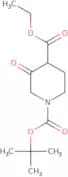
CAS:<p>Please enquire for more information about Ethyl 1-N-Boc-3-oxopiperidine-4-carboxylate including the price, delivery time and more detailed product information at the technical inquiry form on this page</p>Formula:C13H21NO5Purity:Min. 95%Molecular weight:271.31 g/mol3-Amino-4-methoxypyridine
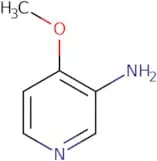
CAS:<p>3-Amino-4-methoxypyridine is a molecule that has been shown to have anesthetic activity. It has been shown to inhibit the uptake of glycogen by glioblastoma cells and decrease the rate of glycogen synthesis in these cells. 3-Amino-4-methoxypyridine also inhibits the production of ATP in cardiac muscle cells, which may be due to its ability to inhibit glycogen synthase kinase-3 (GSK3) and glycogen synthase. This drug also inhibits cancer cell growth by inhibiting protein synthesis, as well as inflammatory disease progression by inhibiting NFκB activation and cytokine production. 3-Amino-4-methoxypyridine can be synthesized from aminopyridines such as isonicotinic acid or nicotinic acid, which are oxidized with hydrogen peroxide and sodium nitrite in the presence of a base catalyst.</p>Formula:C6H8N2OPurity:Min. 95%Molecular weight:124.14 g/molPyridine-3-carboxaldehyde
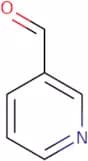
CAS:<p>Pyridine-3-carboxaldehyde is a heterocyclic compound that is structurally related to nicotinic acid and picolinic acid. It has been shown to have anti-tumor activity, with hl-60 cells as the model system. Pyridine-3-carboxaldehyde has also been shown to be toxic to bacteria in biological studies. The chemical stability of this compound was studied by Langmuir adsorption isotherm and electrochemical impedance spectroscopy. It was found that pyridine-3-carboxaldehyde is stable at a pH range of 7 to 8 and at temperatures up to 60 degrees Celsius.</p>Formula:C6H5NOPurity:Min. 95%Color and Shape:Clear LiquidMolecular weight:107.11 g/mol2-Amino-4-(cyclopropyl)pyrimidine
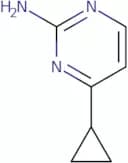
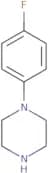
CAS:<p>Please enquire for more information about 2-Amino-4-(cyclopropyl)pyrimidine including the price, delivery time and more detailed product information at the technical inquiry form on this page</p>Formula:C7H9N3Purity:Min. 95%Molecular weight:135.17 g/mol1-(4-Fluorophenyl)piperazine free base
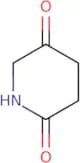
CAS:Controlled Product<p>Please enquire for more information about 1-(4-Fluorophenyl)piperazine free base including the price, delivery time and more detailed product information at the technical inquiry form on this page</p>Purity:Min. 95%Piperidine-2,5-dione
CAS:<p>Piperidine-2,5-dione is a synthetic compound that is used for the synthesis of benzyl esters, stereospecific chiral compounds, and amides. It can be used as a building block in the synthesis of natural products. Piperidine-2,5-dione has been shown to inhibit the activity of enzymes such as lactamases and amidases. The mechanism by which piperidine-2,5-dione inhibits these enzymes is not yet known. This compound also can react with potassium hydride to form radical species or alkylate boronic acids to form stereochemically pure products.</p>Formula:C5H7NO2Purity:Min. 95%Molecular weight:113.11 g/molAcefylline piperazine
CAS:Controlled Product<p>Acefylline piperazine is a hydrogen-bonded molecule with the chemical formula C8H14N4O. It is an occlusive profile that inhibits human serum lipoprotein lipase and cardiac lipases. Acefylline piperazine has been shown to inhibit fatty acid and eosinophil cationic protein production in vitro. This drug also possesses anti-inflammatory properties, which may be due to its ability to inhibit the enzyme activity of lipoprotein lipase, thereby reducing the levels of fatty acids present in tissues. Acefylline piperazine has a molecular weight of 168.2 daltons, which is consistent with most drugs that are administered intravenously as pharmaceutical dosages.</p>Formula:C9H10N4O4C4H10N2Purity:Min. 95%Color and Shape:PowderMolecular weight:281.27 g/molN-Benzyl-4-carboethoxypiperidine
CAS:<p>N-Benzyl-4-carboethoxypiperidine (NBP) is a potential drug for the treatment of Alzheimer's disease. It is an acetylcholinesterase inhibitor that blocks the breakdown of acetylcholine, leading to increased levels of this neurotransmitter in the brain. NBP has been shown to inhibit butyrylcholinesterase, an enzyme responsible for breaking down acetylcholine. This inhibition leads to increased levels of acetylcholine in the brain and prevents the development of Alzheimer's disease. NBP has also been shown to have a low level of toxicity in mice and rats and does not inhibit other enzymes such as carboxypeptidases or aminopeptidases.</p>Formula:C15H21NO2Purity:Min. 95%Color and Shape:Clear LiquidMolecular weight:247.33 g/mol4-Bromomethyl-4'-methyl-2,2'-bipyridine
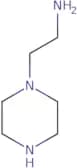
CAS:<p>Please enquire for more information about 4-Bromomethyl-4'-methyl-2,2'-bipyridine including the price, delivery time and more detailed product information at the technical inquiry form on this page</p>Formula:C12H11BrN2Purity:Min. 91.0 Area-%Molecular weight:263.14 g/molN-(2-Aminoethyl)piperazine
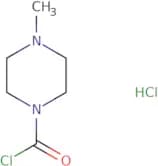
CAS:<p>N-(2-Aminoethyl)piperazine (NAPE) is a chemical compound that can be used as an environmentally friendly catalyst for the degradation of ethylene diamine and other amines. NAPE has been shown to be stable under alkaline conditions, and its fluorescence probe has been used to monitor the progress of the reaction. This compound is a coordination complex with nitrogen atoms at the corners of a square and two amines at opposite corners of the square. The amine groups are coordinated to metal ions in a geometry that is determined by the atomic number of the metal ion. Disulfide bonds form between two cysteine residues on adjacent chains. Glycol ethers can also form disulfide bonds with NAPE, forming glycol ether-NAPE complexes. Antibodies have been shown to bind to glycol ether-NAPE complexes, suggesting that these complexes may play a role in antibody response, although experimental solubility data have not yet confirmed this</p>Formula:C6H15N3Purity:Min. 95%Molecular weight:129.2 g/mol4-Methyl-1-piperazinecarbonyl chloride hydrochloride
CAS:<p>4-Methyl-1-piperazinecarbonyl chloride hydrochloride is a pyridine derivative that can be used to synthesize various alkyl esters. It is also used as a reagent in organic synthesis. 4-Methyl-1-piperazinecarbonyl chloride hydrochloride is soluble in organic solvents and has a low melting point. This compound can be used for the recrystallization of dibenzoyl, which is an important parameter for this reaction. 4-Methyl-1-piperazinecarbonyl chloride hydrochloride is an anhydrous compound, so it must be stored in a dry place to prevent water from forming crystals. Nonbenzodiazepine drugs are also made with 4-methyl-1-piperazinecarbonyl chloride hydrochloride. The enantiomers (mirror images) of this molecule may have different effects on the body, and this difference can be</p>Formula:C6H11ClN2O•HClPurity:Min. 95%Color and Shape:PowderMolecular weight:199.08 g/mol1-(4-Bromobenzyl)piperazine
CAS:Controlled Product<p>1-(4-Bromobenzyl)piperazine is a chemical compound that is an amine and an aromatic heterocycle. It has been shown to inhibit the growth of murine melanoma cells in culture, with a preferential effect on malignant cells. 1-(4-Bromobenzyl)piperazine binds to melanin, which may be due to its ability to cross the blood-brain barrier and accumulate in the brain. This compound also has diffraction properties and can be used as a high-energy radiation source for electron microscopy.<br>1-(4-Bromobenzyl)piperazine is used in the synthesis of benzylpiperazine, an aromatic amine that is used as a chemical intermediate in organic chemistry.</p>Formula:C11H15BrN2Purity:Min. 95%Molecular weight:255.15 g/mol6-Amino-1,3,5-triazine-2,4-diol
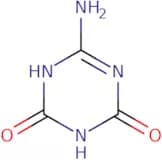
CAS:<p>6-Amino-1,3,5-triazine-2,4-diol is a chemical that is soluble in water and has been shown to be an effective inhibitor of cyanuric acid degradation. It has been used in wastewater treatment and as a model system for the study of melamine and cyanuric acid interactions. 6-Amino-1,3,5-triazine-2,4-diol binds to cyanuric acid by forming a complex with it. This prevents the formation of reactive intermediates that lead to the degradation of cyanuric acid. 6-Amino-1,3,5-triazine-2,4-diol also inhibits the oxidation catalyst activity of sodium carbonate at pH 8.5. The toxicity of this chemical has been studied in rats and was found to be low.</p>Formula:C3H4N4O2Purity:Min. 95%Molecular weight:128.09 g/mol2,2,6,6-Tetramethylpiperidine
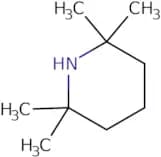
CAS:<p>Hindered amine light stabilizer in polymer synthesis; TEMPO and LTMP precusor</p>Formula:C9H19NPurity:Min. 95%Color and Shape:Clear LiquidMolecular weight:141.25 g/molQueuine
CAS:<p>Please enquire for more information about Queuine including the price, delivery time and more detailed product information at the technical inquiry form on this page</p>Formula:C12H15N5O3Purity:Min. 95%Molecular weight:277.28 g/mol5-Methylindole
CAS:<p>5-Methylindole is a chemical that has been used as a building block in the synthesis of many complex compounds. It has been found to be useful in research due to its versatility, and it can also be used as a reaction component in the synthesis of speciality chemicals. 5-Methylindole is an intermediate for other chemical compounds, and is an important solvent for some reactions. 5-Methylindole is also used as a reagent for the production of indole derivatives.</p>Formula:C9H9NPurity:Min. 99 Area-%Molecular weight:131.18 g/molRef: 3D-M-3914
1kgTo inquire50gTo inquire100gTo inquire250gTo inquire500gTo inquire-Unit-ggTo inquire5-Bromo-2,3-dimethoxypyrazine
CAS:<p>Please enquire for more information about 5-Bromo-2,3-dimethoxypyrazine including the price, delivery time and more detailed product information at the technical inquiry form on this page</p>Formula:C6H7BrN2O2Purity:Min. 95%Molecular weight:219.04 g/mol1-Aminopiperidine
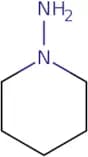
CAS:<p>1-Aminopiperidine is a hydrochloric acid derivative that is used to treat tuberculosis. It inhibits the enzyme catalysis of phospholipase A2 (PLA2) and blocks the release of arachidonic acid from cell membranes. 1-Aminopiperidine has been shown to have tuberculostatic activity in vivo by inhibiting PLA2 and blocking the release of arachidonic acid. This agent also exhibits antitumor properties, which may be due to its ability to inhibit the production of prostaglandin E2 (PGE2), an inflammatory mediator that can stimulate tumor growth. 1-Aminopiperidine binds to cannabinoid receptors, but does not bind to opioid or benzodiazepine receptors. This drug also exhibits antagonist activity against rimonabant, a type of receptor blocker for cannabinoid receptors.</p>Formula:C5H12N2Purity:Min. 95%Color and Shape:Clear LiquidMolecular weight:100.16 g/molCinidon ethyl
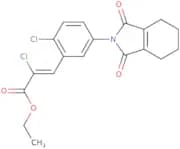
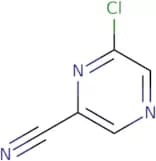
CAS:<p>Please enquire for more information about Cinidon ethyl including the price, delivery time and more detailed product information at the technical inquiry form on this page</p>Formula:C19H17Cl2NO4Purity:Min. 95%Color and Shape:PowderMolecular weight:394.2 g/mol2-Chloro-6-cyanopyrazine
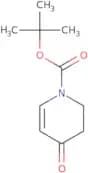
CAS:<p>2-Chloro-6-cyanopyrazine is a compound that has been shown to have antimycobacterial activity against Mycobacterium avium. It may also have tuberculostatic activity and be useful for the treatment of tuberculosis. 2-Chloro-6-cyanopyrazine inhibits bacterial growth by binding to DNA, RNA, and protein synthesis in mycobacteria. The antibacterial effect is due to its ability to inhibit amidation and alkylation reactions, as well as its nucleophilic properties. 2-Chloro-6-cyanopyrazine is an acidic compound with a pKa of 3.2, which makes it more soluble in water than hydrophobic compounds such as alkanoic acids.</p>Formula:C5H2ClN3Purity:Min. 95%Molecular weight:139.54 g/mol4-Oxo-3,4-dihydro-2H-pyridine-1-carboxylic acid tert-butyl ester
CAS:<p>4-Oxo-3,4-dihydro-2H-pyridine-1-carboxylic acid tert-butyl ester is a white solid that is soluble in organic solvents and oils. It can be used as a source of lithium carbonate in alkaline solutions. 4-Oxo-3,4-dihydro-2H-pyridine-1 -carboxylic acid tert -butyl ester is typically used in the preparation of lithium carbonate from lithium hydroxide.</p>Formula:C10H15NO3Purity:Min. 95%Color and Shape:PowderMolecular weight:197.23 g/mol3,3-Diphenylpiperidine Hydrochloride
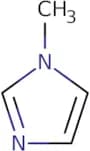
CAS:<p>Please enquire for more information about 3,3-Diphenylpiperidine Hydrochloride including the price, delivery time and more detailed product information at the technical inquiry form on this page</p>Formula:C17H19N·HClPurity:Min. 95%Molecular weight:273.8 g/mol1-Methylimidazole
CAS:<p>1-Methylimidazole is a compound with the molecular formula CH3N2H. It is soluble in water, but insoluble in organic solvents. 1-Methylimidazole has been found to bind to human serum and p-nitrophenyl phosphate. The fluorescence of 1-methylimidazole is quenched by hydrogen bonding interactions, which are the same as those that occur in natural compounds such as hemoglobin and chlorophyll. The nitrogen atoms on the surface of 1-methylimidazole can be detected using infrared spectroscopy. This method can also be used to analyze group P2 molecules, such as benzene, phenol, and cyclohexane.</p>Formula:C4H6N2Purity:Min. 98%Color and Shape:PowderMolecular weight:82.1 g/mol4-[(4-Methyl-1H-pyrazol-1-yl)methyl]piperidine dihydrochloride
CAS:Controlled Product<p>Please enquire for more information about 4-[(4-Methyl-1H-pyrazol-1-yl)methyl]piperidine dihydrochloride including the price, delivery time and more detailed product information at the technical inquiry form on this page</p>Formula:C10H17N3Purity:Min. 95%Molecular weight:179.26 g/mol1-[(1,3,5-Trimethyl-1H-pyrazol-4-yl)methyl]piperazine
CAS:Controlled Product<p>Please enquire for more information about 1-[(1,3,5-Trimethyl-1H-pyrazol-4-yl)methyl]piperazine including the price, delivery time and more detailed product information at the technical inquiry form on this page</p>Formula:C11H20N4Purity:Min. 95%Molecular weight:208.3 g/mol1-Piperidinecarbonylchloride
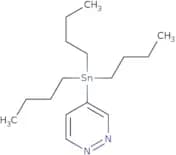
CAS:<p>1-Piperidinecarbonylchloride is a molecule that has been shown to have anti-inflammatory and anti-cancer properties. It is an aliphatic hydrocarbon with a prenyl group that has been shown to bind to the chloride channel, which leads to increased chloride secretion in the small intestine and decreased chloride secretion in the colon. This may contribute to its therapeutic effects on inflammatory bowel disease. 1-Piperidinecarbonylchloride also inhibits fatty acid synthesis, which may be responsible for its therapeutic effects on metabolic disorders such as diabetes and obesity.</p>Formula:C6H10ClNOPurity:Min. 95%Color and Shape:Clear LiquidMolecular weight:147.6 g/mol4-(Tributylstannyl)pyridazine
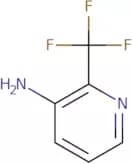
CAS:Controlled Product<p>4-(Tributylstannyl)pyridazine is a heterocycle that can be used as an analog for pyridazine. It has been shown to have antimicrobial activity against bacteria and fungi, but not against viruses. 4-(Tributylstannyl)pyridazine is also a phosphoinositide analog, which has been shown to inhibit the synthesis of nucleic acids in cancer cells. This compound binds to the enzyme hydrazide reductase and inhibits energy metabolism through its inhibition of oxidative phosphorylation. 4-(Tributylstannyl)pyridazine also has a nitrogen atom, which may be responsible for its agrochemical properties.</p>Formula:C16H30N2SnPurity:Min. 95%Color and Shape:LiquidMolecular weight:369.13 g/mol2-(Trifluoromethyl)pyridin-3-amine
CAS:<p>2-(trifluoromethyl)pyridin-3-amine is an industrial chemical that is used as a reagent in the synthesis of other chemicals. It is synthesized from benzene and an acid ethyl ester in a complex reaction. 2-(trifluoromethyl)pyridin-3-amine is toxic, with industrial uses such as the synthesis of dyes and pesticides.</p>Formula:C6H5F3N2Purity:Min. 95%Color and Shape:PowderMolecular weight:162.11 g/mol1-(4-Bromo-2,5-dimethoxybenzyl)piperazine
CAS:Controlled Product<p>Please enquire for more information about 1-(4-Bromo-2,5-dimethoxybenzyl)piperazine including the price, delivery time and more detailed product information at the technical inquiry form on this page</p>Formula:C13H19BrN2O2Purity:Min. 95%Molecular weight:315.21 g/molN-(4-Chloro-5-iodo-7H-pyrrolo[2,3-d]pyrimidin-2-yl)pivalamide
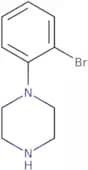
CAS:<p>Please enquire for more information about N-(4-Chloro-5-iodo-7H-pyrrolo[2,3-d]pyrimidin-2-yl)pivalamide including the price, delivery time and more detailed product information at the technical inquiry form on this page</p>Formula:C11H12ClIN4OPurity:Min. 95%Molecular weight:378.6 g/mol1-(2-Bromophenyl)piperazine
CAS:Controlled Product<p>1-(2-Bromophenyl)piperazine is a drug that inhibits the activity of dehydrogenase, an enzyme that catalyzes the oxidation of NADH to NAD. It has been shown to inhibit other enzymes as well, such as those involved in the synthesis of amino acids and nucleic acids. 1-(2-Bromophenyl)piperazine has shown potential as a therapeutic agent for Parkinson's disease. This drug is being tested in clinical trials for its efficacy in treating a variety of diseases, including metabolic and cardiovascular disorders, hepatobiliary diseases, and neurodegenerative diseases.</p>Formula:C10H13BrN2Purity:Min. 95%Molecular weight:241.13 g/moltert-Butyl 4-(2-bromophenyl)piperazine-1-carboxylate
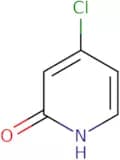
CAS:Controlled Product<p>Please enquire for more information about tert-Butyl 4-(2-bromophenyl)piperazine-1-carboxylate including the price, delivery time and more detailed product information at the technical inquiry form on this page</p>Purity:Min. 95%4-Chloro-2-hydroxypyridine
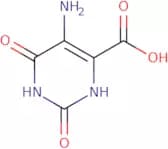
CAS:<p>4-Chloro-2-hydroxypyridine is a chemical substance that has been shown to inhibit the replication of viruses in cell culture. It has demonstrated antiobesity effects in animal studies, but its mechanism is not well understood. This substance may be a thioxanthone derivative, which are heterocyclic compounds containing oxygen and sulfur. 4-Chloro-2-hydroxypyridine can crosslink DNA and form adducts with deoxyribose sugars. It also has affinity for sequences containing pyridones and imidazopyridines.</p>Formula:C5H4ClNOPurity:Min. 95%Molecular weight:129.54 g/mol5-Aminoorotic acid
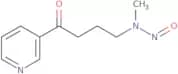
CAS:<p>5-Aminoorotic acid is an antimicrobial agent that has been shown to have anticancer activity. It has a nitrogen atom and two oxygen atoms in the molecule. The chemical structure of 5-aminoorotic acid can be determined using NMR spectroscopy and its biological properties are dependent on hydrogen bonding interactions with other molecules. 5-Aminoorotic acid is a chelate ring, which means it can bind to metal ions such as lanthanum (La3+). 5-Aminoorotic acid has been shown to inhibit the glycol oxidation reaction and may also be able to inhibit other enzymatic reactions. This drug is stable for use in model systems and may also be used for cancer treatment.</p>Formula:C5H5N3O4Purity:Min. 95%Molecular weight:171.11 g/mol4-(Methylnitrosoamino)-1-(3-pyridinyl)-1-butanone
CAS:<p>4-(Methylnitrosoamino)-1-(3-pyridinyl)-1-butanone (NNK) is a carcinogenic chemical that has been identified in tobacco smoke. It induces squamous cell carcinomas in the respiratory tract of rodents and induces lung cancer in the offspring of pregnant rats exposed to NNK. This compound binds to double-stranded DNA, with high affinity for the minor groove, and inhibits DNA synthesis by binding to enzymes such as polymerase chain. In addition, it has been shown to cause transformation of epithelial cells into mesenchymal cells in vitro. 4-(Methylnitrosoamino)-1-(3-pyridinyl)-1-butanone binds to α7 nicotinic acetylcholine receptors and increases the response element activity.</p>Formula:C10H13N3O2Purity:Min. 95%Color and Shape:PowderMolecular weight:207.23 g/mol1-[(2,5-Dimethoxyphenyl)methyl]piperazine HCl
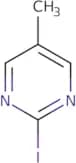
CAS:Controlled Product<p>Please enquire for more information about 1-[(2,5-Dimethoxyphenyl)methyl]piperazine HCl including the price, delivery time and more detailed product information at the technical inquiry form on this page</p>Formula:C13H20N2O2HClPurity:Min. 95%Molecular weight:272.77 g/mol2-Iodo-5-methylpyrimidine
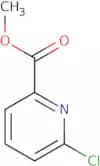
CAS:<p>Please enquire for more information about 2-Iodo-5-methylpyrimidine including the price, delivery time and more detailed product information at the technical inquiry form on this page</p>Formula:C5H5IN2Purity:Min. 95%Molecular weight:220.01 g/molMethyl 6-chloro-2-pyridinecarboxylate
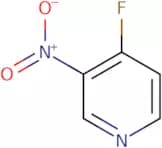
CAS:<p>Methyl 6-chloro-2-pyridinecarboxylate is a reactive, organic compound that belongs to the class of monomers. It is a white crystalline solid with a melting point of approximately 130 degrees Celsius. This chemical can be synthesized by reacting 2-chlorobenzothiazole with sodium carbonate in water at temperatures between 100 and 140 degrees Celsius. The reaction yields methyl 6-chloro-2-pyridinecarboxylate as well as chloride and picolinic acid as side products. This compound has been shown to have neurotoxic effects when administered to rats at high doses.</p>Formula:C7H6ClNO2Purity:Min. 95%Molecular weight:171.58 g/mol4-Fluoro-3-nitropyridine
CAS:<p>4-Fluoro-3-nitropyridine is a reactive chemical that can react with alcohols, amines, and amino acids. It has been shown to have absorption spectra in the ultraviolet region of the light spectrum. 4-Fluoro-3-nitropyridine is also a pyridine derivative.</p>Formula:C5H3FN2O2Purity:Min. 95%Color and Shape:Off-White PowderMolecular weight:142.09 g/mol5-Chloropyridine-2-boronicacid
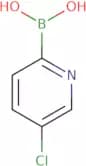
CAS:<p>Please enquire for more information about 5-Chloropyridine-2-boronicacid including the price, delivery time and more detailed product information at the technical inquiry form on this page</p>Formula:C5H5BClNO2Purity:Min. 95%Molecular weight:157.36 g/mol5-Amino-2-chloropyridine-4-carboxylic acid
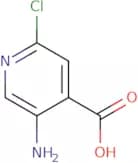
CAS:<p>5-Amino-2-chloropyridine-4-carboxylic acid is a potent tyrosine kinase inhibitor. It inhibits the activation of EGFR, which may be due to its binding to the ATP-binding pocket in EGFR. 5-Amino-2-chloropyridine-4-carboxylic acid has been shown to inhibit cancer cell growth and induce apoptosis in vitro. This drug has also been shown to have potent anticancer activity in vivo, as well as inhibitory effect on tumor growth in xenograft models of human cancer cells. In addition, it inhibits the production of formamidine acetate, a precursor for histamine synthesis. 5-Amino-2-chloropyridine-4-carboxylic acid binds to formamide and formamidine acetate with high affinity and therefore inhibits histamine synthesis.</p>Formula:C6H5ClN2O2Purity:Min. 95%Color and Shape:White PowderMolecular weight:172.57 g/mol3-Bromopyridine
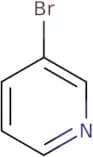
CAS:<p>3-Bromopyridine is a colorless liquid that is soluble in water and methanol. It has a chemical ionization mass spectrum with hydrogen bonding interactions, which are shown by the nitrogen atoms. 3-Bromopyridine reacts with amines to form nitroso compounds and has transport properties that are dependent on pH. 3-Bromopyridine has been shown to be a metastable substance, which means it can be isolated in a yield of greater than 50%. 3-Bromopyridine is soluble in alkaline solutions, but decomposes at high temperatures. The solution turns red when phosphotungstic acid is added and it gives an orange precipitate when hydrochloric acid is added. The solution turns yellow when sodium hydroxide is added. 3-Bromopyridine can be detected by its nmr spectra and kinetic energy measurements.</p>Formula:C5H4NBrPurity:Min. 95%Molecular weight:158 g/mol6-Chloro-5-methylpyridin-2-amine
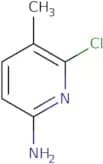
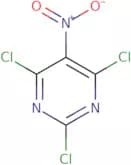
CAS:<p>6-Amino-2-chloro-3-methylpyridine is a heteroaromatic compound that belongs to the class of imidazopyridine. It is a monomer used in research, and can be transformed into the cross-coupling reaction with electron irradiation, which provides an efficient method for synthesizing other heteroaromatic compounds. 6-Amino-2-chloro-3-methylpyridine has low ionization potential and can be used as a drug discovery agent.</p>Formula:C6H7ClN2Purity:Min. 95%Molecular weight:142.59 g/mol2,4,6-Trichloro-5-nitropyrimidine
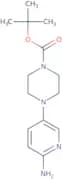
CAS:<p>2,4,6-Trichloro-5-nitropyrimidine is a purine derivative that inhibits the cell proliferation of cancer cells. It has been shown to inhibit the activity of kinases and to induce apoptosis in human cancer cells in vitro. This drug also has antiproliferative potential against erythrocytes and is being investigated as a treatment for renal disease. 2,4,6-Trichloro-5-nitropyrimidine shows inhibitory effects on the phosphorylation of roscovitine by ATP and may be used to treat patients with glomerulonephritis. 2,4,6-Trichloro-5-nitropyrimidine can be synthesized from 2,4,6-trichloropyrimidinethiol and nitric acid according to the following equation: CClNO + HNO → CClNOH + NO 2 Cl + 3 HNO</p>Formula:C4Cl3N3O2Purity:Min. 97 Area-%Molecular weight:228.42 g/moltert-Butyl 4-(6-aminopyridin-3-yl)piperazine-1-carboxylate
CAS:<p>tert-Butyl 4-(6-aminopyridin-3-yl)piperazine-1-carboxylate is an organic compound that can be synthesized by the reduction of 5-bromo-2-nitro pyridine with a palladium catalyst. It has been shown to inhibit the growth of cancer cells in vitro and in vivo, and is being investigated as a potential treatment for breast cancer.</p>Formula:C14H22N4O2Purity:Min. 95%Molecular weight:278.35 g/mol6-Chloro-1,3-dimethyl-1H-pyrazolo[3,4-b]pyridine-5-carboxaldehyde
CAS:<p>Please enquire for more information about 6-Chloro-1,3-dimethyl-1H-pyrazolo[3,4-b]pyridine-5-carboxaldehyde including the price, delivery time and more detailed product information at the technical inquiry form on this page</p>Formula:C9H8ClN3OPurity:Min. 95%Molecular weight:209.63 g/mol







![4-[(4-Methyl-1H-pyrazol-1-yl)methyl]piperidine dihydrochloride](/_next/image/?url=https%3A%2Fstatic.cymitquimica.com%2Fproducts%2F3D%2Fthumb-webp%2FFM122832.webp&w=3840&q=75)
![1-[(1,3,5-Trimethyl-1H-pyrazol-4-yl)methyl]piperazine](/_next/image/?url=https%3A%2Fstatic.cymitquimica.com%2Fproducts%2F3D%2Fthumb-webp%2FFT113866.webp&w=3840&q=75)


![N-(4-Chloro-5-iodo-7H-pyrrolo[2,3-d]pyrimidin-2-yl)pivalamide](/_next/image/?url=https%3A%2Fstatic.cymitquimica.com%2Fproducts%2F3D%2Fthumb-webp%2FFC138201.webp&w=3840&q=75)

![1-[(2,5-Dimethoxyphenyl)methyl]piperazine HCl](/_next/image/?url=https%3A%2Fstatic.cymitquimica.com%2Fproducts%2F3D%2Fthumb-webp%2FFD112280.webp&w=3840&q=75)
![6-Chloro-1,3-dimethyl-1H-pyrazolo[3,4-b]pyridine-5-carboxaldehyde](/_next/image/?url=https%3A%2Fstatic.cymitquimica.com%2Fproducts%2F3D%2Fthumb-webp%2FFC30642.webp&w=3840&q=75)