Heterocycles with Nitrogen (N)
In this category, you will find a wide variety of nitrogen-containing heterocycles. Heterocycles are carbon chains that form a cycle in which at least one position is occupied by a heteroatom, in this case, nitrogen. These compounds are integral in the synthesis of pharmaceuticals, agrochemicals, and dyes, offering unique reactivity and stability. At CymitQuimica, we provide a comprehensive selection of high-quality nitrogen-containing heterocycles to support your research and industrial applications
Subcategories of "Heterocycles with Nitrogen (N)"
- Azepane(434 products)
- Benzotriazoles(436 products)
- Diazepanes(331 products)
- Imidazoles(4,011 products)
- Imidazolines(385 products)
- Isoxazole(1,077 products)
- Piperazines(3,736 products)
- Piperidines(8,406 products)
- Pyrazines(1,299 products)
- Pyrazole(5,921 products)
- Pyrazolidine(21 products)
- Pyrazoline(142 products)
- Pyridazine(856 products)
- Pyridines(21,917 products)
- Pyrimidine(6,041 products)
- Pyrroles(2,443 products)
- Pyrrolidines(5,816 products)
- Pyrroline(48 products)
- Pyrrolo[1,2-b]pyridazine(10 products)
- Tetrazole(510 products)
- Triazines(462 products)
- Triazoles(1,680 products)
Show 14 more subcategories
Found 17855 products of "Heterocycles with Nitrogen (N)"
Sort by
Purity (%)
0
100
|
0
|
50
|
90
|
95
|
100
1-(3-Trifluoromethylphenyl)piperazine hydrochloride
CAS:Controlled Product<p>1-(3-Trifluoromethylphenyl)piperazine hydrochloride (TFMPP) is a derivative of the piperazine class of drugs. It is structurally similar to other drugs in this class, such as bromopropane, which acts as an agonist of the 5-HT1 receptor. TFMPP has been shown to be an agonist at 5-HT1 receptors and dopamine receptors. It has also been shown to inhibit serotonin uptake and release, and inhibits choline acetyltransferase activity in brain tissue. TFMPP is not active on the 5-HT2 receptor, but does have some affinity for the 5-HT2A receptor. TFMPP has high affinity for the serotonergic system, with selective binding to serotonin transporter proteins in vitro. TFMPP may also have some effect on cholinergic systems through its inhibition of acetylcholinesterase activity.</p>Formula:C11H14ClF3N2Purity:Min. 95%Color and Shape:White PowderMolecular weight:266.69 g/mol4-Chloro-2-hydroxypyridine
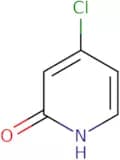
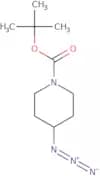
CAS:<p>4-Chloro-2-hydroxypyridine is a chemical substance that has been shown to inhibit the replication of viruses in cell culture. It has demonstrated antiobesity effects in animal studies, but its mechanism is not well understood. This substance may be a thioxanthone derivative, which are heterocyclic compounds containing oxygen and sulfur. 4-Chloro-2-hydroxypyridine can crosslink DNA and form adducts with deoxyribose sugars. It also has affinity for sequences containing pyridones and imidazopyridines.</p>Formula:C5H4ClNOPurity:Min. 95%Molecular weight:129.54 g/moltert-Butyl 4-azidopiperidine-1-carboxylate
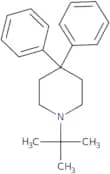
CAS:<p>Please enquire for more information about tert-Butyl 4-azidopiperidine-1-carboxylate including the price, delivery time and more detailed product information at the technical inquiry form on this page</p>Formula:C10H18N4O2Purity:Min. 95%Molecular weight:226.28 g/mol1-tert-butyl-4,4-Diphenyl-piperidine
CAS:<p>1-tert-butyl-4,4-Diphenyl-piperidine is a drug that binds to the dopamine D2 receptor. It inhibits locomotor activity in animals and has been shown to be neurotoxic in vivo. 1-tert-butyl-4,4-Diphenyl-piperidine has been shown to exhibit antioxidative properties, which may be due to its ability to scavenge reactive oxygen species (ROS) or inhibit lipid peroxidation. This drug also has antimuscarinic effects and is used as an antiparkinsonian agent. It is a competitive antagonist at the muscarinic M1 receptor and displays high affinity for the dopamine D2 receptor in vitro. Moreover, it increases striatal dopamine concentrations in vivo and exhibits antiparkinsonian effects when administered intraperitoneally to rats. Fatty acid metabolism is inhibited by this drug, which may lead to an increase in endogenous substances such as gamma-aminob</p>Formula:C21H27NPurity:Min. 95%Color and Shape:PowderMolecular weight:293.45 g/mol5-Methylindole
CAS:<p>5-Methylindole is a chemical that has been used as a building block in the synthesis of many complex compounds. It has been found to be useful in research due to its versatility, and it can also be used as a reaction component in the synthesis of speciality chemicals. 5-Methylindole is an intermediate for other chemical compounds, and is an important solvent for some reactions. 5-Methylindole is also used as a reagent for the production of indole derivatives.</p>Formula:C9H9NPurity:Min. 99 Area-%Molecular weight:131.18 g/molRef: 3D-M-3914
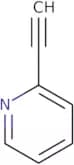
1kgTo inquire50gTo inquire100gTo inquire250gTo inquire500gTo inquire-Unit-ggTo inquire2-Ethynylpyridine
CAS:<p>2-Ethynylpyridine is a structural analog of pyridine and is used in the synthesis of polymers. 2-Ethynylpyridine has been shown to have significant cytotoxicity, which may be due to its ability to bind to receptors. Using X-ray crystallography, it has been determined that 2-ethynylpyridine binds to a receptor by forming hydrogen bonds with the nitrogen atoms on the receptor. 2-Ethynylpyridine can also be activated by hydrochloric acid (HCl) and reacts with sodium hydroxide (NaOH) solution and x-rays to form an x-ray crystal structure. 2-Ethynylpyridine is synthesized by the reaction between ethyne and nitric acid in the presence of aluminum chloride (AlCl3). The product is reacted with hydrochloric acid (HCl) or sodium hydroxide (NaOH) solution, which causes a change in</p>Formula:C7H5NPurity:Min. 97 Area-%Color and Shape:Clear LiquidMolecular weight:103.12 g/mol4-Hydroxy-7-methoxy-6-quinolinecarboxamide
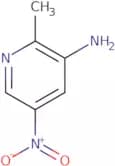
CAS:<p>Please enquire for more information about 4-Hydroxy-7-methoxy-6-quinolinecarboxamide including the price, delivery time and more detailed product information at the technical inquiry form on this page</p>Formula:C11H10N2O3Purity:Min. 95%Molecular weight:218.21 g/mol2-Methyl-5-nitropyridin-3-amine
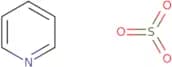
CAS:<p>2-Methyl-5-nitropyridin-3-amine is a heterocyclic compound that is synthesized by the cyclization of 2-methylpyridine with sodium nitrite. The reaction product is hydrolyzed to yield the desired compound, 5-nitropyridine. The synthesis of this compound can be used as a target for organic synthesis.</p>Formula:C6H7N3O2Purity:Min. 95%Molecular weight:153.14 g/molPyridine-sulfur trioxide complex
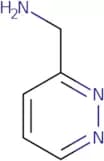
CAS:Controlled Product<p>Pyridine-sulfur trioxide complex is a sodium salt of sulfuric acid and pyridine. It is an intramolecular hydrogen acceptor, which means that it can act as a hydrogen donor to other molecules. Pyridine-sulfur trioxide complex has been shown to be effective against HIV infection in vitro. The biological properties of this drug are due to its ability to inhibit the proliferation of cells. Pyridine-sulfur trioxide complex also has antiproliferation activity against a variety of cancers, including prostate, breast, lung, ovarian, and pancreatic cancers. Pyridine-sulfur trioxide complex inhibits fatty acid synthase enzymes and is used as an analytical method for measuring cholesterol levels in the blood.</p>Formula:C5H5N·SO3Purity:Min. 95%Color and Shape:Beige PowderMolecular weight:159.16 g/mol3-Pyridazinemethanamine
CAS:<p>3-Pyridazinemethanamine is an amide that binds to the vasopressin V2 receptor. It is a selective agonist of the vasopressin V2 receptor and has a high affinity for this receptor. 3-Pyridazinemethanamine has been shown to be a functional antagonist at the vasopressin V1A receptors, which may be due to its chemical structure. 3-Pyridazinemethanamine is not metabolized by cytochrome P450 and does not inhibit other cytochrome P450 enzymes, making it an attractive drug candidate for use in humans.</p>Formula:C5H7N3Purity:Min. 95%Molecular weight:109.13 g/molN-(4-Chloro-5-iodo-7H-pyrrolo[2,3-d]pyrimidin-2-yl)pivalamide
CAS:<p>Please enquire for more information about N-(4-Chloro-5-iodo-7H-pyrrolo[2,3-d]pyrimidin-2-yl)pivalamide including the price, delivery time and more detailed product information at the technical inquiry form on this page</p>Formula:C11H12ClIN4OPurity:Min. 95%Molecular weight:378.6 g/mol(6R)-6-Cyclopentyl-6-[2-(2,6-diethyl-4-pyridinyl)ethyl]-3-[(5,7-dimethyl[1,2,4]triazolo[1,5-a]pyrimidin-2-yl)methyl]-5,6-dihydro-4-h ydroxy-2H-pyran-2-one
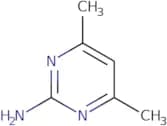
CAS:<p>Fidovirsen is a nucleoside analogue that is an inhibitor of the NS3 protease of hepatitis C virus (HCV). Fidovirsen binds to the active site of the NS3 protease and prevents cleavage at the NS3/4A interface, thus inhibiting viral replication. It has been shown to be effective in clinical studies involving human liver samples. Fidovirsen has also been shown to have antiviral activity against other RNA viruses, including HIV-1 and influenza A virus. Fidovirsen has a low toxicity profile and does not exhibit cross-resistance with other antiviral drugs. The drug is being developed as a potential therapy for chronic HCV infection.</p>Formula:C29H37N5O3Purity:Min. 95%Molecular weight:503.64 g/mol2-Amino-4,6-dimethylpyrimidine
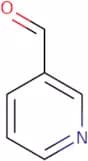
CAS:<p>2-Amino-4,6-dimethylpyrimidine is a molecule that contains a hydroxyl group, copper chloride, nitrogen atoms, sodium carbonate, and hydroxybenzoic acid. The antimicrobial properties of 2-amino-4,6-dimethylpyrimidine are due to the presence of the hydroxyl group and copper chloride in its structure. This compound has been shown to have bactericidal activity against Pseudomonas aeruginosa and other gram-negative bacteria. It also inhibits the growth of these bacteria by interfering with their ability to synthesize proteins. 2-Amino-4,6-dimethylpyrimidine is a molecule that has an octahedral coordination geometry and forms hydrogen bonds with water molecules. It binds to the surface of minerals such as calcite or quartz and can be used for gravimetric analysis.</p>Formula:C6H9N3Purity:Min. 95%Molecular weight:123.16 g/molPyridine-3-carboxaldehyde
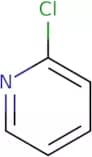
CAS:<p>Pyridine-3-carboxaldehyde is a heterocyclic compound that is structurally related to nicotinic acid and picolinic acid. It has been shown to have anti-tumor activity, with hl-60 cells as the model system. Pyridine-3-carboxaldehyde has also been shown to be toxic to bacteria in biological studies. The chemical stability of this compound was studied by Langmuir adsorption isotherm and electrochemical impedance spectroscopy. It was found that pyridine-3-carboxaldehyde is stable at a pH range of 7 to 8 and at temperatures up to 60 degrees Celsius.</p>Formula:C6H5NOPurity:Min. 95%Color and Shape:Clear LiquidMolecular weight:107.11 g/mol2-Chloropyridine
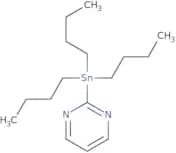
CAS:Controlled Product<p>2-Chloropyridine is a molecule that reacts with hydrochloric acid to produce hydrogen chloride and 2-chloropyridine. The reaction mechanism involves a photoelectron and hydrogen bonding interactions. The chlorine atom in the original molecule will be replaced by a hydrogen atom, while the other chlorine atom becomes part of the product, hydrogen chloride. This reaction occurs in solution at room temperature.</p>Formula:C5H4ClNPurity:Min. 95%Color and Shape:PowderMolecular weight:113.54 g/mol2-(Tributylstannyl)pyrimidine
CAS:Controlled Product<p>2-(Tributylstannyl)pyrimidine is a synthetic heterocycle that has antibacterial activity. It is a guanine analog that binds to the ribonucleic acid (RNA) of bacterial cells and inhibits protein synthesis by attacking the 4-chloropyrimidine moiety of nucleoside monophosphates. 2-(Tributylstannyl) pyrimidine also has antiviral properties and acts as an inhibitor of vitamin B1, which is required for the synthesis of DNA. This drug can be used in the treatment of sulfamethoxazole-resistant infections caused by bacteria such as Streptococcus pneumoniae, Staphylococcus aureus, and Pseudomonas aeruginosa.<br>2-(Tributylstannyl)pyrimidine is effective at inhibiting the growth of bacteria due to its ability to form an ion pair with chloride ions. This property makes it highly reactive for transmetall</p>Formula:C16H30N2SnPurity:Min. 95%Color and Shape:Colourless To Yellow To Brown LiquidMolecular weight:369.13 g/mol3-Ethyl 5-methyl 2-[(2-aminoethoxy)methyl]-4-(2-chlorophenyl)-6-methylpyridine-3,5-dicarboxylate hydrochloride
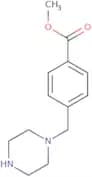
CAS:<p>Please enquire for more information about 3-Ethyl 5-methyl 2-[(2-aminoethoxy)methyl]-4-(2-chlorophenyl)-6-methylpyridine-3,5-dicarboxylate hydrochloride including the price, delivery time and more detailed product information at the technical inquiry form on this page</p>Formula:C20H23ClN2O5•HClPurity:Min. 95%Molecular weight:443.32 g/molMethyl 4-piperazin-1-ylmethylbenzoate
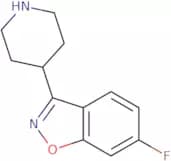
CAS:Controlled Product<p>Please enquire for more information about Methyl 4-piperazin-1-ylmethylbenzoate including the price, delivery time and more detailed product information at the technical inquiry form on this page</p>Formula:C13H18N2O2Purity:Min. 95%Molecular weight:234.29 g/mol6-Fluoro-3-(4-piperidinyl)-1,2-benzisoxazole
CAS:<p>6-Fluoro-3-(4-piperidinyl)-1,2-benzisoxazole is a drug candidate that belongs to a new class of atypical antipsychotics. It has been synthesized using an efficient method and was found to bind to the m1 receptor with high affinity. 6-Fluoro-3-(4-piperidinyl)-1,2-benzisoxazole has shown efficacy in vitro studies against 5HT1a receptors and in vivo studies against fibroblast cells. This drug is also effective against serotonin levels, which may be due to its ability to inhibit the reuptake of serotonin by blocking the serotonin transporter.</p>Formula:C12H13FN2OPurity:Min. 95%Color and Shape:PowderMolecular weight:220.24 g/mol2-Chloro-1-[4-(4-Fluorophenyl)-1-Piperazinyl]Ethanone
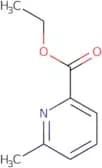
CAS:Controlled Product<p>Please enquire for more information about 2-Chloro-1-[4-(4-Fluorophenyl)-1-Piperazinyl]Ethanone including the price, delivery time and more detailed product information at the technical inquiry form on this page</p>Formula:C12H14ClFN2OPurity:Min. 95%Molecular weight:256.7 g/molEthyl 6-methylpyridine-2-carboxylate
CAS:<p>Ethyl 6-methylpyridine-2-carboxylate is a pyridine derivative that has a nitrogen at the 6 position. It is an anionic compound, which is soluble in methanol and dichloromethane. The compound can be used to synthesize pharmaceuticals or as a precursor for polymers. It has been shown to inhibit the growth of tumor cells by binding to type 1 receptor sites on the surface of cancer cells. It also binds to quinine and enolate groups, which are found in many drugs. These binding sites may be exploited for drug design purposes.</p>Formula:C9H11NO2Purity:Min. 95%Molecular weight:165.19 g/mol1-[(2-Pyridyl)methyl]piperazine
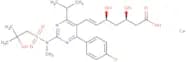
CAS:Controlled Product<p>1-[(2-Pyridyl)methyl]piperazine is a fluorescent organic solvent. It is a piperazine derivative with low detection limit, which can be used for the detection of metal ions. 1-[(2-Pyridyl)methyl]piperazine has also been shown to be a hyperpolarizing agent in organic solvents and has been used as an optical sensor for 4-chloro-7-nitrobenzofurazan, which is a compound that exhibits fluorescence properties. 1-[(2-Pyridyl)methyl]piperazine can be used as a linker in microscopy techniques to immobilize biomolecules on the surface of glass slides.</p>Formula:C10H15N3Purity:Min. 95%Molecular weight:177.25 g/molS-Desmethyl-S-(2-hydroxy-2-methylpropyl) rosuvastatin calcium
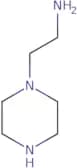
CAS:Please enquire for more information about S-Desmethyl-S-(2-hydroxy-2-methylpropyl) rosuvastatin calcium including the price, delivery time and more detailed product information at the technical inquiry form on this pageFormula:(C25H34FN3O7S)2•CaPurity:Min. 95%Molecular weight:1,119.24 g/molN-(2-Aminoethyl)piperazine
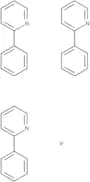
CAS:N-(2-Aminoethyl)piperazine (NAPE) is a chemical compound that can be used as an environmentally friendly catalyst for the degradation of ethylene diamine and other amines. NAPE has been shown to be stable under alkaline conditions, and its fluorescence probe has been used to monitor the progress of the reaction. This compound is a coordination complex with nitrogen atoms at the corners of a square and two amines at opposite corners of the square. The amine groups are coordinated to metal ions in a geometry that is determined by the atomic number of the metal ion. Disulfide bonds form between two cysteine residues on adjacent chains. Glycol ethers can also form disulfide bonds with NAPE, forming glycol ether-NAPE complexes. Antibodies have been shown to bind to glycol ether-NAPE complexes, suggesting that these complexes may play a role in antibody response, although experimental solubility data have not yet confirmed thisFormula:C6H15N3Purity:Min. 95%Molecular weight:129.2 g/molTris(2-phenylpyridine)iridium
CAS:<p>Tris(2-phenylpyridine)iridium (IrCl) is a coordination compound that is used as a catalyst to initiate cationic polymerization of biphenyl. It is also used as an analytical reagent for determining the content of fatty acids in oils and fats. The steric interactions between the phenyl groups and the electron-rich iridium atoms lead to a high degree of conversion of ethylene oxide to ethylene glycol, which can be observed by UV absorption. The synthesis of IrCl occurs in two steps: first, the reaction of chloroacetone with phenylmagnesium bromide followed by addition of hydrated iridium chloride. The product crystallizes in red needles, which are analyzed using x-ray crystal structures. Analysis using nmr spectroscopy reveals that IrCl contains four nitrogen atoms and three oxygen atoms. Its redox potentials are -0.9 volts for oxidation and +1.3 volts for reduction, making</p>Formula:C33H24IrN3Purity:Min. 98 Area-%Color and Shape:PowderMolecular weight:654.78 g/mol4-(Hydroxymethyl)-2(1H)-quinolinone
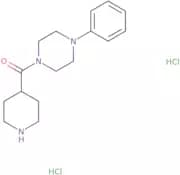
CAS:<p>Please enquire for more information about 4-(Hydroxymethyl)-2(1H)-quinolinone including the price, delivery time and more detailed product information at the technical inquiry form on this page</p>Formula:C10H9NO2Purity:Min. 95%Molecular weight:175.18 g/mol(4-Phenylpiperazin-1-yl)piperidin-4-yl-methanone dihydrochloride
CAS:Controlled Product<p>Please enquire for more information about (4-Phenylpiperazin-1-yl)piperidin-4-yl-methanone dihydrochloride including the price, delivery time and more detailed product information at the technical inquiry form on this page</p>Formula:C16H25Cl2N3OPurity:Min. 95%Molecular weight:346.29 g/mol2-Hydroxy-4-methylpyrimidine HCI
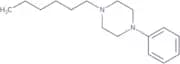
CAS:<p>2-Hydroxy-4-methylpyrimidine HCI is a crystalline solid that belongs to the group of organic compounds. It has a molecular formula of C5H5N3O2 and a molecular weight of 137.15 g/mol. The crystal structure is stabilized by hydrogen bonding between the hydroxyl groups on the molecules and water molecules present in the crystal lattice. Crystals are found in orthorhombic form, meaning they have three axes at right angles to each other with lengths that are not equal.</p>Formula:C5H7ClN2OPurity:Min. 95%Molecular weight:146.57 g/mol1-Hexyl-4-phenylpiperazine
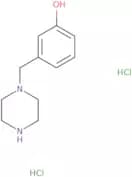
CAS:Controlled Product<p>Please enquire for more information about 1-Hexyl-4-phenylpiperazine including the price, delivery time and more detailed product information at the technical inquiry form on this page</p>Formula:C16H26N2Purity:Min. 95%Molecular weight:246.39 g/mol3-(Piperazin-1-ylmethyl)phenol dihydrochloride
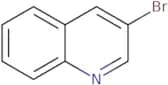
CAS:Controlled Product<p>Please enquire for more information about 3-(Piperazin-1-ylmethyl)phenol dihydrochloride including the price, delivery time and more detailed product information at the technical inquiry form on this page</p>Formula:C11H16N2OPurity:Min. 95%Molecular weight:192.26 g/mol3-Bromoquinoline
CAS:<p>3-Bromoquinoline is a brominated quinoline derivative that can be synthesized by cross-coupling reactions. The compound's chemical structure is similar to the 3-azidoquinoline, which was studied in quantum theory and molecular modeling. The 3-bromoquinoline molecule has been shown to exist in two different coordination geometries: octahedral and trigonal bipyramidal. In the octahedral geometry, the 3-bromoquinoline molecule is bound to three bromine atoms and one nitrogen atom, with an intramolecular hydrogen bond between the nitrogen atom and the quinoline ring system. The trigonal bipyramidal geometry also features an intramolecular hydrogen bond between the nitrogen atom and quinoline ring system, as well as a halogen bonding interaction with one of the three bromine atoms.</p>Formula:C9H6BrNPurity:Min. 95%Color and Shape:Yellow PowderMolecular weight:208.05 g/molPyridin-4-ylmethanamine
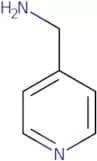
CAS:<p>Pyridin-4-ylmethanamine is a chemical compound that contains a pyridine ring and an amine (-NH2) group. It is usually used as a building block for the synthesis of other compounds. Pyridin-4-ylmethanamine can be synthesized from picolinic acid, which is obtained through a reaction with sodium hydrochloride in an alkaline solution. This reaction proceeds via two steps: first, the formation of a pyridinecarboxylic acid ester and then the addition of ammonia to form pyridin-4-ylmethanamine. The transfer reactions that occur during this process are highly dependent on temperature and pH. The frequency shift effect can be observed when pyridin-4-ylmethanamine interacts with amines, which changes its absorption spectrum.</p>Formula:C6H8N2Purity:Min. 95%Color and Shape:Colorless Clear LiquidMolecular weight:108.14 g/mol3,5-Dibromopyrazin-2-amine
CAS:<p>3,5-Dibromopyrazin-2-amine is a triethyl orthoformate derivative that reacts with formamide to form 3,5-dibromopyrazine. The reaction time is typically less than 10 minutes and the yield is high. The product can be stored in a dry, inert atmosphere for up to 3 months without degradation. The compound has been shown to inhibit cyclic nucleotide phosphodiesterase (PDE) enzymes and cancer cells in vitro.</p>Formula:C4H3Br2N3Purity:Min. 95%Color and Shape:White To Yellow To Orange SolidMolecular weight:252.89 g/mol2-Iodo-5-methylpyrimidine
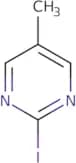
CAS:<p>Please enquire for more information about 2-Iodo-5-methylpyrimidine including the price, delivery time and more detailed product information at the technical inquiry form on this page</p>Formula:C5H5IN2Purity:Min. 95%Molecular weight:220.01 g/mol2,5-Pyridinedicarboxylic acid diethyl ester
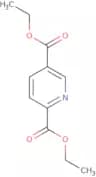
CAS:<p>2,5-Pyridinedicarboxylic acid diethyl ester is a porphyrin derivative that has been used in the synthesis of phthalocyanines and porphyrins. It is reactive and can be made to react with other compounds by cross-coupling reactions. This compound can also be synthesized through the reaction of picolyl chloride with 2,5-diketopiperazine. The yield of this product is low, but it can be improved through cross-coupling reactions. The functionality of this molecule is determined by the pyridyl group at one end and the diethyl ester at the other.</p>Formula:C11H13NO4Purity:Min. 95%Color and Shape:White PowderMolecular weight:223.23 g/molPiperidinium acetate
CAS:Controlled Product<p>Piperidinium acetate is a photochemical agent that has been used in the photochemical oxidation of organic compounds. It is also used as a catalyst for the oxidative coupling of piperidinium salts with sodium salts to form piperidine. Piperidinium acetate can be used for the treatment of metabolic disorders, such as lactic acidosis and hyperglycemia, and autoimmune diseases such as rheumatoid arthritis and systemic lupus erythematosus. This compound is also known to cause allergic symptoms and anhydrous sodium may be generated in the process.</p>Formula:C5H11N·C2H4O2Purity:Min. 95%Color and Shape:PowderMolecular weight:145.20 g/moltert-butyl (2S)-2-Methyl-4-oxopiperidine-1-carboxylate
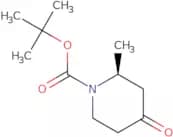
CAS:<p>Please enquire for more information about tert-butyl (2S)-2-Methyl-4-oxopiperidine-1-carboxylate including the price, delivery time and more detailed product information at the technical inquiry form on this page</p>Formula:C11H19NO3Purity:Min. 95%Molecular weight:213.27 g/mol1,1-Dimethylethyl 4-(5-amino-2-pyrimidinyl)-1-piperidinecarboxylate
CAS:<p>Please enquire for more information about 1,1-Dimethylethyl 4-(5-amino-2-pyrimidinyl)-1-piperidinecarboxylate including the price, delivery time and more detailed product information at the technical inquiry form on this page</p>Formula:C14H22N4O2Purity:Min. 95%Molecular weight:278.35 g/mol2-Chloro-pyrazolo[1,5-a]pyridine
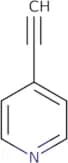
CAS:<p>Please enquire for more information about 2-Chloro-pyrazolo[1,5-a]pyridine including the price, delivery time and more detailed product information at the technical inquiry form on this page</p>Formula:C7H5ClN2Purity:Min. 95%Molecular weight:152.58 g/mol4-Ethynylpyridine
CAS:<p>4-Ethynylpyridine is a yellow solid that is soluble in most organic solvents. It has been shown to be an inhibitor of Cox-2, which is a pro-inflammatory enzyme. 4-Ethynylpyridine also inhibits the production of nitric oxide by inhibiting the enzyme inducible nitric oxide synthase (iNOS). This compound also has high cytotoxicity and can be used for photodynamic therapy. The chemical structure of 4-ethynylpyridine is composed of nitrogen atoms, carbon atoms, and hydrogen atoms. 4-Ethynylpyridine forms a complex with 2-phenylbutyric acid through electrochemical studies, which is important for its pharmacological properties.</p>Formula:C7H5NPurity:Min. 95%Color and Shape:PowderMolecular weight:103.12 g/molCinidon ethyl
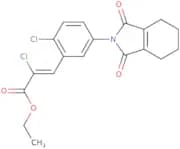
CAS:<p>Please enquire for more information about Cinidon ethyl including the price, delivery time and more detailed product information at the technical inquiry form on this page</p>Formula:C19H17Cl2NO4Purity:Min. 95%Color and Shape:PowderMolecular weight:394.2 g/mol1-Isobutylpiperazine
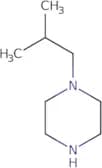
CAS:Controlled Product<p>1-Isobutylpiperazine is a synthetic amino acid that has been shown to have anticancer, antiviral, and anti-inflammatory properties. It is an inhibitor of the enzyme sulfatase, which is responsible for the degradation of sulfated glycosaminoglycans in the body. 1-Isobutylpiperazine has also been shown to be effective in treating heart disease and aminophenyl (AP) toxicity. AP overdose can lead to severe muscle spasms and seizures. 1-Isobutylpiperazine prevents AP from binding to sulfamate receptors on cells, which prevents cell death. Treatment with 1-isobutylpiperazine also reduces inflammation by inhibiting inflammatory cytokines such as tumor necrosis factor alpha (TNFα) and interleukin-1β (IL-1β). This drug also has potential use in treating autoimmune diseases or infectious diseases by modulating the immune system.</p>Formula:C8H18N2Purity:Min. 95%Molecular weight:142.24 g/mol4-(Piperazinomethyl)benzonitrile, hydrochloride
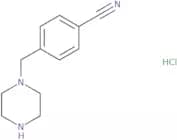
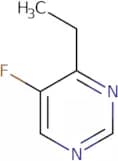
CAS:Controlled Product<p>Please enquire for more information about 4-(Piperazinomethyl)benzonitrile, hydrochloride including the price, delivery time and more detailed product information at the technical inquiry form on this page</p>Formula:C12H16ClN3Purity:Min. 95%Molecular weight:237.73 g/mol4-Ethyl-5-fluoropyrimidine
CAS:<p>4-Ethyl-5-fluoropyrimidine is a white solid with a melting point of 258°C. It is soluble in organic solvents such as acetonitrile and methanol. The compound has been shown to have reversed phase chromatographic properties and can be used as a potential impurity in the synthesis of other compounds. 4-Ethyl-5-fluoropyrimidine is not susceptible to photolytic decomposition but can be oxidized by air, which may result in the formation of impurities. 4-Ethyl-5-fluoropyrimidine can be purified using chromatography methods with high sensitivity and low detection limits. The compound has also been shown to have good chemical stability under ambient conditions, making it suitable for storage or shipping.</p>Formula:C6H7FN2Purity:Min. 95%Molecular weight:126.13 g/mol7-Bromo-[1,2,4]triazolo[1,5-a]pyridin-2-ylamine
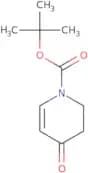
CAS:<p>Please enquire for more information about 7-Bromo-[1,2,4]triazolo[1,5-a]pyridin-2-ylamine including the price, delivery time and more detailed product information at the technical inquiry form on this page</p>Formula:C6H5BrN4Purity:Min. 95%Molecular weight:213.03 g/mol4-Oxo-3,4-dihydro-2H-pyridine-1-carboxylic acid tert-butyl ester
CAS:<p>4-Oxo-3,4-dihydro-2H-pyridine-1-carboxylic acid tert-butyl ester is a white solid that is soluble in organic solvents and oils. It can be used as a source of lithium carbonate in alkaline solutions. 4-Oxo-3,4-dihydro-2H-pyridine-1 -carboxylic acid tert -butyl ester is typically used in the preparation of lithium carbonate from lithium hydroxide.</p>Formula:C10H15NO3Purity:Min. 95%Color and Shape:PowderMolecular weight:197.23 g/mol1-[(2b,3a,5a,16b,17b)-17-Acetyloxy-3-hydroxy-2-(1-piperidinyl)androstan-16-yl]-1-methylpiperidinium bromide
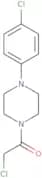
CAS:<p>1-[(2b,3a,5a,16b,17b)-17-Acetyloxy-3-hydroxy-2-(1-piperidinyl)androstan-16-yl]-1-methylpiperidinium bromide is a drug that has been shown to have an inhibitory effect on the neuromuscular system. It is used in clinical doses as a muscle relaxant and anesthetic. The drug binds to the acetylcholine receptor at the neuromuscular junction and blocks nerve impulses by inhibiting acetylcholine release. 1-[(2b,3a,5a,16b,17b)-17-Acetyloxy-3-hydroxy-2-(1-piperidinyl)androstan-16-yl]-1-methylpiperidinium bromide has a long half life and accumulates in the body with repeated administration. This accumulation can lead to</p>Formula:C32H55BrN2O3Purity:Min. 95%Molecular weight:595.69 g/mol1-(Chloroacetyl)-4-(4-chlorophenyl)piperazine
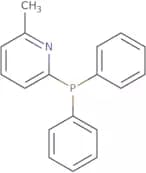
CAS:Controlled Product<p>Please enquire for more information about 1-(Chloroacetyl)-4-(4-chlorophenyl)piperazine including the price, delivery time and more detailed product information at the technical inquiry form on this page</p>Formula:C12H14Cl2N2OPurity:Min. 95%Molecular weight:273.16 g/mol2-Diphenylphosphino-6-methylpyridine
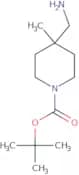
CAS:<p>2-Diphenylphosphino-6-methylpyridine is a luminescent phosphor with aryl substituents. It has been shown to emit light in the near-infrared region of the spectrum, which can be used for devices such as night lights. The compound has two isomers that differ in the position of the methyl group on the pyridine ring. Although it has not been studied systematically, it appears that one isomer has better photophysical properties than the other. This compound also shows chloride ion binding and changes its emission properties when exposed to temperatures above 300 K.</p>Formula:C18H16NPPurity:90%MinMolecular weight:277.3 g/moltert-Butyl 4-(aminomethyl)-4-methylpiperidine-1-carboxylate
CAS:<p>Please enquire for more information about tert-Butyl 4-(aminomethyl)-4-methylpiperidine-1-carboxylate including the price, delivery time and more detailed product information at the technical inquiry form on this page</p>Formula:C12H24N2O2Purity:Min. 95%Molecular weight:228.33 g/mol




![N-(4-Chloro-5-iodo-7H-pyrrolo[2,3-d]pyrimidin-2-yl)pivalamide](/_next/image/?url=https%3A%2Fstatic.cymitquimica.com%2Fproducts%2F3D%2Fthumb-webp%2FFC138201.webp&w=3840&q=75)
![(6R)-6-Cyclopentyl-6-[2-(2,6-diethyl-4-pyridinyl)ethyl]-3-[(5,7-dimethyl[1,2,4]triazolo[1,5-a]pyri…](/_next/image/?url=https%3A%2Fstatic.cymitquimica.com%2Fproducts%2F3D%2Fthumb-webp%2FFC152905.webp&w=3840&q=75)
![3-Ethyl 5-methyl 2-[(2-aminoethoxy)methyl]-4-(2-chlorophenyl)-6-methylpyridine-3,5-dicarboxylate h…](/_next/image/?url=https%3A%2Fstatic.cymitquimica.com%2Fproducts%2F3D%2Fthumb-webp%2FFE183833.webp&w=3840&q=75)
![2-Chloro-1-[4-(4-Fluorophenyl)-1-Piperazinyl]Ethanone](/_next/image/?url=https%3A%2Fstatic.cymitquimica.com%2Fproducts%2F3D%2Fthumb-webp%2FFC93551.webp&w=3840&q=75)
![1-[(2-Pyridyl)methyl]piperazine](/_next/image/?url=https%3A%2Fstatic.cymitquimica.com%2Fproducts%2F3D%2Fthumb-webp%2FFP156984.webp&w=3840&q=75)





![2-Chloro-pyrazolo[1,5-a]pyridine](/_next/image/?url=https%3A%2Fstatic.cymitquimica.com%2Fproducts%2F3D%2Fthumb-webp%2FFC51462.webp&w=3840&q=75)
![7-Bromo-[1,2,4]triazolo[1,5-a]pyridin-2-ylamine](/_next/image/?url=https%3A%2Fstatic.cymitquimica.com%2Fproducts%2F3D%2Fthumb-webp%2FFB140382.webp&w=3840&q=75)
![1-[(2b,3a,5a,16b,17b)-17-Acetyloxy-3-hydroxy-2-(1-piperidinyl)androstan-16-yl]-1-methylpiperidiniu…](/_next/image/?url=https%3A%2Fstatic.cymitquimica.com%2Fproducts%2F3D%2Fthumb-webp%2FFA21131.webp&w=3840&q=75)