Heterocycles with Nitrogen (N)
In this category, you will find a wide variety of nitrogen-containing heterocycles. Heterocycles are carbon chains that form a cycle in which at least one position is occupied by a heteroatom, in this case, nitrogen. These compounds are integral in the synthesis of pharmaceuticals, agrochemicals, and dyes, offering unique reactivity and stability. At CymitQuimica, we provide a comprehensive selection of high-quality nitrogen-containing heterocycles to support your research and industrial applications
Subcategories of "Heterocycles with Nitrogen (N)"
- Azepane(434 products)
- Benzotriazoles(436 products)
- Diazepanes(331 products)
- Imidazoles(4,011 products)
- Imidazolines(385 products)
- Isoxazole(1,077 products)
- Piperazines(3,736 products)
- Piperidines(8,405 products)
- Pyrazines(1,299 products)
- Pyrazole(5,921 products)
- Pyrazolidine(21 products)
- Pyrazoline(142 products)
- Pyridazine(856 products)
- Pyridines(21,917 products)
- Pyrimidine(6,041 products)
- Pyrroles(2,443 products)
- Pyrrolidines(5,816 products)
- Pyrroline(48 products)
- Pyrrolo[1,2-b]pyridazine(10 products)
- Tetrazole(510 products)
- Triazines(462 products)
- Triazoles(1,680 products)
Show 14 more subcategories
Found 17855 products of "Heterocycles with Nitrogen (N)"
Sort by
Purity (%)
0
100
|
0
|
50
|
90
|
95
|
100
Benzopyrazine-6-boronic acidHCl
CAS:<p>Please enquire for more information about Benzopyrazine-6-boronic acidHCl including the price, delivery time and more detailed product information at the technical inquiry form on this page</p>Formula:C8H8BClN2O2Purity:Min. 95%Molecular weight:210.43 g/mol2-Chloro-6-methoxypyridine
CAS:<p>2-Chloro-6-methoxypyridine (2CMP) is a potent antagonist that binds to copper chloride, inhibiting its ability to activate aryl chlorides. This chemical has been shown to have anti-angiogenic effects in human cancer cells and can be used for the treatment of cancer. 2CMP has also been shown to be effective at blocking angiogenesis in mice with breast cancer. 2CMP is synthesized through an asymmetric synthesis process, which involves the use of a dipole and molecular docking analysis.</p>Formula:C6H6ClNOPurity:Min. 95%Color and Shape:Clear LiquidMolecular weight:143.57 g/mol2,4-Diamino-5-nitropyrimidine
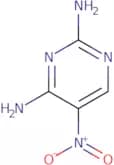
CAS:<p>2,4-Diamino-5-nitropyrimidine is a synthetic molecule that belongs to the class of heterocyclic amines. It has been shown to be a potent antiproliferative agent and has been found to inhibit hepg2 cell growth in vitro. This compound was also found to inhibit cancer cells, including mcf-7. 2,4-Diamino-5-nitropyrimidine binds nucleophilic sites on proteins and inhibits enzymes involved in DNA synthesis. The inhibition of these enzymes leads to cell death by preventing the production of new proteins needed for cell division.</p>Formula:C4H5N5O2Purity:Min. 95%Color and Shape:Off-White To Yellow SolidMolecular weight:155.12 g/mol3-Boc-amino-2,6-dioxopiperidine
CAS:<p>Please enquire for more information about 3-Boc-amino-2,6-dioxopiperidine including the price, delivery time and more detailed product information at the technical inquiry form on this page</p>Formula:C10H16N2O4Purity:Min. 95%Molecular weight:228.25 g/mol3-Amino-2-bromo-6-chloropyridine
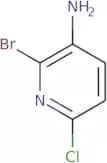
CAS:<p>Please enquire for more information about 3-Amino-2-bromo-6-chloropyridine including the price, delivery time and more detailed product information at the technical inquiry form on this page</p>Formula:C5H4BrClN2Purity:Min. 95%Molecular weight:207.46 g/mol4-Pyridinylboronic acid
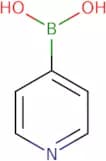
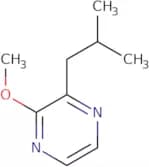
CAS:<p>4-Pyridinylboronic acid is a boron compound that contains two nitrogen atoms. It is an important reagent in organic synthesis and crystallography. 4-Pyridinylboronic acid has been shown to have biological properties, such as hydrogen bonding interactions. It is also used in the suzuki coupling reaction and the photochemical properties of the reaction solution are dependent on its coordination geometry. 4-pyridinylboronic acid has a high pH value, so it must be prepared in anhydrous sodium carbonate before use. The hydrogen bond between 4-pyridinylboronic acid and an azide is shown below: Nnowiki>/nowiki>Hnowiki>/nowiki>nowiki>/nowiki>Nnowiki>/nowiki>nowiki>/nowiki>H</p>Formula:C5H6BNO2Color and Shape:PowderMolecular weight:122.92 g/mol2-Isobutyl-3-methoxypyrazine
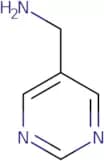
CAS:<p>2-Isobutyl-3-methoxypyrazine is a hydrophobic compound that is not soluble in water. It has a bound form and can be titrated with calorimetry. 2-Isobutyl-3-methoxypyrazine is synthesized by reacting 2,2,4-trimethylpentane with methoxyacetone in the presence of sodium methylate. The compound has been detected as an odorant in numerous plant species and is believed to play a role in plant physiology. 2-Isobutyl-3-methoxypyrazine has been shown to have potent antiviral activity against infectious diseases such as HIV, herpes simplex virus type 1 (HSV1), and varicella zoster virus (VZV). This specific antiviral activity may be due to its ability to bind fatty acids by hydrogen bonds, which may interfere with the synthesis of viral membranes.</p>Formula:C9H14N2OPurity:Min. 95%Molecular weight:166.22 g/mol5-Pyrimidinemethanamine
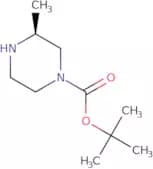
CAS:<p>5-Pyrimidinemethanamine is a synthetic chemical that belongs to the group of carbonitriles. It is used as an adsorbent and has been shown to be selective for quinoline derivatives. 5-Pyrimidinemethanamine has been shown to have high yield in reactions with trimethyl, enolate, carbonyl, high yields, and vitamin B1. The reaction product can be used at temperatures up to 150 degrees Celsius. This compound can also be prepared by reacting hydrochloric acid with alkali metal temperatures.</p>Formula:C5H7N3Purity:Min. 95%Molecular weight:109.13 g/mol(S)-1-Boc-3-methylpiperazine
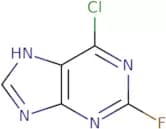
CAS:<p>(S)-1-Boc-3-methylpiperazine is a hydrophobic compound that is structurally modified from the tetracyclic family of drugs. It has been shown to inhibit tumor cell growth by binding to the oncogene, KRASG12C, and downregulating its expression. (S)-1-Boc-3-methylpiperazine also inhibits cancer cell growth through the inhibition of the PI3K/AKT signaling pathway. The pharmacological effects of (S)-1-Boc-3-methylpiperazine are dependent on its ability to bind with high affinity to KRASG12C and inhibit its activity.</p>Formula:C10H20N2O2Purity:Min. 95%Color and Shape:White PowderMolecular weight:200.28 g/mol6-Chloro-2-fluoropurine
CAS:<p>6-Chloro-2-fluoropurine is an analytical reagent with a monoclonal antibody that binds to the nucleic acid of HL-60 cells and can be used for optical analysis. 6-Chloro-2-fluoropurine has been shown to have significant cytotoxicity against HL-60 cells, which may be due to its ability to bind to intracellular targets. 6-Chloro-2-fluoropurine has also been shown to inhibit the growth of HL-60 cells in a fluorescein angiography study and is used as a diagnostic agent for diagnosis of cancer.</p>Formula:C5H2ClFN4Purity:Min. 98 Area-%Color and Shape:Off-White PowderMolecular weight:172.55 g/mol5-Bromo-2-nitropyridine
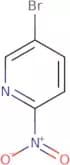
CAS:<p>5-Bromo-2-nitropyridine is a hydrogen bond donor. It is an organic molecule with the chemical formula C5H5BrN3. The compound has been used in the synthesis of other molecules, such as nicotinic acetylcholine and mitochondrial membrane potential inhibitors. 5-Bromo-2-nitropyridine is also a good candidate for cancer treatment due to its ability to inhibit cell cycle progression at G2/M phase. 5-Bromo-2-nitropyridine can be synthesized by reacting 2,4,6-trinitrobenzenesulfonic acid with bromine and potassium carbonate in a reaction vessel at 200 °C for about 30 minutes.</p>Formula:C5H3BrN2O2Color and Shape:PowderMolecular weight:202.99 g/mol5-Bromo-2-iodopyridine
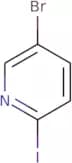
CAS:<p>5-Bromo-2-iodopyridine is an antibiotic that is used to treat bacterial infections. It has been shown to inhibit the growth of bacteria by binding to the 50S ribosomal subunit. This drug also has a toxic effect on respiratory system cells, which may be due to its ability to induce apoptosis. 5-Bromo-2-iodopyridine interacts with DNA in a triazine ring and inhibits bacterial growth by inhibiting protein synthesis. The drug binds to the 50S ribosomal subunit at a site that is different from that of rifampin and other antibiotics. The reaction is catalyzed by palladium at high temperatures and takes place in organic solvents such as chloroform or benzene. This synthetic process can be made more efficient by using inexpensive starting materials, such as bromine, iodine, and acetone, rather than expensive starting materials like platinum or gold salts.</p>Formula:C5H3BrINPurity:Min. 95%Color and Shape:Slightly Yellow PowderMolecular weight:283.89 g/mol5-Chloro-2-formylpyridine
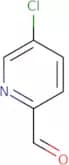
CAS:<p>5-Chloro-2-formylpyridine is a peroxide that reacts with pyridine rings to form epoxides. It has been shown to be a potent oxidant and is used in the synthesis of epoxides. 5-Chloro-2-formylpyridine can also react with imidazoles and form tetradentate ligands, which are compounds that bind to metals. This chemical has selectivity for carboxylic acid groups, hydrogen peroxide, alkene, and piperazine. Irradiation of 5-chloro-2-formylpyridine yields an epoxide group on the pyridine ring.</p>Formula:C6H4NOClPurity:Min. 95%Molecular weight:141.55 g/mol2,4,5,6-Tetraaminopyrimidine sulphate
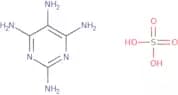
CAS:<p>2,4,5,6-Tetraaminopyrimidine sulphate is a chemical compound that is used for the treatment of leukemic mice. It has shown to have anti-inflammatory and anti-cancer properties. This drug binds to the enzyme p-hydroxybenzoic acid that is involved in the synthesis of collagen and elastin. It also suppresses the production of inflammatory cytokines such as TNF-α and IL-1β. 2,4,5,6-Tetraaminopyrimidine sulphate has been used in clinical trials for the treatment of autoimmune diseases and inflammatory diseases such as psoriasis. The drug is currently being researched for use in cancer treatments due to its ability to inhibit cell division and induce apoptosis. 2,4,5,6-Tetraaminopyrimidine sulphate has also been shown to be effective when applied topically on skin as a cosmetic agent or when administered orally as a supplement for</p>Formula:C4H10N6O4SPurity:Min. 95%Color and Shape:Slightly Yellow PowderMolecular weight:238.23 g/mol4-Bromo-1-methyl-1H-pyrazolo[4,3-c]pyridine-6-carboxylic acid
CAS:<p>Please enquire for more information about 4-Bromo-1-methyl-1H-pyrazolo[4,3-c]pyridine-6-carboxylic acid including the price, delivery time and more detailed product information at the technical inquiry form on this page</p>Formula:C8H6BrN3O2Purity:Min. 95%Molecular weight:256.06 g/mol4-[2-(Fmoc-amino)ethyl]-1-piperazineacetic acid dihydrochloride
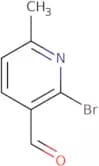
CAS:<p>Please enquire for more information about 4-[2-(Fmoc-amino)ethyl]-1-piperazineacetic acid dihydrochloride including the price, delivery time and more detailed product information at the technical inquiry form on this page</p>Formula:C23H27N3O4•2HClPurity:Min. 95%Color and Shape:PowderMolecular weight:482.4 g/mol2-Bromo-6-methylpyridine-3-carboxaldehyde
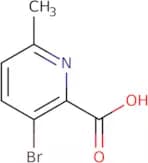
CAS:<p>2-Bromo-6-methylpyridine-3-carboxaldehyde (BMPCA) is a pharmacological agent that belongs to the group of antagonists. It has been shown to be a potent antagonist at the NMDA receptor and may be used for treating neuropathic pain. BMPCA also has been shown to have competitive inhibition at the naphthyridine receptor, which may allow it to act as an antagonist or an agonist depending on its binding site. The regioisomeric analogs of BMPCA are 2-(2,5-dichloropyridyl)-6-methylpyridine-3-carboxaldehyde and 2-(2,5-dimethylpyridyl)-6-methylpyridine-3-carboxaldehyde. These analogs have been shown to inhibit the growth of tumor cells in vitro and in vivo.</p>Formula:C7H6BrNOPurity:Min. 95%Molecular weight:200.03 g/mol3-Bromo-6-methylpicolinic acid
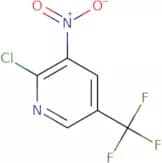
CAS:<p>Please enquire for more information about 3-Bromo-6-methylpicolinic acid including the price, delivery time and more detailed product information at the technical inquiry form on this page</p>Formula:C7H6BrNO2Purity:Min. 95%Molecular weight:252.49 g/mol2-chloro-3-nitro-5-(trifluoromethyl)pyridine
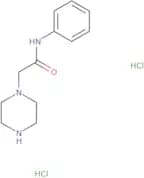
CAS:<p>Please enquire for more information about 2-chloro-3-nitro-5-(trifluoromethyl)pyridine including the price, delivery time and more detailed product information at the technical inquiry form on this page</p>Formula:C6H2ClF3N2O2Purity:Min. 95%Molecular weight:226.54 g/molPiperazinoacetic acid anilide dihydrochloride
CAS:<p>Piperazinoacetic acid anilide dihydrochloride is a high quality, reagent compound which can be used as a useful intermediate or a speciality chemical. Piperazinoacetic acid anilide dihydrochloride is a complex compound that has been shown to have a number of useful properties, such as being an effective building block for the synthesis of other compounds. It can also be used as a reaction component in the preparation of fine chemicals and research chemicals. This product is also versatile, allowing it to be built into different scaffolds to create new compounds.</p>Formula:C12H17N3O•(HCl)2Purity:Min. 95%Molecular weight:292.2 g/mol1-Dodecylpyridinium chloride
CAS:<p>1-Dodecylpyridinium Chloride is a quaternary ammonium salt that is used as an antimicrobial agent in a variety of products, such as pharmaceuticals, cosmetics, and household products. It has been shown to be toxic to humans at doses above 0.5 mg/kg. At sublethal doses, 1-dodecylpyridinium chloride inhibits the growth of bacteria by binding to the cationic sites on their cell surfaces and preventing them from attaching to other cells or molecules in their environment. 1-Dodecylpyridinium chloride also binds to the enzyme p-nitrophenyl phosphate reductase, which is required for bacterial growth. This inhibition leads to cell death by preventing ATP production and protein synthesis.</p>Formula:C17H30N•ClPurity:Min. 95%Molecular weight:283.88 g/mol2-[Chloro(4-chlorophenyl)methyl]-pyridine
CAS:<p>Please enquire for more information about 2-[Chloro(4-chlorophenyl)methyl]-pyridine including the price, delivery time and more detailed product information at the technical inquiry form on this page</p>Formula:C12H9Cl2NPurity:Min. 95%Molecular weight:238.11 g/mol5-Bromo-2-(methylthio)pyrimidine
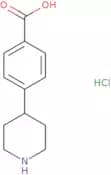
CAS:<p>5-Bromo-2-(methylthio)pyrimidine is a synthetic compound that has been used to synthesize palladium complexes. It can also be used in the synthesis of vitamin B1, which is an essential nutrient for humans and animals. 5-Bromo-2-(methylthio)pyrimidine binds with magnesium and reacts with sulfoxide, nucleophilic attack and electronegativity. 5-Bromo-2-(methylthio)pyrimidine is activated by 2-chlorobenzothiazole and hydrogen chloride, which leads to nucleophilic attack on the electrophilic carbon atom. This causes a displacement reaction with the elimination of chlorine gas and production of dihydro.</p>Formula:C5H5BrN2SPurity:Min. 95%Molecular weight:205.08 g/mol4-(Piperidin-4-yl)benzoic acid hydrochloride
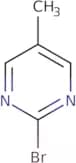
CAS:<p>Please enquire for more information about 4-(Piperidin-4-yl)benzoic acid hydrochloride including the price, delivery time and more detailed product information at the technical inquiry form on this page</p>Formula:C12H16ClNO2Purity:Min. 95%Molecular weight:241.71 g/mol2-Bromo-5-methylpyrimidine
CAS:<p>Please enquire for more information about 2-Bromo-5-methylpyrimidine including the price, delivery time and more detailed product information at the technical inquiry form on this page</p>Formula:C5H5BrN2Purity:95%NmrMolecular weight:173.01 g/mol2-Bromo-6-methylpyridin-3-ol
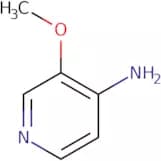
CAS:<p>2-Bromo-6-methylpyridin-3-ol is a heterocyclic organic compound. It is a pyridine ring with two methyl groups attached to the ring at positions 2 and 6. The bromine atom is at position 3. This is an important intermediate in the Suzuki coupling reaction, which uses it as a starting material for the synthesis of many other compounds. The dieckmann condensation reaction produces this compound from 2,6-dichloropyridine and other reagents. Fluorescent when exposed to UV light, this compound has been used as a probe for chloride ions in solution using mass spectroscopy. This substance also yields dieckmann condensation products with alkynes and chlorine or bromine. 2-Bromo-6-methylpyridin-3-ol can be produced by treating pyridine with methylacrylate in the presence of catalysts such as copper(II)</p>Formula:C6H6BrNOPurity:Min. 95%Molecular weight:188.02 g/mol4-Amino-3-methoxypyridine
CAS:<p>4-Amino-3-methoxypyridine (4AMMP) is a naturally occurring amino acid that can be found in the nuclei of innervated tissues. It is an inhibitor of the enzyme tyrosine hydroxylase and inhibits the synthesis of catecholamines. The concentration of 4AMMP in blood was measured by radioactivity. This agent has been used for studies on the thalamic nucleus and cortex, as well as for measuring catecholamine levels in tissue homogenates.</p>Formula:C6H8N2OPurity:Min. 95%Molecular weight:124.14 g/molN-[2-[(2S)-2-Cyano-4,4-difluoro-1-pyrrolidinyl]-2-oxoethyl]-6-[methyl[3-(1-piperazinyl)propyl]amino]-4-quinolinecarboxamide trifluor oacetate
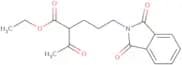
CAS:<p>Please enquire for more information about N-[2-[(2S)-2-Cyano-4,4-difluoro-1-pyrrolidinyl]-2-oxoethyl]-6-[methyl[3-(1-piperazinyl)propyl]amino]-4-quinolinecarboxamide trifluor oacetate including the price, delivery time and more detailed product information at the technical inquiry form on this page</p>Formula:C25H31F2N7O2•(C2HF3O2)xPurity:Min. 95%Molecular weight:499.56 g/molEthyl 2-(3-phthalimidopropyl)acetoacetate
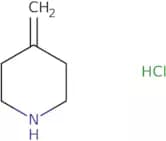
CAS:<p>Please enquire for more information about Ethyl 2-(3-phthalimidopropyl)acetoacetate including the price, delivery time and more detailed product information at the technical inquiry form on this page</p>Formula:C17H19NO5Purity:Min. 95%Molecular weight:317.34 g/mol4-Methylenepiperidine hydrochloride
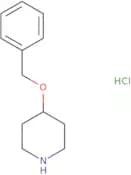
CAS:<p>4-Methylenepiperidine hydrochloride is a synthetic, ethylene oxide derivative that is used as an antifungal drug. It is also used in the synthesis of other compounds and as a reagent in organic chemistry. 4-Methylenepiperidine hydrochloride can be synthesized by reacting ethylene with an alkoxide, followed by adding a metal halide such as organolithium reagents to form the desired product. The yield rate of this reaction is high and it is easy to perform on a large scale.</p>Formula:C6H11N·HClPurity:Min. 95%Color and Shape:White PowderMolecular weight:133.62 g/mol4-(Benzyloxy)piperidine HCl
CAS:<p>4-(Benzyloxy)piperidine HCl is a versatile building block that is used in the synthesis of complex compounds such as research chemicals, reagents and speciality chemicals. 4-(Benzyloxy)piperidine HCl is also a useful intermediate in organic synthesis and can be used as a reaction component. 4-(Benzyloxy)piperidine HCl has CAS number 81151-68-0 and is a useful scaffold for chemical syntheses.</p>Formula:C12H17NOHClPurity:Min. 95%Color and Shape:White PowderMolecular weight:227.73 g/mol2,4-Dichloropyrido [2,3-D] pyrimidine
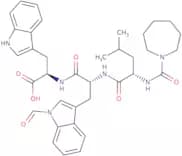
CAS:<p>2,4-Dichloropyrido [2,3-D] pyrimidine is a regioselective chlorination agent that can be used for the synthesis of various organic compounds. It is often used in cross-coupling reactions to form carbon-carbon bonds. 2,4-Dichloropyrido [2,3-D] pyrimidine has been shown to give high yields and is selective for disubstituted or monosubstituted substrates. This compound is also useful for the functionalization of C-H bonds via palladium-catalyzed coupling reactions.</p>Formula:C7H3Cl2N3Purity:Min. 95%Color and Shape:White PowderMolecular weight:200.02 g/molBQ-610 Azepane-1-carbonyl-Leu-D-Trp(For)-D-Trp-OH
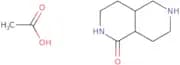
CAS:<p>BQ-610 is a novel peptide that has been shown to reduce the severity of mucosal inflammation in animal models of inflammatory bowel disease. It functions by binding to myofibroblasts, which are cells that produce an extracellular matrix and collagen. BQ-610 also blocks signalling pathways that are responsible for the production of TNF-α, MMP-2, and other molecules involved in the pathogenesis of inflammatory bowel disease. BQ-610 is effective at reducing inflammation in animal models of colitis, but not in human colonic epithelial cells or human colonic tissue.</p>Formula:C36H44N6O6Purity:Min. 95%Molecular weight:656.77 g/molOctahydro-2,6-naphthyridin-1(2H)-one acetate
CAS:Controlled Product<p>Please enquire for more information about Octahydro-2,6-naphthyridin-1(2H)-one acetate including the price, delivery time and more detailed product information at the technical inquiry form on this page</p>Formula:C8H14N2O•C2H4O2Purity:Min. 95%Molecular weight:214.26 g/mol4-Bromo-3-(trifluoromethoxy)pyridine hydrobromide
CAS:<p>Please enquire for more information about 4-Bromo-3-(trifluoromethoxy)pyridine hydrobromide including the price, delivery time and more detailed product information at the technical inquiry form on this page</p>Formula:C6H3BrF3NO•BrHPurity:Min. 95%Molecular weight:322.91 g/molPiperazine citrate
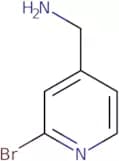
CAS:<p>Please enquire for more information about Piperazine citrate including the price, delivery time and more detailed product information at the technical inquiry form on this page</p>Formula:(C4H10N2)3·(C6H8O7)2Purity:Min. 95%Color and Shape:PowderMolecular weight:642.65 g/mol(2-Bromopyridin-4-yl)methanamine
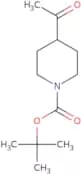
CAS:<p>Please enquire for more information about (2-Bromopyridin-4-yl)methanamine including the price, delivery time and more detailed product information at the technical inquiry form on this page</p>Purity:Min. 95%4-Acetyl-piperidine-1-carboxylic acid tert-butyl ester
CAS:<p>4-Acetylpiperidine-1-carboxylic acid tert-butyl ester is a tert-butyl ester of 4-acetylpiperidine. It can be prepared by the reaction of sodium azide with chloroform and tert-butyl alcohol. The resulting product is a white solid that can be used as an intermediate in organic synthesis.</p>Formula:C12H21NO3Purity:Min. 95%Molecular weight:227.3 g/mol(R)-1-Propylpiperidin-3-amine
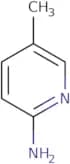
CAS:<p>Please enquire for more information about (R)-1-Propylpiperidin-3-amine including the price, delivery time and more detailed product information at the technical inquiry form on this page</p>Formula:C8H18N2Purity:Min. 95%Molecular weight:142.24 g/mol2-Amino-5-methylpyridine
CAS:<p>2-Amino-5-methylpyridine is a chemical compound that belongs to the group of methyl ketones. It has a nitrogen atom and an oxygen atom in its structure, which allows it to form hydrogen bonds with other molecules. 2-Amino-5-methylpyridine can be obtained by reacting hydrochloric acid and xanthone in the presence of a base. The compound is highly reactive and has been shown to have antiinflammatory properties. This can be attributed to its ability to inhibit prostaglandin synthesis. 2-Amino-5-methylpyridine also has fluorescence properties that are sensitive to pH changes and can be used as a probe for metal ions.<br>2-Amino-5-methylpyridine is an organic compound that contains a methyl group, two nitrogen atoms, and one oxygen atom in its chemical structure. This molecule can form hydrogen bonds with other molecules due to its nitrogen atoms and oxygen atom,</p>Formula:C6H8N2Purity:Min. 95%Color and Shape:PowderMolecular weight:108.14 g/moltert-Butyl 2-amino-6,7-dihydrothiazolo[5,4-c]pyridine-5(4H)-carboxylate
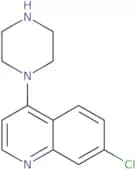
CAS:<p>Please enquire for more information about tert-Butyl 2-amino-6,7-dihydrothiazolo[5,4-c]pyridine-5(4H)-carboxylate including the price, delivery time and more detailed product information at the technical inquiry form on this page</p>Purity:Min. 95%7-Chloro-4-piperazinylquinoline
CAS:<p>7-Chloro-4-piperazinylquinoline is a quinoline derivative that belongs to the group of organic solvents. It has anticancer activity and is used as a medicine. 7-Chloro-4-piperazinylquinoline is used as an intermediate in the preparation of sorafenib, which is a potent inhibitor of the protein tyrosine kinase. Sorafenib inhibits cancer cell proliferation and tumor growth by blocking the activity of tyrosine kinases, which are necessary for cellular proliferation and survival. It also inhibits phospholipase A2, which leads to cell death by apoptosis.</p>Formula:C13H14ClN3Purity:Min. 95%Molecular weight:247.72 g/mol5,6,7,7a-Tetrahydrothieno[3,2-c]pyridinone hydrochloride
CAS:<p>5,6,7,7a-Tetrahydrothieno[3,2-c]pyridinone hydrochloride is a ketone with the chemical formula of C5H5NO2. It has been synthesized by acetylation of 5,6-dihydro-1,4-thieno[3,2-c]pyridinone in solvents and alkali. The reaction product has a melting point of 116–118 degrees Celsius. 5,6,7,7a-Tetrahydrothieno[3,2-c]pyridinone hydrochloride is used as a target compound for synthesis of prasugrel. Prasugrel is an antiplatelet drug that works by inhibiting the enzyme ADP P2Y 12 . This inhibition prevents activation of platelets and reduces platelet aggregation. The reactants toluene and chlorine were used in</p>Formula:C7H10ClNOSPurity:Min. 97 Area-%Color and Shape:PowderMolecular weight:191.68 g/mol(R)-tert-Butyl 2-methylpiperazine-1-carboxylate
CAS:<p>(R)-tert-Butyl 2-methylpiperazine-1-carboxylate is a versatile building block that can be used for the synthesis of complex compounds. The compound is a reagent, speciality chemical, and useful building block in research. It can be used as a reaction component or scaffold in synthesis. (R)-tert-Butyl 2-methylpiperazine-1-carboxylate has been shown to react with nucleophiles such as amines and alcohols to form stable products. This product has high quality and is useful for chemical reactions involving carbonyl groups.</p>Formula:C10H20N2O2Purity:Min. 95%Color and Shape:White PowderMolecular weight:200.28 g/mol11-(1-Piperazinyl)-dibenzo[b,f][1,4]thiazepine dihydrochloride
CAS:<p>11-(1-Piperazinyl)-dibenzo[b,f][1,4]thiazepine dihydrochloride is a long-acting drug that has been synthesized as an analog of diazepam. The compound is characterized by high diffraction, interaction and evaporation constants and low molecular weight. It is soluble in water and methanol. 11-(1-Piperazinyl)-dibenzo[b,f][1,4]thiazepine dihydrochloride has been shown to have a constant pharmacokinetic profile and high chemical stability in vivo.</p>Formula:C17H17N3S·2HClPurity:Min. 98 Area-%Color and Shape:White Off-White PowderMolecular weight:368.32 g/mol2-Chloro-5-iodopyridine
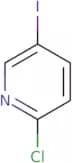
CAS:<p>2-Chloro-5-iodopyridine is a synthetic compound that binds to nicotinic acetylcholine receptors, and is an agonist of these receptors. It has been shown to bind selectively to the alpha4beta2 subtype of these receptors. 2-Chloro-5-iodopyridine binds to the receptor by means of hydrogen bonding and chelation, which results in the activation of the receptor. This process leads to increased levels of catecholamines and other neurotransmitters, which causes changes in the heart rate and blood pressure. 2-Chloro-5-iodopyridine is a halogenated organic molecule that can be synthesized from sodium trifluoroacetate in two steps: first with chlorination followed by iodination. The synthesis can be carried out using copper (II) chloride as a catalyst or copper (I) iodide as an oxidant, followed by reduction with sodium borohydride.</p>Formula:C5H3ClINPurity:Min. 95%Color and Shape:White PowderMolecular weight:239.44 g/mol4-Phenyl-piperidine
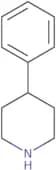
CAS:<p>4-Phenyl-piperidine is a nitro compound that has been shown to be toxic for the kidneys and nervous system. 4-Phenyl-piperidine has been shown to inhibit dopamine uptake in the striatum and locomotor activity in rats. It also inhibits the hydrolysis of hydrochloric acid, which produces hydrogen ion (H+) ions, resulting in an acidic environment. The chemical structures of 4-phenyl-piperidine are similar to those of tricyclic antidepressants drugs, such as amitriptyline and imipramine, with a phenyl ring attached to an amine group. This drug is used as a pharmaceutical preparation for treating depression by inhibiting the reuptake of serotonin and norepinephrine, which are neurotransmitters that affect mood.</p>Formula:C11H15NPurity:Min. 95%Molecular weight:161.24 g/mol2-Hydroxy-5-nitro-3-(trifluoromethyl)pyridine
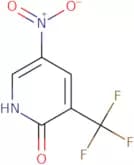
CAS:<p>Please enquire for more information about 2-Hydroxy-5-nitro-3-(trifluoromethyl)pyridine including the price, delivery time and more detailed product information at the technical inquiry form on this page</p>Formula:C6H3F3N2O3Purity:Min. 99.00 Area-%Molecular weight:208.09 g/mol8-Hydroxyquinoline hemisulfate salt hemihydrate
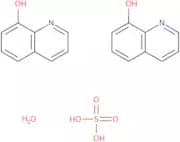
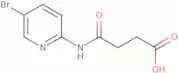
CAS:<p>8-Hydroxyquinoline is a sweet, water soluble, and heat stable inhibitor that has been used in the treatment of kidney disease. 8-Hydoxyquinoline has been shown to inhibit the growth of the rootstock Asiaticus by interfering with cell metabolism. It is also an insecticide that kills insects by causing damage to their cells. 8-Hydoxyquinoline inhibits polymerase chain reaction (PCR) by binding to DNA polymerase, blocking its activity and reducing its ability to synthesize DNA. This drug is also a potent blocker of angiotensinogen synthesis, which leads to reduced blood pressure levels.</p>Formula:C9H7NOH2SO4H2OColor and Shape:Yellow PowderMolecular weight:203.21 g/mol4-((5-Bromopyridin-2-yl)amino)-4-oxobutanoic acid
CAS:<p>4-((5-Bromopyridin-2-yl)amino)-4-oxobutanoic acid (BABA) is a potent photosynthetic inhibitor that inhibits light-driven electron transport in chloroplasts. This inhibition of electron transport leads to the accumulation of reactive oxygen species and cellular dysfunction. BABA is used to induce dormancy in plants and is also used as a chemical inhibitor for arabidopsis thaliana, a type of plant commonly used in molecular biology research. Studies have shown that BABA inhibits the growth of fat cells, which may be due to its ability to inhibit protein synthesis, leading to decreased fat deposition. In addition, this drug has been shown to reduce eye disorders such as retinal degeneration and cataracts by inhibiting the production of reactive oxygen species, which causes oxidative stress.</p>Formula:C9H9BrN2O3Purity:(Elemental Analysis) Min. 97%Color and Shape:PowderMolecular weight:273.08 g/mol



![4-Bromo-1-methyl-1H-pyrazolo[4,3-c]pyridine-6-carboxylic acid](/_next/image/?url=https%3A%2Fstatic.cymitquimica.com%2Fproducts%2F3D%2Fthumb-webp%2FFB183353.webp&w=3840&q=75)
![4-[2-(Fmoc-amino)ethyl]-1-piperazineacetic acid dihydrochloride](/_next/image/?url=https%3A%2Fstatic.cymitquimica.com%2Fproducts%2F3D%2Fthumb-webp%2FFF48264.webp&w=3840&q=75)

![2-[Chloro(4-chlorophenyl)methyl]-pyridine](/_next/image/?url=https%3A%2Fstatic.cymitquimica.com%2Fproducts%2F3D%2Fthumb-webp%2FFC152996.webp&w=3840&q=75)


![N-[2-[(2S)-2-Cyano-4,4-difluoro-1-pyrrolidinyl]-2-oxoethyl]-6-[methyl[3-(1-piperazinyl)propyl]amin…](/_next/image/?url=https%3A%2Fstatic.cymitquimica.com%2Fproducts%2F3D%2Fthumb-webp%2FFC184139.webp&w=3840&q=75)
![2,4-Dichloropyrido [2,3-D] pyrimidine](/_next/image/?url=https%3A%2Fstatic.cymitquimica.com%2Fproducts%2F3D%2Fthumb-webp%2FFD31600.webp&w=3840&q=75)



![tert-Butyl 2-amino-6,7-dihydrothiazolo[5,4-c]pyridine-5(4H)-carboxylate](/_next/image/?url=https%3A%2Fstatic.cymitquimica.com%2Fproducts%2F3D%2Fthumb-webp%2FFB143127.webp&w=3840&q=75)
![5,6,7,7a-Tetrahydrothieno[3,2-c]pyridinone hydrochloride](/_next/image/?url=https%3A%2Fstatic.cymitquimica.com%2Fproducts%2F3D%2Fthumb-webp%2FFT28146.webp&w=3840&q=75)

![11-(1-Piperazinyl)-dibenzo[b,f][1,4]thiazepine dihydrochloride](/_next/image/?url=https%3A%2Fstatic.cymitquimica.com%2Fproducts%2F3D%2Fthumb-webp%2FFP32447.webp&w=3840&q=75)