


Heterocycles with Nitrogen (N)
In this category, you will find a wide variety of nitrogen-containing heterocycles. Heterocycles are carbon chains that form a cycle in which at least one position is occupied by a heteroatom, in this case, nitrogen. These compounds are integral in the synthesis of pharmaceuticals, agrochemicals, and dyes, offering unique reactivity and stability. At CymitQuimica, we provide a comprehensive selection of high-quality nitrogen-containing heterocycles to support your research and industrial applications
Subcategories of "Heterocycles with Nitrogen (N)"
- Azepane(434 products)
- Benzotriazoles(436 products)
- Diazepanes(331 products)
- Imidazoles(4,011 products)
- Imidazolines(385 products)
- Isoxazole(1,077 products)
- Piperazines(3,736 products)
- Piperidines(8,406 products)
- Pyrazines(1,299 products)
- Pyrazole(5,921 products)
- Pyrazolidine(21 products)
- Pyrazoline(142 products)
- Pyridazine(856 products)
- Pyridines(21,918 products)
- Pyrimidine(6,041 products)
- Pyrroles(2,443 products)
- Pyrrolidines(5,817 products)
- Pyrroline(48 products)
- Pyrrolo[1,2-b]pyridazine(10 products)
- Tetrazole(510 products)
- Triazines(462 products)
- Triazoles(1,680 products)
Show 14 more subcategories
Found 17857 products of "Heterocycles with Nitrogen (N)"
Sort by
Purity (%)
0
100
|
0
|
50
|
90
|
95
|
100
D-Carnosine trifluoroacetate
CAS:<p>Please enquire for more information about D-Carnosine trifluoroacetate including the price, delivery time and more detailed product information at the technical inquiry form on this page</p>Formula:C9H14N4O3•(C2HF3O2)xPurity:Min. 95%3-Chloropyridazine-4-carbonitrile
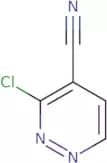
CAS:<p>3-Chloropyridazine-4-carbonitrile is an acridone that has been shown to be an effective antibacterial agent. It was synthesized by the intramolecular Diels-Alder reaction of pyridine and 1,3-butadiene, followed by a sequence of reactions involving thioxanthones. 3-Chloropyridazine-4-carbonitrile binds to the bacterial enzyme 50S ribosomal subunit by competitive inhibition and prevents the formation of an antibiotic inhibitor complex with the enzyme cell wall synthesis that is required for cell wall biosynthesis, inhibiting protein synthesis and cell division. 3-Chloropyridazine-4-carbonitrile also has shown activity against methicillin resistant Staphylococcus aureus strains.</p>Formula:C5H2ClN3Purity:Min. 95%Molecular weight:139.54 g/mol2-[Chloro(4-chlorophenyl)methyl]-pyridine
CAS:<p>Please enquire for more information about 2-[Chloro(4-chlorophenyl)methyl]-pyridine including the price, delivery time and more detailed product information at the technical inquiry form on this page</p>Formula:C12H9Cl2NPurity:Min. 95%Molecular weight:238.11 g/mol2-Amino-6-chloropurine
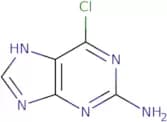
CAS:<p>2-Amino-6-chloropurine is a nucleophilic substituent that is used in the synthesis of 2-amino-6-chloropurine. It reacts with hydroxyl groups to form a palladium-catalyzed coupling reaction solution, which is then treated with hydrochloric acid and trifluoroacetic acid. The product is purified by crystallization and recrystallization. This compound has potent antitumor activity against carcinoma cell lines, but it has not been shown to have any effect against Mycobacterium tuberculosis.</p>Formula:C5H4ClN5Purity:Min. 95%Color and Shape:Off-White PowderMolecular weight:169.57 g/mol4-Desmethyl-2-methyl celecoxib
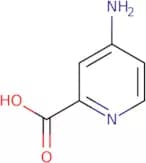
CAS:<p>Please enquire for more information about 4-Desmethyl-2-methyl celecoxib including the price, delivery time and more detailed product information at the technical inquiry form on this page</p>Formula:C17H14F3N3O2SPurity:Min. 95%Molecular weight:381.4 g/mol4-Aminopicolinic acid
CAS:<p>4-Aminopicolinic acid is a synthetic amine that has been shown to activate plant science. 4-Aminopicolinic acid is a cyclic peptide with two subunits, one of which is 4-amino-3-pyridinecarboxylic acid. This compound has been synthesized from picolinic acid, an agriculturally important compound that is found in plant and animal tissues. The synthesis of 4-aminopicolinic acid involves the reaction of picolinic acid with nitrous oxide, followed by hydrolysis and oxidation to form the desired product. Hplc analyses have confirmed the presence of picolinic acid in extracts from various plants containing this compound.</p>Formula:C6H6N2O2Purity:Min. 95%Color and Shape:White To Beige Or Pink To Light Brown SolidMolecular weight:138.12 g/molrac-Demiditraz
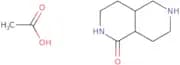
CAS:<p>Please enquire for more information about rac-Demiditraz including the price, delivery time and more detailed product information at the technical inquiry form on this page</p>Formula:C13H16N2Purity:Min. 95%Molecular weight:200.28 g/molOctahydro-2,6-naphthyridin-1(2H)-one acetate
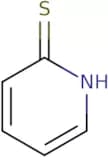
CAS:Controlled Product<p>Please enquire for more information about Octahydro-2,6-naphthyridin-1(2H)-one acetate including the price, delivery time and more detailed product information at the technical inquiry form on this page</p>Formula:C8H14N2O•C2H4O2Purity:Min. 95%Molecular weight:214.26 g/mol2-Mercaptopyridine
CAS:<p>2-Mercaptopyridine is a quinone that has been used as an inhibitor of the HIV reverse transcriptase enzyme. It binds to the active site of the enzyme and inhibits its activity by forming a stable covalent bond with two cysteine residues in the enzyme. The molecule is stabilized by two adjacent sulfide bonds, which form a six-membered ring with three nitrogen atoms and one oxygen atom. This ring coordinates to the zinc ion in the active site of the enzyme. 2-Mercaptopyridine has also been found to be effective against methicillin-resistant Staphylococcus aureus (MRSA) and Mycobacterium tuberculosis. 2-Mercaptopyridine binds to DNA at positions where it is complementary to guanine or adenine nucleotides, thus preventing RNA synthesis and replication.</p>Formula:C5H5NSPurity:Min. 95%Color and Shape:PowderMolecular weight:111.17 g/mol2,4,5,6-Tetraaminopyrimidine sulphate
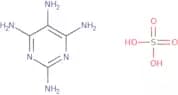
CAS:<p>2,4,5,6-Tetraaminopyrimidine sulphate is a chemical compound that is used for the treatment of leukemic mice. It has shown to have anti-inflammatory and anti-cancer properties. This drug binds to the enzyme p-hydroxybenzoic acid that is involved in the synthesis of collagen and elastin. It also suppresses the production of inflammatory cytokines such as TNF-α and IL-1β. 2,4,5,6-Tetraaminopyrimidine sulphate has been used in clinical trials for the treatment of autoimmune diseases and inflammatory diseases such as psoriasis. The drug is currently being researched for use in cancer treatments due to its ability to inhibit cell division and induce apoptosis. 2,4,5,6-Tetraaminopyrimidine sulphate has also been shown to be effective when applied topically on skin as a cosmetic agent or when administered orally as a supplement for</p>Formula:C4H10N6O4SPurity:Min. 95%Color and Shape:Slightly Yellow PowderMolecular weight:238.23 g/mol2-Methoxy-6-picolinic acid
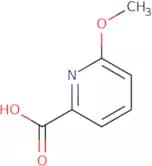
CAS:<p>2-Methoxy-6-picolinic acid (2MPA) is a picolinate that has been shown to be an effective catalyst for the conversion of alcohols into allylic alcohols. 2MPA is able to catalyze the reaction by abstracting hydrogen from the carbonyl group, and then adding it to the adjacent carbon. This reaction can produce peroxide as a byproduct, which is subsequently hydrolyzed to form water and alcohol. The β-unsaturated carbonyl group of 2MPA provides additional stability for this catalytic process.<br>2MPA can also be used as a catalyst in other reactions, such as the oxidation of benzylic alcohols with hydrogen peroxide to form benzylic carbonyl compounds.</p>Formula:C7H7NO3Purity:Min. 95%Color and Shape:PowderMolecular weight:153.14 g/molBoc-4-carboxymethyl-piperidine
CAS:<p>Boc-4-carboxymethyl-piperidine is a novel drug that has been shown to have significant correlations with the inhibition of fibrinogen and cellulose. It also has the ability to inhibit arsenite, which may be due to its dithiocarbamate group. Boc-4-carboxymethyl-piperidine has been shown to have significant biological activity in vitro. This molecule has been synthesized and crystallized, and x-ray data have been collected. The molecular structure of this molecule is shown below:</p>Formula:C12H21NO4Purity:Min. 95%Color and Shape:White PowderMolecular weight:243.3 g/moltert-Butyl6-[(1e)-2-[4-(4-fluorophenyl)-6-(1-methylethyl)-2-[methyl(methylsulfonyl)amino]-5-pyrimidinyl]ethenyl]-2,2-dimethyl-1,3-di oxane-4-acetate
CAS:<p>Please enquire for more information about tert-Butyl6-[(1e)-2-[4-(4-fluorophenyl)-6-(1-methylethyl)-2-[methyl(methylsulfonyl)amino]-5-pyrimidinyl]ethenyl]-2,2-dimethyl-1,3-di oxane-4-acetate including the price, delivery time and more detailed product information at the technical inquiry form on this page</p>Formula:C29H40FN3O6SPurity:Min. 95%Molecular weight:577.71 g/mol5-Methylpyrimidine-2-carboxylic acid
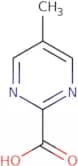
CAS:<p>Please enquire for more information about 5-Methylpyrimidine-2-carboxylic acid including the price, delivery time and more detailed product information at the technical inquiry form on this page</p>Formula:C6H6N2O2Purity:Min. 95%Molecular weight:138.12 g/mol6-(Chloromethyl)pteridine-2,4-diamine monohydrochloride
CAS:<p>Please enquire for more information about 6-(Chloromethyl)pteridine-2,4-diamine monohydrochloride including the price, delivery time and more detailed product information at the technical inquiry form on this page</p>Formula:C7H7ClN6•HClPurity:Min. 95%Molecular weight:247.08 g/mol(S,S)-2,6-Bis(4-isopropyl-2-oxazolin-2-yl)pyridine
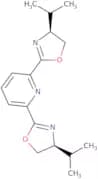
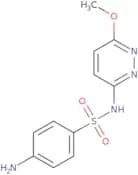
CAS:<p>Ligand used to prepare ruthenium complexes for asymmetric catalysis</p>Formula:C17H23N3O2Purity:Min. 95%Color and Shape:White PowderMolecular weight:301.38 g/molSulfamethoxypyridazine
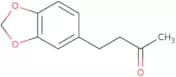
CAS:<p>Sulfamethoxypyridazine is a sulfa drug that inhibits bacterial growth by inhibiting the synthesis of folic acid, which is essential for DNA and RNA production. It has been shown to be effective in the treatment of urinary infections and infectious diseases. Sulfamethoxypyridazine interacts with other drugs, such as oral contraceptives, to increase their blood levels. This drug also has a matrix effect on urine samples, which can be used to detect the presence of bacteria. The matrix effect is due to its hydrophobic nature and ability to form aggregates with other compounds. Sulfamethoxypyridazine is used in wastewater treatment plants as an analytical method for nitrogen atoms.</p>Formula:C11H12N4O3SPurity:Min. 95%Molecular weight:280.3 g/molPiperonyl acetone
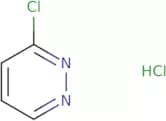
CAS:Controlled Product<p>Piperonyl acetone is an organic solvent that has been shown to have an anti-aging effect on skin cells. It inhibits the growth of bacteria by binding to the carbonyl group in the molecule and preventing them from producing proteins, which are needed for cell division. Piperonyl acetone has been shown to be a good deodorizer, with a target pest of insects. This agent also has a high boiling point and can be used as an organic solvent in analytical toxicology. Piperonyl acetone is metabolized into piperonal and ethanol extracts when it is administered orally or intravenously. Piperonyl acetone may interact with certain drugs; therefore, it should be taken with caution if you are taking other medications.</p>Formula:C11H12O3Purity:Min. 95%Color and Shape:White PowderMolecular weight:192.21 g/mol6-Chloro-pyridazine hydrochloride
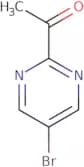
CAS:<p>Please enquire for more information about 6-Chloro-pyridazine hydrochloride including the price, delivery time and more detailed product information at the technical inquiry form on this page</p>Formula:C4H3ClN2·HClPurity:Min. 95%Molecular weight:150.99 g/mol1-(5-Bromopyrimidin-2-yl)ethanone
CAS:<p>Please enquire for more information about 1-(5-Bromopyrimidin-2-yl)ethanone including the price, delivery time and more detailed product information at the technical inquiry form on this page</p>Formula:C6H5BrN2OPurity:Min. 95%Molecular weight:201.02 g/mol11-(1-Piperazinyl)-dibenzo[b,f][1,4]thiazepine dihydrochloride
CAS:<p>11-(1-Piperazinyl)-dibenzo[b,f][1,4]thiazepine dihydrochloride is a long-acting drug that has been synthesized as an analog of diazepam. The compound is characterized by high diffraction, interaction and evaporation constants and low molecular weight. It is soluble in water and methanol. 11-(1-Piperazinyl)-dibenzo[b,f][1,4]thiazepine dihydrochloride has been shown to have a constant pharmacokinetic profile and high chemical stability in vivo.</p>Formula:C17H17N3S·2HClPurity:Min. 98 Area-%Color and Shape:White Off-White PowderMolecular weight:368.32 g/mol1-Methylpiperidine-4-carboxylic acid hydrochloride
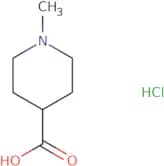
CAS:<p>1-Methylpiperidine-4-carboxylic acid hydrochloride is a betaine. Betaines are intermediates in the biosynthesis of phosphocholine, which is an important component of all cell membranes. 1-Methylpiperidine-4-carboxylic acid hydrochloride has been analyzed and quantified in fruits and plants such as beets, bananas, oranges, and tomatoes. It can be found in the roots of plants and has been shown to inhibit abiotic stress. This compound is also present in the human body as a result of its ingestion from food sources. 1-Methylpiperidine-4-carboxylic acid hydrochloride inhibits proline synthesis by competing with glycine for the enzyme choline acetyltransferase. It also inhibits synthesis of pipecolic acid (a precursor for histamine) by competing with glycine for the enzyme choline acetyltransferase.</p>Formula:C7H14NO2ClPurity:Min. 95%Molecular weight:179.64 g/mol2,3,5-Trimethylpyrazine
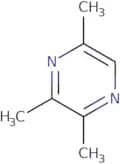
CAS:<p>2,3,5-Trimethylpyrazine is a volatile organic compound that is used as an aroma to impart a roasted coffee flavor. It has been shown to be synthesized from the reaction of trimethyl and pyruvic acid in an enzymatic reaction using glutamate pyruvate transaminase. 2,3,5-Trimethylpyrazine can be analyzed by capillary gas chromatography with mass spectrometric detection (GC-MS) or high performance liquid chromatography with mass spectrometric detection (HPLC-MS). This compound can also be identified by its synchronous fluorescence emission spectrum. Analysis of this compound's chemical structure revealed a hydroxyl group on the methyl group and a protocatechuic acid moiety on the pyrazine ring. The presence of these functional groups provides evidence for the model system proposed for this molecule. Solid phase microextraction was used to extract 2,3,5-trimethylpyraz</p>Formula:C7H10N2Purity:Min. 95%Color and Shape:Clear LiquidMolecular weight:122.17 g/mol2-Aminoimidazole sulfate
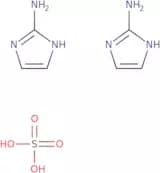
CAS:<p>2-Aminoimidazole sulfate is a chemical compound that is used as a transfection reagent. It has been shown to have high transfection efficiency with low cytotoxicity. The diameter of the molecule is in the range of 2 - 3 nm, which allows it to be taken up by cells and thus be active in them. This chemical can be dehydrogenated to form imidazole-2-sulfonic acid, which may interact with other molecules. There have been many advances in this area, including modifications and gaseous forms of the molecule. Research into the interactions of this compound with other chemicals and their effects on cellular uptake are ongoing.</p>Formula:C3H5N3•(H2O4S)0Purity:Min. 95%Color and Shape:Off-White PowderMolecular weight:264.26 g/mol5-Bromo-2-iodopyridine
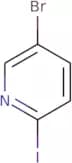
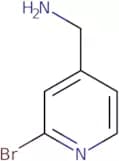
CAS:<p>5-Bromo-2-iodopyridine is an antibiotic that is used to treat bacterial infections. It has been shown to inhibit the growth of bacteria by binding to the 50S ribosomal subunit. This drug also has a toxic effect on respiratory system cells, which may be due to its ability to induce apoptosis. 5-Bromo-2-iodopyridine interacts with DNA in a triazine ring and inhibits bacterial growth by inhibiting protein synthesis. The drug binds to the 50S ribosomal subunit at a site that is different from that of rifampin and other antibiotics. The reaction is catalyzed by palladium at high temperatures and takes place in organic solvents such as chloroform or benzene. This synthetic process can be made more efficient by using inexpensive starting materials, such as bromine, iodine, and acetone, rather than expensive starting materials like platinum or gold salts.</p>Formula:C5H3BrINPurity:Min. 95%Color and Shape:Slightly Yellow PowderMolecular weight:283.89 g/mol(2-Bromopyridin-4-yl)methanamine
CAS:<p>Please enquire for more information about (2-Bromopyridin-4-yl)methanamine including the price, delivery time and more detailed product information at the technical inquiry form on this page</p>Purity:Min. 95%2-Bromopyrazine
CAS:<p>2-Bromopyrazine is a heterocyclic chemical compound that inhibits the activity of enzymes such as kinases. It has been shown to have anti-tumor properties in clinical studies and has been used in cancer research. 2-Bromopyrazine binds to nicotinic acetylcholine receptors, which are found on the surface of tumor cells. The binding of 2-bromopyrazine to these receptors causes an increase in ion flow across the membrane and leads to cell death. This drug also inhibits kinase activity, leading to decreased protein synthesis, which may account for its anti-tumor properties. 2-Bromopyrazine is soluble in organic solvents and insoluble in water. 2-Bromopyrazine is stable under acidic conditions but undergoes hydrolysis by hydrochloric acid, forming a salt and hydrogen bromide gas.</p>Formula:C4H3BrN2Purity:Min. 95%Color and Shape:Colorless Clear LiquidMolecular weight:158.98 g/mol3-Hydroxy-5-methylpyridine
CAS:<p>3-Hydroxy-5-methylpyridine (3HMP) is a chemical substance that has been classified as an amine. It is a product of the metabolism of purines, which are nitrogenous bases found in DNA and RNA. 3HMP is produced by aerogenic bacteria (such as Enterobacter), and can be used to estimate the number of these bacteria present in water samples. 3HMP has been shown to have antiviral properties against influenza virus, and can be used as a biomarker for the presence of other viruses in animals. 3HMP also has mineralization properties, which have been studied extensively, particularly with regards to pancreatic disease.</p>Formula:C6H7NOPurity:Min. 95%Color and Shape:PowderMolecular weight:109.13 g/mol2,4-Dichloropyrido [2,3-D] pyrimidine
CAS:<p>2,4-Dichloropyrido [2,3-D] pyrimidine is a regioselective chlorination agent that can be used for the synthesis of various organic compounds. It is often used in cross-coupling reactions to form carbon-carbon bonds. 2,4-Dichloropyrido [2,3-D] pyrimidine has been shown to give high yields and is selective for disubstituted or monosubstituted substrates. This compound is also useful for the functionalization of C-H bonds via palladium-catalyzed coupling reactions.</p>Formula:C7H3Cl2N3Purity:Min. 95%Color and Shape:White PowderMolecular weight:200.02 g/mol4-[4-(N-Boc)piperazin-1-yl]phenylboronic acid pinacol ester
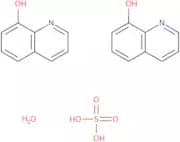
CAS:<p>Please enquire for more information about 4-[4-(N-Boc)piperazin-1-yl]phenylboronic acid pinacol ester including the price, delivery time and more detailed product information at the technical inquiry form on this page</p>Formula:C21H33BN2O4Purity:Min. 95%Color and Shape:PowderMolecular weight:388.31 g/mol8-Hydroxyquinoline hemisulfate salt hemihydrate
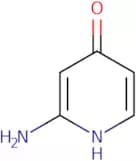
CAS:<p>8-Hydroxyquinoline is a sweet, water soluble, and heat stable inhibitor that has been used in the treatment of kidney disease. 8-Hydoxyquinoline has been shown to inhibit the growth of the rootstock Asiaticus by interfering with cell metabolism. It is also an insecticide that kills insects by causing damage to their cells. 8-Hydoxyquinoline inhibits polymerase chain reaction (PCR) by binding to DNA polymerase, blocking its activity and reducing its ability to synthesize DNA. This drug is also a potent blocker of angiotensinogen synthesis, which leads to reduced blood pressure levels.</p>Formula:C9H7NOH2SO4H2OColor and Shape:Yellow PowderMolecular weight:203.21 g/mol2-Amino-4-hydroxypyridine
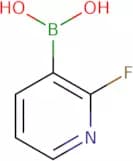
CAS:<p>2-Amino-4-hydroxypyridine (2AH) is a synthetic, isomeric compound that has been synthesized in two different forms: 3-bromo-5-hydroxypyridine and hydroxy group. 2AH has been shown to be chemically stable at room temperature and pH levels of less than 7. It also withstands the loss of membrane fluidity induced by amides, such as 3-amino-2-bromopyridine. 2AH can be used to synthesize oxindole derivatives, which are found in natural gas, and piperidines. This chemical can also be used for aminations with pyrrole or 2 amino 4 hydroxypyridine.</p>Formula:C5H6N2OPurity:Min. 95%Color and Shape:PowderMolecular weight:110.11 g/mol2-Fluoro-3-pyridineboronic acid
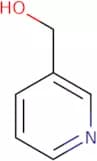
CAS:<p>2-Fluoro-3-pyridineboronic acid is an amide that can be used as a catalyst for transfer reactions. It forms a complex with copper chloride and isohexane, which is then heated to produce the desired product. 2-Fluoro-3-pyridineboronic acid has been used in analytical methods such as constant pressure and methyl ethyl method. This compound also has high resistance to water vapor, hexane, and organic solvents. 2-Fluoro-3-pyridineboronic acid has been shown to inhibit the MCL-1 protein, which plays a role in regulating apoptosis. It can be used as a potential therapeutic agent against infectious diseases such as tuberculosis and HIV/AIDS due to its ability to inhibit MCL-1 protein expression.</p>Formula:C5H5NO2BFPurity:Min. 95%Color and Shape:White PowderMolecular weight:140.91 g/mol3-Pyridinemethanol
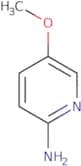
CAS:<p>3-Pyridinemethanol is a chemical compound that is soluble in water. It has a molecular weight of 92.07 grams per mole, and the chemical formula CH3CH2NH. 3-Pyridinemethanol is used as a reagent for the synthesis of organic compounds, such as chlorides, esters, amides, nitriles, and thioamides. 3-Pyridinemethanol reacts with chloride to form an intermediate which reacts with water to produce hydrochloric acid and ammonium chloride. This reaction also produces heat, which can be used to generate energy or power other reactions. br> br> A nanotube was synthesized from 3-pyridinemethanol by using a template made from nickel atoms arranged in a hexagonal pattern on the surface of an indium tin oxide (ITO) glass substrate. The nanotubes are about 5 nm in diameter and can be up</p>Formula:C6H7NOPurity:Min. 95%Molecular weight:109.13 g/mol2-Amino-5-methoxypyridine
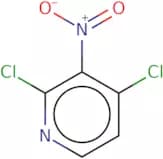
CAS:<p>2-Amino-5-methoxypyridine (2AM5MP) is a synthetic compound that is used to study the nicotinic acetylcholine receptor. It has been shown that 2AM5MP can be used as an agonist for the nicotinic acetylcholine receptor, which may be due to its ability to act as a substrate for amine oxidase. This compound has been shown to have anti-cancer properties and fluoresce when exposed to positron emission tomography (PET) scans. The anti-cancer effects of 2AM5MP are thought to be due to its ability to inhibit cancer cell proliferation and induce cancer cell apoptosis.</p>Formula:C6H8N2OPurity:Min. 95%Molecular weight:124.14 g/mol2,4-Dichloro-3-nitropyridine
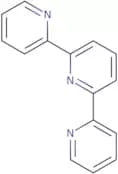
CAS:<p>2,4-Dichloro-3-nitropyridine is a halogenated pyridinium salt that has been shown to inhibit the influenza virus in vitro. This compound is also reactive with nucleophilic groups such as amines, alcohols, and thiols. 2,4-Dichloro-3-nitropyridine has been used for the synthesis of quinoline derivatives that have potential applications in autoimmune diseases or cancer. 2,4-Dichloro-3-nitropyridine has also been found to be an inhibitor of tumor necrosis factor alpha (TNFα) production by LPS stimulated human monocytes.</p>Formula:C5H2Cl2N2O2Purity:Min. 95%Color and Shape:White PowderMolecular weight:192.99 g/mol2,2', 2'' -Terpyridine
CAS:<p>2,2', 2'' -Terpyridine is a chelate ligand that is used in wastewater treatment. It can be synthesized by reacting 2-aminopyridine with ethylene diamine and 2,4-dichloro-1,3-dithiolane. The x-ray crystal structures of the ligand show that it has a coordination geometry of octahedral and its reaction mechanism is an oxidation. The chelate ligand binds to the metal ion in the same way as other ligands and stabilizes it by forming hydrogen bonds. This compound has significant cytotoxicity against carcinoma cell lines and also inhibits the mitochondrial membrane potential (MMP). 2,2', 2'' -Terpyridine is classified as group p2 due to its redox potentials and cytotoxicity.</p>Formula:C15H11N3Purity:Min. 95%Molecular weight:233.27 g/mol4-{[4-(4-Methyloxyphenyl)-piperazin-1-yl]-phenyl}-2,4-dihydro-[1,2,4]-triazol-3-one
CAS:<p>Please enquire for more information about 4-{[4-(4-Methyloxyphenyl)-piperazin-1-yl]-phenyl}-2,4-dihydro-[1,2,4]-triazol-3-one including the price, delivery time and more detailed product information at the technical inquiry form on this page</p>Formula:C19H21N5O2Purity:Min. 95%Molecular weight:351.4 g/mol2-(1,3-Benzodioxol-5-yl)-4,6-bis(trichloromethyl)-1,3,5-triazine
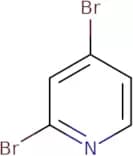
CAS:<p>2-(1,3-Benzodioxol-5-yl)-4,6-bis(trichloromethyl)-1,3,5-triazine is a triazine compound that contains a hydroxyl group and a carboxylic acid. It is used as a polymerization initiator for cationic polymerization. 2-(1,3-Benzodioxol-5-yl)-4,6-bis(trichloromethyl)-1,3,5-triazine is also used as a chemical treatment for water supplies and wastewater. This compound can absorb many organic compounds that are harmful to the environment such as pesticides and herbicides. 2-(1,3-Benzodioxol-5-yl)-4,6-bis(trichloromethyl)-1,3,5-triazine has been shown to function as an antiinflammatory agent through its hydrogen bonding properties.</p>Purity:Min. 95%2,4-Dibromopyridine
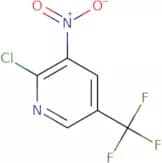
CAS:<p>2,4-Dibromopyridine is a brominated derivative of pyridine. It is synthesized through the substitution of two bromine atoms for two hydrogens on the pyridine ring. This synthesis can be achieved by disubstitution or cross-coupling reactions. The reaction products are nucleophilic and react with electrophiles to produce substitution products. The reaction mechanism is thought to involve a six-membered transition state, which has been observed using X-ray absorption spectroscopy.</p>Formula:C5H3Br2NPurity:Min. 95%Color and Shape:White To Off-White SolidMolecular weight:236.89 g/mol2-chloro-3-nitro-5-(trifluoromethyl)pyridine
CAS:<p>Please enquire for more information about 2-chloro-3-nitro-5-(trifluoromethyl)pyridine including the price, delivery time and more detailed product information at the technical inquiry form on this page</p>Formula:C6H2ClF3N2O2Purity:Min. 95%Molecular weight:226.54 g/moltert-Butyl 6-amino-3-azabicyclo[3.1.0]hexane-3-carboxylate
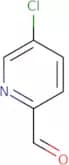
CAS:<p>Please enquire for more information about tert-Butyl 6-amino-3-azabicyclo[3.1.0]hexane-3-carboxylate including the price, delivery time and more detailed product information at the technical inquiry form on this page</p>Formula:C10H18N2O2Purity:Min. 95%Molecular weight:198.26 g/mol5-Chloro-2-formylpyridine
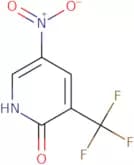
CAS:<p>5-Chloro-2-formylpyridine is a peroxide that reacts with pyridine rings to form epoxides. It has been shown to be a potent oxidant and is used in the synthesis of epoxides. 5-Chloro-2-formylpyridine can also react with imidazoles and form tetradentate ligands, which are compounds that bind to metals. This chemical has selectivity for carboxylic acid groups, hydrogen peroxide, alkene, and piperazine. Irradiation of 5-chloro-2-formylpyridine yields an epoxide group on the pyridine ring.</p>Formula:C6H4NOClPurity:Min. 95%Molecular weight:141.55 g/mol2-Hydroxy-5-nitro-3-(trifluoromethyl)pyridine
CAS:<p>Please enquire for more information about 2-Hydroxy-5-nitro-3-(trifluoromethyl)pyridine including the price, delivery time and more detailed product information at the technical inquiry form on this page</p>Formula:C6H3F3N2O3Purity:Min. 99.00 Area-%Molecular weight:208.09 g/mol2-Bromo-5-hydroxypyridine
CAS:2-Bromo-5-hydroxypyridine is an aromatic compound that is used in the synthesis of a variety of pharmaceuticals and other organic compounds. It can be synthesized by the Suzuki coupling reaction from 2-bromobenzaldehyde and 5-aminopyridine. 2-Bromo-5-hydroxypyridine has been shown to be a hepatotoxin in humans, with possible carcinogenic activity. It also has cholinergic properties, as well as being able to cause fluorescence when exposed to halogens. The carbon next to the hydroxyl group is a stereocenter, so there are two different configurations for this molecule. The configuration shown above (R) is the more stable form of this molecule due to its electron withdrawing power on the neighboring oxygen atom.Formula:C5H4BrNOPurity:Min. 95%Color and Shape:White PowderMolecular weight:174 g/mol5-Bromo-2-dimethylaminopyridine
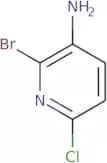
CAS:Controlled Product<p>Please enquire for more information about 5-Bromo-2-dimethylaminopyridine including the price, delivery time and more detailed product information at the technical inquiry form on this page</p>Formula:C7H9BrN2Purity:Min. 95%Molecular weight:201.01 g/mol3-Amino-2-bromo-6-chloropyridine
CAS:<p>Please enquire for more information about 3-Amino-2-bromo-6-chloropyridine including the price, delivery time and more detailed product information at the technical inquiry form on this page</p>Formula:C5H4BrClN2Purity:Min. 95%Molecular weight:207.46 g/mol4,4'-Dimethyl-2,2'-bipyridine
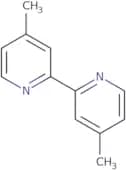
CAS:<p>4,4'-Dimethyl-2,2'-bipyridine is a molecule that belongs to the group of p2 metal complexes. It has been shown to have synergistic effects with ruthenium complexes in analytical chemistry and electrochemical studies. Theoretical calculations have been performed for 4,4'-dimethyl-2,2'-bipyridine and its derivatives. These calculations show that the molecule is planar and that it can be considered as a diazonium salt. The photochemical properties of 4,4'-dimethyl-2,2'-bipyridine have also been studied in detail. This substance emits light when excited by ultraviolet light or visible light, which makes it an excellent candidate for use as a luminescent material in optical displays.</p>Formula:C12H12N2Purity:Min. 98%Color and Shape:Slightly Yellow PowderMolecular weight:184.24 g/mol1-Pyridin-2-ylmethylpiperidine-4-carboxylic acid
CAS:<p>Please enquire for more information about 1-Pyridin-2-ylmethylpiperidine-4-carboxylic acid including the price, delivery time and more detailed product information at the technical inquiry form on this page</p>Formula:C12H16N2O2Purity:Min. 95%Molecular weight:220.27 g/mol4-[(4-Chlorophenyl)phenylmethyl]-1-piperazineethanol dihydrochloride
CAS:<p>Please enquire for more information about 4-[(4-Chlorophenyl)phenylmethyl]-1-piperazineethanol dihydrochloride including the price, delivery time and more detailed product information at the technical inquiry form on this page</p>Formula:C19H23ClN2O•(HCl)2Purity:Min. 95%Molecular weight:403.77 g/mol

![2-[Chloro(4-chlorophenyl)methyl]-pyridine](/_next/image/?url=https%3A%2Fstatic.cymitquimica.com%2Fproducts%2F3D%2Fthumb-webp%2FFC152996.webp&w=3840&q=75)

![tert-Butyl6-[(1e)-2-[4-(4-fluorophenyl)-6-(1-methylethyl)-2-[methyl(methylsulfonyl)amino]-5-pyrimi…](/_next/image/?url=https%3A%2Fstatic.cymitquimica.com%2Fproducts%2F3D%2Fthumb-webp%2FFB148489.webp&w=3840&q=75)

![11-(1-Piperazinyl)-dibenzo[b,f][1,4]thiazepine dihydrochloride](/_next/image/?url=https%3A%2Fstatic.cymitquimica.com%2Fproducts%2F3D%2Fthumb-webp%2FFP32447.webp&w=3840&q=75)


![2,4-Dichloropyrido [2,3-D] pyrimidine](/_next/image/?url=https%3A%2Fstatic.cymitquimica.com%2Fproducts%2F3D%2Fthumb-webp%2FFD31600.webp&w=3840&q=75)
![4-[4-(N-Boc)piperazin-1-yl]phenylboronic acid pinacol ester](/_next/image/?url=https%3A%2Fstatic.cymitquimica.com%2Fproducts%2F3D%2Fthumb-webp%2FFN162753.webp&w=3840&q=75)
![4-{[4-(4-Methyloxyphenyl)-piperazin-1-yl]-phenyl}-2,4-dihydro-[1,2,4]-triazol-3-one](/_next/image/?url=https%3A%2Fstatic.cymitquimica.com%2Fproducts%2F3D%2Fthumb-webp%2FFM25920.webp&w=3840&q=75)

![tert-Butyl 6-amino-3-azabicyclo[3.1.0]hexane-3-carboxylate](/_next/image/?url=https%3A%2Fstatic.cymitquimica.com%2Fproducts%2F3D%2Fthumb-webp%2FFM161190.webp&w=3840&q=75)



![4-[(4-Chlorophenyl)phenylmethyl]-1-piperazineethanol dihydrochloride](/_next/image/?url=https%3A%2Fstatic.cymitquimica.com%2Fproducts%2F3D%2Fthumb-webp%2FFC33627.webp&w=3840&q=75)