Hydrocarbon Building Blocks
Hydrocarbon building blocks are organic compounds consisting solely of carbon and hydrogen atoms. These fundamental structures serve as the basis for synthesizing a wide variety of complex molecules. Hydrocarbon building blocks are used in the development of pharmaceuticals, polymers, and other organic compounds. At CymitQuimica, we offer a broad range of high-quality hydrocarbon building blocks to facilitate your synthetic and research projects.
Subcategories of "Hydrocarbon Building Blocks"
Found 5575 products of "Hydrocarbon Building Blocks"
Sort by
Purity (%)
0
100
|
0
|
50
|
90
|
95
|
100
Pivalonitrile
CAS:<p>Solvent and labile ligand in coordination chemistry</p>Formula:C5H9NPurity:Min. 98 Area-%Color and Shape:Clear LiquidMolecular weight:83.13 g/molTrifluoromethanesulfonic anhydride
CAS:<p>Trifluoromethanesulfonic anhydride is more frequently known as triflic anhydride, since it derives from triflic acid. It is a versatile and strong electrophile used to insert the triflyl group (represented as Tf-) into chemical molecules (Ouyang, 2018). For example, trifluoromethane sulfonic anhydride interacts with some alkylsulfides to form stable salts that are used in the oxidation of alcohols. Moreover, trifluoromethane sulfonic anhydride has successfully shown high activity as a promoter in glycosylation reactions to obtain disaccharides (Tatai, 2007).</p>Formula:C2F6O5S2Purity:Min. 95%Color and Shape:Colorless Slightly Brown Clear LiquidMolecular weight:282.14 g/mol2,2,2-Trifluoroethanol
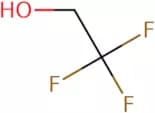
CAS:<p>2,2,2-Trifluoroethanol is a trifluoroacetic acid analogue that has been shown to be an effective antimicrobial agent. It binds to the active site of the enzyme enoyl reductase, inhibiting the synthesis of fatty acids and disrupting cell membrane function. 2,2,2-Trifluoroethanol has also been shown to have anti-inflammatory effects. The drug binds to human serum albumin and inhibits hydrogen peroxide release from neutrophils. This complexation with albumin prevents the release of hydroxyl radicals that are generated in response to oxidative stress. Intramolecular hydrogen bonding between 2,2,2-trifluoroethanol molecules may also contribute to its activity as a natural drug.</p>Formula:C2H3F3OPurity:Min. 95%Color and Shape:Clear LiquidMolecular weight:100.04 g/mol1,4-Cyclohexanedione monoethlylene acetal
CAS:<p>1,4-Cyclohexanedione monoethlylene acetal is a hydrochloric acid analog of pyrazole. It has been shown to bind selectively to serotonin receptors in the central nervous system and is used as an anti-inflammatory drug. 1,4-Cyclohexanedione monoethlylene acetal has a stereoselective profile that can be used for the treatment of inflammatory diseases. It has also been shown to have immunosuppressant properties, which may be due to its ability to inhibit T-cell proliferation and cytokine production.</p>Formula:C8H12O3Purity:Min. 95%Color and Shape:White PowderMolecular weight:156.18 g/mol11-Bromoundecanoic acid
CAS:<p>11-Bromoundecanoic acid is a heterobifunctional reagent that is used in the synthesis of phospholipids. This chemical reacts with an amide group on a phosphatidylcholine to introduce a bromine atom, which can be used as a fluorophore. The reaction is done in an organic solvent, such as dichloromethane, which facilitates the reaction by dissolving the reactants. The reaction can be monitored using fluorescence assay techniques and 11-bromoundecanoic acid is characterized by its constant ring-opening constant and fatty acid chain length.</p>Formula:C11H21BrO2Purity:Min. 95%Color and Shape:PowderMolecular weight:265.19 g/mol3-Methylnonane-2,4-dione
CAS:<p>3-Methylnonane-2,4-dione is a chemical compound that belongs to the group of unsaturated ketones. It has been shown to have an odorant receptor activity in mice. 3-Methylnonane-2,4-dione is found in foods, such as butter and cheese, and has a mild flavor. It can be reduced by carbonyl reduction and reacts with light during exposure. The reaction vessel must be inert to avoid contact with reducing agents that can cause a color change. 3-Methylnonane-2,4-dione also reacts with peroxides and other oxidizing agents to form peroxyketals.</p>Formula:C10H18O2Purity:Min. 97 Area-%Color and Shape:Clear LiquidMolecular weight:170.25 g/mol2-Azidoacetic acid
CAS:<p>2-Azidoacetic acid is a versatile chemical building block that can be used to form amides by reaction of the carboxylic acid with a suitable coupling reagent and amine. The azide group can undergo copper(I) catalysed or Huisgen 1,3-dipolar cycloadditin reactions to form triazoles, a common example of click chemistry.</p>Formula:C2H3N3O2Purity:Min. 97.0 Area-%Color and Shape:Colorless Slightly Yellow Clear Liquid PowderMolecular weight:101.06 g/mol1,1,1,3,3,3-Hexafluoro-2-propanol
CAS:<p>Hexafluoroisopropanol is a chemical compound that is used in the laboratory to study biological properties. It reacts with hydrogen fluoride, forming hydrogen hexafluoride gas and a fluorescent derivative. This reaction solution can be titrated using calorimetric techniques, which involves measuring the heat released by the reaction. Fluorescence probe studies can also be done to determine the conformational properties of hexafluoroisopropanol. Studying this molecule under different conditions can yield important thermodynamic data for its use in structural biology and fluorescence probe experiments.</p>Formula:C3H2F6OPurity:Min. 98.5%Color and Shape:Clear LiquidMolecular weight:168.04 g/mol2-(2-Methoxyethoxy)ethanol
CAS:<p>2-(2-Methoxyethoxy)ethanol is a sodium salt that has a synergic effect with other solvents. It is used in the preparation of samples for analytical purposes and in the reaction solution of various glycol ethers. 2-(2-Methoxyethoxy)ethanol also has an effect on thermal expansion, which can be utilized to monitor this parameter during sample preparation. The presence of nitrogen atoms in its structure makes it possible to use it as a reagent for the synthesis of styryl dyes. 2-(2-Methoxyethoxy)ethanol is an antirheumatic drug that belongs to the class of glycol esters and benzalkonium chloride.</p>Formula:C5H12O3Purity:Min. 95%Color and Shape:Colorless Clear LiquidMolecular weight:120.15 g/mol1,1,3,3-Tetramethylbutyl isocyanide
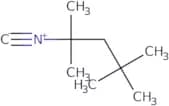
CAS:<p>1,1,3,3-Tetramethylbutyl isocyanide (TMBC) is a palladium complex that has been used in palladium-catalyzed coupling reactions. TMBC is also a ligand for the synthesis of β-amino acid and can be used to form hydrogen bonds with nucleophiles. It has been used in biological studies as well as clinical diagnostics. The solid-phase synthesis of TMBC has been shown to be an efficient method for producing this compound. In addition, TMBC shows stereoselective reactivity with amines and methoxy groups. The nmr spectra of TMBC are characteristic of a carbonyl group at δ 3.20 ppm and two methyl groups at δ 1.36 and 1.37 ppm respectively.</p>Formula:C9H17NPurity:Min. 98%Color and Shape:Clear LiquidMolecular weight:139.24 g/mol3,3'-Dithiobis-1-propanesulfonic acid disodium salt
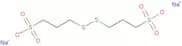
CAS:<p>Brightening agent used for copper electroplating</p>Formula:C6H12O6S4·2NaPurity:Min. 90 Area-%Color and Shape:White PowderMolecular weight:354.39 g/molBis(trifluoromethane)sulfonimide lithium salt
CAS:<p>Please enquire for more information about Bis(trifluoromethane)sulfonimide lithium salt including the price, delivery time and more detailed product information at the technical inquiry form on this page</p>Formula:C2F6LiNO4S2Molecular weight:287.09 g/molRef: 3D-Q-101273
1kgTo inquire5kgTo inquire250gTo inquire500gTo inquire2500gTo inquire-Unit-kgkgTo inquire4-Fluoro-1-butanol
CAS:<p>4-Fluoro-1-butanol is a gaseous protonated fluorine compound. The proton is transferred from the hydrogen to the fluorine, resulting in an intramolecular hydrogen bond. 4-Fluoro-1-butanol has been shown to undergo conformational changes due to the substituent effects of other atoms on its molecules. This molecule has been shown to be able to orient itself in different ways, depending on the experimental parameters and conditions that are used. 4-Fluoro-1-butanol has also been shown to have a strong hydrogen bond with other molecules such as water, which may be due to its ability to form a stable H···O hydrogen bond with a strong donor atom (fluorine).</p>Formula:C4H9FOPurity:Min. 95%Color and Shape:Colourless To Yellow LiquidMolecular weight:92.11 g/molMethanesulfonamide
CAS:<p>Methanesulfonamide is a drug that is used to treat infectious diseases and in the treatment of HIV. It is a non-steroidal anti-inflammatory drug that inhibits prostaglandin synthesis by blocking the activity of cyclooxygenase (COX) enzymes, COX-1 and COX-2. Methanesulfonamide has been shown to have chemoprotective effects against HIV infection and may reduce the risk of opportunistic infections associated with AIDS. Methanesulfonamide may also inhibit the production of inflammatory cytokines such as tumor necrosis factor alpha (TNFα) and interleukin-1β (IL-1β).</p>Formula:CH5NO2SPurity:Min. 95%Color and Shape:PowderMolecular weight:95.12 g/molDichloroacetic anhydride
CAS:<p>Please enquire for more information about Dichloroacetic anhydride including the price, delivery time and more detailed product information at the technical inquiry form on this page</p>Formula:C4H2Cl4O3Purity:Min. 95%Color and Shape:Solidified MassMolecular weight:239.9 g/mol6-Mercapto-1-hexanol
CAS:<p>6-Mercapto-1-hexanol is a redox active molecule that has been shown to be a potent inhibitor of human immunodeficiency virus type 1 reverse transcriptase. It has also been shown to inhibit the polymerase chain reaction and transfer reactions, including those mediated by DNA-dependent RNA polymerase. 6-Mercapto-1-hexanol can be detected with high sensitivity in human serum, which is its main application for the diagnosis of HIV infection. This compound reacts with molecular oxygen to form superoxide radicals, which are responsible for its redox potential. The rate constant for this reaction has been shown to be dependent on pH and temperature. 6-Mercapto-1-hexanol can also form stable complexes with proteins such as albumin or human immunoglobulin G (IgG). These complexes have been shown to exhibit electrochemical impedance spectroscopy activity at low concentrations and chemical stability in biological media.</p>Formula:C6H14OSPurity:Min. 96%Color and Shape:Clear LiquidMolecular weight:134.24 g/mol(1-Methylpiperidin-4-yl)methanol
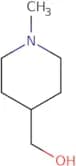
CAS:<p>(1-Methylpiperidin-4-yl)methanol is a potent inhibitor of the kinases vegfr-2 and vesicular glutamate transporter 2 (vglut2). It is also active against human tumor xenografts. The inhibitory activity was determined to be due to its ability to bind and covalently modify tyrosine residues in the kinase domain. The inhibitory potency of (1-Methylpiperidin-4-yl)methanol was found to be constant, regardless of oxygenation status. This suggests that the inhibition is not due to the binding of oxygenated metabolites. In vitro experiments showed that it inhibits cellular proliferation by blocking protein synthesis and arresting cells at G1 phase. This drug has potential as an antitumor agent because it inhibits tumor growth without affecting normal tissue or causing significant toxicity in animal models.</p>Formula:C7H15NOPurity:Min. 95%Color and Shape:Colourless to yellow liquid.Molecular weight:129.2 g/mol1,2-Diiodoethane
CAS:<p>1,2-Diiodoethane is a useful building block that can be used as a reaction component in organic synthesis. It is also used as a reagent and can be used to produce high quality research chemicals. This chemical has many uses, including as a versatile building block or as an intermediate. 1,2-Diiodoethane is not found naturally in the environment and has been assigned CAS number 624-73-7.</p>Formula:C2H4I2Purity:Min. 98.5 Area-%Molecular weight:281.86 g/molPotassium nonafluoro-1-butanesulfonate
CAS:<p>Potassium nonafluoro-1-butanesulfonate (NBS) is a chemical compound that is used to remove trifluoroacetic acid from wastewater. It can also be used as an analytical reagent to measure cytosolic calcium concentrations in cells. In addition, NBS has been shown to have a high degree of chemical stability, but it may react with hydrogen fluoride and cause toxicity in humans. The pharmacokinetic properties of this drug are not well-known, but it has been shown to accumulate in the liver and fat tissues and pass into the maternal blood stream during pregnancy. NBS also inhibits the synthesis of p-hydroxybenzoic acid, which leads to hepatic steatosis in mice with diet-induced obesity. This drug also affects 3t3-l1 preadipocytes and human serum.</p>Formula:C4F9KO3SColor and Shape:PowderMolecular weight:338.19 g/molβ-Glycerophosphate, disodium salt pentahydrate, max. 2% α
CAS:<p>Beta-Glycerophosphate, Disodium Salt Pentahydrate is a complex compound that is used as a reagent, useful intermediate, and fine chemical. It is also useful as a scaffold or building block for the synthesis of organic compounds. Beta-glycerophosphate has CAS No. 13408-09-8 and is classified as a speciality chemical. This compound can be used in research and development for versatile building blocks and reaction components to synthesize organic compounds.</p>Formula:C3H17Na2O11PMolecular weight:306.12 g/molRef: 3D-G-4200
1kgTo inquire100gTo inquire250gTo inquire500gTo inquire2500gTo inquire-Unit-kgkgTo inquireTricaine methanesulfonate
CAS:<p>Tricaine methanesulfonate is a chemical that belongs to the group of anesthetics. It is used as a general anesthetic and to induce surgical anesthesia. Tricaine methanesulfonate has been shown to be effective in the treatment of pain, inflammation, and neurological disorders. Tricaine methanesulfonate also has a long half-life and does not cause histamine release or cardiovascular effects.</p>Formula:C9H11NO2·CH4O3SPurity:Min. 98 Area-%Color and Shape:White PowderMolecular weight:261.3 g/mol5-Amino-1-pentanol
CAS:<p>5-Amino-1-pentanol is a chemical compound that has been shown to stimulate angiogenesis, which is the process of developing new blood vessels from pre-existing ones. It is not currently approved for use in humans and has only been tested on mice. 5-Amino-1-pentanol stimulates angiogenesis by binding to the vascular endothelial growth factor receptor 2 (VEGFR2) protein, which is involved in regulating blood vessel formation. This drug also suppresses cancer gene expression and selectively binds to DNA polymerase α. The amide group of 5-amino-1-pentanol reacts with trifluoroacetic acid to form an amine, which then reacts with water vapor to form a hydroxyl group. This reaction solution can be used as a diagnostic tool for detecting the presence of amines or other nitrogenous compounds.</p>Formula:C5H13NOPurity:Min. 94%Color and Shape:Colorless Yellow PowderMolecular weight:103.16 g/molMethanesulfinic acid sodium salt
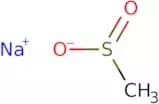
CAS:<p>Methanesulfinic acid sodium salt (MSAS) is a chemical compound that inhibits the growth of bacteria by inhibiting the synthesis of proteins. It is used as an antimicrobial agent in plant physiology and has been shown to be effective against infectious diseases including HIV infection. MSAS inhibits protein synthesis by binding to the hydroxyl group of a substrate molecule, which is required for amino acid formation. This inhibitory effect leads to a decrease in the production of proteins vital for cell division. Inhibiting protein synthesis also prevents the production of enzymes needed for metabolism, leading to metabolic disorders.</p>Formula:CH3O2S·NaPurity:Min. 95%Color and Shape:PowderMolecular weight:102.09 g/mol10-Amino-1-decanol
CAS:<p>10-Amino-1-decanol is a synthetic compound that has been shown to be neuroprotective and estrogenic. It also inhibits the growth of MCF-7 cells by interacting with the cell's signalling pathways. This molecule was synthesized by ozonides and contains ether linkages, which may be responsible for its inhibitory activity. The molecular modelling of this molecule shows that it contains an iron chelating group, which may be responsible for its ability to interact with other molecules containing iron. 10-Amino-1-decanol interacts with proteins in a similar way to tamoxifen, inhibiting their activity.</p>Formula:C10H23NOPurity:Min. 95%Color and Shape:White PowderMolecular weight:173.3 g/mol3-(Cyclohexylamino)-1-propanesulfonic acid sodium salt
CAS:<p>CAS No. 105140-23-6 is a cyclic sulfonic acid that is used as a reagent, building block, and intermediate in the synthesis of organic compounds. It is soluble in water and has a high melting point, making it useful for research purposes. CAS No. 105140-23-6 is also an excellent scaffold for complex compounds with many functional groups, making it versatile for use in reactions and syntheses.</p>Formula:C9H18NO3SNaMolecular weight:243.3 g/molCyclopentylmethanol
CAS:<p>Cyclopentylmethanol is a chemical compound with the molecular formula CH3OH. It is a colorless liquid that is soluble in water and has a distinctive, sweet odor. Cyclopentylmethanol is used as an intermediate in organic synthesis and as a solvent for nitrocellulose, cellulose acetate, cellulose nitrate, and similar materials. It reacts with chlorine at high temperatures to form chlorinated cyclopentylmethanols. This reaction can be used to synthesize hydroxyapatite (a mineral) from calcium phosphate (a mineral). Cyclopentylmethanol also reacts with nicotinic acetylcholine receptors in the brain, causing them to desensitize. Hydroxyapatite can also be synthesized by reacting cyclopentylmethanol with dinucleotide phosphate and hydroxyl group containing compounds such as esters or soluble guanylate cyclase enzymes. The reactions produce hydrogen</p>Formula:C6H12OPurity:Min. 95%Color and Shape:Clear Colourless LiquidMolecular weight:100.16 g/mol1-Octanesulfonic acid sodium salt
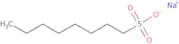
CAS:<p>1-Octanesulfonic acid sodium salt is a chemical compound that can be used to prepare surfactants. It has been shown to have a high optimum concentration for the formation of stable foam and is compatible with blood sampling, hydrophobic effect, and ester hydrochloride. 1-Octanesulfonic acid sodium salt has also been used as an analytical method for detecting sulfate ion in the presence of other ions on the basis of its reactivity with potassium permanganate. The detection limit is 0.1 ppm with a reaction solution containing 1% octanesulfonic acid sodium salt and 3% potassium permanganate. The chemical stability at pH 2 is higher than that at pH 7 because the sulfonate group acts as a buffer at low pH. 1-Octanesulfonic acid sodium salt can be quantified by means of fluorescence detector or electrochemical detector after it reacts with phenolphthalein in an acidic solution.</p>Formula:C8H18O3S•NaPurity:Min. 98%Color and Shape:White PowderMolecular weight:217.28 g/mol2-Methyl-1,2,3-propanetriol
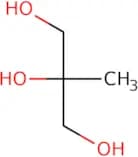
CAS:<p>2-Methyl-1,2,3-propanetriol is a monomer that is used in the production of polymers. It has been shown to be an efficient cross-linking agent for metal surfaces and is used as a polymerization catalyst. 2-Methyl-1,2,3-propanetriol also plays a role in the synthesis of amino acids by acting as a substrate for kinesin and aliphatic hydrocarbon. It can be used as a feedstock for producing plastics with deionized water or aromatic hydrocarbons such as phenol. This chemical has been shown to be pluripotent in mammalian cells and can act as a cationic surfactant.</p>Formula:C4H10O3Purity:Min. 95 Area-%Color and Shape:Clear LiquidMolecular weight:106.12 g/mol1,8-Diazido-3,6-dioxaoctane
CAS:<p>1,8-Diazido-3,6-dioxaoctane is a synthetic molecule that is used in the synthesis of macrolactones, polymers, and biomolecules. It can be used as a bioconjugate to attach other functional groups to biomaterials and polymers, such as azido groups. This compound has high sensitivity and thermal stability with good solubility in organic solvents. 1,8-Diazido-3,6-dioxaoctane has been shown to be compatible with many functional groups and is an important monomer for use in cross-linked polymers.</p>Formula:C6H12N6O2Purity:Min. 95%Color and Shape:Colorless PowderMolecular weight:200.2 g/mol10H-Phenothiazine-10-propanesulfonic acid sodium salt
CAS:<p>As a derivative of phenothiazine this compound may have various applications, including in the field of pharmaceuticals or materials science, depending on its specific properties and reactivity. Phenothiazine derivatives, in general, have been explored for their diverse biological and chemical activities, ranging from antipsychotic properties to use as dyes and light-sensitive materials.</p>Formula:C15H14NNaO3S2Purity:Min. 98 Area-%Color and Shape:PowderMolecular weight:343.4 g/mol2-Chloro-1,1,1-trimethoxyethane
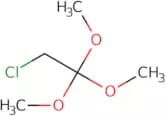
CAS:<p>2-Chloro-1,1,1-trimethoxyethane is a reagent that is used in the synthesis of recombinant proteins. It is also used to produce monoclonal antibodies. Fatty acids can be analyzed by using these reagents as they are soluble in this solvent. The structural analysis of fatty acids has been shown to have anticancer activity. 2-Chloro-1,1,1-trimethoxyethane reacts with glycosyl residues on lysine residues in proteins and produces an acid that causes the protein to unfold and denature. This reaction has been shown to have anticancer activity against cervical cancer cells in human liver cells.</p>Formula:C5H11ClO3Purity:Min. 97.5%Color and Shape:Colorless Clear LiquidMolecular weight:154.59 g/mol4-Biphenylmethanol
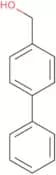
CAS:<p>4-Biphenylmethanol is a low potency naphthalene derivative that has been shown to be carcinogenic in animal studies. It is also an inhibitor of protein synthesis, which may play a role in its carcinogenic potential. 4-Biphenylmethanol has been shown to inhibit the growth of Salmonella typhimurium and Saccharomyces cerevisiae strain when used at concentrations of 50 μg/mL or higher. This compound can react with hydrochloric acid to form hydrogen bonding interactions, which may account for its observed antibacterial activity.</p>Formula:C13H12OPurity:Min. 95%Color and Shape:PowderMolecular weight:184.23 g/molAgaric acid
CAS:<p>Agaric acid is a high-quality, versatile chemical that is used as an intermediate in many organic and biochemistry reactions. It is also used as a reagent for the isolation of metals such as silver and gold. As a complex compound, it has many uses, including being a useful building block in the synthesis of various drugs. Agaric acid can be used to produce other chemicals such as speciality chemicals or research chemicals</p>Formula:C22H40O7Molecular weight:416.56 g/molRef: 3D-A-3920
1gTo inquire5gTo inquire250mgTo inquire500mgTo inquire2500mgTo inquire-Unit-ggTo inquire1,3-Di-(2-pyrenyl)propane
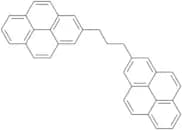
CAS:<p>1,3-Di-(2-pyrenyl)propane is a synthetic molecule that has been used as a model for the phosphatidylethanolamine (PE) component of bacterial membranes. 1,3-Di-(2-pyrenyl)propane has been shown to have a phase transition temperature of -7 degrees Celsius. It is hydrophobic and highly soluble in organic solvents like chloroform, ethanol, ether, and benzene. This molecule is kinetically inert and thermodynamically stable. The monomeric form of 1,3-Di-(2-pyrenyl)propane is not sensitive to ionizing radiation. However, in the bilayer form it is highly sensitive to radiation and can lead to the formation of double bonds that can break down into radicals.</p>Formula:C35H24Purity:Min. 95%Color and Shape:White PowderMolecular weight:444.57 g/molN-(4-Aminobutyl)-1,4-butanediamine trihydrochloride
CAS:<p>N-(4-Aminobutyl)-1,4-butanediamine trihydrochloride (N(4)ABDAT) is a fine chemical and versatile building block. It can be used as an intermediate in the synthesis of pharmaceuticals and other organic chemicals. N(4)ABDAT is also a useful reagent for research purposes. The compound has a CAS number of 189340-78-1. It was originally synthesized by reacting 4-aminobutyric acid with 1,4-butanediamine, which yielded N(4)ABDAT as the major product. The chemical properties of N(4)ABDAT have been studied extensively including its reaction with potassium hydroxide, hydrochloric acid and sodium hydroxide to form different compounds.</p>Formula:C8H24Cl3N3Purity:Min. 95%Color and Shape:White PowderMolecular weight:268.65 g/mol1-Amino-1-cyclopropanecarboxylic acid
CAS:<p>1-Amino-1-cyclopropanecarboxylic acid (ACC) is a precursor of ethylene, which is a plant hormone that regulates many aspects of plant growth and development. ACC can be converted to ethylene by the enzyme ACC synthase. The conversion of ACC to ethylene is facilitated by the enzymes ACC oxidase and ACC deaminase. Ethylene has been shown to regulate the expression of genes involved in photosynthesis, protein synthesis, and other metabolic pathways. Ethylene also modulates physiological processes such as fruit ripening, leaf senescence, and stomatal closure. This molecule participates in a variety of biological reactions including receptor activity and protein degradation via ubiquitin ligases. It also regulates calcium levels in cells through its role in signal transduction pathways.</p>Formula:C4H7NO2Purity:Min. 95%Color and Shape:PowderMolecular weight:101.1 g/mol6-Methylheptanol
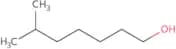
CAS:<p>6-Methylheptanol is a chemical compound that belongs to the group of imidazole hydrochlorides. It is used as a catalyst for the treatment of wastewater. 6-Methylheptanol has been shown to catalyze the reaction of malonic acid with glycol ethers and hydroxyl groups in water, which produces high values of phosphorus pentoxide. The kinetic data and reaction mechanism for this process have been elucidated by using a model system and reaction solution. 6-Methylheptanol also has an effect on polymerase chain reactions (PCR) due to its ability to increase the temperature at which the enzyme works.</p>Formula:C8H18OPurity:Min. 97 Area-%Color and Shape:Colorless Clear LiquidMolecular weight:130.23 g/molLithium bis(trifluoromethanesulfonimide)
CAS:<p>Lithium bis(trifluoromethanesulfonimide) is a salt that is used in analytical chemistry as a reagent for the preparation of lithium salts. The sample should be dissolved in an organic solution and then reacted with lithium bis(trifluoromethanesulfonimide). Lithium bis(trifluoromethanesulfonimide) has been shown to have good transport properties, but the reaction mechanism is not well-understood. It has an activation energy of approximately 18 kcal/mol and can decompose at high temperatures. Lithium bis(trifluoromethanesulfonimide) can also react with strong acids or bases, so it is necessary to use an electrolyte when preparing the solution.</p>Formula:C2F6LiNO4S2Purity:Min 98%Color and Shape:White Off-White PowderMolecular weight:287.09 g/molPutrescine dihydrochloride
CAS:<p>Putrescine is a polyamine plant growth regulator affecting the synthesis of macromolecules. Promotes adventitious root formation. Precursor of spermidine.</p>Formula:C4H14Cl2N2Purity:Min. 98.0 Area-%Molecular weight:161.08 g/molRef: 3D-P-8000
1kgTo inquire5kgTo inquire10kgTo inquire25kgTo inquire2500gTo inquire-Unit-kgkgTo inquire2,3-Dimercaptopropanesulfonic acid sodium salt monohydrate
CAS:<p>Chelating agent for heavy metals</p>Formula:C3H8O3S3·H2O·NaPurity:(¹H-Nmr) Min. 95 Area-%Color and Shape:White/Off-White SolidMolecular weight:229.3 g/mol1-Phenoxy-2-propanol
CAS:<p>1-Phenoxy-2-propanol is an antimicrobial agent that belongs to the group of glycol ethers. It has a hydroxyl group and atp levels, which are both vital for its activity index. 1-Phenoxy-2-propanol is used as a preservative in cosmetics and pharmaceuticals, with the exception of eye products. It also has been shown to have a low level of toxicity for humans and other mammals, such as rats and guinea pigs. The EPA has classified 1-phenoxy-2 propanol as Group D - not classifiable as to human carcinogenicity. 1-Phenoxy-2 propanol is toxic to bacteria, yeast, fungi, algae, plants, and invertebrates when present in high concentrations.</p>Formula:C9H12O2Purity:Min. 95%Color and Shape:Colorless Clear LiquidMolecular weight:152.19 g/mol3-Bromo-1-propanol
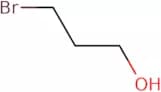
CAS:<p>3-Bromo-1-propanol is a chemical compound that contains a hydroxyl group and an asymmetric carbon atom. This molecule has been used as a model system to study the reaction mechanism of alcohol dehydrogenase, which is the enzyme responsible for the oxidation of ethanol. 3-Bromo-1-propanol has been shown to inhibit the growth of bacteria such as Staphylococcus aureus, which are resistant to penicillin. The pharmacokinetic properties of 3-bromo-1-propanol have been studied in dogs with congestive heart failure.</p>Formula:C3H7BrOPurity:Min. 97 Area-%Color and Shape:Colorless Clear LiquidMolecular weight:138.99 g/moltert-Butyl isocyanoacetate
CAS:<p>tert-Butyl isocyanoacetate is an organic compound that belongs to the diacid class of organic compounds. It reacts with water to produce the amide and squaramide. Tert-butyl isocyanoacetate has a high affinity for nitrogen atoms, and can be used in uv absorption spectroscopy. It also has a stepwise mechanism and can react with other chemicals to produce new substances. The compound has fluorescence properties and is used in optical devices such as lasers. Tert-butyl isocyanoacetate also has an ester hydrochloride form which is low potency but active methylene catalysed.</p>Formula:C7H11NO2Purity:Min. 95%Color and Shape:Brown Clear LiquidMolecular weight:141.17 g/mol3-Carboxypropanesulfonamide
CAS:<p>3-Carboxypropanesulfonamide is a chemical compound that has been shown to have the ability to modulate cardiac cell function. This compound has been shown to be effective in a reaction monitoring technique, which monitors the functional groups and techniques of chemical reactions, in order to introduce this molecule into the cell membrane and alter its potential. 3-Carboxypropanesulfonamide is capable of changing the lipid composition of the membrane by introducing a linker group that can bind with other molecules such as cholesterol or phospholipids. This linker group alters the membrane potential of cells, leading to changes in ion flow and cellular response.</p>Formula:C4H9NO4SPurity:Min. 95%Color and Shape:White PowderMolecular weight:167.18 g/mol3-Mercapto-3-methyl-1-hexanol
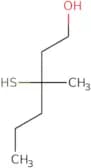
CAS:<p>3-Mercapto-3-methyl-1-hexanol is a molecule that belongs to the group of 3-hydroxyalkanoic acids. It is found in human skin cells and has a high transport rate in these cells. 3-Mercapto-3-methyl-1-hexanol can be converted to 3-hydroxy-3 methylhexanoic acid by bacterial enzymes, including corynebacterium, coli k12, and staphylococci. The molecule has been shown to be an enantiomer of 3,4 dithiadiphosphene. Studies have shown that this compound has antibacterial properties against both Gram positive and Gram negative bacteria, although it does not exhibit any activity against C. difficile or Proteus mirabilis. 3-Mercaptohexanol may also have clinical relevance for humans because it is structurally similar to molecules that are involved in the biosynthesis of important biochemicals such as</p>Formula:C7H16OSPurity:Min. 95 Area-%Color and Shape:Colorless Clear LiquidMolecular weight:148.27 g/molTrimethyl orthovalerate
CAS:<p>Used for synthesis of dihydropyran-4-ones</p>Formula:C8H18O3Purity:Min. 97 Area-%Color and Shape:Colorless Clear LiquidMolecular weight:162.23 g/molN-(3-Aminopropyl)-N-dodecylpropane-1,3-diamine
CAS:<p>N-(3-Aminopropyl)-n-dodecylpropane-1,3-diamine, also called N,N-bis(3-aminopropyl)dodecylamine and laurylamine dipropylenediamine, is dodecylamine substituted with 2 propylamine units. Laurylamine dipropylenediamine is a non-ionic surfactant, antimicrobial agent, preservative, emulsifying agent, dispersing agent, corrosion inhibitor and an anti-static agent used in hair products.</p>Formula:C18H41N3Purity:(¹H-Nmr) Min. 85 Area-%Color and Shape:Colorless Clear LiquidMolecular weight:299.54 g/molChloro-1-propanol
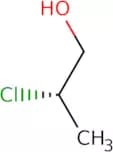
CAS:<p>Chloro-1-propanol is a product that is used as an organic solvent and a reaction medium. It can be used in the synthesis of chlorinated compounds, such as epoxides, chloride gas, and oxetane. Chloro-1-propanol is not carcinogenic, although it does contain traces of impurities that are carcinogenic. Chloro-1-propanol has a high yield with relatively low cost and can be obtained by reacting chlorine with alcohols or phenols. This product is hydrophobic and reacts well with other molecules that are also hydrophobic. The reactivity of chloro-1-propanol increases when it reacts with chloride gas or hydrochloric acid to form divalent ions.</p>Formula:C3H7ClOPurity:Min. 95%Color and Shape:Colorless Clear LiquidMolecular weight:94.54 g/molDiphenylmethane
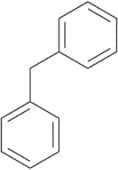
CAS:<p>Diphenylmethane is a chemical that has been used in the synthesis of pharmaceuticals and other organic compounds. It is also a useful reagent for the preparation of synthetic amines. Diphenylmethane can be used to synthesize drugs such as epidermal growth factor, which stimulates the growth and differentiation of keratinocytes. This chemical also has a number of potential therapeutic uses for metabolic disorders and infectious diseases, including hepatitis. The mechanism by which this compound reacts with nitrogen atoms is not fully understood, but it may involve the formation of diphenylmethanesulfinic acid.</p>Formula:C13H12Purity:Min. 99 Area-%Color and Shape:White PowderMolecular weight:168.23 g/molACES
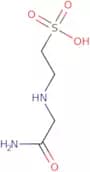
CAS:<p>ACES, also known as N-(2-Acetamido)-2-aminoethanesulfonic acid, is an acetamido buffer that is used in culture media and protein extractions. It also forms metal complexes and has an optimal pH range of 6.1-7.5 and a pKa of 6.78.</p>Formula:C4H10N2O4SPurity:Min. 95%Color and Shape:White PowderMolecular weight:182.2 g/mol2-Aminoethanethiol
CAS:<p>2-Aminoethanethiol is a bitartrate salt of cysteamine. It inhibits the growth of bacteria by inhibiting the synthesis of the bacterial cell wall, which is required for bacterial replication and division. 2-Aminoethanethiol has been shown to be effective in experimental models of cystinosis and cystamine. 2-Aminoethanethiol has also been used as an antidote to cyanide poisoning.</p>Formula:C2H7NSColor and Shape:White Off-White PowderMolecular weight:77.15 g/mol2-Azido-ethanol
CAS:<p>2-Azido-ethanol is a chemical compound that is used to synthesize ethylene diamine. It can be produced by reacting ethanol with sodium azide in the presence of an acid catalyst. 2-Azido-ethanol is stable under most conditions and has minimal toxicity, which makes it an attractive option for ethylene diamine production. The compound reacts with a variety of substrates, including diazido, amide, and β-unsaturated ketone compounds. Magnetic resonance spectroscopy (MRS) studies have shown that 2-azido-ethanol binds to water molecules at the site of its β-unsaturated ketone group and creates a new carbon source. This product also exhibits ft-ir spectroscopy properties, which can be used to measure the transport properties and photoelectron emission from the π* orbitals of its carbon atoms.</p>Formula:C2H5N3OPurity:Min. 95%Color and Shape:Colorless Slightly Yellow Clear LiquidMolecular weight:87.08 g/mol2-Methyl-3-biphenylmethanol
CAS:<p>2-Methyl-3-biphenylmethanol (2MBPM) is a low potency chemical that is used as a surrogate for 2,4,6-trinitrotoluene (TNT). It has been shown to bind to the same sites on the death protein as TNT and other nitroaromatic compounds. 2MBPM can be synthesized by coupling biphenyl with methylmagnesium bromide in the suzuki coupling reaction. 2MBPM inhibits the growth of cancer cells by inhibiting PD-L1 expression. This compound also has oxidative properties and can act as an oxidation catalyst.</p>Formula:C14H14OPurity:Min. 95%Color and Shape:PowderMolecular weight:198.26 g/molDL-Tartaric acid
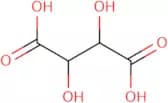
CAS:<p>DL-Tartaric acid is a calcium salt of tartaric acid. It is used as a standard in the analysis of total calcium and tartaric acid content in beverages, wines, foodstuffs, and pharmaceuticals. DL-Tartaric acid can be used to prepare standard solutions for the determination of benzalkonium chloride and other natural compounds by chromatographic methods. The rate constants for the reaction between DL-tartaric acid and calcium pantothenate have been determined by electrochemical impedance spectroscopy. The fluorescence intensity of chemiluminescent reactions with DL-tartaric acid has been found to be proportional to the concentration of tartrate ions in solution. X-ray diffraction data confirm that DL-tartaric acid is an orthorhombic crystal system with space group P2/c.</p>Formula:C4H6O6Color and Shape:White PowderMolecular weight:150.09 g/mol(R)-(-)-1,3-Butanediol
CAS:<p>(R)-(-)-1,3-Butanediol is a chiral compound that belongs to the group of organic compounds called diols. It is used in the fermentation of Candida parapsilosis and other yeast species to produce enantiomerically pure (S)-(-)-1,3-butanediol. The racemate can be converted into the two enantiomers by chemical means or by enzymatic resolution. The process for large-scale production is similar to that for ethanol fermentation, but with 2-propanol as substrate instead of glucose. The fermentor has been shown to be effective at producing large quantities of 1,3-butanediol in a short time period.</p>Formula:C4H10O2Purity:Min. 98%Color and Shape:Colorless Clear LiquidMolecular weight:90.12 g/mol2-Iodoethanol - stabilised with copper
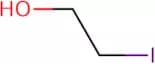
CAS:<p>2-Iodoethanol is a chemical compound that has the chemical formula CH2CHIO2. It is used as a reagent in analytical chemistry, as well as in pharmaceutical preparations and polymerase chain reactions. The hydroxyl group on the ethoxy side of this molecule is important for its reactivity, with 2-iodoethanol having an electron affinity of 5.4 eV. This reactivity can also be seen when it is reacted with sodium carbonate to form sodium ethoxide, which has been shown to have anti-hyperproliferative properties. 2-Iodoethanol has been shown to be particularly effective against plant metabolites, such as 5-membered heteroaryl compounds.</p>Formula:C2H5IOPurity:Min. 98.5 Area-%Color and Shape:PowderMolecular weight:171.96 g/molDipropyl ether
CAS:<p>Dipropyl ether is a reagent that is used in organic synthesis as a reaction component or building block for the preparation of complex compounds. It is also known to be an intermediate in the production of propylene oxide, which is used in the production of polyurethane. Dipropyl ether has been shown to be useful as a research chemical and speciality chemical. This compound has CAS number 111-43-3 and can be prepared by reacting diethyl ether with propene, acetone, or chloroform.</p>Formula:C4H9NO2SMolecular weight:135.19 g/mol1,2,5,6-Diepoxycyclooctane
CAS:<p>1,2,5,6-Diepoxycyclooctane is a chemical compound that has been used as a crosslinking agent for the polymerization of epoxies. It is also used as a reactive intermediate in organic synthesis. 1,2,5,6-Diepoxycyclooctane can be prepared by reacting epichlorohydrin with ethylene oxide and then hydrogenation. This chemical compound is stable to ultraviolet light and does not react with cationic surfactants. 1,2,5,6-Diepoxycyclooctane can form monoadducts or diploid adducts when it reacts with chemicals such as dioxane and benzene. The nmr spectra of 1,2,5,6-diepoxycyclooctane show signals characteristic of epoxides.</p>Formula:C8H12O2Purity:Min. 95%Color and Shape:PowderMolecular weight:140.18 g/molSodium methanethiolate
CAS:<p>Methanethiol is a compound that occurs naturally in the environment. It is used as a fungicide, insecticide and herbicide. Methanethiol inhibits the growth of microorganisms by binding to metal ions on the surface of cells. This prevents DNA replication and protein synthesis, leading to cell death. Methanethiol also has anti-inflammatory properties which may be due to its ability to inhibit adenosine A1 receptor activity in humans.</p>Formula:CH3NaSPurity:Min. 95%Color and Shape:White PowderMolecular weight:70.09 g/mol2-(2-(2-Chloroethoxy)ethoxy)ethanol
CAS:<p>2-(2-(2-Chloroethoxy)ethoxy)ethanol (CETOI) is a coumarin derivative that is used as an additive in the fabrication of polyurethane. Magnetic resonance spectroscopy has shown that CETOI can be used as a probe to study amide groups by its ability to form hydrogen bonds with amide groups. This chemical can also be used in regenerative medicine and cyclic peptides. Azobenzene monomers have been shown to inhibit viral replication, including influenza virus, through the formation of covalent bonds with phosphate groups on dsDNA.</p>Formula:C6H13ClO3Purity:Min. 95%Color and Shape:Colorless Clear LiquidMolecular weight:168.62 g/mol2,3-Butanedione monoxime
CAS:<p>2,3-Butanedione monoxime (BDM) is a metabolite of the glycol ether, 2,3-butanedione. It has been shown to have a beneficial effect on metabolic disorders in rats by modulating several enzyme activities. The optimum concentration of BDM is 2 mmol/L. This compound has also been shown to inhibit the oxidation of xanthine oxidase and the formation of hydroxyl radicals in vitro. BDM has also been found to have synchronous fluorescence with papillary muscles from guinea pigs and cytosolic ca2+ levels in rat liver cells. The structure analysis revealed that BDM binds to the active site of the x-ray crystal structures for mitochondrial cytochrome C oxidase and cardiac ATP synthase with an affinity similar to that of CoQ10. The Langmuir adsorption isotherm for BDM was calculated as 0.913 +/- 0.034 cm/g at 20 degrees Celsius,</p>Formula:C4H7O2NPurity:(%) Min. 99%Color and Shape:White PowderMolecular weight:101.1 g/molDipropyl ether
CAS:<p>Dipropyl ether is an ether that has a glycol ether backbone. It is used as a solvent in the production of optical sensors, and it may be used as a carrier for fatty acids. Dipropyl ether also has the ability to transport water, which makes it useful for wastewater treatment. This compound is synthesized by reacting ethylene diamine with two equivalents of propylene oxide. The glycol chain consists of two hydroxyl groups that are separated by an intramolecular hydrogen bond, which stabilizes the molecule and prevents it from reacting with other substances.</p>Formula:C6H14OPurity:Min. 99.0 Area-%Color and Shape:Colorless Clear LiquidMolecular weight:102.17 g/molTrimethylolpropane, diallyl ether, tech
CAS:Formula:C12H22O3Purity:90%Color and Shape:Colourless LiquidMolecular weight:214.3trans-2,5-Dioxopyrrolidin-1-yl 4-((2,5-dioxo-2,5-dihydro-1H-pyrrol-1-yl)methyl)cyclohexanecarboxylate
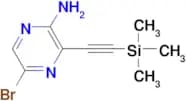
CAS:Formula:C16H18N2O6Purity:96%Molecular weight:334.3285-Bromo-3-((trimethylsilyl)ethynyl)pyrazin-2-amine
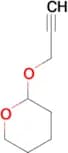
CAS:Formula:C9H12BrN3SiPurity:97%Molecular weight:270.205Tetrahydro-2-(2-propynyloxy)-2H-pyran
CAS:Formula:C8H12O2Purity:95%Color and Shape:LiquidMolecular weight:140.1824′-Dimethylaminophenyl acetylene
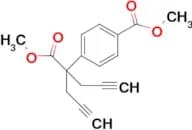
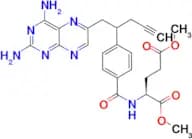
CAS:Formula:C10H11NPurity:98%Color and Shape:SolidMolecular weight:145.205(2S)-dimethyl 2-(4-(1-(2,4-diaminopteridin-6-yl)pent-4-yn-2-yl)benzamido)pentanedioate
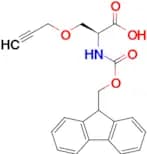
CAS:Purity:98%Molecular weight:505.5350037(S)-Fmoc-2-amino-3-propargyloxy-propionic acid
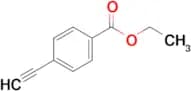
CAS:Formula:C21H19NO5Purity:97%Color and Shape:SolidMolecular weight:365.385Ethyl 4-ethynylbenzoate
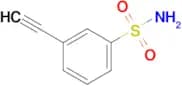
CAS:Formula:C11H10O2Purity:95%Color and Shape:Solid, No data available.Molecular weight:174.1993-Ethynylbenzenesulfonamide
CAS:Formula:C8H7NO2SPurity:98%Color and Shape:SolidMolecular weight:181.211-BOC-4-ETHYNYL-4-HYDROXYPIPERIDINE
CAS:Formula:C12H19NO3Purity:98%Color and Shape:SolidMolecular weight:225.288Ref: 10-F522353
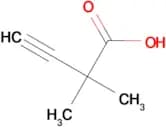
1g397.00€5g1,104.00€10g1,542.00€2.5g775.00€50mg117.00€100mg141.00€250mg199.00€500mg261.00€2,2-Dimethylbut-3-ynoic acid
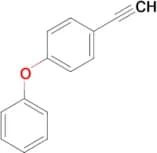
CAS:Formula:C6H8O2Purity:95%Color and Shape:LiquidMolecular weight:112.1284′-Phenoxyphenyl acetylene
CAS:Formula:C14H10OPurity:96%Color and Shape:LiquidMolecular weight:194.2335-Ethynylbenzo[d][1,3]dioxole
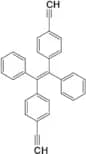
CAS:Formula:C9H6O2Purity:97%Color and Shape:SolidMolecular weight:146.1451,2-Bis(4-ethynylphenyl)-1,2-diphenylethene
CAS:Purity:98%Color and Shape:SolidMolecular weight:380.49










































![1-[4-(prop-2-yn-1-yloxy)phenyl]ethan-1-one](/_next/image/?url=https%3A%2Fstatic.cymitquimica.com%2Fproducts%2F10%2Fthumb-webp%2FF672510.webp&w=3840&q=75)






![5-Ethynylbenzo[d][1,3]dioxole](/_next/image/?url=https%3A%2Fstatic.cymitquimica.com%2Fproducts%2F10%2Fthumb-webp%2FF516418.webp&w=3840&q=75)