Hydrocarbon Building Blocks
Subcategories of "Hydrocarbon Building Blocks"
Found 5581 products of "Hydrocarbon Building Blocks"
Putrescine dihydrochloride
CAS:Putrescine is a polyamine plant growth regulator affecting the synthesis of macromolecules. Promotes adventitious root formation. Precursor of spermidine.
Formula:C4H14Cl2N2Purity:Min. 98.0 Area-%Molecular weight:161.08 g/mol1-Phenoxy-2-propanol
CAS:1-Phenoxy-2-propanol is an antimicrobial agent that belongs to the group of glycol ethers. It has a hydroxyl group and atp levels, which are both vital for its activity index. 1-Phenoxy-2-propanol is used as a preservative in cosmetics and pharmaceuticals, with the exception of eye products. It also has been shown to have a low level of toxicity for humans and other mammals, such as rats and guinea pigs. The EPA has classified 1-phenoxy-2 propanol as Group D - not classifiable as to human carcinogenicity. 1-Phenoxy-2 propanol is toxic to bacteria, yeast, fungi, algae, plants, and invertebrates when present in high concentrations.
Formula:C9H12O2Purity:Min. 95%Color and Shape:Colorless Clear LiquidMolecular weight:152.19 g/molRef: 3D-FP71646
Discontinued product2-Azido-ethanol
CAS:2-Azido-ethanol is a chemical compound that is used to synthesize ethylene diamine. It can be produced by reacting ethanol with sodium azide in the presence of an acid catalyst. 2-Azido-ethanol is stable under most conditions and has minimal toxicity, which makes it an attractive option for ethylene diamine production. The compound reacts with a variety of substrates, including diazido, amide, and β-unsaturated ketone compounds. Magnetic resonance spectroscopy (MRS) studies have shown that 2-azido-ethanol binds to water molecules at the site of its β-unsaturated ketone group and creates a new carbon source. This product also exhibits ft-ir spectroscopy properties, which can be used to measure the transport properties and photoelectron emission from the π* orbitals of its carbon atoms.
Formula:C2H5N3OPurity:Min. 95%Color and Shape:Colorless Slightly Yellow Clear LiquidMolecular weight:87.08 g/molHEPTAETHYLENEGLYCOL
CAS:Glycol Oligomer (326.38 g/mol)
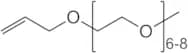
3,6,9,12,15,18-Hexaoxaeicosane-1,20-diolDual functional PEGFormula:C14H30O8Purity:97%Color and Shape:Colourless LiquidMolecular weight:326.38Allyloxy(polyethylene oxide), methyl ether (6-8 EO)
CAS:Allyl, Methyl Terminated PEG (~350 g/mol)
mPEG-allylUnsaturated and polymerizable PEGylation reagentPEO, Allyl, Methyl termination utilized for protein modificationPotential reagent drug and therapeutic deliveryColor and Shape:Pale Yellow LiquidMolecular weight:~350Allyloxy(polyethylene oxide), methyl ether (20-55 EO)
CAS:Allyl, Methyl Terminated PEG (~1,000 g/mol)
Unsaturated and polymerizable PEGylation reagentPEO, Allyl, Methyl termination utilized for protein modificationDual functional PEG forms protein-polymer hybridsPotential reagent drug and therapeutic deliveryColor and Shape:SolidMolecular weight:~1000Allyloxy(polyethylene oxide), methyl ether (10-15 EO)
CAS:Allyl, Methyl Terminated PEG (~550 g/mol)
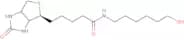
Unsaturated and polymerizable PEGylation reagentPEO, Allyl, Methyl termination utilized for protein modificationPotential reagent drug and therapeutic deliveryColor and Shape:Pale Yellow LiquidMolecular weight:~5506-N-Biotinylaminohexanol
CAS:6-N-Biotinylaminohexanol is a fine chemical that is used as a reagent or as a speciality chemical in research. This compound has also been shown to be a versatile building block for the synthesis of complex compounds and useful scaffolds for medicinal chemistry. 6-N-Biotinylaminohexanol is soluble in organic solvents, such as alcohols and ethers, but insoluble in water. It can be used as an intermediate in organic synthesis or as a reactant for the preparation of other chemicals.
Formula:C16H29N3O3SPurity:Min. 95%Color and Shape:PowderMolecular weight:343.49 g/molRef: 3D-FB18627
Discontinued product6-Amino-1-hexanol
CAS:6-Amino-1-hexanol is a chemical compound that belongs to the group of amines. It is also an ester of hexanol and ethylene diamine. 6-Amino-1-hexanol has been shown to have hemolytic activity, which is due to its ability to form an acyl chain with the hydroxyl group on the plate test. 6-Amino-1-hexanol has been used as a chemical intermediate in analytical chemistry and has been shown to be effective against bacterial strains such as Staphylococcus aureus and Bacillus subtilis. This substance also inhibits the growth of Streptococcus pneumoniae and Mycoplasma pneumoniae.6-Amino-1-hexanol does not inhibit uptake by bacteria, which may be due to its lack of amine functionality.
Formula:C6H15NOPurity:(Titration) Min. 97%Color and Shape:PowderMolecular weight:117.19 g/molRef: 3D-FA01980
Discontinued productPiperidin-4-ylmethanol
CAS:Piperidin-4-ylmethanol is a synthetic compound that has been used as a fluorescent probe. It has also been used in the synthesis of quinolinium, a medicinal preparation that is used to treat cancer. This chemical has optical properties and can be detected using fluorescence microscopy. Piperidin-4-ylmethanol is soluble in water and can form stable solutions with other compounds. The chemical's reactive site is the hydroxyl group and it reacts with gaseous chlorine to produce hydrochloric acid.
Formula:C6H13NOPurity:Min. 95%Color and Shape:White PowderMolecular weight:115.17 g/molRef: 3D-FP59193
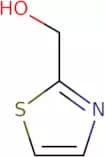
Discontinued product1,3-Thiazol-2-ylmethanol
CAS:1,3-Thiazol-2-ylmethanol is a macrocyclic compound that has a structure similar to that of the natural product phenylbutazone. It is synthesized from 1,3-thiazol-2-amine and benzaldehyde by dehydrogenative condensation. The ligand binds with metal ions via its thionyl group. The metal ion coordinates with the chloride anion and the ligand to produce a planar geometry. This process also produces a distillate that contains phenylbutazone as a major product.
Formula:C4H5NOSPurity:Min. 95%Color and Shape:White PowderMolecular weight:115.15 g/molRef: 3D-FT53502
Discontinued product1-Amino-1-cyclopropanecarbonitrile hydrochloride
CAS:1-Amino-1-cyclopropanecarbonitrile hydrochloride (ACN) is a synthetic compound that has been shown to be effective against cancer and inflammatory diseases. It is an acidic compound that has been shown to inhibit the growth of tumor cells by inducing apoptosis. This drug also binds to chloride ions and inhibits the production of inflammatory cytokines, such as IL-6, TNFα, and IL-2. 1-Amino-1-cyclopropanecarbonitrile hydrochloride is soluble in water and acetonitrile with a melting point of about 157°C. The molecule's structure was determined through kinetic measurements and thermodynamic calculations.
Formula:C4H6N2·HClPurity:Min. 95%Color and Shape:Off-White PowderMolecular weight:118.56 g/molRef: 3D-FA10827
Discontinued product2-Bromo-3-fluorobenzotrifluoride
CAS:Formula:C7H3BrF4Purity:>98.0%(GC)Color and Shape:Colorless to Light yellow to Light orange clear liquidMolecular weight:243.002-Chloro-4-fluorobenzyl Bromide
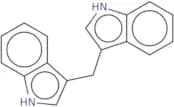
CAS:Formula:C7H5BrClFPurity:>98.0%(GC)Color and Shape:White to Light yellow to Light orange powder to crystalMolecular weight:223.473,3'-Diindolymethane (synthetic)
CAS:3,3'-Diindolylmethane, also known as DIM, is natural compound derived from indole. In a recent study, DIM was evaluated as a potential agent for preventing biofilm formation by Streptococcus mutans, which is a major cause of dental caries. The researchers found that DIM significantly inhibited biofilm formation (by 92%) and reduced the production of extracellular polymeric substances (EPS), which are important for biofilm stability particularly under acidic conditions. The study suggests that 3,3'-diindolylmethane has anti-biofilm and anti-virulence properties against S. mutans, and it is a potential candidate for reducing biofilm formation and preventing dental caries.
It has been also reported that 3,3'-diindolymethane can act as a chemopreventive agent. DIM has estrogenic effects without interacting with the binding domain of the estrogen receptors. This study found that DIM could suppress cell growth and disrupt cell cycle progression of young adult mouse colonocytes (YAMCs) in vitro. Moreover, DIM altered gene expression associated with apoptosis and cell proliferation, and it induced transcriptional activity of the estrogen receptor (ER), which was inhibited by an ER antagonist.Formula:C17H14N2Purity:Min. 95%Color and Shape:PowderMolecular weight:246.31 g/molRef: 3D-FD14886
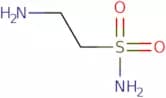
Discontinued product2-Aminoethanesulfonamide
CAS:2-Aminoethanesulfonamide is a drug that has been shown to have biological properties. It is used for the treatment of bowel disease and has been shown to be effective in treating some cases of congestive heart failure. 2-Aminoethanesulfonamide interacts with drugs such as sodium citrate and dextran sulfate, which can lead to drug interactions. It also inhibits the enzyme activities in bone cancer cells, which may contribute to its anticancer effects. This drug has been shown to have anti-inflammatory properties and may be beneficial in treating inflammatory bowel disease (IBD).
Formula:C2H8N2O2SPurity:Min. 95%Color and Shape:Off-White PowderMolecular weight:124.16 g/mol8-oxa-5-azaspiro[3.5]nonane
CAS:8-oxa-5-azaspiro[3.5]nonane is a high quality, non-toxic reagent with many uses as a building block for the synthesis of complex compounds. It can be used as an intermediate in the synthesis of fine chemicals, such as pharmaceuticals and agrochemicals, or as a building block for the synthesis of other chemical compounds. CAS No. 602326-48-7 is a versatile building block that can be used to synthesize molecules for research purposes. This compound has been shown to be useful in organic synthesis because it reacts easily with different functional groups.
Formula:C7H13NOPurity:Min. 95%Color and Shape:PowderMolecular weight:127.18 g/molRef: 3D-FO76093
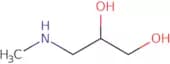
Discontinued product3-Methylamino-1,2-propanediol
CAS:3-Methylamino-1,2-propanediol is a reactive compound that is used in the synthesis of organic acids. It is also used as an intermediate in the manufacture of polyethylene glycols and particle coatings. 3-Methylamino-1,2-propanediol can be synthesized from allylamine and alkanolamine via a thermal process. It reacts with chloride to form methyl chloroacetate, which can then be converted into 3-methylamino-1,2-propanediol by reaction with methanol. The production process for this substance has been shown to generate low levels of hazardous substances such as polycyclic aromatic hydrocarbons (PAHs) and dioxins.
Formula:C4H11NO2Purity:Min. 95%Color and Shape:PowderMolecular weight:105.14 g/molRef: 3D-FM34214
Discontinued producttert-Butyl 3-bromopropionate
CAS:Tert-butyl 3-bromopropionate is a linker for the synthesis of pleuromutilin derivatives. It has been used as a model substrate for studying the effects of hypertrophy on cardiac muscle. Tert-butyl 3-bromopropionate has also been shown to inhibit the production of proinflammatory cytokines in response to bacterial infection, and can be used as an antibacterial agent. Tert-butyl 3-bromopropionate binds to RNA and inhibits protein synthesis, which leads to cell death by preventing the production of proteins vital for cell division. Tert-butyl 3-bromopropionate is also a potent inhibitor of chloride channels that are found in nerve cells and prevents the flow of chloride ions through these channels, leading to paralysis. This drug also inhibits hydrogen fluoride excretion in rats, which may be due to its ability to bind with chloride ions in the kidney tubules, preventing their
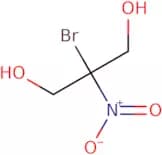
Formula:C7H13BrO2Purity:Min. 95%Color and Shape:Colorless Clear LiquidMolecular weight:209.08 g/mol2-Bromo-2-nitro-1,3-propanediol
CAS:2-Bromo-2-nitro-1,3-propanediol (BNP) is a preservative that is used in wastewater treatment. It is an antimicrobial agent that has synergistic effects with other antimicrobial agents such as triclosan, benzalkonium chloride and sesquiterpene lactones. 2-Bromo-2-nitro-1,3-propanediol has been shown to have a phase transition temperature of -28°C, which can be used to identify it in the laboratory. This compound also has a pK value of 4.4, which indicates that it is weakly acidic. 2-Bromo-2-nitro-1,3-propanediol can be used as an analytical method for the determination of p - hydroxybenzoic acid in aqueous samples by electrochemical impedance spectroscopy (EIS).
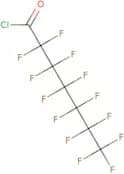
Formula:C3H6BrNO4Purity:Min. 95%Color and Shape:PowderMolecular weight:199.99 g/molPerfluoroheptanoyl chloride
CAS:Perfluoroheptanoyl chloride is a fluorinated hydrocarbon that is used as a surfactant in detergent compositions. It has been shown to be biostable, which means it does not react with other molecules in the environment. This compound also has low environmental toxicity because of its resistance to peroxidation and its ability to form stable complexes with metals. Perfluoroheptanoyl chloride has been shown to cause allergic reactions in some people and may cause adverse effects on animal health. Research on the effects of perfluoroheptanoyl chloride on Xenopus oocytes has demonstrated that this compound can affect gene expression and result in cell death.
Formula:C7CIF13OPurity:Min. 95%Color and Shape:Colourless LiquidMolecular weight:382.51 g/molHydroxypropanedial
CAS:Hydroxypropanedial is a hydroxy group-containing compound that is not found in natural sources. It has antioxidative properties, which may be due to its ability to scavenge reactive oxygen species or donate hydrogen atoms to free radicals. The compound also has cyclohexane ring and carbonyl groups, which are responsible for the hydroxyl and carboxylic acid functionalities respectively. This substance is used as a chromatographic reagent to measure second-order rate constants of reactions involving hydroxyl radicals. Hydroxypropanedial absorbs light strongly at wavelengths shorter than 300 nm, which is the most effective wavelength range for uv absorption in biological systems.
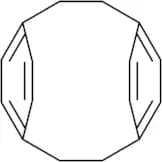
Formula:C3H4O3Purity:Min. 95%Color and Shape:Off-White To Light (Or Pale) Brown SolidMolecular weight:88.06 g/mol2,2-Paracyclophane
CAS:2,2-Paracyclophane is a high-sensitivity c-reactive protein (hsCRP) that has been isolated from the fungus Cryptococcus neoformans. This compound has shown to have anti-cancer properties in animal studies. 2,2-Paracyclophane binds to fatty acids and is soluble in water, which may be due to its hydrogen bonding with the hydroxyl group at C1. The crystal structure of this compound reveals that it has a cyclohexane ring and two fatty acids. The thermal expansion coefficient of this molecule is also high, which suggests that it may be suitable for use as a solid lubricant.
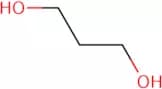
Formula:C16H16Purity:Min. 98.5 Area-%Color and Shape:White PowderMolecular weight:208.3 g/mol1,3-Propanediol
CAS:aliphatic diol. It has been shown to have an inhibitory effect on bacterial growth
Formula:C3H8O2Purity:Min. 95%Color and Shape:Colorless Clear LiquidMolecular weight:76.09 g/molRef: 3D-FP33131
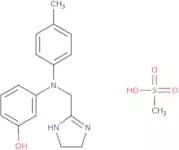
Discontinued productPhentolamine methanesulfonate
CAS:Phentolamine is a synthetic mesylate that is used as an antihypertensive agent, and for the treatment of Raynaud's syndrome and pheochromocytoma. Phentolamine is also used to prevent frostbite and to treat various types of shock. Phentolamine blocks alpha-2-adrenergic receptors, thereby decreasing sympathetic nerve impulses to the heart, blood vessels, kidneys, and other organs. This drug also acts as a histamine antagonist by blocking H1-receptors on vascular smooth muscle cells. Phentolamine has been shown to have no significant effects on 5-hydroxytryptamine (5HT) release in vitro or in vivo.
Formula:C18H23N3O4SPurity:Min. 95%Color and Shape:White PowderMolecular weight:377.46 g/mol1,2-Bis(chlorodimethylsilyl)ethane
CAS:1,2-Bis(chlorodimethylsilyl)ethane is a reactive chemical that is synthesized from hydroxychloroformates and hydrogen chloride. It reacts with silicon to form chlorosilanes, which are then used in the polymerization of siloxanes. 1,2-Bis(chlorodimethylsilyl)ethane has been shown to be an effective initiator for the polymerization of methyl methacrylate and ethylene glycol dimethacrylate. 1,2-Bis(chlorodimethylsilyl)ethane is also used as a hydroxyl group donor in organic reactions.
Formula:C6H16Cl2Si2Purity:Min. 95 Area-%Color and Shape:PowderMolecular weight:215.27 g/mol1H,1H,7H-Dodecafluoroheptanol
CAS:1H,1H,7H-Dodecafluoroheptanol is a perfluorinated compound. It has been shown to be an efficient scavenger of reactive oxygen species (ROS) and to have a protective effect on collagen. The reaction mechanism of 1H,1H,7H-dodecafluoroheptanol is not fully understood. However, it has been shown that the chloride ion plays a key role in the formation of this product from 1H,1H,7F-dodecafluoroheptane. The reaction vessel used in this synthesis is critical because it must be anhydrous to prevent the formation of 1HF3OCl. Magnetic resonance spectroscopy has been used to study the chemical structures of this compound.
Formula:C7H4F12OPurity:Min. 95%Color and Shape:Colorless PowderMolecular weight:332.09 g/molRef: 3D-FD37544
Discontinued product














![8-oxa-5-azaspiro[3.5]nonane](/_next/image/?url=https%3A%2Fstatic.cymitquimica.com%2Fproducts%2F3D%2Fthumb-webp%2FFO76093.webp&w=3840&q=75)