Hydrocarbon Building Blocks
Subcategories of "Hydrocarbon Building Blocks"
Found 5584 products of "Hydrocarbon Building Blocks"
2-(4-Benzyloxyphenyl)ethanol
CAS:2-(4-Benzyloxyphenyl)ethanol is an organic compound that has a particle size of less than 10 μm and is soluble in water. It is used as a reaction system for the production of tannins, which are polyphenolic compounds that have antioxidant properties. 2-(4-Benzyloxyphenyl)ethanol also inhibits maltase activity and metal ion-induced allylic oxidation. This compound can be used to inhibit fatty acid synthesis, which is important for the prevention of atherosclerosis and other cardiovascular diseases.Formula:C15H16O2Purity:Min. 95%Color and Shape:PowderMolecular weight:228.29 g/molImidazolyl-4-ethanol
CAS:Imidazolyl-4-ethanol is a glycoside derivative that inhibits the synthesis of proteins, fats, and nucleic acids by inhibiting the enzyme phosphofructokinase. The compound has been shown to have anti-inflammatory properties that are similar to those of nonsteroidal antiinflammatory drugs. This drug also has a kinetic energy of -1.2 kcal/mol and it has a ph optimum of 7.5. Imidazolyl-4-ethanol has been shown to be useful in vitro for the synthesis of antibodies against monoclonal antibodies and for radiation protection. It can also be used as a radioactive tracer in vivo.Formula:C5H8N2OPurity:Min. 90 Area-%Color and Shape:PowderMolecular weight:112.13 g/mol3-Methylnonane-2,4-dione
CAS:3-Methylnonane-2,4-dione is a chemical compound that belongs to the group of unsaturated ketones. It has been shown to have an odorant receptor activity in mice. 3-Methylnonane-2,4-dione is found in foods, such as butter and cheese, and has a mild flavor. It can be reduced by carbonyl reduction and reacts with light during exposure. The reaction vessel must be inert to avoid contact with reducing agents that can cause a color change. 3-Methylnonane-2,4-dione also reacts with peroxides and other oxidizing agents to form peroxyketals.Formula:C10H18O2Purity:Min. 97 Area-%Color and Shape:Clear LiquidMolecular weight:170.25 g/molN-Succinimidyl myristate
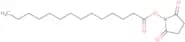
CAS:N-Succinimidyl myristate is a long-chain fatty acid that contains a sulfur atom at its head. It is used in the production of diagnostic products and insulin analogs, as well as in the industrial production of organic solvents. N-Succinimidyl myristate reacts with serum albumin, forming an activated product that can be used in diagnostic tests. This reaction product is also used to bind proteins to fluorine atoms for use in industrial processes.Formula:C18H31NO4Purity:Min. 95%Color and Shape:PowderMolecular weight:325.44 g/mol2-Chloroethyl methyl sulfide
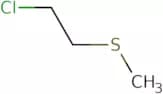
CAS:2-Chloroethyl methyl sulfide (2CEMS) is a reactive compound that has been shown to enhance membrane interactions and fatty acid metabolism in experimental models. 2CEMS is a substrate molecule for the reaction mechanism of the enzyme phospholipase A2, which plays an important role in the production of arachidonic acid. 2CEMS has been shown to have cytotoxic effects on 3T3-L1 preadipocytes, with cell death occurring as a result of kinetic energy emissions. The halides in 2CEMS can coordinate with hematopoietic cells, leading to the inhibition of their proliferation and differentiation. 2CEMS is also able to bind with various metals such as copper and zinc, which may be useful for pharmaceutical drug applications.Formula:C3H7ClSPurity:Min. 96 Area-%Color and Shape:Colorless Yellow Clear LiquidMolecular weight:110.61 g/mol(R,R)-2,8-Diazabicyclo[4.3.0]nonane
CAS:(R,R)-2,8-Diazabicyclo[4.3.0]nonane is an antibacterial agent that is synthesized from piperazine and fluoroquinolone derivatives. It has a high yield of (R,R)-2,8-diazabicyclo[4.3.0]nonane and a low reaction time in the microwave amination reaction. This compound can be used to replace environmentally hazardous chemicals such as mercury(II) chloride in the synthesis of (R,R)-2,8-diazabicyclo[4.3.0]nonane by avoiding the use of toxic mercury compounds and reducing the cost of production by using microwave irradiation.Formula:C7H14N2Purity:Min. 95%Color and Shape:PowderMolecular weight:126.2 g/mol1-Iododecane - Stabilized with copper chip
CAS:Precursor to prepare 9-nonadecanoneFormula:C10H21IPurity:Min. 98 Area-%Color and Shape:Colorless Clear LiquidMolecular weight:268.18 g/mol2,2,2-Trifluoroethanol
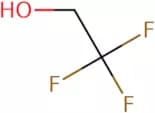
CAS:2,2,2-Trifluoroethanol is a trifluoroacetic acid analogue that has been shown to be an effective antimicrobial agent. It binds to the active site of the enzyme enoyl reductase, inhibiting the synthesis of fatty acids and disrupting cell membrane function. 2,2,2-Trifluoroethanol has also been shown to have anti-inflammatory effects. The drug binds to human serum albumin and inhibits hydrogen peroxide release from neutrophils. This complexation with albumin prevents the release of hydroxyl radicals that are generated in response to oxidative stress. Intramolecular hydrogen bonding between 2,2,2-trifluoroethanol molecules may also contribute to its activity as a natural drug.Formula:C2H3F3OPurity:Min. 95%Color and Shape:Clear LiquidMolecular weight:100.04 g/molPivaldehyde
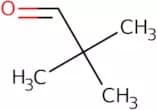
CAS:Intermediate in organic syntheses; stereoselective synthesisFormula:C5H10OPurity:Min. 95%Color and Shape:Colorless Clear LiquidMolecular weight:86.13 g/mol(S)-(+)-2-Amino-3-methylbutane
CAS:(S)-(+)-2-Amino-3-methylbutane is a chiral, optically active pyruvate. It can be used as an optical reagent to determine the configuration of an amino acid in the presence of a hydrazone or amine. The 2-amino group is attached to the C1 carbon atom and the methyl group is attached to the C4 carbon atom. Hydrogenolysis of (S)-(+)-2-amino-3-methylbutane produces ethyl pyruvate and hydrogen gas.
Formula:C5H13NPurity:Min. 95%Color and Shape:Clear LiquidMolecular weight:87.17 g/mol11-Mercaptoundecanoic acid
CAS:11-Mercaptoundecanoic acid (11MUA) is a fluorescence probe that reacts with the amide group of proteins. It has been used to study HIV-1 infection and the early stages of human immunodeficiency virus (HIV) replication. 11MUA can be detected by fluorescence spectrometry and gives a strong, selective signal in human serum. This compound is also used as a model system for studying protease activity and electrochemical impedance spectroscopy. 11MUA is stable in solution and can be detected at very low levels, making it an excellent probe for protein degradation studies. The reaction solution containing 11MUA can be prepared using trifluoroacetic acid (TFA), which facilitates the formation of esters from carboxylic acids, or by adding TFA to an acyl chloride derivative of 11-mercaptoundecanoic acid.Formula:C11H22O2SPurity:Min. 95%Color and Shape:White PowderMolecular weight:218.36 g/molHexacosanoic acid
CAS:Hexacosanoic acid is a glycol ether that has been shown to have hypoglycemic activity in mice. It was also shown to increase the levels of fatty acids and decrease the levels of glycerides in rats, which may be due to its ability to inhibit the synthesis of phospholipids. Hexacosanoic acid has been used as an analytical reagent for the determination of p-hydroxybenzoic acid and uronic acid. The polymerization of hexacosanoic acid is catalyzed by a polymerase chain reaction (PCR), which can be used for diagnosis. This molecule has also been found to have anti-inflammatory properties and nitrate reductase activity.Formula:C26H52O2Color and Shape:White PowderMolecular weight:396.69 g/molAgaric acid
CAS:Agaric acid is a high-quality, versatile chemical that is used as an intermediate in many organic and biochemistry reactions. It is also used as a reagent for the isolation of metals such as silver and gold. As a complex compound, it has many uses, including being a useful building block in the synthesis of various drugs. Agaric acid can be used to produce other chemicals such as speciality chemicals or research chemicalsFormula:C22H40O7Molecular weight:416.56 g/molRef: 3D-A-3920
1gTo inquire5gTo inquire250mgTo inquire500mgTo inquire2500mgTo inquire-Unit-ggTo inquireβ-Glycerophosphate, disodium salt pentahydrate, max. 2% α
CAS:Beta-Glycerophosphate, Disodium Salt Pentahydrate is a complex compound that is used as a reagent, useful intermediate, and fine chemical. It is also useful as a scaffold or building block for the synthesis of organic compounds. Beta-glycerophosphate has CAS No. 13408-09-8 and is classified as a speciality chemical. This compound can be used in research and development for versatile building blocks and reaction components to synthesize organic compounds.Formula:C3H17Na2O11PMolecular weight:306.12 g/molRef: 3D-G-4200
1kgTo inquire100gTo inquire250gTo inquire500gTo inquire2500gTo inquire-Unit-kgkgTo inquireSodium pyruvate
CAS:Pyruvate is an intermediary organic acid metabolite in glycolysis and the first of the Embden Meyerhoff pathways that can pass readily in or out of the cell. Thus, the addition of sodium pyruvate to tissue culture medium provides both an energy source and a carbon skeleton for anabolic processes. Furthermore, it assists with maintaining certain specialized cells, is useful when cloning, and may be necessary when the serum concentration is reduced in the medium.Formula:C3H3O3NaPurity:Min. 95%Color and Shape:Crystalline PowderMolecular weight:110.04 g/mol1,3-Diamino-2-hydroxypropane
CAS:Intermediate 1,3-Diamino-2-hydroxypropane, also known as 1,3-Diamino-2-propanol, is the simplest amino alcohol containing two primary amino groups and one secondary alcohol group. 1,3-diamino-2-hydroxypropane is quite versatile, serving as a building block for the synthesis of many organometallic compounds and for the biological synthesis of peptides. In industry, 1,3-diamino-2-hydroxypropane is often used as a scrubber for industrial exhaust gases, used in organic synthesis and used biochemically for proteomics research.Formula:C3H10N2OPurity:Min. 97 Area-%Color and Shape:Yellow PowderMolecular weight:90.12 g/mol1,2,5,6-Diepoxycyclooctane
CAS:1,2,5,6-Diepoxycyclooctane is a chemical compound that has been used as a crosslinking agent for the polymerization of epoxies. It is also used as a reactive intermediate in organic synthesis. 1,2,5,6-Diepoxycyclooctane can be prepared by reacting epichlorohydrin with ethylene oxide and then hydrogenation. This chemical compound is stable to ultraviolet light and does not react with cationic surfactants. 1,2,5,6-Diepoxycyclooctane can form monoadducts or diploid adducts when it reacts with chemicals such as dioxane and benzene. The nmr spectra of 1,2,5,6-diepoxycyclooctane show signals characteristic of epoxides.Formula:C8H12O2Purity:Min. 95%Color and Shape:PowderMolecular weight:140.18 g/mol1-Nonanol
CAS:1-Nonanol is a colorless liquid with a pleasant odor. It can be synthesized from methyl pentanoate by the asymmetric addition of an inorganic acid to the ester hydrochloride. This process results in a mixture of 1-nonanol and its isomer 2-nonanol, which can be separated using an analytical method such as gas chromatography. 1-Nonanol has been shown to have high transport properties, making it useful for detergent compositions. It has also been shown to exhibit strong hydrogen bonding abilities that may contribute to its adsorption mechanism.Formula:C9H20OPurity:Min. 95%Color and Shape:Colorless Clear LiquidMolecular weight:144.25 g/mol1-Methoxy-2-methyl-2-propanol
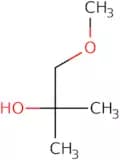
CAS:1-Methoxy-2-methyl-2-propanol is a ligand that is used in coordination chemistry and catalysis. It can be prepared by the metathesis reaction of zirconium dichloride and terminal alkynes at high temperatures. The compound has been shown to have properties as a phase equilibrium catalyst and a mononuclear ligand. 1-Methoxy-2-methyl-2-propanol is soluble in organic solvents, but insoluble in water. It has a melting point of about -20°C and a boiling point of about 190°C, with supercritical fluid properties between these two points. It can be used for reactions at low temperatures or high temperatures, depending on the solvent used.Formula:C5H12O2Purity:Min. 95%Color and Shape:Colorless Clear LiquidMolecular weight:104.15 g/mol3-Mercapto-3-methyl-1-butanol
CAS:3-mercapto-3-methyl-1-butanol, also known as MMB, is an organic volatile compound that belongs to the group alkylthiols. It is a secondary metabolite and is a degradation product of felinine, a feline pheromone. Some studies suggest that due to similarities in odor, 3-mercapto-3-methyl-1-butanol and derivatives such as 3-mercapto-3-methyl-1-butyl-1-formate and 3-methyl-3-(methylsulfanyl)butan-1-ol have similar behaviours as felinine. These findings may provide useful and interesting information about signaling and communication related to reproduction and recognition in mammals. 3-mercapto-3-methyl-1-butanol can be also found in some alcoholic beverages and coffee products. It provides a meaty flavor and aroma, and it is used as a flavoring agent in the food industry.Formula:C5H12OSPurity:Min. 95%Color and Shape:Colorless Clear LiquidMolecular weight:120.21 g/mol4-Anisylchlorodiphenylmethane
CAS:4-Anisylchlorodiphenylmethane is a trifluoroacetic acid derivative of diphenyl sulfoxide. It is activated by hydrochloric acid and hydrogen chloride to form the corresponding anisyl chlorodiphenylmethane chloride. This compound has a high resistance to nucleophilic attack, with a reaction solution that is resistant to nucleophiles such as water, amines, alcohols, and carboxylic acids. 4-Anisylchlorodiphenylmethane can be synthesized from uridine and acetic acid in the presence of diphenyl sulfoxide and a base. The reaction is then heated at reflux for 24 hours. 4-Anisylchlorodiphenylmethane binds to DNA as well as RNA templates in vitro and can be used for linear regression analysis of DNA sequences. It also has inhibitory effects on cell growth in culture.Formula:C20H17ClOPurity:Min. 95%Color and Shape:White PowderMolecular weight:308.8 g/mol1,4-Diisocyanatobutane
CAS:Monomer for the preparation of biocompatible polyurethane polymersFormula:C6H8N2O2Purity:Min. 98 Area-%Color and Shape:Colorless Clear LiquidMolecular weight:140.14 g/molTricaine methanesulfonate
CAS:Tricaine methanesulfonate is a chemical that belongs to the group of anesthetics. It is used as a general anesthetic and to induce surgical anesthesia. Tricaine methanesulfonate has been shown to be effective in the treatment of pain, inflammation, and neurological disorders. Tricaine methanesulfonate also has a long half-life and does not cause histamine release or cardiovascular effects.
Formula:C9H11NO2·CH4O3SPurity:Min. 98 Area-%Color and Shape:White PowderMolecular weight:261.3 g/mol(R)-2-Methylbutyric acid
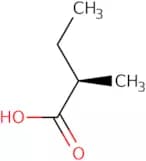
CAS:(R)-2-Methylbutyric acid is a synthetic compound that has the same stereoisomeric configuration as 2-methylbutyric acid. The difference in the two molecules is that the (R) form has a hydroxyl group on the alpha carbon, while 2-methylbutyric acid does not. This compound is stable under acidic conditions, but hydrolyzes to form butyric acid when exposed to basic conditions. It is used in industrial applications such as food production and as an intermediate in synthesizing other compounds such as tiglic acid or amido groups.Formula:C5H10O2Purity:Min. 95%Color and Shape:Yellow PowderMolecular weight:102.13 g/mol1-Nitrobutane
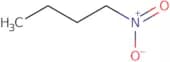
CAS:1-Nitrobutane is an organic compound with the chemical formula CH3NO2. It is a colorless liquid that is soluble in water and insoluble in ether. 1-Nitrobutane can react with hydroxyl groups to form nitroalkanes and it has been used as a reaction product for kinetic measurements of hydroxyl group concentration. The reaction mechanism of 1-nitrobutane is not completely known, but it has been proposed that the hydroxyl group reacts with the nitro group by nucleophilic substitution. 1-Nitrobutane can be used as a reagent for chromatography because it absorbs ultraviolet radiation and emits photoelectrons, which can be detected by covid-19 detectors. 1-Nitrobutane also has been shown to have antiviral properties against pandemic influenza A virus (H1N1) in cultured cells and rat liver microsomes.Formula:C4H9NO2Purity:Min. 95%Color and Shape:PowderMolecular weight:103.12 g/mol(+)-Diacetyl-D-tartaric acid
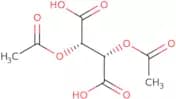
CAS:(+)-Diacetyl-D-tartaric acid is a chiral organic compound that is soluble in organic solvents. It can be used as a catalyst for the asymmetric synthesis of organic compounds and has been shown to cleave bonds with high stereoselectivity. (+)-Diacetyl-D-tartaric acid also exhibits mesomorphic properties, meaning it changes from liquid to solid and vice versa at certain temperatures. The optical activity of this compound can be seen by its magnetic resonance spectrum, which displays two peaks at different wavelengths. This molecule has been shown to have potential uses in microscopy, as well as for the preparation of monomers for magnetic materials.Formula:C8H10O8Purity:Min. 95%Color and Shape:White PowderMolecular weight:234.16 g/mol1,4-Bis-(diphenylphosphino)butane
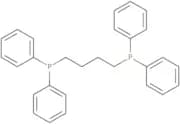
CAS:1,4-Bis-(diphenylphosphino)butane is a coordination compound that contains a bicyclic heterocycle. The compounds are made up of phosphorus and nitrogen atoms which are arranged in a tetrahedral geometry. It has photochemical properties and can be used to inhibit the growth of myeloid leukemia cells. The complexes bind to amines and form stable complexes with hydroxyl groups, so they are also able to cross mitochondrial membranes. This compound has been shown to bind to copper ions in x-ray crystal structures. 1,4-Bis-(diphenylphosphino)butane binds more strongly to ethylene diamine than it does to aryl halides such as chloroethane or phenylethane. Activation energies for the binding of 1,4-bis-(diphenylphosphino)butane with ethylene diamine have been found by measuring the free energy change for its formation fromFormula:C28H28P2Purity:Min. 95%Color and Shape:White PowderMolecular weight:426.47 g/mol6-(Fmoc-amino)-1-hexanol
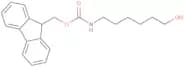
CAS:6-(Fmoc-amino)-1-hexanol is a high quality chemical that can be used as an intermediate in the synthesis of many complex compounds, such as pharmaceuticals, fine chemicals and research chemicals. It is often used as a building block in the synthesis of other useful chemicals and has been shown to have versatile reactions with many functional groups. 6-(Fmoc-amino)-1-hexanol can be used in reactions involving nucleophilic substitution, elimination, amination, esterification and transesterification.Formula:C21H25NO3Purity:Min. 95%Color and Shape:PowderMolecular weight:339.43 g/mol4-Fluoro-1-butanol
CAS:4-Fluoro-1-butanol is a gaseous protonated fluorine compound. The proton is transferred from the hydrogen to the fluorine, resulting in an intramolecular hydrogen bond. 4-Fluoro-1-butanol has been shown to undergo conformational changes due to the substituent effects of other atoms on its molecules. This molecule has been shown to be able to orient itself in different ways, depending on the experimental parameters and conditions that are used. 4-Fluoro-1-butanol has also been shown to have a strong hydrogen bond with other molecules such as water, which may be due to its ability to form a stable H···O hydrogen bond with a strong donor atom (fluorine).Formula:C4H9FOPurity:Min. 95%Color and Shape:Colourless To Yellow LiquidMolecular weight:92.11 g/mol1,2-Diiodoethane
CAS:1,2-Diiodoethane is a useful building block that can be used as a reaction component in organic synthesis. It is also used as a reagent and can be used to produce high quality research chemicals. This chemical has many uses, including as a versatile building block or as an intermediate. 1,2-Diiodoethane is not found naturally in the environment and has been assigned CAS number 624-73-7.Formula:C2H4I2Purity:Min. 98.5 Area-%Molecular weight:281.86 g/mol3-Carboxypropanesulfonamide
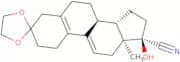
CAS:3-Carboxypropanesulfonamide is a chemical compound that has been shown to have the ability to modulate cardiac cell function. This compound has been shown to be effective in a reaction monitoring technique, which monitors the functional groups and techniques of chemical reactions, in order to introduce this molecule into the cell membrane and alter its potential. 3-Carboxypropanesulfonamide is capable of changing the lipid composition of the membrane by introducing a linker group that can bind with other molecules such as cholesterol or phospholipids. This linker group alters the membrane potential of cells, leading to changes in ion flow and cellular response.Formula:C4H9NO4SPurity:Min. 95%Color and Shape:White PowderMolecular weight:167.18 g/molCyclic-3-(1,2-ethanediylacetal)-17β-cyano-17α-hydroxy-estra-5(10),9(11)-dien-3-one
CAS:Cyclic-3-(1,2-ethanediylacetal)-17beta-cyano-17alpha-hydroxy-estra-5(10),9(11)-dien-3 -one is a chemical compound that is used as a reaction component, reagent, and high quality research chemical. It can be used as a useful scaffold or building block for the synthesis of complex compounds. Cyclic-3-(1,2-ethanediylacetal)-17beta-cyano-17alpha -hydroxyestra-5(10),9(11)-diene 3 one has CAS number 3330019 5.Formula:C21H27NO3Purity:Min. 95%Color and Shape:White to off-white solid.Molecular weight:341.44 g/mol2-Chloroethyl isocyanate
CAS:Please enquire for more information about 2-Chloroethyl isocyanate including the price, delivery time and more detailed product information at the technical inquiry form on this page
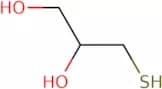
Formula:C3H4ClNOPurity:Min. 99.0 Area-%Molecular weight:105.52 g/mol3-Mercapto-1,2-propanediol
CAS:3-Mercapto-1,2-propanediol is a sulfhydryl compound that has anti-tumor properties. It has been shown to induce apoptosis in leukemia cells and to inhibit the growth of myeloma cells. 3-Mercapto-1,2-propanediol has also been shown to induce redox potentials in cancer cells and prevent the formation of disulfide bonds in the cytoskeleton. The molecular pathogenesis of cancer is thought to be related to oxidative stress, which may be prevented by 3-mercapto-1,2-propanediol. This drug has also been shown to block transfection experiments with pemetrexed in a model system and human serum.Formula:C3H8O2SPurity:Min. 95%Color and Shape:Clear LiquidMolecular weight:108.16 g/mol3,3'-Dithiobis-1-propanesulfonic acid disodium salt
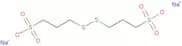
CAS:Brightening agent used for copper electroplatingFormula:C6H12O6S4·2NaPurity:Min. 90 Area-%Color and Shape:White PowderMolecular weight:354.39 g/mol12-Amino-1-dodecanol
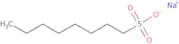
CAS:12-Amino-1-dodecanol is a monolayer that has been synthesized by reacting dodecanol with phosphorus pentoxide in the presence of diacetate. 12-Amino-1-dodecanol is an amphiphilic molecule, which means it can form both hydrophobic and hydrophilic regions. This property allows it to form a monolayer on the surface of cells, such as the Caco2 cell line. The film is composed of fatty acids and contains functional groups that provide phosphatase activity and neutral pH. 12-Amino-1-dodecanol may be used for drug delivery, specifically for the treatment of intestinal disorders or cell monolayers.Formula:C12H27NOPurity:Min. 95%Color and Shape:PowderMolecular weight:201.35 g/mol1-Octanesulfonic acid sodium salt
CAS:1-Octanesulfonic acid sodium salt is a chemical compound that can be used to prepare surfactants. It has been shown to have a high optimum concentration for the formation of stable foam and is compatible with blood sampling, hydrophobic effect, and ester hydrochloride. 1-Octanesulfonic acid sodium salt has also been used as an analytical method for detecting sulfate ion in the presence of other ions on the basis of its reactivity with potassium permanganate. The detection limit is 0.1 ppm with a reaction solution containing 1% octanesulfonic acid sodium salt and 3% potassium permanganate. The chemical stability at pH 2 is higher than that at pH 7 because the sulfonate group acts as a buffer at low pH. 1-Octanesulfonic acid sodium salt can be quantified by means of fluorescence detector or electrochemical detector after it reacts with phenolphthalein in an acidic solution.
Formula:C8H18O3S•NaPurity:Min. 98%Color and Shape:White PowderMolecular weight:217.28 g/molBis(trifluoromethane)sulfonimide lithium salt
CAS:Please enquire for more information about Bis(trifluoromethane)sulfonimide lithium salt including the price, delivery time and more detailed product information at the technical inquiry form on this pageFormula:C2F6LiNO4S2Molecular weight:287.09 g/molRef: 3D-Q-101273
1kgTo inquire5kgTo inquire250gTo inquire500gTo inquire2500gTo inquire-Unit-kgkgTo inquire6-Bromo-1-hexanol
CAS:6-Bromo-1-hexanol is an azobenzene polymer film that is used in the manufacture of a number of pharmaceuticals. The polymer has been shown to have a broad spectrum of activity against bacteria and fungi, including human maltase glucoamylase, which is found in the gut. The polymers are prepared by reacting sodium salts with maleate, hydroxyl group, and x-ray crystal structures. 6-Bromo-1-hexanol has been shown to have good optical properties and can be used as a sample preparation material for x-ray diffraction studies. It also has a high chloride ion content and acts as a halide donor in cell culture experiments. This polymer also fluoresces under UV light.!--Formula:C6H13BrOPurity:Min. 97 Area-%Color and Shape:Colorless Clear LiquidMolecular weight:181.07 g/molLinoleic acid - 60%min
CAS:Linoleic acid is a polyunsaturated fatty acid that is an important component of the human diet. It has been shown to have inhibitory properties on liver cells, and may be related to body mass index. Linoleic acid is a precursor for gamma-aminobutyric acid (GABA), which functions as a neurotransmitter in the central nervous system. Linoleyl alcohol is a metabolite of linoleic acid and has been shown to inhibit the production of antimicrobial peptides, such as cathelicidin and beta-defensin. The inhibition of this peptide may be responsible for the observed reduction in inflammatory responses and infections.Formula:C18H32O2Purity:Min. 95%Color and Shape:Yellow Clear LiquidMolecular weight:280.45 g/molMES monohydrate
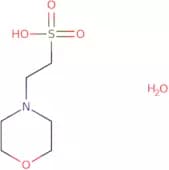
CAS:MES buffer is a synthetic buffer commonly used in biological and biochemical experiments. It's known for its buffering capacity within the pH range of 5.5 to 6.7, making it suitable for various applications. It has good water solubility, chemical stability, and minimal interaction with metal ions, which is crucial for many biological systems.Formula:C6H13NO4S·H2OColor and Shape:White Off-White PowderMolecular weight:213.25 g/molDichloroacetic anhydride
CAS:Please enquire for more information about Dichloroacetic anhydride including the price, delivery time and more detailed product information at the technical inquiry form on this pageFormula:C4H2Cl4O3Purity:Min. 95%Color and Shape:Solidified MassMolecular weight:239.9 g/mol6-Mercapto-1-hexanol
CAS:6-Mercapto-1-hexanol is a redox active molecule that has been shown to be a potent inhibitor of human immunodeficiency virus type 1 reverse transcriptase. It has also been shown to inhibit the polymerase chain reaction and transfer reactions, including those mediated by DNA-dependent RNA polymerase. 6-Mercapto-1-hexanol can be detected with high sensitivity in human serum, which is its main application for the diagnosis of HIV infection. This compound reacts with molecular oxygen to form superoxide radicals, which are responsible for its redox potential. The rate constant for this reaction has been shown to be dependent on pH and temperature. 6-Mercapto-1-hexanol can also form stable complexes with proteins such as albumin or human immunoglobulin G (IgG). These complexes have been shown to exhibit electrochemical impedance spectroscopy activity at low concentrations and chemical stability in biological media.Formula:C6H14OSPurity:Min. 96%Color and Shape:Clear LiquidMolecular weight:134.24 g/mol11-Bromoundecanoic acid
CAS:11-Bromoundecanoic acid is a heterobifunctional reagent that is used in the synthesis of phospholipids. This chemical reacts with an amide group on a phosphatidylcholine to introduce a bromine atom, which can be used as a fluorophore. The reaction is done in an organic solvent, such as dichloromethane, which facilitates the reaction by dissolving the reactants. The reaction can be monitored using fluorescence assay techniques and 11-bromoundecanoic acid is characterized by its constant ring-opening constant and fatty acid chain length.Formula:C11H21BrO2Purity:Min. 95%Color and Shape:PowderMolecular weight:265.19 g/mol1,1,3,3-Tetramethylbutyl isocyanide
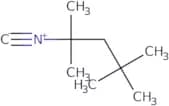
CAS:1,1,3,3-Tetramethylbutyl isocyanide (TMBC) is a palladium complex that has been used in palladium-catalyzed coupling reactions. TMBC is also a ligand for the synthesis of β-amino acid and can be used to form hydrogen bonds with nucleophiles. It has been used in biological studies as well as clinical diagnostics. The solid-phase synthesis of TMBC has been shown to be an efficient method for producing this compound. In addition, TMBC shows stereoselective reactivity with amines and methoxy groups. The nmr spectra of TMBC are characteristic of a carbonyl group at δ 3.20 ppm and two methyl groups at δ 1.36 and 1.37 ppm respectively.Formula:C9H17NPurity:Min. 98%Color and Shape:Clear LiquidMolecular weight:139.24 g/molPotassium nonafluoro-1-butanesulfonate
CAS:Potassium nonafluoro-1-butanesulfonate (NBS) is a chemical compound that is used to remove trifluoroacetic acid from wastewater. It can also be used as an analytical reagent to measure cytosolic calcium concentrations in cells. In addition, NBS has been shown to have a high degree of chemical stability, but it may react with hydrogen fluoride and cause toxicity in humans. The pharmacokinetic properties of this drug are not well-known, but it has been shown to accumulate in the liver and fat tissues and pass into the maternal blood stream during pregnancy. NBS also inhibits the synthesis of p-hydroxybenzoic acid, which leads to hepatic steatosis in mice with diet-induced obesity. This drug also affects 3t3-l1 preadipocytes and human serum.Formula:C4F9KO3SColor and Shape:PowderMolecular weight:338.19 g/molCyclopentylmethanol
CAS:Cyclopentylmethanol is a chemical compound with the molecular formula CH3OH. It is a colorless liquid that is soluble in water and has a distinctive, sweet odor. Cyclopentylmethanol is used as an intermediate in organic synthesis and as a solvent for nitrocellulose, cellulose acetate, cellulose nitrate, and similar materials. It reacts with chlorine at high temperatures to form chlorinated cyclopentylmethanols. This reaction can be used to synthesize hydroxyapatite (a mineral) from calcium phosphate (a mineral). Cyclopentylmethanol also reacts with nicotinic acetylcholine receptors in the brain, causing them to desensitize. Hydroxyapatite can also be synthesized by reacting cyclopentylmethanol with dinucleotide phosphate and hydroxyl group containing compounds such as esters or soluble guanylate cyclase enzymes. The reactions produce hydrogenFormula:C6H12OPurity:Min. 95%Color and Shape:Clear Colourless LiquidMolecular weight:100.16 g/mol1,8-Diazido-3,6-dioxaoctane
CAS:1,8-Diazido-3,6-dioxaoctane is a synthetic molecule that is used in the synthesis of macrolactones, polymers, and biomolecules. It can be used as a bioconjugate to attach other functional groups to biomaterials and polymers, such as azido groups. This compound has high sensitivity and thermal stability with good solubility in organic solvents. 1,8-Diazido-3,6-dioxaoctane has been shown to be compatible with many functional groups and is an important monomer for use in cross-linked polymers.Formula:C6H12N6O2Purity:Min. 95%Color and Shape:Colorless PowderMolecular weight:200.2 g/mol



![(R,R)-2,8-Diazabicyclo[4.3.0]nonane](/_next/image/?url=https%3A%2Fstatic.cymitquimica.com%2Fproducts%2F3D%2Fthumb-webp%2FFD21506.webp&w=3840&q=75)