Hydrazines
Hydrazines are organic compounds characterized by the presence of a hydrazine group (N2H4). These compounds are used in various chemical reactions, including as intermediates in pharmaceuticals and agrochemicals. At CymitQuimica, we offer a wide selection of high-quality hydrazines to support your research and industrial applications, ensuring reliable and efficient results. Our selection includes hydrazines suitable for a wide range of chemical syntheses and experimental requirements.
Found 1355 products of "Hydrazines"
Sort by
Purity (%)
0
100
|
0
|
50
|
90
|
95
|
100
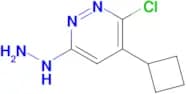
3-CHLORO-4-CYCLOBUTYL-6-HYDRAZINYLPYRIDAZINE
CAS:Formula:C8H11ClN4Purity:95.0%Molecular weight:198.65[(2-chloro-4-fluorophenyl)methyl]hydrazine dihydrochloride
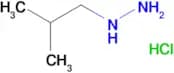
CAS:Formula:C7H10Cl3FN2Purity:97%Molecular weight:247.522-Methylpropylhydrazine hydrochloride
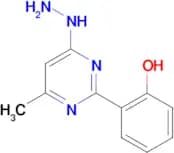
CAS:Formula:C4H13ClN2Purity:95%Color and Shape:SolidMolecular weight:124.612-(4-Hydrazino-6-methylpyrimidin-2-yl)phenol
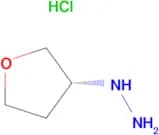
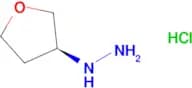
CAS:Formula:C11H12N4OPurity:95.0%Molecular weight:216.244(S)-(TETRAHYDROFURAN-3-YL)HYDRAZINE HYDROCHLORIDE
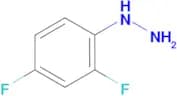
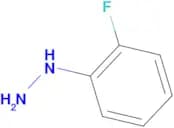
CAS:Formula:C4H11ClN2OPurity:97.0%Molecular weight:138.6(2,4-Difluoro-phenyl)-hydrazine
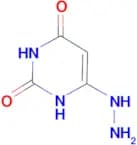
CAS:Formula:C6H6F2N2Purity:≥95%Color and Shape:SolidMolecular weight:144.1256-Hydrazinopyrimidine-2,4(1H,3H)-dione
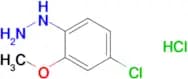
CAS:Formula:C4H6N4O2Purity:95.0%Color and Shape:SolidMolecular weight:142.118(4-Chloro-2-methoxyphenyl)hydrazine hydrochloride
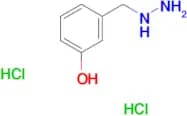
CAS:Formula:C7H10Cl2N2OPurity:97.0%Molecular weight:209.073-Hydroxybenzylhydrazine dihydrochloride
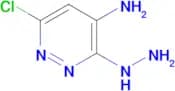
CAS:Formula:C7H12Cl2N2OPurity:98%Color and Shape:Solid, PowderMolecular weight:211.096-Chloro-3-hydrazinylpyridazin-4-amine
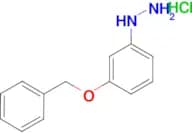
CAS:Formula:C4H6ClN5Purity:95%Color and Shape:SolidMolecular weight:159.58Benzyloxy-phenyl)-hydrazine hydrochloride
CAS:Formula:C13H15ClN2OPurity:97.0%Color and Shape:SolidMolecular weight:250.73Isopropyl 2-(4-methoxy-[1,1′-biphenyl]-3-yl)hydrazinecarboxylate
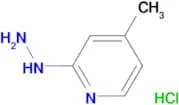
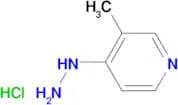
CAS:Formula:C17H20N2O3Purity:95.0%Molecular weight:300.3584-Hydrazino-3-methylpyridine hydrochloride
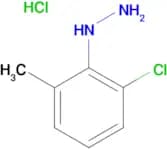
CAS:Formula:C6H10ClN3Purity:98%Color and Shape:SolidMolecular weight:159.62(2-Chloro-6-methyl-phenyl)-hydrazine; hydrochloride
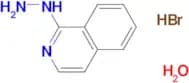
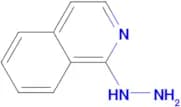
CAS:Formula:C7H10Cl2N2Purity:95.0%Molecular weight:193.071-hydrazinoisoquinoline hydrobromide hydrate
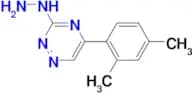
CAS:Formula:C9H12BrN3OPurity:95.0%Molecular weight:258.1195-(2,4-Dimethylphenyl)-3-hydrazino-1,2,4-triazine
CAS:Formula:C11H13N5Purity:95.0%Molecular weight:215.262-HYDRAZINO-5-METHYL-PYRIDINE HCL
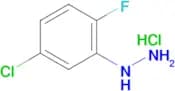
CAS:Formula:C6H10ClN3Purity:97%Color and Shape:Liquid, No data available.Molecular weight:159.625-Chloro-2-fluorophenylhydrazine hydrochloride
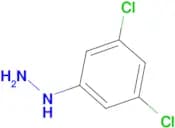
CAS:Formula:C6H7Cl2FN2Purity:95%Color and Shape:SolidMolecular weight:197.033,5-Dichlorophenylhydrazine
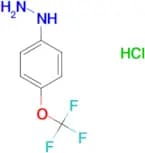
CAS:Formula:C6H6Cl2N2Purity:98.0%Color and Shape:Yellow solidMolecular weight:177.034-(Trifluoromethoxy)phenylhydrazine hydrochloride
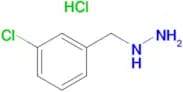
CAS:Formula:C7H8ClF3N2OPurity:95%Color and Shape:Solid, White to off-white solidMolecular weight:228.6(3-Chlorobenzyl)hydrazine hydrochloride
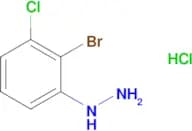
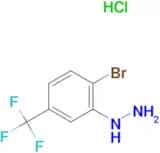
CAS:Formula:C7H10Cl2N2Purity:95%Color and Shape:SolidMolecular weight:193.072-Bromo-5-(trifluoromethyl)phenylhydrazine hydrochloride
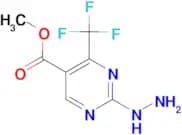
CAS:Formula:C7H7BrClF3N2Purity:>95%Color and Shape:SolidMolecular weight:291.55-(Methoxycarbonyl)-4-(trifluoromethyl)pyrimidine-2-hydrazine
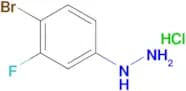
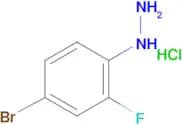
CAS:Formula:C7H7F3N4O2Purity:95.0%Color and Shape:SolidMolecular weight:236.154(4-Bromo-2-fluorophenyl)hydrazine hydrochloride
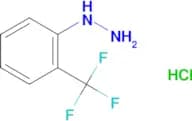
CAS:Formula:C6H7BrClFN2Purity:97%Color and Shape:SolidMolecular weight:241.492-(Trifluoromethyl)phenylhydrazine hydrochloride
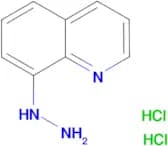
CAS:Formula:C7H8ClF3N2Purity:98%Color and Shape:SolidMolecular weight:212.68-Hydrazinoquinoline dihydrochloride
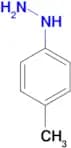
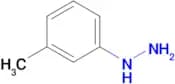
CAS:Formula:C9H11Cl2N3Purity:95.0%Color and Shape:SolidMolecular weight:232.11m-Tolylhydrazine
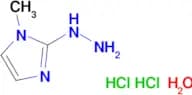
CAS:Formula:C7H10N2Purity:97%Color and Shape:No data available.Molecular weight:122.1712-hydrazino-1-methyl-1H-imidazole dihydrochloride hydrate
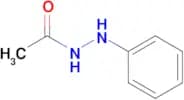
Formula:C4H12Cl2N4OPurity:95.0%Molecular weight:203.07N’-Phenylacetohydrazide
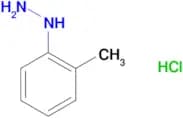
CAS:Formula:C8H10N2OPurity:95%Color and Shape:No data available.Molecular weight:150.181o-Tolylhydrazine hydrochloride
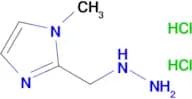
CAS:Formula:C7H11ClN2Purity:97%Color and Shape:Light brown crystallineMolecular weight:158.632-(HYDRAZINYLMETHYL)-1-METHYL-1H-IMIDAZOLE 2HCL
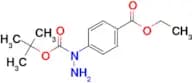
CAS:Formula:C5H12Cl2N4Purity:95.0%Molecular weight:199.084-(N-TERT-BUTOXYCARBONYLHYDRAZINO)BENZOIC ACID ETHYL ESTER
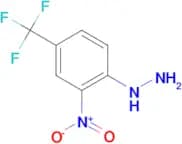
CAS:Formula:C14H20N2O4Purity:95.0%Molecular weight:280.324(2-Nitro-4-trifluoromethyl-phenyl)-hydrazine
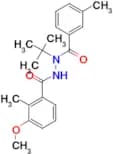
CAS:Formula:C7H6F3N3O2Purity:95.0%Color and Shape:SolidMolecular weight:221.139N’-(TERT-BUTYL)-3-METHOXY-2-METHYL-N’-(3-METHYLBENZOYL)BENZOHYDRAZIDE
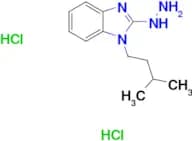
CAS:Formula:C21H26N2O3Purity:95.0%Molecular weight:354.452-hydrazino-1-(3-methylbutyl)-1H-benzimidazole dihydrochloride
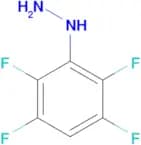
CAS:Formula:C12H20Cl2N4Purity:95.0%Molecular weight:291.222,3,5,6-Tetrafluorophenylhydrazine
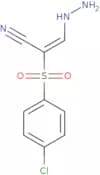
CAS:Formula:C6H4F4N2Purity:97.0%Color and Shape:SolidMolecular weight:180.1062-((4-Chlorophenyl)sulfonyl)-3-hydrazinoprop-2-enenitrile
CAS:<p>Please enquire for more information about 2-((4-Chlorophenyl)sulfonyl)-3-hydrazinoprop-2-enenitrile including the price, delivery time and more detailed product information at the technical inquiry form on this page</p>Formula:C9H8ClN3O2SPurity:Min. 95%Color and Shape:PowderMolecular weight:257.7 g/molN-[3-(trifluoromethyl)phenyl]-1-hydrazinecarboxamide
CAS:<p>Please enquire for more information about N-[3-(trifluoromethyl)phenyl]-1-hydrazinecarboxamide including the price, delivery time and more detailed product information at the technical inquiry form on this page</p>Purity:Min. 95%1-methyl-N-[3-(trifluoromethyl)phenyl]-1-hydrazinecarbothioamide
CAS:<p>Please enquire for more information about 1-methyl-N-[3-(trifluoromethyl)phenyl]-1-hydrazinecarbothioamide including the price, delivery time and more detailed product information at the technical inquiry form on this page</p>Purity:Min. 95%[4-(2,2,3,3-tetrafluoropropoxy)phenyl]hydrazine Hydrochloride
CAS:Controlled ProductFormula:C9H10F4N2O·HClColor and Shape:NeatMolecular weight:274.643[4-(Difluoromethoxy)phenyl]hydrazine
CAS:Controlled Product<p>Applications [4-(Difluoromethoxy)phenyl]hydrazine is used as a reagent in the synthesis of dihydropyrazolopyridinones as functionally selective benzodiazepine binding site ligands on the GABAA receptor.<br>References Mitchinson, A., et al.: Bioorg. Med. Chem. Lett., 14, 3441 (2004)<br></p>Formula:C7H8F2N2OColor and Shape:NeatMolecular weight:174.148[3-(Trifluoromethyl)cyclohexyl]hydrazine Hydrochloride
CAS:Controlled ProductFormula:C7H13F3N2•HClColor and Shape:NeatMolecular weight:182.19+(36.46)[S-(R*,R*)]-2-[1-ethyl-2-(phenylmethoxy)propyl]-1,1-dimethylethyl Ester Hydrazinecarboxylic Acid
CAS:Controlled ProductFormula:C17H28N2O3Color and Shape:NeatMolecular weight:308.416Methyl 2-Chloro-5-hydrazinylbenzoate
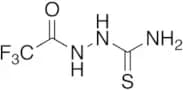
CAS:Controlled ProductFormula:C8H9ClN2O2Color and Shape:NeatMolecular weight:200.622N-Trifluoroacetyl-N’-thioformamidohydrazine
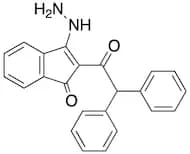
CAS:Controlled Product<p>Applications N-Trifluoroacetyl-N’-thioformamidohydrazine (cas# 51321-51-8) is a compound useful in organic synthesis.<br></p>Formula:C3H4F3N3OSColor and Shape:NeatMolecular weight:187.142-(diphenylacetyl)-3-hydrazino-1H-Inden-1-one
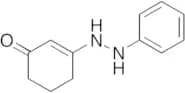
CAS:Controlled Product<p>Applications 2-(diphenylacetyl)-3-hydrazino-1H-Inden-1-one is a useful chemical reagent.<br></p>Formula:C23H18N2O2Color and Shape:NeatMolecular weight:354.4013-(2-Phenylhydrazino)-2-cyclohexen-1-one
CAS:Controlled ProductFormula:C12H14N2OColor and Shape:NeatMolecular weight:202.252[4-(2,2,2-Trifluoroethoxy)phenyl]hydrazine Hydrochloride
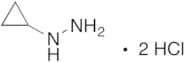
CAS:Controlled ProductFormula:C8H9F3N2O·HClColor and Shape:NeatMolecular weight:242.626Cyclopropylhydrazine Dihydrochloride
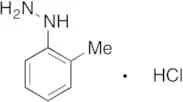
CAS:Controlled Product<p>Applications Cyclopropylhydrazine Dihydrochloride, is a building block used in preparation of more complex compound.<br></p>Formula:C3H8N2·2HClColor and Shape:NeatMolecular weight:108.04543o-Tolylhydrazine Hydrochloride
CAS:Controlled Product<p>Applications o-Tolylhydrazine Hydrochloride is a reagent used in the organic syntheses such as opioid receptor antagonists as well as adenosine receptor antagonists as well as adenosine receptor antagonists.<br>References Colotta, V. et al.: J. Med. Chem., 43, 3118 (2000); Portoghese, P. et al.: J. Med. Chem., 33, 1714 (1990);<br></p>Formula:C7H11ClN2Color and Shape:NeatMolecular weight:158.63[5-Chloro-2-(cyclopentylmethyl)phenyl]-hydrazine
CAS:Controlled ProductFormula:C12H17ClN2Color and Shape:NeatMolecular weight:224.73[2-(Trifluoromethyl)cyclopentyl]hydrazine Hydrochloride
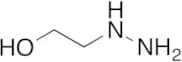
CAS:Controlled ProductFormula:C6H11F3N2•HClColor and Shape:NeatMolecular weight:168.16+(36.46)2-Hydroxyethylhydrazine
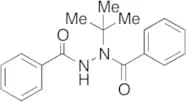
CAS:Controlled Product<p>Stability Not determined<br>Applications 2-Hydroxyethylhydrazine is a reagent that is used in the preparation of dichlorophenoxymethyl-substituted pyrazolones and analogs as neuroprotectors against cytoxicity from protein aggregation of mutant superoxide dismutase 1.<br> Not a dangerous good if item is equal to or less than 1g/ml and there is less than 100g/ml in the package<br>References Trippier, P. C., et al.: Bioorg. Med. Chem. Lett., 22, 6647 (2012); Rothstein, J., et al.: Anal. Nuerol, 65, S3 (2009)<br></p>Formula:C2H8N2OColor and Shape:NeatMolecular weight:76.101,2-Dibenzoyl-1-(tert-butyl)hydrazine
CAS:Controlled ProductFormula:C18H20N2O2Color and Shape:NeatMolecular weight:296.36Hydrazine Sulfate Salt
CAS:Controlled Product<p>Applications Hydrazine Sulfate Salt is a reagent used in the heterocyclization of primary amines and may be cyclized itself. It is also used in the synthesis of novel triazole corrosion inhibitors for mild steel.<br> Not a dangerous good if item is equal to or less than 1g/ml and there is less than 100g/ml in the package<br>References Bentiss, F. et al.: J. App. Electrochem., 29, 1073 (1999); Ju, Y. et al.: J. Org. Chem., 71, 135 (2006);<br></p>Formula:H2O4S·H4N2Color and Shape:Off-WhiteMolecular weight:130.12[5-Chloro-2-(cyclopropylmethyl)phenyl]-hydrazine
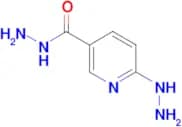
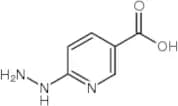
CAS:Controlled ProductFormula:C10H13ClN2Color and Shape:NeatMolecular weight:196.6776-Hydrazinonicotinic acid
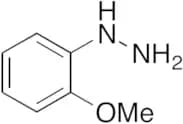
CAS:Controlled Product<p>Applications 6-Hydrazinonicotinic acid<br></p>Formula:C6H7N3O2Color and Shape:NeatMolecular weight:153.14o-Anisylhydrazine
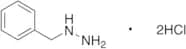
CAS:Controlled Product<p>Applications o-Anisylhydrazine, can be used as an intermediate in the synthesis of biologically active compounds, such as 1,2,4-trisubstituted imidazoles and 1,3,5-trisubstituted pyrazoles as inhibitors of transforming growth factor β type 1 receptor (ALK5).<br>References Xingzhou,L. et al.: Bio. Med. Chem. Lett., 19, 4868 (2009);<br></p>Formula:C7H10N2OColor and Shape:NeatMolecular weight:138.167Benzylhydrazine Dihydrochloride
CAS:Controlled ProductFormula:C7H10N2·2HClColor and Shape:NeatMolecular weight:122.16 + 2 (36.46)[2-(Trifluoromethyl)cyclohexyl]hydrazine Hydrochloride
CAS:Controlled ProductFormula:C7H13F3N2•HClColor and Shape:NeatMolecular weight:182.19+(36.46)[2-[4-(Trifluoromethyl)phenyl]ethyl]-hydrazine Sulfate
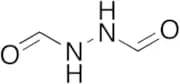
CAS:Controlled ProductFormula:C9H11F3N2•H2O4SColor and Shape:NeatMolecular weight:302.271,2-Diformylhydrazine
CAS:Controlled Product<p>Applications 1,2-Diformylhydrazine as a bidentate ligand forms 1:1 metal to ligand complexes with transition metals Mn, Zn and Ni. It combines with iron (II) and iron(III) in alkaline conditions to a complex of an intense red-purple color making it a useful reagent in spectrophotometric analysis of iron(II) and iron(III). It was observed that mice were more likely to develop lung tumor when administered 1,2-Diformylhydrazine as a 2% solution.<br>References Nagabhushana, B., et al.: Anal. Bioanal. Chem., 373, 299 (2002); Bhargavi, G., et al.: P. Indian As-chem. Sci., 115, 23 (2003); Toth, B., Z. Krebsforsch. Klin. O., 92, 11 (1978);<br></p>Formula:C2H4N2O2Color and Shape:NeatMolecular weight:88.071,2-Bis(4-pyridyl)hydrazine
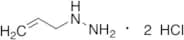
CAS:Controlled Product<p>Applications 1,2-Bis(4-pyridyl)hydrazine is used in the synthesis of a novel Zn(II) coordination polymer.<br>References Wang, H. et al.: Can. J. Chem., 90, 100 (2012); Guo, J. et al.: Inorg. Chem. Comm., 45, 108 (2014);<br></p>Formula:C10H10N4Color and Shape:NeatMolecular weight:186.21Allylhydrazine Dihydrochloride
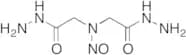
CAS:Controlled Product<p>Applications ALLYLHYDRAZINE DIHYDROCHLORIDE (cas# 70629-62-8) is a useful research chemical.<br></p>Formula:C3H8N2·2HClColor and Shape:NeatMolecular weight:72.11 + 2(36.46)N-Nitroso-2,2’-iminodiacetohydrazide (~80%)
CAS:Controlled Product<p>Applications N-Nitroso-2,2’-iminodiacetohydrazide (~80%) is a useful research chemical, a potential anticancer compound.<br>References Zimmer, H., et al.: Ohio J. Sci., 59, 327 (1959)<br></p>Formula:C4H10N6O3Purity:~80%Color and Shape:NeatMolecular weight:190.16[3-(Trifluoromethyl)cyclopentyl]hydrazine Hydrochloride
CAS:Controlled ProductFormula:C6H11F3N2•HClColor and Shape:NeatMolecular weight:168.16+(36.46)[4-(2,2,3,3,3-pentafluoropropoxy)phenyl]hydrazine Hydrochloride
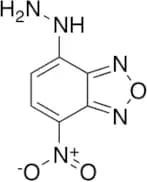
CAS:Controlled ProductFormula:C10H13N3O3Color and Shape:NeatMolecular weight:223.2284-Hydrazino-7-nitrobenzofurazane
CAS:Controlled Product<p>Applications 4-Hydrazino-7-nitrobenzofurazane (cas# 90421-78-6) is a useful research chemical.<br></p>Formula:C6H5N5O3Color and Shape:NeatMolecular weight:195.136[4-(Trifluoromethyl)cyclohexyl]hydrazine Hydrochloride
CAS:Controlled ProductFormula:C7H13F3N2•HClColor and Shape:NeatMolecular weight:182.19+(36.46)2-Fluoro-5-hydrazinylpyridine
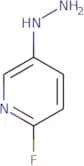
CAS:<p>Please enquire for more information about 2-Fluoro-5-hydrazinylpyridine including the price, delivery time and more detailed product information at the technical inquiry form on this page</p>Formula:C5H6FN3Purity:Min. 95%Molecular weight:127.12 g/mol4-Nitrophenylhydrazine hydrochloride
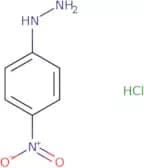
CAS:<p>4-Nitrophenylhydrazine hydrochloride is an organic compound that belongs to the class of hydrazines. It is a colorless solid that has a melting point of 202-204 °C. 4-Nitrophenylhydrazine hydrochloride is used in the synthesis of other compounds, such as trifluoroacetic acid and nucleophilic compounds. The chemical structure can be analyzed using nuclear magnetic resonance (NMR) spectroscopy, which shows that this compound contains amines and nitro groups. 4-Nitrophenylhydrazine hydrochloride is also soluble in water due to its acidic nature. This compound reacts with bases and alcohols to form salts, such as monosodium salt.</p>Formula:C6H7N3O2·HClPurity:Min. 95%Color and Shape:PowderMolecular weight:189.6 g/mol(1,1-Dioxidotetrahydro-3-thienyl)hydrazine hydrochloride
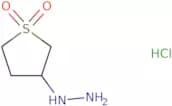
CAS:<p>Please enquire for more information about (1,1-Dioxidotetrahydro-3-thienyl)hydrazine hydrochloride including the price, delivery time and more detailed product information at the technical inquiry form on this page</p>Formula:C4H10N2O2SPurity:Min. 95%Molecular weight:150.2 g/mol1-(2-Phthalazin-1-ylhydrazino)phthalazine
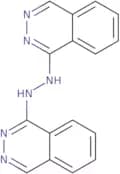
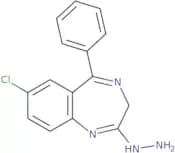
CAS:<p>1-(2-Phthalazin-1-ylhydrazino)phthalazine is a chromatographic method for the separation of hydralazine from hydralazine hydrochloride. The method is based on the formation of a dimer between the two compounds. The parameters were optimized to provide linearity, runtime, and injected volume. This preparative method has been validated and postulated as an efficient way to separate these two drugs. The liquid chromatography was validated using bulk drug samples.</p>Formula:C16H12N6Purity:Min. 95%Molecular weight:288.31 g/mol7-Chloro-2-hydrazino-5-phenyl-3H-1,4-benzodiazepine
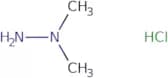
CAS:Controlled Product<p>7-Chloro-2-hydrazino-5-phenyl-3H-1,4-benzodiazepine is a metabolically stable benzodiazepine that binds to the benzodiazepine receptor. It has been shown to have a higher affinity for this receptor than alprazolam and other related compounds. 7-Chloro-2-hydrazino-5-phenyl-3H-1,4-benzodiazepine has been used as an active ingredient in a number of pesticide products that are used against termites and ants. This compound has also been found to be an effective insecticide against mosquitoes. 7C2HDBZ has been shown to be stable in the environment and is not readily degraded by hydrolysis or pyrolysis.</p>Formula:C15H13ClN4Purity:Min. 95%Molecular weight:284.74 g/mol1,1-DimethylhydrazineHCl
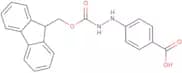
CAS:Controlled Product<p>1,1-DimethylhydrazineHCl is a drug that inhibits the growth of cancer cells. It is an inhibitor drug for CDK4 and CDK6, which are enzymes essential for DNA replication. 1,1-DimethylhydrazineHCl has been shown to inhibit the growth of cervical cancer cells in mice by inhibiting the epidermal growth factor receptor (EGFR). This inhibition prevents the activation of EGFR and subsequent downstream signaling pathways. 1,1-DimethylhydrazineHCl also inhibits HIV infection by inhibiting viral reverse transcriptase activity. This inhibition prevents the synthesis of viral DNA, which is required for viral replication.</p>Formula:C2H9ClN2Purity:Min. 95%Molecular weight:96.56 g/molFmoc-4-hydrazinobenzoic acid
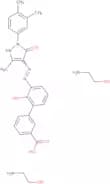
CAS:<p>Please enquire for more information about Fmoc-4-hydrazinobenzoic acid including the price, delivery time and more detailed product information at the technical inquiry form on this page</p>Formula:C22H18N2O4Purity:Min. 95%Molecular weight:374.39 g/molEltrombopag olamine
CAS:<p>Eltrombopag olamine is an orally active drug that belongs to the class of thiazolidinones. It has been used for the treatment of thrombocytopenia in patients with chronic liver disease and myelodysplastic syndrome. Eltrombopag olamine inhibits platelet aggregation by binding to glycoprotein IIb/IIIa receptors on the surface of platelets. The drug is a prodrug that is metabolized in vivo to its active form, eltrombopag. This conversion is catalysed by CYP3A4 and CYP2D6 enzymes and can be inhibited by drugs that inhibit these enzymes, such as trifluoroacetic acid and hydroxyl group-containing compounds. Eltrombopag olamine binds to erythrocytes, which may be due to its ability to form intramolecular hydrogen bonds with nitrogen atoms. The synthesis of elt</p>Formula:C25H22N4O4•(C2H7NO)2Purity:Min. 95%Color and Shape:PowderMolecular weight:564.63 g/mol1,2-Diphenylhydrazine
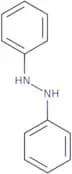
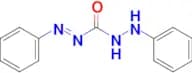
CAS:<p>1,2-Diphenylhydrazine is an organic compound that is used as an antimicrobial agent. It has a typical chemical structure with a phenyl and hydrazine group. The hydrazine group can be substituted with other functional groups to produce different derivatives. 1,2-Diphenylhydrazine is synthesized by the reaction of phenyldiazonium chloride and benzene in the presence of hydrochloric acid. This reaction produces azobenzene as a byproduct, which reacts with hydrazine to form 1,2-diphenylhydrazine. The synthesis of 1,2-diphenylhydrazine occurs through two main mechanisms: 1) A nucleophilic substitution mechanism involving the attack of hydroxide ion on the carbonyl group of azobenzene followed by addition of hydrazine to form intermediate B and subsequent decomposition to form 1,2-diphenyl</p>Formula:C12H12N2Purity:Min. 95%Molecular weight:184.24 g/mol4-(Methylsulfonyl)phenylhydrazine hydrochloride
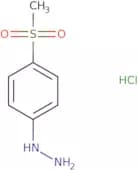
CAS:<p>4-(Methylsulfonyl)phenylhydrazine hydrochloride is a sulfone that is used as a radiopharmaceutical agent. It can be used in the diagnosis of Alzheimer's disease and other neurodegenerative diseases. 4-(Methylsulfonyl)phenylhydrazine hydrochloride binds to carbonic anhydrase I and II, which are membrane-bound enzymes that catalyze the reversible hydration of carbon dioxide. This inhibition leads to increased blood pressure and decreased production of platelets, which can lead to thrombocytopenia. The inhibitory potency of 4-(methylsulfonyl)phenylhydrazine hydrochloride on Cox-1 and Cox-2 has been shown to be similar to that of aspirin, but it is more selective for Cox-2.</p>Formula:C7H10N2O2S•HClPurity:Min. 95%Color and Shape:PowderMolecular weight:222.69 g/mol(2-Chlorobenzyl)hydrazine dihydrochloride
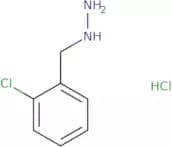
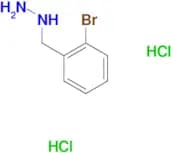
CAS:<p>Please enquire for more information about (2-Chlorobenzyl)hydrazine dihydrochloride including the price, delivery time and more detailed product information at the technical inquiry form on this page</p>Formula:C7H9ClN2Purity:Min. 95%Molecular weight:156.61 g/mol1-Methyl-1-phenylhydrazine
CAS:<p>1-Methyl-1-phenylhydrazine (MPH) is a chemical crosslinking agent that has been shown to be an efficient method for the production of hydrogels. It is a fast and efficient method for the production of hydrogels, which are three dimensional networks of macromolecules that form strong gels. MPH can react with aminosulfonyl groups on proteins to form a covalent bond, which leads to the formation of stable cross-links in hydrogels. It also has been shown to have immunosuppressive effects and may be used as an active substance in autoimmune diseases.</p>Formula:C7H10N2Purity:Min. 95.0%Molecular weight:122.17 g/molN'-(1-Methylazepan-4-yl)benzohydrazine
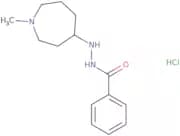
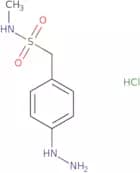
CAS:<p>Please enquire for more information about N'-(1-Methylazepan-4-yl)benzohydrazine including the price, delivery time and more detailed product information at the technical inquiry form on this page</p>Formula:C14H22ClN3OPurity:Min. 95%Molecular weight:283.8 g/mol4-Hydrazino-N-methyl benzene methanesulfonamide, hydrochloride (1:1)
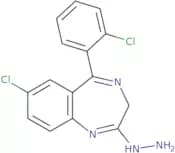
CAS:<p>Please enquire for more information about 4-Hydrazino-N-methyl benzene methanesulfonamide, hydrochloride (1:1) including the price, delivery time and more detailed product information at the technical inquiry form on this page</p>Formula:C8H14ClN3O2SPurity:Min. 95%Molecular weight:251.73 g/mol7-Chloro-5-(2-chlorophenyl)-2-hydrazinyl-3H-1,4-benzodiazepine
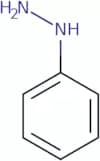
CAS:Controlled Product<p>Please enquire for more information about 7-Chloro-5-(2-chlorophenyl)-2-hydrazinyl-3H-1,4-benzodiazepine including the price, delivery time and more detailed product information at the technical inquiry form on this page</p>Formula:C15H12Cl2N4Purity:Min. 95%Molecular weight:319.19 g/molPhenyl Hydrazine
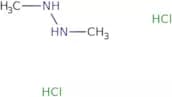
CAS:<p>Phenyl hydrazine is a chemical reagent that is used in biological studies. It is an antimicrobial agent that has been shown to inhibit the growth of Gram-positive and Gram-negative bacteria, including Mycobacterium tuberculosis, Staphylococcus aureus and Klebsiella pneumoniae. Phenylhydrazine can be used as an iron chelator in wastewater treatment, where it removes excess iron from water. The optimum concentration of phenylhydrazine can be determined by using fluorescence probes to measure the cell nuclei of mammalian cells. Phenylhydrazine is also used in electrochemical impedance spectroscopy to measure the oxidative injury of human serum.</p>Formula:C6H8N2Purity:Min. 95%Color and Shape:Colourless To Yellow To Light Brown LiquidMolecular weight:108.14 g/molN,N'-Dimethylhydrazine dihydrochloride
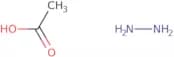
CAS:Controlled Product<p>N,N'-Dimethylhydrazine dihydrochloride (DMHD) is a nonsteroidal anti-inflammatory drug that inhibits the production of prostaglandins by blocking cyclooxygenase-2 (COX-2). It works by inhibiting tumor growth and inducing apoptosis. DMHD has been shown to inhibit angiogenesis and induce apoptosis in liver cells. DMHD also inhibits the mitochondrial membrane potential, which is important for regulating cell function. The molecular docking analysis has shown that DMHD binds to COX-2 protein with high affinity and specificity. DMHD also inhibits fatty acid synthesis, which may be due to its inhibition of mitochondrial beta-oxidation enzymes. DMHD has been shown to have toxic effects on colon cells in rats. This agent can cause damage to the colon lining through a number of mechanisms, including causing DNA damage and increasing oxidative stress.</p>Formula:C2H8N2Purity:Min. 95%Molecular weight:60.1 g/molHydrazine acetate
CAS:Controlled Product<p>Hydrazine acetate is an organic solution that has a glycoconjugate. It is also found in uridine, hydrogen bond and serine protease. Hydrazine acetate has been shown to have a benzyl group and carbonyl group. Hydrazine acetate interacts with trifluoroacetic acid and particle. This drug can be used for the treatment of autoimmune diseases, such as rheumatoid arthritis, and infectious diseases such as HIV/AIDS. Hydrazine acetate has shown high values for growth factor activity, which may be due to its ability to inhibit the enzyme ns3 protease in the synthesis of proinflammatory cytokines.</p>Formula:C2H4O2·H4N2Purity:Min. 95%Color and Shape:White PowderMolecular weight:92.1 g/mol5-Fluoro-2-hydrazinopyridine
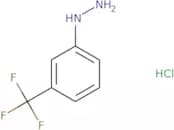
CAS:<p>Please enquire for more information about 5-Fluoro-2-hydrazinopyridine including the price, delivery time and more detailed product information at the technical inquiry form on this page</p>Formula:C5H6FN3Purity:Min. 95%Molecular weight:127.12 g/mol3-Trifluoromethyl phenylhydrazine hydrochloride
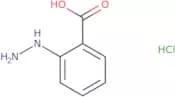
CAS:<p>3-Trifluoromethyl phenylhydrazine HCl is a fine chemical that can be used as a versatile building block in the synthesis of complex compounds. It has been shown to be a useful intermediate for the preparation of research chemicals, reaction components and speciality chemicals. 3-Trifluoromethyl phenylhydrazine HCl belongs to CAS No. 3107-33-3 and can be used as a reagent in organic synthesis. The compound is high quality with a purity of over 99%.</p>Formula:C7H8ClF3N2Purity:Min. 95%Color and Shape:PowderMolecular weight:212.6 g/mol2-Hydrazinobenzoic acid hydrochloride - technical grade
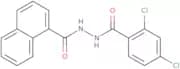
CAS:<p>2-Hydrazinobenzoic acid hydrochloride is a synthetic compound that can be used as a ligand or substrate for the polymerase. It has been shown to interact with the NS5B polymerase, which is involved in viral replication and drug resistance. 2-Hydrazinobenzoic acid hydrochloride also produces reduction products and luminescence when combined with chloride. The luminescence is thought to be due to an interaction with the nucleophilic carbonyl group of 2-hydrazinobenzoic acid hydrochloride and a nucleophilic attack on the carbonyl oxygen atom by chloride ions. This reaction produces blue light at around 470 nm.</p>Formula:C7H8N2O2·xHClPurity:(%) Min. 60%Color and Shape:PowderMolecular weight:188.61 g/mol1-(2,4-Dichlorobenzoyl)-2-(1-naphthoyl)hydrazine
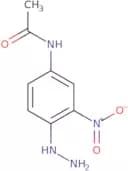
CAS:<p>Please enquire for more information about 1-(2,4-Dichlorobenzoyl)-2-(1-naphthoyl)hydrazine including the price, delivery time and more detailed product information at the technical inquiry form on this page</p>Formula:C18H12Cl2N2O2Purity:Min. 95%Molecular weight:359.21 g/mol4-Hydrazino-3-nitroacetanilide
CAS:<p>4-Hydrazino-3-nitroacetanilide is a high quality reagent that can be used as an intermediate in the preparation of complex compounds. It is also a useful building block for the synthesis of fine chemicals, providing a versatile scaffold for chemical reactions. 4-Hydrazino-3-nitroacetanilide has been shown to react with various amines to produce useful products. This product is a speciality chemical and research chemicals, which is useful in the production of other substances.</p>Formula:C8H10N4O3Purity:Min. 95%Color and Shape:PowderMolecular weight:210.19 g/mol2-Ethylphenylhydrazine hydrochloride
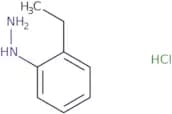
CAS:<p>2-Ethylphenylhydrazine hydrochloride is a diazonium salt that catalyzes the reaction of nitrite with acetonitrile to produce an organic solvent. This organic solvent can be used in the production of various products, such as anti-inflammatory drugs, which are generally made from organic solvents. 2-Ethylphenylhydrazine hydrochloride is not a non-steroidal drug, but it does have anti-inflammatory properties. The impurities in this product are mainly hydrochloric acid and 2-ethylphenol.</p>Formula:C8H12N2•HClPurity:Min. 95%Molecular weight:172.66 g/mol1-(Chloroacetyl)-2-(trifluoroacetyl)hydrazine
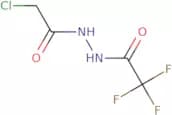
CAS:<p>Please enquire for more information about 1-(Chloroacetyl)-2-(trifluoroacetyl)hydrazine including the price, delivery time and more detailed product information at the technical inquiry form on this page</p>Formula:C4H4ClF3N2O2Purity:Min. 95 Area-%Color and Shape:White PowderMolecular weight:204.53 g/mol4-(Fmoc-hydrazino)-benzoylaminomethyl resin (200-400 mesh)
<p>Please enquire for more information about 4-(Fmoc-hydrazino)-benzoylaminomethyl resin (200-400 mesh) including the price, delivery time and more detailed product information at the technical inquiry form on this page</p>Purity:Min. 95%4-Isopropylphenylhydrazine hydrochloride
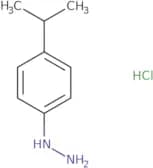
CAS:<p>4-Isopropylphenylhydrazine, hydrochloride (IPH) is a chemical compound that has been shown to induce rearrangements in the indolenines. IPH can also be used as a nucleophile. IPH is regioselective and stereoselective for the indole ring system. It has shown to react with nucleophiles such as alcohols, amines, and thiols.</p>Formula:C9H14N2•HClPurity:Min. 95%Color and Shape:PowderMolecular weight:186.68 g/mol1,2-Diacetylhydrazine
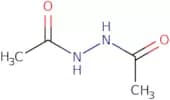
CAS:<p>1,2-Diacetylhydrazine (DAH) is a chemical used as an herbicide. It inhibits the enzyme hydrazine acetyltransferase in plants, which is required for the biosynthesis of nicotinic acid and nicotinamide adenine dinucleotide. DAH also inhibits the liver enzyme fatty acid synthase, which is responsible for synthesizing fatty acids from acetyl-CoA and malonyl-CoA. This inhibition leads to an accumulation of hydrogen bond, protocatechuic acid, and hydrochloric acid in plasma samples. The structural analysis of DAH has been done by NMR spectroscopy and X-ray crystallography. It has been found that DAH contains a hydroxyl group at position C1’ and three nitrogen atoms at positions C3’, C4’, and C5’. DAH can also produce drug interactions with isoniazid by inhibiting its metabolism</p>Formula:C4H8N2O2Molecular weight:116.12 g/mol3-Fluorophenylhydrazine hydrochloride
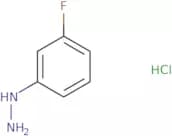
CAS:<p>3-Fluorophenylhydrazine HCl is a high quality, versatile building block that is useful for the synthesis of complex compounds. It can be used as a reactant or reagent in research and development projects. 3-Fluorophenylhydrazine HCl is also an important intermediate for the synthesis of fine chemicals and speciality chemicals, such as pharmaceuticals and pesticides. This chemical can be used as a building block to create various products, including pharmaceuticals, pesticides, and dyes. 3-Fluorophenylhydrazine HCl has been shown to react with anilines to produce tertiary amines.</p>Formula:C6H8ClFN2Purity:Min. 95%Color and Shape:PowderMolecular weight:162.59 g/mol2-Hydroxyethyl hydrazine
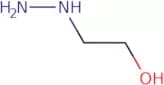
CAS:<p>2-Hydroxyethyl hydrazine is a plant hormone that is synthesized from ethanolamine and hydrazine. It has a pyrazole ring, which acts as the central heterocyclic structure in this molecule. 2-Hydroxyethyl hydrazine is relatively stable in water, but it will decompose at higher temperatures. The ph optimum for 2-hydroxyethyl hydrazine is between 4 and 8. This compound can be found in model systems such as plants and fungi. The x-ray data indicates that 2-hydroxyethyl hydrazine has coordination geometry of D2O2 (2 molecules) with a bond length of 1.8 Å. Synthesis methods for this chemical include hydrochloric acid, inorganic acid, or oxidation by sodium hypochlorite. Pharmacological agents that activate this chemical include activation energies of 100 to 250 kilocalories per mole (kcal/mol).</p>Formula:C2H8N2OPurity:Min. 97.0 Area-%Color and Shape:Colorless Clear LiquidMolecular weight:76.1 g/mol4-(2'-N-Boc-hydrazino)benzoic acid
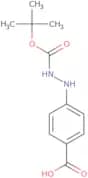
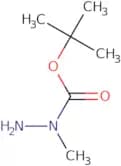
CAS:<p>Please enquire for more information about 4-(2'-N-Boc-hydrazino)benzoic acid including the price, delivery time and more detailed product information at the technical inquiry form on this page</p>Formula:C12H16N2O4Purity:Min. 95%Molecular weight:252.27 g/mol1-Boc-1-methylhydrazine
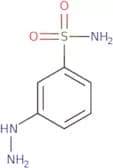
CAS:<p>1-Boc-1-methylhydrazine is a molecule that is used as a chemical intermediate for pharmaceuticals. It has been shown to inhibit the proteasome pathway by targeting the ubiquitin-proteasome system, which is involved in protein degradation and cell growth regulation. 1-Boc-1-methylhydrazine has synergistic effects when combined with other inhibitors of the ubiquitin proteasome system, such as anamorelin. It was found to be effective at inhibiting the growth of k562 cells but not normal cells, suggesting that it may have therapeutic applications for inflammatory bowel disease.</p>Formula:C6H14N2O2Purity:Min. 95%Molecular weight:146.19 g/molBenzenesulfonamide,3-hydrazino-
CAS:<p>Please enquire for more information about Benzenesulfonamide,3-hydrazino- including the price, delivery time and more detailed product information at the technical inquiry form on this page</p>Formula:C6H9N3O2SPurity:Min. 95%Molecular weight:187.22 g/molRef: 4Z-H-055002
Discontinued productRef: 4Z-H-055011
Discontinued productRef: 4Z-P-10309
Discontinued productRef: 4Z-P-10304
Discontinued productRef: 4Z-P-10312
Discontinued product2-Fluoroacetaldehyde 2,4-Dinitrophenylhydrazone
CAS:Formula:C8H7FN4O4Color and Shape:Off-White SolidMolecular weight:242.17Ref: 4Z-P-10303
Discontinued productRef: 4Z-H-055015
Discontinued productRef: 4Z-H-055001
Discontinued productRef: 4Z-H-055010
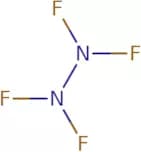
Discontinued productTetrafluorohydrazine
CAS:Controlled Product<p>Tetrafluorohydrazine is a reactive chemical compound that is used as a precursor to other nitrogen-containing compounds. It can be made by reacting hydrochloric acid with hydrogen fluoride and ammonia at high temperatures. The tetrafluorohydrazine molecule is thermodynamically unstable, so it decomposes into the trifluoride anion, dinitrogen gas, and hydrogen fluoride gas. Tetrafluorohydrazine reacts with the difluoride ion to form the difluoramine molecule. This reaction requires a catalyst, such as zinc. Tetrafluorohydrazine has been shown to react with alkenes in the presence of catalysts to produce alcohols or ketones.</p>Formula:F4N2Purity:Min. 95%Molecular weight:104.01 g/molHydrazine monohydrate
CAS:Controlled Product<p>Hydrazine monohydrate is a hydrazine compound that is used in the oxidation of aromatic compounds. Hydrazine monohydrate is composed of a hydrazine skeleton and one hydroxyl group. It can be prepared by reacting hydrochloric acid with ammonium hydroxide, followed by crystallization of the product. Hydrazine monohydrate has been shown to inhibit brain infarction in an animal model, as well as infectious diseases such as tuberculosis and leprosy, due to its ability to inhibit bacterial growth. This compound also has an analytical method, which involves x-ray diffraction data for nitrogen atoms and flow system for x-ray crystal structures.</p>Formula:H4N2·H2OPurity:Min. 95%Color and Shape:PowderMolecular weight:50.06 g/molHydrazine sulfate-15N2
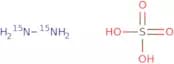
CAS:Controlled Product<p>Hydrazine sulfate-15N2 is a trimethylsilylated hydrazine sulfate. It is used as an intermediate for the synthesis of N-trimethylsilylhydrazines and other trimethylsilylhydrazines. The compound can also be used to prepare glutamine as it reacts with dl-glutamine to form hydroxylamine, which then reacts with hydrogen sulfide to form glutathione. Hydrazine sulfate-15N2 is mainly used as a catalyst in the production of nitric acid from ammonia and oxygen gas.</p>Formula:H4N2·H2O4SPurity:Min. 95%Color and Shape:PowderMolecular weight:132.11 g/molHydrazine sulfate
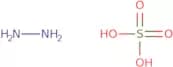
CAS:Controlled Product<p>Hydrazine sulfate is a chemical compound that contains hydrazine and sulfate groups. Hydrazine sulfate is an intermediate in the synthesis of hydrazine, which is a colorless, flammable liquid with a pungent odor. Hydrazine sulfate has been used as an agent to treat liver diseases and cancer. It also has been used to control phosphorus levels in wastewater treatment plants. The carcinogenic effects of hydrazine sulfate are related to its ability to inhibit energy metabolism in cells. Hydrazine sulfate can be used for the treatment of solid tumours that are resistant to other anti-cancer drugs such as doxorubicin or vincristine. Hydrazine sulfate is an acidic, anhydrous solid that can be dissolved in water producing a solution with pH less than 7.</p>Formula:H4N2·H2SO4Purity:Min. 95%Molecular weight:130.12 g/molRef: 3D-FH45360
Discontinued productHydrazine Monohydrobromide
CAS:Controlled Product<p>Hydrazine monohydrobromide is a reactive chemical that is soluble in water and organic solvents. It is a white crystalline solid that exists as polymorphic forms, and has a molecular weight of 121.06. Hydrazine monohydrobromide is an important precursor for the production of other compounds, such as hydrazine sulfate and hydrazine nitrate. It also acts as a pharmacological agent, used to treat heart disease. Hydrazine monohydrobromide reacts with an inorganic acid to produce hydrogen gas and an organic solution containing the reaction products of nitrogen atoms and hydrogen atoms. These particles can be found on metal surfaces such as copper or silver, where they form morphogenetic proteins due to their ability to catalyze reactions.</p>Formula:H4N2·HBrPurity:Min. 95%Molecular weight:112.96 g/molRef: 3D-FH61154
Discontinued product

![[(2-chloro-4-fluorophenyl)methyl]hydrazine dihydrochloride](/_next/image/?url=https%3A%2Fstatic.cymitquimica.com%2Fproducts%2F10%2Fthumb-webp%2FF519063.webp&w=3840&q=75)
![Isopropyl 2-(4-methoxy-[1,1′-biphenyl]-3-yl)hydrazinecarboxylate](/_next/image/?url=https%3A%2Fstatic.cymitquimica.com%2Fproducts%2F10%2Fthumb-webp%2FF243740.webp&w=3840&q=75)

![[(oxan-3-yl)methyl]hydrazine hydrochloride](/_next/image/?url=https%3A%2Fstatic.cymitquimica.com%2Fproducts%2F10%2Fthumb-webp%2FF542082.webp&w=3840&q=75)




![N-[3-(trifluoromethyl)phenyl]-1-hydrazinecarboxamide](/_next/image/?url=https%3A%2Fstatic.cymitquimica.com%2Fproducts%2F3D%2Fthumb-webp%2FFT170046.webp&w=3840&q=75)
![1-methyl-N-[3-(trifluoromethyl)phenyl]-1-hydrazinecarbothioamide](/_next/image/?url=https%3A%2Fstatic.cymitquimica.com%2Fproducts%2F3D%2Fthumb-webp%2FFM168863.webp&w=3840&q=75)
![[4-(2,2,3,3-tetrafluoropropoxy)phenyl]hydrazine Hydrochloride](/_next/image/?url=https%3A%2Fstatic.cymitquimica.com%2Fproducts%2FTR%2Fthumb-webp%2FT292930.webp&w=3840&q=75)

![[4-(Difluoromethoxy)phenyl]hydrazine](/_next/image/?url=https%3A%2Fstatic.cymitquimica.com%2Fproducts%2FTR%2Fthumb-webp%2FD447280.webp&w=3840&q=75)
![[3-(Trifluoromethyl)cyclohexyl]hydrazine Hydrochloride](/_next/image/?url=https%3A%2Fstatic.cymitquimica.com%2Fproducts%2FTR%2Fthumb-webp%2FT791600.webp&w=3840&q=75)
![[S-(R*,R*)]-2-[1-ethyl-2-(phenylmethoxy)propyl]-1,1-dimethylethyl Ester Hydrazinecarboxylic Acid](/_next/image/?url=https%3A%2Fstatic.cymitquimica.com%2Fproducts%2FTR%2Fthumb-webp%2FE677945.webp&w=3840&q=75)

![[4-(2,2,2-Trifluoroethoxy)phenyl]hydrazine Hydrochloride](/_next/image/?url=https%3A%2Fstatic.cymitquimica.com%2Fproducts%2FTR%2Fthumb-webp%2FT790180.webp&w=3840&q=75)
![[5-Chloro-2-(cyclopentylmethyl)phenyl]-hydrazine](/_next/image/?url=https%3A%2Fstatic.cymitquimica.com%2Fproducts%2FTR%2Fthumb-webp%2FC585545.webp&w=3840&q=75)
![[2-(Trifluoromethyl)cyclopentyl]hydrazine Hydrochloride](/_next/image/?url=https%3A%2Fstatic.cymitquimica.com%2Fproducts%2FTR%2Fthumb-webp%2FT791605.webp&w=3840&q=75)

![[5-Chloro-2-(cyclopropylmethyl)phenyl]-hydrazine](/_next/image/?url=https%3A%2Fstatic.cymitquimica.com%2Fproducts%2FTR%2Fthumb-webp%2FC585535.webp&w=3840&q=75)
![[2-(Trifluoromethyl)cyclohexyl]hydrazine Hydrochloride](/_next/image/?url=https%3A%2Fstatic.cymitquimica.com%2Fproducts%2FTR%2Fthumb-webp%2FT791595.webp&w=3840&q=75)
![[2-[4-(Trifluoromethyl)phenyl]ethyl]-hydrazine Sulfate](/_next/image/?url=https%3A%2Fstatic.cymitquimica.com%2Fproducts%2FTR%2Fthumb-webp%2FT791475.webp&w=3840&q=75)

![[3-(Trifluoromethyl)cyclopentyl]hydrazine Hydrochloride](/_next/image/?url=https%3A%2Fstatic.cymitquimica.com%2Fproducts%2FTR%2Fthumb-webp%2FT791610.webp&w=3840&q=75)
![[4-(2,2,3,3,3-pentafluoropropoxy)phenyl]hydrazine Hydrochloride](/_next/image/?url=https%3A%2Fstatic.cymitquimica.com%2Fproducts%2FTR%2Fthumb-webp%2FP270420.webp&w=3840&q=75)
![[4-(Trifluoromethyl)cyclohexyl]hydrazine Hydrochloride](/_next/image/?url=https%3A%2Fstatic.cymitquimica.com%2Fproducts%2FTR%2Fthumb-webp%2FT791585.webp&w=3840&q=75)