Hydrazines
Hydrazines are organic compounds characterized by the presence of a hydrazine group (N2H4). These compounds are used in various chemical reactions, including as intermediates in pharmaceuticals and agrochemicals. At CymitQuimica, we offer a wide selection of high-quality hydrazines to support your research and industrial applications, ensuring reliable and efficient results. Our selection includes hydrazines suitable for a wide range of chemical syntheses and experimental requirements.
Found 1355 products of "Hydrazines"
Sort by
Purity (%)
0
100
|
0
|
50
|
90
|
95
|
100
3-(Trifluoromethyl)phenylhydrazine
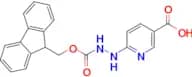
CAS:Formula:C7H7F3N2Purity:>97.0%(GC)(T)Color and Shape:Light orange to Yellow to Green clear liquidMolecular weight:176.146-(2-(((9H-Fluoren-9-yl)methoxy)carbonyl)hydrazinyl)nicotinic acid
CAS:Purity:95.0%Molecular weight:375.38400268554692,4-Dichlorophenylhydrazine Hydrochloride
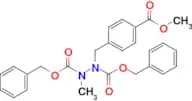
CAS:Formula:C6H6Cl2N2·HClPurity:>98.0%(T)(HPLC)Color and Shape:White to Light yellow to Light orange powder to crystalMolecular weight:213.49Dibenzyl 1-(4-(methoxycarbonyl)benzyl)-2-methylhydrazine-1,2-dicarboxylate
CAS:Purity:98%Molecular weight:462.502014160156251,11-Diaminoundecane
CAS:Formula:C11H26N2Purity:>98.0%(GC)(T)Color and Shape:White to Almost white powder to crystalMolecular weight:186.344-n-Hexylphenylhydrazine hydrochloride
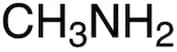
CAS:Formula:C12H21ClN2Purity:95.0%Color and Shape:SolidMolecular weight:228.76Methylamine (ca. 9% in Isopropyl Alcohol, ca. 2mol/L)
CAS:Formula:CH5NColor and Shape:Colorless to Almost colorless clear liquidMolecular weight:31.06Hydrazine Monohydrobromide
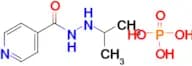
CAS:Formula:H4N2·HBrPurity:>98.0%(T)Color and Shape:White to Almost white powder to crystalMolecular weight:112.96N'-Isopropylisonicotinohydrazide phosphate
CAS:Purity:95.0%Color and Shape:Solid, solidMolecular weight:277.2170104980469[2,6-Dichloro-4-(trifluoromethyl)phenyl]hydrazine
CAS:Formula:C7H5Cl2F3N2Purity:97%Color and Shape:SolidMolecular weight:245.03tert-Butylhydrazine Hydrochloride
CAS:Controlled Product<p>Applications tert-Butylhydrazine Hydrochloride is a a hydrazine compound used in organic synthesis for aromatic nucleophilic N-N exchange reaction. tert-Butylhydrazine Hydrochloride is also used in the preparation of insect growth regulator.<br>References Hojo, M. et al.: Synthesis, 6, 481 (1990); Zhang, J. et al.: Huax. Shijie, 36, 576 (1995);<br></p>Formula:C4H13ClN2Color and Shape:NeatMolecular weight:124.614-Hydrazino-5,6,7,8-tetrahydro[1]benzothieno[2,3-d]pyrimidine
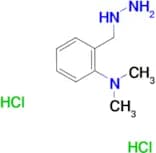
CAS:Purity:95.0%Molecular weight:220.28999328613282-Dimethylaminobenzylhydrazine dihydrochloride
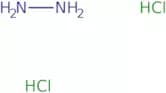
CAS:Formula:C9H17Cl2N3Purity:95.0%Color and Shape:Pale yellow powderMolecular weight:238.16Hydrazine Dihydrochloride
CAS:Controlled Product<p>Applications Hydrazine Dihydrochloride (cas# 5341-61-7) is a useful research chemical.<br> Not a dangerous good if item is equal to or less than 1g/ml and there is less than 100g/ml in the package<br></p>Formula:H4N2·2(HCl)Color and Shape:Light YellowMolecular weight:68.014131-(2-Phthalazin-1-ylhydrazino)phthalazine
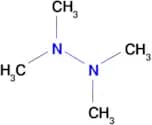
CAS:Controlled Product<p>Applications 1-(2-Phthalazin-1-ylhydrazino)phthalazine (cas# 24030-07-7) is a compound useful in organic synthesis.<br></p>Formula:C16H12N6Color and Shape:NeatMolecular weight:288.31N,N,N'-Trimethyl-hydrazine dihydrochloride
CAS:Purity:95.0%Color and Shape:SolidMolecular weight:147.0399932861328Acetaldehyde 2,4-Dinitrophenylhydrazone
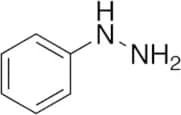
CAS:<p>Stability Hygroscopic<br>Applications Acetaldehyde 2,4-Dinitrophenylhydrazone is a dinitrophenylhydrazone (DNPH) derivative of an aliphatic alldehyde found in mainstream cigarette smoke. Dyes and metabolites.<br> Not a dangerous good if item is equal to or less than 1g/ml and there is less than 100g/ml in the package<br>References Zwiener, C. et al.: Anal. Bioanal. Chem., 372, 615 (2002); Delgado, B. et al.: J. Liq. Chrom. Rel. Technol., 31, 361 (2008); Miller, J.H. et al.: J. Chrom. Sci., 48, 12 (2010);<br></p>Formula:C8H8N4O4Color and Shape:YellowMolecular weight:224.17Phenylhydrazine
CAS:Controlled Product<p>Applications An aryl hydrazine used in the preparation of various dyes and pharmaceutical compounds. It is used in the investigation of oligosaccharides as well as the structure of photosystem II.<br> Not a dangerous good if item is equal to or less than 1g/ml and there is less than 100g/ml in the package<br>References Lattova, E. et al.: Meth. Mol. Biol., 534, 65 (2009); Anderson, L.B. et al.: J. Biol. Chem., 275, 4920 (2000);<br></p>Formula:C6H8N2Color and Shape:Yellowish LiquidMolecular weight:108.14Benzoyl Hydrazine
CAS:<p>Impurity Azelastine EP Impurity A<br>Applications Benzoyl Hydrazine (Azelastine EP Impurity A) is an acyl hydrazide as potent antioxidant.<br> Not a dangerous good if item is equal to or less than 1g/ml and there is less than 100g/ml in the package<br>References Bolann, B., et al.: Bio. Chem. J., 243, 55 (1987), Mishra, L., et al.: Bio. Med. Chem., 3, 1241 (1995), Metwally, K., et al.: Bio. Med. Chem., 14, 8675 (2006), Azim, M., et al.: Bioorg. Med. Chem. Lett., 18, 3011 (2008),<br></p>Formula:C7H8N2OColor and Shape:Light BrownMolecular weight:136.15Tert-Butylhydrazine hydrochloride
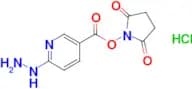
CAS:Purity:97.00%Color and Shape:Solid, Crystalline PowderMolecular weight:124.610000610351562,5-Dioxopyrrolidin-1-yl 6-hydrazinylnicotinate hydrochloride
CAS:Purity:98%Molecular weight:286.6700134277344[2-Chloro-5-methyl-4-(methylsulfonyl)phenyl]hydrazine
CAS:Formula:C8H11ClN2O2SPurity:95.0%Color and Shape:SolidMolecular weight:234.74-hydrazinyl-7-methyl-5,6,7,8-tetrahydrobenzo[4,5]thieno[2,3-d]pyrimidine
CAS:Purity:95.0%Molecular weight:234.320007324218752-ethyl-4-hydrazinyl-6,7-dihydro-5H-cyclopenta[4,5]thieno[2,3-d]pyrimidine
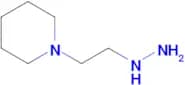
CAS:Purity:95.0%Molecular weight:234.320007324218751-(2-Hydrazinylethyl)piperidine
CAS:Formula:C7H17N3Purity:85.0%Color and Shape:Liquid, OilMolecular weight:143.234Cyclohexylmethylhydrazine hydrochloride
CAS:Formula:C7H17ClN2Purity:95.0%Color and Shape:SolidMolecular weight:164.68Hydrazine Hydrochloride
CAS:<p>Stability Hygroscopic<br>Applications Hydrazine hydrochloride (cas# 2644-70-4) is a useful research chemical.<br> Not a dangerous good if item is equal to or less than 1g/ml and there is less than 100g/ml in the package<br></p>Formula:N2H4·HClColor and Shape:NeatMolecular weight:68.51Hydrazine Acetate
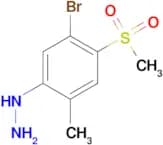
CAS:Controlled Product<p>Applications Hydrazine acetate (cas# 7335-65-1) is a useful research chemical.<br></p>Formula:C2H8N2O2Color and Shape:NeatMolecular weight:92.15-Bromo-2-methyl-4-methylsulfonylphenylhydrazine
CAS:Formula:C8H11BrN2O2SPurity:98%Color and Shape:SolidMolecular weight:279.154-hydrazino-5-(4-methoxyphenyl)thieno[2,3-d]pyrimidine
CAS:Purity:95.0%Molecular weight:272.32998657226563-(1,1,1-Trimethylhydrazin-1-ium-2-yl)propanoate Dihydrate
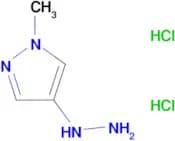
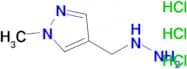
CAS:<p>Applications 3-(1,1,1-Trimethylhydrazin-1-ium-2-yl)propanoate dihydrate (cas# 86426-17-7) is a useful research chemical.<br></p>Formula:C6H14N2O2·2H2OColor and Shape:Off-White To PurpleMolecular weight:182.224-hydrazinyl-1-methyl-1H-pyrazole dihydrochloride
CAS:Purity:95.0%Color and Shape:SolidMolecular weight:185.0500030517578(4-Hydrazinophenyl)acetic acid
CAS:Purity:97.0%Color and Shape:Solid, solidMolecular weight:166.179992675781255-(4-chlorophenyl)-4-hydrazinylthieno[2,3-d]pyrimidine
CAS:Purity:95.0%Molecular weight:276.739990234375(4-Chloro-2-methylphenyl)hydrazine hydrochloride
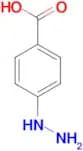
CAS:Formula:C7H10Cl2N2Purity:95+%Molecular weight:193.074-Hydrazinobenzoic Acid Hydrochloride
CAS:Controlled Product<p>Applications 4-Hydrazinobenzoic acid hydrochloride (cas# 24589-77-3) is a useful research chemical.<br></p>Formula:C7H8N2O2·HClColor and Shape:NeatMolecular weight:188.612TERT-BUTYL 2,2-BIS(CYCLOPROPYLMETHYL)HYDRAZINECARBOXYLATE
CAS:Purity:95.0%Molecular weight:240.34700012207032-Hydrazino-6,7-dihydro-5H-benzo[6,7]cyclohepta[1,2-d]pyrimidine
CAS:Purity:95.0%Molecular weight:226.2830047607422Ethyl Hydrazinoacetate Hydrochloride
CAS:Controlled Product<p>Applications Ethyl hydrazinoacetate, HCl<br></p>Formula:C4H10N2O2•HClColor and Shape:NeatMolecular weight:118.13 + 36.46(2-Nitrophenyl)hydrazine
CAS:Formula:C6H7N3O2Purity:97.0%Color and Shape:SolidMolecular weight:153.141Hydrazine Acetate
CAS:Controlled Product<p>Applications Hydrazine derivative.<br> Not a dangerous good if item is equal to or less than 1g/ml and there is less than 100g/ml in the package<br></p>Formula:C2H8N2O2Color and Shape:NeatMolecular weight:92.1Ref: 10-F469579
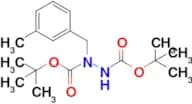
1gTo inquire2gTo inquire5gTo inquire10gTo inquire100mgTo inquire250mgTo inquire500mgTo inquireDi-tert-butyl 1-(3-methylbenzyl)hydrazine-1,2-dicarboxylate
CAS:Purity:97%Molecular weight:336.4320068359375Ref: 10-F604081
1gTo inquire2gTo inquire5gTo inquire10gTo inquire100mgTo inquire250mgTo inquire500mgTo inquireDI-TERT-BUTYL 1-(BICYCLO[1.1.1]PENTAN-1-YL)HYDRAZINE-1,2-DICARBOXYLATE
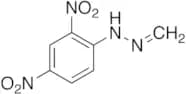
CAS:Purity:95.0%Molecular weight:298.38299560546875Formaldehyde 2,4-Dinitrophenylhydrazone
CAS:<p>Stability Shock Sensitive<br>Applications Formaldehyde 2,4-Dinitrophenylhydrazone is a dinitrophenylhydrazone (DNPH) derivative of an aliphatic aldehyde found in mainstream cigarette smoke.<br>References Delgado, B. et al.: J. Liq. Chrom. Rel. Technol., 31, 361 (2008); Miller, J.H. et al.: J. Chrom. Sci., 48, 12 (2010);<br></p>Formula:C7H6N4O4Color and Shape:NeatMolecular weight:210.15(1-Methyl-1H-benzoimidazol-2-yl)-hydrazine
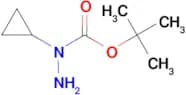
CAS:Formula:C8H10N4Purity:98%Color and Shape:SolidMolecular weight:162.196TERT-BUTYL 1-CYCLOPROPYLHYDRAZINECARBOXYLATE
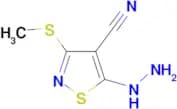
CAS:Purity:95.0%Color and Shape:LiquidMolecular weight:172.227996826171885-Hydrazinyl-3-(methylthio)isothiazole-4-carbonitrile
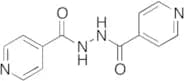
CAS:Formula:C5H6N4S2Color and Shape:SolidMolecular weight:186.251,2-Diisonicotinoylhydrazine
CAS:Controlled Product<p>Applications 1,2-Diisonicotinoylhydrazine is an iron chelator.<br>References Bernhardt, P.V., et. al.: J. Biol. Inorg. Chem., 10, 761 (2005)<br></p>Formula:C12H10N4O2Color and Shape:NeatMolecular weight:242.233-Hydrazino-6-methyl-5H-[1,2,4]triazino[5,6-b]indole
CAS:Purity:95.0%Molecular weight:214.231994628906253-hydrazinyl-8-methyl-5H-[1,2,4]triazino[5,6-b]indole
CAS:Purity:95.0%Molecular weight:214.23199462890625(S)-ethyl 4-(1-hydrazinylethyl)benzoate benzenesulfonate
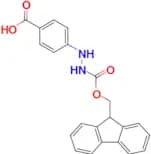
CAS:Purity:98%Molecular weight:366.42999267578125Fmoc-4-hydrazinobenzoic acid
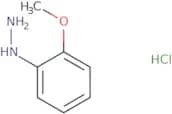
CAS:Purity:96.0%Color and Shape:Liquid, No data available.Molecular weight:374.395996093752-Methoxyphenylhydrazine hydrochloride
CAS:<p>2-Methoxyphenylhydrazine hydrochloride is a chemical that is used as a research scaffold, building block, or intermediate. It can be used in the synthesis of complex compounds with high quality and purity. This product is soluble in water and alcohols. 2-Methoxyphenylhydrazine hydrochloride has CAS No. 6971-45-5 and a molecular weight of 183.2 g/mol.</p>Formula:C7H10N2O·HClPurity:Min. 95%Color and Shape:PowderMolecular weight:174.63 g/mol3-(1-Methylhydrazino)-1,2-benzisothiazole 1,1-dioxide
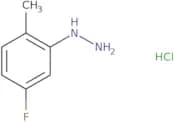
CAS:<p>3-(1-Methylhydrazino)-1,2-benzisothiazole 1,1-dioxide is a fine chemical that is used as a building block for more complex compounds. This molecule has been shown to be an effective intermediate in the production of research chemicals. 3-(1-Methylhydrazino)-1,2-benzisothiazole 1,1-dioxide can be used as a reagent and is available at high quality.</p>Formula:C8H9N3O2SPurity:Min. 95%Color and Shape:White PowderMolecular weight:211.24 g/mol5-Fluoro-2-methylphenylhydrazine hydrochloride
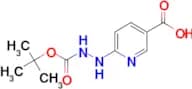
CAS:<p>5-Fluoro-2-methylphenylhydrazine hydrochloride is a crystalline solid that is soluble in water. It is used as a reagent in organic synthesis, but it also has application as an intermediate in the production of calcium hydroxide and calcium fluoride. 5-Fluoro-2-methylphenylhydrazine hydrochloride reacts with methacrylate to produce an ultrafine powder, which can be difficult to hydrate because of its high molecular weight. The hydration reaction requires the addition of large amounts of water and heat. This process can be accelerated by adding a solution of calcium ions or calcium hydroxide to the reaction mixture. Hydrogen fluoride gas (HF) may also be generated during this process. Crystallization occurs when the solids are heated or placed in contact with a nonpolar solvent such as hexane.</p>Formula:C7H9FN2•HClPurity:Min. 95%Color and Shape:PowderMolecular weight:176.62 g/mol6-Boc-hydrazinonicotinicacid
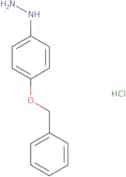
CAS:<p>6-Boc-hydrazinonicotinicacid is a cytotoxic compound that binds to hydroxyapatite and induces necrosis in cancer cells. This compound also has antimicrobial properties. 6-Boc-hydrazinonicotinic acid is conjugated with peptides for use as an immunoconjugate for the targeted delivery of drugs to cancer cells. It can be used to diagnose cancer by its uptake in human serum and inflammatory cells, as well as to identify cancerous tissues through its binding to hydroxyapatite. The biological studies have shown that 6-Boc-hydrazinonicotinic acid inhibits the growth of various types of tumour cells, including breast, prostate, colon, and lung cancers.</p>Formula:C11H15N3O4Purity:Min. 95%Color and Shape:PowderMolecular weight:253.25 g/mol4-Benzyloxyphenylhydrazine hydrochloride
CAS:<p>4-Benzyloxyphenylhydrazine HCl is a pro-apoptotic agent that is used in the treatment of cancer. It induces apoptosis by binding to estrogen receptors and modulating their activity. This drug has been shown to induce apoptosis in breast cancer cells (MCF-7) and inhibit the growth of prostate cancer cells (LNCaP). 4-Benzyloxyphenylhydrazine HCl binds to the estrogen receptor, which causes it to dimerize with other estrogen receptors, resulting in increased transcription of genes that regulate programmed cell death. It also inhibits the production of proteins that are vital for cell division, leading to apoptosis. Hydrolysis by hydrochloric acid or chloride leads to phenylhydrazone formation, which may react with diazo compounds such as benzaldehyde and nitrosyl chloride to form an aromatic hydrocarbon product.</p>Formula:C13H14N2O•HClPurity:Min. 96 Area-%Color and Shape:PowderMolecular weight:250.72 g/mol6-Hydrazinopurine
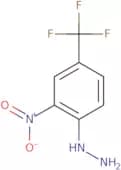
CAS:<p>6-Hydrazinopurine is an anti-hepatitis drug that is a prodrug for 6-chloropurine. Its mechanism of action is not fully understood, but it has been shown to bind to the virus receptor and inhibit the replication of the virus. It also competitively inhibits amines in biochemical assays. This property may be due to its hydroxyl group, which can form a hydrogen bond with the amino group of amines. It has been shown to be active against prostate carcinoma cells. 6-Hydrazinopurine has been shown to inhibit the growth of cancer cells by inducing apoptosis and decreasing cell proliferation.</p>Formula:C5H6N6Purity:Min. 95%Color and Shape:PowderMolecular weight:150.14 g/mol4-Hydrazino-3-nitrobenzotrifluoride
CAS:<p>4-Hydrazino-3-nitrobenzotrifluoride (4HNBF) is a derivative of 4-hydrazinobenzoic acid that has been used as a precursor for the synthesis of vitamin D. The drug is detectable in blood plasma samples by mass spectrometry and can be quantified using linear calibration curves. 4HNBF has been detected in human urine samples after oral administration, but not in other biological fluids. It has also been used to measure the flow rate of urine. The drug's use for cancer treatment has been investigated, with results showing that it inhibits the growth of cancer cells and induces apoptosis. 4HNBF may act on GABA receptors to inhibit their activity and induce a reduction in the release of oxysterols.</p>Formula:C7H6F3N3O2Purity:Min. 95%Color and Shape:PowderMolecular weight:221.14 g/mol2-Phenylethylhydrazine
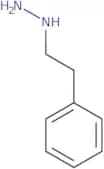
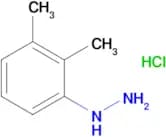
CAS:Controlled Product<p>2-Phenylethylhydrazine (2PEH) is an experimental drug that is reactive. It has been shown to have anti-inflammatory properties in a model system of inflammation in animals. 2PEH also inhibits the enzyme monoamine oxidase, which prevents the breakdown of serotonin, resulting in increased levels of this neurotransmitter. The use of 2PEH as a pharmacological treatment for atherosclerotic lesions may be due to its inhibitory properties on 5HT2 receptors and 2 adrenergic receptors. It has also been shown to induce neuronal death in animal studies.</p>Formula:C8H12N2Purity:Min. 95%Color and Shape:Clear LiquidMolecular weight:136.19 g/mol2,3-Dimethylphenylhydrazine hydrochloride hydrate
CAS:<p>2,3-Dimethylphenylhydrazine hydrochloride hydrate is a fine chemical that is used as a building block for research chemicals and speciality chemicals. It is also a high quality reagent and useful scaffold for the synthesis of complex compounds. 2,3-Dimethylphenylhydrazine hydrochloride hydrate is versatile, being able to be used in reactions involving nucleophilic substitution or elimination reactions. This product can be used in reactions involving the formation of carbon-carbon bonds.</p>Formula:C8H12N2•HCl•(H2O)xPurity:Min. 95%Color and Shape:PowderMolecular weight:172.66 g/mol3,5-Dichlorophenylhydrazine hydrochloride
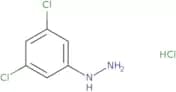
CAS:<p>3,5-Dichlorophenylhydrazine hydrochloride is a chemical compound that can be used in the synthesis of other chemical compounds. 3,5-Dichlorophenylhydrazine hydrochloride is a versatile building block for the preparation of complex chemicals such as pharmaceuticals and agrochemicals. It has been shown to form a high quality reagent that is useful for research purposes. 3,5-Dichlorophenylhydrazine hydrochloride can be used as a reaction component or an intermediate in organic synthesis reactions. The CAS Registry Number for this chemical is 63352-99-8.</p>Formula:C6H6Cl2N2•HClPurity:Min. 95%Molecular weight:213.49 g/mol3,5-Dimethylphenylhydrazine hydrochloride
CAS:<p>3,5-Dimethylphenylhydrazine hydrochloride is a chemical compound that is used as a reagent in biochemistry and molecular biology. It reacts with proteins to form stable covalent bonds. This reaction can be used to modify the active site of an enzyme or to create affinity labels for protein purification. 3,5-Dimethylphenylhydrazine hydrochloride can also react with a pyrrole group on the side chain of phenylalanine residues to form an affinity label that allows it to bind specifically to myoglobin. The modification of myoglobin alters its structure and its ability to bind oxygen, which results in a shift in the wavelength at which it absorbs light.</p>Formula:C8H12N2·HClPurity:Min. 95%Color and Shape:PowderMolecular weight:172.66 g/mol5-Chloro-2-methoxyphenylhydrazine hydrochloride
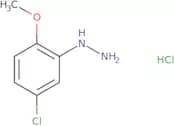
CAS:<p>5-Chloro-2-methoxyphenylhydrazine hydrochloride is a reagent, complex compound with CAS No. 5446-16-2. It is useful as an intermediate in the manufacture of a variety of fine chemicals and research chemicals. This compound can be used as a versatile building block in the synthesis of new chemical compounds and is also a reaction component.</p>Formula:C7H9ClN2O·ClHPurity:Min. 95%Color and Shape:PowderMolecular weight:209.07 g/mol4-Sulfonamidophenylhydrazine hydrochloride
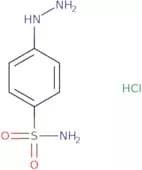
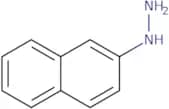
CAS:<p>4-Sulfonamidophenylhydrazine hydrochloride is an in vitro antifungal agent with a diazonium salt structure. It is used as a chemical intermediate to synthesize other pharmaceuticals, such as nonsteroidal anti-inflammatory drugs and antimicrobial agents. 4-Sulfonamidophenylhydrazine hydrochloride has been shown to inhibit the production of Cox-2, which is associated with inflammation and cancer. The drug also exhibits antiinflammatory activity due to its ability to inhibit prostaglandin synthesis. 4-Sulfonamidophenylhydrazine hydrochloride exhibits high affinity for human serum albumin and can be used as an indicator for the presence of carbonic acid or carbonyl groups in organic compounds.</p>Formula:C6H9N3O2S·HClPurity:Min. 95%Molecular weight:223.68 g/mol2-Naphthylhydrazine
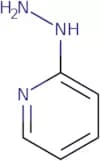
CAS:<p>2-Naphthylhydrazine is a synthetic chemical that has an affinity for substrate binding sites. It is used as an inhibitor of monoamine oxidase (MAO) and can be used to study the function of MAO. 2-Naphthylhydrazine binds to the enzyme MAO, preventing it from breaking down amines, an important class of neurotransmitters. 2-Naphthylhydrazine also inhibits the activity of cytochrome P450 reductase, which is involved in drug metabolism. This chemical can be used in the synthesis of indocyanine green and methylbenzene. The reactivity of hydrazines with carbonyl groups in amines and anhydrous sodium phosphate leads to bond cleavage and release of ammonia gas.</p>Formula:C10H10N2Purity:Min. 95%Color and Shape:PowderMolecular weight:158.20 g/mol2-Hydrazinylpyridine
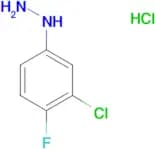
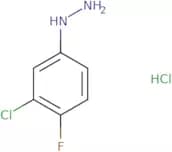
CAS:<p>2-Hydrazinylpyridine (2HNP) is a compound that has been used to detect the presence of hydrogen bonds in biological samples. It reacts with the nitrogen atoms in a sample to form an adduct and then reacts with human serum to form a fluorescent product. This reaction has been shown to be sensitive enough for detection of hydrogen bonding interactions in biological samples. 2HNP has also been shown to react with proteins, such as cyclic peptides, which are targets for toxicological studies. 2HNP reacts with the nitrogen atoms of proteins to form an adduct, which can be detected by changes in fluorescence or by x-ray crystallography. The structures of 2HNP and its adducts have been determined using x-ray crystal structures and high performance liquid chromatography (HPLC).</p>Formula:C5H7N3Purity:Min. 95%Color and Shape:PowderMolecular weight:109.13 g/mol3-Chloro-4-fluorophenylhydrazine hydrochloride
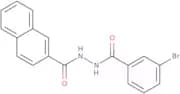
CAS:<p>3-Chloro-4-fluorophenylhydrazine hydrochloride is a fine chemical that has been used in research as a reagent and building block. It is also used as an intermediate in the synthesis of other compounds with high commercial value, such as pharmaceuticals and agrochemicals. 3-Chloro-4-fluorophenylhydrazine hydrochloride can be used to synthesize complex molecules that are difficult to make, such as pharmaceuticals, agrochemicals, and speciality chemicals. This compound can be reacted with other compounds to form new compounds or reactants that are useful in a variety of reactions.</p>Formula:C6H7Cl2FN2Purity:Min. 95%Color and Shape:PowderMolecular weight:197.04 g/mol1-(3-Bromobenzoyl)-2-(2-naphthoyl)-hydrazine
CAS:<p>1-(3-Bromobenzoyl)-2-(2-naphthoyl)-hydrazine is a building block with a high quality and versatile scaffold. It is used as a reaction component in the synthesis of complex compounds, fine chemicals and speciality chemicals. 1-(3-Bromobenzoyl)-2-(2-naphthoyl)-hydrazine has been shown to be an effective reagent for the preparation of polycyclic aromatic hydrocarbons. This chemical is also a useful intermediate in the production of pharmaceuticals, pesticides, dyes, and perfumes.</p>Formula:C18H13BrN2O2Purity:Min. 95%Color and Shape:PowderMolecular weight:369.21 g/mol4-Fluorophenylhydrazine hydrochloride
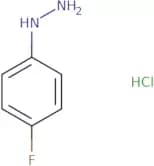
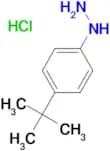
CAS:<p>4-Fluorophenylhydrazine HCl is a chemical compound with the molecular formula C8H4FO2N. It is a white crystalline solid that is soluble in water and alcohol. 4-Fluorophenylhydrazine HCl is commonly used as an intermediate in the synthesis of other compounds. The functional groups present on 4-fluorophenylhydrazine are methyl and hydroxyl groups, which are derived from the starting material, phenol. This synthetic process starts by reacting sodium hydrogen with methylating agents such as polyalthenol or hydrochloric acid to produce the desired product. In addition, it has been shown to have antiinflammatory activity and can inhibit tumour cell lines in vitro.</p>Formula:C6H7FN2·HClPurity:Min. 95%Color and Shape:Red PowderMolecular weight:162.59 g/mol(4-(tert-Butyl)phenyl)hydrazine hydrochloride
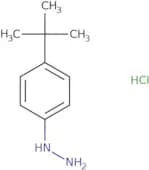
CAS:<p>4-(tert-Butyl)phenylhydrazine hydrochloride (BPHH) is a chemical compound that has been used as a synthetic precursor to indole. It has been shown to be synthesized from cycloheptanone and sulfuric acid, with the addition of hydrazine hydrochloride and sodium acetate. BPHH can also be synthesized from 4-nitrobenzaldehyde and hydrazine sulfate, which is then reacted with ethanolamine.</p>Formula:C10H16N2•HClPurity:Min. 95%Color and Shape:Light brown powder.Molecular weight:200.71 g/molHydrazine dihydrochloride
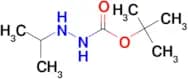
CAS:Controlled Product<p>Hydrazine dihydrochloride (HDH) is a chemical compound with the molecular formula N2H4Cl2. It is used in electrochemistry as an electrolyte and to control enzyme activities. HDH has been shown to inhibit sulfate reduction and phosphatase activity, which may be due to its effect on the cell-specific biochemistry of Sulfolobus solfataricus. Hydrazine dihydrochloride also inhibits water vapor-induced chemiluminescence in methyl glycosides. This inhibition is due to a decrease in the production of hydrogen peroxide and the subsequent decomposition of the product that leads to luminescence. The mechanism for this inhibition is unknown, but it may be due to its ability to bind to Toll-like receptor 4 (TLR4). Hydrazine dihydrochloride has also been shown to have fluorescent properties that can be used as a probe for detecting DNA damage in cells.</p>Formula:H4N2•(HCl)2Purity:98.0 To 102.0%Color and Shape:White PowderMolecular weight:104.97 g/moltert-Butyl 2-isopropylhydrazinecarboxylate
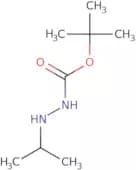
CAS:<p>tert-Butyl 2-isopropylhydrazinecarboxylate is a high quality chemical that has been used as a reagent, useful intermediate, speciality chemical, and research chemicals. It has been shown to be an excellent building block for the synthesis of complex compounds. This chemical has also been used as a reaction component in the synthesis of fine chemicals and other useful compounds.</p>Formula:C8H18N2O2Purity:Min. 95%Color and Shape:White PowderMolecular weight:174.24 g/mol2,3,5,6-Tetrafluoro-4-hydrazinopyridine
CAS:<p>2,3,5,6-Tetrafluoro-4-hydrazinopyridine is a hydroxide ion analog of pentafluoropyridine. It has been shown to undergo a coupling reaction to yield the corresponding organometallic compound with methoxide in dimethylformamide. The yields for this reaction are high and range from 76% to 98%. This technique has been shown to be applicable for the synthesis of other organometallic compounds.</p>Formula:C5H3F4N3Purity:Min. 95%Color and Shape:PowderMolecular weight:181.09 g/mol6-Hydrazino-3-pyridinecarboxylic acid
CAS:<p>6-Hydrazino-3-pyridinecarboxylic acid is a potent inhibitor of angiogenesis. It inhibits the activity of vascular endothelial growth factor, which is a potent pro-angiogenic factor. 6HPCA has been shown to inhibit the growth of prostate cancer cells in vitro and tumor growth in vivo. The mechanism for this inhibition may be due to its ability to decrease levels of all-trans retinoic acid (RA), a potent pro-angiogenic molecule. 6HPCA also inhibits the proliferation of human serum, monoclonal antibody, and polymer drug uptake in cell culture systems. In addition, 6HPCA has low toxicity and low pharmacokinetic properties that have been demonstrated by several studies using radiolabeled analogues and autoradiography.</p>Formula:C6H7N3O2Purity:Min. 97 Area-%Color and Shape:PowderMolecular weight:153.14 g/mol4-Bromo-2-fluorophenylhydrazine hydrochloride
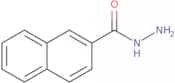
CAS:<p>Please enquire for more information about 4-Bromo-2-fluorophenylhydrazine hydrochloride including the price, delivery time and more detailed product information at the technical inquiry form on this page</p>Formula:C6H7BrClFN2Purity:Min. 95%Color and Shape:PowderMolecular weight:241.49 g/molβ-Naphthoylhydrazine
CAS:<p>Beta-Naphthoylhydrazine is a chemical inhibitor that binds to the enzyme diacylglycerol, which is involved in the synthesis of cholesterol. It has been shown to inhibit the uptake of cholesterol by ovary cells and human serum lipase. Beta-Naphthoylhydrazine potently inhibits reactive oxygen species and may be used in the treatment of inflammation and cancer.</p>Formula:C11H10N2OPurity:Min. 95%Color and Shape:PowderMolecular weight:186.21 g/mol4'-Hydrazino-2-stilbazole dihydrochloride
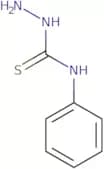
CAS:<p>4'-Hydrazino-2-stilbazole dihydrochloride is a fine chemical that can be used as a versatile building block in the synthesis of complex compounds. It has been reported to react with sodium methoxide to produce 2,4-dinitrophenylhydrazine. This compound is a useful intermediate for the synthesis of other research chemicals and can also be used as a reaction component in speciality chemicals. The compound has been shown to have high quality and can be used as a reagent.</p>Formula:C13H13N3·2HClPurity:Min. 95%Color and Shape:Yellow PowderMolecular weight:284.18 g/molN-Phenylhydrazinecarbothioamide
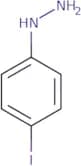
CAS:<p>N-Phenylhydrazinecarbothioamide is a chemical compound that is used in wastewater treatment. It is an organic molecule that is composed of hydrophobic and hydrophilic parts. The hydrophobic part, which contains the phenyl group, binds to the hydrophobic region of the cell membrane and causes the cell to lyse. The hydrophilic part has an affinity for water and can be used as an electrode material in electrochemical impedance spectroscopy. N-Phenylhydrazinecarbothioamide also has been shown to have antibacterial properties against human pathogens, including Mycobacterium tuberculosis, Clostridium perfringens, and Escherichia coli O157:H7. The compound has been shown to inhibit cervical cancer cells by inhibiting protein synthesis through inhibition of ribosomal activity and fragmentation assay analysis showed that N-phenylhydrazinecarbothioamide binds to copper ions at a coordination geometry of</p>Formula:C7H9N3SPurity:Min. 95%Color and Shape:SolidMolecular weight:167.23 g/mol(4-Iodophenyl)hydrazine hydroiodide
CAS:<p>(4-Iodophenyl)hydrazine hydroiodide is a synthetic compound that has shown anti-viral activity against HIV and cytomegalovirus. It also has anticancer properties and can be used to treat colon cancer. The compound binds to the nucleic acid in a number of ways, including by forming reversible covalent bonds with functional groups on the nucleic acid. These interactions are primarily due to its pyrazole ring and hydrazine moiety. (4-Iodophenyl)hydrazine hydroiodide is structurally similar to phenyldiazenyl, which exhibits photochromism and fluorescence properties. This similarity may account for the observed photochemical changes in the molecule when exposed to light.</p>Formula:C6H7IN2Purity:Min. 95%Molecular weight:234.04 g/mol(3-Benzyloxy-phenyl)hydrazine hydrochloride
CAS:<p>3-Benzyloxy-phenyl)hydrazine hydrochloride is a chemical used in the synthesis of other organic compounds. It is a versatile building block that can be used in the preparation of complex compounds and useful intermediates. 3-Benzyloxy-phenyl)hydrazine hydrochloride is an excellent reagent for reactions involving electron-deficient alkenes, alkynes, and cyclic ethers. This compound also has applications as a pharmaceutical intermediate and as an analytical reference standard for chemical analyses.</p>Formula:C13H14N2O·HClPurity:Min. 95%Color and Shape:PowderMolecular weight:250.72 g/mol4-n-Butylphenylhydrazine hydrochloride
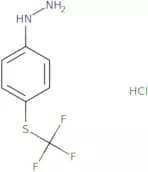
CAS:<p>4-n-Butylphenylhydrazine hydrochloride is a chromatographic reagent used in the analysis of compounds. It is a colorless crystalline solid that can be dissolved in water, ethanol, acetone, and other organic solvents. The most common use of 4-n-butylphenylhydrazine hydrochloride is for reversed-phase liquid chromatography (LC) analysis. In this application, it is typically used as an internal standard to calibrate the LC system. This compound also has applications in mass spectrometry, where it is used as an ionization reagent for electrospray and electrospray ionization (ESI) mass spectrometry. ESIMS data can be obtained by using this compound to ionize the analyte and then measure the molecular weight of the resulting ions using a mass spectrometer with an orbitrap or quadrupole detector. 4-n-Butylphenylhyd</p>Formula:C10H16N2•HClPurity:Min. 95%Color and Shape:PowderMolecular weight:200.71 g/mol4-(Trifluoromethyl)thiophenylhydrazine hydrochloride
CAS:<p>4-(Trifluoromethyl)thiophenylhydrazine hydrochloride (TFTH) is a chemical compound that belongs to the group of useful scaffolds, versatile building blocks, and reaction components. It has been used as a research chemical in the synthesis of complex compounds with high quality and is an intermediate for speciality chemicals. TFTH can be used as a reagent in organic chemistry for the preparation of amines and amino alcohols. This compound has CAS No. 162258-86-8.br>br><br>4-(Trifluoromethyl)thiophenylhydrazine hydrochloride has been shown to be an excellent building block in organic synthesis because it is stable under mild conditions, reacts rapidly with nucleophiles, and is readily available from commercial sources.</p>Formula:C7H7F3N2S·ClHPurity:Min. 95%Color and Shape:Orange PowderMolecular weight:244.67 g/mol(2-Chloro-4-methylphenyl)hydrazine hydrochloride
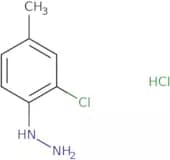
CAS:<p>(2-Chloro-4-methylphenyl)hydrazine hydrochloride is a high quality reagent that is a useful intermediate for the synthesis of complex compounds. It has been used as a building block for the synthesis of speciality chemicals and research chemicals. This compound can be used to produce versatile building blocks and reaction components.</p>Formula:C7H9ClN2·HClPurity:Min. 95%Color and Shape:PowderMolecular weight:193.07 g/mol4-Bromophenylhydrazine hydrochloride
CAS:<p>4-Bromophenylhydrazine hydrochloride is a hydroxylated phenylhydrazine derivative that is used as an inhibitor of the enzyme tyrosinase. It has been shown to have significant antiproliferative activity against various cancer cell lines in vitro. 4-Bromophenylhydrazine hydrochloride has undergone extensive chemical study and its molecular structure has been elucidated by means of computational methods. The compound inhibits human tyrosinase by cleaving the C-C bond between the hydroxyl group and the phenyl ring, inhibiting tyrosinase activity and preventing melanin production. This process is reversible, so it can be used to maintain skin pigmentation at a desired level. 4-Bromophenylhydrazine hydrochloride also inhibits other enzymes that are related to pigment production, such as chymotrypsin and trypsin.</p>Formula:C6H7BrN2•HClPurity:Min. 95%Molecular weight:223.5 g/mol4-Methylphenyl hydrazine hydrochloride
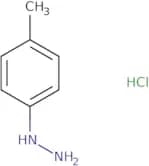
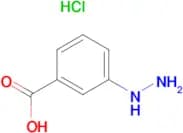
CAS:<p>4-Methylphenyl hydrazine hydrochloride is a chemical compound that has been shown to be an effective treatment for lung tumors. It has been shown to inhibit tumorigenesis in animal models by the inhibition of angiogenesis and tumor growth. This drug is administered as a subcutaneous injection and can cause hemorrhaging, inflammation, and necrosis at the injection site. 4-Methylphenyl hydrazine hydrochloride has also been postulated to have anti-tumorigenic properties in animals.<br>4-Methylphenyl hydrazine hydrochloride inhibits the production of adenomas and adenocarcinomas in rats when given orally or intragastrically, but not when given intravenously.</p>Formula:C7H10N2·HClPurity:Min 98%Molecular weight:158.63 g/mol3-Hydrazinobenzoic acid
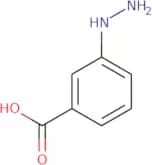
CAS:<p>3-Hydrazinobenzoic acid is a covalent inhibitor that binds to lysine residues of proteins and inhibits their activity. It can be immobilized in different materials such as polymers, hydrogels, and zeolites. 3-Hydrazinobenzoic acid has been used to treat autoimmune diseases and cancer. In wastewater treatment, it has been shown to remove chloride ions, which are toxic to microorganisms. 3-Hydrazinobenzoic acid also reduces the pH of the environment by reacting with hydrochloric acid or other acidic compounds.</p>Formula:C7H8N2O2Purity:Min. 95%Color and Shape:PowderMolecular weight:152.15 g/molHydrazine hydrochloride
CAS:Controlled Product<p>Hydrazine hydrochloride is an antimicrobial agent that belongs to the group of hydrazines. It is a fatty acid that has been esterified with hydrochloric acid and hydrogen fluoride to form the corresponding ester hydrochloride. Hydrazine hydrochloride has shown to be effective against a variety of microorganisms. The antimicrobial activity of this drug may be due to its ability to inhibit fatty acid synthesis by binding to the active site of the enzyme, acyl-CoA:malonyl-CoA acyltransferase (MCT). Hydrazine hydrochloride also inhibits the production of pyrazoles, which are compounds that are known to induce autoimmune diseases in mice.</p>Formula:N2H4·HClPurity:min 98%Color and Shape:White PowderMolecular weight:68.51 g/mol2,4-Dinitro-5-methylphenylhydrazine
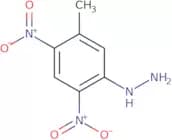
CAS:<p>2,4-Dinitro-5-methylphenylhydrazine (DMN) is a fine chemical that is used as a versatile building block in the synthesis of complex compounds. It can be used to synthesize high quality reagents and reaction components for research purposes. DMN has been shown to have a number of properties that make it useful in industrial processes, including its stability and resistance to heat and light.</p>Formula:C7H8N4O4Purity:Min. 95%Color and Shape:PowderMolecular weight:212.16 g/mol2-Fluorophenylhydrazine HCl
CAS:<p>2-Fluorophenylhydrazine HCl is a synthetic compound that belongs to the group of hydrazines. It is used as a cross-coupling agent in organic synthesis. The reaction solution can be impure, which may cause the formation of byproducts. 2-Fluorophenylhydrazine HCl reacts with formamide and hydrochloric acid to produce formaldehyde, ammonia, and hydrogen chloride gas. This reaction occurs at room temperature, but requires a long reaction time (several hours). 2-Fluorophenylhydrazine HCl has antioxidant effects and has been shown to inhibit the activity of metabotropic glutamate receptors. 2-Fluorophenylhydrazine HCl is structurally similar to curcumin analogues and has been shown to have antibacterial properties against Andrographis paniculata.</p>Formula:C6H7FN2Purity:Min. 95%Molecular weight:126.13 g/molDansyl hydrazine
CAS:<p>Dansyl hydrazine is a fluorescent probe that is used in the investigation of energy metabolism. It reacts with α1-acid glycoprotein, which is an important component in blood serum and urine. Dansyl hydrazine can be added to a solution containing water vapor and metabolic disorders to produce a fluorescent signal. This reaction has been shown to be linear over a range of concentrations for both model systems and human serum. Dansyl hydrazine has also been used as an analytical method for dinucleotide phosphate and maduramicin ammonium.<br>Dansyl hydrazine reacts with k562 cells when it comes into contact with sugar or other biological samples containing antimicrobial agents, producing fluorescent signals.</p>Formula:C12H15N3O2SPurity:Min. 97 Area-%Color and Shape:PowderMolecular weight:265.33 g/molN-[4-(2-Hydrazino-2-oxoethoxy)phenyl]acetamide
CAS:<p>N-[4-(2-Hydrazino-2-oxoethoxy)phenyl]acetamide is a phenolic compound that has been shown to have an antimicrobial effect. It has been shown to have antitubercular activity against Mycobacterium tuberculosis and the ability to inhibit the growth of cancer cells in vitro. N-[4-(2-Hydrazino-2-oxoethoxy)phenyl]acetamide is also known as monastrol. The pharmacophore of this drug is based on the structure of paracetamol, which is a member of the class of drugs known as analgesics, antipyretics, and antiinflammatory agents. Paracetamol has been used for decades in humans and animals for relief from pain, fever, and inflammation. N-[4-(2-Hydrazino-2-oxoethoxy)phenyl]acetamide may be useful for treating diseases such as cancer or tuberculosis due to its antic</p>Formula:C10H13N3O3Purity:Min. 95%Color and Shape:PowderMolecular weight:223.23 g/mol5-Bromo-2-hydrazinopyrimidine
CAS:<p>5-Bromo-2-hydrazinopyrimidine is a heterocyclic compound with the chemical formula C5H4N3Br. It is used as reagent, high quality, and complex intermediate in fine chemicals, research chemicals, and speciality chemicals. It is also a versatile building block for many reactions in synthesis of other compounds.</p>Formula:C4H5BrN4Purity:Min. 98 Area-%Molecular weight:189.01 g/mol1,1-Diphenyl-2-picrylhydrazine
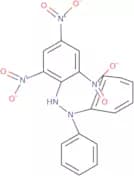
CAS:<p>1,1-Diphenyl-2-picrylhydrazine is a hydrazine derivative that has been shown to have antioxidant properties. This drug has also been found to inhibit the growth of cancer cells in vitro and to reduce blood glucose levels in mice. It is not yet known how 1,1-Diphenyl-2-picrylhydrazine works to kill cancer cells, but it may be due to its ability to bind with other molecules, such as hydrogen peroxide or superoxide radicals. Hydrazines are also known for their antimicrobial properties and can be used against bacteria and fungi. The use of this drug for regenerative medicine is still being explored, but it has shown some pluripotent cell activity.</p>Formula:C18H13N5O6Purity:Min. 95%Color and Shape:Red PowderMolecular weight:395.33 g/mol4-Methyl-1-hydrazino-phthalazine HCl
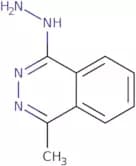
CAS:<p>4-Methyl-1-hydrazino-phthalazine HCl is a fine chemical that is used as a building block for complex compounds. It can be used as a reagent or speciality chemical and also has applications in research. 4-Methyl-1-hydrazino-phthalazine HCl reacts with nitric acid to produce an orange liquid, which can then be reacted with hydrochloric acid to produce the desired product. 4-Methyl-1-hydrazino-phthalazine HCl is also a versatile building block for many reactions and is useful as an intermediate in the synthesis of other chemicals. CAS No. 91520-81-9</p>Formula:C9H10N4·xHClPurity:Min. 95%Color and Shape:SolidMolecular weight:174.2 g/mol2-(Trifluoromethyl)phenylhydrazine hydrochloride
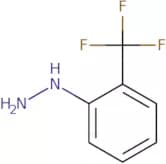
CAS:<p>2-(Trifluoromethyl)phenylhydrazine hydrochloride is a carbamic acid derivative that is used in the synthesis of other compounds. 2-(Trifluoromethyl)phenylhydrazine hydrochloride can be used to make carboxylic acids and their derivatives, such as esters, amides, and anhydrides. It also reacts with hydrogen fluoride to form trifluoroacetic acid and hydrogen gas. This compound is an isomerizing agent that converts alkyl halides into their corresponding carbonyls. Hydrogen fluoride reacts with 2-(trifluoromethyl)phenylhydrazine hydrochloride to form trifluoroacetic acid and hydrogen gas.</p>Formula:C7H7F3N2•HClPurity:Min. 95%Color and Shape:PowderMolecular weight:212.6 g/mol3,4-Dimethylphenylhydrazine hydrochloride
CAS:<p>3,4-Dimethylphenylhydrazine hydrochloride is a chemical compound with high quality, which is a useful intermediate for the synthesis of complex compounds. It also has potential as a building block for the synthesis of other compounds. 3,4-Dimethylphenylhydrazine hydrochloride is used in research and development.</p>Formula:C8H12N2·HClPurity:Min. 95%Color and Shape:PowderMolecular weight:172.66 g/mol4-Chlorophenylhydrazine hydrochloride
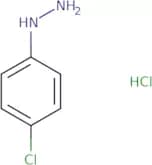
CAS:<p>4-Chlorophenylhydrazine hydrochloride is a chemical compound that contains a pyrazole ring, chlorine and anhydrous sodium. This substance is used as a reactant in the production of diazonium salts. 4-Chlorophenylhydrazine hydrochloride also inhibits the reaction of benzodiazepines with their binding site on the GABA receptor, which prevents the formation of reactive intermediates. It has been shown to have an inhibitory effect on wastewater treatment and can be used for the treatment of acidic water. 4-Chlorophenylhydrazine hydrochloride reacts with fluorescence probes to form intermolecular hydrogen bonds and hydrogen bonds that are used for determining pH values in solution.</p>Formula:C6H8Cl2N2Color and Shape:Off-White PowderMolecular weight:179.05 g/mol2-Nitrophenylhydrazine
CAS:<p>2-Nitrophenylhydrazine is a drug that is used as an anti-inflammatory agent. It is a nonsteroidal anti-inflammatory drug (NSAID) that acts by blocking the production of prostaglandins in the body, preventing inflammation and pain. 2-Nitrophenylhydrazine can be used to treat conditions such as arthritis, gout, and rheumatoid arthritis. This drug also has the ability to remove organic contaminants from water. 2-Nitrophenylhydrazine binds with fatty acids in wastewater treatment plants, forming an insoluble complex that precipitates out of solution. The compound inhibits the activity of hydrogen bond and methyl ethyl groups, which are needed for the biosynthesis of polyunsaturated fatty acids like phytanic acid and diphenyl ether.</p>Formula:C6H7N3O2Purity:Min. 95%Color and Shape:PowderMolecular weight:153.14 g/mol3-Chloro-6-hydrazinopyridazine
CAS:<p>3-Chloro-6-hydrazinopyridazine is a redox potential probe that has high cytotoxicity. It is used in the detection of the redox potential of hydrogen peroxide and nitric oxide by a turbidimetric method. 3-Chloro-6-hydrazinopyridazine can be used as a fluorogenic probe for the detection of chlorine atoms in biological systems. 3-Chloro-6-hydrazinopyridazine has been shown to enhance cancer cell growth and inhibit matrix metalloproteinase (MMP) activity. The biological properties of this compound are due to its ability to form intermolecular hydrogen bonds with nitrogen atoms, which leads to a dihedral angle that favors its binding to proteins.</p>Formula:C4H5ClN4Purity:Min. 95%Color and Shape:Brown PowderMolecular weight:144.56 g/mol(S)-4-(4-Hydrazinylbenzyl)-2-oxazolidinone
CAS:<p>4-(4-Hydrazinylbenzyl)-2-oxazolidinone is an ion-pair and a synthetic intermediate for the production of several pharmaceuticals. It is a white solid that can be crystallized from water or alcohol. The major impurities in this compound are diazotization and triphosgene, which are process-related impurities. 4-(4-Hydrazinylbenzyl)-2-oxazolidinone is used to produce butyraldehyde, which is used as a solvent in the production of pharmaceuticals. This compound undergoes hydrogenation reduction to form butyraldehyde after hydrolysis, which produces linearity. Hydrolysis can be carried out with either acidic or basic conditions.</p>Formula:C10H13N3O2Purity:Min. 95%Color and Shape:PowderMolecular weight:207.23 g/mol1-Boc-2-[4-(2-pyridinyl)benzylidene]hydrazine
CAS:<p>1-Boc-2-[4-(2-pyridinyl)benzylidene]hydrazine is a compound that is used in the recycling of organic compounds. The sodium formate, which is a byproduct of biodiesel production, can be recycled using this compound. It can also be used to recycle tert-butyl carbazate, which is an intermediate in the synthesis of pharmaceuticals and agrochemicals. 1-Boc-2-[4-(2-pyridinyl)benzylidene]hydrazine has been shown to be effective at high pressures and temperatures, which make it useful for synchrotron experiments on cell parameters. This compound has been shown to have anisotropic properties due to its coordination with magnesium.</p>Formula:C17H21N3O2Purity:Min. 95%Color and Shape:White PowderMolecular weight:299.37 g/mol4-Sulfonamidephenylhydrazine hydrochloride
CAS:<p>4-Sulfonamidephenylhydrazine HCl is a sulfonamide that inhibits the enzyme Cox-2, which is involved in inflammation. It also has anti-inflammatory activity and has been shown to inhibit the growth of fungi. 4-Sulfonamidephenylhydrazine HCl is an antifungal agent used for the treatment of dermatophytic infections such as tinea pedis and tinea cruris. The chemical structure of 4-Sulfonamidephenylhydrazine HCl consists of a methyl sulfone group linked with a pyrazole ring and a hydrazine hydrate group. The carbonic acid moiety in this compound stabilizes the pyrazole ring by forming hydrogen bonds with the nitrogen atom and oxygen atom on either side of it. This allows for the formation of two resonance structures to be maintained, which make it more stable than other similar compounds without this moiety.</p>Formula:C6H9N3O2S•(HCl)xPurity:Min. 95%Color and Shape:PowderMolecular weight:223.68 g/mol1-Naphthylhydrazine hydrochloride
CAS:Formula:C10H11ClN2Purity:97%Color and Shape:SolidMolecular weight:194.66(R)-3-benzyl-N,N’,N’-trimethylpiperidine-3-carbohydrazide dihydrochloride
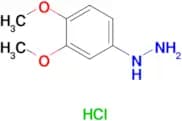
CAS:Purity:98%Molecular weight:348.313-Hydrazinobenzoic acid hydrochloride
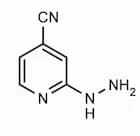
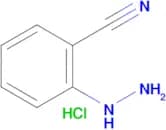
CAS:Formula:C7H9ClN2O2Purity:95%Color and Shape:SolidMolecular weight:188.612-Hydrazinylbenzonitrile hydrochloride
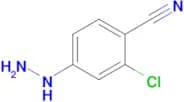
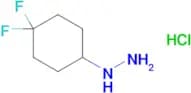
CAS:Formula:C7H8ClN3Purity:95%Color and Shape:SolidMolecular weight:169.61(4,4-Difluorocyclohexyl)hydrazine hydrochloride
CAS:Purity:97%Color and Shape:SolidMolecular weight:186.6300049(4-Chlorobenzyl)hydrazine hydrochloride
CAS:Formula:C7H10Cl2N2Purity:98%Color and Shape:SolidMolecular weight:193.074-hydrazino-1-methylpiperidine dihydrochloride
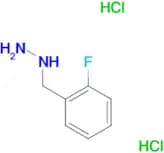
CAS:Formula:C6H17Cl2N3Purity:97%Color and Shape:No data available.Molecular weight:202.121-(2-Fluorobenzyl)hydrazine dihydrochloride
CAS:Formula:C7H11Cl2FN2Purity:95%Color and Shape:SolidMolecular weight:213.084-(2-(tert-Butoxycarbonyl)hydrazinyl)benzoic acid
CAS:Formula:C12H16N2O4Purity:95%Color and Shape:SolidMolecular weight:252.272-Chloro-4-hydrazinylbenzoic acid hydrochloride
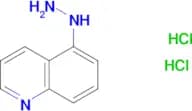
CAS:Formula:C7H8Cl2N2O2Purity:96%Molecular weight:223.051-(QUINOLIN-5-YL)HYDRAZINE 2HCL
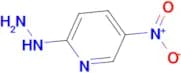
CAS:Formula:C9H11Cl2N3Purity:95%Color and Shape:LiquidMolecular weight:232.112-Hydrazino-5-nitropyridine
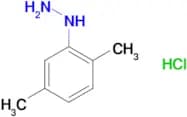
CAS:Formula:C5H6N4O2Purity:95%Color and Shape:SolidMolecular weight:154.1292,5-Dimethylphenylhydrazine hydrochloride
CAS:Formula:C8H13ClN2Purity:97%Color and Shape:SolidMolecular weight:172.66(2-Iodophenyl)hydrazine hydrochloride
CAS:Formula:C6H8ClIN2Purity:98%Color and Shape:Liquid, No data available.Molecular weight:270.52-Hydrazino-4-methylpyridine
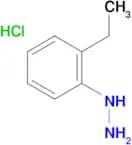
CAS:Formula:C6H9N3Purity:97%Color and Shape:SolidMolecular weight:123.1592-Ethylphenylhydrazine hydrochloride
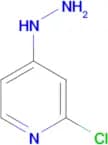
CAS:Formula:C8H13ClN2Purity:95%Color and Shape:SolidMolecular weight:172.662-Chloro-4-hydrazinopyridine
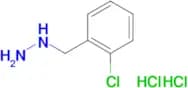
CAS:Formula:C5H6ClN3Purity:96%Color and Shape:SolidMolecular weight:143.57[(3-chlorophenyl)methyl]hydrazine dihydrochloride
CAS:Formula:C7H11Cl3N2Purity:95%Molecular weight:229.53(R)-tert-Butyl 3-benzyl-3-(1,2,2-trimethylhydrazinecarbonyl)piperidine-1-carboxylate
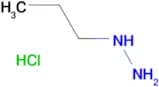
CAS:Purity:98%Molecular weight:375.51300051-Propylhydrazine hydrochloride
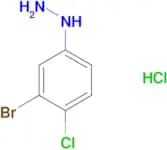
CAS:Formula:C3H11ClN2Purity:97%Color and Shape:Liquid, No data available.Molecular weight:110.593-Chloro-4-fluorophenylhydrazine hydrochloride
CAS:Formula:C6H7Cl2FN2Purity:97%Color and Shape:SolidMolecular weight:197.03Ref: 10-F700450
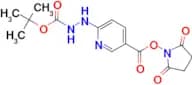
1g413.00€5g1,150.00€10g1,616.00€2.5g790.00€50mg107.00€100mg141.00€250mg224.00€500mg332.00€2,5-Dioxopyrrolidin-1-yl 6-(2-(tert-butoxycarbonyl)hydrazinyl)nicotinate
CAS:Formula:C15H18N4O6Purity:97%Molecular weight:350.331(5-Fluoro-pyridin-2-yl)-hydrazine
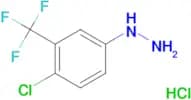
CAS:Formula:C5H6FN3Purity:97%Color and Shape:SolidMolecular weight:127.122(4-Chloro-3-trifluoromethyl-phenyl)-hydrazine;hydrochloride
CAS:Formula:C7H7Cl2F3N2Purity:97%Molecular weight:247.041-Methyl-1-phenylhydrazine
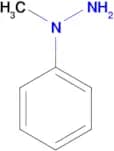
CAS:Formula:C7H10N2Purity:95%Color and Shape:LiquidMolecular weight:122.171(4-Methoxybenzyl)hydrazine hydrochloride
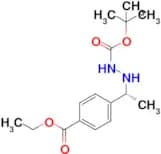
CAS:Formula:C8H13ClN2OPurity:95%Color and Shape:SolidMolecular weight:188.66(R)-tert-butyl 2-(1-(4-(ethoxycarbonyl)phenyl)ethyl)hydrazinecarboxylate
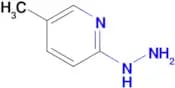
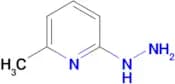
CAS:Purity:96%Molecular weight:308.37799072-Hydrazinyl-5-methylpyridine
CAS:Formula:C6H9N3Purity:95%Color and Shape:SolidMolecular weight:123.159tert-Butyl 2-isopropylhydrazinecarboxylate
CAS:Formula:C8H18N2O2Purity:98%Color and Shape:Solid, White - Almost white powderMolecular weight:174.2443,5-Difluorophenylhydrazine hydrochloride
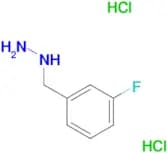
CAS:Formula:C6H7ClF2N2Purity:95%Color and Shape:SolidMolecular weight:180.581-(3-Fluorobenzyl)hydrazine dihydrochloride
CAS:Formula:C7H11Cl2FN2Purity:95%Color and Shape:SolidMolecular weight:213.086-Boc-Hydrazynonicotinic acid
CAS:Formula:C11H15N3O4Purity:96%Color and Shape:Solid, Crystalline PowderMolecular weight:253.258










![[1-(3-Bromophenyl)ethylidene] Hydrazine](/_next/image/?url=https%3A%2Fstatic.cymitquimica.com%2Fproducts%2F4Z%2Fthumb-webp%2FH-055017.webp&w=3840&q=75)


![[2,6-Dichloro-4-(trifluoromethyl)phenyl]hydrazine](/_next/image/?url=https%3A%2Fstatic.cymitquimica.com%2Fproducts%2F10%2Fthumb-webp%2FF004745.webp&w=3840&q=75)


![4-Hydrazino-5,6,7,8-tetrahydro[1]benzothieno[2,3-d]pyrimidine](/_next/image/?url=https%3A%2Fstatic.cymitquimica.com%2Fproducts%2F10%2Fthumb-webp%2FF061194.webp&w=3840&q=75)

![4-Hydrazinyl-1-phenyl-1H-pyrazolo[3,4-d]pyrimidine](/_next/image/?url=https%3A%2Fstatic.cymitquimica.com%2Fproducts%2F10%2Fthumb-webp%2FF642248.webp&w=3840&q=75)





![[2-Chloro-5-methyl-4-(methylsulfonyl)phenyl]hydrazine](/_next/image/?url=https%3A%2Fstatic.cymitquimica.com%2Fproducts%2F10%2Fthumb-webp%2FF023652.webp&w=3840&q=75)
![4-hydrazinyl-7-methyl-5,6,7,8-tetrahydrobenzo[4,5]thieno[2,3-d]pyrimidine](/_next/image/?url=https%3A%2Fstatic.cymitquimica.com%2Fproducts%2F10%2Fthumb-webp%2FF496326.webp&w=3840&q=75)

![2-ethyl-4-hydrazinyl-6,7-dihydro-5H-cyclopenta[4,5]thieno[2,3-d]pyrimidine](/_next/image/?url=https%3A%2Fstatic.cymitquimica.com%2Fproducts%2F10%2Fthumb-webp%2FF494485.webp&w=3840&q=75)

![4-hydrazino-5-phenylthieno[2,3-d]pyrimidine](/_next/image/?url=https%3A%2Fstatic.cymitquimica.com%2Fproducts%2F10%2Fthumb-webp%2FF346164.webp&w=3840&q=75)
![6-Hydrazino[1,2,4]triazolo[3,4-a]phthalazine](/_next/image/?url=https%3A%2Fstatic.cymitquimica.com%2Fproducts%2F10%2Fthumb-webp%2FF061306.webp&w=3840&q=75)


![4-hydrazino-5-(4-methoxyphenyl)thieno[2,3-d]pyrimidine](/_next/image/?url=https%3A%2Fstatic.cymitquimica.com%2Fproducts%2F10%2Fthumb-webp%2FF496450.webp&w=3840&q=75)

![Hydrazine, [[4-(phenylmethoxy)phenyl]methyl]-, hydrochloride](/_next/image/?url=https%3A%2Fstatic.cymitquimica.com%2Fproducts%2F10%2Fthumb-webp%2FF695499.webp&w=3840&q=75)
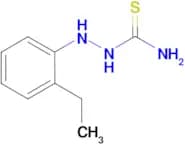

![5-(4-chlorophenyl)-4-hydrazinylthieno[2,3-d]pyrimidine](/_next/image/?url=https%3A%2Fstatic.cymitquimica.com%2Fproducts%2F10%2Fthumb-webp%2FF511662.webp&w=3840&q=75)


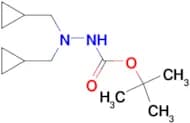
![2-Hydrazino-6,7-dihydro-5H-benzo[6,7]cyclohepta[1,2-d]pyrimidine](/_next/image/?url=https%3A%2Fstatic.cymitquimica.com%2Fproducts%2F10%2Fthumb-webp%2FF313283.webp&w=3840&q=75)


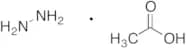
![2-hydrazino-5,6-dihydrobenzo[h]quinazoline](/_next/image/?url=https%3A%2Fstatic.cymitquimica.com%2Fproducts%2F10%2Fthumb-webp%2FF313292.webp&w=3840&q=75)
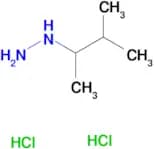
![DI-TERT-BUTYL 1-(BICYCLO[1.1.1]PENTAN-1-YL)HYDRAZINE-1,2-DICARBOXYLATE](/_next/image/?url=https%3A%2Fstatic.cymitquimica.com%2Fproducts%2F10%2Fthumb-webp%2FF530906.webp&w=3840&q=75)

![3-Hydrazino-6-methyl-5H-[1,2,4]triazino[5,6-b]indole](/_next/image/?url=https%3A%2Fstatic.cymitquimica.com%2Fproducts%2F10%2Fthumb-webp%2FF495290.webp&w=3840&q=75)
![3-hydrazinyl-8-methyl-5H-[1,2,4]triazino[5,6-b]indole](/_next/image/?url=https%3A%2Fstatic.cymitquimica.com%2Fproducts%2F10%2Fthumb-webp%2FF495289.webp&w=3840&q=75)

![2,2'-HYDRAZOBIS[2-METHYLPROPANENITRILE]](/_next/image/?url=https%3A%2Fstatic.cymitquimica.com%2Fproducts%2F10%2Fthumb-webp%2FF474765.webp&w=3840&q=75)















![N-[4-(2-Hydrazino-2-oxoethoxy)phenyl]acetamide](/_next/image/?url=https%3A%2Fstatic.cymitquimica.com%2Fproducts%2F3D%2Fthumb-webp%2FFH131261.webp&w=3840&q=75)




![1-Boc-2-[4-(2-pyridinyl)benzylidene]hydrazine](/_next/image/?url=https%3A%2Fstatic.cymitquimica.com%2Fproducts%2F3D%2Fthumb-webp%2FFB18876.webp&w=3840&q=75)













![[(3-chlorophenyl)methyl]hydrazine dihydrochloride](/_next/image/?url=https%3A%2Fstatic.cymitquimica.com%2Fproducts%2F10%2Fthumb-webp%2FF516831.webp&w=3840&q=75)
![[1,1′-Biphenyl]-3-ylhydrazine hydrochloride](/_next/image/?url=https%3A%2Fstatic.cymitquimica.com%2Fproducts%2F10%2Fthumb-webp%2FF240312.webp&w=3840&q=75)