Aliphatic compounds and derivatives
Found 8753 products of "Aliphatic compounds and derivatives"
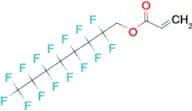
1H,1H-Pentadecafluorooctyl acrylate
CAS:Purity:99.0%Color and Shape:Liquid, ClearMolecular weight:454.1350097656251,7-Bis(4-hydroxyphenyl)hepta-1,6-diene-3,5-dione
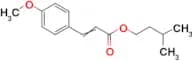
CAS:Purity:95.0%Color and Shape:SolidMolecular weight:308.3330078125Isopentyl 3-(4-methoxyphenyl)acrylate
CAS:Purity:95.0%Color and Shape:LiquidMolecular weight:248.322006225585944-{[2-methyl-6-(trifluoromethyl)pyridin-3-yl]amino}-4-oxobut-2-enoic acid
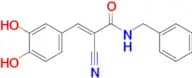
CAS:Molecular weight:274.1990051269531N-Benzyl-2-cyano-3-(3,4-dihydroxyphenyl)acrylamide
CAS:Purity:99.0%Molecular weight:294.30999755859375Ref: 10-F749587
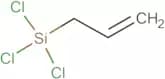
Discontinued productAllyltrichlorosilane
CAS:S00350 - Allyltrichlorosilane
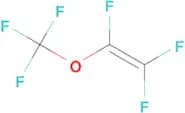
Formula:C3H5Cl3SiColor and Shape:Liquid, ClearMolecular weight:175.50999450683594Trifluoromethyl trifluorovinyl ether
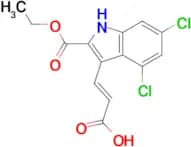
CAS:Purity:99.0%Color and Shape:GasMolecular weight:166.022003173828123-(4,6-Dichloro-2-(ethoxycarbonyl)-1H-indol-3-yl)acrylic acid
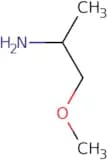
CAS:Purity:95.0%Molecular weight:328.14999389648442-Amino-1-methoxypropane
CAS:2-Amino-1-methoxypropane (AMP) is a bifunctional amine that has been used as a diluent for lipase. It has been shown to have deprotective properties against metal surfaces and to be able to react with the nucleophilic group of an amine, which is useful in organic synthesis. The constant temperature of AMP, which is useful in organic synthesis, was obtained by recycling it through a constant temperature bath. This process also prevents the formation of unwanted products during the reaction.
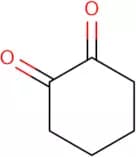
Formula:C4H11NOPurity:Min. 95 Area-%Color and Shape:Clear LiquidMolecular weight:89.14 g/molCyclohexane-1,2-dione
CAS:Cyclohexane-1,2-dione is a natural compound that can be found in kidney beans and other plants. It has been shown to inhibit the growth of tumor cells in vitro. Cyclohexane-1,2-dione binds to DNA polymerase, preventing replication and transcription. This reaction mechanism is similar to that of the rifamycins. Cyclohexane-1,2-dione has also been shown to bind enzymes such as nitrite ion reductase with high affinity and inhibit their activity. Cyclohexane-1,2-dione is chemically stable and does not react with metal ions or form stable complexes with biological molecules. The redox potentials for this molecule are -0.42 V (5/6) under aerobic conditions and -0.52 V (5/6) under anaerobic conditions.
Formula:C6H8O2Purity:Min. 96.5%Color and Shape:PowderMolecular weight:112.13 g/mol1-Phenoxy-2-propanol
CAS:1-Phenoxy-2-propanol is an antimicrobial agent that belongs to the group of glycol ethers. It has a hydroxyl group and atp levels, which are both vital for its activity index. 1-Phenoxy-2-propanol is used as a preservative in cosmetics and pharmaceuticals, with the exception of eye products. It also has been shown to have a low level of toxicity for humans and other mammals, such as rats and guinea pigs. The EPA has classified 1-phenoxy-2 propanol as Group D - not classifiable as to human carcinogenicity. 1-Phenoxy-2 propanol is toxic to bacteria, yeast, fungi, algae, plants, and invertebrates when present in high concentrations.
Formula:C9H12O2Purity:Min. 95%Color and Shape:Colorless Clear LiquidMolecular weight:152.19 g/molRef: 3D-FP71646
Discontinued product1-Amino-1-cyclopropanecarboxylic acid
CAS:1-Amino-1-cyclopropanecarboxylic acid (ACC) is a precursor of ethylene, which is a plant hormone that regulates many aspects of plant growth and development. ACC can be converted to ethylene by the enzyme ACC synthase. The conversion of ACC to ethylene is facilitated by the enzymes ACC oxidase and ACC deaminase. Ethylene has been shown to regulate the expression of genes involved in photosynthesis, protein synthesis, and other metabolic pathways. Ethylene also modulates physiological processes such as fruit ripening, leaf senescence, and stomatal closure. This molecule participates in a variety of biological reactions including receptor activity and protein degradation via ubiquitin ligases. It also regulates calcium levels in cells through its role in signal transduction pathways.
Formula:C4H7NO2Purity:Min. 95%Color and Shape:PowderMolecular weight:101.1 g/mol10-Undecen-1-ol
CAS:10-Undecen-1-ol is a fatty acid with a hydroxyl group at the 10th position. It has strong intermolecular hydrogen bonding and reacts to form esters and ethers. 10-Undecen-1-ol is used as a multi-walled carbon for wastewater treatment, which removes organic contaminants. This compound also has a high degree of chemical stability, which makes it suitable for use in anhydrous sodium synthesis methods.
Formula:C11H22OPurity:Min. 98%Color and Shape:Colorless Clear LiquidMolecular weight:170.29 g/molRef: 3D-FU32328
Discontinued product1,4-Diazabicyclo[3.2.2]nonane dihydrochloride
CAS:1,4-Diazabicyclo[3.2.2]nonane dihydrochloride is a fine chemical that is used as an intermediate in the synthesis of other chemicals. It has been shown to be a versatile building block for research chemicals and as a reaction component in the synthesis of complex compounds. 1,4-Diazabicyclo[3.2.2]nonane dihydrochloride is also useful in the synthesis of pharmaceuticals and other speciality chemicals due to its high quality and ability to function as a reagent.
1,4-Diazabicyclo[3.2.2]nonane dihydrochloride has been shown to have anti-inflammatory properties by inhibiting prostaglandin synthesis and can be used for the treatment of asthma, arthritis, and other inflammatory conditions.Formula:C7H14N2·2HClPurity:Min. 95%Color and Shape:SolidMolecular weight:199.12 g/molRef: 3D-FD07110
Discontinued product12-Bromo-1-aminododecane, hydrobromide
CAS:12-Bromo-1-aminododecane, hydrobromide is a reagent that can be used as a building block in organic synthesis. It is also useful for the preparation of 12-bromo-1-aminododecane, hydrochloride, which has been shown to be an effective reaction component and reagent in both organic and organometallic synthesis. This compound has a CAS number of 14502-45-5 and can be purchased as a fine chemical or speciality chemical.
Formula:C12H27Br2NPurity:Min. 95%Color and Shape:PowderMolecular weight:345.16 g/molRef: 3D-FB19051
Discontinued product2-(2-Methoxyethoxy)ethanol
CAS:2-(2-Methoxyethoxy)ethanol is a sodium salt that has a synergic effect with other solvents. It is used in the preparation of samples for analytical purposes and in the reaction solution of various glycol ethers. 2-(2-Methoxyethoxy)ethanol also has an effect on thermal expansion, which can be utilized to monitor this parameter during sample preparation. The presence of nitrogen atoms in its structure makes it possible to use it as a reagent for the synthesis of styryl dyes. 2-(2-Methoxyethoxy)ethanol is an antirheumatic drug that belongs to the class of glycol esters and benzalkonium chloride.
Formula:C5H12O3Purity:Min. 95%Color and Shape:Colorless Clear LiquidMolecular weight:120.15 g/molRef: 3D-FM37064
Discontinued product2-Azido-ethanol
CAS:2-Azido-ethanol is a chemical compound that is used to synthesize ethylene diamine. It can be produced by reacting ethanol with sodium azide in the presence of an acid catalyst. 2-Azido-ethanol is stable under most conditions and has minimal toxicity, which makes it an attractive option for ethylene diamine production. The compound reacts with a variety of substrates, including diazido, amide, and β-unsaturated ketone compounds. Magnetic resonance spectroscopy (MRS) studies have shown that 2-azido-ethanol binds to water molecules at the site of its β-unsaturated ketone group and creates a new carbon source. This product also exhibits ft-ir spectroscopy properties, which can be used to measure the transport properties and photoelectron emission from the π* orbitals of its carbon atoms.
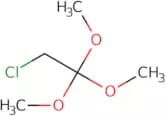
Formula:C2H5N3OPurity:Min. 95%Color and Shape:Colorless Slightly Yellow Clear LiquidMolecular weight:87.08 g/mol2-Chloro-1,1,1-trimethoxyethane
CAS:2-Chloro-1,1,1-trimethoxyethane is a reagent that is used in the synthesis of recombinant proteins. It is also used to produce monoclonal antibodies. Fatty acids can be analyzed by using these reagents as they are soluble in this solvent. The structural analysis of fatty acids has been shown to have anticancer activity. 2-Chloro-1,1,1-trimethoxyethane reacts with glycosyl residues on lysine residues in proteins and produces an acid that causes the protein to unfold and denature. This reaction has been shown to have anticancer activity against cervical cancer cells in human liver cells.
Formula:C5H11ClO3Purity:Min. 97.5%Color and Shape:Colorless Clear LiquidMolecular weight:154.59 g/molRef: 3D-FC33078
Discontinued product4-Amino-1-adamantanecarboxylic acid
CAS:4-Amino-1-adamantanecarboxylic acid is a useful building block for the synthesis of 4-aminopyridine and 4-aminopyrimidine derivatives. It is an important intermediate in the production of speciality chemicals and has been used as a reaction component in organic synthesis. This compound is also used as a reagent for chemical reactions.Formula:C12H19NO2Purity:Min. 95%Color and Shape:White PowderMolecular weight:209.28 g/molRef: 3D-FA66676
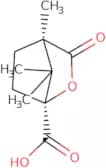
Discontinued product(1S)-(-)-Camphanic acid
CAS:A chiral auxiliary for the separation of racemates
Formula:C10H14O4Purity:Min. 95%Color and Shape:White PowderMolecular weight:198.22 g/molRef: 3D-FC46445
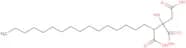
Discontinued productAgaricinic acid
CAS:Organic tricarboxylic acid; inducer of MPT
Formula:C22H40O7Purity:Min. 95%Color and Shape:PowderMolecular weight:416.55 g/molPutrescine dihydrochloride
CAS:Putrescine is a polyamine plant growth regulator affecting the synthesis of macromolecules. Promotes adventitious root formation. Precursor of spermidine.
Formula:C4H14Cl2N2Purity:Min. 98.0 Area-%Molecular weight:161.08 g/molPivalonitrile
CAS:Solvent and labile ligand in coordination chemistry
Formula:C5H9NPurity:Min. 98 Area-%Color and Shape:Clear LiquidMolecular weight:83.13 g/molRef: 3D-FP32327
Discontinued product2-Aminoethanethiol
CAS:2-Aminoethanethiol is a bitartrate salt of cysteamine. It inhibits the growth of bacteria by inhibiting the synthesis of the bacterial cell wall, which is required for bacterial replication and division. 2-Aminoethanethiol has been shown to be effective in experimental models of cystinosis and cystamine. 2-Aminoethanethiol has also been used as an antidote to cyanide poisoning.
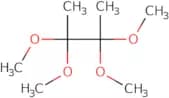
Formula:C2H7NSColor and Shape:White Off-White PowderMolecular weight:77.15 g/mol2,2,3,3-Tetramethoxybutane
CAS:The butane analog with CAS 176798-33-7 is a useful research chemical used in organic synthesis.
Formula:C8H18O4Purity:Min. 95%Color and Shape:Colourless LiquidMolecular weight:178.23 g/molRef: 3D-FT28160
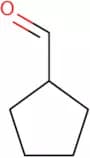
Discontinued productCyclopentanecarbaldehyde
CAS:Cyclopentanecarbaldehyde is a reactive molecule that is used as a ligand in coordination chemistry. It has been shown to bind to the toll-like receptor and may be useful for treating autoimmune diseases. Cyclopentanecarbaldehyde binds with nitrogen atoms in the active site of chelate ligands, which can cause changes in coordination geometry. This reaction mechanism is similar to that of other heterocycles such as 2-picolylhydrazine and 4-picolylhydrazine, which have been shown to be effective in treating Parkinson's disease.
Formula:C6H10OPurity:Min. 95%Color and Shape:Colorless Yellow Clear LiquidMolecular weight:98.14 g/molRef: 3D-FC15277
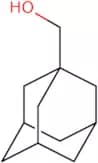
Discontinued product1-Adamantanemethanol
CAS:Adamantanemethanol is a molecule used in the process of translation. It is structurally analyzed by trifluoromethanesulfonic acid, which is a cavity. The pharmacokinetic properties of adamantanemethanol are determined by its acyl chain. Adamantanemethanol has been studied in clinical trials, and the minimal inhibitory concentration for this drug is determined by chloride. This molecule also forms hydrogen bonds with hydroxyl groups and functional groups. Adamantanemethanol has been shown to be an effective antimicrobial agent against bacterial replication in cell culture and has optical properties that can be used to identify it.
Formula:C11H18OPurity:Min. 95%Color and Shape:White PowderMolecular weight:166.26 g/molRef: 3D-FA05222
Discontinued productSodium methanethiolate
CAS:Methanethiol is a compound that occurs naturally in the environment. It is used as a fungicide, insecticide and herbicide. Methanethiol inhibits the growth of microorganisms by binding to metal ions on the surface of cells. This prevents DNA replication and protein synthesis, leading to cell death. Methanethiol also has anti-inflammatory properties which may be due to its ability to inhibit adenosine A1 receptor activity in humans.
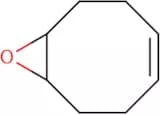
Formula:CH3NaSPurity:Min. 95%Color and Shape:White PowderMolecular weight:70.09 g/mol1,2-Epoxy-5-cyclooctene
CAS:1,2-Epoxy-5-cyclooctene is a cyclic epoxide that undergoes ring opening with the addition of a nucleophile. This reaction is catalyzed by a bromonium ion, which acts as the electrophile. The product of this reaction is 2-hydroxy-1,2-epoxycyclohexane. 1,2-Epoxy-5-cyclooctene has been used in synthesizing various compounds such as monoepoxides and hydrosilanes. It can also be used to produce compounds that are difficult to access through other methods. 1,2-Epoxy-5-cyclooctene has been studied using x-ray crystallography and conformational analysis.
Formula:C8H12OPurity:Min. 98 Area-%Color and Shape:Clear LiquidMolecular weight:124.18 g/molRef: 3D-FE03990
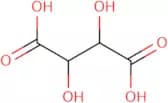
Discontinued productDL-Tartaric acid
CAS:DL-Tartaric acid is a calcium salt of tartaric acid. It is used as a standard in the analysis of total calcium and tartaric acid content in beverages, wines, foodstuffs, and pharmaceuticals. DL-Tartaric acid can be used to prepare standard solutions for the determination of benzalkonium chloride and other natural compounds by chromatographic methods. The rate constants for the reaction between DL-tartaric acid and calcium pantothenate have been determined by electrochemical impedance spectroscopy. The fluorescence intensity of chemiluminescent reactions with DL-tartaric acid has been found to be proportional to the concentration of tartrate ions in solution. X-ray diffraction data confirm that DL-tartaric acid is an orthorhombic crystal system with space group P2/c.
Formula:C4H6O6Color and Shape:White PowderMolecular weight:150.09 g/molRef: 3D-FT34258
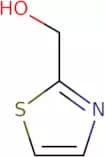
Discontinued product1,3-Thiazol-2-ylmethanol
CAS:1,3-Thiazol-2-ylmethanol is a macrocyclic compound that has a structure similar to that of the natural product phenylbutazone. It is synthesized from 1,3-thiazol-2-amine and benzaldehyde by dehydrogenative condensation. The ligand binds with metal ions via its thionyl group. The metal ion coordinates with the chloride anion and the ligand to produce a planar geometry. This process also produces a distillate that contains phenylbutazone as a major product.
Formula:C4H5NOSPurity:Min. 95%Color and Shape:White PowderMolecular weight:115.15 g/molRef: 3D-FT53502
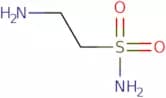
Discontinued product2-Aminoethanesulfonamide
CAS:2-Aminoethanesulfonamide is a drug that has been shown to have biological properties. It is used for the treatment of bowel disease and has been shown to be effective in treating some cases of congestive heart failure. 2-Aminoethanesulfonamide interacts with drugs such as sodium citrate and dextran sulfate, which can lead to drug interactions. It also inhibits the enzyme activities in bone cancer cells, which may contribute to its anticancer effects. This drug has been shown to have anti-inflammatory properties and may be beneficial in treating inflammatory bowel disease (IBD).
Formula:C2H8N2O2SPurity:Min. 95%Color and Shape:Off-White PowderMolecular weight:124.16 g/mol2-Nonene (cis- and trans- mixture)
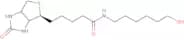
CAS:Formula:C9H18Purity:>94.0%(GC)Color and Shape:Colorless to Almost colorless clear liquidMolecular weight:126.246-N-Biotinylaminohexanol
CAS:6-N-Biotinylaminohexanol is a fine chemical that is used as a reagent or as a speciality chemical in research. This compound has also been shown to be a versatile building block for the synthesis of complex compounds and useful scaffolds for medicinal chemistry. 6-N-Biotinylaminohexanol is soluble in organic solvents, such as alcohols and ethers, but insoluble in water. It can be used as an intermediate in organic synthesis or as a reactant for the preparation of other chemicals.
Formula:C16H29N3O3SPurity:Min. 95%Color and Shape:PowderMolecular weight:343.49 g/molRef: 3D-FB18627
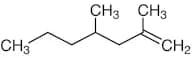
Discontinued product2,4-Dimethyl-1-heptene
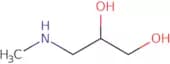
CAS:Formula:C9H18Purity:>98.0%(GC)Color and Shape:Colorless to Almost colorless clear liquidMolecular weight:126.243-Methylamino-1,2-propanediol
CAS:3-Methylamino-1,2-propanediol is a reactive compound that is used in the synthesis of organic acids. It is also used as an intermediate in the manufacture of polyethylene glycols and particle coatings. 3-Methylamino-1,2-propanediol can be synthesized from allylamine and alkanolamine via a thermal process. It reacts with chloride to form methyl chloroacetate, which can then be converted into 3-methylamino-1,2-propanediol by reaction with methanol. The production process for this substance has been shown to generate low levels of hazardous substances such as polycyclic aromatic hydrocarbons (PAHs) and dioxins.
Formula:C4H11NO2Purity:Min. 95%Color and Shape:PowderMolecular weight:105.14 g/molRef: 3D-FM34214
Discontinued product1-Amino-1-cyclopropanecarbonitrile hydrochloride
CAS:1-Amino-1-cyclopropanecarbonitrile hydrochloride (ACN) is a synthetic compound that has been shown to be effective against cancer and inflammatory diseases. It is an acidic compound that has been shown to inhibit the growth of tumor cells by inducing apoptosis. This drug also binds to chloride ions and inhibits the production of inflammatory cytokines, such as IL-6, TNFα, and IL-2. 1-Amino-1-cyclopropanecarbonitrile hydrochloride is soluble in water and acetonitrile with a melting point of about 157°C. The molecule's structure was determined through kinetic measurements and thermodynamic calculations.
Formula:C4H6N2·HClPurity:Min. 95%Color and Shape:Off-White PowderMolecular weight:118.56 g/molRef: 3D-FA10827
Discontinued product6-Amino-1-hexanol
CAS:6-Amino-1-hexanol is a chemical compound that belongs to the group of amines. It is also an ester of hexanol and ethylene diamine. 6-Amino-1-hexanol has been shown to have hemolytic activity, which is due to its ability to form an acyl chain with the hydroxyl group on the plate test. 6-Amino-1-hexanol has been used as a chemical intermediate in analytical chemistry and has been shown to be effective against bacterial strains such as Staphylococcus aureus and Bacillus subtilis. This substance also inhibits the growth of Streptococcus pneumoniae and Mycoplasma pneumoniae.6-Amino-1-hexanol does not inhibit uptake by bacteria, which may be due to its lack of amine functionality.
Formula:C6H15NOPurity:(Titration) Min. 97%Color and Shape:PowderMolecular weight:117.19 g/molRef: 3D-FA01980
Discontinued productAdamantane-2-carboxylic acid
CAS:Adamantane-2-carboxylic acid is a synthetic polymer that is used as a matrix in molecular electrostatic potential flow chromatography. Adamantane-2-carboxylic acid has been shown to form a polymeric matrix with trifluoromethyl groups and carbon tetrachloride, which can be used to separate neurotensin receptor agonists from dopamine antagonists. This compound also has the ability to cross the blood-brain barrier and bind to dopamine receptors, which may be useful for controlling diabetes. Adamantane-2-carboxylic acid is also an organic solvent and can be used as an alternative to chlorinated solvents such as carbon tetrachloride for environmental pollution control.
Formula:C11H16O2Purity:Min. 95%Color and Shape:White PowderMolecular weight:180.24 g/molRef: 3D-FA13138
Discontinued product8-oxa-5-azaspiro[3.5]nonane
CAS:8-oxa-5-azaspiro[3.5]nonane is a high quality, non-toxic reagent with many uses as a building block for the synthesis of complex compounds. It can be used as an intermediate in the synthesis of fine chemicals, such as pharmaceuticals and agrochemicals, or as a building block for the synthesis of other chemical compounds. CAS No. 602326-48-7 is a versatile building block that can be used to synthesize molecules for research purposes. This compound has been shown to be useful in organic synthesis because it reacts easily with different functional groups.
Formula:C7H13NOPurity:Min. 95%Color and Shape:PowderMolecular weight:127.18 g/molRef: 3D-FO76093
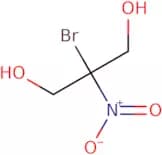
Discontinued product2-Bromo-2-nitro-1,3-propanediol
CAS:2-Bromo-2-nitro-1,3-propanediol (BNP) is a preservative that is used in wastewater treatment. It is an antimicrobial agent that has synergistic effects with other antimicrobial agents such as triclosan, benzalkonium chloride and sesquiterpene lactones. 2-Bromo-2-nitro-1,3-propanediol has been shown to have a phase transition temperature of -28°C, which can be used to identify it in the laboratory. This compound also has a pK value of 4.4, which indicates that it is weakly acidic. 2-Bromo-2-nitro-1,3-propanediol can be used as an analytical method for the determination of p - hydroxybenzoic acid in aqueous samples by electrochemical impedance spectroscopy (EIS).
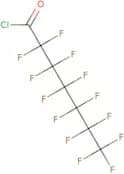
Formula:C3H6BrNO4Purity:Min. 95%Color and Shape:PowderMolecular weight:199.99 g/molPerfluoroheptanoyl chloride
CAS:Perfluoroheptanoyl chloride is a fluorinated hydrocarbon that is used as a surfactant in detergent compositions. It has been shown to be biostable, which means it does not react with other molecules in the environment. This compound also has low environmental toxicity because of its resistance to peroxidation and its ability to form stable complexes with metals. Perfluoroheptanoyl chloride has been shown to cause allergic reactions in some people and may cause adverse effects on animal health. Research on the effects of perfluoroheptanoyl chloride on Xenopus oocytes has demonstrated that this compound can affect gene expression and result in cell death.
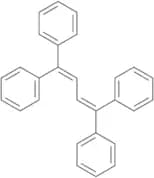
Formula:C7CIF13OPurity:Min. 95%Color and Shape:Colourless LiquidMolecular weight:382.51 g/mol1,1,4,4-Tetraphenyl-1,3-butadiene
CAS:1,1,4,4-Tetraphenyl-1,3-butadiene is a chemical compound that is stable in air and water. It has been shown to be active against pluripotent cells which are the precursor of all cells in the body. 1,1,4,4-Tetraphenyl-1,3-butadiene has been used for a number of biochemical research studies and has been shown to have electrochemical properties as an electrode material. This compound also has high values for toxicological studies. It can be found in the atmosphere at low levels but can also be released into the environment from industrial sources such as electric arc furnaces or coal burning plants.
Formula:C28H22Purity:Min. 99.0%Color and Shape:White PowderMolecular weight:358.47 g/molMaleic acid
CAS:Maleic acid is dicarboxylic acid. It is the cis isomer. The trans isomer is fumaric acid
Formula:C4H4O4Purity:Min. 95%Color and Shape:White Clear LiquidMolecular weight:116.07 g/molRef: 3D-FM29309
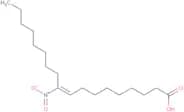
Discontinued product10-Nitro oleic acid
CAS:10-Nitro oleic acid is a nitro compound that has been shown to have a low binding affinity for DNA. It has been shown to induce reactive oxygen species (ROS) in cells, which may be caused by its ability to bind to the response element of the promoter region of an interferon-induced gene. In addition, 10-Nitro oleic acid also binds to single-stranded RNA and induces protein thiols. The polymerase chain reaction (PCR) technique has been used to detect 10-Nitro oleic acid in rat urine and human erythrocytes. 10-Nitro oleic acid is not active against human polymorphonuclear leukocytes or human mdr1 cells; however, it is active against kidney injury cells and chronic liver diseases cells.
Formula:C18H33NO4Purity:Min. 95%Color and Shape:PowderMolecular weight:327.46 g/mol1H,1H,7H-Dodecafluoroheptanol
CAS:1H,1H,7H-Dodecafluoroheptanol is a perfluorinated compound. It has been shown to be an efficient scavenger of reactive oxygen species (ROS) and to have a protective effect on collagen. The reaction mechanism of 1H,1H,7H-dodecafluoroheptanol is not fully understood. However, it has been shown that the chloride ion plays a key role in the formation of this product from 1H,1H,7F-dodecafluoroheptane. The reaction vessel used in this synthesis is critical because it must be anhydrous to prevent the formation of 1HF3OCl. Magnetic resonance spectroscopy has been used to study the chemical structures of this compound.
Formula:C7H4F12OPurity:Min. 95%Color and Shape:Colorless PowderMolecular weight:332.09 g/molRef: 3D-FD37544
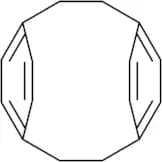
Discontinued product2,2-Paracyclophane
CAS:2,2-Paracyclophane is a high-sensitivity c-reactive protein (hsCRP) that has been isolated from the fungus Cryptococcus neoformans. This compound has shown to have anti-cancer properties in animal studies. 2,2-Paracyclophane binds to fatty acids and is soluble in water, which may be due to its hydrogen bonding with the hydroxyl group at C1. The crystal structure of this compound reveals that it has a cyclohexane ring and two fatty acids. The thermal expansion coefficient of this molecule is also high, which suggests that it may be suitable for use as a solid lubricant.
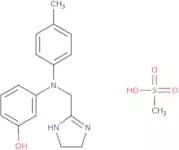
Formula:C16H16Purity:Min. 98.5 Area-%Color and Shape:White PowderMolecular weight:208.3 g/molPhentolamine methanesulfonate
CAS:Phentolamine is a synthetic mesylate that is used as an antihypertensive agent, and for the treatment of Raynaud's syndrome and pheochromocytoma. Phentolamine is also used to prevent frostbite and to treat various types of shock. Phentolamine blocks alpha-2-adrenergic receptors, thereby decreasing sympathetic nerve impulses to the heart, blood vessels, kidneys, and other organs. This drug also acts as a histamine antagonist by blocking H1-receptors on vascular smooth muscle cells. Phentolamine has been shown to have no significant effects on 5-hydroxytryptamine (5HT) release in vitro or in vivo.
Formula:C18H23N3O4SPurity:Min. 95%Color and Shape:White PowderMolecular weight:377.46 g/mol1,2-Bis(chlorodimethylsilyl)ethane
CAS:1,2-Bis(chlorodimethylsilyl)ethane is a reactive chemical that is synthesized from hydroxychloroformates and hydrogen chloride. It reacts with silicon to form chlorosilanes, which are then used in the polymerization of siloxanes. 1,2-Bis(chlorodimethylsilyl)ethane has been shown to be an effective initiator for the polymerization of methyl methacrylate and ethylene glycol dimethacrylate. 1,2-Bis(chlorodimethylsilyl)ethane is also used as a hydroxyl group donor in organic reactions.
Formula:C6H16Cl2Si2Purity:Min. 95 Area-%Color and Shape:PowderMolecular weight:215.27 g/mol2-Bromo-3,3,3-trifluoro-1-propene
CAS:Controlled Product2-Bromo-3,3,3-trifluoro-1-propene is a chemical compound that has been synthesized in an asymmetric reaction. The reactant is bromopropane and the product is 2,2,2-trifluoropropene. The methylene group on the propene molecule is activated by the nucleophilic attack of a fluoride ion from hydrogen fluoride to form a cavity with a highly strained bond. The kinetic study of this reaction revealed that the activation energy for the reaction is 42 kJ/mol. Palladium-catalyzed coupling reactions are catalyzed by palladium and require nonpolar solvents such as toluene or dichloromethane. This type of reaction has been shown to be exothermic with an isolated yield of 1%.
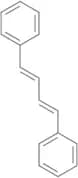
Formula:C3H2BrF3Purity:Min. 95%Color and Shape:Colorless PowderMolecular weight:174.95 g/moltrans,trans-1,4-Diphenyl-1,3-butadiene
CAS:Used in the preparation of metal-diene reagents (e.g. for carbocyclization)
Formula:C16H14Purity:Min. 95%Molecular weight:206.28 g/mol


![4-{[2-methyl-6-(trifluoromethyl)pyridin-3-yl]amino}-4-oxobut-2-enoic acid](/_next/image/?url=https%3A%2Fstatic.cymitquimica.com%2Fproducts%2F10%2Fthumb-webp%2FF518653.webp&w=3840&q=75)

![(imidazo[1,2-a]pyridin-6-ylmethylene)malononitrile](/_next/image/?url=https%3A%2Fstatic.cymitquimica.com%2Fproducts%2F10%2Fthumb-webp%2FF518021.webp&w=3840&q=75)




![1,4-Diazabicyclo[3.2.2]nonane dihydrochloride](/_next/image/?url=https%3A%2Fstatic.cymitquimica.com%2Fproducts%2F3D%2Fthumb-webp%2FFD07110.webp&w=3840&q=75)












![8-oxa-5-azaspiro[3.5]nonane](/_next/image/?url=https%3A%2Fstatic.cymitquimica.com%2Fproducts%2F3D%2Fthumb-webp%2FFO76093.webp&w=3840&q=75)