Aliphatic compounds and derivatives
Aliphatic compounds and derivatives are organic compounds characterized by straight or branched chain structures, as opposed to ring structures found in aromatic compounds. These compounds include alkanes, alkenes, alkynes, and their functionalized derivatives, playing a vital role in various chemical processes and industrial applications. At CymitQuimica, we offer a diverse selection of high-purity aliphatic compounds and their derivatives, meticulously sourced and tested to meet the stringent requirements of research and industrial needs. Our catalog covers a wide range of compounds, including hydrocarbons, alcohols, aldehydes, ketones, and acids, each known for their reactivity and versatility in organic synthesis, pharmaceuticals, and materials science. By providing top-quality aliphatic compounds and derivatives, we support researchers and professionals in achieving precise and efficient chemical transformations, fostering innovation and advancements in multiple scientific and technological fields.
Found 8725 products of "Aliphatic compounds and derivatives"
Sort by
Purity (%)
0
100
|
0
|
50
|
90
|
95
|
100
(2E)-1-{[1,1'-biphenyl]-4-yl}-3-(4-ethylphenyl)prop-2-en-1-one
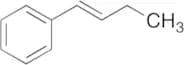
CAS:Purity:95.0%Molecular weight:312.4119873046875(E)-1-Phenyl-1-butene
CAS:Controlled Product<p>Applications (E)-1-Phenyl-1-butene was used to study olefin oxidation by cytochrome P-450. It can be used to synthesize nonracemic allylic amines. It can also be used to prepare aryl oxiranes by direct epoxidation.<br>References Liebler, D., et al.: Biochem., 22, 5482 (1983); Liang, C., et al.: J. Am. Chem. Soc., 130, 343 (2008); Imuta, M., et al.: J. Org. Chem., 44, 1351 (1979)<br></p>Formula:C10H12Color and Shape:NeatMolecular weight:132.205'-bromo-1'-ethenyl-1',2'- dihydrospiro[cyclopropane-1,3'-indole]-2'-one
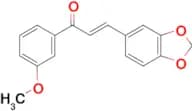
CAS:Purity:95.0%Molecular weight:264.12200927734375(2E)-3-(2H-1,3-benzodioxol-5-yl)-1-(3-methoxyphenyl)prop-2-en-1-one
CAS:Purity:95.0%Molecular weight:282.29501342773441,4,5,6,7,8-Hexahydro-4-oxo[1]benzothieno[2,3-d]pyrimidine-2-acetonitrile
CAS:Purity:95%Molecular weight:245.3(E)-3-CYCLOPROPYL-ACRYLIC ACID ETHYL ESTER
CAS:Purity:95.0%Color and Shape:LiquidMolecular weight:140.1820068359375(2E)-3-[4-(benzyloxy)phenyl]-1-(4-bromophenyl)prop-2-en-1-one
CAS:Purity:95.0%Molecular weight:393.2799987792969(Z)-METHYL 2-BROMOBUT-2-ENOATE
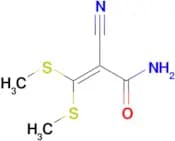
CAS:Purity:95.0%Color and Shape:Liquid, ClearMolecular weight:179.013000488281252-Cyano-3,3-bis(methylthio)acrylamide
CAS:Purity:95.0%Color and Shape:SolidMolecular weight:188.25999450683594Methyl 2-methyl-3-[(prop-2-en-1-yl)amino]propanoate
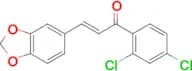
CAS:Purity:95.0%Molecular weight:157.21299743652344(2E)-3-(2H-1,3-benzodioxol-5-yl)-1-(2,4-dichlorophenyl)prop-2-en-1-one
CAS:Purity:95.0%Molecular weight:321.14999389648441,2-Epoxy-5-cyclooctene
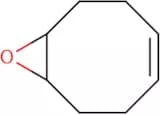
CAS:<p>1,2-Epoxy-5-cyclooctene is a cyclic epoxide that undergoes ring opening with the addition of a nucleophile. This reaction is catalyzed by a bromonium ion, which acts as the electrophile. The product of this reaction is 2-hydroxy-1,2-epoxycyclohexane. 1,2-Epoxy-5-cyclooctene has been used in synthesizing various compounds such as monoepoxides and hydrosilanes. It can also be used to produce compounds that are difficult to access through other methods. 1,2-Epoxy-5-cyclooctene has been studied using x-ray crystallography and conformational analysis.</p>Formula:C8H12OPurity:Min. 98 Area-%Color and Shape:Clear LiquidMolecular weight:124.18 g/molHexacosanoic acid
CAS:<p>Hexacosanoic acid is a glycol ether that has been shown to have hypoglycemic activity in mice. It was also shown to increase the levels of fatty acids and decrease the levels of glycerides in rats, which may be due to its ability to inhibit the synthesis of phospholipids. Hexacosanoic acid has been used as an analytical reagent for the determination of p-hydroxybenzoic acid and uronic acid. The polymerization of hexacosanoic acid is catalyzed by a polymerase chain reaction (PCR), which can be used for diagnosis. This molecule has also been found to have anti-inflammatory properties and nitrate reductase activity.</p>Formula:C26H52O2Color and Shape:White PowderMolecular weight:396.69 g/molPotassium nonafluoro-1-butanesulfonate
CAS:<p>Potassium nonafluoro-1-butanesulfonate (NBS) is a chemical compound that is used to remove trifluoroacetic acid from wastewater. It can also be used as an analytical reagent to measure cytosolic calcium concentrations in cells. In addition, NBS has been shown to have a high degree of chemical stability, but it may react with hydrogen fluoride and cause toxicity in humans. The pharmacokinetic properties of this drug are not well-known, but it has been shown to accumulate in the liver and fat tissues and pass into the maternal blood stream during pregnancy. NBS also inhibits the synthesis of p-hydroxybenzoic acid, which leads to hepatic steatosis in mice with diet-induced obesity. This drug also affects 3t3-l1 preadipocytes and human serum.</p>Formula:C4F9KO3SColor and Shape:PowderMolecular weight:338.19 g/molAgaric acid
CAS:<p>Agaric acid is a high-quality, versatile chemical that is used as an intermediate in many organic and biochemistry reactions. It is also used as a reagent for the isolation of metals such as silver and gold. As a complex compound, it has many uses, including being a useful building block in the synthesis of various drugs. Agaric acid can be used to produce other chemicals such as speciality chemicals or research chemicals</p>Formula:C22H40O7Molecular weight:416.56 g/molRef: 3D-A-3920
1gTo inquire5gTo inquire250mgTo inquire500mgTo inquire2500mgTo inquire-Unit-ggTo inquireSodium pyruvate
CAS:<p>Pyruvate is an intermediary organic acid metabolite in glycolysis and the first of the Embden Meyerhoff pathways that can pass readily in or out of the cell. Thus, the addition of sodium pyruvate to tissue culture medium provides both an energy source and a carbon skeleton for anabolic processes. Furthermore, it assists with maintaining certain specialized cells, is useful when cloning, and may be necessary when the serum concentration is reduced in the medium.</p>Formula:C3H3NaO3Purity:Min. 98.0 Area-%Molecular weight:110.05 g/mol6-Mercapto-1-hexanol
CAS:<p>6-Mercapto-1-hexanol is a redox active molecule that has been shown to be a potent inhibitor of human immunodeficiency virus type 1 reverse transcriptase. It has also been shown to inhibit the polymerase chain reaction and transfer reactions, including those mediated by DNA-dependent RNA polymerase. 6-Mercapto-1-hexanol can be detected with high sensitivity in human serum, which is its main application for the diagnosis of HIV infection. This compound reacts with molecular oxygen to form superoxide radicals, which are responsible for its redox potential. The rate constant for this reaction has been shown to be dependent on pH and temperature. 6-Mercapto-1-hexanol can also form stable complexes with proteins such as albumin or human immunoglobulin G (IgG). These complexes have been shown to exhibit electrochemical impedance spectroscopy activity at low concentrations and chemical stability in biological media.</p>Formula:C6H14OSPurity:Min. 96%Color and Shape:Clear LiquidMolecular weight:134.24 g/molTris(phenylthio)methane
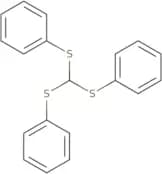
CAS:<p>Tris(phenylthio)methane is a formylating reagent that reacts with ethyl formate to produce the nitro compound. It is used in the preparation of β-amino acids and as an asymmetric synthesis catalyst. Tris(phenylthio)methane can be used as a polymerization initiator for metathesis reactions, such as the Suzuki reaction. It has been shown to be a good nucleophile and polymerizing agent when combined with hydrochloric acid or silver trifluoromethanesulfonate. Tris(phenylthio)methane may also react with chloride in the presence of base to produce phosphoric acid esters.</p>Formula:C19H16S3Purity:Min. 95%Color and Shape:Off-White PowderMolecular weight:340.53 g/molBis(trifluoromethane)sulfonimide lithium salt
CAS:<p>Please enquire for more information about Bis(trifluoromethane)sulfonimide lithium salt including the price, delivery time and more detailed product information at the technical inquiry form on this page</p>Formula:C2F6LiNO4S2Molecular weight:287.09 g/molRef: 3D-Q-101273
1kgTo inquire5kgTo inquire250gTo inquire500gTo inquire2500gTo inquire-Unit-kgkgTo inquire3-Carboxypropanesulfonamide
CAS:<p>3-Carboxypropanesulfonamide is a chemical compound that has been shown to have the ability to modulate cardiac cell function. This compound has been shown to be effective in a reaction monitoring technique, which monitors the functional groups and techniques of chemical reactions, in order to introduce this molecule into the cell membrane and alter its potential. 3-Carboxypropanesulfonamide is capable of changing the lipid composition of the membrane by introducing a linker group that can bind with other molecules such as cholesterol or phospholipids. This linker group alters the membrane potential of cells, leading to changes in ion flow and cellular response.</p>Formula:C4H9NO4SPurity:Min. 95%Color and Shape:White PowderMolecular weight:167.18 g/mol2-Azidoacetic acid
CAS:<p>2-Azidoacetic acid is a versatile chemical building block that can be used to form amides by reaction of the carboxylic acid with a suitable coupling reagent and amine. The azide group can undergo copper(I) catalysed or Huisgen 1,3-dipolar cycloadditin reactions to form triazoles, a common example of click chemistry.</p>Formula:C2H3N3O2Purity:Min. 97.0 Area-%Color and Shape:Colorless Slightly Yellow Clear Liquid PowderMolecular weight:101.06 g/moltert-Butyl isocyanoacetate
CAS:<p>tert-Butyl isocyanoacetate is an organic compound that belongs to the diacid class of organic compounds. It reacts with water to produce the amide and squaramide. Tert-butyl isocyanoacetate has a high affinity for nitrogen atoms, and can be used in uv absorption spectroscopy. It also has a stepwise mechanism and can react with other chemicals to produce new substances. The compound has fluorescence properties and is used in optical devices such as lasers. Tert-butyl isocyanoacetate also has an ester hydrochloride form which is low potency but active methylene catalysed.</p>Formula:C7H11NO2Purity:Min. 95%Color and Shape:Brown Clear LiquidMolecular weight:141.17 g/molSodium pyruvate
CAS:<p>Pyruvate is an intermediary organic acid metabolite in glycolysis and the first of the Embden Meyerhoff pathways that can pass readily in or out of the cell. Thus, the addition of sodium pyruvate to tissue culture medium provides both an energy source and a carbon skeleton for anabolic processes. Furthermore, it assists with maintaining certain specialized cells, is useful when cloning, and may be necessary when the serum concentration is reduced in the medium.</p>Formula:C3H3O3NaPurity:Min. 95%Color and Shape:Crystalline PowderMolecular weight:110.04 g/mol1,1,1-Tris(hydroxymethyl)ethane
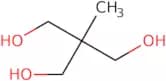
CAS:<p>1,1,1-Tris(hydroxymethyl)ethane is a liquid that can be used in the treatment of wastewater. It is a non-ionic surfactant that reacts with metal hydroxides to form insoluble salts. 1,1,1-Tris(hydroxymethyl)ethane has been shown to have a light emission property at room temperature and below. The structure of 1,1,1-Tris(hydroxymethyl)ethane has been determined using spectroscopic analysis and chemical synthesis. Hypoglycemic effects have been demonstrated in mice fed a high-fat diet supplemented with 1,1,1-Tris(hydroxymethyl)ethane as well as in rats fed an experimental diet containing this compound.</p>Formula:C5H12O3Purity:Min. 95 Area-%Color and Shape:White Off-White PowderMolecular weight:120.15 g/mol(S)-N-Boc-2-aminopent-4-en-1-ol
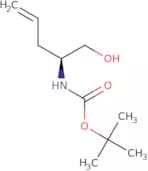
CAS:<p>(S)-N-Boc-2-aminopent-4-en-1-ol is an organic compound that is a useful scaffold for the synthesis of complex compounds. It is also a useful intermediate in organic synthesis and can be used as a building block to synthesize fine chemicals. The chemical has been registered with CAS number 116613-81-1.</p>Formula:C10H19NO3Purity:Min. 95%Color and Shape:Colourless To Yellow LiquidMolecular weight:201.26 g/molN-Succinimidyl myristate
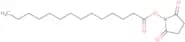
CAS:<p>N-Succinimidyl myristate is a long-chain fatty acid that contains a sulfur atom at its head. It is used in the production of diagnostic products and insulin analogs, as well as in the industrial production of organic solvents. N-Succinimidyl myristate reacts with serum albumin, forming an activated product that can be used in diagnostic tests. This reaction product is also used to bind proteins to fluorine atoms for use in industrial processes.</p>Formula:C18H31NO4Purity:Min. 95%Color and Shape:PowderMolecular weight:325.44 g/mol(S)-(+)-2-Amino-3-methylbutane
CAS:<p>(S)-(+)-2-Amino-3-methylbutane is a chiral, optically active pyruvate. It can be used as an optical reagent to determine the configuration of an amino acid in the presence of a hydrazone or amine. The 2-amino group is attached to the C1 carbon atom and the methyl group is attached to the C4 carbon atom. Hydrogenolysis of (S)-(+)-2-amino-3-methylbutane produces ethyl pyruvate and hydrogen gas.</p>Formula:C5H13NPurity:Min. 95%Color and Shape:Clear LiquidMolecular weight:87.17 g/mol3-Bromoadamantane-1-carboxylic acid
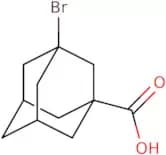
CAS:<p>3-Bromoadamantane-1-carboxylic acid is a potent inhibitor of sphingosine kinase. It is a synthetic compound that was developed to inhibit the activity of sphingosine kinase and thus reduce the levels of sphingosines in cells. 3-Bromoadamantane-1-carboxylic acid has been shown to be effective against multikinases, including caspases and protein kinases. The drug is also able to inhibit tumor growth in animals. The mechanism by which 3-bromoadamantane-1-carboxylic acid inhibits tumor growth is unknown but may involve its ability to bind to the ATP binding site on the enzyme complex or its ability to form a noncompetitive inhibitor with ATP.</p>Formula:C11H15BrO2Purity:Min. 95%Color and Shape:White Off-White PowderMolecular weight:259.14 g/mol2-Methyl-1,3-propanediol
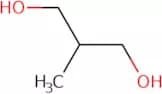
CAS:<p>2-Methyl-1,3-propanediol is a glycol ether that is used in sample preparation for chemical analysis. It is an antimicrobial agent that has been shown to be active against bacteria such as Escherichia coli and Staphylococcus aureus. 2-Methyl-1,3-propanediol has also been shown to have the ability to inhibit the growth of epidermal cells. This chemical has been shown to be effective in treating skin lesions caused by dermatophytes, fungi and bacterial infections. 2-Methyl-1,3-propanediol inhibits the synthesis of glycol esters, fatty acids and epidermal growth factor through competition with hydroxyl groups on cell membranes. It also chelates metal ions such as Cu2+, Zn2+, Cd2+ and Pb2+.</p>Formula:C4H10O2Purity:Min. 95%Color and Shape:Colorless PowderMolecular weight:90.12 g/molTrimethylolpropane tris(2-mercaptoacetate)
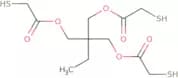
CAS:<p>Trimethylolpropane tris(2-mercaptoacetate) (TMPTMA) is a functional group that is used as an actuator in organic solvent-based inkjet printing. It has been shown to be a cross-linking agent and a treatment effect modifier. TMPTMA has been shown to be a hydroxyl group donor and has the ability to form vinyl groups. In addition, it can act as an organic acid by donating protons and carboxyl groups. TMPTMA can also function as a heat energy absorber and has low molecular weight, making it highly reactive with other substances. The alicyclic structure of TMPTMA makes it susceptible to ring opening reactions with strong acids or bases.</p>Formula:C12H20O6S3Purity:Min. 95%Color and Shape:PowderMolecular weight:356.48 g/molACES
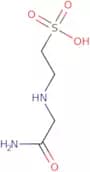
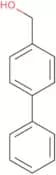
CAS:<p>ACES, also known as N-(2-Acetamido)-2-aminoethanesulfonic acid, is an acetamido buffer that is used in culture media and protein extractions. It also forms metal complexes and has an optimal pH range of 6.1-7.5 and a pKa of 6.78.</p>Formula:C4H10N2O4SPurity:Min. 95%Color and Shape:White PowderMolecular weight:182.2 g/mol4-Biphenylmethanol
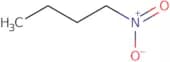
CAS:<p>4-Biphenylmethanol is a low potency naphthalene derivative that has been shown to be carcinogenic in animal studies. It is also an inhibitor of protein synthesis, which may play a role in its carcinogenic potential. 4-Biphenylmethanol has been shown to inhibit the growth of Salmonella typhimurium and Saccharomyces cerevisiae strain when used at concentrations of 50 μg/mL or higher. This compound can react with hydrochloric acid to form hydrogen bonding interactions, which may account for its observed antibacterial activity.</p>Formula:C13H12OPurity:Min. 95%Color and Shape:PowderMolecular weight:184.23 g/mol1-Nitrobutane
CAS:<p>1-Nitrobutane is an organic compound with the chemical formula CH3NO2. It is a colorless liquid that is soluble in water and insoluble in ether. 1-Nitrobutane can react with hydroxyl groups to form nitroalkanes and it has been used as a reaction product for kinetic measurements of hydroxyl group concentration. The reaction mechanism of 1-nitrobutane is not completely known, but it has been proposed that the hydroxyl group reacts with the nitro group by nucleophilic substitution. 1-Nitrobutane can be used as a reagent for chromatography because it absorbs ultraviolet radiation and emits photoelectrons, which can be detected by covid-19 detectors. 1-Nitrobutane also has been shown to have antiviral properties against pandemic influenza A virus (H1N1) in cultured cells and rat liver microsomes.</p>Formula:C4H9NO2Purity:Min. 95%Color and Shape:PowderMolecular weight:103.12 g/molDiphenylcyclopropenone
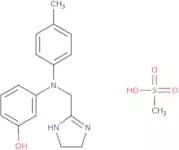
CAS:<p>Strained cyclopropene analogue. Used as topical therapy for cutaneous warts, atopic dermatitis and alopecia areata. Efficacy as a single agent for the treatment of cutaneous metastatic melanoma has been reported.</p>Formula:C15H10OPurity:Min. 99 Area-%Color and Shape:White PowderMolecular weight:206.24 g/molPhentolamine methanesulfonate
CAS:<p>Phentolamine is a synthetic mesylate that is used as an antihypertensive agent, and for the treatment of Raynaud's syndrome and pheochromocytoma. Phentolamine is also used to prevent frostbite and to treat various types of shock. Phentolamine blocks alpha-2-adrenergic receptors, thereby decreasing sympathetic nerve impulses to the heart, blood vessels, kidneys, and other organs. This drug also acts as a histamine antagonist by blocking H1-receptors on vascular smooth muscle cells. Phentolamine has been shown to have no significant effects on 5-hydroxytryptamine (5HT) release in vitro or in vivo.</p>Formula:C18H23N3O4SPurity:Min. 95%Color and Shape:White PowderMolecular weight:377.46 g/molDibutyl Squarate
CAS:<p>Dibutyl squarate is a new experimental drug that has been shown to have potential in the treatment of autoimmune diseases. Dibutyl squarate is also effective for treating infectious diseases, such as HIV and tuberculosis. The drug has been shown to work by blocking the apoptosis pathway, which prevents the release of pro-inflammatory cytokines. This drug also inhibits the synthesis of chemoattractant proteins, which are important for recruiting cells to the site of infection or injury. In addition, dibutyl squarate blocks cancer cell proliferation and can be used in combination therapy groups. Dibutyl squarate has also been shown to reduce alopecia in mice by inhibiting hair loss caused by inflammation.</p>Formula:C12H18O4Purity:Min. 96.0 Area-%Color and Shape:Slightly Yellow Clear LiquidMolecular weight:226.27 g/molN-(4-Aminobutyl)-1,4-butanediamine trihydrochloride
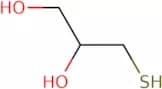
CAS:<p>N-(4-Aminobutyl)-1,4-butanediamine trihydrochloride (N(4)ABDAT) is a fine chemical and versatile building block. It can be used as an intermediate in the synthesis of pharmaceuticals and other organic chemicals. N(4)ABDAT is also a useful reagent for research purposes. The compound has a CAS number of 189340-78-1. It was originally synthesized by reacting 4-aminobutyric acid with 1,4-butanediamine, which yielded N(4)ABDAT as the major product. The chemical properties of N(4)ABDAT have been studied extensively including its reaction with potassium hydroxide, hydrochloric acid and sodium hydroxide to form different compounds.</p>Formula:C8H24Cl3N3Purity:Min. 95%Color and Shape:White PowderMolecular weight:268.65 g/mol3-Mercapto-1,2-propanediol
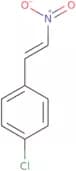
CAS:<p>3-Mercapto-1,2-propanediol is a sulfhydryl compound that has anti-tumor properties. It has been shown to induce apoptosis in leukemia cells and to inhibit the growth of myeloma cells. 3-Mercapto-1,2-propanediol has also been shown to induce redox potentials in cancer cells and prevent the formation of disulfide bonds in the cytoskeleton. The molecular pathogenesis of cancer is thought to be related to oxidative stress, which may be prevented by 3-mercapto-1,2-propanediol. This drug has also been shown to block transfection experiments with pemetrexed in a model system and human serum.</p>Formula:C3H8O2SPurity:Min. 95%Color and Shape:Clear LiquidMolecular weight:108.16 g/mol1-(4-Chlorophenyl)-2-nitroethene
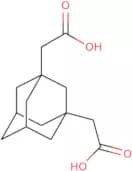
CAS:1-(4-Chlorophenyl)-2-nitroethene is a high yield, versatile reagent for the synthesis of nitro groups. It is prepared by the reaction of 1-(4-chlorophenyl)ethanone with nitric acid in an organic solvent at a temperature of 100 °C. The product can be used as a dehydrating agent, and also has functional groups such as carbonyl, hydroxyl, methoxy, azide, phenyliodonium. It has been shown to be effective in the conversion of diacetates to oximes and ketones. The 1-(4-chlorophenyl)-2-nitroethene reagent is a yellowish liquid that can be handled magnetically, but should be stored under nitrogen gas to avoid oxidation.Formula:C8H6ClNO2Purity:Min. 95%Color and Shape:Yellow PowderMolecular weight:183.59 g/mol1,3-Adamantanediacetic acid
CAS:<p>1,3-Adamantanediacetic acid is a linker molecule that is used in analytical chemistry. It is a bifunctional reagent that reacts with trifluoroacetic acid and triflic acid to form a chelate ring. This reaction product can be analyzed using analytical methods such as gas chromatography or nuclear magnetic resonance spectroscopy. 1,3-Adamantanediacetic acid has been shown to react with amides and hydrogen bonding interactions to form supramolecular structures. The introduction of this compound into the synthesis of peptides has allowed for the elucidation of the structural analysis of these molecules.</p>Formula:C14H20O4Purity:Min. 98 Area-%Color and Shape:PowderMolecular weight:252.31 g/mol2-Chloroethyl isocyanate
CAS:<p>Please enquire for more information about 2-Chloroethyl isocyanate including the price, delivery time and more detailed product information at the technical inquiry form on this page</p>Formula:C3H4ClNOPurity:Min. 99.0 Area-%Molecular weight:105.52 g/mol1-Iododecane - Stabilized with copper chip
CAS:<p>Precursor to prepare 9-nonadecanone</p>Formula:C10H21IPurity:Min. 98 Area-%Color and Shape:Colorless Clear LiquidMolecular weight:268.18 g/mol
![(2E)-1-{[1,1'-biphenyl]-4-yl}-3-(4-ethylphenyl)prop-2-en-1-one](/_next/image/?url=https%3A%2Fstatic.cymitquimica.com%2Fproducts%2F10%2Fthumb-webp%2FF524247.webp&w=3840&q=75)


![5'-bromo-1'-ethenyl-1',2'- dihydrospiro[cyclopropane-1,3'-indole]-2'-one](/_next/image/?url=https%3A%2Fstatic.cymitquimica.com%2Fproducts%2F10%2Fthumb-webp%2FF517158.webp&w=3840&q=75)
![1,4,5,6,7,8-Hexahydro-4-oxo[1]benzothieno[2,3-d]pyrimidine-2-acetonitrile](/_next/image/?url=https%3A%2Fstatic.cymitquimica.com%2Fproducts%2F10%2Fthumb-webp%2FF988575.webp&w=3840&q=75)
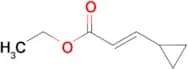
![(2E)-3-[4-(benzyloxy)phenyl]-1-(4-bromophenyl)prop-2-en-1-one](/_next/image/?url=https%3A%2Fstatic.cymitquimica.com%2Fproducts%2F10%2Fthumb-webp%2FF523876.webp&w=3840&q=75)

![Methyl 2-methyl-3-[(prop-2-en-1-yl)amino]propanoate](/_next/image/?url=https%3A%2Fstatic.cymitquimica.com%2Fproducts%2F10%2Fthumb-webp%2FF522910.webp&w=3840&q=75)