Synthetic Organic Chemistry
Synthetic organic chemistry is a branch of chemistry focused on the design and construction of organic molecules through controlled chemical reactions. This field plays a crucial role in the development of pharmaceuticals, agrochemicals, polymers, and advanced materials. At CymitQuimica, we offer a comprehensive range of high-purity reagents, catalysts, and building blocks essential for synthetic organic chemistry. Our catalog includes a variety of functionalized compounds, protecting groups, chiral auxiliaries, and coupling reagents, all meticulously tested for quality and consistency. By providing top-quality materials, we support researchers and industry professionals in achieving precise and efficient synthetic transformations, facilitating the discovery and development of innovative chemical entities and complex organic structures. Our products enable advancements in medicinal chemistry, material science, and chemical biology, driving progress in both research and industrial applications.
Subcategories of "Synthetic Organic Chemistry"
- Acids and Synthetic Reagents(16,689 products)
- Building Blocks(258,213 products)
- C-C Bond Forming Reactions(886 products)
- Protecting Groups(2,687 products)
- Reagents for Functional Group Introduction/Modification(1,029 products)
Found 202 products for "Synthetic Organic Chemistry".
Sort by
Purity (%)
0
100
|
0
|
50
|
90
|
95
|
100
4-[(4-cyanophenyl)disulfanyl]benzonitrile
CAS:Please enquire for more information about 4-[(4-cyanophenyl)disulfanyl]benzonitrile including the price, delivery time and more detailed product information at the technical inquiry form on this pageFormula:C14H8N2S2Purity:Min. 95%Molecular weight:268.36 g/molTetracyanoethylene
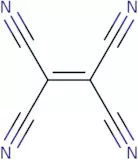
CAS:Used for post-functional addition to polyphenylacetylene derivatives
Formula:C6N4Color and Shape:White PowderMolecular weight:128.09 g/mol
![4-[(4-cyanophenyl)disulfanyl]benzonitrile](https://static.cymitquimica.com/products/3D/thumb-webp/GAA33951.webp)