Building Blocks
This section contains fundamental products for the synthesis of organic and biological compounds. Building blocks are the essential starting materials used to construct complex molecules through various chemical reactions. They play a critical role in drug discovery, material science, and chemical research. At CymitQuimica, we offer a diverse range of high-quality building blocks to support your innovative research and industrial projects, ensuring you have the essential components for successful synthesis.
Subcategories of "Building Blocks"
- Boronic Acids & Boronic Acid Derivatives(5,756 products)
- Chiral Building Blocks(1,242 products)
- Hydrocarbon Building Blocks(6,095 products)
- Organic Building Blocks(61,051 products)
Found 199813 products of "Building Blocks"
Sort by
Purity (%)
0
100
|
0
|
50
|
90
|
95
|
100
3-(4-Methylthiophen-2-yl)propanoic Acid
CAS:<p>Versatile small molecule scaffold</p>Formula:C8H10O2SPurity:Min. 95%Molecular weight:170.22 g/molN-{8-Oxatricyclo[7.4.0.0,2,7]trideca-1(9),2(7),3,5,10,12-hexaen-5-yl}acetamide
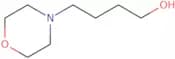
CAS:<p>Versatile small molecule scaffold</p>Formula:C14H11NO2Purity:Min. 95%Molecular weight:225.24 g/mol4-(4-Morpholinyl)-1-butanol
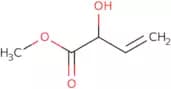
CAS:<p>Versatile small molecule scaffold</p>Formula:C8H17NO2Purity:Min. 95%Molecular weight:159.23 g/molMethyl 2-hydroxybut-3-enoate
CAS:Methyl 2-hydroxybut-3-enoate is an organic solvent that can be used for the synthesis of monomers and polymers. This molecule has a functional group, a metal ion, and an acid catalyst. It is also efficient for the synthesis of lipids and fatty acids. Methyl 2-hydroxybut-3-enoate is synthesized by reacting with potassium ions in an alcohol solution with a lipase as the catalyst. This reaction may be carried out using radiation or metathesis reactions. The product may also be used as a solid catalyst for other reactions such as hydrogenation, esterification, dehydrogenation, oxidation, hydrolysis, and polymerization.Formula:C5H8O3Purity:Min. 95%Molecular weight:116.12 g/mol4,4-Dimethyloxazolidine-2,5-dione
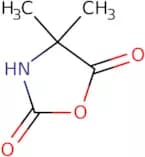
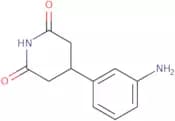
CAS:<p>Versatile small molecule scaffold</p>Formula:C5H7NO3Purity:Min. 95%Molecular weight:129.11 g/mol4-(3-Aminophenyl)piperidine-2,6-dione
CAS:<p>Versatile small molecule scaffold</p>Formula:C11H12N2O2Purity:Min. 95%Molecular weight:204.22 g/mol4-[Methyl(propan-2-yl)amino]butan-2-one
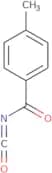
CAS:<p>Versatile small molecule scaffold</p>Formula:C8H17NOPurity:Min. 95%Molecular weight:143.23 g/mol4-Methylbenzoyl isocyanate
CAS:<p>Versatile small molecule scaffold</p>Formula:C9H7NO2Purity:Min. 95%Molecular weight:161.16 g/mol2-Azabicyclo[2.2.2]octane hydrochloride
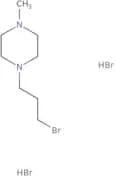
CAS:<p>Versatile small molecule scaffold</p>Formula:C7H14ClNPurity:Min. 95%Molecular weight:147.65 g/mol1-(3-Bromopropyl)-4-methylpiperazine Dihydrobromide
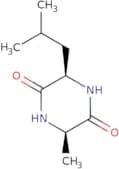
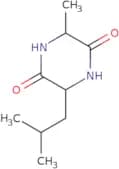
CAS:<p>Versatile small molecule scaffold</p>Formula:C8H19Br3N2Purity:Min. 95%Molecular weight:382.97 g/mol(3R,6R)-3-Methyl-6-(2-methylpropyl)piperazine-2,5-dione
CAS:<p>Versatile small molecule scaffold</p>Formula:C9H16N2O2Purity:Min. 95%Molecular weight:184.2 g/mol(3S,6R)-3-Methyl-6-(2-methylpropyl)piperazine-2,5-dione
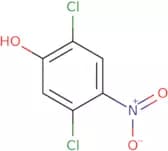
CAS:<p>Versatile small molecule scaffold</p>Formula:C9H16N2O2Purity:Min. 95%Molecular weight:184.24 g/mol2,5-Dichloro-4-nitrophenol
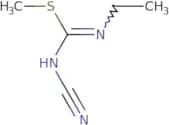
CAS:<p>Harmol is a natural substance that is found in the leaves of the plant Myrtus communis. Harmol is metabolized to harmalol and then to harmalin, which are conjugates that have been shown to have anticancer properties. Harmalol has been shown to inhibit mitochondrial membrane potential and decrease cell proliferation in cancer cells. It also inhibits p-450 enzymes and β-carboline alkaloids, which may contribute to its anticancer effects. Harmalol has also been shown to be an inhibitor of cellular respiration in animals and humans, suggesting that it may be useful for the treatment of various diseases associated with mitochondrial dysfunction.</p>Formula:C6H3Cl2NO3Purity:Min. 95%Molecular weight:208 g/molN'-Cyano-N-ethyl(methylsulfanyl)methanimidamide
CAS:<p>Versatile small molecule scaffold</p>Formula:C5H9N3SPurity:Min. 95%Molecular weight:143.21 g/mol2-Pentyl-1H-benzo[d]imidazole
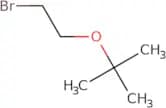
CAS:<p>2-Pentyl-1H-benzo[d]imidazole is a hydrophobic compound with affinity for the cavity of cytochrome P450. It has been used as a solid catalyst, and is being investigated as an active substance in the treatment of diseases such as asthma and Parkinson's disease. The binding constants have been determined by the microsomal preparations. The nature of this molecule is supramolecular, which means it contains complex molecules that bind to each other through hydrogen bonding or coordination. 2-Pentyl-1H-benzo[d]imidazole binds to substrates by interaction with their functional groups (e.g., OH, NH2).</p>Formula:C12H16N2Purity:Min. 95%Molecular weight:188.27 g/mol2-(2-Bromoethoxy)-2-methylpropane
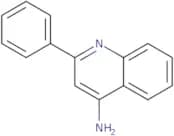
CAS:<p>2-(2-Bromoethoxy)-2-methylpropane is a cavity solvent that is used to extract fullerenes, metal ions, and other organic compounds from crystals. It can be used as an extractant for metal cations in the presence of water. 2-(2-Bromoethoxy)-2-methylpropane has been shown to have ion channel inhibition properties. This compound will bind to the hydrophobic cavities of ion channels, which prevents the flow of ions through the channel. This binding leads to a decrease in membrane potential and causes cells to become unstable or die. 2-(2-Bromoethoxy)-2-methylpropane crystallizes in the monoclinic crystal system with a space group P21/c. In this crystal structure, there are two molecules per unit cell with their molecular axes parallel to each other and perpendicular to the two mirror planes that intersect at 90° angles. The conformation of this molecule can</p>Formula:C6H13BrOPurity:Min. 95%Molecular weight:181.07 g/mol2-Phenylquinolin-4-amine
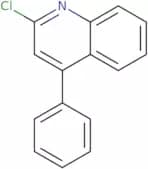
CAS:<p>2-Phenylquinolin-4-amine is a ligand that binds to the active site of the human apoE4 protein, which is involved in lipid metabolism. 2-Phenylquinolin-4-amine has been shown to be cytotoxic against cancer cell lines and potent at low concentrations. It was also shown to have potent activity in apoptosis induction and cell cycle arrest. This ligand interacts with amide groups on the surface of proteins and can form amide bonds with other molecules, including formamide and solvents. The binding constants for 2-phenylquinolin-4-amine have been measured using molecular modeling techniques and bioinformatics databases.</p>Formula:C15H12N2Purity:Min. 95%Molecular weight:220.28 g/mol2-Chloro-4-phenylquinoline
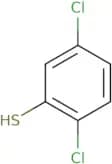
CAS:<p>2-Chloro-4-phenylquinoline is a chemical compound that has been identified in the straw of triticum aestivum. It has been shown to interact with amino acids in vitro, and may have an effect on protein synthesis. 2-Chloro-4-phenylquinoline is also toxic to microbes and can be used as a herbicide. In vitro studies have shown that 2-chloro-4-phenylquinoline inhibits microbial metabolism by inhibiting propionate production, thereby leading to lower levels of fatty acid and faeces.</p>Formula:C15H10ClNPurity:Min. 95%Molecular weight:239.7 g/mol2,5-Dichlorobenzenethiol
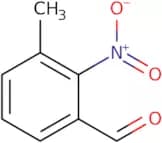
CAS:<p>2,5-Dichlorobenzenethiol is an acceptor molecule that can form hydrogen bonds. It has been shown to be a dehydrogenation catalyst and is used in the production of 2,5-dichloroaniline. 2,5-Dichlorobenzenethiol reacts with phenothiazine to produce biphenyl. It has also been used as a multivariable technique for analysis of chemical structures. This compound is an enantiopure molecule with two chiral centers and four stereoisomers. The thiolate group has been shown to react with adsorbates such as aminobiphenyl or phenothiazine to form the corresponding adducts.</p>Formula:Cl2C6H3SHPurity:Min. 95%Molecular weight:179.07 g/mol3-Methyl-2-nitrobenzaldehyde
CAS:<p>3-Methyl-2-nitrobenzaldehyde is a compound that has been shown to undergo the shift reaction in which one atom or group of atoms is moved from one position to another. This reaction was catalyzed by carbodiimides, and the product was an n-substituted carbodiimide. 3-Methyl-2-nitrobenzaldehyde also has been shown to react with methylamine as well as amines such as aniline, cyclohexylamine, and benzylamine. The reaction products are diarylmethane derivatives with a nitrogen atom and an aryl group.</p>Formula:C8H7NO3Purity:Min. 95%Molecular weight:165.15 g/mol5-Methyl-2-nitrobenzaldehyde
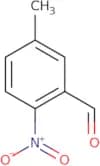
CAS:<p>5-Methyl-2-nitrobenzaldehyde is an aldehyde that is used in the synthesis of other organic compounds. It can be prepared by reacting cinnamyl alcohol with pyridinium chlorochromate. 5-Methyl-2-nitrobenzaldehyde has been used as a natural antioxidant and in organic reactions. The yields are typically low, but the reaction can be improved by using inorganic reagents.</p>Formula:C8H7NO3Purity:Min. 95%Molecular weight:165.15 g/mol2-Aminocarbonylnicotinic acid
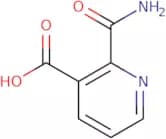
CAS:2-Aminocarbonylnicotinic acid is a nicotinic acid amide with a 3-quinolinecarboxylic acid moiety. It is synthesized by the reaction of isocyanates and succinamide, followed by cyclization. 2-Aminocarbonylnicotinic acid has been used to produce benzoic acids, amides, and dicarboxylic acids. This compound has also been shown to be an effective inhibitor of bacterial growth in vitro. 2-Aminocarbonylnicotinic acid is an unsubstituted molecule that can be used as a starting material for the synthesis of other compounds.Formula:C7H6N2O3Purity:Min. 95%Molecular weight:166.13 g/molrac-Methyl (1R,2R)-2-phenylcyclopropane-1-carboxylate
CAS:<p>Versatile small molecule scaffold</p>Formula:C11H12O2Purity:Min. 95%Molecular weight:176.21 g/mol3-Hydroxy-2-phenylcyclopent-2-en-1-one
CAS:<p>The herbicide 3-Hydroxy-2-phenylcyclopent-2-en-1-one is a phenoxy compound that inhibits the enzyme acetolactate synthase, which is required for the biosynthesis of branched chain amino acids. This inhibition leads to a shortage of these amino acids and growth inhibition in plants.</p>Formula:C11H10O2Purity:Min. 95%Molecular weight:174.2 g/mol2,4-Dimethylpentanoic acid
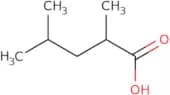
CAS:<p>The compound 2,4-dimethylpentanoic acid is a monocarboxylic acid that can be used as a conditioner in refrigeration fluids. It has been shown to have a significant effect on the fluid's ability to transfer heat by lowering its viscosity. This compound is also an acid catalyst that has been used in the production of polyesters and other plastics. The carboxyl groups on this substance allow it to act as a weak base.</p>Formula:C7H14O2Purity:Min. 95%Molecular weight:130.18 g/mol2-(2,2-Dimethylpropanamido)propanoic acid
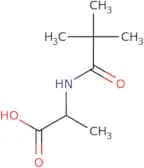
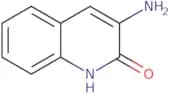
CAS:<p>Versatile small molecule scaffold</p>Formula:C8H15NO3Purity:Min. 95%Molecular weight:173.21 g/mol3-Aminoquinolin-2(1H)-one
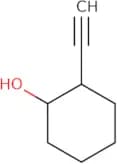
CAS:<p>3-Aminoquinolin-2(1H)-one is a synthetic compound. It has been prepared by condensation of 2-aminoacrylic acid with 1,3-diaminopropane. This reaction yields an imine that can be hydrolyzed to the corresponding amine. 3-Aminoquinolin-2(1H)-one has been used as an efficient method for the synthesis of hippuric acid and its isomers. The spectra of 3-aminoquinolin-2(1H)-one show three peaks at m/z=193, 182 and 144, which correspond to the molecular ion peak (m/z=193), the corresponding methylene peak (m/z=182) and the protonated amine peak (m/z=144). The mass spectrum shows two major peaks: one at m/z=193 and one at m/z=145. These peaks are due to fragmentation</p>Formula:C9H8N2OPurity:Min. 95%Molecular weight:160.17 g/mol2-Ethynylcyclohexan-1-ol
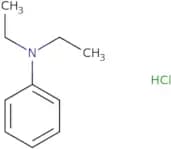
CAS:<p>2-Ethynylcyclohexan-1-ol is a cyclohexanol derivative that is synthesized by the intramolecular coupling of two phenylsulfonyl acetates. It has been shown to be an acid and base conjugate. 2-Ethynylcyclohexan-1-ol has a photophysical profile that includes fluorescence, which makes it useful for detection. This compound also yields ketones and carbocycles, making it useful in synthesis.</p>Formula:C8H12OPurity:Min. 95%Molecular weight:124.18 g/molN,N-Diethylaniline hydrochloride
CAS:<p>N,N-Diethylaniline hydrochloride is an organic chemical compound that is a derivative of aniline. It is used as a precursor to other chemicals and as a polymerization initiator. N,N-Diethylaniline hydrochloride has been shown to be soluble in chloroform and ethanol, insoluble in water. The processability of this compound can be improved by the addition of chlorine or cyclopentadienyl chloride to the reaction vessel. This chemical has a high melting point and is soluble in certain solvents.</p>Formula:C10H16ClNPurity:Min. 95%Molecular weight:185.69 g/mol2-[Acetyl(methyl)amino]acetic acid
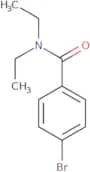
CAS:2-[Acetyl(methyl)amino]acetic acid is a serine protease inhibitor that has been shown to be effective against inflammation. It is an organic compound with the chemical formula CH3CO2CHCONH2. 2-[Acetyl(methyl)amino]acetic acid has a hydroxyl group, two fatty acids, and an intramolecular hydrogen bond. The alkylsulfonyl group and the sulfonic acid group are attached to the hydroxy group on one side of the molecule. This drug inhibits the activity of serine proteases by blocking their active site.Formula:C5H9NO3Purity:Min. 95%Molecular weight:131.13 g/molN,N-Diethyl-4-bromobenzamide
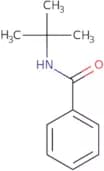
CAS:<p>Versatile small molecule scaffold</p>Formula:C11H14BrNOPurity:Min. 95%Molecular weight:256.14 g/molN-tert-Butylbenzamide
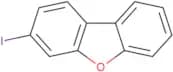
CAS:<p>N-tert-Butylbenzamide is a functional group with the chemical formula C6H10N2O. It has the amide, n-oxide and chloride functional groups. N-tert-Butylbenzamide is synthesized by reacting an aromatic hydrocarbon with an acid catalyst in the presence of aluminium. The reaction mechanism for this chemical is nucleophilic substitution. NMR spectra are used to identify the product formed by this reaction and to determine its purity. This efficient method of synthesis can be applied to other organic compounds as well.</p>Formula:C11H15NOPurity:Min. 95%Molecular weight:177.24 g/mol3-Iododibenzofuran
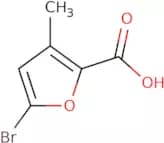
CAS:<p>3-Iododibenzofuran is a fluorescent compound that has been used as a probe for the study of neutral endopeptidase activity. The compound is characterized by a high degree of thermal stability and an inhibitory potency at pH 7.0 that is approximately 3 orders of magnitude greater than that of the active site inhibitor, anthracene. 3-Iododibenzofuran can be synthesized using chemoenzymatic methods, with efficiencies and profiles that are similar to those obtained in the conventional method. This probe can also be used to investigate the functional role of proteins in living cells or tissues.<br>3-Iodobenzofuran has been shown to have pressor effects in rats and can cause tetrazole (a type of explosive) to detonate when heated, which makes it unsuitable for use in devices such as explosives or pyrotechnics.</p>Formula:C12H7IOPurity:Min. 95%Molecular weight:294.09 g/mol5-bromo-3-methylfuran-2-carboxylic acid
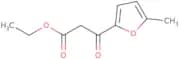
CAS:<p>5-bromo-3-methylfuran-2-carboxylic acid (BMFC) is a furan that acts as a catalyst for the isomerization of ethyl diazoacetate to methyl diazoacetate. BMFC is also used in organic synthesis, specifically as an intermediate in the production of pharmaceuticals.</p>Formula:C6H5BrO3Purity:Min. 95%Molecular weight:205 g/molEthyl 3-(5-methylfuran-2-yl)-3-oxopropanoate
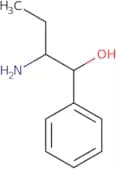
CAS:<p>Versatile small molecule scaffold</p>Formula:C10H12O4Purity:Min. 95%Molecular weight:196.2 g/mol2-Amino-1-phenylbutan-1-ol
CAS:Controlled Product<p>Versatile small molecule scaffold</p>Formula:C10H15NOPurity:Min. 95%Molecular weight:165.23 g/mol5-Chloro-[1,2,4]triazolo[1,5-a]pyrimidin-7-amine
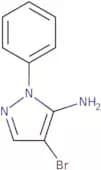
CAS:<p>Versatile small molecule scaffold</p>Formula:C5H4ClN5Purity:Min. 95%Molecular weight:169.57 g/mol4-Bromo-1-phenyl-1H-pyrazol-5-amine
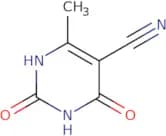
CAS:<p>Versatile small molecule scaffold</p>Formula:C9H8BrN3Purity:Min. 95%Molecular weight:238.08 g/mol6-Methyl-5-cyanouracil
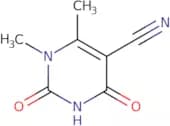
CAS:<p>Versatile small molecule scaffold</p>Formula:C6H5N3O2Purity:Min. 95%Molecular weight:151.12 g/mol1,6-Dimethyl-2,4-dioxo-1,2,3,4-tetrahydropyrimidine-5-carbonitrile
CAS:<p>Versatile small molecule scaffold</p>Formula:C7H7N3O2Purity:Min. 95%Molecular weight:165.15 g/mol2-Acetamido-4-chlorobenzoic acid
CAS:<p>2-Acetamido-4-chlorobenzoic acid is a synthetic drug that is used as an ester in pharmaceuticals. It was first synthesized in 1958 and has been shown to have tuberculostatic activity, but it does not bind to DNA or RNA. 2-Acetamido-4-chlorobenzoic acid inhibits protein synthesis by binding to the 30S ribosomal subunit, inhibiting peptidyl transferase. It also inhibits bacterial growth by binding to the 50S ribosomal subunit and competes with aminobenzoic acid for binding sites on the enzyme alcohol dehydrogenase.<br>2-Acetamido-4-chlorobenzoic acid is used in veterinary medicine as a treatment for Mycobacterium avium complex (MAC), which causes chronic respiratory disease in cats. The drug has also been shown to inhibit cancer cells by interfering with cell division at the G2/M</p>Formula:C9H8ClNO3Purity:Min. 95%Molecular weight:213.62 g/molTerbacil
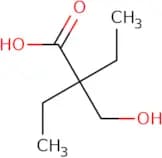
CAS:<p>Terbacil is a herbicide that is used to control perennial ryegrass in agricultural fields. It inhibits the growth of perennial ryegrass by binding to the cytochrome P450 in the mitochondria and preventing fatty acid synthesis. Terbacil also inhibits bacterial growth by binding to metal hydroxide ions and prevents bacterial uptake of nutrients. Terbacil may also be toxic to plant cells, as it has been shown to inhibit root development in cell cultures with solanum tuberosum. Terbacil has a hydroxy derivative, which is likely responsible for its herbicidal properties.</p>Formula:C9H13ClN2O2Purity:Min. 95%Molecular weight:216.66 g/mol2-Ethyl-2-(hydroxymethyl)butanoic acid
CAS:<p>Versatile small molecule scaffold</p>Formula:C7H14O3Purity:Min. 95%Molecular weight:146.18 g/mol2-[4-(2,4,4-Trimethylpentan-2-yl)phenoxymethyl]oxirane
CAS:<p>Versatile small molecule scaffold</p>Formula:C17H26O2Purity:Min. 95%Molecular weight:262.4 g/mol2-[2-(Propan-2-yl)phenoxymethyl]oxirane
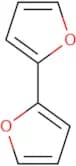
CAS:<p>Versatile small molecule scaffold</p>Formula:C12H16O2Purity:Min. 95%Molecular weight:192.25 g/mol2,2'-Bifuran
CAS:<p>2,2'-Bifuran is a synthetic compound with a carbonyl group and fluoro substituents. The carbonyl group of 2,2'-bifuran participates in reversible oxidation reactions with the cationic polymerization initiator, which leads to the formation of polymers. The presence of fluoro substituents on the bifuran ring is important for these reactions because they allow for steric interactions with neighboring groups during polymerization. This reaction is highly scalable due to the simple synthesis and inexpensive reagents needed to produce it. 2,2'-Bifuran has been used as an initiator in diagnostic tests and as a structural formula for other compounds.</p>Formula:C8H6O2Purity:Min. 95%Molecular weight:134.13 g/molPiperazine-1-sulfonamide
CAS:<p>Piperazine-1-sulfonamide is a protein inhibitor that belongs to the group of regulatory agents. It is used to regulate the growth of various types of cells, including immune cells and smooth muscle cells. Piperazine-1-sulfonamide has been shown to inhibit chemokine receptor activity in inflammatory bowel disease, which may be due to its ability to inhibit CXCR4 and CCR5 receptors. This drug also inhibits dpp-iv, an enzyme involved in protein degradation. The pharmacokinetic properties of this agent are not well studied, but it does show toxicity studies in rats at higher doses. Piperazine-1-sulfonamide can cause congestive heart failure and liver damage at high doses, so it should not be used for prolonged periods of time.</p>Formula:C4H11N3O2SPurity:Min. 95%Molecular weight:165.21 g/mol4-Acetylpiperazine-1-sulfonamide
CAS:<p>Versatile small molecule scaffold</p>Formula:C6H13N3O3SPurity:Min. 95%Molecular weight:207.25 g/mol2-Nitrobenzene-1-sulfonohydrazide
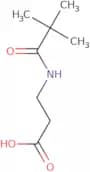
CAS:<p>2-Nitrobenzene-1-sulfonohydrazide is a drug that is used for the treatment of certain types of microbial infections. It is a reaction product of allyl carbonate and 2-nitrobenzenesulfonyl hydrazide, which are converted to the active form by hydrolysis. The active form inhibits the activity of adrenergic receptors, specifically alpha-adrenergic receptors, which are involved in the inflammatory response. 2-Nitrobenzene-1-sulfonohydrazide also inhibits cortistatin, which is an endogenous peptide with potent antiinflammatory properties. This drug has been shown to be effective in treating animals with inflammatory diseases and may be useful in treating humans with similar conditions.</p>Formula:C6H7N3O4SPurity:Min. 95%Molecular weight:217.21 g/mol3-(2,2-Dimethylpropanamido)propanoic acid
CAS:<p>Versatile small molecule scaffold</p>Formula:C8H15NO3Purity:Min. 95%Molecular weight:173.21 g/mol4,6-Dichloro-1H,2H,3H-pyrrolo[2,3-b]pyridine
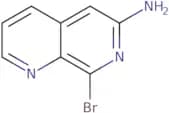
CAS:<p>Versatile small molecule scaffold</p>Formula:C7H6Cl2N2Purity:Min. 95%Molecular weight:189.04 g/mol6-Amino-8-bromo-1,7-naphthyridine
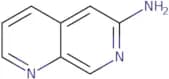
CAS:<p>Versatile small molecule scaffold</p>Formula:C8H6BrN3Purity:Min. 95%Molecular weight:224.06 g/mol1,7-Naphthyridin-6-amine
CAS:Versatile small molecule scaffoldFormula:C8H7N3Purity:Min. 95%Molecular weight:145.16 g/mol4-Chloro-1H-1,3-benzodiazol-2-ol
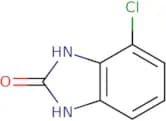
CAS:<p>Versatile small molecule scaffold</p>Formula:C7H5ClN2OPurity:Min. 95%Molecular weight:168.58 g/mol2-(4-Amino-3,5-dimethyl-1H-pyrazol-1-yl)ethan-1-ol
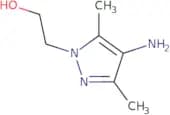
CAS:<p>Versatile small molecule scaffold</p>Formula:C7H13N3OPurity:Min. 95%Molecular weight:155.2 g/mol4,4-Dimethyl-1,2λ⁶-oxathiolane-2,2,5-trione
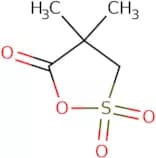
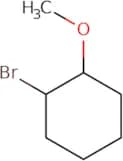
CAS:<p>Versatile small molecule scaffold</p>Formula:C5H8O4SPurity:Min. 95%Molecular weight:164.18 g/molrac-(1R,2R)-1-Bromo-2-methoxycyclohexane
CAS:<p>Racemic 1-bromo-2-methoxycyclohexane is a cyclic molecule with two stereogenic centers. It has one chiral center at the carbon atom adjacent to the bromine atom, and one chiral center at the carbon atom adjacent to the methoxy group. The two enantiomers of racemic 1-bromo-2-methoxycyclohexane have different conformations and labeling patterns, which can be determined by NMR. Racemic 1-bromo-2-methoxycyclohexane is a halide that is not stable in acidic conditions. It undergoes elimination reactions, such as nucleophilic substitution and electrophilic addition, to form substituted derivatives.</p>Formula:C7H13BrOPurity:Min. 95%Molecular weight:193.08 g/molrac-(1R,2R)-2-Bromo-1-methoxy-2,3-dihydro-1H-indene
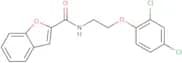
CAS:<p>Versatile small molecule scaffold</p>Formula:C17H13Cl2NO3Purity:Min. 95%Molecular weight:350.2 g/mol4,5-Dimethylthiophene-2-carboxaldehyde
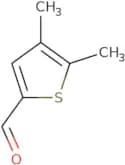
CAS:4,5-Dimethylthiophene-2-carboxaldehyde is a colorless liquid with an unpleasant odor. It is used in the synthesis of amines, azomethines, and heterocycles. This product can be tuned to have a reversible colour change between blue and yellow by changing the pH. 4,5-Dimethylthiophene-2-carboxaldehyde is oxidized to its conjugated form under acidic conditions. The conjugated form has a red color that becomes yellow as it oxidizes further. 4,5-Dimethylthiophene-2-carboxaldehyde is neutral in terms of charge and has no aromatic or heterocyclic properties.Formula:C7H8OSPurity:Min. 95%Molecular weight:140.2 g/mol4-Nitro-1H-pyrrole-2-carboxylic acid
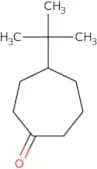
CAS:<p>4-Nitro-1H-pyrrole-2-carboxylic acid is an amide derivative. It has acaricidal activity against ticks and insects, as well as a patent for use as a virus inhibitor. 4-Nitro-1H-pyrrole-2-carboxylic acid has been shown to be effective in treating vaginalis in insects and is also used to protect crops from insect infestation. 4-Nitro-1H-pyrrole-2-carboxylic acid is an amidino compound that contains a nitro group on the nitrogen atom of the amidino group. This nitro group is responsible for its antiacaridal activity against ticks and insects.</p>Formula:C5H4N2O4Purity:Min. 95%Molecular weight:156.1 g/mol4-tert-Butylcycloheptan-1-one
CAS:<p>4-tert-Butylcycloheptan-1-one is an organic compound that belongs to the group of stereoisomeric compounds. It has been used in the synthesis of amines, and spectra have been recorded for it in dimethylformamide and carbonyl. The reagent can be used to produce deuterated 4-tert-butylcycloheptan-1-one by reacting with lithium carbonate and then adding a deuterium atom. This reagent is also useful for determining conformational changes in carbonyl groups because it is not affected by these changes.</p>Formula:C11H20OPurity:Min. 95%Molecular weight:168.28 g/molTrimethyl(trichloromethyl)silane
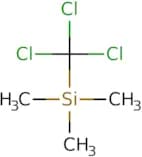
CAS:<p>Trimethyl(trichloromethyl)silane is a chlorinating agent that reacts with hydrocarbons to form quinones. It is synthesized in the liquid phase and reacts with aldehydes, amines, and sodium formate to produce the trichloromethylated product. Trimethyl(trichloromethyl)silane is activated by electron deficiency and can be used to circumvent functional groups such as hydroxyl or carbonyl. This chemical also has properties that are not shared by other chlorinating agents, such as its ability to react with hydrogen fluoride without forming hydrochloric acid.</p>Formula:C4H9Cl3SiPurity:Min. 95%Molecular weight:191.55 g/molDihydrazinyl-1,2,4,5-tetrazine
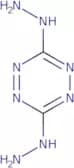
CAS:<p>Dihydrazinyl-1,2,4,5-tetrazine is a coordination compound that contains nitrogen atoms. It has an octahedral geometry with a trigonal plane of symmetry. The nitrogen atoms are the only active sites and are coordinated by six ligands (usually oxygen). Dihydrazinyl-1,2,4,5-tetrazine has been proposed as a potential drug for treating bacterial infections because it has antibacterial activity. This compound also emits light when it reacts with nitric acid in the absence of air. Light emission is due to the red shift of nitro groups in the tetrazole ring and can be used to measure the amount of reactants present.</p>Formula:C2H6N8Purity:Min. 95%Molecular weight:142.12 g/molMethyl 2-(2-bromoacetamido)benzoate
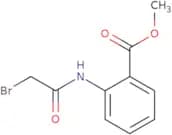
CAS:<p>Versatile small molecule scaffold</p>Formula:C10H10BrNO3Purity:Min. 95%Molecular weight:272.09 g/mol2-Bromoethyl 4-(tert-butyl)phenyl ether
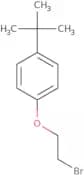
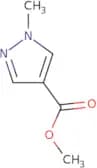
CAS:<p>Versatile small molecule scaffold</p>Formula:C12H17BrOPurity:Min. 95%Molecular weight:257.17 g/molMethyl 1-methyl-1H-pyrazole-4-carboxylate
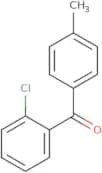
CAS:<p>Versatile small molecule scaffold</p>Formula:C6H8N2O2Purity:Min. 95%Molecular weight:140.14 g/mol(2-Chlorophenyl)(4-methylphenyl)methanone
CAS:<p>Versatile small molecule scaffold</p>Formula:C14H11ClOPurity:Min. 95%Molecular weight:230.69 g/mol2-Chloro-5-nitro-1H-benzo[d]imidazole
CAS:<p>2-Chloro-5-nitro-1H-benzo[d]imidazole is a modification of the quinazoline nucleus, which is a potent and selective antagonist of the H2 receptor. 2-Chloro-5-nitro-1H-benzo[d]imidazole has been shown to be an antagonist of the αH2 receptor, inhibiting gastric acid secretion and reducing gastric acidity. It also has been shown to inhibit the release of gonadotropins and testosterone in male rats. In addition, it inhibits the activity of various hormone receptors such as benzodiazepine, histamine H1 and muscarinic receptors.<br>2-Chloro-5-nitro-1H-benzo[d]imidazole has been shown to have a number of profiles that are either agonistic or antagonistic depending on its binding site.</p>Formula:C7H4ClN3O2Purity:Min. 95%Molecular weight:197.58 g/mol3-[3-(Trifluoromethyl)phenyl]pyridine
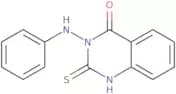
CAS:<p>Versatile small molecule scaffold</p>Formula:C12H8F3NPurity:Min. 95%Molecular weight:223.19 g/mol3-(Phenylamino)-2-sulfanyl-3,4-dihydroquinazolin-4-one
CAS:Versatile small molecule scaffoldFormula:C14H11N3OSPurity:Min. 95%Molecular weight:269.32 g/molEthyl 3-aminonaphthalene-2-carboxylate
CAS:<p>Ethyl 3-aminonaphthalene-2-carboxylate is a molecule that is used in the synthesis of various organic compounds. It can be produced by reacting aniline with copper(II) chloride and dichloroethane in the presence of a base. This reaction requires irradiation, which will produce ethyl 3-aminonaphthalene-2-carboxylate from the aniline and copper(II) chloride at a rate dependent on the reaction time. The product yields are high, but it must be purified before use to remove any traces of dichloroethane or aniline. Ethyl 3-aminonaphthalene-2-carboxylate has been shown to selectively react with dipyridine to form 2,5-diphenylpyridine, which is a target molecule for this reaction.</p>Formula:C13H13NO2Purity:Min. 95%Molecular weight:215.25 g/mol2-(1,3-Dioxo-2,3-dihydro-1H-isoindol-2-yl)-3-(1H-imidazol-5-yl)propanoic acid
CAS:<p>Versatile small molecule scaffold</p>Formula:C14H11N3O4Purity:Min. 95%Molecular weight:285.25 g/mol2,2-Dichloroethan-1-amine hydrochloride
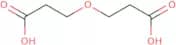
CAS:<p>Versatile small molecule scaffold</p>Formula:C2H6Cl3NPurity:Min. 95%Molecular weight:150.4 g/mol3,3-oxydipropanoic acid
CAS:<p>Versatile small molecule scaffold</p>Formula:C6H10O5Purity:Min. 95%Molecular weight:162.14 g/mol[(Furan-2-yl)methyl]urea
CAS:<p>[(Furan-2-yl)methyl]urea (FMU) is a urea derivative that has been synthesized to inhibit cholesterol acyltransferase (CAT). This enzyme is responsible for the synthesis of lipoproteins, which are involved in the transport and storage of cholesterol. FMU inhibits CAT by forming a covalent bond with the catalytic cysteine residue, thereby inhibiting its activity. FMU also has an activating effect on staphylococcus, which may be due to its ability to inhibit bacterial amines. It also has an inhibitory effect on platelets, which may be due to its ability to bind to the surface of these cells.</p>Formula:C6H8N2O2Purity:Min. 95%Molecular weight:140.14 g/mol3-Cyclohexyl-2-oxopropanoic acid
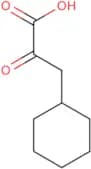
CAS:<p>Versatile small molecule scaffold</p>Formula:C9H14O3Purity:Min. 95%Molecular weight:170.21 g/mol3-Cyclohexyldihydro-2,5-furandione
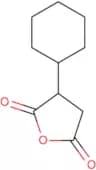
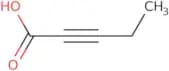
CAS:<p>Versatile small molecule scaffold</p>Formula:C10H14O3Purity:Min. 95%Molecular weight:182.22 g/mol2-Pentynoic acid
CAS:<p>2-Pentynoic acid (2PA) is an organic compound that belongs to the group of reactive oxygen species. It is a fluorophore and has been extensively used as a reagent in biochemical and biophysical research. 2PA has been shown to induce muscle cell proliferation through activation of the Toll-like receptor 4, which may be due to its ability to cause nucleophilic attack on proteins. 2PA is also involved in metabolic disorders such as diabetes mellitus type II, where it promotes insulin secretion by activating the enzyme catalysis of phospholipase A2.</p>Formula:C5H6O2Purity:Min. 95%Molecular weight:98.1 g/mol4-[(Pyridin-4-ylmethyl)-amino]-benzoic acid
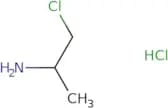
CAS:<p>Versatile small molecule scaffold</p>Formula:C13H12N2O2Purity:Min. 95%Molecular weight:228.25 g/mol1-Chloropropan-2-amine hydrochloride
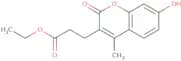
CAS:<p>Versatile small molecule scaffold</p>Formula:C3H9Cl2NPurity:Min. 95%Molecular weight:130 g/molEthyl 3-(7-hydroxy-4-methyl-2-oxo-2H-chromen-3-yl)propanoate
CAS:<p>Versatile small molecule scaffold</p>Formula:C15H16O5Purity:Min. 95%Molecular weight:276.29 g/molBicyclo[2.2.1]heptane-7-carboxylic acid
CAS:<p>Bicyclo[2.2.1]heptane-7-carboxylic acid is a chiral compound that has been used as a synthon for the synthesis of hydroxylated analogues of the prostaglandins, which are important in the regulation of blood pressure and inflammation. It is also an intermediate in the production of antibiotics such as penicillin, erythromycin, and tetracycline. Bicyclo[2.2.1]heptane-7-carboxylic acid can be found in microorganisms such as actinomycetes and fungi such as Penicillium sp., Aspergillus niger, and Chaetomium sp., among others.</p>Formula:C8H12O2Purity:Min. 95%Molecular weight:140.18 g/mol7-Chloro-imidazo[4,5-c]pyridine
CAS:<p>Versatile small molecule scaffold</p>Formula:C6H4ClN3Purity:Min. 95%Molecular weight:153.57 g/mol(S)-1-(2-(Pyridin-3-yl)pyrrolidin-1-yl)ethanone
CAS:<p>Nicotine is a potent alkaloid that is found in the leaves of Nicotiana tabacum and other tobacco plants. Nicotine acts on nicotinic acetylcholine receptors, which are located on the post-synaptic membrane of neurons. These receptors are stimulated by acetylcholinesterase, which breaks down acetylcholine. Nicotine inhibits the breakdown of acetylcholine and stimulates these receptors, leading to increased activity in these neurons. Nicotine also binds to monoamine oxidase (MAO) enzymes, preventing them from metabolizing norepinephrine and epinephrine, which leads to an increase in levels of these neurotransmitters. Nicotine also has been shown to stimulate lipolysis and fatty acid synthesis in cells.</p>Formula:C11H14N2OPurity:Min. 95%Molecular weight:190.24 g/molFenabutene
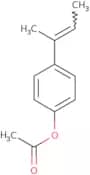
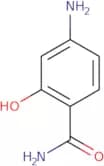
CAS:<p>Fenabutene is a hydrophobic drug that has been reconstituted in an injectable or implantable form. It is used as an active compound for the treatment of cancer. Fenabutene binds to the target cell and creates a monolayer on the outer surface, which is then penetrated by the drug. This drug has been shown to be effective for treating breast cancer and prostate cancer, among other cancers. Fenabutene can also be used as a diagnostic tool as it can be used to measure cell membrane permeability in vitro. Fenabutene does not dissolve in water and must be mixed with solvents such as ethanol or acetone for use in iontophoresis devices.</p>Formula:C12H14O2Purity:Min. 95%Molecular weight:190.24 g/mol4-Amino-2-hydroxybenzamide
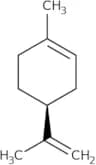
CAS:<p>4-Amino-2-hydroxybenzamide is an aminoaryl amide that is produced by the thermal decomposition of 4-amino-2,6-dihydroxyphenylacetamide. It has been shown to be a potent inhibitor of the growth of bacteria and yeast, including Mycobacterium tuberculosis. The inhibitory effect was found to be due to inhibition of RNA synthesis as well as protein synthesis. This compound has also been shown to be effective against other types of microorganisms such as Pseudomonas aeruginosa and Staphylococcus aureus.</p>Formula:C7H8N2O2Purity:Min. 95%Molecular weight:152.15 g/mol(S)-(ˆ’)-Limonene
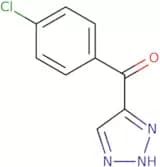
CAS:(S)-(ˆ’)-Limonene is a natural compound that has been found to have analgesic properties in animal models of pain. It also has the ability to inhibit microbial biotransformation, as well as oxidative DNA damage. Studies have shown that (S)-(ˆ’)-limonene can affect enzyme activities and the rat liver microsomes. The optimum concentration for (S)-(ˆ’)-limonene is between 0.5-2mg/mL, which causes an increase in locomotor activity and no carcinogenesis effects at doses up to 1000 mg/kg body weight.Formula:C10H16Purity:Min. 95%Molecular weight:136.23 g/mol4-(4-Chlorobenzoyl)-1H-1,2,3-triazole
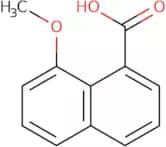
CAS:<p>Versatile small molecule scaffold</p>Formula:C9H6ClN3OPurity:Min. 95%Molecular weight:207.61 g/mol8-Methoxynaphthalene-1-carboxylic acid
CAS:<p>Versatile small molecule scaffold</p>Formula:C12H10O3Purity:Min. 95%Molecular weight:202.21 g/molQuinazoline-2,4(1H,3H)-dithione
CAS:<p>Versatile small molecule scaffold</p>Formula:C8H6N2S2Purity:Min. 95%Molecular weight:194.3 g/mol2H,3H,4H-Pyrido[1,2-a]pyrimidin-3-ol hydrochloride
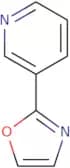
CAS:<p>Versatile small molecule scaffold</p>Formula:C8H11ClN2OPurity:Min. 95%Molecular weight:186.64 g/mol3-(1,3-Oxazol-2-yl)pyridine
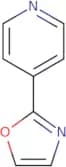
CAS:<p>Versatile small molecule scaffold</p>Formula:C8H6N2OPurity:Min. 95%Molecular weight:146.15 g/mol-2(Pyridin-4-Yl)Oxazole
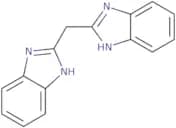
CAS:<p>Versatile small molecule scaffold</p>Formula:C8H6N2OPurity:Min. 95%Molecular weight:146.15 g/mol2-(1H-1,3-Benzodiazol-2-ylmethyl)-1H-1,3-benzodiazole
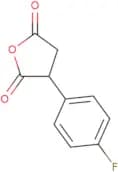
CAS:2-(1H-1,3-Benzodiazol-2-ylmethyl)-1H-1,3-benzodiazole is a solid with an orthorhombic crystal system. It has been shown to crystallize in the space group P2(1)/c. The anion is formed by the transfer of one proton from the cation to the oxygen atom of the nitro group. 2-(1H-1,3-Benzodiazol-2-ylmethyl)-1H-1,3 benzodiazole has been used as a catalyst for reactions in organic synthesis and electrochemistry. It also reacts with molecular oxygen to form a chloride ion and catalyzes reactions involving chloride ions. 2-(1H- 1,3 -Benzodiazol-2 -ylmethyl)- 1 H - 1,3 benzodiazole has been studied using x ray crystallography and diffraction techniques and was found to have a crystalFormula:C15H12N4Purity:Min. 95%Molecular weight:248.28 g/mol3-(4-Fluorophenyl)oxolane-2,5-dione
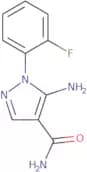
CAS:<p>Versatile small molecule scaffold</p>Formula:C10H7FO3Purity:Min. 95%Molecular weight:194.16 g/mol5-Amino-1-(2-fluorophenyl)-1H-pyrazole-4-carboxamide
CAS:<p>Versatile small molecule scaffold</p>Formula:C10H9FN4OPurity:Min. 95%Molecular weight:220.2 g/mol1-(2-Fluorophenyl)-1H,4H,5H-pyrazolo[3,4-d]pyrimidin-4-one
CAS:<p>Versatile small molecule scaffold</p>Formula:C11H7FN4OPurity:Min. 95%Molecular weight:230.2 g/mol4-chloro-1-(2-fluorophenyl)-1h-pyrazolo[3,4-d]pyrimidine
CAS:Versatile small molecule scaffoldFormula:C11H6ClFN4Purity:Min. 95%Molecular weight:248.65 g/mol5-Amino-1-(pyrimidin-2-yl)-1H-pyrazole-4-carboxamide
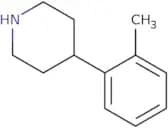
CAS:<p>Versatile small molecule scaffold</p>Formula:C8H8N6OPurity:Min. 95%Molecular weight:204.19 g/mol4-(o-Tolyl)piperidine
CAS:<p>4-(o-Tolyl)piperidine is a competitive antagonist of acetylcholine at muscarinic receptor sites. It has been shown to be an orally active, nonselective, and selective inhibitor of the muscarinic receptors. 4-(o-Tolyl)piperidine interacts with the ligand binding domain of the muscarinic receptor, blocking its ability to bind acetylcholine. This drug has been shown to have anticholinergic effects in a number of animal studies.</p>Formula:C12H17NPurity:Min. 95%Molecular weight:175.27 g/mol


![N-{8-Oxatricyclo[7.4.0.0,2,7]trideca-1(9),2(7),3,5,10,12-hexaen-5-yl}acetamide](/_next/image/?url=https%3A%2Fstatic.cymitquimica.com%2Fproducts%2F3D%2Fthumb-webp%2FFAA83425.webp&w=3840&q=75)
![4-[Methyl(propan-2-yl)amino]butan-2-one](/_next/image/?url=https%3A%2Fstatic.cymitquimica.com%2Fproducts%2F3D%2Fthumb-webp%2FFAA84324.webp&w=3840&q=75)
![2-Azabicyclo[2.2.2]octane hydrochloride](/_next/image/?url=https%3A%2Fstatic.cymitquimica.com%2Fproducts%2F3D%2Fthumb-webp%2FFAA84515.webp&w=3840&q=75)
![2-Pentyl-1H-benzo[d]imidazole](/_next/image/?url=https%3A%2Fstatic.cymitquimica.com%2Fproducts%2F3D%2Fthumb-webp%2FFAA85146.webp&w=3840&q=75)


![2-[Acetyl(methyl)amino]acetic acid](/_next/image/?url=https%3A%2Fstatic.cymitquimica.com%2Fproducts%2F3D%2Fthumb-webp%2FFAA88891.webp&w=3840&q=75)
![5-Chloro-[1,2,4]triazolo[1,5-a]pyrimidin-7-amine](/_next/image/?url=https%3A%2Fstatic.cymitquimica.com%2Fproducts%2F3D%2Fthumb-webp%2FFAA89992.webp&w=3840&q=75)


![2-[4-(2,4,4-Trimethylpentan-2-yl)phenoxymethyl]oxirane](/_next/image/?url=https%3A%2Fstatic.cymitquimica.com%2Fproducts%2F3D%2Fthumb-webp%2FFAA90485.webp&w=3840&q=75)
![2-[2-(Propan-2-yl)phenoxymethyl]oxirane](/_next/image/?url=https%3A%2Fstatic.cymitquimica.com%2Fproducts%2F3D%2Fthumb-webp%2FFAA90489.webp&w=3840&q=75)


![4,6-Dichloro-1H,2H,3H-pyrrolo[2,3-b]pyridine](/_next/image/?url=https%3A%2Fstatic.cymitquimica.com%2Fproducts%2F3D%2Fthumb-webp%2FFAA91215.webp&w=3840&q=75)

![2-Chloro-5-nitro-1H-benzo[d]imidazole](/_next/image/?url=https%3A%2Fstatic.cymitquimica.com%2Fproducts%2F3D%2Fthumb-webp%2FFAA95572.webp&w=3840&q=75)
![3-[3-(Trifluoromethyl)phenyl]pyridine](/_next/image/?url=https%3A%2Fstatic.cymitquimica.com%2Fproducts%2F3D%2Fthumb-webp%2FFAA95799.webp&w=3840&q=75)

![[(Furan-2-yl)methyl]urea](/_next/image/?url=https%3A%2Fstatic.cymitquimica.com%2Fproducts%2F3D%2Fthumb-webp%2FFAA96213.webp&w=3840&q=75)
![4-[(Pyridin-4-ylmethyl)-amino]-benzoic acid](/_next/image/?url=https%3A%2Fstatic.cymitquimica.com%2Fproducts%2F3D%2Fthumb-webp%2FFAA96620.webp&w=3840&q=75)
![Bicyclo[2.2.1]heptane-7-carboxylic acid](/_next/image/?url=https%3A%2Fstatic.cymitquimica.com%2Fproducts%2F3D%2Fthumb-webp%2FFAA97167.webp&w=3840&q=75)
![7-Chloro-imidazo[4,5-c]pyridine](/_next/image/?url=https%3A%2Fstatic.cymitquimica.com%2Fproducts%2F3D%2Fthumb-webp%2FFAA97513.webp&w=3840&q=75)

![2H,3H,4H-Pyrido[1,2-a]pyrimidin-3-ol hydrochloride](/_next/image/?url=https%3A%2Fstatic.cymitquimica.com%2Fproducts%2F3D%2Fthumb-webp%2FFAA99397.webp&w=3840&q=75)
![1-(2-Fluorophenyl)-1H,4H,5H-pyrazolo[3,4-d]pyrimidin-4-one](/_next/image/?url=https%3A%2Fstatic.cymitquimica.com%2Fproducts%2F3D%2Fthumb-webp%2FFAB10782.webp&w=3840&q=75)
![4-chloro-1-(2-fluorophenyl)-1h-pyrazolo[3,4-d]pyrimidine](/_next/image/?url=https%3A%2Fstatic.cymitquimica.com%2Fproducts%2F3D%2Fthumb-webp%2FFAB10783.webp&w=3840&q=75)