


Building Blocks
Subcategories of "Building Blocks"
- Boronic Acids & Boronic Acid Derivatives(5,778 products)
- Chiral Building Blocks(1,243 products)
- Hydrocarbon Building Blocks(6,099 products)
- Organic Building Blocks(61,038 products)
Found 205376 products of "Building Blocks"
[1-(4-Aminophenyl)cyclopropyl]methanol hydrochloride
CAS:Versatile small molecule scaffoldFormula:C10H14ClNOPurity:Min. 95%Molecular weight:199.7 g/molRef: 3D-LUD67881
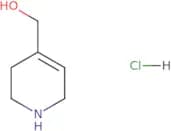
Discontinued product(1,2,3,6-Tetrahydropyridin-4-yl)methanol hydrochloride
CAS:Versatile small molecule scaffold
Formula:C6H12ClNOPurity:Min. 95%Molecular weight:149.6 g/molRef: 3D-LUD67665
Discontinued product3-(Aminomethyl)-2,2-difluoropentane hydrochloride
CAS:Versatile small molecule scaffoldFormula:C6H14ClF2NPurity:Min. 95%Molecular weight:173.6 g/molRef: 3D-LUD64101
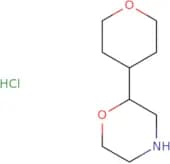
Discontinued product2-(Oxan-4-yl)morpholine hydrochloride
CAS:Versatile small molecule scaffold
Formula:C9H18ClNO2Purity:Min. 95%Molecular weight:207.7 g/molRef: 3D-LUD64089
Discontinued producttert-Butyl 3-azabicyclo[3.1.0]hexane-3-carboxylate
CAS:Versatile small molecule scaffold
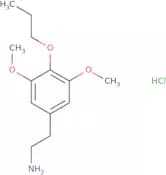
Formula:C10H17NO2Purity:Min. 95%Molecular weight:183.25 g/mol2-(3,5-Dimethoxy-4-propoxyphenyl)ethan-1-amine hydrochloride
CAS:Controlled ProductVersatile small molecule scaffold
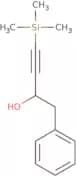
Formula:C13H22ClNO3Purity:Min. 95%Molecular weight:275.77 g/mol1-Phenyl-4-(trimethylsilyl)but-3-yn-2-ol
CAS:Versatile small molecule scaffoldFormula:C13H18OSiPurity:Min. 95%Molecular weight:218.37 g/molRef: 3D-LCA07769
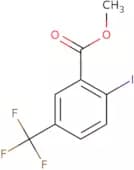
Discontinued productMethyl 2-iodo-5-(trifluoromethyl)benzoate
CAS:Versatile small molecule scaffold
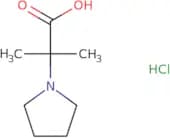
Formula:C9H6F3IO2Purity:Min. 95%Molecular weight:330.04 g/mol2-Methyl-2-(pyrrolidin-1-yl)propanoic acid hydrochloride
CAS:Versatile small molecule scaffold
Formula:C8H16ClNO2Purity:Min. 95%Molecular weight:193.67 g/moltert-Butyl 4-hydroxy-4-(piperidin-4-yl)piperidine-1-carboxylate
CAS:Versatile small molecule scaffold
Formula:C15H28N2O3Purity:Min. 95%Molecular weight:284.4 g/molRef: 3D-KQD93086
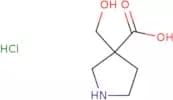
Discontinued product3-(Hydroxymethyl)pyrrolidine-3-carboxylic acid hydrochloride
CAS:Versatile small molecule scaffold
Formula:C6H12ClNO3Purity:Min. 95%Molecular weight:181.6 g/molRef: 3D-KQD93069
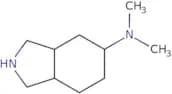
Discontinued productN,N-Dimethyl-octahydro-1H-isoindol-5-amine
CAS:Versatile small molecule scaffold
Formula:C10H20N2Purity:Min. 95%Molecular weight:168.28 g/molRef: 3D-KCD26889
Discontinued product4-{[(9H-Fluoren-9-ylmethoxy)carbonyl]amino}-4-methylpentanoic acid
CAS:Versatile small molecule scaffold
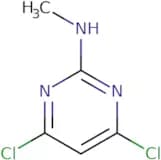
Formula:C21H23NO4Purity:Min. 95%Molecular weight:353.4 g/mol4,6-Dichloro-N-methylpyrimidin-2-amine
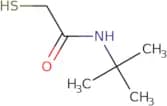
CAS:4,6-Dichloro-N-methylpyrimidin-2-amine is an analog of pyrimidine that has been used in the synthesis of a number of drugs. The compound was first synthesized by condensation of 2,4,6-trichloropyrimidine with formaldehyde and sodium hydroxide. 4,6-Dichloro-N-methylpyrimidin-2-amine can be converted to the corresponding hydrochloride salt by treatment with hydrochloric acid. The compound reacts with methanol to produce methylamine. It also undergoes acid hydrolysis to produce methyl chloride and formaldehyde.Formula:C5H5Cl2N3Purity:Min. 95%Molecular weight:178.02 g/molN-tert-Butyl-2-sulfanylacetamide
CAS:Versatile small molecule scaffold
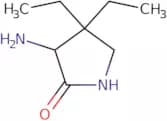
Formula:C6H13NOSPurity:Min. 95%Molecular weight:147.2 g/mol3-Amino-4,4-diethylpyrrolidin-2-one
CAS:Versatile small molecule scaffoldFormula:C8H16N2OPurity:Min. 95%Molecular weight:156.23 g/molRef: 3D-JHD93650
Discontinued productrac-(3R,4R)-3-Hydroxy-4-[(2-phenylethyl)amino]-1lambda6-thiolane-1,1-dione
CAS:Versatile small molecule scaffold
Formula:C12H17NO3SPurity:Min. 95%Molecular weight:255.34 g/molRef: 3D-JHD90934
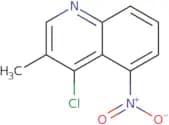
Discontinued product4-Chloro-3-methyl-5-nitroquinoline
CAS:Versatile small molecule scaffold
Formula:C10H7ClN2O2Purity:Min. 95%Molecular weight:222.63 g/molRef: 3D-JFA99233
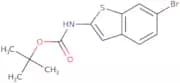
Discontinued producttert-Butyl N-(6-bromo-1-benzothiophen-2-yl)carbamate
CAS:Versatile small molecule scaffold
Formula:C13H14BrNO2SPurity:Min. 95%Molecular weight:328.23 g/molRef: 3D-JBD33689
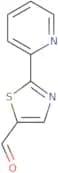
Discontinued product2-(Pyridin-2-yl)-1,3-thiazole-5-carbaldehyde
CAS:Versatile small molecule scaffoldFormula:C9H6N2OSPurity:Min. 95%Molecular weight:190.22 g/molRef: 3D-ITB31725
Discontinued product2-[2-(Furan-3-yl)-1,3-thiazol-4-yl]acetic acid
CAS:Versatile small molecule scaffold
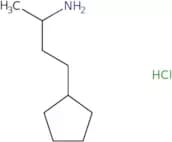
Formula:C9H7NO3SPurity:Min. 95%Molecular weight:209.22 g/mol4-Cyclopentylbutan-2-amine hydrochloride
CAS:Versatile small molecule scaffoldFormula:C9H20ClNPurity:Min. 95%Molecular weight:177.71 g/molRef: 3D-IDC77453
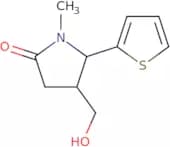
Discontinued product4-(Hydroxymethyl)-1-methyl-5-(thiophen-2-yl)pyrrolidin-2-one
CAS:Versatile small molecule scaffold
Formula:C10H13NO2SPurity:Min. 95%Molecular weight:211.28 g/molRef: 3D-IDC52490
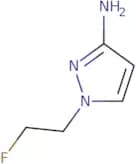
Discontinued product1-(2-Fluoroethyl)-1H-pyrazol-3-amine
CAS:Versatile small molecule scaffold
Formula:C5H8FN3Purity:Min. 95%Molecular weight:129.14 g/molRef: 3D-IAC86398
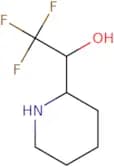
Discontinued product2,2,2-Trifluoro-1-(piperidin-2-yl)ethan-1-ol
CAS:Versatile small molecule scaffoldFormula:C7H12F3NOPurity:Min. 95%Molecular weight:183.17 g/molRef: 3D-IAC65125
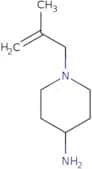
Discontinued product1-(2-Methylprop-2-en-1-yl)piperidin-4-amine
CAS:1-(2-Methylprop-2-en-1-yl)piperidin-4-amine is an inhibitor that blocks the activity of ion channels. It is a competitive antagonist at the NMDA receptor and has been shown to inhibit the binding of glutamate, which is a neurotransmitter involved in synaptic transmission. 1-(2-Methylprop-2-en-1-yl)piperidin-4-amine also inhibits β 2 -adrenergic receptors and has been shown to be a potent activator of G protein coupled receptors. This chemical may also be used as a research tool for studying the effects of ligands on cell biology, peptides, pharmacology, or life science. It has high purity and CAS No. 1082454-34-9.
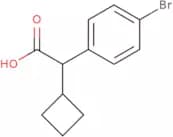
Formula:C9H18N2Purity:Min. 95%Molecular weight:154.25 g/mol(4-Bromo-phenyl)-cyclobutyl-acetic acid
CAS:Versatile small molecule scaffoldFormula:C12H13BrO2Purity:Min. 95%Molecular weight:269.13 g/molRef: 3D-HTB45352
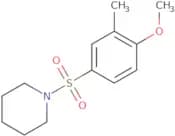
Discontinued productOpn4 Antagonist
CAS:The Opn4 antagonist is a chemical that blocks the activity of the protein melanopsin, which is involved in regulating circadian rhythms. It has been shown to inhibit melatonin synthesis and muscle fiber contraction when applied intravitreally. These effects may be mediated by membrane channels that are activated by chloride ions. The effect of the Opn4 antagonist on photoreceptor cells is not yet known.
Formula:C13H19NO3SPurity:Min. 95%Molecular weight:269.36 g/mol6-Methyl-5-oxa-8-azaspiro[3.5]nonane
CAS:Versatile small molecule scaffold
Formula:C8H15NOPurity:Min. 95%Molecular weight:141.21 g/molRef: 3D-HJC13358
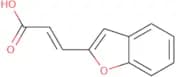
Discontinued product(2E)-3-(1-benzofuran-2-yl)prop-2-enoic acid
CAS:(2E)-3-(1-benzofuran-2-yl)prop-2-enoic acid is a white solid that has the chemical formula CHClO. It is soluble in chloroform, ether, and benzene. When heated to 105°C in the presence of air, it decomposes to release oxygen and carbon dioxide. (2E)-3-(1-benzofuran-2-yl)prop-2-enoic acid is used as an intermediate for organic synthesis reactions such as alkylation reactions and Friedel - Crafts reactions. Thermal analysis of this compound indicates that it has a high thermal stability with respect to thermal decomposition. (2E)-3-(1-benzofuran-2-yl)prop-2-enoic acid can be reacted with azide or diphenyl ether to form a coordination complex. This compound also reacts with potassium or phosphorus oxychloride to form oxychlorides.Formula:C11H8O3Purity:Min. 95%Molecular weight:188.18 g/molRef: 3D-HFA37667
Discontinued product2-(Methylsulfonyl)-1H-benzo[d]imidazole
CAS:2-(Methylsulfonyl)-1H-benzo[d]imidazole (MSBI) is a relatively new class of catalysts that can be used to promote the oxidation of alcohols. The catalytic system consists of copper, iodides, and MSBI. The first step in the catalytic cycle is the formation of a complex between MSBI and copper. This complex reacts with an alcohol to give a more reactive species, which then oxidizes iodide to iodine. The iodide is reduced back to iodide by hydrogen peroxide generated from the reaction with water. The spectrum of MSBI shows peaks at 1706 cm-1 and 1684 cm-1 due to its methyl groups, while the peak at 1202 cm-1 corresponds to the stretching vibration in the imidazole ring. Experimental results show that MSBI has a low density and high theoretical activity.
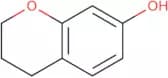
Formula:C8H8N2O2SPurity:Min. 95%Molecular weight:196.22 g/mol3,4-dihydro-2H-1-benzopyran-7-ol
CAS:3,4-Dihydro-2H-1-benzopyran-7-ol is a monomer that is used to synthesize medicines. It has the formula CH3COCH=CH(OH)CH3 and belongs to the group of flavonoids. 3,4-Dihydro-2H-1-benzopyran-7-ol has acidic properties, which are due to its isoflavones. It can be used as an acid catalyst in organic synthesis reactions and is a reaction product of chloropropane. 3,4-Dihydro-2H-1-benzopyran-7-ol also has high yield and can act as a bioisostere for other compounds such as chromene.
Formula:C9H10O2Purity:Min. 95%Molecular weight:150.18 g/molRef: 3D-HCA05272
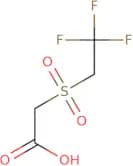
Discontinued product2-(2,2,2-Trifluoroethanesulfonyl)acetic acid
CAS:Trifloxacin is a broad-spectrum antibacterial drug that belongs to the class of formyloxy compounds and the cephalosporin family. It has been shown to be active against both Gram-positive and Gram-negative bacteria, with activity against strains resistant to penicillin, ampicillin, erythromycin, and chloramphenicol. Trifloxacin binds to the bacterial ribosome by displacement of a pyridyl group in the ribosomal RNA, inhibiting protein synthesis. This binding inhibits cell growth by preventing the production of proteins that are vital for cell division.
br>
Trifloxacin has also been found to inhibit DNA gyrase and topoisomerase IV in vitro. Trifloxacin's mechanism of action is similar to that of other quinolones such as norfloxacin and ciprofloxacin.Formula:C4H5F3O4SPurity:Min. 95%Molecular weight:206.14 g/mol[4-(Thien-2-yl)phenyl]methanol
CAS:Versatile small molecule scaffold
Formula:C11H10OSPurity:Min. 95%Molecular weight:190.26 g/mol3-Amino-7-oxa-1λ⁶-thiaspiro[3.5]nonane-1,1-dione hydrochloride
CAS:Versatile small molecule scaffoldFormula:C7H14ClNO3SPurity:Min. 95%Molecular weight:227.7 g/molRef: 3D-FPD79892
Discontinued product5-(3H-Pyrazol-3-ylidene)-1,2,4-triazolidine-3-thione
CAS:Versatile small molecule scaffold
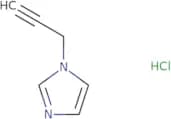
Formula:C5H5N5SPurity:Min. 95%Molecular weight:167.19 g/mol1-(Prop-2-yn-1-yl)-1H-imidazole hydrochloride
CAS:Versatile small molecule scaffoldFormula:C6H7ClN2Purity:Min. 95%Molecular weight:142.58 g/mol1-(2-Methylphenyl)propan-2-amine
CAS:Controlled Product1-(2-Methylphenyl)propan-2-amine is a fatty acid ester that is used as an excipient in pharmaceutical dosage forms. It is used to increase the viscosity of drug solutions and suspensions, and to provide a protective coating for tablets. 1-(2-Methylphenyl)propan-2-amine is insoluble in water, but soluble in organic solvents such as alcohols and acetone. It can be prepared by reacting a primary amine with a fatty acid chloride or anhydride. The compound has been shown to have high affinity for 5HT2A receptors in vitro, which may account for its psychoactive effects.
Formula:C10H15NPurity:Min. 95%Molecular weight:149.23 g/molRef: 3D-FAA58032
Discontinued product2-(1,3-Benzothiazol-2-yl)-3-[(2,5-dimethylphenyl)amino]-3-sulfanylprop-2-enenitrile
CAS:Versatile small molecule scaffold
Formula:C18H15N3S2Purity:Min. 95%Molecular weight:337.5 g/molRef: 3D-EQA25562
Discontinued product4-({3-Oxo-2-azatricyclo[6.3.1.0,4,12]dodeca-1(11),4(12),5,7,9-pentaen-2-yl}methyl)benzohydrazide
CAS:Versatile small molecule scaffoldFormula:C19H15N3O2Purity:Min. 95%Molecular weight:317.3 g/mol2-{[4-({[(9H-Fluoren-9-yl)methoxy]carbonyl}amino)phenyl]methyl}butanoic acid
CAS:Versatile small molecule scaffold
Formula:C26H25NO4Purity:Min. 95%Molecular weight:415.5 g/molRef: 3D-EPD45030
Discontinued product1-(1H-1,2,3,4-Tetrazol-5-yl)propan-2-ol
CAS:Versatile small molecule scaffoldFormula:C4H8N4OPurity:Min. 95%Molecular weight:128.1 g/molRef: 3D-EPD43785
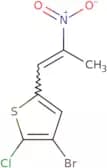
Discontinued product3-Bromo-2-chloro-5-(2-nitroprop-1-en-1-yl)thiophene
CAS:Versatile small molecule scaffoldFormula:C7H5BrClNO2SPurity:Min. 95%Molecular weight:282.54 g/molRef: 3D-EPC01906
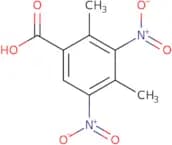
Discontinued product2,4-Dimethyl-3,5-dinitrobenzoic acid
CAS:Versatile small molecule scaffold
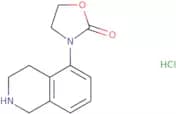
Formula:C9H8N2O6Purity:Min. 95%Molecular weight:240.17 g/mol3-(1,2,3,4-Tetrahydroisoquinolin-5-yl)-1,3-oxazolidin-2-one hydrochloride
CAS:Versatile small molecule scaffold
Formula:C12H15ClN2O2Purity:Min. 95%Molecular weight:254.71 g/molRef: 3D-EEC96303
Discontinued product2-Methyl-6-nitro-4-(1,2,3,6-tetrahydropyridin-4-yl)aniline hydrochloride
CAS:Versatile small molecule scaffold
Formula:C12H16ClN3O2Purity:Min. 95%Molecular weight:269.73 g/molRef: 3D-EEC96073
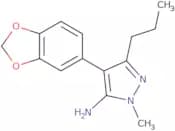
Discontinued product4-(1,3-Dioxaindan-5-yl)-2-methyl-5-propyl-2,3-dihydro-1H-pyrazol-3-imine
CAS:Versatile small molecule scaffold
Formula:C14H17N3O2Purity:Min. 95%Molecular weight:259.3 g/molRef: 3D-EEC96042
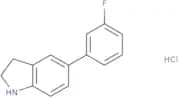
Discontinued product5-(3-Fluorophenyl)-2,3-dihydro-1H-indole hydrochloride
CAS:Versatile small molecule scaffoldFormula:C14H13ClFNPurity:Min. 95%Molecular weight:249.71 g/molRef: 3D-EEC95999
Discontinued product2,2,2-Trifluoroethyl N-[3-fluoro-4-(1H-pyrazol-1-yl)phenyl]carbamate
CAS:Versatile small molecule scaffoldFormula:C12H9F4N3O2Purity:Min. 95%Molecular weight:303.21 g/molRef: 3D-EEC95905
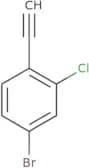
Discontinued product4-Bromo-2-chloro-1-ethynylbenzene
CAS:Versatile small molecule scaffold
Formula:C8H4BrClPurity:Min. 95%Molecular weight:215.47 g/molRef: 3D-DPC57336
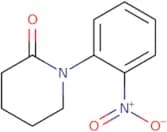
Discontinued product2-Piperidinone, 1-(2-nitrophenyl)-
CAS:Versatile small molecule scaffold
Formula:C11H12N2O3Purity:Min. 95%Molecular weight:220.22 g/molRef: 3D-DIA50992
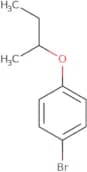
Discontinued product1-Bromo-4-(butan-2-yloxy)benzene
CAS:Versatile small molecule scaffold
Formula:C10H13BrOPurity:Min. 95%Molecular weight:229.11 g/molRef: 3D-DEA32360
Discontinued product2-(5-Methyl-1H-pyrazol-1-yl)aniline
CAS:Versatile small molecule scaffold
Formula:C10H11N3Purity:Min. 95%Molecular weight:173.21 g/molRef: 3D-CWB58305
Discontinued productPB-22 3-carboxyindole metabolite solution
CAS:Controlled ProductPB-22 is a synthetic cannabinoid, which can be classified as a CB1 receptor agonist. It is one of the many cannabinoids that have been created in an attempt to circumvent drug laws by creating compounds that are similar to those found in cannabis but have different chemical structures. PB-22 has shown to increase locomotor activity and stimulate the cb1 receptor in mice. Magnetic resonance spectroscopy (MRS) and assays were used to determine the binding affinity of PB-22 for the CB1 receptor. The MRS data showed that PB-22 bound with high affinity to the CB1 receptor and had a lower affinity for CB2 receptors. This suggests that PB-22 may be more potent than other synthetic cannabinoids, such as JWH-018 and CP 55,940, which bind better with CB2 receptors than CB1 receptors.
PB-22 is an analog of JWH-073 and has been shown to have a stronger effect on locomotor activity than JWHFormula:C14H17NO2Purity:Min. 95%Molecular weight:231.29 g/mol[4-(2-Methoxyethoxy)phenyl]methanamine
CAS:Versatile small molecule scaffold
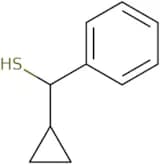
Formula:C10H15NO2Purity:Min. 95%Molecular weight:181.23 g/molCyclopropyl(phenyl)methanethiol
CAS:Versatile small molecule scaffold
Formula:C10H12SPurity:Min. 95%Molecular weight:164.27 g/molRef: 3D-BGA15346
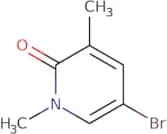
Discontinued product5-Bromo-1,3-dimethylpyridin-2(1H)-one
CAS:Benzyne is a reactive intermediate that is formed by the tautomerization of 5-bromo-1,3-dimethylpyridin-2(1H)-one. It is an adduct between a bromine atom and a benzene ring. This compound has been shown to react with electron-rich olefins to form bicyclic compounds called diels-alder adducts. These reactions are often catalyzed by metals, such as palladium or nickel. Benzyne also reacts with triple bonds or other electron rich centers to form benzyne adducts, which are highly reactive and can be used as chemical probes for electron density in molecules.
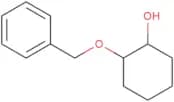
Formula:C7H8BrNOPurity:Min. 95%Molecular weight:202.05 g/molrac-(1R,2R)-2-(Benzyloxy)cyclohexan-1-ol
CAS:Versatile small molecule scaffold
Formula:C13H18O2Purity:Min. 95%Molecular weight:206.28 g/molRef: 3D-BCA32929
Discontinued product4-(Dimethyl-1,2-oxazol-4-yl)phenol
CAS:Versatile small molecule scaffold
Formula:C11H11NO2Purity:Min. 95%Molecular weight:189.21 g/molRef: 3D-AKB62875
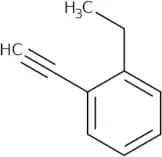
Discontinued product1-Ethyl-2-ethynylbenzene
CAS:1-Ethyl-2-ethynylbenzene is an indene that can be synthesized by the reaction of 1-ethylbenzene with ethynylmagnesium bromide and trifluoroacetyl chloride. 1-Ethyl-2-ethynylbenzene reacts as a nucleophile with electrophiles, such as phenylsulfonyl and acetylene compounds, to form sulfones and acetylenes. It can also react with tetrafluoroborates to form indenes.
Formula:C10H10Purity:Min. 95%Molecular weight:130.19 g/molRef: 3D-ADA65949
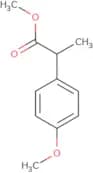
Discontinued productMethyl 2-(4-methoxyphenyl)propanoate
CAS:Versatile small molecule scaffold
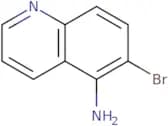
Formula:C11H14O3Purity:Min. 95%Molecular weight:194.23 g/mol5-Amino-6-bromoquinoline
CAS:Versatile small molecule scaffold
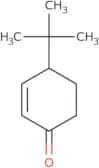
Formula:C9H7BrN2Purity:Min. 95%Molecular weight:223.07 g/mol4-tert-Butylcyclohex-2-en-1-one
CAS:Versatile small molecule scaffold
Formula:C10H16OPurity:Min. 95%Molecular weight:152.23 g/molRef: 3D-AAA93707
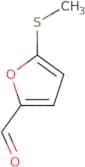
Discontinued product5-(Methylsulfanyl)furan-2-carbaldehyde
CAS:Versatile small molecule scaffold
Formula:C6H6O2SPurity:Min. 95%Molecular weight:142.18 g/molRef: 3D-AAA93294
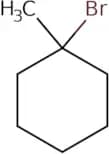
Discontinued product1-Bromo-1-methylcyclohexane
CAS:1-Bromo-1-methylcyclohexane is a monomolecular gas that is used as an intermediate in organic synthesis. It reacts with halides to form cyclopentyl derivatives. This reaction has been shown to be faster than the corresponding reaction of 1-bromocyclohexane with chlorides or bromides. The rate of this reaction may be due to the polarizability and conformational changes of the molecule upon substitution by a methyl group. 1-Bromo-1-methylcyclohexane is also an ionizing reagent, which means it can cause electrophilic reactions to occur on other molecules. It has been found that the solvent effect on this product can affect its reactivity, with solvents such as water having more of an effect than solvents such as benzene. 1-Bromo-1-methylcyclohexane has been shown to interact with other compounds in both transfer and complex
Formula:C7H13BrPurity:Min. 95%Molecular weight:177.08 g/molRef: 3D-AAA93177
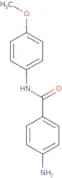
Discontinued product4-Amino-n-(4-methoxyphenyl)benzamide
CAS:4-Amino-N-(4-methoxyphenyl)benzamide is a catalytic sulfamate that has been optimized for use in the synthesis of benzimidazole derivatives. 4-Amino-N-(4-methoxyphenyl)benzamide is used as a reagent for the preparation of aldehydes from sulfamic acid and various types of carboxylic acids. The reaction mechanism involves nucleophilic attack by the hydroxyl group from the sulfamate on the carbonyl carbon atom to form an intermediate, which then reacts with water to release hydrogen sulfate and form a new double bond.
Formula:C14H14N2O2Purity:Min. 95%Molecular weight:242.27 g/molRef: 3D-AAA89135
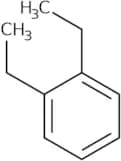
Discontinued product1,2-Diethylbenzene
CAS:1,2-Diethylbenzene is a trifluoroacetic acid derivative that is used as an acylation agent and a solid catalyst. 1,2-Diethylbenzene has been shown to increase the energy metabolism in cultured human cells. It also influences fatty acid synthesis and nmr spectra of plant families. 1,2-Diethylbenzene was found to be safe for use in sciatic nerve regeneration in Sprague-Dawley rats with axonopathy. This chemical can also be used as an analytical reagent for the separation of urine samples by liquid chromatography methods.
Formula:C10H14Purity:Min. 95%Molecular weight:134.22 g/mol4,5-Dihydro-1H-imidazol-2-amine hydrochloride
CAS:Please enquire for more information about 4,5-Dihydro-1H-imidazol-2-amine hydrochloride including the price, delivery time and more detailed product information at the technical inquiry form on this page
Formula:C3H7N3•HClPurity:Min. 95%Molecular weight:121.57 g/molRef: 3D-FD183639
Discontinued product2-Bromo-3,3,3-trifluoro-1-propene
CAS:Controlled Product2-Bromo-3,3,3-trifluoro-1-propene is a chemical compound that has been synthesized in an asymmetric reaction. The reactant is bromopropane and the product is 2,2,2-trifluoropropene. The methylene group on the propene molecule is activated by the nucleophilic attack of a fluoride ion from hydrogen fluoride to form a cavity with a highly strained bond. The kinetic study of this reaction revealed that the activation energy for the reaction is 42 kJ/mol. Palladium-catalyzed coupling reactions are catalyzed by palladium and require nonpolar solvents such as toluene or dichloromethane. This type of reaction has been shown to be exothermic with an isolated yield of 1%.
Formula:C3H2BrF3Purity:Min. 95%Color and Shape:Colorless PowderMolecular weight:174.95 g/moltert-Butyl (2,2-difluoro-3-hydroxypropyl)carbamate
CAS:Versatile small molecule scaffoldFormula:C10H13NO4Purity:Min. 95%Molecular weight:211.21 g/mol3-Hydroxy-5-methylpyridine
CAS:3-Hydroxy-5-methylpyridine (3HMP) is a chemical substance that has been classified as an amine. It is a product of the metabolism of purines, which are nitrogenous bases found in DNA and RNA. 3HMP is produced by aerogenic bacteria (such as Enterobacter), and can be used to estimate the number of these bacteria present in water samples. 3HMP has been shown to have antiviral properties against influenza virus, and can be used as a biomarker for the presence of other viruses in animals. 3HMP also has mineralization properties, which have been studied extensively, particularly with regards to pancreatic disease.
Formula:C6H7NOPurity:Min. 95%Color and Shape:PowderMolecular weight:109.13 g/molRef: 3D-FH16174
Discontinued product1-Hydroxycyclopentane-1-carbonitrile
CAS:1-Hydroxycyclopentane-1-carbonitrile is a monomer that is hydrolyzed to form benzoin and cyanohydrins. It can be used in the production of scifinder as a monomer or dimerizer.
Formula:C6H9NOPurity:Min. 95%Molecular weight:111.14 g/mol8-Bromo-2-methylimidazo[1,2-a]pyridine
CAS:Versatile small molecule scaffold
Formula:C8H7N2BrPurity:Min. 95%Molecular weight:211.05 g/mol4-Chloro-2-hydroxy-6-methylphenylboronic acid
CAS:Versatile small molecule scaffoldFormula:C7H8BClO3Purity:Min. 95%Molecular weight:186.4 g/mol4,5-Dihydroxy-2,3-Pentanedione
CAS:4,5-Dihydroxy-2,3-pentanedione is a carbonyl compound that is the product of the oxidation of ascorbic acid. It is used in wastewater treatment and has antimicrobial properties against infectious diseases. This compound has been shown to inhibit protein synthesis by binding to the ribosome and preventing the formation of peptide bonds between amino acids. 4,5-Dihydroxy-2,3-pentanedione has also been shown to bind to plasma proteins, which may be due to its acyl chain structure. 4,5-Dihydroxy-2,3-pentanedione can be synthesized in a catalytic mechanism that involves dehydroascorbic acid and molecular oxygen.
Formula:C5H8O4Purity:Min. 95%Color and Shape:PowderMolecular weight:132.11 g/molRef: 3D-FD180770
Discontinued productPiperyline
CAS:Piperyline is an alkanoic acid that has shown to be effective against skin cancer. It also has antimicrobial properties, which may be due to its ability to bind metal ions and form polymeric compounds. Piperyline inhibits microbial growth by inhibiting the synthesis of proteins and nucleic acids. The antimicrobial activity is related to its cationic polymerization with hydroxyl groups, which forms a structure that can inhibit microbial enzymes and disrupt microbial cell membranes. This compound also interacts with the skin's natural lipids, making it difficult for microorganisms to attach and grow on the skin. Piperyline is synthesized in organic chemistry laboratories as an amide precursor of other pharmaceuticals such as penicillin.
Formula:C16H17NO3Purity:Min. 95%Molecular weight:271.31 g/mol
![[1-(4-Aminophenyl)cyclopropyl]methanol hydrochloride](/_next/image/?url=https%3A%2Fstatic.cymitquimica.com%2Fproducts%2F3D%2Fthumb-webp%2FLUD67881.webp&w=3840&q=75)


![tert-Butyl 3-azabicyclo[3.1.0]hexane-3-carboxylate](/_next/image/?url=https%3A%2Fstatic.cymitquimica.com%2Fproducts%2F3D%2Fthumb-webp%2FLMB55150.webp&w=3840&q=75)
![4-{[(9H-Fluoren-9-ylmethoxy)carbonyl]amino}-4-methylpentanoic acid](/_next/image/?url=https%3A%2Fstatic.cymitquimica.com%2Fproducts%2F3D%2Fthumb-webp%2FKCC68022.webp&w=3840&q=75)
![rac-(3R,4R)-3-Hydroxy-4-[(2-phenylethyl)amino]-1lambda6-thiolane-1,1-dione](/_next/image/?url=https%3A%2Fstatic.cymitquimica.com%2Fproducts%2F3D%2Fthumb-webp%2FJHD90934.webp&w=3840&q=75)
![2-[2-(Furan-3-yl)-1,3-thiazol-4-yl]acetic acid](/_next/image/?url=https%3A%2Fstatic.cymitquimica.com%2Fproducts%2F3D%2Fthumb-webp%2FIDC97860.webp&w=3840&q=75)
![6-Methyl-5-oxa-8-azaspiro[3.5]nonane](/_next/image/?url=https%3A%2Fstatic.cymitquimica.com%2Fproducts%2F3D%2Fthumb-webp%2FHJC13358.webp&w=3840&q=75)
![2-(Methylsulfonyl)-1H-benzo[d]imidazole](/_next/image/?url=https%3A%2Fstatic.cymitquimica.com%2Fproducts%2F3D%2Fthumb-webp%2FHCA15981.webp&w=3840&q=75)
![[4-(Thien-2-yl)phenyl]methanol](/_next/image/?url=https%3A%2Fstatic.cymitquimica.com%2Fproducts%2F3D%2Fthumb-webp%2FGDA44344.webp&w=3840&q=75)
![3-Amino-7-oxa-1λ⁶-thiaspiro[3.5]nonane-1,1-dione hydrochloride](/_next/image/?url=https%3A%2Fstatic.cymitquimica.com%2Fproducts%2F3D%2Fthumb-webp%2FFPD79892.webp&w=3840&q=75)


![2-(1,3-Benzothiazol-2-yl)-3-[(2,5-dimethylphenyl)amino]-3-sulfanylprop-2-enenitrile](/_next/image/?url=https%3A%2Fstatic.cymitquimica.com%2Fproducts%2F3D%2Fthumb-webp%2FEQA25562.webp&w=3840&q=75)
![4-({3-Oxo-2-azatricyclo[6.3.1.0,4,12]dodeca-1(11),4(12),5,7,9-pentaen-2-yl}methyl)benzohydrazide](/_next/image/?url=https%3A%2Fstatic.cymitquimica.com%2Fproducts%2F3D%2Fthumb-webp%2FEQA25451.webp&w=3840&q=75)
![2-{[4-({[(9H-Fluoren-9-yl)methoxy]carbonyl}amino)phenyl]methyl}butanoic acid](/_next/image/?url=https%3A%2Fstatic.cymitquimica.com%2Fproducts%2F3D%2Fthumb-webp%2FEPD45030.webp&w=3840&q=75)

![2,2,2-Trifluoroethyl N-[3-fluoro-4-(1H-pyrazol-1-yl)phenyl]carbamate](/_next/image/?url=https%3A%2Fstatic.cymitquimica.com%2Fproducts%2F3D%2Fthumb-webp%2FEEC95905.webp&w=3840&q=75)


![[4-(2-Methoxyethoxy)phenyl]methanamine](/_next/image/?url=https%3A%2Fstatic.cymitquimica.com%2Fproducts%2F3D%2Fthumb-webp%2FCEA19620.webp&w=3840&q=75)






![8-Bromo-2-methylimidazo[1,2-a]pyridine](/_next/image/?url=https%3A%2Fstatic.cymitquimica.com%2Fproducts%2F3D%2Fthumb-webp%2FUXB37475.webp&w=3840&q=75)


