


Building Blocks
Subcategories of "Building Blocks"
- Boronic Acids & Boronic Acid Derivatives(5,778 products)
- Chiral Building Blocks(1,243 products)
- Hydrocarbon Building Blocks(6,099 products)
- Organic Building Blocks(61,038 products)
Found 205376 products of "Building Blocks"
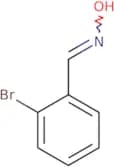
2-Bromobenzaldoxime
CAS:2-Bromobenzaldoxime is a biologically active molecule that has been shown to have significant physiological activities. It is an aldehyde, which is metabolized by the liver or kidneys into the corresponding alcohol, 2-bromoethanol. 2-Bromobenzaldoxime has been shown to be synthesized from diethyl ether and potassium phosphate in the presence of amino acids. The reaction proceeds with dehydration of the intermediate bromohydrin to form an aldoxime. This molecule can be used as a pharmaceutical drug for various diseases such as diabetes mellitus, hypertension, and inflammation.
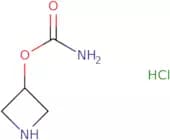
Formula:C7H6BrNOPurity:Min. 95%Molecular weight:200.03 g/molAzetidin-3-yl carbamate hydrochloride
CAS:Versatile small molecule scaffold
Formula:C4H9ClN2O2Purity:Min. 95%Molecular weight:152.58 g/molRef: 3D-KMB66838
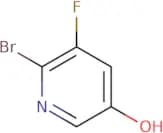
Discontinued product6-Bromo-5-fluoropyridin-3-ol
CAS:Versatile small molecule scaffold
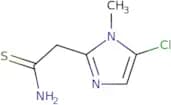
Formula:C5H3BrFNOPurity:Min. 95%Molecular weight:191.99 g/mol2-(5-Chloro-1-methyl-1H-imidazol-2-yl)ethanethioamide
CAS:Versatile small molecule scaffoldFormula:C6H8ClN3SPurity:Min. 95%Molecular weight:189.67 g/molRef: 3D-LYB34915
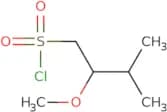
Discontinued product2-Methoxy-3-methylbutane-1-sulfonyl chloride
CAS:Versatile small molecule scaffold
Formula:C6H13ClO3SPurity:Min. 95%Molecular weight:200.68 g/molRef: 3D-JWC81172
Discontinued product5-Bromo-1-benzofuran-3-carboxylic acid
CAS:Versatile small molecule scaffold
Formula:C9H5BrO3Purity:Min. 95%Molecular weight:241.04 g/mol3'-Methyl-[1,1'-biphenyl]-2-carboxylic acid
CAS:Versatile small molecule scaffold
Formula:C14H12O2Purity:Min. 95%Molecular weight:212.24 g/molRef: 3D-HEA41271
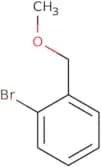
Discontinued product1-Bromo-2-(methoxymethyl)benzene
CAS:1-Bromo-2-(methoxymethyl)benzene is a boronic acid that is used in the synthesis of palladium complexes. It is synthesized by reacting 1-bromobenzene with methanol and methoxymethyl chloride. The 1-bromo-2-(methoxymethyl)benzene has been used as a ligand for palladium complexes, which are often used to catalyze organic reactions, such as the metathesis reaction. Synthetic methods have been developed to produce the compound and NMR spectra have been obtained to provide kinetic data on these reactions.
Formula:C8H9BrOPurity:Min. 95%Molecular weight:201.06 g/mol[(4-Iodophenyl)methyl](methyl)amine hydrochloride
CAS:Versatile small molecule scaffoldFormula:C8H11ClINPurity:Min. 95%Molecular weight:283.5 g/molRef: 3D-LWD26707
Discontinued product(2R,3S)-4-[(tert-Butoxy)carbonyl]-2-methylmorpholine-3-carboxylic acid
CAS:Versatile small molecule scaffold
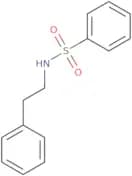
Formula:C11H19NO5Purity:Min. 95%Molecular weight:245.27 g/molN-(2-Phenylethyl)benzenesulfonamide
CAS:N-(2-Phenylethyl)benzenesulfonamide is a biodegradable and aerobic catalyst that is used in the production of nitrates. It can be recycled and has a high solubility, which allows for efficient extraction from wastewater effluents. The reactor system can be operated at an aerobic or anaerobic conditions. N-(2-Phenylethyl)benzenesulfonamide is soluble in water and can be hydrolyzed by acids or bases to release ammonia gas. The process can also be sustainable due to the use of renewable energy sources such as solar, wind, tidal, or biomass power.
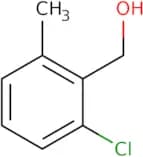
Formula:C14H15NO2SPurity:Min. 95%Molecular weight:261.34 g/mol(2-Chloro-6-methylphenyl)methanol
CAS:Versatile small molecule scaffold
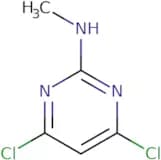
Formula:C8H9ClOPurity:Min. 95%Molecular weight:156.61 g/mol4,6-Dichloro-N-methylpyrimidin-2-amine
CAS:4,6-Dichloro-N-methylpyrimidin-2-amine is an analog of pyrimidine that has been used in the synthesis of a number of drugs. The compound was first synthesized by condensation of 2,4,6-trichloropyrimidine with formaldehyde and sodium hydroxide. 4,6-Dichloro-N-methylpyrimidin-2-amine can be converted to the corresponding hydrochloride salt by treatment with hydrochloric acid. The compound reacts with methanol to produce methylamine. It also undergoes acid hydrolysis to produce methyl chloride and formaldehyde.Formula:C5H5Cl2N3Purity:Min. 95%Molecular weight:178.02 g/mol[2-(1H-1,3-Benzodiazol-1-yl)phenyl]methanamine dihydrochloride
CAS:Versatile small molecule scaffold
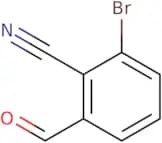
Formula:C14H15Cl2N3Purity:Min. 95%Molecular weight:296.2 g/mol2-Bromo-6-formylbenzonitrile
CAS:Versatile small molecule scaffold
Formula:C8H4BrNOPurity:Min. 95%Molecular weight:210.03 g/mol4-[(tert-Butoxy)methyl]piperidine hydrochloride
CAS:Versatile small molecule scaffold
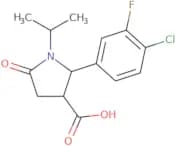
Formula:C10H22ClNOPurity:Min. 95%Molecular weight:207.74 g/mol2-(4-Chloro-3-fluorophenyl)-5-oxo-1-(propan-2-yl)pyrrolidine-3-carboxylic acid
CAS:Versatile small molecule scaffoldFormula:C14H15ClFNO3Purity:Min. 95%Molecular weight:299.72 g/molRef: 3D-HHC67933
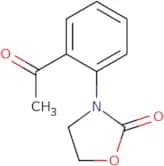
Discontinued product3-(2-Acetylphenyl)-1,3-oxazolidin-2-one
CAS:Versatile small molecule scaffoldFormula:C11H11NO3Purity:Min. 95%Molecular weight:205.21 g/molRef: 3D-LLC41176
Discontinued product3-Bromo-2-methyl-furan
CAS:3-Bromo-2-methyl-furan is a substituted quinoline. It is a synthetic reagent that can be used for the synthesis of bromofuran derivatives. The methyl group on the 3rd carbon atom in 3-bromo-2-methyl-furan is a substituent that can be exchanged with other substituents, such as alkylation, to produce a variety of products.
3-Bromo-2-methyl furan has been shown to be able to extract metal ions from their complexes and form stable complexes. This property makes it an ideal reagent for metalation reactions.Formula:C5H5BrOPurity:Min. 95%Molecular weight:161 g/molRef: 3D-IDA45706
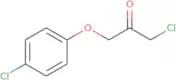
Discontinued product1-Chloro-3-(4-chlorophenoxy)propan-2-one
CAS:Versatile small molecule scaffoldFormula:C9H8Cl2O2Purity:Min. 95%Molecular weight:219.06 g/molRef: 3D-HCA26454
Discontinued product[4-(2-Methoxyethoxy)phenyl]methanamine
CAS:Versatile small molecule scaffold
Formula:C10H15NO2Purity:Min. 95%Molecular weight:181.23 g/mol6-Methyl-5-oxa-8-azaspiro[3.5]nonane
CAS:Versatile small molecule scaffold
Formula:C8H15NOPurity:Min. 95%Molecular weight:141.21 g/molRef: 3D-HJC13358
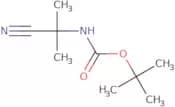
Discontinued producttert-Butyl N-(1-cyano-1-methylethyl)carbamate
CAS:Versatile small molecule scaffold
Formula:C9H16N2O2Purity:Min. 95%Molecular weight:184.24 g/molPB-22 3-carboxyindole metabolite solution
CAS:Controlled ProductPB-22 is a synthetic cannabinoid, which can be classified as a CB1 receptor agonist. It is one of the many cannabinoids that have been created in an attempt to circumvent drug laws by creating compounds that are similar to those found in cannabis but have different chemical structures. PB-22 has shown to increase locomotor activity and stimulate the cb1 receptor in mice. Magnetic resonance spectroscopy (MRS) and assays were used to determine the binding affinity of PB-22 for the CB1 receptor. The MRS data showed that PB-22 bound with high affinity to the CB1 receptor and had a lower affinity for CB2 receptors. This suggests that PB-22 may be more potent than other synthetic cannabinoids, such as JWH-018 and CP 55,940, which bind better with CB2 receptors than CB1 receptors.
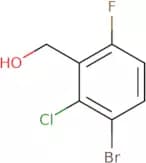
PB-22 is an analog of JWH-073 and has been shown to have a stronger effect on locomotor activity than JWHFormula:C14H17NO2Purity:Min. 95%Molecular weight:231.29 g/mol3-Bromo-2-chloro-6-fluorobenzyl alcohol
CAS:Versatile small molecule scaffold
Formula:C7H5BrClFOPurity:Min. 95%Molecular weight:239.47 g/molRef: 3D-JWC62856
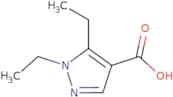
Discontinued product1,5-Diethyl-1H-pyrazole-4-carboxylic acid
CAS:Versatile small molecule scaffold
Formula:C8H12N2O2Purity:Min. 95%Molecular weight:168.19 g/molRef: 3D-HQB54198
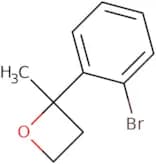
Discontinued product2-(2-Bromophenyl)-2-methyloxetane
CAS:Versatile small molecule scaffold
Formula:C10H11BrOPurity:Min. 95%Molecular weight:227.1 g/molRef: 3D-CGC24401
Discontinued product[3-(Propan-2-yl)phenyl]thiourea
CAS:Versatile small molecule scaffold
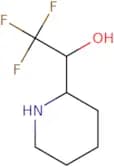
Formula:C10H14N2SPurity:Min. 95%Molecular weight:194.3 g/mol2,2,2-Trifluoro-1-(piperidin-2-yl)ethan-1-ol
CAS:Versatile small molecule scaffoldFormula:C7H12F3NOPurity:Min. 95%Molecular weight:183.17 g/molRef: 3D-IAC65125
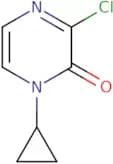
Discontinued product3-Chloro-1-cyclopropyl-1,2-dihydropyrazin-2-one
CAS:Versatile small molecule scaffold
Formula:C7H7ClN2OPurity:Min. 95%Molecular weight:170.59 g/mol[4-(Thien-2-yl)phenyl]methanol
CAS:Versatile small molecule scaffold
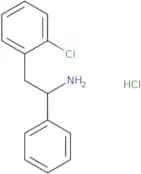
Formula:C11H10OSPurity:Min. 95%Molecular weight:190.26 g/mol2-(2-Chlorophenyl)-1-phenylethan-1-amine hydrochloride
CAS:Controlled ProductVersatile small molecule scaffoldFormula:C14H15Cl2NPurity:Min. 95%Molecular weight:268.2 g/molRef: 3D-KZB44044
Discontinued product3-[(3-Methoxypropyl)carbamoyl]propanoic acid
CAS:Versatile small molecule scaffold
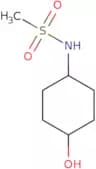
Formula:C8H15NO4Purity:Min. 95%Molecular weight:189.21 g/molN-(4-Hydroxycyclohexyl)methanesulfonamide
CAS:Versatile small molecule scaffold
Formula:C7H15NO3SPurity:Min. 95%Molecular weight:193.27 g/mol2-Chloropyridine-4-sulfonamide
CAS:Versatile small molecule scaffold
Formula:C5H5ClN2O2SPurity:Min. 95%Molecular weight:192.62 g/molRef: 3D-HXB76738
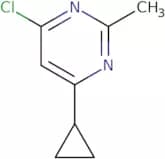
Discontinued product4-Chloro-6-cyclopropyl-2-methylpyrimidine
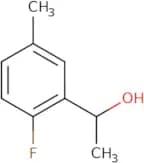
CAS:Versatile small molecule scaffoldFormula:C8H9ClN2Purity:Min. 95%Molecular weight:168.62 g/mol1-(2-Fluoro-5-methylphenyl)ethan-1-ol
CAS:Versatile small molecule scaffoldFormula:C9H11FOPurity:Min. 95%Molecular weight:154.18 g/molRef: 3D-LLB21808
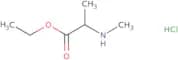
Discontinued productEthyl (2R)-2-(methylamino)propanoate hydrochloride
CAS:Versatile small molecule scaffoldFormula:C6H14ClNO2Purity:Min. 95%Molecular weight:167.6 g/molRef: 3D-FSD20274
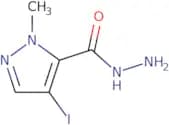
Discontinued product4-Iodo-1-methyl-1H-pyrazole-5-carbohydrazide
CAS:Versatile small molecule scaffold
Formula:C5H7IN4OPurity:Min. 95%Molecular weight:266.04 g/molRef: 3D-MVA81000
Discontinued product4-Bromomethyl-4'-methyl-2,2'-bipyridine
CAS:Please enquire for more information about 4-Bromomethyl-4'-methyl-2,2'-bipyridine including the price, delivery time and more detailed product information at the technical inquiry form on this page
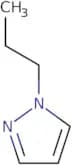
Formula:C12H11BrN2Purity:Min. 91.0 Area-%Molecular weight:263.14 g/mol1-Propylpyrazole
CAS:1-Propylpyrazole is a non-classical inhibitor of aldehyde oxidase that has been shown to have an inhibitory effect on pentane. 1-Propylpyrazole has peroxidase-like activity, which means it can bind to lipid hydroperoxides in the presence of hydrogen peroxide or peroxidase. It has also been shown to be an effective inhibitor of dehydrogenase, which is an enzyme that catalyzes the oxidation of aldehydes and ketones to carboxylic acids. This drug is not active against classical aldehyde oxidases such as alcohol dehydrogenase, but it does inhibit polyunsaturated fatty acid synthesis by binding with cytochrome P450 enzymes.
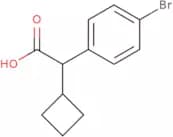
Formula:C6H10N2Purity:Min. 95%Molecular weight:110.16 g/mol(4-Bromo-phenyl)-cyclobutyl-acetic acid
CAS:Versatile small molecule scaffoldFormula:C12H13BrO2Purity:Min. 95%Molecular weight:269.13 g/molRef: 3D-HTB45352
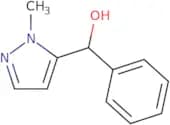
Discontinued product(1-Methyl-1H-pyrazol-5-yl)(phenyl)methanol
CAS:Versatile small molecule scaffold
Formula:C11H12N2OPurity:Min. 95%Molecular weight:188.23 g/molRef: 3D-HBA50065
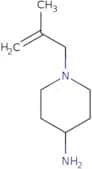
Discontinued product1-(2-Methylprop-2-en-1-yl)piperidin-4-amine
CAS:1-(2-Methylprop-2-en-1-yl)piperidin-4-amine is an inhibitor that blocks the activity of ion channels. It is a competitive antagonist at the NMDA receptor and has been shown to inhibit the binding of glutamate, which is a neurotransmitter involved in synaptic transmission. 1-(2-Methylprop-2-en-1-yl)piperidin-4-amine also inhibits β 2 -adrenergic receptors and has been shown to be a potent activator of G protein coupled receptors. This chemical may also be used as a research tool for studying the effects of ligands on cell biology, peptides, pharmacology, or life science. It has high purity and CAS No. 1082454-34-9.
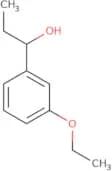
Formula:C9H18N2Purity:Min. 95%Molecular weight:154.25 g/mol1-(3-Ethoxyphenyl)propan-1-ol
CAS:Versatile small molecule scaffold
Formula:C11H16O2Purity:Min. 95%Molecular weight:180.24 g/molRef: 3D-JLB56759
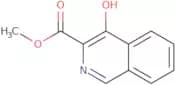
Discontinued productMethyl 4-hydroxyisoquinoline-3-carboxylate
CAS:Versatile small molecule scaffold
Formula:C11H9NO3Purity:Min. 95%Molecular weight:203.19 g/molRef: 3D-IUB14690
Discontinued product3,6-Dimethyl-1-{[(propan-2-yl)carbamoyl]methyl}-1H-pyrazolo[3,4-b]pyridine-4-carboxylic acid
CAS:Versatile small molecule scaffoldFormula:C14H18N4O3Purity:Min. 95%Molecular weight:290.32 g/mol(4-Chlorophenyl)({8-methyl-8-azabicyclo[3.2.1]octan-3-yl})methanamine
CAS:Versatile small molecule scaffold
Formula:C15H21ClN2Purity:Min. 95%Molecular weight:264.79 g/molRef: 3D-ITC29319
Discontinued product4-Chloro-2,6-dimethyl-5-phenylthieno[2,3-d]pyrimidine
CAS:Versatile small molecule scaffold
Formula:C14H11ClN2SPurity:Min. 95%Molecular weight:274.8 g/molRef: 3D-HFB22158
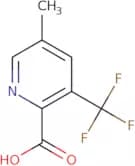
Discontinued product5-Methyl-3-(trifluoromethyl)picolinic acid
CAS:Versatile small molecule scaffold
Formula:C8H6F3NO2Purity:Min. 95%Molecular weight:205.13 g/molRef: 3D-LYB53531
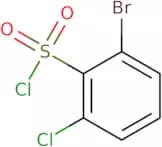
Discontinued product2-Bromo-6-chlorobenzene-1-sulfonyl chloride
CAS:Versatile small molecule scaffoldFormula:C6H3BrCl2O2SPurity:Min. 95%Molecular weight:289.96 g/molRef: 3D-LAC87416
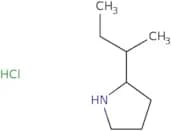
Discontinued product2-(Butan-2-yl)pyrrolidine hydrochloride
CAS:Versatile small molecule scaffold
Formula:C8H18ClNPurity:Min. 95%Molecular weight:163.7 g/molRef: 3D-LUD63585
Discontinued product1-Oxoisoindoline-5-carbonitrile
CAS:Versatile small molecule scaffold
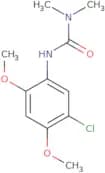
Formula:C9H6N2OPurity:Min. 95%Molecular weight:158.16 g/mol1-(5-Chloro-2,4-dimethoxyphenyl)-3,3-dimethylurea
CAS:Versatile small molecule scaffold
Formula:C11H15ClN2O3Purity:Min. 95%Molecular weight:258.7 g/molRef: 3D-ITC19526
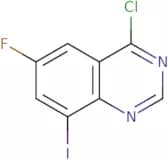
Discontinued product4-Chloro-6-fluoro-8-iodoquinazoline
CAS:Versatile small molecule scaffold
Formula:C8H3ClFIN2Purity:Min. 95%Molecular weight:308.48 g/molRef: 3D-JBD31990
Discontinued product(Cyclopropylmethyl)[(6-methylpyridin-3-yl)methyl]amine
CAS:Versatile small molecule scaffold
Formula:C11H16N2Purity:Min. 95%Molecular weight:176.26 g/molRef: 3D-HXB91986
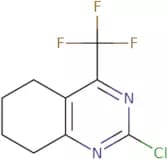
Discontinued product2-Chloro-4-trifluoromethyl-5,6,7,8-tetrahydro-quinazoline
CAS:Versatile small molecule scaffoldFormula:C9H8ClF3N2Purity:Min. 95%Molecular weight:236.62 g/molRef: 3D-LKB49400
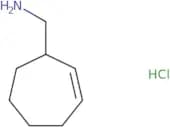
Discontinued product(Cyclohept-2-en-1-yl)methanamine hydrochloride
CAS:Versatile small molecule scaffold
Formula:C8H16ClNPurity:Min. 95%Molecular weight:161.7 g/molRef: 3D-KQD93769
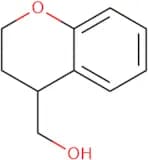
Discontinued product3,4-Dihydro-2H-1-benzopyran-4-ylmethanol
CAS:Versatile small molecule scaffold
Formula:C10H12O2Purity:Min. 95%Molecular weight:164.2 g/molRef: 3D-IBA31382
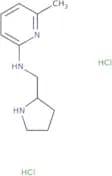
Discontinued product6-Methyl-N-(pyrrolidin-2-ylmethyl)pyridin-2-amine dihydrochloride
CAS:Versatile small molecule scaffold
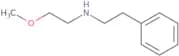
Formula:C11H19Cl2N3Purity:Min. 95%Molecular weight:264.19 g/mol(2-Methoxyethyl)(2-phenylethyl)amine
CAS:Controlled ProductVersatile small molecule scaffold
Formula:C11H17NOPurity:Min. 95%Molecular weight:179.26 g/molRef: 3D-HMB00572
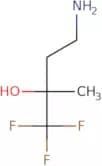
Discontinued product4-Amino-1,1,1-trifluoro-2-methylbutan-2-ol
CAS:Versatile small molecule scaffoldFormula:C5H10F3NOPurity:Min. 95%Molecular weight:157.13 g/molRef: 3D-LLB06086
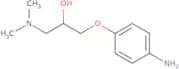
Discontinued product1-(4-Aminophenoxy)-3-(dimethylamino)propan-2-ol
CAS:Versatile small molecule scaffold
Formula:C11H18N2O2Purity:Min. 95%Molecular weight:210.27 g/molRef: 3D-KKA04560
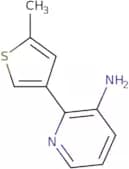
Discontinued product2-(5-Methylthiophen-3-yl)pyridin-3-amine
CAS:Versatile small molecule scaffold
Formula:C10H10N2SPurity:Min. 95%Molecular weight:190.27 g/mol1-(4-bromo-2-methylphenyl)propan-1-one
CAS:Versatile small molecule scaffold
Formula:C10H11BrOPurity:Min. 95%Molecular weight:227.1 g/mol5-Methylquinoline
CAS:5-Methylquinoline is a quinoline derivative that is used in the synthesis of other quinoline derivatives. It can be synthesized from cinnamaldehyde, which can be obtained from cinnamic acid or benzaldehyde. 5-Methylquinoline has been shown to have antioxidant properties and inhibit colorectal carcinoma cells in vitro. The compound also inhibits the growth of caco-2 cells. One isomer of 5-methylquinoline, ethenyl, has been shown to cause a shift in the spectrum of light absorbed by caco-2 cells.
Formula:C10H9NPurity:Min. 95%Molecular weight:143.18 g/mol3-Chloro-4-[3-(trifluoromethyl)-1H-pyrazol-1-yl]aniline
CAS:Versatile small molecule scaffoldFormula:C10H7ClF3N3Purity:Min. 95%Molecular weight:261.63 g/molRef: 3D-GQB46761
Discontinued product4,5-Dihydro-1H-imidazol-2-amine hydrochloride
CAS:Please enquire for more information about 4,5-Dihydro-1H-imidazol-2-amine hydrochloride including the price, delivery time and more detailed product information at the technical inquiry form on this page
Formula:C3H7N3•HClPurity:Min. 95%Molecular weight:121.57 g/molRef: 3D-FD183639
Discontinued product1-Hydroxycyclopentane-1-carbonitrile
CAS:1-Hydroxycyclopentane-1-carbonitrile is a monomer that is hydrolyzed to form benzoin and cyanohydrins. It can be used in the production of scifinder as a monomer or dimerizer.
Formula:C6H9NOPurity:Min. 95%Molecular weight:111.14 g/mol4-Chloro-2-hydroxy-6-methylphenylboronic acid
CAS:Versatile small molecule scaffoldFormula:C7H8BClO3Purity:Min. 95%Molecular weight:186.4 g/mol2-Bromo-3,3,3-trifluoro-1-propene
CAS:Controlled Product2-Bromo-3,3,3-trifluoro-1-propene is a chemical compound that has been synthesized in an asymmetric reaction. The reactant is bromopropane and the product is 2,2,2-trifluoropropene. The methylene group on the propene molecule is activated by the nucleophilic attack of a fluoride ion from hydrogen fluoride to form a cavity with a highly strained bond. The kinetic study of this reaction revealed that the activation energy for the reaction is 42 kJ/mol. Palladium-catalyzed coupling reactions are catalyzed by palladium and require nonpolar solvents such as toluene or dichloromethane. This type of reaction has been shown to be exothermic with an isolated yield of 1%.
Formula:C3H2BrF3Purity:Min. 95%Color and Shape:Colorless PowderMolecular weight:174.95 g/mol3-Hydroxy-5-methylpyridine
CAS:3-Hydroxy-5-methylpyridine (3HMP) is a chemical substance that has been classified as an amine. It is a product of the metabolism of purines, which are nitrogenous bases found in DNA and RNA. 3HMP is produced by aerogenic bacteria (such as Enterobacter), and can be used to estimate the number of these bacteria present in water samples. 3HMP has been shown to have antiviral properties against influenza virus, and can be used as a biomarker for the presence of other viruses in animals. 3HMP also has mineralization properties, which have been studied extensively, particularly with regards to pancreatic disease.
Formula:C6H7NOPurity:Min. 95%Color and Shape:PowderMolecular weight:109.13 g/molRef: 3D-FH16174
Discontinued producttert-Butyl (2,2-difluoro-3-hydroxypropyl)carbamate
CAS:Versatile small molecule scaffoldFormula:C10H13NO4Purity:Min. 95%Molecular weight:211.21 g/mol8-Bromo-2-methylimidazo[1,2-a]pyridine
CAS:Versatile small molecule scaffold
Formula:C8H7N2BrPurity:Min. 95%Molecular weight:211.05 g/mol4,5-Dihydroxy-2,3-Pentanedione
CAS:4,5-Dihydroxy-2,3-pentanedione is a carbonyl compound that is the product of the oxidation of ascorbic acid. It is used in wastewater treatment and has antimicrobial properties against infectious diseases. This compound has been shown to inhibit protein synthesis by binding to the ribosome and preventing the formation of peptide bonds between amino acids. 4,5-Dihydroxy-2,3-pentanedione has also been shown to bind to plasma proteins, which may be due to its acyl chain structure. 4,5-Dihydroxy-2,3-pentanedione can be synthesized in a catalytic mechanism that involves dehydroascorbic acid and molecular oxygen.
Formula:C5H8O4Purity:Min. 95%Color and Shape:PowderMolecular weight:132.11 g/molRef: 3D-FD180770
Discontinued productPiperyline
CAS:Piperyline is an alkanoic acid that has shown to be effective against skin cancer. It also has antimicrobial properties, which may be due to its ability to bind metal ions and form polymeric compounds. Piperyline inhibits microbial growth by inhibiting the synthesis of proteins and nucleic acids. The antimicrobial activity is related to its cationic polymerization with hydroxyl groups, which forms a structure that can inhibit microbial enzymes and disrupt microbial cell membranes. This compound also interacts with the skin's natural lipids, making it difficult for microorganisms to attach and grow on the skin. Piperyline is synthesized in organic chemistry laboratories as an amide precursor of other pharmaceuticals such as penicillin.
Formula:C16H17NO3Purity:Min. 95%Molecular weight:271.31 g/mol


![3'-Methyl-[1,1'-biphenyl]-2-carboxylic acid](/_next/image/?url=https%3A%2Fstatic.cymitquimica.com%2Fproducts%2F3D%2Fthumb-webp%2FHEA41271.webp&w=3840&q=75)
amine hydrochloride](/_next/image/?url=https%3A%2Fstatic.cymitquimica.com%2Fproducts%2F3D%2Fthumb-webp%2FLWD26707.webp&w=3840&q=75)
![(2R,3S)-4-[(tert-Butoxy)carbonyl]-2-methylmorpholine-3-carboxylic acid](/_next/image/?url=https%3A%2Fstatic.cymitquimica.com%2Fproducts%2F3D%2Fthumb-webp%2FHXC93850.webp&w=3840&q=75)
![[2-(1H-1,3-Benzodiazol-1-yl)phenyl]methanamine dihydrochloride](/_next/image/?url=https%3A%2Fstatic.cymitquimica.com%2Fproducts%2F3D%2Fthumb-webp%2FIIC59359.webp&w=3840&q=75)
![4-[(tert-Butoxy)methyl]piperidine hydrochloride](/_next/image/?url=https%3A%2Fstatic.cymitquimica.com%2Fproducts%2F3D%2Fthumb-webp%2FMRD31454.webp&w=3840&q=75)

![[4-(2-Methoxyethoxy)phenyl]methanamine](/_next/image/?url=https%3A%2Fstatic.cymitquimica.com%2Fproducts%2F3D%2Fthumb-webp%2FCEA19620.webp&w=3840&q=75)
![6-Methyl-5-oxa-8-azaspiro[3.5]nonane](/_next/image/?url=https%3A%2Fstatic.cymitquimica.com%2Fproducts%2F3D%2Fthumb-webp%2FHJC13358.webp&w=3840&q=75)

![[3-(Propan-2-yl)phenyl]thiourea](/_next/image/?url=https%3A%2Fstatic.cymitquimica.com%2Fproducts%2F3D%2Fthumb-webp%2FFMB39611.webp&w=3840&q=75)
![[4-(Thien-2-yl)phenyl]methanol](/_next/image/?url=https%3A%2Fstatic.cymitquimica.com%2Fproducts%2F3D%2Fthumb-webp%2FGDA44344.webp&w=3840&q=75)
![3-[(3-Methoxypropyl)carbamoyl]propanoic acid](/_next/image/?url=https%3A%2Fstatic.cymitquimica.com%2Fproducts%2F3D%2Fthumb-webp%2FLGA78591.webp&w=3840&q=75)


![3,6-Dimethyl-1-{[(propan-2-yl)carbamoyl]methyl}-1H-pyrazolo[3,4-b]pyridine-4-carboxylic acid](/_next/image/?url=https%3A%2Fstatic.cymitquimica.com%2Fproducts%2F3D%2Fthumb-webp%2FLQB40013.webp&w=3840&q=75)
![(4-Chlorophenyl)({8-methyl-8-azabicyclo[3.2.1]octan-3-yl})methanamine](/_next/image/?url=https%3A%2Fstatic.cymitquimica.com%2Fproducts%2F3D%2Fthumb-webp%2FITC29319.webp&w=3840&q=75)
![4-Chloro-2,6-dimethyl-5-phenylthieno[2,3-d]pyrimidine](/_next/image/?url=https%3A%2Fstatic.cymitquimica.com%2Fproducts%2F3D%2Fthumb-webp%2FHFB22158.webp&w=3840&q=75)

![(Cyclopropylmethyl)[(6-methylpyridin-3-yl)methyl]amine](/_next/image/?url=https%3A%2Fstatic.cymitquimica.com%2Fproducts%2F3D%2Fthumb-webp%2FHXB91986.webp&w=3840&q=75)

![3-Chloro-4-[3-(trifluoromethyl)-1H-pyrazol-1-yl]aniline](/_next/image/?url=https%3A%2Fstatic.cymitquimica.com%2Fproducts%2F3D%2Fthumb-webp%2FGQB46761.webp&w=3840&q=75)





![8-Bromo-2-methylimidazo[1,2-a]pyridine](/_next/image/?url=https%3A%2Fstatic.cymitquimica.com%2Fproducts%2F3D%2Fthumb-webp%2FUXB37475.webp&w=3840&q=75)

