Building Blocks
Subcategories of "Building Blocks"
- Boronic Acids & Boronic Acid Derivatives(5,780 products)
- Chiral Building Blocks(1,239 products)
- Hydrocarbon Building Blocks(6,100 products)
- Organic Building Blocks(61,005 products)
Found 205234 products of "Building Blocks"
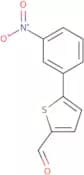
5-(3-Nitrophenyl)thiophene-2-carbaldehyde
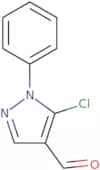
CAS:Versatile small molecule scaffoldFormula:C11H7NO3SPurity:Min. 95%Molecular weight:233.25 g/mol5-Chloro-1-phenyl-1H-pyrazole-4-carbaldehyde
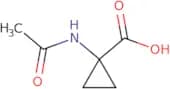
CAS:Versatile small molecule scaffoldFormula:C10H7ClN2OPurity:Min. 95%Molecular weight:206.63 g/mol1-Acetamidocyclopropanecarboxylic acid
CAS:Versatile small molecule scaffoldFormula:C6H9NO3Purity:Min. 95%Molecular weight:143.14 g/mol3-Chloronaphthalen-2-amine
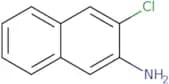
CAS:3-Chloronaphthalen-2-amine is a high concentration, organic solvent that is soluble in water and stable. It has been shown to be a reductant, which is a substance that donates electrons to another reactant in a chemical reaction. 3-Chloronaphthalen-2-amine can be used as a solvent for underwater applications and may have the ability to reduce nitrogen gas into ammonia. The residue of 3-chloronaphthalen-2-amine can be removed by solvents such as chloroform or ether.
Formula:C10H8ClNPurity:Min. 95%Molecular weight:177.63 g/mol5-[(Oxiran-2-yl)methoxy]-1,3-dioxaindane
CAS:Versatile small molecule scaffold
Formula:C10H10O4Purity:Min. 95%Molecular weight:194.18 g/molN-(4-Bromophenyl)-3-oxobutanamide
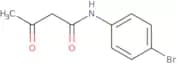
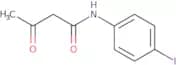
CAS:N-(4-Bromophenyl)-3-oxobutanamide is a complex molecule that belongs to the class of organocatalysts. It has been shown to show antitubercular activity in vitro, with an MIC of 2.5 µg/mL against Mycobacterium tuberculosis and a MIC of 0.05 µg/mL against Mycobacterium avium complex. It also has been shown to be active as an organocatalyst for the carbonylative synthesis of cyclic carbonate esters from simple alkyl dicarbonates and lithium diisopropylamide, which can be used in organic synthesis. The chemical name for this product is N-(4-bromophenyl)-3-oxobutanamide (NBPBA).Formula:C10H10BrNO2Purity:Min. 95%Molecular weight:256.1 g/molN-(4-Iodophenyl)-3-oxobutanamide
CAS:Versatile small molecule scaffold
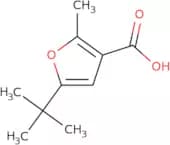
Formula:C10H10INO2Purity:Min. 95%Molecular weight:303.1 g/mol5-tert-Butyl-2-methyl-3-furoic acid
CAS:Versatile small molecule scaffold
Formula:C10H14O3Purity:Min. 95%Molecular weight:182.22 g/mol2-(2,3-Dihydro-1H-inden-1-yl)acetic acid
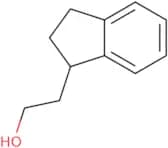
CAS:2-(2,3-Dihydro-1H-inden-1-yl)acetic acid (DHIAA) is an organic compound that belongs to the group of heterocyclic compounds. It is a plant cell growth regulator and has been shown to inhibit inflammatory diseases in animal models. DHIAA has a stepwise mechanism that starts with the formation of an alkoxy radical by hydrogen bond between the hydroxyl group and the double bond. This mechanism leads to the production of a reactive oxygen species, which causes oxidative damage in cells. DHIAA also inhibits fatty acid synthesis, which may be due to its interaction with peroxisome proliferator-activated receptor alpha (PPAR-α).Formula:C11H12O2Purity:Min. 95%Molecular weight:176.21 g/mol2-(2,3-Dihydro-1H-inden-1-yl)ethan-1-ol
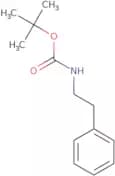
CAS:Versatile small molecule scaffoldFormula:C11H14OPurity:Min. 95%Molecular weight:162.23 g/moltert-Butyl N-(2-phenylethyl)carbamate
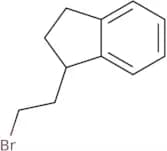
CAS:tert-Butyl N-(2-phenylethyl)carbamate is a reagent for the synthesis of amines and amine salts. It is prepared by treating benzonitrile with primary amines in the presence of hydrogen, which mediates the reaction. This tert-butyl carbamate can be isolated in high yield when a solvent such as diethyl ether or tetrahydrofuran is used. The tert-butyl carbamate can be hydrogenated to form an acid chloride, which is then reacted with an alcohol to form an ester. This method has been used in synthesizing many functionalized compounds, including anti-inflammatory drugs. Tert-butyl N-(2-phenylethyl)carbamate also has a conformational effect on solvents, where it causes immiscible solvents to become miscible due to its acidic nature.Formula:C13H19NO2Purity:Min. 95%Molecular weight:221.29 g/mol1-(2-Bromoethyl)-2,3-dihydro-1H-indene
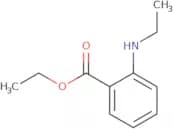
CAS:Versatile small molecule scaffoldFormula:C11H13BrPurity:Min. 95%Molecular weight:225.12 g/molEthyl 2-(ethylamino)benzoate
CAS:Ethyl 2-(ethylamino)benzoate is an organic compound that is classified as a hydrocarbon. It has a chemical formula of C6H11NO2 and it is colorless and odorless. This substance can be ingested orally or applied topically. Ethyl 2-(ethylamino)benzoate has been shown to have antifungal, antibacterial, antidiabetic, anti-inflammatory, and antipyretic properties. The metal chelate of ethyl 2-(ethylamino)benzoate has been shown to cause cardiotoxicity in rats by inhibiting the synthesis of myocardial contractile proteins. This compound also inhibits the synthesis of collagen, which can lead to inflammatory diseases such as arthritis.
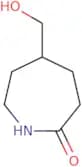
Formula:C11H15NO2Purity:Min. 95%Molecular weight:193.24 g/mol5-(Hydroxymethyl)azepan-2-one
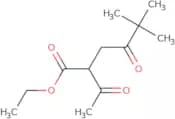
CAS:Versatile small molecule scaffoldFormula:C7H13NO2Purity:Min. 95%Molecular weight:143.18 g/molEthyl 2-acetyl-5,5-dimethyl-4-oxohexanoate
CAS:Versatile small molecule scaffoldFormula:C12H20O4Purity:Min. 95%Molecular weight:228.28 g/mol10-Undecenoyl chloride
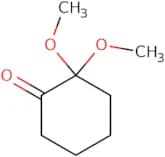
CAS:10-Undecenoyl chloride is a fatty acid that is used as a chemical modifier. It has been shown to increase the efficiency of borohydride reduction, which can be used for the synthesis of pharmaceuticals, such as morphine and codeine. 10-Undecenoyl chloride is also stable in basic conditions, making it suitable for use in reactive environments. In addition, 10-undecenoyl chloride has been shown to be effective against HIV and other viruses by interfering with the virus's ability to bind to cells.Formula:C11H19ClOPurity:Min. 95%Molecular weight:202.72 g/mol2,2-Dimethoxycyclohexan-1-one
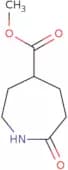
CAS:2,2-Dimethoxycyclohexan-1-one is a ketoxime used as an intermediate in the synthesis of lysine. It can be used to chlorinate and oxime, or halogenate aromatic compounds.Formula:C8H14O3Purity:Min. 95%Molecular weight:158.19 g/molMethyl 7-oxoazepane-4-carboxylate
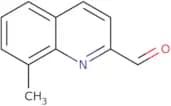
CAS:Versatile small molecule scaffoldFormula:C8H13NO3Purity:Min. 95%Molecular weight:171.19 g/mol8-Methylquinoline-2-carbaldehyde
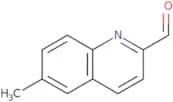
CAS:Versatile small molecule scaffoldFormula:C11H9NOPurity:Min. 95%Molecular weight:171.19 g/mol6-Methyl-2-quinolinecarboxaldehyde
CAS:Versatile small molecule scaffold
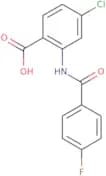
Formula:C11H9NOPurity:Min. 95%Molecular weight:171.19 g/mol4-Chloro-2-(4-fluorobenzamido)benzoic acid
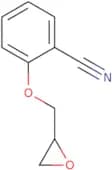
CAS:Versatile small molecule scaffoldFormula:C14H9ClFNO3Purity:Min. 95%Molecular weight:293.68 g/mol2-(Oxiran-2-ylmethoxy)benzonitrile
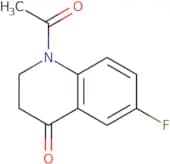
CAS:Versatile small molecule scaffoldFormula:C10H9NO2Purity:Min. 95%Molecular weight:175.18 g/mol1-Acetyl-6-fluoro-1,2,3,4-tetrahydroquinolin-4-one
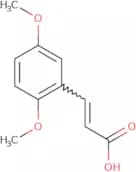
CAS:Versatile small molecule scaffoldFormula:C11H10FNO2Purity:Min. 95%Molecular weight:207.2 g/mol(2E)-3-(2,5-Dimethoxyphenyl)acrylic acid
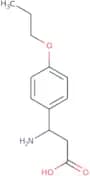
CAS:2E-3-(2,5-Dimethoxyphenyl)acrylic acid is a molecule that has been synthesised. It has an unsymmetrical carboxylic acid group, and is not a natural product. 2E-3-(2,5-Dimethoxyphenyl)acrylic acid can be made by irradiation of vanillic acid and epigallocatechin. The molecule is the chromophore in the profile of irradiated (2E)-3-(2,5-dimethoxyphenyl)acrylic acid. The compound was synthesised using nitrogen atoms and uv irradiation to break down the vanillic acid and epigallocatechin molecules into smaller fragments of molecules. This process takes around 24 hours to complete.Formula:C11H12O4Purity:Min. 95%Molecular weight:208.21 g/mol3-Amino-3-(4-propoxyphenyl)propanoic acid
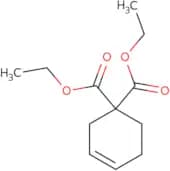
CAS:Versatile small molecule scaffoldFormula:C12H17NO3Purity:Min. 95%Molecular weight:223.27 g/mol1,1-Diethyl cyclohex-3-ene-1,1-dicarboxylate
CAS:Versatile small molecule scaffoldFormula:C12H18O4Purity:Min. 95%Molecular weight:226.27 g/mol4-[2-(Diethylamino)ethoxy]aniline
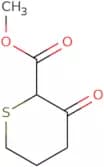
CAS:Controlled Product4-[2-(Diethylamino)ethoxy]aniline is a probe used in the detection of nicotinamide. It is a potent inhibitor of protein kinases and can be used as an antiemetic agent. 4-[2-(Diethylamino)ethoxy]aniline has been shown to inhibit the activity of multiple types of protein kinases, including serine/threonine, tyrosine, and dual-specificity kinases. This probe also inhibits the activity of chloride channels and has been shown to induce intramolecular hydrogen bonding.Formula:C12H20N2OPurity:Min. 95%Molecular weight:208.31 g/molMethyl 3-oxothiane-2-carboxylate
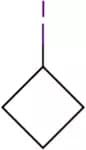
CAS:Versatile small molecule scaffoldFormula:C7H10O3SPurity:Min. 95%Molecular weight:174.22 g/molIodocyclobutane
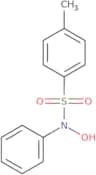
CAS:Iodocyclobutane is an aryl halide that is used in the synthesis of retinoic acid. It is synthesized by reacting iodine with cyclobutane and a magnesium salt. Iodocyclobutane has been shown to have potent anti-cancer activity in cell culture experiments, which may be due to its ability to inhibit the production of retinoic acid receptors α (RAR). Iodocyclobutane is synthesized by reacting iodine with cyclobutane and a magnesium salt. Iodocyclobutane has been shown to have potent anti-cancer activity in cell culture experiments, which may be due to its ability to inhibit the production of retinoic acid receptors α (RAR).Formula:C4H7IPurity:Min. 95%Molecular weight:182 g/molN-Hydroxy-4-methyl-N-phenylbenzene-1-sulfonamide
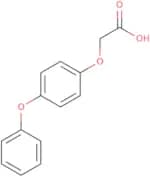
CAS:Versatile small molecule scaffoldFormula:C13H13NO3SPurity:Min. 95%Molecular weight:263.31 g/mol2-(4-Phenoxyphenoxy)acetic acid
CAS:Versatile small molecule scaffoldFormula:C14H12O4Purity:Min. 95%Molecular weight:244.24 g/mol2-[4-(benzyloxy)phenoxy]acetic acid
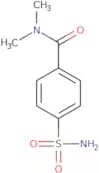
CAS:GW7647 is a novel compound that has been shown to activate Peroxisome proliferator-activated receptor gamma (PPARγ), which is a nuclear hormone receptor involved in lipid metabolism and the development of insulin resistance. GW7647 activates PPARγ by binding to the ligand-binding domain of the receptor and activating transcriptional activity. This activation was observed in human cells, as well as subtypes of human PPARγ. It has been shown to be selective for PPARγ over other receptors, such as Peroxisome proliferator-activated receptor delta (PPARδ). GW7647 acts on dyslipidemia by lowering triglyceride levels and increasing HDL cholesterol levels without affecting LDL cholesterol levels. This drug has also been shown to have lipid-lowering effects in mice fed a high-fat diet.Formula:C15H14O4Purity:Min. 95%Molecular weight:258.27 g/molN,N-Dimethyl-4-sulfamoylbenzamide
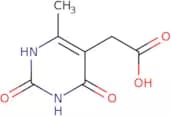
CAS:Versatile small molecule scaffoldFormula:C9H12N2O3SPurity:Min. 95%Molecular weight:228.27 g/mol(6-Methyl-2,4-dioxo-1,2,3,4-tetrahydropyrimidin-5-yl)acetic acid
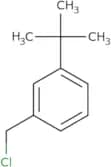
CAS:Versatile small molecule scaffoldFormula:C7H8N2O4Purity:Min. 95%Molecular weight:184.15 g/mol1-tert-Butyl-3-(chloromethyl)benzene
CAS:Versatile small molecule scaffold
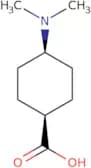
Formula:C11H15ClPurity:Min. 95%Molecular weight:182.69 g/molrac-(1S,4S)-4-(Dimethylamino)cyclohexane-1-carboxylic acid
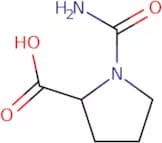
CAS:Versatile small molecule scaffoldFormula:C9H17NO2Purity:Min. 95%Molecular weight:171.2 g/mol1-(Aminocarbonyl)-L-proline
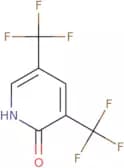
CAS:1-(Aminocarbonyl)-L-proline is a molecule that contains an aminocarbonyl group, which is a nucleophilic functional group. It is a cyclic compound with a ring structure consisting of three carbons and two amino groups. The 1-(aminocarbonyl)-L-proline molecule has been studied using Raman spectroscopy, vibrational spectroscopy, X-ray diffraction, and other techniques. This molecule has been shown to have the potential to be used as an anti-cancer drug by inhibiting the synthesis of DNA and RNA in cells. The conformation of this compound may also be important for understanding its reactivity.Formula:C6H10N2O3Purity:Min. 95%Molecular weight:158.16 g/mol3,5-Bis(trifluoromethyl)pyridin-2-ol
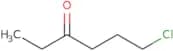
CAS:Versatile small molecule scaffoldFormula:C7H3F6NOPurity:Min. 95%Molecular weight:231.09 g/mol6-Chlorohexan-3-one
CAS:6-Chlorohexan-3-one is a pyrrole, which is an organic compound that has a six-membered ring. It can be found as the potassium salt and can be used to synthesize indole alkaloids. 6-Chlorohexan-3-one also reacts with potassium and Wittig reagent to form a 1:1 mixture of cis and trans isomers. The insecticide, pyrethrin, is produced from this reaction. This compound can also be used in the synthesis of alkylates when reacted with potassium hydride in an incompletely known manner.
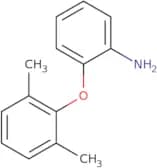
Formula:C6H11ClOPurity:Min. 95%Molecular weight:134.6 g/mol2-(2,6-Dimethylphenoxy)aniline
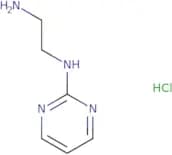
CAS:Versatile small molecule scaffoldFormula:C14H15NOPurity:Min. 95%Molecular weight:213.27 g/molN-(2-Aminoethyl)pyrimidin-2-amine hydrochloride
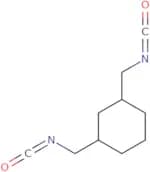
CAS:Versatile small molecule scaffoldFormula:C6H11ClN4Purity:Min. 95%Molecular weight:174.63 g/mol1,3-Bis(isocyanatomethyl)cyclohexane (cis- and trans- mixture)
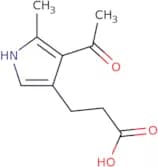
CAS:1,3-Bis(isocyanatomethyl)cyclohexane is an organic compound that belongs to the group of isocyanates. It has a molecular weight of 208.1 and is soluble in water and alcohols. 1,3-Bis(isocyanatomethyl)cyclohexane has a maximum absorbance at uv wavelength of 265 nm and a maximum absorption coefficient at uv wavelength of 3.2×10⁴ M-1 cm-1. This compound has been shown to be toxic to rats when administered in high doses (greater than 100 mg/kg). The toxicity studies have shown that the compound causes eye irritation, skin irritation, and respiratory tract irritation in rats. These effects are more pronounced when the chemical is mixed with trimethylolpropane, which is a polyol used as an additive for polyurethanes.Formula:C10H14N2O2Purity:Min. 95%Color and Shape:Clear LiquidMolecular weight:194.23 g/mol3-(4-Acetyl-5-methyl-1H-pyrrol-3-yl)propanoic acid
CAS:3-(4-Acetyl-5-methyl-1H-pyrrol-3-yl)propanoic acid is a protonated form of 3-(4-acetyl-5-methyl-1H-pyrrol-3-yl)acrylic acid. It has been shown to be more stable than the neutral form, which can be degraded by chemical reactions. This compound is used in polymer matrices as a transition metal ion chelator and has been shown to increase the uptake of vinyl alcohol monomers. The structural parameters of this compound are discussed in relation to thermodynamic calculations at different temperatures.Formula:C10H13NO3Purity:Min. 95%Molecular weight:195.21 g/mol5H,6H,7H,8H-Imidazo[1,5-a]pyridine
CAS:Imidazo[1,5-a]pyridine is a medicament that is used to treat pediatric patients and humans. It has been shown to be effective in the treatment of hyperaldosteronism and has a low risk of side effects. Imidazo[1,5-a]pyridine inhibits the enzymes farnesyltransferase and geranylgeranyltransferase I, which are involved in cholesterol biosynthesis. This inhibition leads to lower levels of cholesterol and other sterols. The drug also has an intramolecular ring system that stabilizes its conformation. A phosphate salt form of imidazo[1,5-a]pyridine is available for oral administration.Formula:C7H10N2Purity:Min. 95%Molecular weight:122.17 g/mol1-Oxa-7-azaspiro[3.5]nonane
CAS:Versatile small molecule scaffold
Formula:C7H13NOPurity:Min. 95%Molecular weight:127.19 g/mol4-phenylpyrimidin-2-ol
CAS:4-phenylpyrimidin-2-ol is a synthetic compound that was originally developed to study the effects of bradykinin on the brain. This drug has been shown to have a number of other effects in cells, including stimulation of photosynthetic activity and promotion of hydrogen bond formation. 4-phenylpyrimidin-2-ol also has an effect on vaginal atrophy in women, as well as symptoms such as profuse sweating, insomnia, and headache. It is thought that these effects are due to 4-phenylpyrimidin-2-ol's ability to bind with brain cells, which results in increased levels of serotonin.
Formula:C10H8N2OPurity:Min. 95%Molecular weight:172.18 g/molN-Benzyl-2-chloro-N-(3-methylphenyl)acetamide
CAS:Versatile small molecule scaffold
Formula:C16H16ClNOPurity:Min. 95%Molecular weight:273.75 g/mol4-Amino-N-cyclohexyl-N-methylbenzamide
CAS:Versatile small molecule scaffoldFormula:C14H20N2OPurity:Min. 95%Molecular weight:232.33 g/mol3-Bromotetrahydro-2H-thiopyran 1,1-dioxide
CAS:Versatile small molecule scaffoldFormula:C5H9BrO2SPurity:Min. 95%Molecular weight:213.1 g/mol5-Bromo-2-hydroxyphenylacetic acid
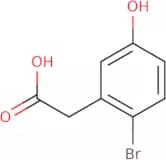
CAS:Versatile small molecule scaffoldFormula:C8H7BrO3Purity:Min. 95%Molecular weight:231.04 g/mol2-(2-Bromo-5-hydroxyphenyl)acetic acid
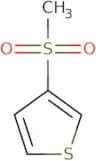
CAS:2-(2-Bromo-5-hydroxyphenyl)acetic acid is a hydroxylation product of melatonin. It has been shown to be a potent and selective agonist for the melatonin receptor, with an EC50 of 0.4 nM. 2-(2-Bromo-5-hydroxyphenyl)acetic acid is also a potent microbial sodium hydrogen (MSH) receptor antagonist with an IC50 of 9 nM.Formula:C8H7BrO3Purity:Min. 95%Molecular weight:231.04 g/mol3-Methanesulfonylthiophene
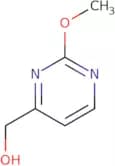
CAS:Versatile small molecule scaffoldFormula:C5H6O2S2Purity:Min. 95%Molecular weight:162.2 g/mol(2-methoxypyrimidin-4-yl)methanol
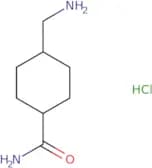
CAS:(2-Methoxypyrimidin-4-yl)methanol is a photoreactive molecule that can be synthesized by the dehalogenation of diethylamine and methylated with methanol. The reaction produces a derivative of pyrimidine, which is an important precursor for pharmaceuticals. When irradiated with UV light, (2-methoxypyrimidin-4-yl)methanol undergoes a series of reactions to form the desired pyrimidine product. This reaction proceeds through electron transfer from the amine nitrogen to the methoxy group on the pyrimidine ring. This process yields a 5 membered ring with two oxygen atoms and one nitrogen atom, in contrast to the 6 membered ring formed by other methods.Formula:C6H8N2O2Purity:Min. 95%Molecular weight:140.14 g/mol4-(Aminomethyl)cyclohexane-1-carboxamide hydrochloride
CAS:Versatile small molecule scaffoldFormula:C8H17ClN2OPurity:Min. 95%Molecular weight:192.68 g/moltert-Butyl (1R,4R)-4-(aminomethyl)cyclohexane-1-carboxylate hydrochloride
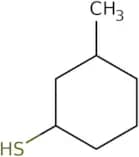
CAS:Versatile small molecule scaffoldFormula:C12H24ClNO2Purity:Min. 95%Molecular weight:249.78 g/mol3-Methylcyclohexane-1-thiol
CAS:Versatile small molecule scaffoldFormula:C7H14SPurity:Min. 95%Molecular weight:130.25 g/mol(2-Phenylpyrimidin-4-yl)methanol
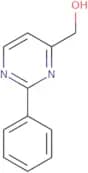
CAS:Versatile small molecule scaffold
Formula:C11H10N2OPurity:Min. 95%Molecular weight:186.21 g/mol6-Methyl-1-oxaspiro[2.5]octane
CAS:Versatile small molecule scaffoldFormula:C8H14OPurity:Min. 95%Molecular weight:126.2 g/mol3-(4-Aminophenyl)propanamide
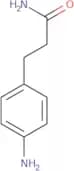
CAS:Versatile small molecule scaffold
Formula:C9H12N2OPurity:Min. 95%Molecular weight:164.2 g/mol(Dimethylamino)acetaldehyde Dimethyl Acetal
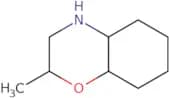
CAS:Dimethylamino)acetaldehyde Dimethyl Acetal is a pharmaceutical preparation that is used as an organic solvent. It has a viscosity of 0.1 cP and is a colorless liquid with a molecular weight of 117. It reacts rapidly with alkyl halides, hydroxyl groups, and reactive alkoxy radicals to form (dimethylamino)acetaldehyde dimethyl acetal. This product has shown some surface activity in acidic solutions and the presence of alcohols and other hydrocarbons can reduce its reactivity.Formula:C6H15NO2Purity:Min. 95%Molecular weight:133.19 g/mol2-Methyl-octahydro-2H-1,4-benzoxazine
CAS:Versatile small molecule scaffoldFormula:C9H17NOPurity:Min. 95%Molecular weight:155.24 g/mol3-(4-Bromophenyl)-2-oxopropanoic acid
CAS:Versatile small molecule scaffold
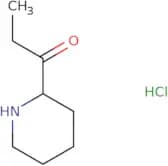
Formula:C9H7BrO3Purity:Min. 95%Molecular weight:243.05 g/mol1-(Piperidin-2-yl)propan-1-one hydrochloride
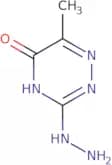
CAS:Versatile small molecule scaffoldFormula:C8H16ClNOPurity:Min. 95%Molecular weight:177.67 g/mol3-Hydrazinyl-6-methyl-4H-1,2,4-triazin-5-one
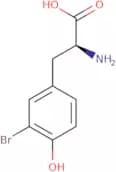
CAS:3-Hydrazinyl-6-methyl-4H-1,2,4-triazin-5-one is a chemical compound that belongs to the group of aromatic aldehydes. It has been shown to react with elemental chlorine, forming 3-chloro-6-methyl-4H-[1,2,4]triazin-5(3H)-one. This reaction can be accomplished by photolysis or pyrolysis. The magnetic properties of this compound allow for its use in studies involving electron spin resonance spectroscopy and nuclear magnetic resonance spectroscopy. 3-Hydrazinyl-6-methyl-[1,2,4]triazin-[5-(3H)]one can also undergo a photochemical reaction when exposed to ultraviolet radiation with molecular oxygen. The mechanism of this reaction is not fully understood but it is thought to involve electron transfer from the excited state of the 3 hydrazine molecule to an oxygen molecule followed byFormula:C4H7N5OPurity:Min. 95%Molecular weight:141.13 g/mol3-Bromo-L-tyrosine
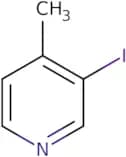
CAS:3-Bromo-L-tyrosine is a reactive eosinophilic compound that is formed in human serum during the activation process. 3-Bromo-L-tyrosine has been used as an analytical method for the measurement of eosinophil peroxidase and tissue culture cells. 3-Bromo-L-tyrosine has also been shown to be a marker for infectious diseases, such as cytomegalovirus (CMV), influenza, and parainfluenza virus infections. This compound can also be used to evaluate the efficacy of treatments for infectious diseases, such as CMV and influenza.Formula:C9H10BrNO3Purity:Min. 95%Molecular weight:260.1 g/mol3-Iodo-4-methylpyridine
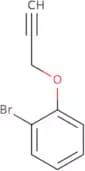
CAS:Versatile small molecule scaffoldFormula:C6H6INPurity:Min. 95%Molecular weight:219.02 g/mol1-Bromo-2-prop-2-ynoxy-benzene
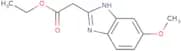
CAS:Versatile small molecule scaffoldFormula:C9H7OBrPurity:Min. 95%Molecular weight:211.06 g/molEthyl (5-methoxy-1H-benzimidazol-2-yl)acetate
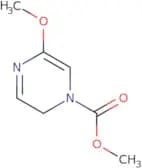
CAS:Versatile small molecule scaffoldFormula:C12H14N2O3Purity:Min. 95%Molecular weight:234.25 g/molMethyl 5-Methoxypyrazinecarboxylate
CAS:Methyl 5-methoxypyrazinecarboxylate is an organic compound that belongs to the group of triazoles. It has been used as a pesticide for the control of plant pathogenic fungi, nematodes and insects, such as dextrose, chloride, oxadiazoles and agriculturally. This product is effective against pests at low doses. Methyl 5-methoxypyrazinecarboxylate inhibits the synthesis of proteins in plants by inhibiting chitin synthase enzymes in fungi and nematodes. It also inhibits the synthesis of proteins in insects by interfering with the synthesis of proteins involved in cell division.
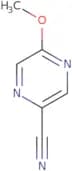
Formula:C7H8N2O3Purity:Min. 95%Molecular weight:168.15 g/mol5-Methoxypyrazine-2-carbonitrile
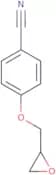
CAS:5-Methoxypyrazine-2-carbonitrile is a reactive, electron-deficient heterocycle that is used as a synthetic intermediate in organic synthesis. The reactivity of this molecule is similar to that of the cyanide ion, which can be used for the selective incorporation of carbon monoxide into organic molecules. 5-Methoxypyrazine-2-carbonitrile has been shown to react with trimethylsilyl cyanide, forming the corresponding trimethylsilyl cyanohydrin. This reaction proceeds via an anti-Markovnikov addition and produces a hemiaminal product.Formula:C6H5N3OPurity:Min. 95%Molecular weight:135.12 g/mol4-(2-Oxiranylmethoxy)benzenecarbonitrile
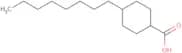
CAS:Versatile small molecule scaffoldFormula:C10H9NO2Purity:Min. 95%Molecular weight:175.18 g/mol4-Octylcyclohexane-1-carboxylic acid
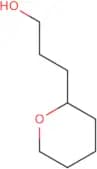
CAS:Versatile small molecule scaffoldFormula:C15H28O2Purity:Min. 95%Molecular weight:240.38 g/mol3-(Oxan-2-yl)propan-1-ol
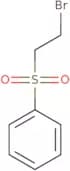
CAS:Versatile small molecule scaffoldFormula:C8H16O2Purity:Min. 95%Molecular weight:144.21 g/mol(2-Bromoethanesulfonyl)benzene
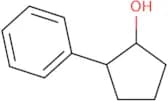
CAS:Versatile small molecule scaffoldFormula:C8H9BrO2SPurity:Min. 95%Molecular weight:249.13 g/mol(1S,2R)-2-Phenylcyclopentan-1-ol
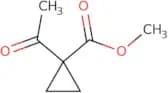
CAS:Versatile small molecule scaffoldFormula:C11H14OPurity:Min. 95%Molecular weight:162.2 g/mol1-Acetylcyclopropanecarboxylic Acid Methyl Ester
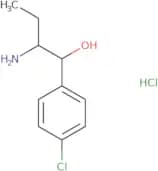
CAS:Versatile small molecule scaffoldFormula:C7H10O3Purity:Min. 95%Molecular weight:142.15 g/mol2-Amino-1-(4-chlorophenyl)butan-1-ol hydrochloride
CAS:Controlled ProductVersatile small molecule scaffoldFormula:C10H15Cl2NOPurity:Min. 95%Molecular weight:236.13 g/mol1,4-Dioxaspiro[4.4]nonane-6-carboxylic acid
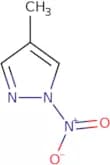
CAS:Versatile small molecule scaffoldFormula:C8H12O4Purity:Min. 95%Molecular weight:172.18 g/mol4-Methyl-1-nitro-1H-pyrazole
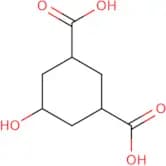
CAS:Versatile small molecule scaffoldFormula:C4H5N3O2Purity:Min. 95%Molecular weight:127.1 g/molrac-(1R,3S,5S)-5-Hydroxycyclohexane-1,3-dicarboxylic acid
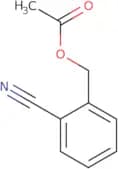
CAS:Versatile small molecule scaffoldFormula:C8H12O5Purity:Min. 95%Molecular weight:188.18 g/mol2-Cyanobenzyl acetate
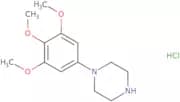
CAS:Versatile small molecule scaffoldFormula:C10H9NO2Purity:Min. 95%Molecular weight:175.19 g/mol1-(3,4,5-Trimethoxyphenyl)piperazine
CAS:Controlled ProductVersatile small molecule scaffold
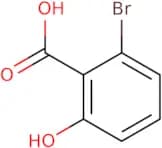
Formula:C13H20N2O3Purity:Min. 95%Molecular weight:252.31 g/mol2-Bromo-6-hydroxybenzoic acid
CAS:2-Bromo-6-hydroxybenzoic acid is a nucleophilic compound with a bromine atom at the 2 position. It is used in organic synthesis as a building block in the preparation of amides and other functional groups. This efficient preparation can be achieved by treating anilines with sodium nitrite and hydroxylamine in ethanol.
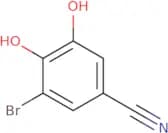
Formula:C7H5BrO3Purity:Min. 95%Molecular weight:217.02 g/mol3-Bromo-4,5-dihydroxybenzonitrile
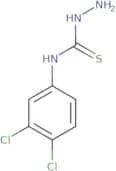
CAS:3-Bromo-4,5-dihydroxybenzonitrile is a molecule that has been found to be effective in treating neurodegenerative diseases. It has been shown to inhibit gene transcription, leading to the inhibition of cell proliferation and apoptosis. This drug also inhibits N-acetylglucosamine glycosylase, an enzyme that is involved in the removal of the amino group from cellular glycerophospholipids. 3-Bromo-4,5-dihydroxybenzonitrile binds to the hydrophobic pocket of DNA and prevents the formation of hydrogen bonds with the nucleobases. 3-Bromo-4,5-dihydroxybenzonitrile is a cochlear toxicant as it can cause hearing loss and deafness when administered at high doses. The cochlear toxicity may be due to its ability to inhibit tyrosine kinase activity, protein phosphatase 2Formula:C7H4BrNO2Purity:Min. 95%Molecular weight:214.02 g/mol4-(3,4-Dichlorophenyl)-3-thiosemicarbazide
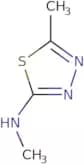
CAS:Versatile small molecule scaffoldFormula:C7H7Cl2N3SPurity:Min. 95%Molecular weight:236.12 g/molN,5-Dimethyl-1,3,4-thiadiazol-2-amine
CAS:Versatile small molecule scaffoldFormula:C4H7N3SPurity:Min. 95%Molecular weight:129.19 g/mol2-(4-Chlorophenyl)imidazo[1,2-a]pyridine
CAS:Versatile small molecule scaffold
Formula:C13H9ClN2Purity:Min. 95%Molecular weight:228.68 g/molImidazo[1,2-a]pyridine-2-carbonitrile
CAS:Versatile small molecule scaffoldFormula:C8H5N3Purity:Min. 95%Molecular weight:143.15 g/mol[1-(Aminomethyl)cyclopentyl]methanamine
CAS:Versatile small molecule scaffold
Formula:C7H16N2Purity:Min. 95%Molecular weight:128.22 g/mol1-[(Aminooxy)methyl]-4-methylbenzene hydrochloride
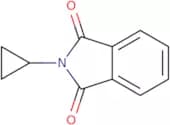
CAS:Versatile small molecule scaffoldFormula:C8H12ClNOPurity:Min. 95%Molecular weight:173.64 g/mol2-Cyclopropyl-2,3-dihydro-1H-isoindole-1,3-dione
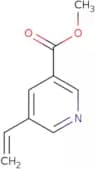
CAS:Sodium carbonate is a white crystalline, water-soluble salt that is used in the manufacture of glass, textiles, paper, soap and detergents. It can be made by the reaction of sodium hydroxide and carbon dioxide at high temperature. The cyclopropylboronic acid (B) reacts with copper(II) chloride to form a carboxylate anion. The resulting compound reacts with dichloroethane to form the 2-cyclopropyl-2,3-dihydro-1H-isoindole-1,3-dione (A). This type of reaction is known as a nucleophilic substitution reaction.Formula:C11H9NO2Purity:Min. 95%Molecular weight:187.19 g/mol5-Vinylnicotinic acid methyl ester
CAS:5-Vinylnicotinic acid methyl ester belongs to the group of antimicrobial agents. It is a chemical compound that has been shown to be effective against cervical cancer and may have potential as an anticancer drug. 5-Vinylnicotinic acid methyl ester inhibits the growth of human chorionic gonadotropin (HCG) in women, which is a hormone necessary for ovulation and pregnancy. This compound also inhibits the growth of viruses, such as herpes simplex virus type 1 (HSV-1), and bacteria, such as dittrichia sp., which causes inflammation of the throat. 5-Vinylnicotinic acid methyl ester has also been shown to inhibit protein synthesis in human osteosarcoma cells at low concentrations, but not at high concentrations.
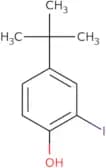
Formula:C9H9NO2Purity:Min. 95%Molecular weight:163.17 g/mol4-(tert-Butyl)-2-iodophenol
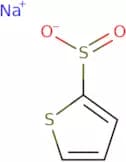
CAS:Versatile small molecule scaffoldFormula:C10H13IOPurity:Min. 95%Molecular weight:276.12 g/molSodium thiophene-2-sulfinate
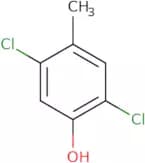
CAS:Sodium thiophene-2-sulfinate is a synthetic reagent that can be used to form methylenecyclopropanes, which are highly reactive with respect to oxidizing agents. A radical coupling mechanism has been proposed for the reaction of sodium thiophene-2-sulfinate with peroxide, which proceeds through a chain mechanism. The functional groups on the molecule allow for selective reactions with anilines and other electrophiles. This reagent is also effective in the synthesis of type-2 diabetes drugs and for investigating mechanistic aspects of these reactions.Formula:C4H3NaO2S2Purity:Min. 95%Molecular weight:170.2 g/mol2,5-Dichloro-4-methylphenol
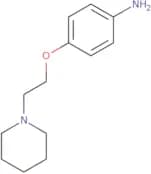
CAS:Versatile small molecule scaffoldFormula:C7H6Cl2OPurity:Min. 95%Molecular weight:177.02 g/mol4-(2-Piperidin-1-yl-ethoxy)-phenylamine
CAS:Versatile small molecule scaffoldFormula:C13H20N2OPurity:Min. 95%Molecular weight:220.32 g/mol4-[2-(4-Methylpiperazin-1-yl)ethoxy]aniline
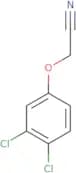
CAS:Versatile small molecule scaffoldFormula:C13H21N3OPurity:Min. 95%Molecular weight:235.33 g/mol2-(3,4-Dichlorophenoxy)acetonitrile
CAS:Versatile small molecule scaffold
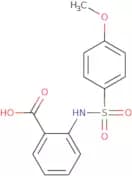
Formula:C8H5Cl2NOPurity:Min. 95%Molecular weight:202.03 g/mol2-(4-Methoxy-benzenesulfonylamino)-benzoic acid
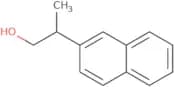
CAS:Versatile small molecule scaffoldFormula:C14H13NO5SPurity:Min. 95%Molecular weight:307.32 g/mol2-(Naphthalen-2-yl)propan-1-ol
CAS:2-(Naphthalen-2-yl)propan-1-ol is a chemical compound that has a chloride, fatty acid, carbonyl group, and an enantiomer. It can be used as an immobilizing agent for the preparation of enantiopure compounds. This compound is most commonly used as a reagent in organic chemistry to form reaction products with lipase and other enzymes. The reaction time varies depending on the enzyme used. 2-(Naphthalen-2-yl)propan-1-ol can also be activated by heating it with an acid or base to produce a different molecule.Formula:C13H14OPurity:Min. 95%Molecular weight:186.25 g/mol

![5-[(Oxiran-2-yl)methoxy]-1,3-dioxaindane](/_next/image/?url=https%3A%2Fstatic.cymitquimica.com%2Fproducts%2F3D%2Fthumb-webp%2FNBA41765.webp&w=3840&q=75)


![4-[2-(Diethylamino)ethoxy]aniline](/_next/image/?url=https%3A%2Fstatic.cymitquimica.com%2Fproducts%2F3D%2Fthumb-webp%2FNBA51963.webp&w=3840&q=75)
![2-[4-(benzyloxy)phenoxy]acetic acid](/_next/image/?url=https%3A%2Fstatic.cymitquimica.com%2Fproducts%2F3D%2Fthumb-webp%2FNBA55992.webp&w=3840&q=75)
![5H,6H,7H,8H-Imidazo[1,5-a]pyridine](/_next/image/?url=https%3A%2Fstatic.cymitquimica.com%2Fproducts%2F3D%2Fthumb-webp%2FNBA66630.webp&w=3840&q=75)
![1-Oxa-7-azaspiro[3.5]nonane](/_next/image/?url=https%3A%2Fstatic.cymitquimica.com%2Fproducts%2F3D%2Fthumb-webp%2FNBA67421.webp&w=3840&q=75)



![6-Methyl-1-oxaspiro[2.5]octane](/_next/image/?url=https%3A%2Fstatic.cymitquimica.com%2Fproducts%2F3D%2Fthumb-webp%2FNBA70971.webp&w=3840&q=75)


![1,4-Dioxaspiro[4.4]nonane-6-carboxylic acid](/_next/image/?url=https%3A%2Fstatic.cymitquimica.com%2Fproducts%2F3D%2Fthumb-webp%2FNBA85385.webp&w=3840&q=75)
![2-(4-Chlorophenyl)imidazo[1,2-a]pyridine](/_next/image/?url=https%3A%2Fstatic.cymitquimica.com%2Fproducts%2F3D%2Fthumb-webp%2FNBA92274.webp&w=3840&q=75)
![Imidazo[1,2-a]pyridine-2-carbonitrile](/_next/image/?url=https%3A%2Fstatic.cymitquimica.com%2Fproducts%2F3D%2Fthumb-webp%2FNBA92279.webp&w=3840&q=75)
![[1-(Aminomethyl)cyclopentyl]methanamine](/_next/image/?url=https%3A%2Fstatic.cymitquimica.com%2Fproducts%2F3D%2Fthumb-webp%2FNBA93272.webp&w=3840&q=75)
![1-[(Aminooxy)methyl]-4-methylbenzene hydrochloride](/_next/image/?url=https%3A%2Fstatic.cymitquimica.com%2Fproducts%2F3D%2Fthumb-webp%2FNBA93662.webp&w=3840&q=75)
![4-[2-(4-Methylpiperazin-1-yl)ethoxy]aniline](/_next/image/?url=https%3A%2Fstatic.cymitquimica.com%2Fproducts%2F3D%2Fthumb-webp%2FNBA94828.webp&w=3840&q=75)