Building Blocks
Subcategories of "Building Blocks"
- Boronic Acids & Boronic Acid Derivatives(5,784 products)
- Chiral Building Blocks(1,242 products)
- Hydrocarbon Building Blocks(6,105 products)
- Organic Building Blocks(61,061 products)
Found 205399 products of "Building Blocks"
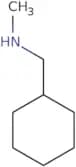
(Cyclohexylmethyl)(methyl)amine
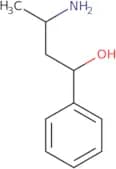
CAS:Versatile small molecule scaffoldFormula:C8H17NPurity:Min. 95%Molecular weight:127.23 g/mol3-Amino-1-phenylbutan-1-ol
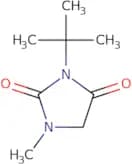
CAS:3-Amino-1-phenylbutan-1-ol is a stereoselective reducing agent that can be used for the reduction of aldehydes and ketones. This reagent is produced by the reaction of lithium metal with borohydride. It can also be synthesized from chlorobenzene and sodium borohydride in a two step process. 3-Amino-1-phenylbutan-1-ol has been shown to selectively reduce aldehydes over ketones, as well as reducing Alder–Ethers, Acetals, and Nitriles. 3-Amino-1-phenylbutan-1-ol has been shown to reduce lithium in the presence of chloride or cerium. The selectivity of this reagent has been attributed to its ability to form strong hydrogen bonds with lithium metal.Formula:C10H15NOPurity:Min. 95%Molecular weight:165.23 g/mol3-tert-Butyl-1-methylimidazolidine-2,4-dione
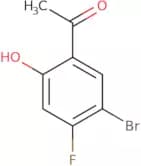
CAS:Versatile small molecule scaffoldFormula:C8H14N2O2Purity:Min. 95%Molecular weight:170.21 g/mol1-(5-Bromo-4-fluoro-2-hydroxyphenyl)ethanone
CAS:Versatile small molecule scaffoldFormula:C8H6O2FBrPurity:Min. 95%Molecular weight:233.03 g/mol6-Phenylimidazo[2,1-b][1,3,4]thiadiazole
CAS:Versatile small molecule scaffold
Formula:C10H7N3SPurity:Min. 95%Molecular weight:201.25 g/mol[5-Fluoro-2-(morpholin-4-yl)phenyl]methanamine
CAS:Versatile small molecule scaffold
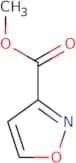
Formula:C11H15FN2OPurity:Min. 95%Molecular weight:210.25 g/molMethyl 1,2-oxazole-3-carboxylate
CAS:Methyl 1,2-oxazole-3-carboxylate is a pharmacological agent that belongs to the group of amino acid derivatives. It has been shown to inhibit Hsp70 and Hsp90, which are proteins involved in the folding and stabilization of other proteins. Methyl 1,2-oxazole-3-carboxylate also inhibits cancer cell growth by interacting with valine residues in proteins. Methyl 1,2-oxazole-3-carboxylate has been shown to be effective against human lung cancer cells as well as breast cancer cells. This drug has also been found to be an inhibitor for the interaction between isoxazole and phenylalanine residues in protein structures.Formula:C5H5NO3Purity:Min. 95%Molecular weight:127.1 g/mol2-Oxo-2-phenylacetyl chloride
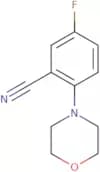
CAS:2-Oxo-2-phenylacetyl chloride is a stable complex that has been used in the asymmetric synthesis of amines. It has been shown to have potential as a drug for autoimmune diseases and inflammatory diseases. 2-Oxo-2-phenylacetyl chloride is a substrate molecule for nitro, propylphosphonic acid, and solid catalyst reactions with carbonyl groups. It also has photochemical properties that allow it to be used as a fluorine or hydroxyl group donor in organic syntheses.Formula:C8H5ClO2Purity:Min. 95%Molecular weight:168.57 g/mol5-Fluoro-2-(morpholin-4-yl)benzonitrile
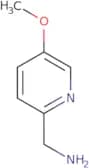
CAS:Versatile small molecule scaffoldFormula:C11H11FN2OPurity:Min. 95%Molecular weight:206.22 g/mol(5-Methoxypyridin-2-yl)methanamine
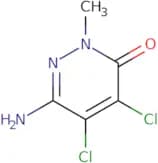
CAS:Versatile small molecule scaffoldFormula:C7H10N2OPurity:Min. 95%Molecular weight:138.17 g/mol6-Amino-4,5-dichloro-2-methyl-2,3-dihydropyridazin-3-one
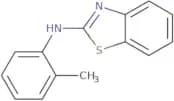
CAS:Versatile small molecule scaffoldFormula:C5H5Cl2N3OPurity:Min. 95%Molecular weight:194.02 g/molN-(2-Methylphenyl)-1,3-benzothiazol-2-amine
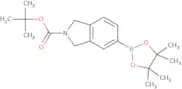
CAS:Versatile small molecule scaffoldFormula:C14H12N2SPurity:Min. 95%Molecular weight:240.33 g/moltert-Butyl 5-(4,4,5,5-tetramethyl-1,3,2-dioxaborolan-2-yl)isoindoline-2-carboxylate
CAS:Versatile small molecule scaffoldFormula:C19H28BNO4Purity:Min. 95%Molecular weight:345.24 g/mol3-[2-(Benzylsulfanyl)-4-methyl-6-oxo-1,6-dihydropyrimidin-5-yl]propanoic acid
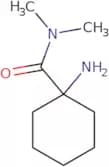
CAS:Versatile small molecule scaffoldFormula:C15H16N2O3SPurity:Min. 95%Molecular weight:304.4 g/mol1-Amino-N,N-dimethylcyclohexane-1-carboxamide
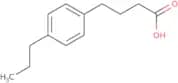
CAS:Versatile small molecule scaffoldFormula:C9H18N2OPurity:Min. 95%Molecular weight:170.25 g/mol4-(4-Propylphenyl)butanoic acid
CAS:Versatile small molecule scaffold
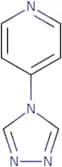
Formula:C13H18O2Purity:Min. 95%Molecular weight:206.28 g/mol4-(4H-1,2,4-Triazol-4-yl)pyridine
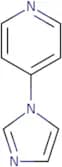
CAS:Versatile small molecule scaffoldFormula:C7H6N4Purity:Min. 95%Molecular weight:146.15 g/mol4-(1H-Imidazol-1-yl)pyridine
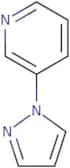
CAS:Versatile small molecule scaffoldFormula:C8H7N3Purity:Min. 95%Molecular weight:145.16 g/mol3-(1H-Pyrazol-1-yl)pyridine
CAS:3-(1H-Pyrazol-1-yl)pyridine (3PYR) is an insecticide that has been shown to be effective against a number of insects, including houseflies and mosquitoes. 3PYR is a type of pyrazole with a pyridine group on the 1 position. It is highly active as an insecticide due to its high quantum efficiency, which is dependent on the conformation and n-type parameters. The optimization of the population leads to synergistic effects that increase the efficiency of 3PYR as an insecticide. The pesticide also has high efficiencies for both populations and individuals.
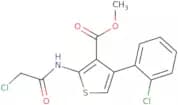
Formula:C8H7N3Purity:Min. 95%Molecular weight:145.16 g/molMethyl 2-(2-chloroacetamido)-4-(2-chlorophenyl)thiophene-3-carboxylate
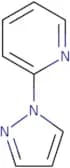
CAS:Versatile small molecule scaffoldFormula:C14H11Cl2NO3SPurity:Min. 95%Molecular weight:344.2 g/mol2-(1H-Pyrazol-1-yl)pyridine
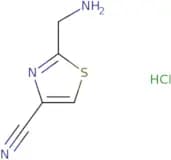
CAS:2-(1H-Pyrazol-1-yl)pyridine is a synthetic compound that has two nitrogen atoms in its pyrazole ring. It is used as an agrochemical and bioassay to control insects, fungi, and other pests. 2-(1H-Pyrazol-1-yl)pyridine is also used as a chemical intermediate in the synthesis of chlorantraniliprole and ryanodine receptor antagonists. The chemical structure of 2-(1H-pyrazol-1-yl)pyridine consists of an imine group with a nitrogen atom on each side of the double bond. This molecule can be converted into a nitrile by reacting it with hydrochloric acid, which is why it's sometimes called "2-(hydroxymethyl)-1H pyrazole."Formula:C8H7N3Purity:Min. 95%Molecular weight:145.16 g/mol2-(Aminomethyl)-1,3-thiazole-4-carbonitrile hydrochloride
CAS:Versatile small molecule scaffoldFormula:C5H6ClN3SPurity:Min. 95%Molecular weight:175.64 g/mol1-[4-(1H-Benzimidazol-1-yl)phenyl]ethanone
CAS:Versatile small molecule scaffoldFormula:C15H12N2OPurity:Min. 95%Molecular weight:236.27 g/mol1-[4-(1H-1,2,4-Triazol-1-yl)phenyl]ethan-1-one
CAS:Versatile small molecule scaffold
Formula:C10H9N3OPurity:Min. 95%Molecular weight:187.2 g/mol1-[4-(1H-Pyrazol-1-yl)phenyl]ethanone
CAS:1-[4-(1H-Pyrazol-1-yl)phenyl]ethanone is a bipyridine that can be used as a reagent to produce alkenylation products. It has chemoselectivity, meaning it reacts with only one of the two possible functional groups in an organic molecule. 1-[4-(1H-Pyrazol-1-yl)phenyl]ethanone is an oxidant and can be used for ruthenium catalyzed reactions. The compound was also shown to be directive and carboxylic acid catalysis in oxidative solvent systems.Formula:C11H10N2OPurity:Min. 95%Molecular weight:186.21 g/mol1-[2-(1H-Pyrazol-1-yl)phenyl]ethan-1-one
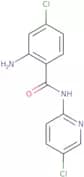
CAS:Versatile small molecule scaffoldFormula:C11H10N2OPurity:Min. 95%Molecular weight:186.21 g/mol2-Amino-4-chloro-N-(5-chloropyridin-2-yl)benzamide
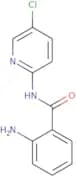
CAS:Versatile small molecule scaffoldFormula:C12H9Cl2N3OPurity:Min. 95%Molecular weight:282.12 g/mol2-Amino-N-(5-chloropyridin-2-yl)benzamide
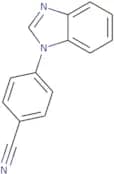
CAS:Versatile small molecule scaffoldFormula:C12H10ClN3OPurity:Min. 95%Molecular weight:247.68 g/mol4-(1H-1,3-Benzodiazol-1-yl)benzonitrile
CAS:4-(1H-1,3-Benzodiazol-1-yl)benzonitrile is a subunit of a coordination polymer that can be used as an organic ligand. The coordination polymer is composed of benzene rings and nitrile groups. It has been shown to have luminescent properties and can be used in the production of polymers with different topologies. These polymers are made up of alternating benzene rings and nitrile groups that form a chain. The luminescence properties depend on the type of organic ligands that are attached to the polymer chain.
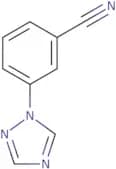
Formula:C14H9N3Purity:Min. 95%Molecular weight:219.24 g/mol3-(1H-1,2,4-Triazol-1-yl)benzonitrile
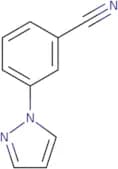
CAS:Versatile small molecule scaffoldFormula:C9H6N4Purity:Min. 95%Molecular weight:170.17 g/mol3-(1H-Pyrazol-1-yl)benzonitrile
CAS:3-(1H-Pyrazol-1-yl)benzonitrile is a perchlorate with a centrosymmetric dimeric crystal structure. It can be prepared by assembling two molecules of 3-aminobenzonitrile and 1,2,4-triazole in the presence of an oxidant. This compound has been used as a ligand in coordination chemistry and has been shown to be an efficient catalyst for imidazole synthesis. The molecule also exhibits anti-aromatization properties when irradiated. 3-(1H-Pyrazol-1-yl)benzonitrile can be used as an environment friendly alternative to benzotriazoles, which are typically synthesized using toxic chemicals such as chlorine gas or hydrogen peroxide.Formula:C10H7N3Purity:Min. 95%Molecular weight:169.18 g/molrac-(1R,3S,5S)-8-[(tert-butoxy)carbonyl]-8-azabicyclo[3.2.1]octane-3-carboxylic acid
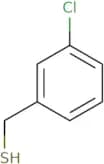
CAS:Versatile small molecule scaffoldFormula:C13H21NO4Purity:Min. 95%Molecular weight:255.3 g/mol(3-Chlorophenyl)methanethiol
CAS:3-Chlorophenylmethanethiol (3CPMS) is a delocalized molecule with a planar conformation. It has a resonance structure and can be found in the crystal structure of benzene. The hybridization of 3CPMS is sp2, which means that it is planar and has two electron pairs on each carbon atom. 3CPMS has the ability to form bonds with other molecules through hydrogen bonding or through the formation of covalent bonds with other molecules.Formula:C7H7ClSPurity:Min. 95%Molecular weight:158.65 g/mol3-Methylbenzylthiol
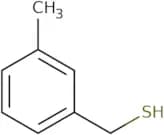
CAS:Versatile small molecule scaffold
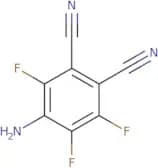
Formula:C8H10SPurity:Min. 95%Molecular weight:138.23 g/mol4-Amino-3,5,6-trifluorobenzene-1,2-dicarbonitrile
CAS:4-Amino-3,5,6-trifluorobenzene-1,2-dicarbonitrile (4AF) is a chemical compound that has been found to have antimicrobial properties. 4AF inhibits the growth of bacteria by hydrolyzing into 3,5,6-trifluoroaniline and trifluoroacetic acid. It also binds to polyamide and prevents the formation of bacterial cell walls. This process stops the synthesis of DNA and protein in the bacterial cell.Formula:C8H2F3N3Purity:Min. 95%Molecular weight:197.12 g/molMethyl (2E)-4-amino-2-methylbut-2-enoate hydrochloride
CAS:Versatile small molecule scaffold
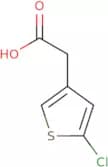
Formula:C6H12ClNO2Purity:Min. 95%Molecular weight:165.6 g/mol2-(5-Chlorothiophen-3-yl)acetic acid
CAS:Versatile small molecule scaffold
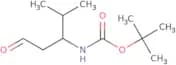
Formula:C6H5ClO2SPurity:Min. 95%Molecular weight:176.62 g/mol(S)-tert-Butyl (4-methyl-1-oxopentan-3-yl)carbamate
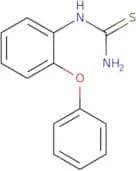
CAS:Versatile small molecule scaffoldFormula:C11H21NO3Purity:Min. 95%Molecular weight:215.29 g/mol(2-Phenoxyphenyl)thiourea
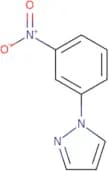
CAS:Versatile small molecule scaffoldFormula:C13H12N2OSPurity:Min. 95%Molecular weight:244.31 g/mol1-(3-Nitrophenyl)-1H-pyrazole
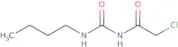
CAS:1-(3-Nitrophenyl)-1H-pyrazole is a small molecule inhibitor of p38 kinase. It can be used to treat arthritis and other diseases that are caused by the overactivation of p38 kinase. 1-(3-Nitrophenyl)-1H-pyrazole also has the potential to be used as a combinatorial library for the discovery of new inhibitors for protein kinases.Formula:C9H7N3O2Purity:Min. 95%Molecular weight:189.17 g/mol1-Butyl-3-(2-chloroacetyl)urea
CAS:Versatile small molecule scaffold
Formula:C7H13ClN2O2Purity:Min. 95%Molecular weight:192.64 g/mol{1H,2H,3H,4H,9H-Pyrido[3,4-b]indol-3-yl}methanol
CAS:Versatile small molecule scaffoldFormula:C12H14N2OPurity:Min. 95%Molecular weight:202.25 g/mol(6-Bromo-2,3-dihydrobenzo[b][1,4]dioxin-2-yl)methanol
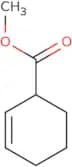
CAS:Versatile small molecule scaffoldFormula:C9H9BrO3Purity:Min. 95%Molecular weight:245.07 g/molMethyl cyclohex-2-enecarboxylate
CAS:Methyl cyclohex-2-enecarboxylate (MCHC) is a volatile compound that is found in actinomycetes and has been identified as the second major product of phenolic metabolism. MCHC is produced by the addition of an enolizable acetyl group to 2-cyclohexene-1-carboxylic acid. It can also be synthesized by the oxidation of cyclohexenyl alcohol, which is one of its main precursors. MCHC is a short-chain volatile compound that can exist as cis or trans isomers and has a boiling point of 136°C. The biosynthesis of MCHC occurs through a series of reactions that are difficult to identify because they have not yet been fully elucidated.
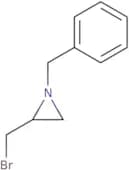
MCHC has been shown to cause cancer in animals, but it does not exhibit carcinogenic properties in humans because it does not bind well to DNA. The aromatic hydrocarbon contentFormula:C8H12O2Purity:Min. 95%Molecular weight:140.18 g/mol1-Benzyl-2-(bromomethyl)aziridine
CAS:1-Benzyl-2-(bromomethyl)aziridine is a nucleophile that can be used as an intermediate in the synthesis of epoxides. It is used as a reactant in the formation of chiral epoxides, which are important for pharmaceuticals and agrochemicals. The addition of aziridines to activated esters provides the corresponding carboxylic acid. The reaction proceeds stereoselectively with 1-benzyl-2-(bromomethyl)aziridine, but not with other diamino compounds such as 1-benzyl-2-(chloromethyl)aziridine or 2-(bromomethyl)azetidine. Bromine is used to activate the carboxylic acid, which leads to a more reactive intermediate than other nonactivated forms.Formula:C10H12BrNPurity:Min. 95%Molecular weight:226.11 g/mol4-{[(Diaminomethylidene)amino]methyl}benzoic acid hydrochloride
CAS:Versatile small molecule scaffoldFormula:C9H12ClN3O2Purity:Min. 95%Molecular weight:229.66 g/mol2-[(3-Chlorophenyl)methyl]oxirane
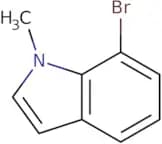
CAS:Versatile small molecule scaffoldFormula:C9H9ClOPurity:Min. 95%Molecular weight:168.62 g/mol7-Bromo-1-methyl-1H-indole
CAS:Versatile small molecule scaffoldFormula:C9H8NBrPurity:Min. 95%Molecular weight:210.07 g/mol1-Benzyl-1 H -[1,2,4]triazol-3-ylamine
CAS:Versatile small molecule scaffold
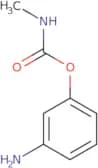
Formula:C9H10N4Purity:Min. 95%Molecular weight:174.2 g/mol3-Aminophenyl N-methylcarbamate
CAS:Versatile small molecule scaffold
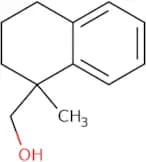
Formula:C8H10N2O2Purity:Min. 95%Molecular weight:166.18 g/mol(1-Methyl-1,2,3,4-tetrahydronaphthalen-1-yl)methanol
CAS:Versatile small molecule scaffold
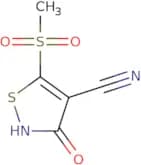
Formula:C12H16OPurity:Min. 95%Molecular weight:176.25 g/mol3-Hydroxy-5-methanesulfonyl-1,2-thiazole-4-carbonitrile
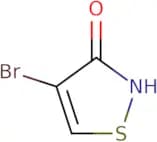
CAS:Versatile small molecule scaffoldFormula:C5H4N2O3S2Purity:Min. 95%Molecular weight:204.2 g/mol4-Bromo-1,2-thiazol-3-ol
CAS:4-Bromo-1,2-thiazol-3-ol is a palladium acetate catalyst that is used in the palladium-catalyzed synthesis of isothiazoles. It reacts with olefins to form (4-bromo)isothiazoles. 4-Bromo-1,2-thiazol-3-ol has been found to be effective for the synthesis of different types of isothiazoles.Formula:C3H2BrNOSPurity:Min. 95%Molecular weight:180.03 g/molPyrazolo[1,5-a]pyridine-3-carbonitrile
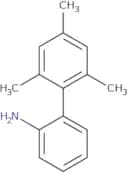
CAS:Pyrazolo[1,5-a]pyridine-3-carbonitrile is a crystalline solid in the form of an amorphous or polymorph. It has been shown to inhibit the kinase activity of protein tyrosine phosphatases and may be useful for the treatment of gastrointestinal disorders. The compound has also been shown to have antioxidant properties, which may be related to its ability to inhibit oxidative phosphorylation by inhibiting the mitochondrial membrane potential. Pyrazolo[1,5-a]pyridine-3-carbonitrile has also been shown to suppress proliferation and induce apoptosis in some types of cancer cells. This compound can serve as a nitrogen source for microbial growth and can inhibit bacterial growth by acting as an inhibitor of indolizine synthesis or nitrogen fixation.Formula:C8H5N3Purity:Min. 95%Molecular weight:143.15 g/mol2-(2,4,6-Trimethylphenyl)aniline
CAS:Versatile small molecule scaffoldFormula:C15H17NPurity:Min. 95%Molecular weight:211.3 g/molBis[(6-methylpyridin-2-yl)methyl]amine
CAS:Bis[(6-methylpyridin-2-yl)methyl]amine is a monoxide that is used as an electrocatalyst for the reduction of nitrite to nitric oxide. Bis[(6-methylpyridin-2-yl)methyl]amine is able to catalyze the conversion of an electron from a proton donor to a sulfide substrate, which generates a geometrical change in the molecule. The bis[(6-methylpyridin-2-yl)methyl]amine molecule has acidic properties and can be used in coordination chemistry as it can coordinate with gold electrodes. This compound also has been shown to have nitrite reductase activity, which may be due to its ability to reduce molecular oxygen.
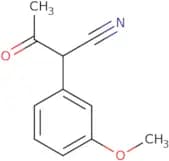
Formula:C14H17N3Purity:Min. 95%Molecular weight:227.3 g/mol2-(3-Methoxyphenyl)-3-oxobutanenitrile
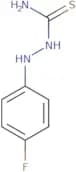
CAS:Versatile small molecule scaffoldFormula:C11H11NO2Purity:Min. 95%Molecular weight:189.21 g/mol1-(4-Fluorophenyl)thiosemicarbazide
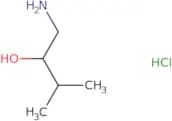
CAS:Versatile small molecule scaffoldFormula:C7H8FN3SPurity:Min. 95%Molecular weight:185.22 g/mol1-Amino-3-methylbutan-2-ol hydrochloride
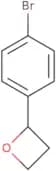
CAS:Versatile small molecule scaffoldFormula:C5H14ClNOPurity:Min. 95%Molecular weight:139.62 g/mol2-(4-Bromophenyl)oxetane
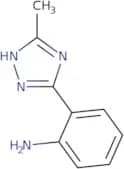
CAS:Versatile small molecule scaffoldFormula:C9H9BrOPurity:Min. 95%Molecular weight:213.07 g/mol2-(3-Methyl-1H-1,2,4-triazol-5-yl)aniline
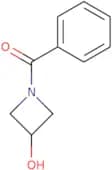
CAS:Versatile small molecule scaffoldFormula:C9H10N4Purity:Min. 95%Molecular weight:174.2 g/mol1-Benzoylazetidin-3-ol
CAS:Versatile small molecule scaffoldFormula:C10H11NO2Purity:Min. 95%Molecular weight:177.2 g/mol4-(4-Chlorophenyl)piperazine-1-carbothioamide
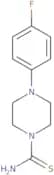
CAS:Versatile small molecule scaffoldFormula:C11H14ClN3SPurity:Min. 95%Molecular weight:255.77 g/mol4-(4-Fluorophenyl)piperazine-1-carbothioamide
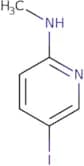
CAS:Versatile small molecule scaffoldFormula:C11H14FN3SPurity:Min. 95%Molecular weight:239.31 g/mol5-Iodo-N-methylpyridin-2-amine
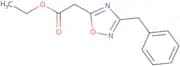
CAS:Versatile small molecule scaffoldFormula:C6H7IN2Purity:Min. 95%Molecular weight:234.04 g/molEthyl 2-(3-benzyl-1,2,4-oxadiazol-5-yl)acetate
CAS:Versatile small molecule scaffold
Formula:C13H14N2O3Purity:Min. 95%Molecular weight:246.3 g/mol2-Pentyl-2-cyclopenten-1-one
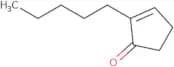
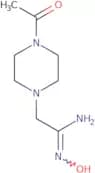
CAS:2-Pentyl-2-cyclopenten-1-one is a stereoselective reaction product. It is synthesized by reacting cyclopentyl amines with sodium carbonate in acidic solution. The reaction is carried out at room temperature and the optimal reaction time appears to be 18 hours. This compound reacts with chloride to form an acid chloride, which undergoes dehydration to form the desired product. The resulting chemical structures are shown below.Formula:C10H16OPurity:Min. 95%Molecular weight:152.24 g/mol2-(4-Acetylpiperazin-1-yl)-N'-hydroxyethanimidamide
CAS:Versatile small molecule scaffold
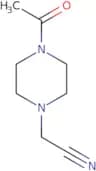
Formula:C8H16N4O2Purity:Min. 95%Molecular weight:200.24 g/mol2-(4-Acetylpiperazin-1-yl)acetonitrile
CAS:Versatile small molecule scaffold
Formula:C8H13N3OPurity:Min. 95%Molecular weight:167.21 g/mol2-[2-(4-Methylphenoxy)phenyl]acetic acid
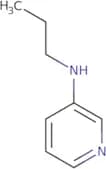
CAS:Versatile small molecule scaffoldFormula:C15H14O3Purity:Min. 95%Molecular weight:242.27 g/molN-Propylpyridin-3-amine
CAS:Versatile small molecule scaffold
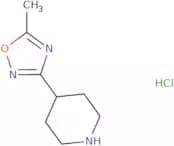
Formula:C8H12N2Purity:Min. 95%Molecular weight:136.19 g/mol4-(5-methyl-1,2,4-oxadiazol-3-yl)piperidine hydrochloride
CAS:Versatile small molecule scaffoldFormula:C8H13N3O·HClPurity:Min. 95%Molecular weight:203.66 g/mol2,2'-Dipyridylamine
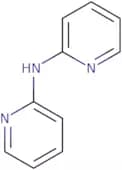
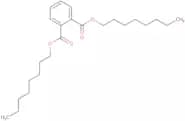
CAS:2,2'-Dipyridylamine is a compound that belongs to the group of low-energy compounds. It has been shown to have antimicrobial activity against bacteria and fungi and has been demonstrated to be effective in treating cancer cells. 2,2'-Dipyridylamine is a molecule with two nitrogen atoms, which are bound by hydrogen bonds. This compound also contains methoxy groups that are coordinated by the nitrogen atoms. The structural analysis shows that there are three open coordination sites for metal ions that can bind with the nitrogen atoms. The x-ray diffraction data show that 2,2'-dipyridylamine crystallizes in a monoclinic system with an orthorhombic unit cell.Formula:C10H9N3Purity:Min. 95%Molecular weight:171.2 g/molDi-n-octyl phthalate
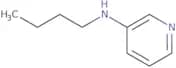
CAS:Di-n-octyl phthalate (DNOP) is a phthalate that is used as a plasticizer in polyvinyl chloride. It is also used as an analytical reagent for the determination of activated phthalates in water, food, and human serum samples. DNOP has been shown to inhibit mitochondrial function and cellular respiration. This inhibition may be due to its ability to bind to the mitochondrial membrane and cause oxidative damage. It has also been shown to inhibit the growth of bacteria such as Escherichia coli by blocking protein synthesis. DNOP has been found to be chemically stable in rat liver microsomes, which indicates that it does not easily react with other chemicals or degrade over time.Formula:C24H38O4Purity:Min. 95%Molecular weight:390.56 g/molN-Butylpyridin-3-amine
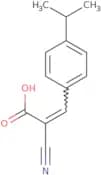
CAS:Versatile small molecule scaffoldFormula:C9H14N2Purity:Min. 95%Molecular weight:150.22 g/mol(2Z)-2-Cyano-3-(4-isopropylphenyl)acrylic acid
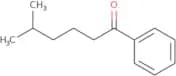
CAS:Versatile small molecule scaffoldFormula:C13H13NO2Purity:Min. 95%Molecular weight:215.25 g/mol5-Methyl-1-phenylhexan-1-one
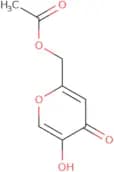
CAS:5-Methyl-1-phenylhexan-1-one is an antiviral agent that inhibits the infectivity of human immunodeficiency virus (HIV). It has been shown to be potent against HIV. The antiviral effect of 5-Methyl-1-phenylhexan-1-one is due to its ability to inhibit the action of HIV reverse transcriptase, which is an enzyme that catalyzes the synthesis of viral DNA from viral RNA. It is a 6 membered heterocycle with aspartyl and cyclopentyl rings. 5-Methyl-1 phenylhexan-1 one has not been tested for mutagenicity or carcinogenicity.Formula:C13H18OPurity:Min. 95%Molecular weight:190.28 g/mol(5-Hydroxy-4-oxo-4H-pyran-2-yl)methyl acetate
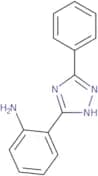
CAS:Versatile small molecule scaffoldFormula:C8H8O5Purity:Min. 95%Molecular weight:184.15 g/mol2-(5-Phenyl-1H-1,2,4-triazol-3-yl)aniline
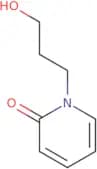
CAS:Versatile small molecule scaffoldFormula:C14H12N4Purity:Min. 95%Molecular weight:236.27 g/mol1-(3-Hydroxypropyl)-1,2-dihydropyridin-2-one
CAS:Versatile small molecule scaffold
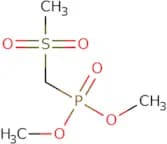
Formula:C8H11NO2Purity:Min. 95%Molecular weight:153.18 g/molDimethyl (methanesulfonylmethyl)phosphonate
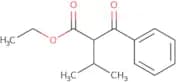
CAS:Versatile small molecule scaffoldFormula:C4H11O5PSPurity:Min. 95%Molecular weight:202.17 g/molethyl 2-benzoyl-3-methylbutanoate
CAS:Versatile small molecule scaffoldFormula:C14H18O3Purity:Min. 95%Molecular weight:234.29 g/mol6-Methoxy-1,3,4,9-tetrahydro-carbazol-2-one
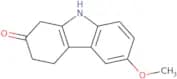
CAS:Versatile small molecule scaffoldFormula:C13H13NO2Purity:Min. 95%Molecular weight:215.25 g/mol2-(Carboxymethyl)-1H-pyrrole-3-carboxylic acid
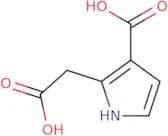
CAS:2-(Carboxymethyl)-1H-pyrrole-3-carboxylic acid (CMPC) is an acid ethyl ester of 2-(carboxymethyl)-1H-pyrrole-3-carboxylic acid. CMPC is a reactive chemical that can be used as a raw material in the preparation of pharmaceuticals. It has anti-inflammatory properties and can be used in the treatment of inflammation, pain, and fever. Hydrolysis of CMPC with triethylamine and chloride yields the corresponding diester, which has anti-inflammatory properties. The hydrated form of CMPC reacts with ethylene to produce antiphlogistic effects, which may be due to its ability to inhibit prostaglandin synthesis.
Formula:C7H7NO4Purity:Min. 95%Molecular weight:169.13 g/mol3-(4-Fluorophenyl)propanamide
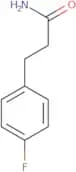
CAS:Versatile small molecule scaffoldFormula:C9H10FNOPurity:Min. 95%Molecular weight:167.18 g/mol5-(Pyridin-2-yl)-1,3,4-thiadiazol-2-amine
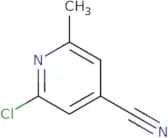
CAS:Versatile small molecule scaffoldFormula:C7H6N4SPurity:Min. 95%Molecular weight:178.22 g/mol2-Chloro-6-methylpyridine-4-carbonitrile
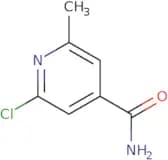
CAS:Versatile small molecule scaffoldFormula:C7H5ClN2Purity:Min. 95%Molecular weight:152.58 g/mol2-Chloro-6-methylpyridine-4-carboxamide
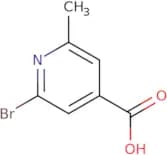
CAS:Versatile small molecule scaffoldFormula:C7H7ClN2OPurity:Min. 95%Molecular weight:170.59 g/mol2-Bromo-6-methylisonicotinic acid
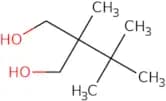
CAS:Versatile small molecule scaffoldFormula:C7H6BrNO2Purity:Min. 95%Molecular weight:216.03 g/mol2-tert-Butyl-2-methyl-propane-1,3-diol
CAS:Versatile small molecule scaffoldFormula:C8H18O2Purity:Min. 95%Molecular weight:146.23 g/molEthyl N-(2-hydroxyethyl)-N-methylcarbamate
CAS:Versatile small molecule scaffoldFormula:C6H13NO3Purity:Min. 95%Molecular weight:147.17 g/mol4,5-Dimethyl-2,3-dihydro-1,3-thiazol-2-one
CAS:Versatile small molecule scaffoldFormula:C5H7NOSPurity:Min. 95%Molecular weight:129.18 g/mol1-[(Trimethylsilyl)oxy]cyclopentane-1-carbonitrile
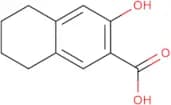
CAS:Versatile small molecule scaffoldFormula:C9H17NOSiPurity:Min. 95%Molecular weight:183.32 g/mol3-Hydroxy-5,6,7,8-tetrahydronaphthalene-2-carboxylic acid
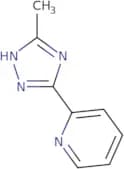
CAS:Versatile small molecule scaffoldFormula:C11H12O3Purity:Min. 95%Molecular weight:192.21 g/mol2-(3-Methyl-1H-1,2,4-triazol-5-yl)pyridine
CAS:2-(3-Methyl-1H-1,2,4-triazol-5-yl)pyridine is a cytotoxic compound that can be used to induce cell death. It binds to cisplatin, forming a covalent bond with the sulfur atom of the ligand. This process results in DNA crosslinking and inhibition of RNA synthesis. The compound can also be used as a radioprotective agent. 2-(3-Methyl-1H-1,2,4-triazol-5-yl)pyridine has been shown to have antihemolytic properties and is not toxic to human cells at low concentrations.
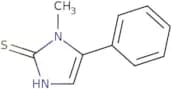
Formula:C8H8N4Purity:Min. 95%Molecular weight:160.18 g/mol1-Methyl-5-phenyl-1h-imidazole-2-thiol
CAS:1-Methyl-5-phenyl-1H-imidazole-2-thiol (1MPHT) is an experimental drug that has been shown to be an active inhibitor of the enzyme protein kinase C delta (PKCδ). PKCδ is a serine/threonine kinase that is involved in inflammatory bowel disease and hepatic steatosis. 1MPHT has also been shown to inhibit dextran sulfate, a molecule that activates Toll-like receptor 4 (TLR4), which plays a role in the pathogenesis of inflammatory bowel disease. More research needs to be done to determine the effects of 1MPHT on cancer cell viability.Formula:C10H10N2SPurity:Min. 95%Molecular weight:190.27 g/mol2-(Methylsulfanyl)-4-phenyl-1H-imidazole
CAS:Versatile small molecule scaffold
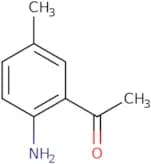
Formula:C10H10N2SPurity:Min. 95%Molecular weight:190.27 g/mol1-(2-Amino-5-methylphenyl)ethan-1-one
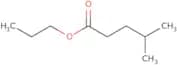
CAS:Versatile small molecule scaffoldFormula:C9H11NOPurity:Min. 95%Molecular weight:149.19 g/molPropyl 4-methylpentanoate
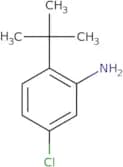
CAS:Propyl 4-methylpentanoate is a carboxylic acid that has been shown to have antibacterial activity. It is used in the production of perfumes and flavors, as well as in the manufacture of polymers. The compound has a taste that is described as slightly acidic with a phenolic odor. It was also found to be effective at inhibiting the growth of bacteria such as Staphylococcus aureus and Streptococcus pyogenes.Formula:C9H18O2Purity:Min. 95%Molecular weight:158.24 g/mol2-tert-Butyl-5-chloroaniline
CAS:Versatile small molecule scaffoldFormula:C10H14ClNPurity:Min. 95%Molecular weight:183.68 g/mol

![6-Phenylimidazo[2,1-b][1,3,4]thiadiazole](/_next/image/?url=https%3A%2Fstatic.cymitquimica.com%2Fproducts%2F3D%2Fthumb-webp%2FABA75218.webp&w=3840&q=75)
![[5-Fluoro-2-(morpholin-4-yl)phenyl]methanamine](/_next/image/?url=https%3A%2Fstatic.cymitquimica.com%2Fproducts%2F3D%2Fthumb-webp%2FFLB43934.webp&w=3840&q=75)

![3-[2-(Benzylsulfanyl)-4-methyl-6-oxo-1,6-dihydropyrimidin-5-yl]propanoic acid](/_next/image/?url=https%3A%2Fstatic.cymitquimica.com%2Fproducts%2F3D%2Fthumb-webp%2FFLB08802.webp&w=3840&q=75)
![1-[4-(1H-Benzimidazol-1-yl)phenyl]ethanone](/_next/image/?url=https%3A%2Fstatic.cymitquimica.com%2Fproducts%2F3D%2Fthumb-webp%2FABA70010.webp&w=3840&q=75)
![1-[4-(1H-1,2,4-Triazol-1-yl)phenyl]ethan-1-one](/_next/image/?url=https%3A%2Fstatic.cymitquimica.com%2Fproducts%2F3D%2Fthumb-webp%2FABA70004.webp&w=3840&q=75)
![1-[4-(1H-Pyrazol-1-yl)phenyl]ethanone](/_next/image/?url=https%3A%2Fstatic.cymitquimica.com%2Fproducts%2F3D%2Fthumb-webp%2FABA69998.webp&w=3840&q=75)
![1-[2-(1H-Pyrazol-1-yl)phenyl]ethan-1-one](/_next/image/?url=https%3A%2Fstatic.cymitquimica.com%2Fproducts%2F3D%2Fthumb-webp%2FABA69996.webp&w=3840&q=75)
![rac-(1R,3S,5S)-8-[(tert-butoxy)carbonyl]-8-azabicyclo[3.2.1]octane-3-carboxylic acid](/_next/image/?url=https%3A%2Fstatic.cymitquimica.com%2Fproducts%2F3D%2Fthumb-webp%2FFLA76200.webp&w=3840&q=75)

![{1H,2H,3H,4H,9H-Pyrido[3,4-b]indol-3-yl}methanol](/_next/image/?url=https%3A%2Fstatic.cymitquimica.com%2Fproducts%2F3D%2Fthumb-webp%2FABA67471.webp&w=3840&q=75)
![(6-Bromo-2,3-dihydrobenzo[b][1,4]dioxin-2-yl)methanol](/_next/image/?url=https%3A%2Fstatic.cymitquimica.com%2Fproducts%2F3D%2Fthumb-webp%2FFLA75278.webp&w=3840&q=75)
![4-{[(Diaminomethylidene)amino]methyl}benzoic acid hydrochloride](/_next/image/?url=https%3A%2Fstatic.cymitquimica.com%2Fproducts%2F3D%2Fthumb-webp%2FABA64725.webp&w=3840&q=75)
![2-[(3-Chlorophenyl)methyl]oxirane](/_next/image/?url=https%3A%2Fstatic.cymitquimica.com%2Fproducts%2F3D%2Fthumb-webp%2FABA64208.webp&w=3840&q=75)
![1-Benzyl-1 H -[1,2,4]triazol-3-ylamine](/_next/image/?url=https%3A%2Fstatic.cymitquimica.com%2Fproducts%2F3D%2Fthumb-webp%2FABA63743.webp&w=3840&q=75)
![Pyrazolo[1,5-a]pyridine-3-carbonitrile](/_next/image/?url=https%3A%2Fstatic.cymitquimica.com%2Fproducts%2F3D%2Fthumb-webp%2FABA62789.webp&w=3840&q=75)
![Bis[(6-methylpyridin-2-yl)methyl]amine](/_next/image/?url=https%3A%2Fstatic.cymitquimica.com%2Fproducts%2F3D%2Fthumb-webp%2FABA59907.webp&w=3840&q=75)

![2-[2-(4-Methylphenoxy)phenyl]acetic acid](/_next/image/?url=https%3A%2Fstatic.cymitquimica.com%2Fproducts%2F3D%2Fthumb-webp%2FABA56303.webp&w=3840&q=75)



![1-[(Trimethylsilyl)oxy]cyclopentane-1-carbonitrile](/_next/image/?url=https%3A%2Fstatic.cymitquimica.com%2Fproducts%2F3D%2Fthumb-webp%2FABA43835.webp&w=3840&q=75)